
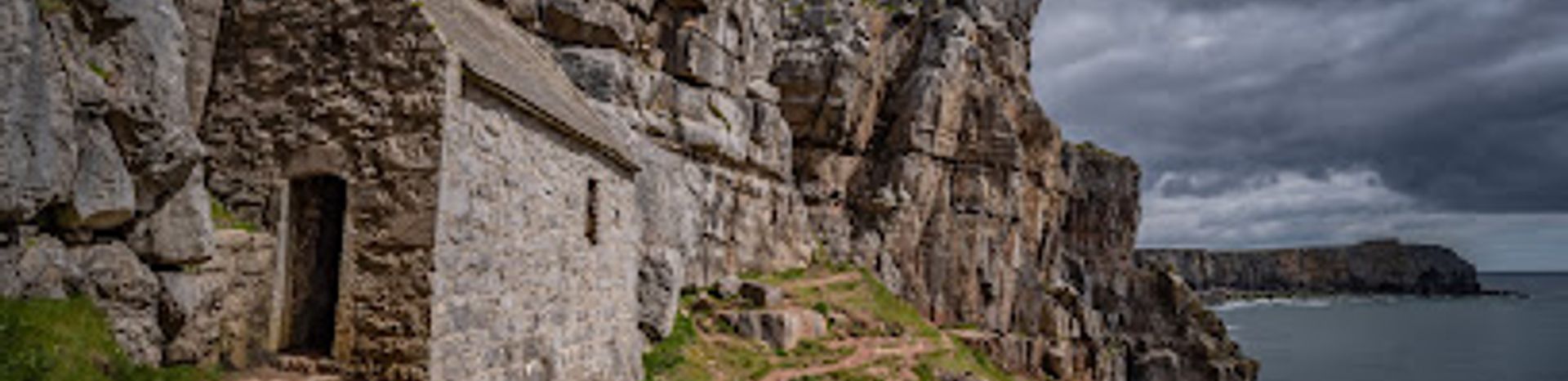
St Govan's Chapel: A Cliffside Sanctuary of Legend and History
Discover the mystical cliffside chapel where legend, history, and the wild Pembrokeshire coast converge in a timeless sanctuary.
St Govan's Chapel is a remarkable 13th-century chapel built into a limestone cliff on St Govan's Head, Pembrokeshire, Wales. This small, vaulted sanctuary stands over a cave once inhabited by St Govan, a 6th-century hermit. The chapel is steeped in legend, including tales of pirates, miraculous rock fissures, and a magical bell encased in stone nearby. Visitors access it by descending 52 steps carved into the cliff, with views over the rugged Pembrokeshire coastline.
A brief summary to Saint Govan's Chapel
- Bosherston, St. Govan's Head, SA71 5DR, GB
- Visit website
- Duration: 0.5 to 2 hours
- Free
-
 Outdoor
- Mobile reception: 4 out of 5
- Monday 12 am-12 am
- Tuesday 12 am-12 am
- Wednesday 12 am-12 am
- Thursday 12 am-12 am
- Friday 12 am-12 am
- Saturday 12 am-12 am
- Sunday 12 am-12 am
Local tips
- Prepare for a steep descent of 52 stone steps to reach the chapel; wear sturdy footwear and take care on the uneven path.
- Visit during low tide and clear weather for the best coastal views and safer access to surrounding areas.
- Explore the small cave behind the altar to see the rib cage imprint legend and experience the chapel’s intimate atmosphere.
- Respect the chapel’s tranquil setting and its location within a military training area, which may restrict access at times.

For the on-the-go comforts that matter to you
- Restrooms
- Seating Areas
- Information Boards
Getting There
-
Bus
Take the local bus service from Pembroke or Tenby to Bosherston village, which runs approximately every 1-2 hours. From Bosherston, it is a 20-minute walk along marked coastal paths to St Govan's Chapel. Bus fares range from £5 to £8 one way.
-
Car
Drive from Pembroke or Tenby to the St Govan's Head car park near Bosherston, approximately 15-25 minutes depending on starting point. Parking is limited and free but can fill quickly during peak season. Note the chapel is within a military training area and access may be restricted during exercises.
-
Walking
For active visitors, a 2-3 hour circular hike along the Pembrokeshire Coast Path from Bosherston offers scenic views and leads directly to the chapel. The terrain is uneven and includes steep sections, so suitable footwear and moderate fitness are required.
Saint Govan's Chapel location weather suitability
-
 Any Weather
-
 Clear Skies
-
 Windy Conditions
-
 Mild Temperatures
Discover more about Saint Govan's Chapel
Origins Rooted in Early Christian Hermitage
St Govan's Chapel is perched dramatically within a fissure on the limestone cliffs of St Govan's Head, Pembrokeshire. While the existing stone chapel dates mainly from the 13th century, the site’s spiritual significance likely extends back to the 5th or 6th century when Saint Govan, an Irish monk and hermit, reputedly made this rocky cleft his refuge. According to tradition, St Govan was fleeing pirates when the cliff miraculously opened to shelter him, leaving an imprint of his ribcage on the rock that remains visible today. This cave beneath the chapel is believed to be his original hermit's cell, a place of solitude and prayer.Architectural Simplicity and Sacred Features
The chapel itself is modest in size, measuring approximately 20 by 12 feet, built from local limestone with a vaulted slate roof likely added in later centuries. Its interior is austere, featuring low stone benches along the north and south walls and a bare stone altar positioned above the saint’s cave. The altar is said to conceal St Govan’s remains, making it a revered pilgrimage site. A small bell-cote stands at the west end, though the original bell associated with the saint is long lost to legend. A piscina set into the wall hints at the chapel’s medieval liturgical use, while a doorway leads into the adjoining rock chamber.Legend of the Bell Rock and Miraculous Protection
One of the chapel’s most enduring legends concerns St Govan’s silver bell, used to warn locals of pirate attacks. After pirates stole the bell, angels are said to have retrieved it and embedded it within a nearby massive stone known as the Bell Rock. This stone, located at the water’s edge, is believed to amplify the bell’s sound a thousandfold when struck, symbolizing divine protection. The chapel and its surroundings are steeped in folklore blending Christian faith with local myth, enriching the visitor’s experience with stories of miraculous escapes and spiritual guardianship.A Place of Healing and Pilgrimage
Beneath the chapel lies a well historically famed for its healing properties, attracting pilgrims for centuries seeking cures. The site’s reputation as a sacred healing place is documented from at least the 17th century. Visitors often explore the tight rock cavity associated with St Govan’s hiding place, where local lore says making a wish while turning around in the cramped space will grant it. This blend of natural wonder, spiritual heritage, and folklore contributes to the chapel’s mystical atmosphere.Setting Within the Pembrokeshire Coast
St Govan’s Chapel is nestled within the Pembrokeshire Coast National Park, a protected landscape of rugged cliffs and sweeping sea views. Accessed by a steep flight of 52 stone steps carved into the cliff, the journey down is part of the experience, with the number of steps said to mysteriously differ when ascending or descending. The chapel’s location amidst the wild coastal scenery offers visitors a tranquil yet dramatic environment, where the sound of waves and the scent of sea air enhance the sense of stepping back into a timeless place.Enduring Cultural Significance and Modern Recognition
Today, St Govan's Chapel is a Grade I listed building, recognized for its architectural and historical importance. It occasionally features in popular culture, including television dramas, and remains a symbol of Pembrokeshire’s rich heritage. Despite its remote and rugged setting, the chapel continues to inspire awe and curiosity, standing as a testament to faith, legend, and the enduring human connection to place.Iconic landmarks you can’t miss

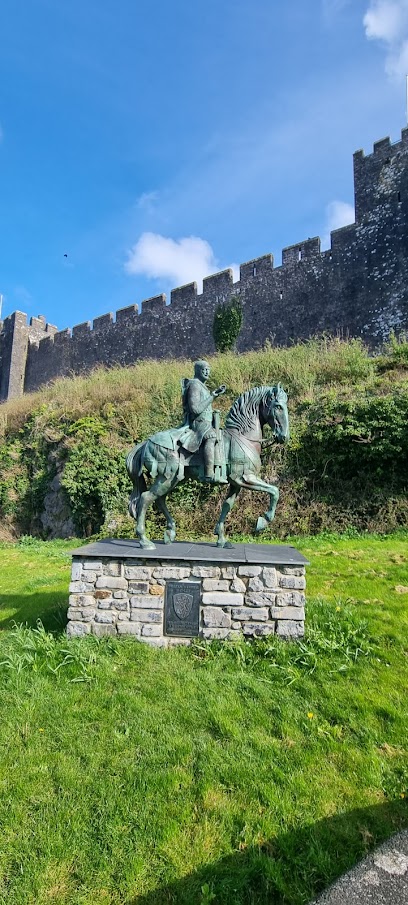
William Marshal Statue
8.6 km
Medieval England's greatest knight, immortalized in bronze below his castle stronghold.
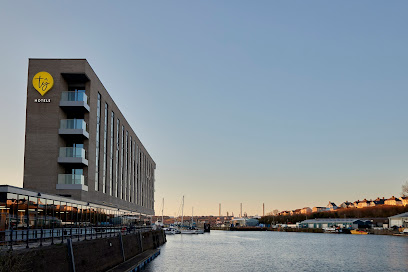
Tŷ Milford Waterfront
14.5 km
Modern nautical charm meets stunning marina views at Tŷ Milford Waterfront, a stylish family-friendly hotel in scenic Milford Haven.
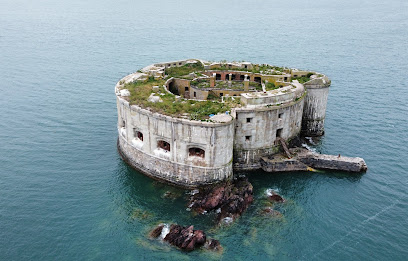
Stack Rock Fort
15.7 km
A formidable 19th-century island fortress guarding Wales’ Milford Haven, blending military history with rugged coastal beauty.
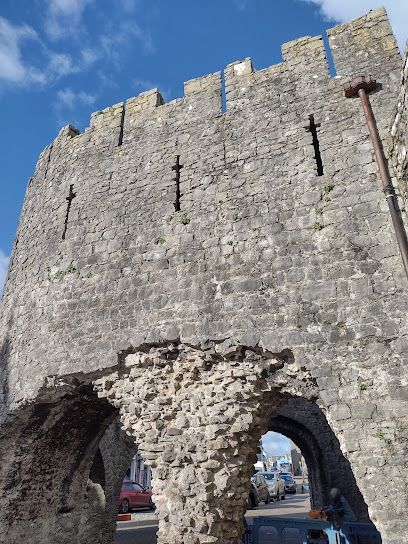
Tenby Town walls
18.2 km
Explore Tenby’s medieval town walls, a stunning coastal fortress that tells the story of centuries-old Welsh defense and heritage.
Imperial Hotel, Tenby
18.2 km
Historic hotel on Tenby’s ancient walls with stunning sea views, modern comforts, and a vibrant seaside dining experience.

West Blockhouse Fort
18.2 km
A commanding 19th-century coastal fort perched on Pembrokeshire cliffs, blending rich military history with stunning sea views and heritage charm.
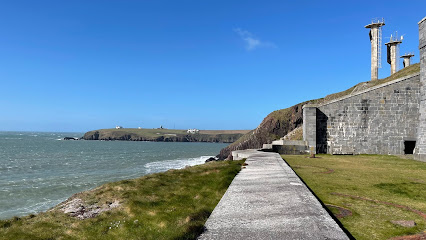
Musselwick Beach
24.1 km
Explore the serene beauty of Musselwick Beach, a hidden gem on the Pembrokeshire coast, perfect for relaxation and adventure.
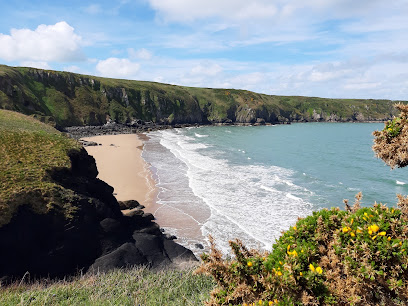
National Trust - Colby Woodland Garden
24.3 km
Discover the serene beauty of Colby Woodland Garden, a vibrant retreat in Pembrokeshire with lush landscapes and seasonal blooms for all to enjoy.
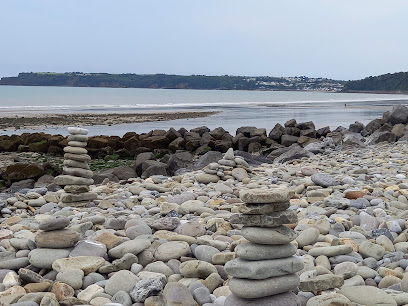
St Brides Haven
24.3 km
Explore the stunning coastal trails and serene beaches of St Brides Haven, a hidden treasure along Pembrokeshire's breathtaking coastline.
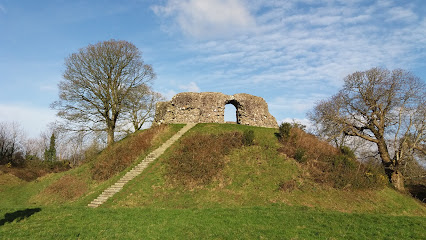
Wiston Castle
25.8 km
Experience the rich history and stunning architecture of Wiston Castle, a must-visit destination for travelers exploring Pembrokeshire's heritage.
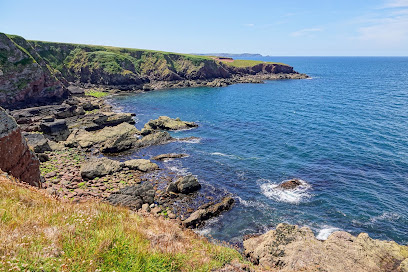
Pembrokeshire Coast National Park
26.1 km
Explore the breathtaking beauty of Pembrokeshire Coast National Park, where dramatic cliffs meet golden beaches, rich wildlife, and vibrant culture.
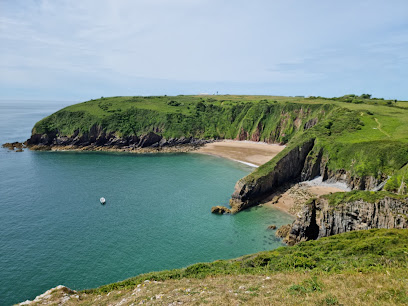
Druidston beach
26.5 km
Discover the serene beauty of Druidston Beach, a hidden gem in Pembrokeshire, perfect for relaxation, hiking, and breathtaking coastal views.
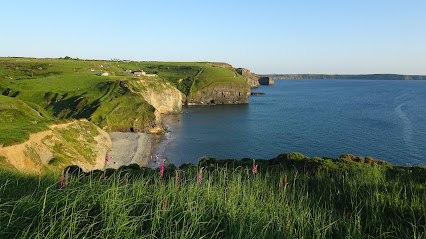
Llawhaden Castle
26.7 km
Explore the majestic Llawhaden Castle, a historical gem in Wales, offering breathtaking views and a journey through medieval heritage.
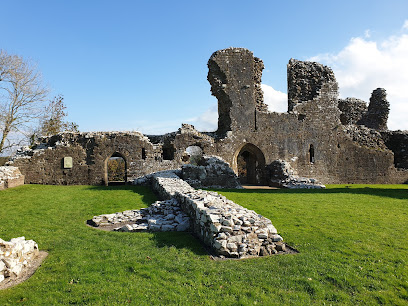
Nolton Haven Beach
27.7 km
Experience the breathtaking beauty of Nolton Haven Beach, a hidden gem on the Pembrokeshire Coast, perfect for relaxation and adventure.
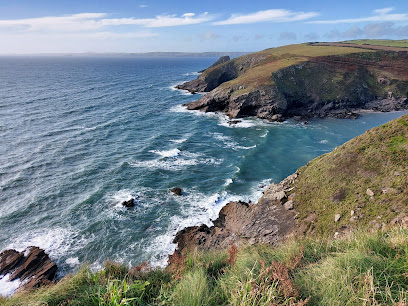
Scolton Manor
29.1 km
Explore Scolton Manor, a stunning country park and museum in Pembrokeshire, where nature meets history in a breathtaking setting.
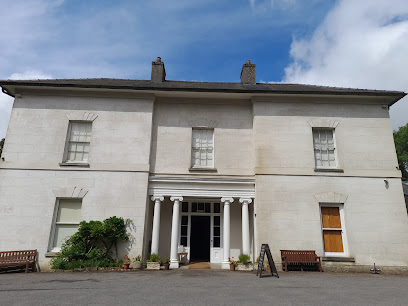
Unmissable attractions to see

Broad Haven South Beach
1.5 km
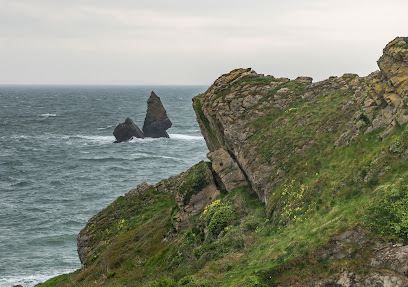
A dramatic south-facing beach with golden sands, iconic Church Rock, and tranquil lily ponds on the Pembrokeshire Coast.
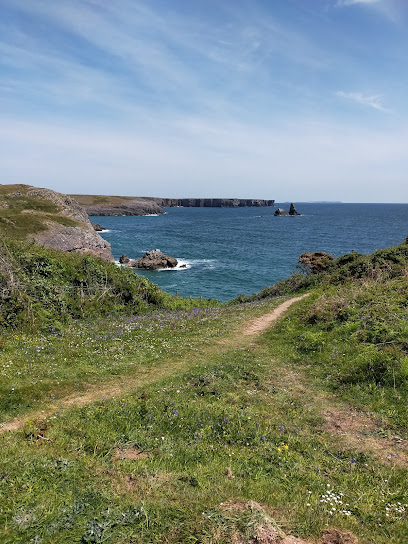
Church Rock
1.8 km
A striking natural rock formation on Pembroke’s coast, Church Rock captivates with rugged beauty and sunlit drama within a serene national park setting.
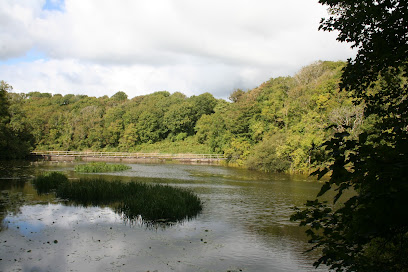
Bosherston Lily ponds
1.9 km
Discover the serene beauty of Bosherston Lily Ponds, a historic and wildlife-rich nature reserve along the Pembrokeshire Coast Path.
Stackpole Walled Gardens
3.1 km
A peaceful six-acre walled garden blending heritage horticulture with community care in the heart of Pembrokeshire’s Stackpole Estate.
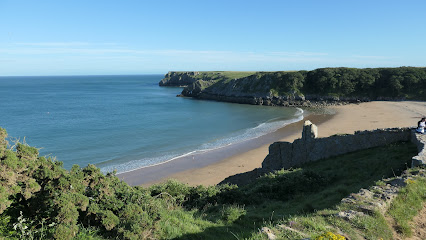
National Trust - Stackpole
3.4 km
Explore 3,000 acres of coastal beauty, historic gardens, and wildlife-rich landscapes at the iconic Stackpole Estate in Pembrokeshire.
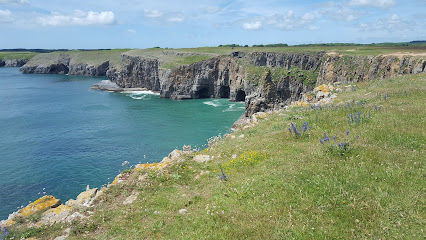
Stackpole Quay
3.8 km
A serene harbour and gateway to stunning coastal walks and beaches within Pembrokeshire Coast National Park.
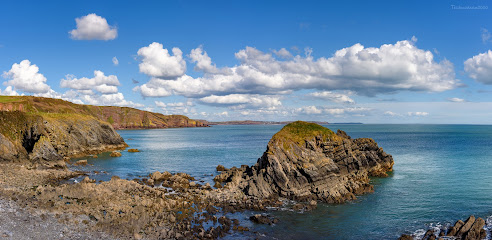
The Cauldron
4.0 km
Experience the raw power and beauty of Wales’ rugged coast at The Cauldron, a captivating natural seascape in Pembrokeshire.
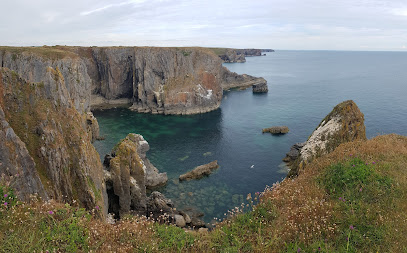
Elegug Stacks
4.3 km
Explore the striking limestone pillars of Elegug Stacks, a vital seabird sanctuary and geological wonder on Pembrokeshire’s rugged coast.
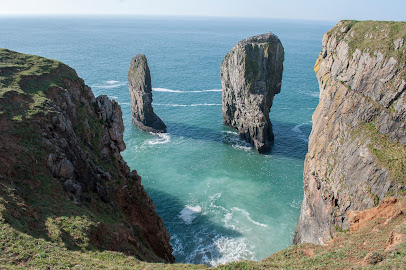
Green Bridge of Wales
4.5 km
Discover the iconic 80-foot natural limestone arch on Pembrokeshire’s rugged coast, a breathtaking highlight of Wales’ coastal heritage.
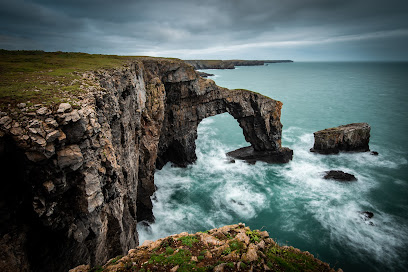
Monkton Old Hall
8.6 km
Step into Pembroke’s medieval past at Monkton Old Hall, a beautifully preserved 14th-century guesthouse with Norman roots and rich monastic heritage.
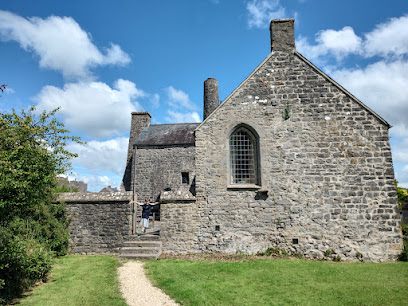
Wogan Cavern
8.7 km
Explore Wogan Cavern, a vast natural cave beneath Pembroke Castle, where prehistoric history and medieval fortifications intertwine beneath Wales’ iconic fortress.
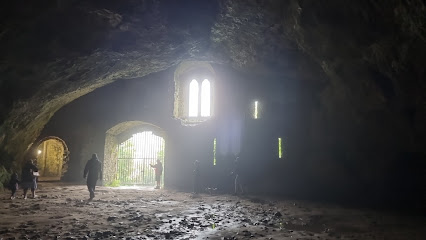
Pembroke Castle
8.8 km
Explore Pembroke Castle, a majestic Norman fortress and birthplace of the Tudor dynasty, offering rich history, stunning architecture, and immersive guided tours.
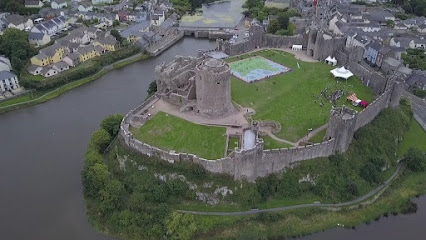
Llys yr Esgob Llandyfái / Lamphey Bishops Palace
9.5 km
Explore the tranquil ruins of Lamphey Bishop’s Palace, a medieval retreat showcasing the lavish lifestyle of Welsh bishops amid scenic Pembrokeshire countryside.
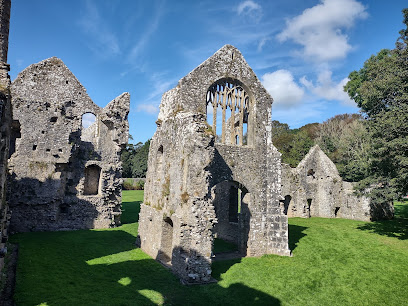
Pembroke Dock Heritage Centre
10.5 km
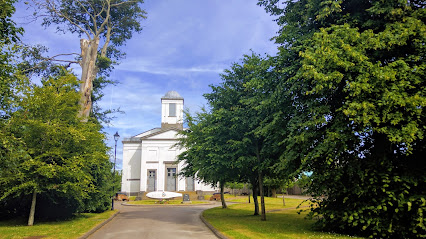
Explore Wales’ rich maritime and aviation heritage at Pembroke Dock Heritage Centre, where history and culture come alive in a historic chapel setting.
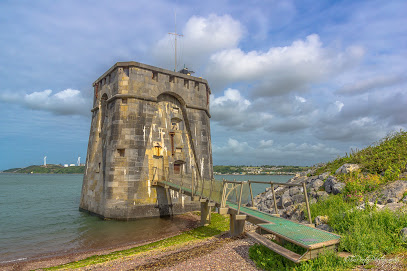
West Martello Tower
10.7 km
Explore West Martello Tower, a historic gem in Pembroke Dock, where military history meets breathtaking coastal views.
Essential places to dine

The Stackpole Inn
3.9 km
Historic coastal inn offering cozy rooms and acclaimed local cuisine amid Pembrokeshire’s stunning natural beauty.
The Freshwater Inn
7.6 km
A relaxed coastal pub near Freshwater East beach, serving hearty local food, sea views, and a warm welcome to dogs and families alike.
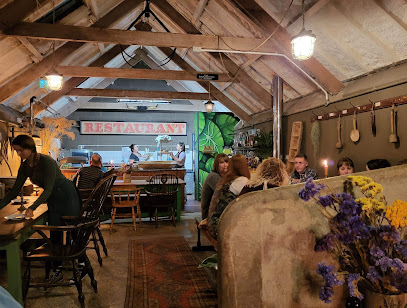
Paternoster Farm
7.8 km
Rustic farm-to-table dining in Pembrokeshire’s countryside, where seasonal menus and natural wines celebrate local flavors in a converted milking parlour.
Old Kings Arms Hotel & Bar
8.7 km
Historic charm meets hearty Welsh hospitality in the heart of Pembroke, steps from the castle and coast.
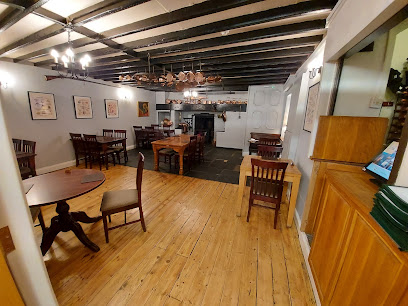
Cafe ROSE
8.7 km
Experience authentic Turkish and Mediterranean cuisine in the heart of historic Pembroke at the family-run Cafe ROSE.
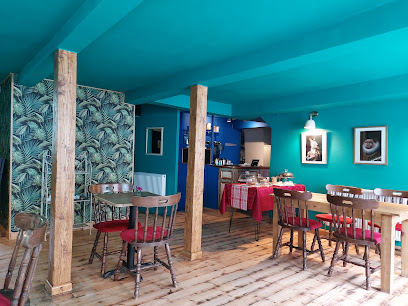
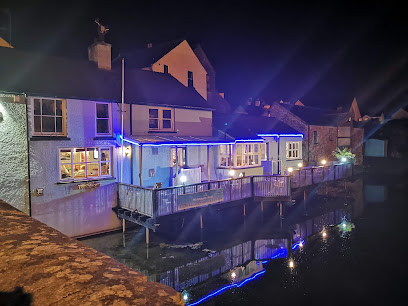
Watermans Arms
8.9 km
A charming family-friendly pub by Pembroke’s millpond offering home-cooked food, quality drinks, and scenic castle views in a warm atmosphere.
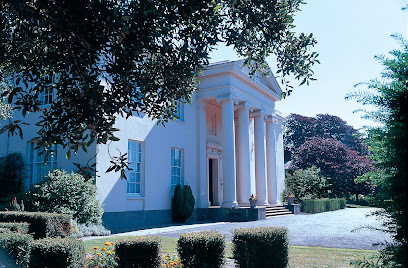
Best Western Lamphey Court Hotel & Spa
9.5 km
Elegant Georgian country house hotel with spa, pool, and tennis courts set in the Pembrokeshire Coast National Park’s stunning natural surroundings.
The Swan Inn
10.6 km
Authentic Welsh hospitality and hearty fare in the heart of Pembroke Dock's bustling port town.
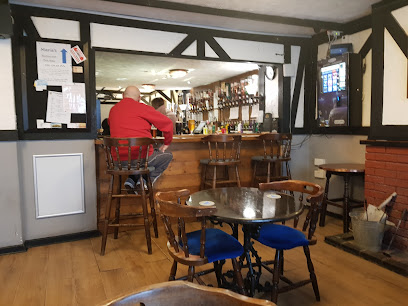
The Shipwright Inn
10.8 km
Charming waterfront pub and cozy inn in Pembroke Dock serving local flavors with warm hospitality and scenic harbor views.
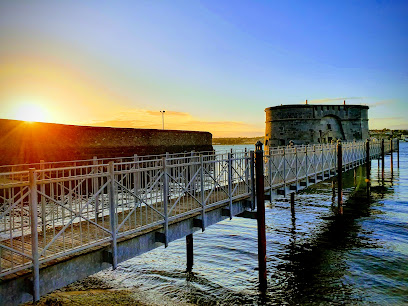
The Ferry Inn, Pembroke Dock
11.7 km
Experience delightful cuisine with stunning harbor views at The Ferry Inn in Pembroke Dock, where local flavors meet warm Welsh hospitality.
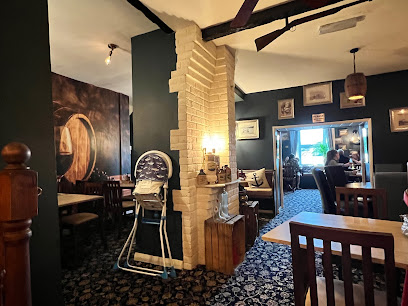
The Alumchine Restaurant
11.8 km
Savor fresh British seafood and classic dishes with stunning waterfront views at Neyland’s charming Alumchine Restaurant.
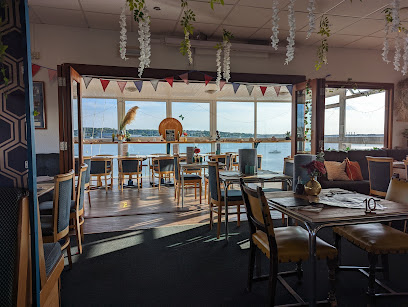
Ferry House Inn
12.0 km
A family-run inn in Hazelbeach offering cozy rooms, fresh local cuisine, and stunning estuary views in the heart of Pembrokeshire.
Jolly Sailor
12.2 km
Historic riverside pub with stunning estuary views, hearty British fare, family-friendly spaces, and a welcoming atmosphere in Milford Haven.
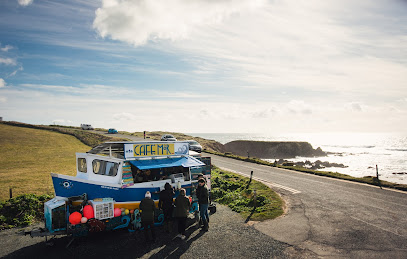
Cafe Môr - The Pembrokeshire Beachfood Company
13.8 km
Discover Pembrokeshire’s coastal flavors at Cafe Môr, where seaweed-inspired street food meets fresh beachside charm.
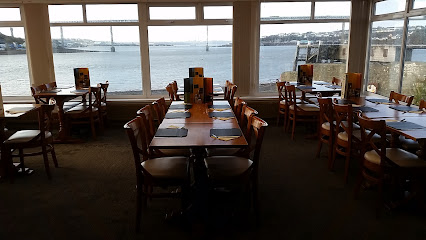
Martha’s Vineyard
14.4 km
Experience refined British and European dining with stunning marina views at Martha’s Vineyard, a Milford Haven waterfront gem with over 30 years of heritage.
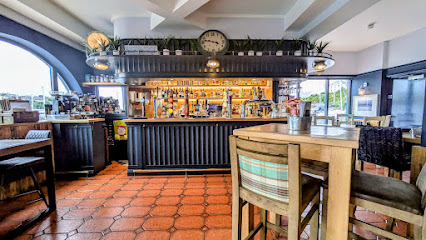
Markets, malls and hidden boutiques

The Room
8.6 km
Discover unique local crafts and heartfelt stories at The Room, Pembroke’s charming boutique gift shop on Main Street.

The Chapel Emporium
8.7 km
Explore Pembroke’s charming Chapel Emporium, a vintage lover’s paradise filled with antiques, retro fashion, and artisanal crafts in a historic setting.
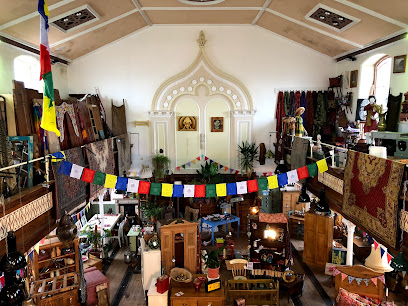
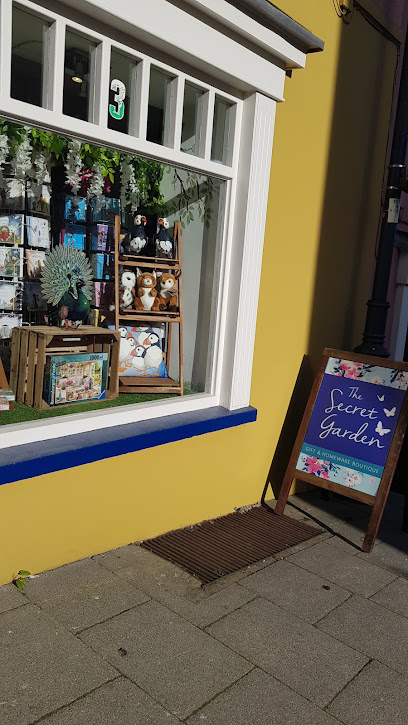
The Secret Garden Home & Gift Boutique
8.7 km
Discover unique gifts and homewares in a charming boutique nestled in the historic heart of Pembroke, Wales.
Pembroke Castle Shop Ltd
8.7 km
Discover unique local gifts and enjoy refreshments within the historic Pembroke Castle grounds at Pembroke Castle Shop Ltd.
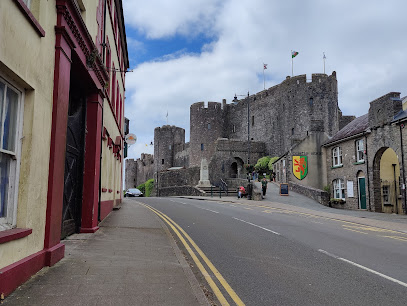
Something Different
10.6 km
Discover unique gifts and collectibles at Something Different, a charming boutique in the heart of Pembroke Dock.
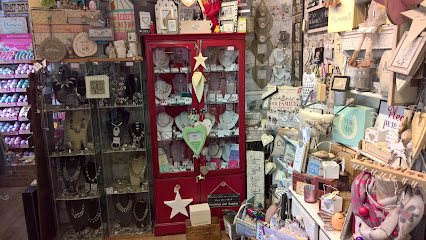
Pembrokeshire Retail Park
10.6 km
A convenient and well-equipped retail hub in Pembroke Dock offering diverse shops and ample parking for locals and visitors alike.

ManCavePembs
12.3 km
Explore ManCavePembs for unique gifts and souvenirs in Neyland, Milford Haven—where creativity meets local charm for an unforgettable shopping experience.

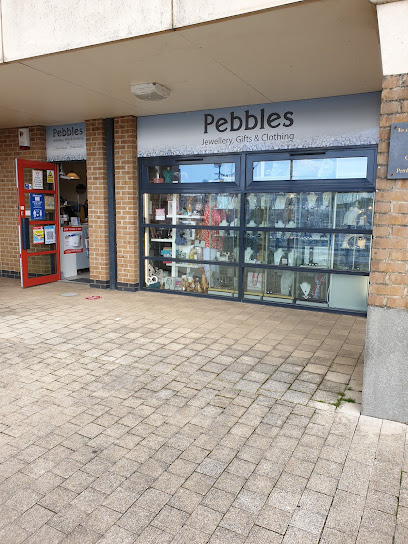
Pebbles
14.2 km
Handpicked jewellery, gifts, and clothing in a vibrant waterfront setting.
Hector’s Cards & Gifts
14.2 km
Discover heartfelt Welsh gifts, unique cards, and warm hospitality at Hector’s Cards & Gifts in Milford Haven’s historic antique shop.

The Cheeky Sheep
14.3 km
Discover unique handcrafted gifts and original artwork in the charming setting of Milford Haven Marina’s The Cheeky Sheep.

Mabon Gifts
14.5 km
Discover mystical Celtic, Wiccan, and gothic treasures with personalized printing at Mabon Gifts in Milford Haven’s vibrant Robert Street.
The Window, Milford Haven
14.5 km
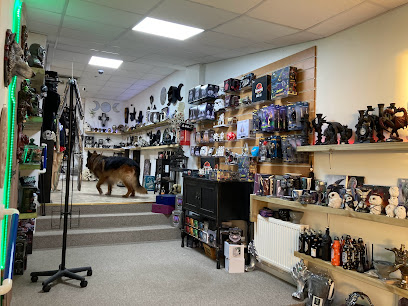
Discover unique gifts, artisan jewellery, and ethnic clothing in a cozy boutique setting at The Window, Milford Haven’s creative treasure.

The Welsh Gift Shop
18.2 km
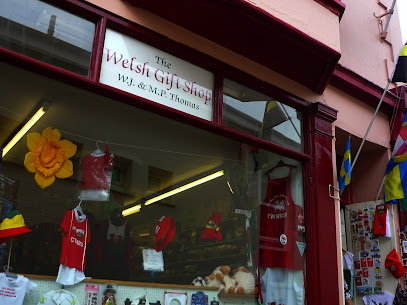
Discover authentic Welsh crafts and heritage treasures in the heart of Tenby at The Welsh Gift Shop.
Joys Of Tenby
18.2 km
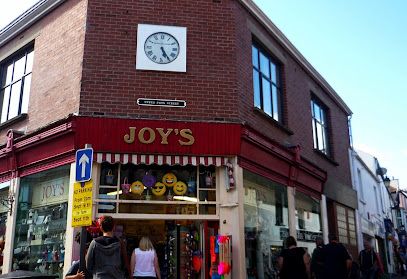
Explore Joys Of Tenby, a charming gift shop offering unique souvenirs that capture the essence of this beautiful coastal town.
The Nook
18.4 km
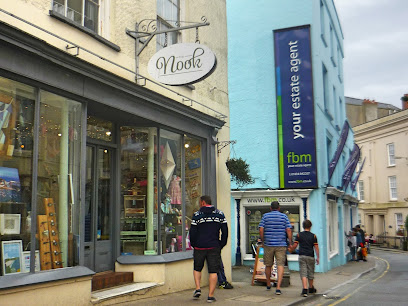
Discover handcrafted treasures and unique gifts in Tenby’s charming boutique, The Nook, where local artistry meets coastal inspiration.
Essential bars & hidden hideouts

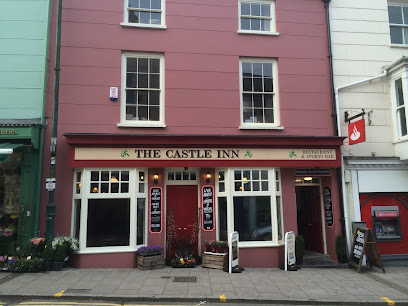
The Castle Inn
8.7 km
A charming historic pub in Pembroke offering hearty meals, local ales, and a warm Welsh welcome just steps from Pembroke Castle.
OUT VIP Cocktail Lounge and Night Venue
8.7 km
Experience Pembroke’s premier cocktail lounge and night venue with sophisticated drinks and an upscale atmosphere on Main Street.

OUT Clubs
8.7 km
Experience Pembroke’s vibrant nightlife at OUT Clubs, where lively music and a welcoming crowd create unforgettable evenings on Main Street.
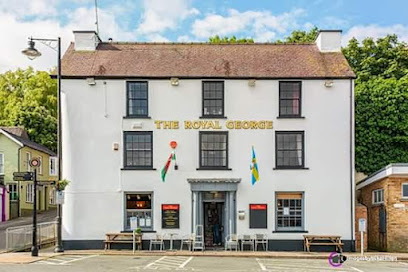
Royal George
8.8 km
Traditional Welsh pub on Pembroke’s quay offering hearty fare, warm hospitality, and historic charm near the iconic castle.
The Prince of Wales Pembroke Dock
10.5 km
A welcoming traditional pub in Pembroke Dock offering hearty meals, friendly service, and a lively local atmosphere.

The Star Club
10.6 km
A lively bar in Pembroke Dock where vibrant nights come alive with music, drinks, and community spirit.
First & Last
10.6 km
A cozy and traditional pub in Pembroke Dock offering hearty British fare, local ales, and a welcoming community atmosphere.
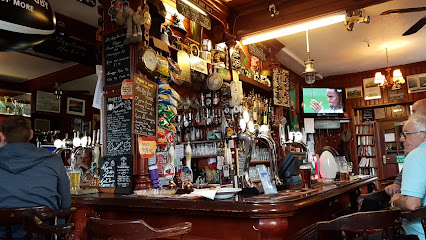
Y Cerrig Glas
10.7 km
A family-friendly pub in Pembroke Dock offering classic British dishes, play areas for kids, and a welcoming atmosphere for all ages.
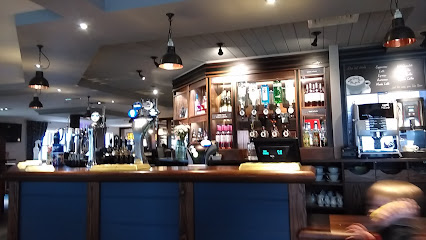
The Bar
12.4 km
A vibrant waterfront bar and seafood restaurant with stunning marina views and a welcoming atmosphere in Neyland, Pembrokeshire.
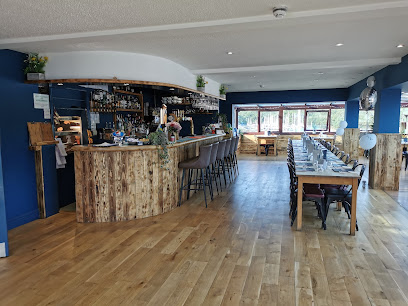
The Kimberley
14.3 km
A friendly, relaxed sports pub in Milford Haven offering a welcoming atmosphere and great drinks for locals and visitors alike.
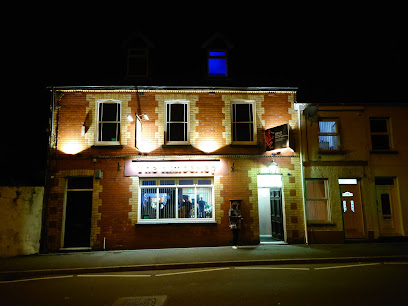
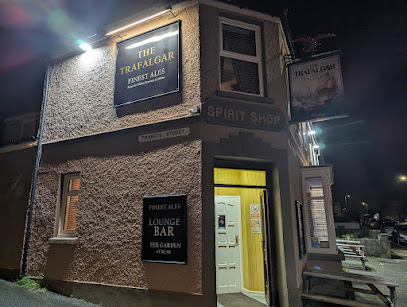
The Trafalgar
14.3 km
A lively and welcoming bar in Milford Haven offering local brews, live music, and a friendly atmosphere for a perfect coastal unwind.
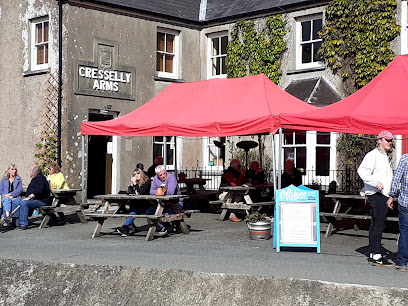
Cresselly Arms
16.0 km
A charming waterside pub in Cresswell Quay offering hearty fare and scenic estuary views in a relaxed, rustic setting.
Cross Inn
16.2 km
Cozy Welsh pub in Penally offering hearty meals, friendly service, dog-friendly spaces, and scenic outdoor views near Tenby.
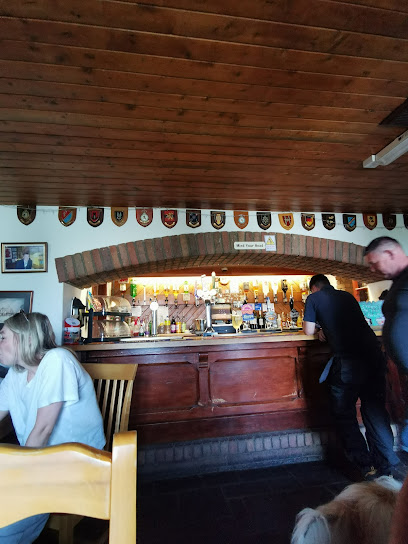
The Bush Inn
18.2 km
A cozy, historic pub nestled in Tenby’s medieval walls, offering friendly vibes, local ales, and a genuine Welsh drinking experience.
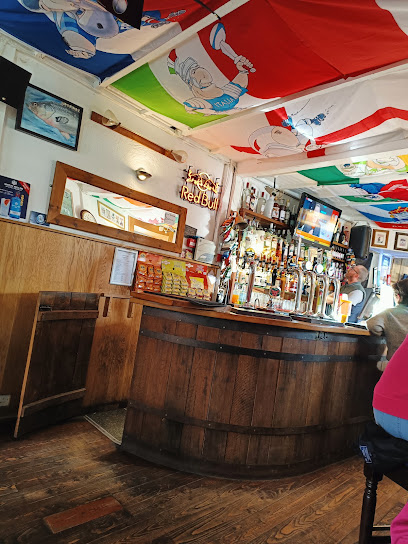
Twisted Shamrock
18.2 km
A lively Irish pub in Tenby’s Town Wall Arcade, offering karaoke, cocktails, and a fun night out in a cozy, spirited setting.
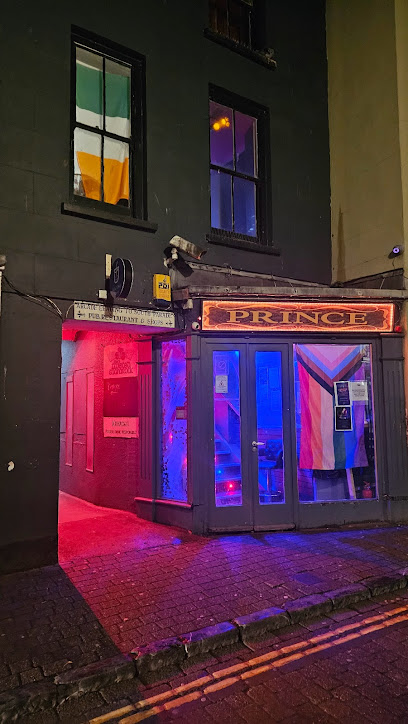
Nightclubs & after hour spots

Paddles
8.7 km
Experience Pembroke’s vibrant nightlife at Paddles, the go-to nightclub for late-night music, drinks, and social energy in the town center.

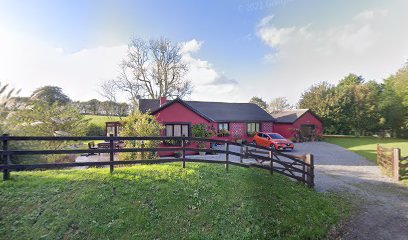
Comlongon
13.8 km
Experience vibrant nightlife in the charming village of St Florence with Comlongon, Tenby’s energetic nightclub gem.
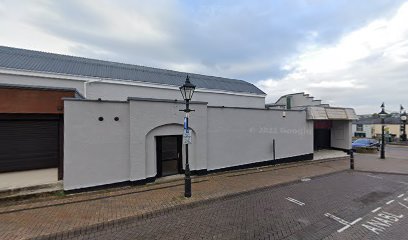
Boulevard Show Bar
14.5 km
Experience vibrant cabaret, live shows, and lively nightlife at Boulevard Show Bar, Milford Haven’s premier entertainment venue.
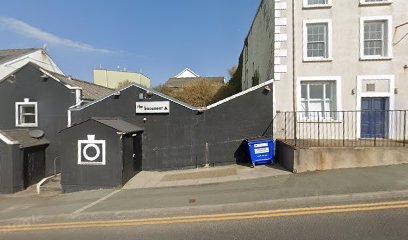
The Basement
14.5 km
Discover the energetic nightlife of Milford Haven at The Basement, where music, dancing, and vibrant gatherings create unforgettable experiences.
Prince Of Wales
18.2 km
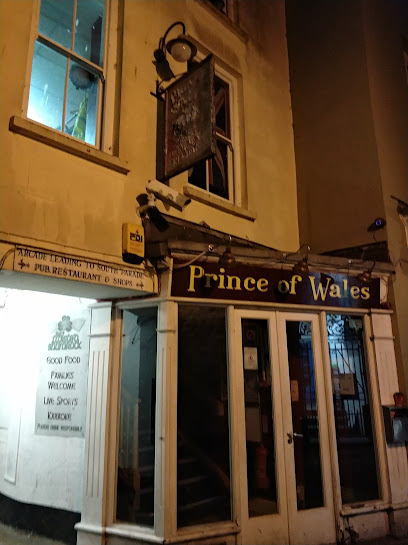
Tenby’s iconic late-night nightclub blending lively music, classic charm, and a spirited atmosphere in the heart of Town Wall Arcade.
Sands Nightclub
20.6 km
Saundersfoot’s lively nightclub with dance, drinks, and a vibrant atmosphere near the beach.

Eddie Rocks
22.7 km
A vibrant multi-floor nightclub in Haverfordwest offering energetic nights, diverse music, and a welcoming atmosphere by the waterfront.

Savannah's Night Club
51.7 km
Experience Carmarthen’s vibrant nightlife at Savannah's Night Club—where music, dance, and stylish vibes create unforgettable Saturday nights.
Lucifer's Nightlife
52.1 km
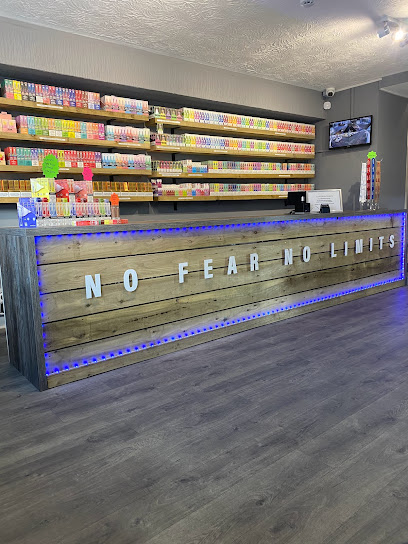
Experience Carmarthen's vibrant nightlife and fast food fusion at Lucifer's Nightlife, where music, dancing, and late-night bites come alive on Queen Street.

Albion Aberteifi
56.8 km
Discover the charm of Albion Aberteifi, where historic ambiance meets modern hospitality along the beautiful River Teifi.
The Grosvenor
56.9 km
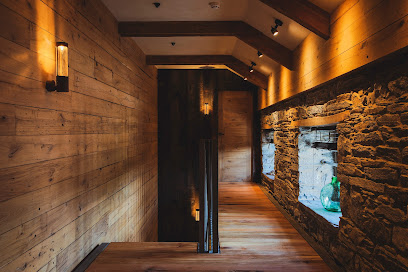
Traditional Welsh pub with riverside views, hearty food, and a welcoming atmosphere in the heart of Cardigan town centre.

The Cellar
57.0 km
Discover the heart of Cardigan's music scene at The Cellar – where live performances and local culture collide.
Bar 45
57.0 km
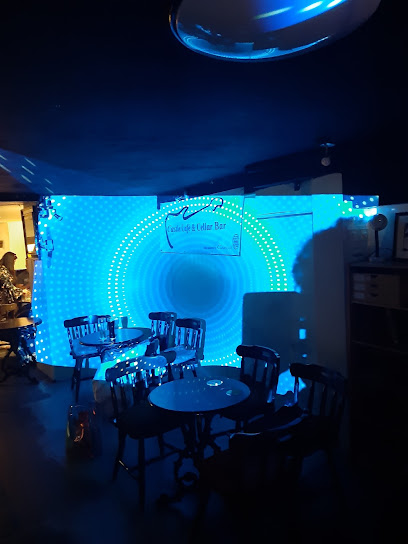
Discover the vibrant atmosphere of Bar 45 in Cardigan, where local ales, cocktails, and live music create unforgettable experiences.

The Cliff Hotel & Spa
60.3 km
Discover unparalleled relaxation and coastal beauty at The Cliff Hotel & Spa, where luxury meets adventure in Cardigan, Wales.
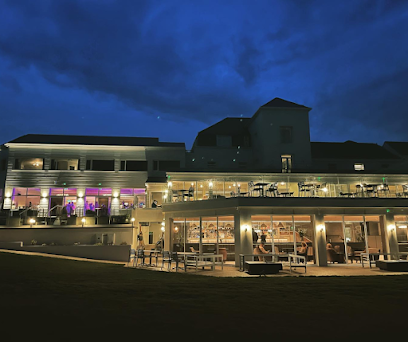
The Rainbow Rooms Bar & Club
62.7 km
Experience lively nights and vibrant music at The Rainbow Rooms Bar & Club, Gorseinon’s premier destination for unforgettable nightlife.

For the vibe & atmosphere seeker
- Tranquil
- Scenic
- Unique
- Relaxing
For the design and aesthetic lover
- Rustic Designs
For the architecture buff
- Historic
- Sacred Sites
For the view chaser and sunset hunter
- Iconic Views
- Waterfront
- Sunset Spots
For the social media creator & influencer
- Instagrammable
- Photo Spots
- Selfie Spots
For the eco-conscious traveler
- Protected Area
- Public-Transport Accessible
- Leave-No-Trace Critical
- Locally Managed
For the kind of experience you’re after
- Cultural Heritage
- Myth & Legends
- Nature Escape
- Day Trip
For how adventurous you want the journey to be
- Easy Access
Location Audience
- Family Friendly
- Senior Friendly
- Child Friendly
- Teen Friendly
- Solo Friendly
- Couple Friendly
- Vegetarian Friendly
- Vegan Friendly


