
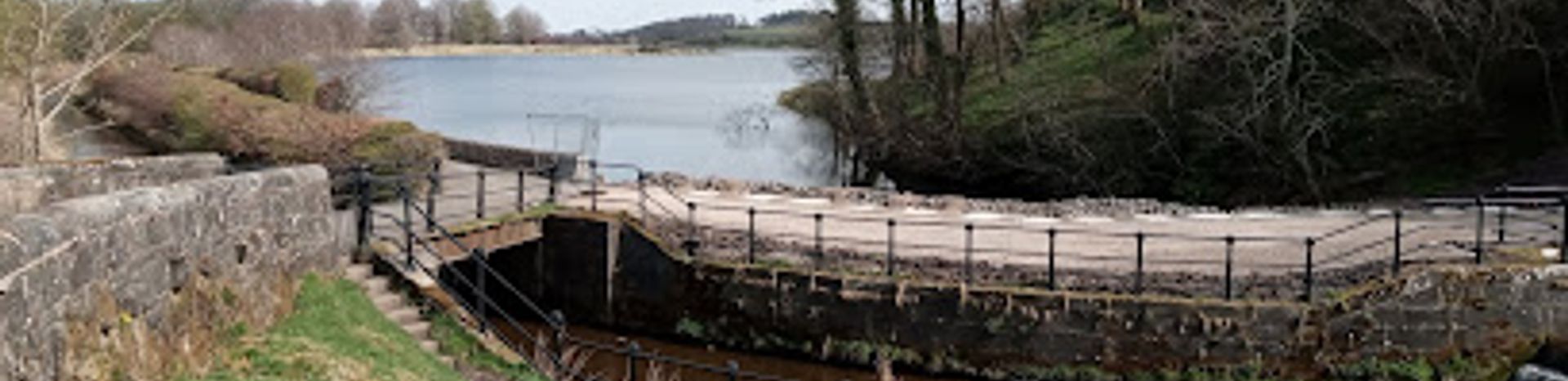
The Darnley Sycamore: Glasgow’s Living Heritage Tree
An ancient sycamore steeped in royal legend, standing resilient amidst Glasgow’s urban landscape as a living heritage symbol.
The Darnley Sycamore is an ancient sycamore tree located at 787 Nitshill Road in Glasgow. Celebrated as a heritage tree, it is linked to Scottish history through the story of Mary, Queen of Scots and Lord Darnley. Despite urban encroachment and storm damage, the tree remains a striking natural monument with a broad, spreading crown and notable fungal growth, symbolizing resilience amid the city’s modern landscape.
A brief summary to The Darnley Sycamore
- 787 Nitshill Rd, Glasgow, G53 7RR, GB
- Duration: 0.5 to 1.5 hours
- Free
-
 Outdoor
- Mobile reception: 4 out of 5
- Monday 12 am-12 am
- Tuesday 12 am-12 am
- Wednesday 12 am-12 am
- Thursday 12 am-12 am
- Friday 12 am-12 am
- Saturday 12 am-12 am
- Sunday 12 am-12 am
Local tips
- Visit during daylight hours to fully appreciate the tree’s impressive crown and surrounding urban contrast.
- Combine your visit with a walk in nearby Dams to Darnley Country Park for a fuller nature experience.
- Wear sturdy footwear if exploring adjacent woodland trails, as paths can be muddy or uneven.
- Respect the tree’s delicate condition; avoid touching or climbing to help preserve its health.

For the on-the-go comforts that matter to you
- Information Boards
- Seating Areas
- Trash Bins
Getting There
-
Bus
Take local bus services from Glasgow city center to Nitshill Road, with journeys typically lasting 25 to 35 minutes. Buses run frequently during the day but check schedules for evening services. A single fare costs approximately £2.50.
-
Car
Driving to 787 Nitshill Road offers direct access with nearby street parking available. Travel time from central Glasgow is about 20 to 30 minutes depending on traffic. Parking is free but limited, so plan accordingly during peak times.
-
Walking
For those staying in nearby neighborhoods, walking to the Darnley Sycamore is feasible and pleasant, taking around 30 to 45 minutes over mostly flat urban terrain. Paths are paved but may be uneven in spots.
The Darnley Sycamore location weather suitability
-
 Any Weather
-
 Rain / Wet Weather
-
 Clear Skies
-
 Mild Temperatures
Discover more about The Darnley Sycamore
A Storied Landmark Rooted in Scottish History
The Darnley Sycamore stands as a remarkable living relic on the outskirts of Glasgow, entwined with the lore of Mary, Queen of Scots and her husband, Lord Darnley. Though the current tree may not be old enough to have directly witnessed their presence, a plaque nearby commemorates the tale of the royal couple resting beneath its branches during the 16th century. This connection, while likely apocryphal, enriches the tree’s cultural significance and anchors it deeply within Scotland’s historical narrative.Urban Survival Amidst Modern Glasgow
Once growing in a rural setting, the Darnley Sycamore is now enveloped by Glasgow’s urban sprawl, surrounded by housing estates and retail developments. Its isolated presence in this modern environment highlights the contrast between nature and city life. The tree’s expansive dome-shaped crown and long, spreading limbs make it a striking feature in the local treescape, offering a rare glimpse of natural heritage within a bustling urban context.Ecological Features and Signs of Age
The tree exhibits signs of advanced age and natural decay, including several large cavities on its main trunk formed by the removal of lower limbs in the past. These cavities support impressive brackets of Dryad’s saddle fungus (Polyporous squamossus), indicating internal decay processes. Additionally, remnants of nails hammered into the trunk—likely by children—reflect the tree’s long-standing prominence and interaction with the local community.Resilience Through Storms and Careful Management
In recent years, the Darnley Sycamore suffered damage during Storm Éowyn, which affected many trees in Glasgow. However, reports from Glasgow City Council suggest that with careful management, this heritage tree is expected to survive and continue to serve as a living link to Scotland’s past. Its survival underscores the importance of urban tree conservation and the value placed on natural monuments within city environments.Visiting and Appreciating the Tree Today
Located on Nitshill Road, the Darnley Sycamore is accessible for visitors wishing to experience a piece of Glasgow’s natural and cultural heritage. It stands as a quiet witness to centuries of history and urban development, inviting reflection on the intersection of nature, history, and community. Nearby, the Dams to Darnley Country Park offers further opportunities for woodland walks and nature appreciation, complementing a visit to this venerable tree.Symbolism and Legacy in the Urban Landscape
More than just a tree, the Darnley Sycamore symbolizes endurance and continuity amidst change. Its story—blending fact and folklore—illustrates how natural landmarks can become woven into the cultural fabric of a city. As Glasgow continues to grow, the tree remains a cherished emblem of the past, a natural monument that connects residents and visitors alike to Scotland’s rich heritage.Iconic landmarks you can’t miss

Snuff Mill Bridge
5.6 km
Historic cast iron bridge over White Cart Water, blending Glasgow’s industrial heritage with scenic riverside charm.
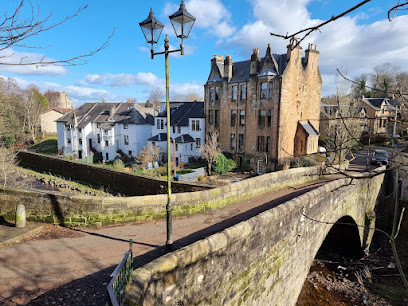
Renfrewshire House
6.0 km
Explore the architectural beauty and rich history of Renfrewshire House, a key landmark in the vibrant town of Paisley, Scotland.
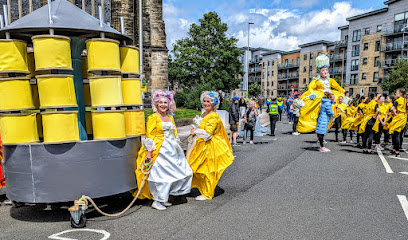
Paisley Town Hall
6.2 km
A majestic Victorian landmark at Paisley’s heart, blending historic grandeur with vibrant arts, events, and festive celebrations.
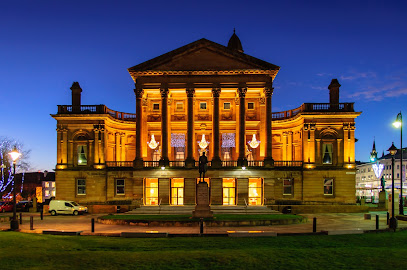
Coats Paisley
6.7 km
Historic wedding and events venue on Paisley’s High Street, blending heritage charm with cinematic interiors and versatile celebration spaces.
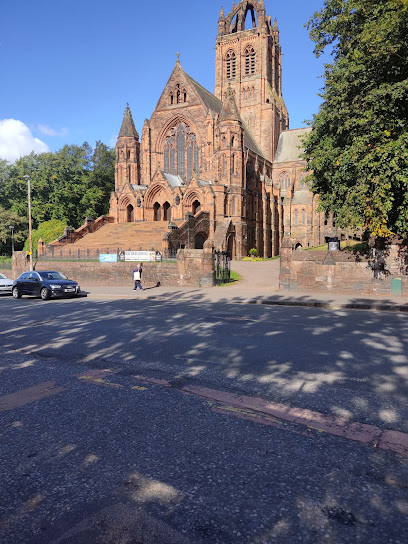
The Clyde Arc
6.8 km
Glasgow’s Squinty Bridge: A modern architectural icon spanning the River Clyde with stunning views and vibrant urban energy.
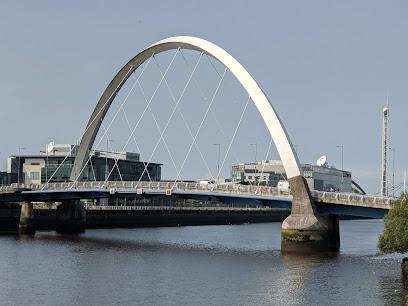
Finnieston Crane
6.9 km
Glasgow's iconic industrial sentinel—a 175-ton testament to engineering brilliance and maritime heritage.
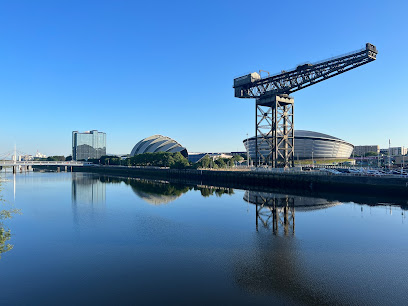
SEC Armadillo
6.9 km
Discover the SEC Armadillo, Glasgow's iconic events venue, where music, culture, and an unforgettable atmosphere come together.
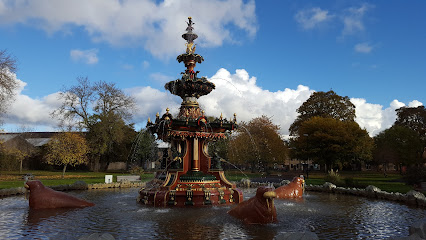
Fountain Gardens
6.9 km
Explore the enchanting Fountain Gardens in Paisley, a lush park filled with floral wonders and serene spaces perfect for relaxation and leisure.
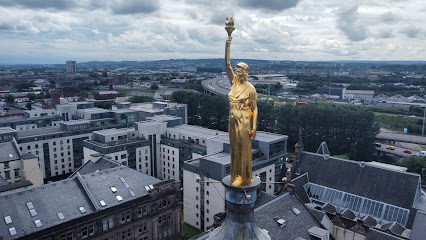
Statue of Light and Life
7.1 km
Gilded guardian of Glasgow’s skyline, the Statue of Light and Life shines atop 95 Morrison Street, symbolizing guidance and vitality.
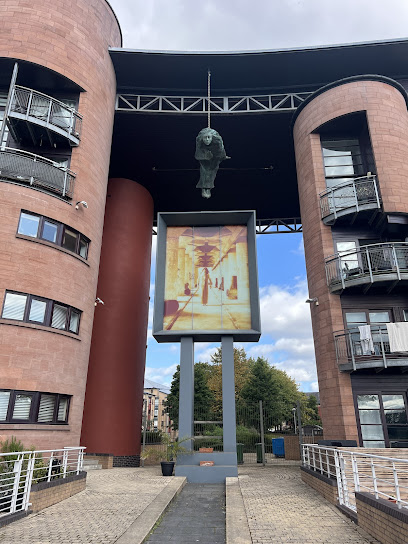
The Gatekeeper
7.2 km
A striking bronze figure guarding Glasgow’s Gorbals, blending art, history, and community spirit in a unique urban landmark.
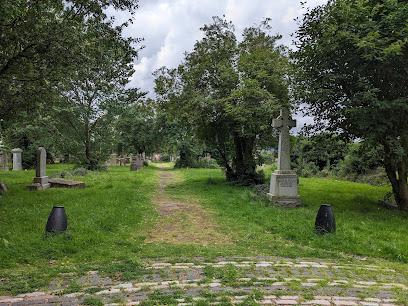
Southern Necropolis
7.4 km
Explore the Southern Necropolis in Glasgow: A serene cemetery steeped in history, art, and nature, perfect for reflection and discovery.
Gorbals
7.4 km
Discover the vibrant transformation of Gorbals, a unique housing development in Glasgow blending history, culture, and contemporary living.
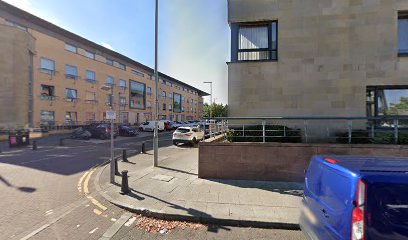
Box Hub
7.4 km
Discover Box Hub: Glasgow's dynamic events venue, where live music, celebrations, and vibrant nightlife come together in a unique atmosphere.
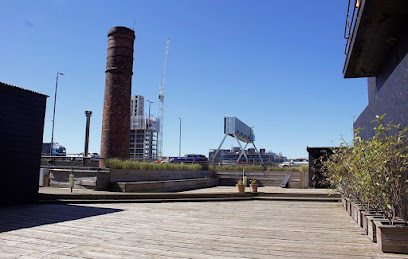
Savings Bank of Glasgow building
7.6 km
A Victorian banking landmark symbolizing Glasgow's rise to financial prominence in 19th-century Britain.
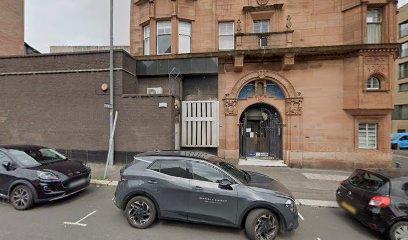
Kelvin Hall Open Collections
7.6 km
Explore the fascinating Kelvin Hall Open Collections in Glasgow, where art, history, and science come together in an engaging cultural experience.
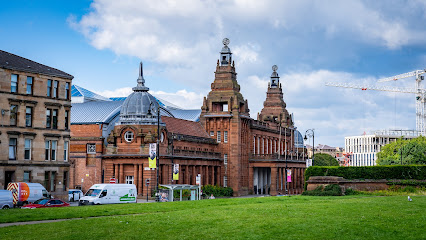
Unmissable attractions to see

Dams to Darnley Country Park
0.4 km
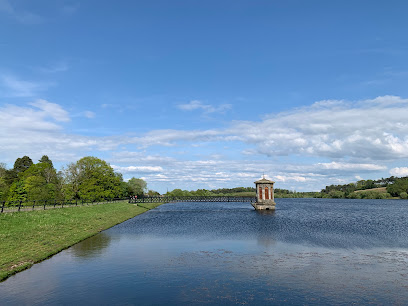
Explore Glasgow’s expansive country park with scenic reservoirs, woodlands, and diverse wildlife just minutes from the city.
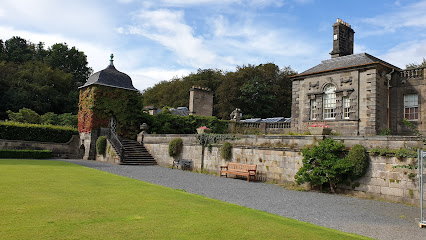
Pollok House
2.9 km
Explore the elegant Georgian mansion and stunning gardens of Pollok House, a cultural and natural gem in Glasgow’s largest park.
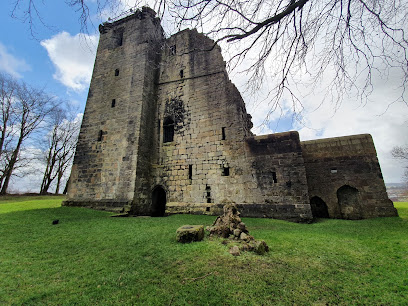
Crookston Castle
3.1 km
Explore Glasgow’s only surviving medieval castle, a stone fortress with towering views and centuries of royal history nestled on a peaceful hilltop.
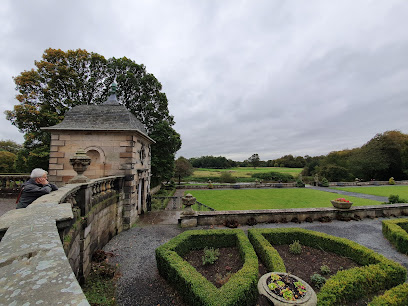
Pollok Country Park
3.4 km
Explore Glasgow’s largest country park, blending rich history, stunning gardens, woodland trails, and cultural treasures in a peaceful urban retreat.
The Burrell Collection
3.6 km
Discover over 9,000 artworks spanning millennia in a stunning museum set within Glasgow’s largest park.
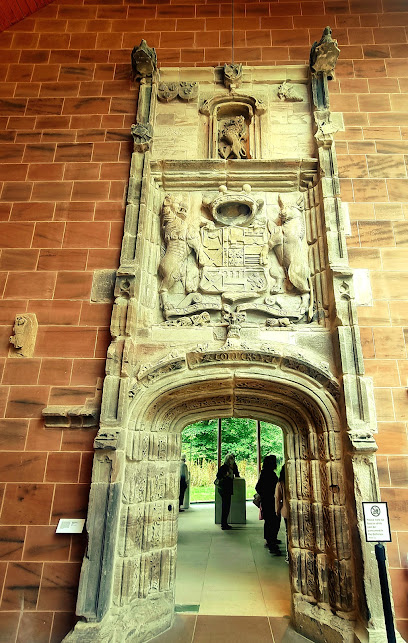
The Avenue Shopping Centre
4.0 km
Newton Mearns’ convenient shopping destination offering diverse stores, dining, and free parking in a welcoming community setting.

Quaich
4.2 km
A friendly, no-fuss Shawlands pub: reliable pints, simple food and the warm hum of a well-loved local.

Newlands Park
4.2 km
Discover Newlands Park, a peaceful and beautifully maintained green oasis in Glasgow’s south side, perfect for relaxation and community connection.

Jenny’s Well Nature Reserve
4.4 km
Discover a serene urban nature reserve in Paisley where wildlife, history, and tranquil trails await along the White Cart Water.
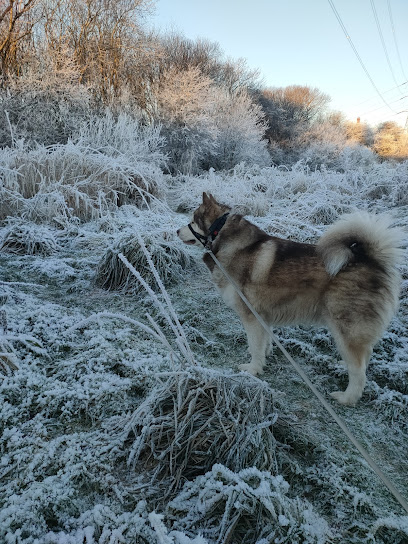
Abbey Inn
4.4 km
A lively pub and cozy inn in Paisley offering hearty British fare, comfortable rooms, and a warm local atmosphere.
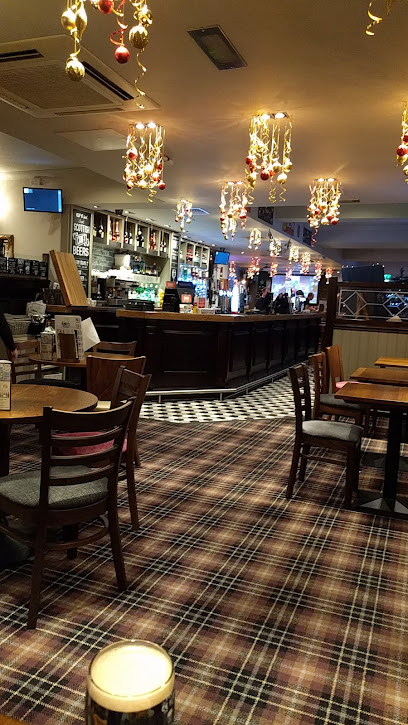
Bellahouston Park
4.8 km
Sprawling Glasgow park blending historic art, lush gardens, and diverse sports facilities in a vibrant South Side setting.
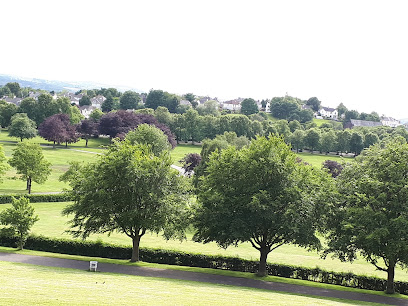
Freddy
4.9 km
A vibrant Shawlands burger spot famed for fresh, flavorful meat and vegan patties in a lively, welcoming setting.

House for an Art Lover
4.9 km
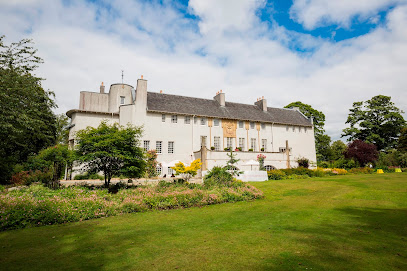
Explore Glasgow’s iconic Mackintosh-designed House for an Art Lover, a stunning blend of art, architecture, café culture, and tranquil parkland.
Linen 1906
4.9 km
A neighbourhood grill and bar on Pollokshaws Road offering grilled plates, pints and a warm, music-led atmosphere for casual nights out.

Maxwell Park
5.1 km
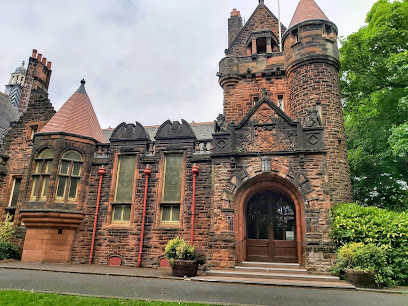
A peaceful green haven in Glasgow’s Pollokshields, blending Victorian charm with natural beauty and community spirit.
Essential places to dine

Stailinn Scottish Kitchen
1.5 km
Contemporary Scottish dishes crafted with local produce, served in a welcoming Silverburn setting from breakfast to dinner.

Loks Bar and Kitchen
4.1 km
A vibrant Shawlands hotspot serving modern British cuisine with a lively bar, flexible event spaces, and a welcoming community atmosphere.

Jist Misto
4.2 km
Eclectic and stylish dining in Glasgow’s Cardonald, blending classic flavors with contemporary flair and warm, attentive service.

Battlefield Rest
5.5 km
Historic Italian dining in a quirky 1914 landmark with hearty food, lively atmosphere, and a beloved Southside Glasgow vibe.

Harvies Bar
5.6 km
Enjoy grilled delights and fine wines at Harvies Bar in Paisley – your cozy retreat for great food and company.
Stag and Thistle Bar & Restaurant
5.7 km
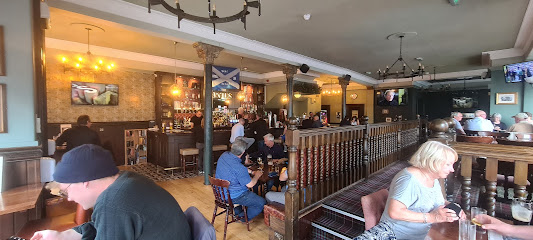
A lively Southside pub with diverse menus, craft beers, and a sunny outdoor patio perfect for social gatherings in Glasgow.
Argyle House Restaurant
5.7 km
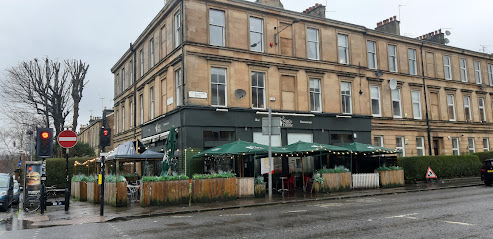
Modern British and European dining in Glasgow’s South Side with a stylish atmosphere and approachable prices.
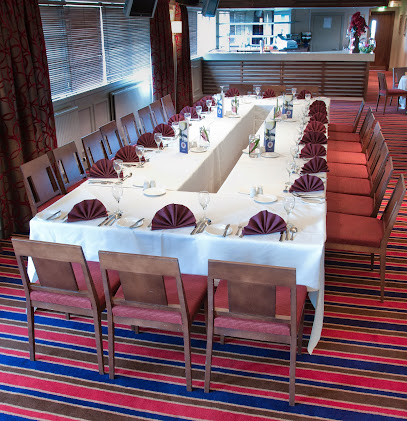
Six By Nico Southside
5.7 km
Innovative six-course tasting menus with rotating themes in a cozy Southside Glasgow setting.
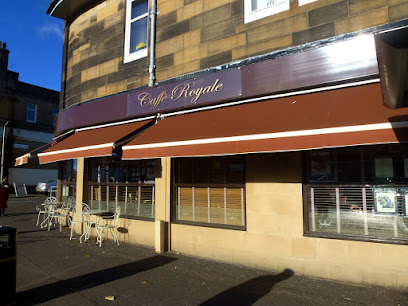
Caffé Royale
5.7 km
Authentic Italian cuisine and exceptional breakfasts in the heart of Paisley.
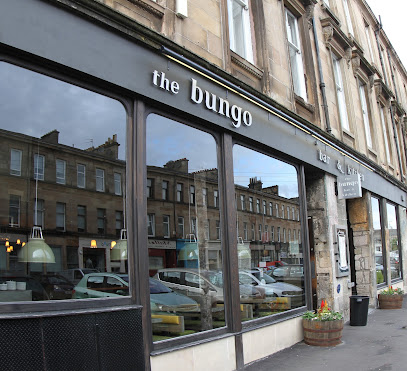
The Bungo
5.7 km
Glasgow south side gastro pub serving grills, breakfast hashes, and vegan delights in Strathbungo's cozy, neighborhood embrace—open daily from 10am for relaxed bites and brews. (162 characters)
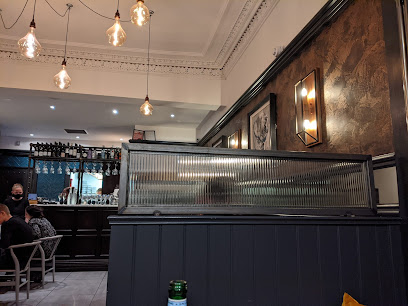
Lobo
5.7 km
Mediterranean-inspired small plates in Glasgow’s Southside, blending vibrant flavors with a warm, rustic atmosphere and a dedicated vegan menu.
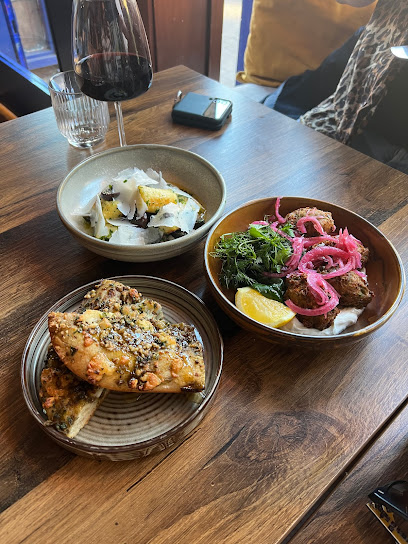
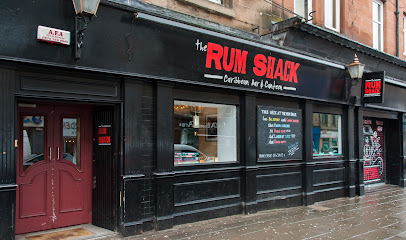
The Rum Shack
5.8 km
Authentic Caribbean flavors and vibrant live music create a tropical escape in Glasgow’s Southside at The Rum Shack.
Buck’s Bar Southside
5.9 km
Authentic rock’n’roll vibes meet legendary buttermilk fried chicken in Glasgow’s lively Mount Florida neighborhood.

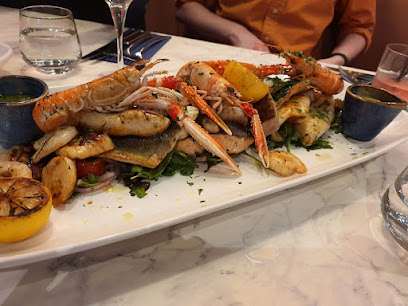
Il Pescatore
6.1 km
Experience premium Italian seafood and vibrant dishes with scenic views in the heart of Paisley at Il Pescatore.
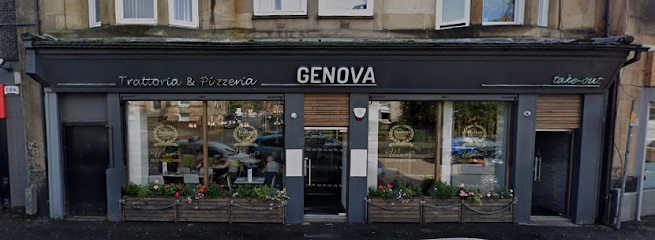
Trattoria Genova
6.1 km
Experience authentic Italian dining with fresh, homemade dishes and a welcoming atmosphere in the heart of Paisley.
Markets, malls and hidden boutiques

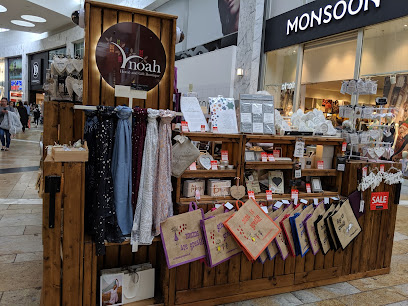
Noah Home and Gift Boutique
1.5 km
Discover quirky, sentimental Scottish gifts and keepsakes at Noah Home and Gift Boutique in Silverburn Shopping Centre, Glasgow.
Menkind Glasgow Silverburn
1.6 km
Discover quirky gadgets and unique gifts at Menkind Glasgow Silverburn, your go-to store for playful presents in a lively shopping hub.

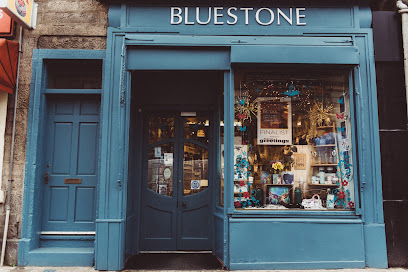
Bluestone Gift Shops
3.3 km
Discover unique gifts and local crafts at Bluestone Gift Shops in Barrhead, Glasgow - the perfect place for memorable souvenirs.
Ark
4.4 km
Explore Ark, a charming gift shop in Glasgow, offering unique souvenirs and local treasures perfect for every traveler.

Love it! Boutique
4.4 km
A Glasgow boutique offering stylish, size-inclusive women’s fashion in a friendly, relaxed setting.

Ruby Woo Boutique - Shawlands
4.9 km
Discover stylish women's fashion and unique gifts at Ruby Woo Boutique, Shawlands’ independent boutique with fast UK delivery and a friendly vibe.

Hell Yeah
5.0 km
Vibrant vegan gift haven in Shawlands: indie designs, eco treats, and pure shopping joy from small makers that make you say 'Hell Yeah!'

Shop Local
5.4 km
Explore a treasure trove of local crafts and artisanal products at Shop Local in Paisley—your gateway to authentic Scottish shopping.
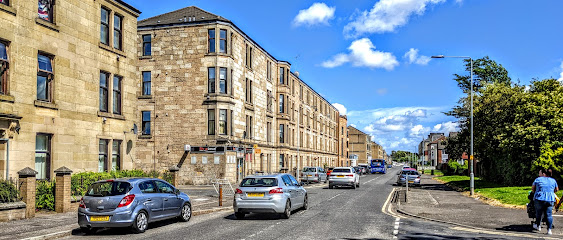
Warehouse 4 Ltd
5.6 km
Discover unique antique furniture and vintage treasures in Paisley’s welcoming Warehouse 4 Ltd, where history meets charm.
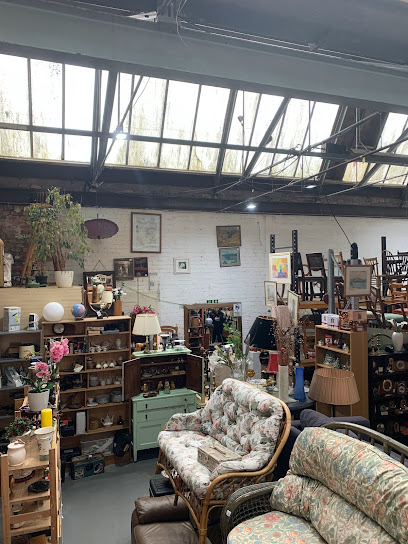
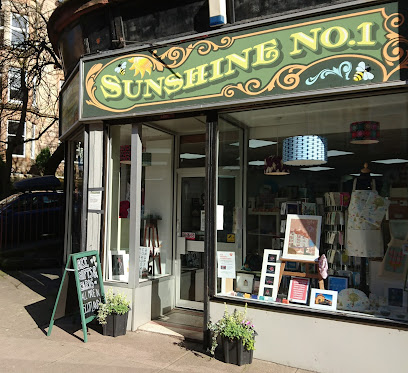
Sunshine No.1
6.0 km
Discover Scotland's handmade heart: Sunshine No.1 curates vibrant gifts, jewelry, and art from over 100 local makers in cozy Mount Florida.
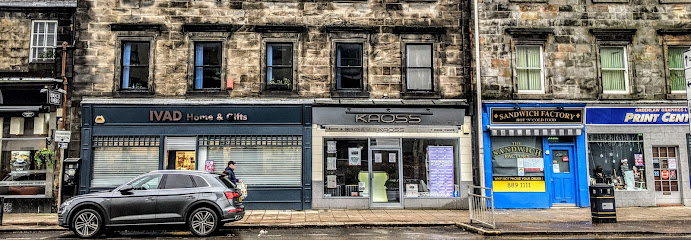
Ivad Gifts
6.2 km
Discover unique and pampering gifts with a personal touch at IVAD Gifts, Paisley’s charming boutique on Gauze Street.
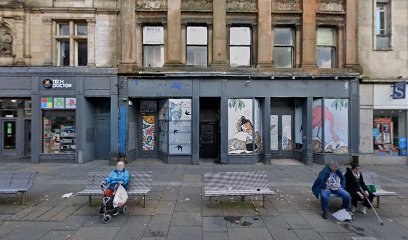
Gift World
6.4 km
Discover unique gifts and local treasures at Gift World, a charming shop in Paisley, perfect for souvenirs and special occasions.
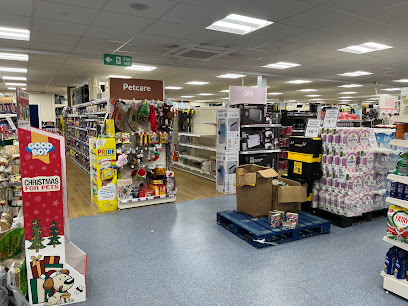
The Range, Paisley
6.4 km
A versatile homeware and lifestyle store in Paisley Retail Park offering extensive products, accessible amenities, and convenient hours.
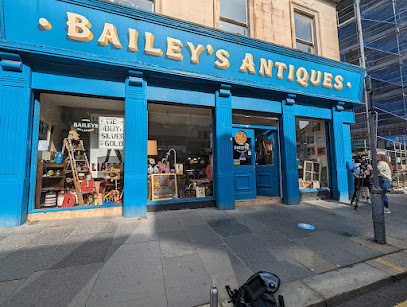
Bailey's Antiques
6.5 km
Discover timeless vintage treasures and antiques in the heart of Paisley’s historic High Street.
Studio South
6.8 km
Unwrap Glasgow's creative soul at Studio South, where local artisans craft gifts that capture the heart of Scotland's vibrant south side.
Essential bars & hidden hideouts

Phillies of Shawlands
4.8 km
Fusion bites and craft pours in Shawlands' cozy bar haven—Japanese fried chicken, wagyu burgers, and quirky vibes await on Pollokshaws Road.

Georgic
4.9 km
Stained-glass glow, live tunes, and Southside cheers at Glasgow's friendliest neighborhood pub on Pollokshaws Road.
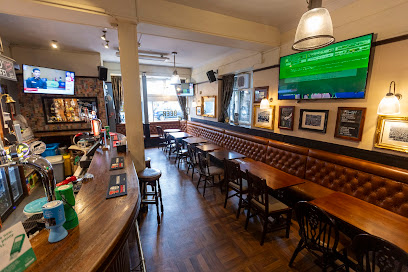
The Corona Bar & Kitchen
5.0 km
Vibrant Shawlands pub serving global beers, hearty comfort food, and Sunday roasts in a spacious, quirky setting—perfect for mates, dates, or solo pints.
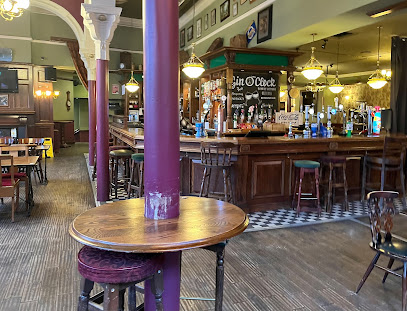
Beechings Bar
5.4 km
A friendly, affordable local pub in Cathcart with a rooftop beer garden, live music, and a warm community atmosphere.

The Clachan Bar
5.5 km
A welcoming traditional Scottish pub in Paisley, blending local history with a cozy, friendly atmosphere.
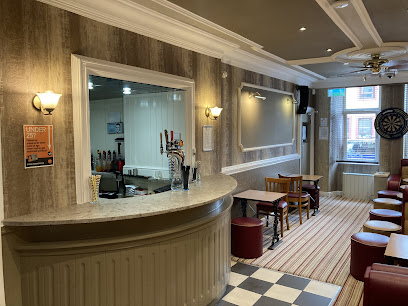
Balnagowan Arms
5.6 km
Cozy and lively pub in Paisley offering traditional Scottish fare, local craft beers, and a warm community atmosphere with live events.
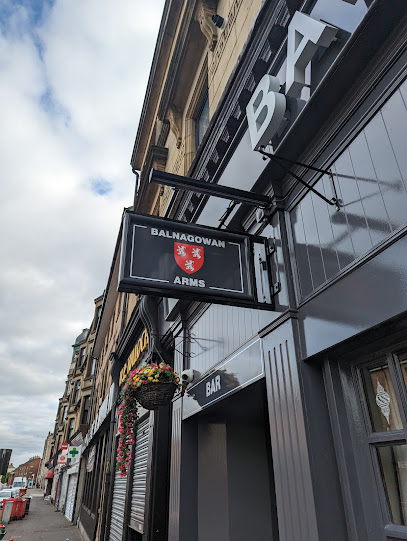
Burgh Bar
5.7 km
Lively local pub in Paisley offering freshly cooked pub grub, vibrant tribute nights, and a welcoming atmosphere for all.
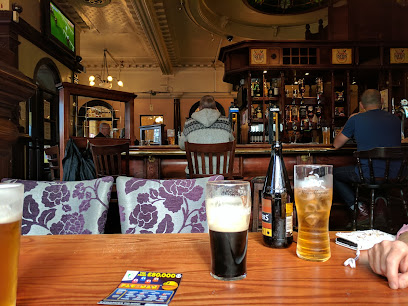
Lunar Wine & Cocktail Bar
5.8 km
Cosy southside sanctuary for lunar-cycle cocktails, natural wines, and dog-friendly vibes in Glasgow's Strathbungo—creative sips in glowing intimacy.
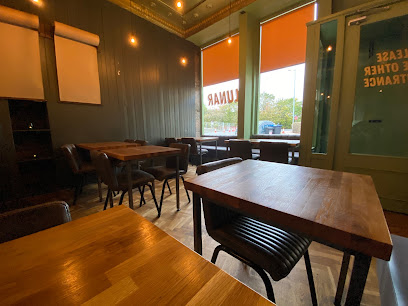
The Allison Arms
5.8 km
Glasgow southside's craft beer gem: dog-friendly, queer-welcoming pub with malts, malty vibes, and neighborhood warmth on Pollokshaws Road.
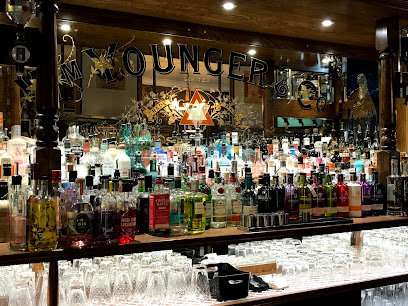
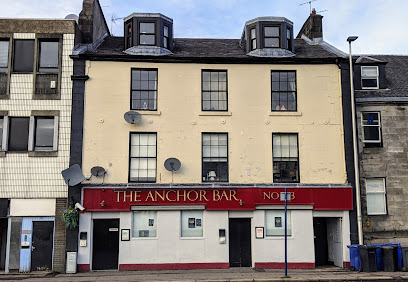
The Anchor Bar
6.2 km
A vibrant traditional pub in Paisley offering great food, lively karaoke nights, and a warm Scottish welcome just steps from Paisley Abbey.
The Cave
6.2 km
A lively Paisley pub renowned for live music, open mic nights, and a welcoming atmosphere in the heart of town.
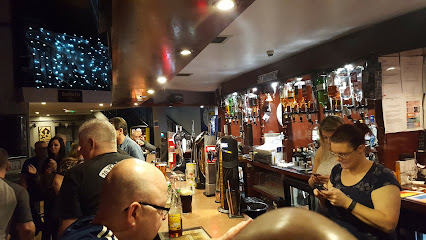
The Tile Bar
6.3 km
A cozy, affordable pub in Paisley offering friendly vibes, great drinks, and a welcoming local atmosphere.
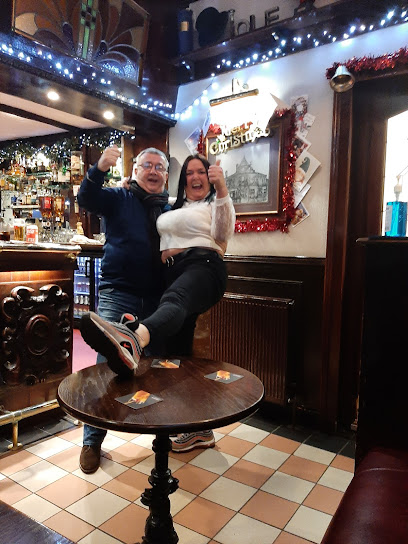
Old Swan Inn
6.4 km
Historic Paisley pub with lively live music, a large covered beer garden, and a welcoming atmosphere for all seasons.
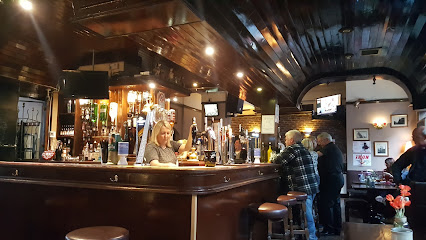
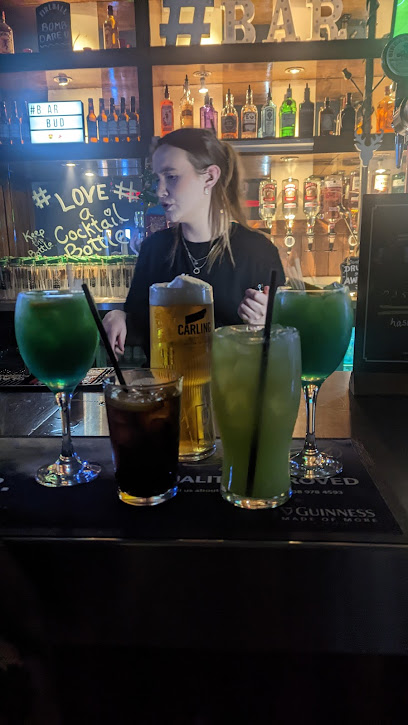
Hashtag Bar
6.4 km
Experience Paisley’s vibrant nightlife with expertly crafted cocktails, friendly vibes, and lively entertainment at Hashtag Bar.
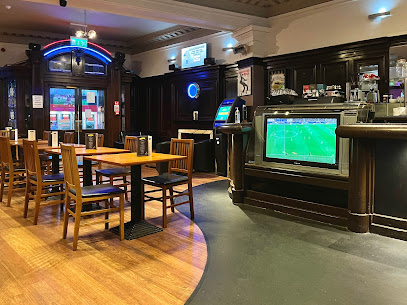
The Bankhouse
6.4 km
Experience warm Scottish hospitality and traditional flavors at The Bankhouse, Paisley's charming pub and cafe near the railway station.
Nightclubs & after hour spots

The Shed
5.0 km
Dive into Shawlands' glitzy two-floor nightclub where chart bangers, R&B, hip-hop, and 80s cheese anthems fuel unpretentious Southside partying till the early hours.

Vienna's Nightclub
6.4 km
Experience Paisley’s vibrant nightlife at Vienna's Nightclub, where energetic music and lively crowds come alive every weekend.
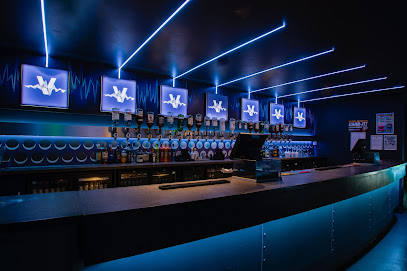
Fantoosh
6.4 km
A lively, intimate nightclub in Paisley’s heart, perfect for energetic nights with friends and local beats.
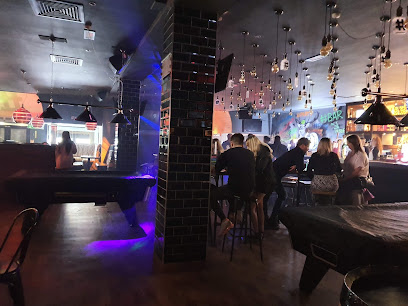
Club 69 Paisley
6.7 km
Dive into Paisley’s legendary underground techno scene at Club 69, where pulsating beats and vibrant vibes keep the night alive.
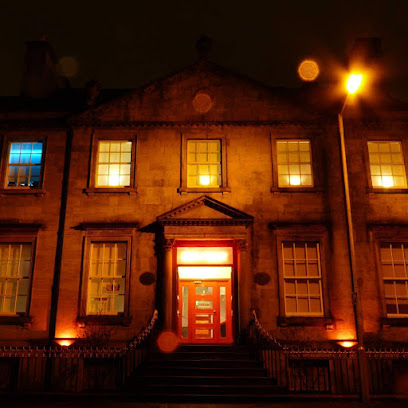
Sub Club
7.9 km
Glasgow’s legendary underground nightclub, Sub Club, pulses with cutting-edge sound and authentic dance culture in an intimate basement setting.
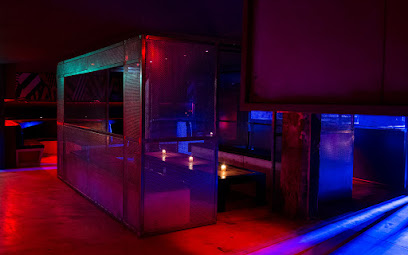
Classic Grand
7.9 km
Glasgow's ultimate electronic music haven in a reborn cinema, where thunderous beats and euphoric crowds collide until dawn.

Seventh Heaven Lap Dancing Club
8.0 km
Discover the vibrant nightlife of Glasgow at Seventh Heaven Lap Dancing Club, where entertaining performances meet a lively atmosphere.

The Berkeley Suite
8.0 km
Discover Glasgow’s hidden vintage nightclub with top DJs, retro vibes, and an intimate dancehall atmosphere beneath a 1940s ballroom.
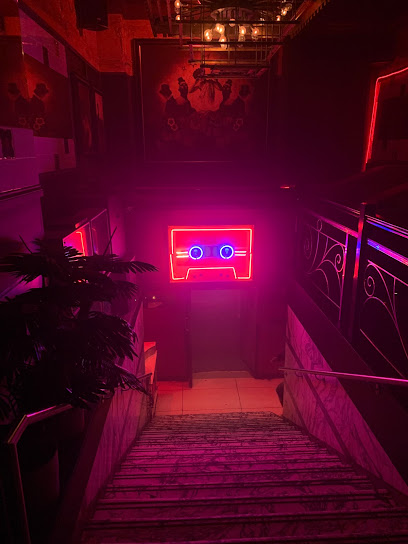
Cathouse Rock Club
8.0 km
Glasgow's unrelenting rock fortress since 1990—metal riffs, live gigs, and alternative fury across three pounding rooms.
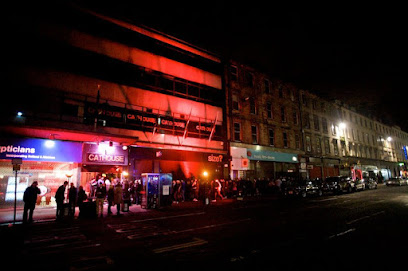
Club Tropicana & Venga
8.2 km
Two-room retro nightclub in central Glasgow with themed ’80s/’90s nights, booth bookings and a high-energy weekend atmosphere.
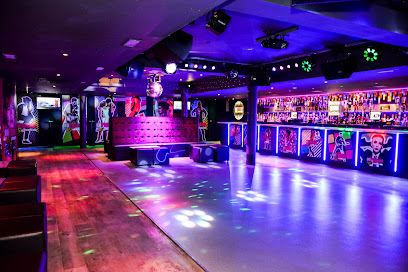
142B Lounge
8.2 km
Glasgow's premier spot for Afrobeats, Amapiano, and African flavors—dance, dine, and vibe in luxury VIP style until dawn.
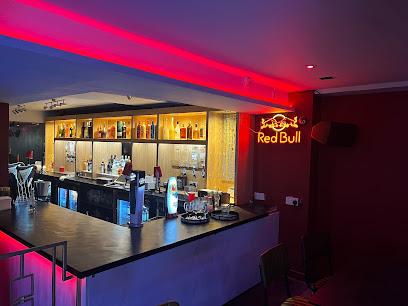
Firewater
8.2 km
Dive into Glasgow's indie nightlife at Firewater, where two rooms blast alternative anthems, cheap entry fuels the fun, and Sauchiehall Street's energy ignites until 2:30am Thu-Sat.
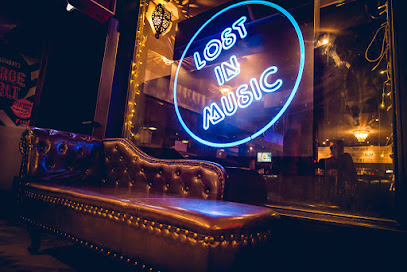
Platinum Lace Glasgow
8.2 km
Glasgow’s premier gentlemen’s club with stunning dancers, VIP luxury, and an electric nightlife atmosphere in the city centre.
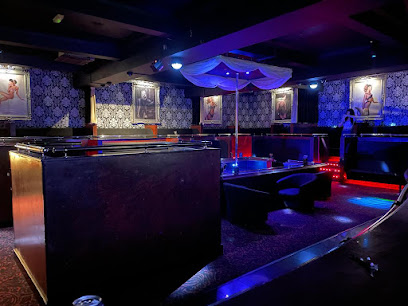
Saint Judes After Dark
8.3 km
Glasgow's electrifying after-dark escape: pulsating DJ beats, craft cocktails, and retro club vibes fuel nights until 3am on Bath Street.

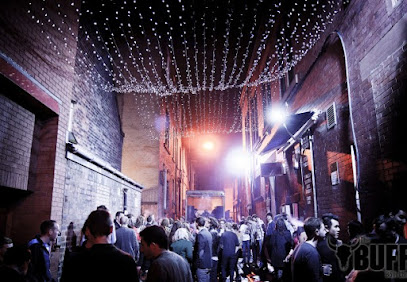
Buff Club
8.3 km
Dive into Glasgow's funky basement beats at The Buff Club, where soul, disco, and 80s grooves light up the night under disco ball magic.
For the vibe & atmosphere seeker
- Tranquil
- Scenic
- Unique
- Relaxing
For the architecture buff
- Historic
- Landmarks
- Parks & Gardens
For the view chaser and sunset hunter
- Iconic Views
For the social media creator & influencer
- Instagrammable
- Photo Spots
- Selfie Spots
For the eco-conscious traveler
- Protected Area
- Public-Transport Accessible
- Locally Managed
For the kind of experience you’re after
- Cultural Heritage
- Photowalk
- Nature Escape
- Day Trip
For how adventurous you want the journey to be
- Easy Access
Location Audience
- Family Friendly
- Senior Friendly
- Child Friendly
- Teen Friendly
- Wheelchair Access
- Pet Friendly
- Solo Friendly
- Couple Friendly


