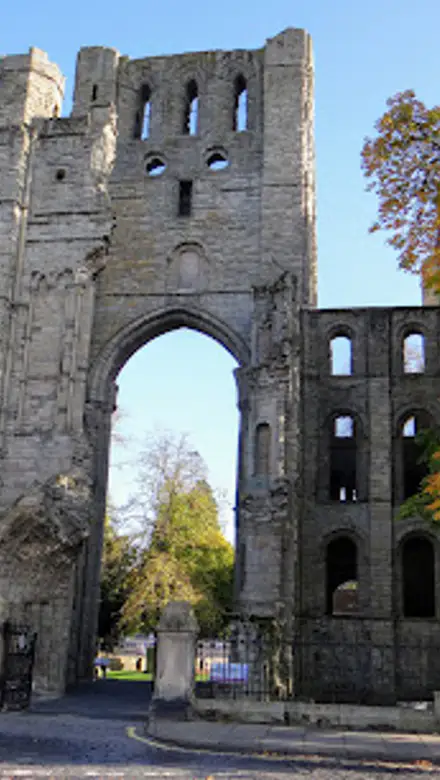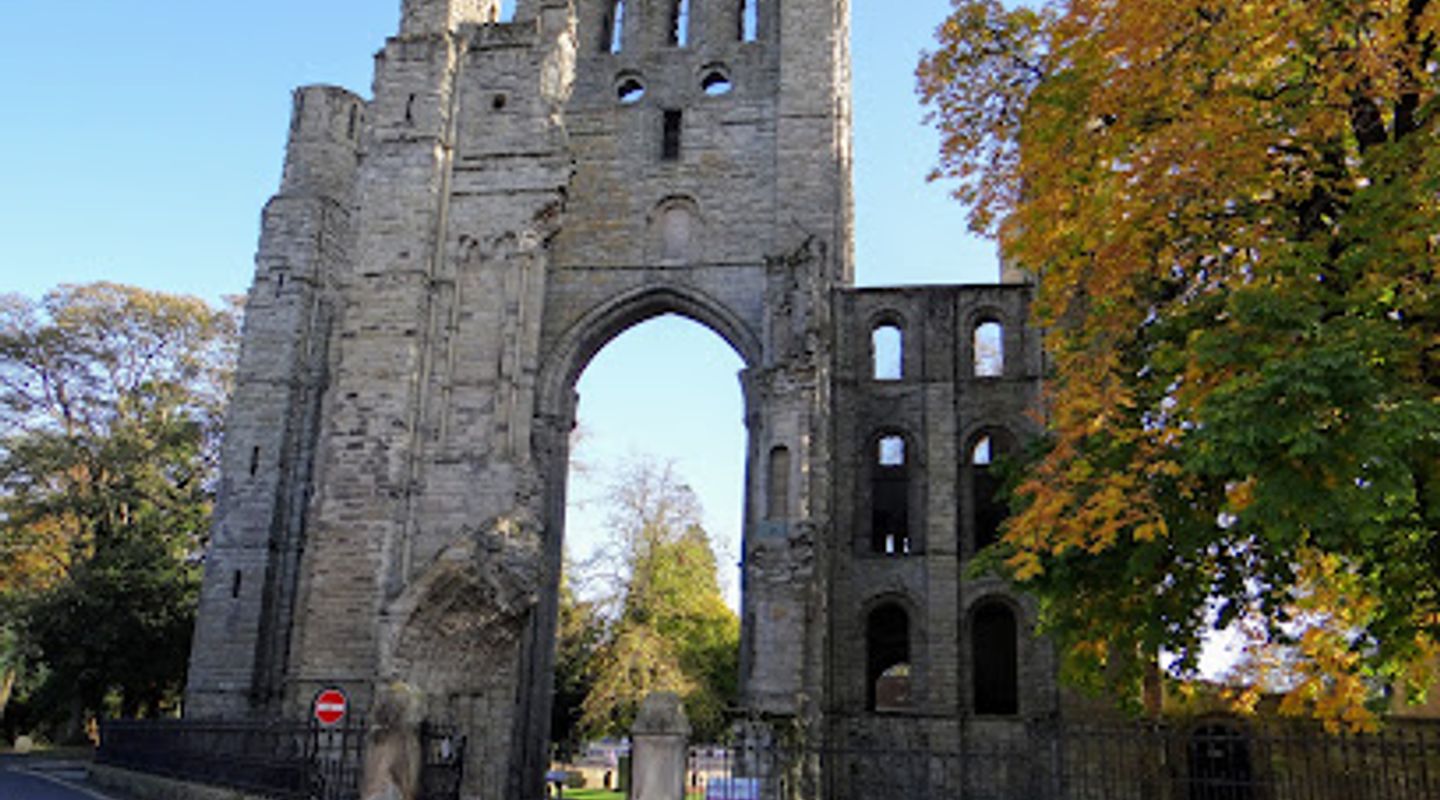
Kelso Abbey, Roxburghshire Travel Guide
Explore the evocative ruins of Kelso Abbey, a majestic 12th-century Scottish monastic masterpiece nestled in the historic Borders town of Kelso.
Kelso Abbey, founded in 1128 by King David I, is one of Scotland’s grandest medieval monastic ruins. Though currently closed for essential masonry repairs, its striking Romanesque architecture and evocative remains stand as a testament to its former wealth and religious significance. Set on the edge of the historic town of Kelso, the abbey’s ruins and surrounding graveyard offer a tranquil, atmospheric glimpse into Scotland’s medieval past, free to explore from outside the site.
A brief summary to Kelso Abbey
- Kelso, Kelso, GB
- Click to display
- Duration: 0.5 to 2 hours
- Free
-
 Outdoor
- Mobile reception: 4 out of 5

Know before you go
Hi, I'm Eve. Here are a few practical things to know before exploring Kelso Abbey.
- Check the current access status before visiting, as the abbey is often closed for essential masonry repairs.
- Explore the surrounding graveyard and community orchard for a tranquil experience even when the abbey itself is closed.
- Combine your visit with a stroll through Kelso town’s Georgian streets and a visit to nearby Floors Castle.
- Wear sturdy footwear due to uneven ground around the abbey ruins and adjacent areas.
Do you manage this location?
Take control to get all the benefits, like improved information, better appearance, and stronger visibility across AI-powered discovery. Learn more about listing your business on Evendo
Activate your presenceOther nearby places you may find interesting
The closest places of the same kind, if this one is not quite what you had in mind.

Explore Kelso Abbey on the Map
A handpicked selection of must-see spots near Kelso Abbey, mapped for you.
Unlock the Best of Kelso Abbey
Buy tickets
-
No tickets available
Book tours with entry

Book tours without entry

Getting There
-
Train and Bus
Take a train to Tweedbank from Edinburgh or Carlisle, then connect by bus to Kelso town center, approximately a 1.5 to 2-hour journey. Bus services run several times daily but check schedules in advance. From the town center, the abbey ruins are a short walk.
-
Car
Driving to Kelso Abbey via the A68 or A699 is straightforward from nearby cities like Edinburgh or Newcastle, taking around 1.5 hours. Free parking is available in Kelso town center. Note that the abbey grounds have uneven terrain and limited direct vehicle access.
-
Walking
For active visitors, Kelso Abbey is accessible on foot from the town center within 10 to 15 minutes via cobbled streets. The walk is easy to moderate but involves some uneven surfaces around the abbey ruins.
For the on-the-go comforts that matter to you
-
 Restrooms
-
 Seating Areas
-
 Information Boards
-
 Parking
Discover more about Kelso Abbey
Origins and Architectural Grandeur of Kelso Abbey
Kelso Abbey was established in 1128 when Tironensian monks, originally settled at Selkirk, relocated to Kelso under the patronage of King David I. This move aligned with David’s ambitions for Roxburgh as a political and economic hub. The abbey’s construction spanned roughly a century, culminating in the mid-13th century with a grand Romanesque church featuring a long nave, two transepts, and a choir. Unique in Scotland, the design included two towers and four transepts, creating a symmetrical and imposing silhouette. The west front boasted a large rose window and tall lancet windows, marking it as one of the largest and most architecturally significant abbeys in medieval Scotland.Historical Significance and Turbulent Past
Once among Scotland’s wealthiest religious houses, Kelso Abbey held vast lands, churches, and farms, supporting a thriving monastic community. Its abbot was granted the rare privilege of wearing a mitre, elevating his status above other Scottish abbots. The abbey endured significant damage during the 16th century, particularly in the Rough Wooing conflicts when Henry VIII’s forces bombarded the Borders. Subsequent centuries saw parts of the ruins dismantled for local building materials, and large clearances in 1805 left only the west tower and transepts standing. A memorial cloister, built in 1933, echoes the original cloisters and commemorates the 8th Duke of Roxburghe.Present-Day Ruins and Visitor Experience
Today, Kelso Abbey is managed by Historic Environment Scotland and is a Grade A listed building, recognized for its architectural and historical importance. The site is currently closed to visitors due to ongoing high-level masonry inspections and structural repairs, but the ruins can still be admired from outside the fenced area. The adjacent old graveyard and community orchard provide peaceful surroundings, perfect for reflection and photography. Informative boards around the site share insights into the abbey’s rich history, enhancing the visitor experience even without direct access.Kelso Town and Surrounding Attractions
Kelso itself is a charming market town known for its Georgian architecture, cobbled streets, and riverside setting at the confluence of the Tweed and Teviot rivers. The town offers independent shops, cozy cafés, and lively markets. Nearby, Floors Castle—the largest inhabited castle in Scotland—invites exploration of its opulent interiors and magnificent gardens. The Borders Abbeys Way, a scenic 65-mile walking route, links Kelso Abbey with other historic abbeys in the region, making Kelso a key base for heritage and nature enthusiasts.Conservation Efforts and Accessibility
The closure of Kelso Abbey is part of essential conservation work to ensure the longevity of this fragile monument. While access inside is restricted, the grounds and town remain accessible, with free parking available nearby. The uneven terrain around the ruins requires some care for visitors with mobility challenges. The abbey’s preservation highlights the importance of maintaining Scotland’s medieval heritage for future generations.Legacy and Cultural Importance
Kelso Abbey stands as a powerful symbol of Scotland’s medieval ecclesiastical history and architectural achievement. Its ruins continue to inspire artists and historians alike, reflecting centuries of religious devotion, conflict, and community life. Though only fragments remain, the abbey’s story enriches the cultural tapestry of the Scottish Borders and offers a poignant window into the past.












Your all‑in‑one travel companion app
Explore expert travel guides, compare and book tours, experiences, hotels, and more—all from the palm of your hand. Download now for seamless trip planning wherever your wanderlust takes you.


Explore More of Roxburghshire
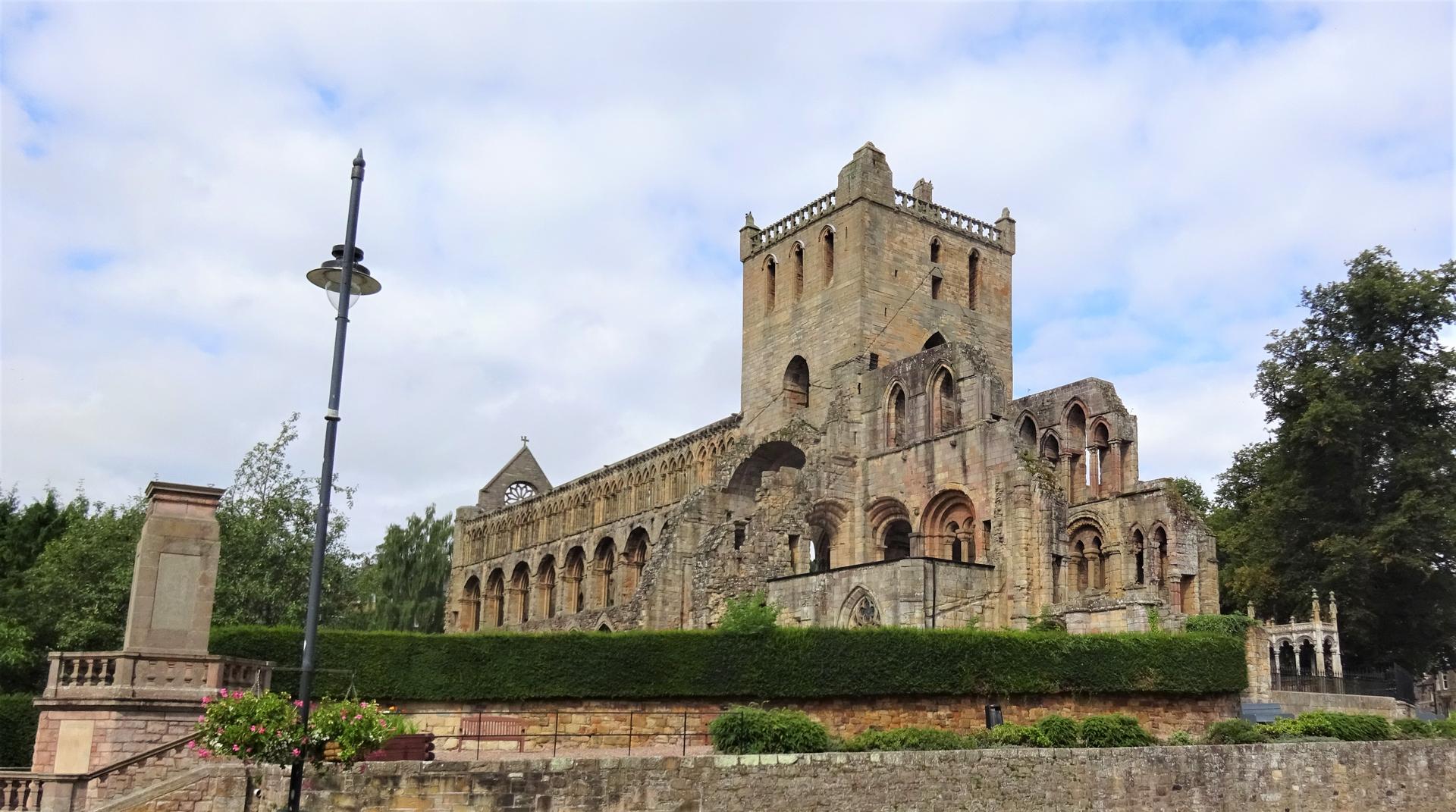
Looking beyond Kelso Abbey? Discover Roxburghshire for broader travel guides, local hot-spots, and regional highlights.
Explore Roxburghshire
Discover the rich history and unique cultural heritage of the Scottish Borders at Yetholm Heritage Centre, a free and engaging museum in Town Yetholm.
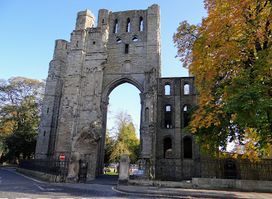
Explore the majestic ruins of Kelso Abbey, a 12th-century Scottish monastic marvel nestled in the scenic Borders town of Kelso.