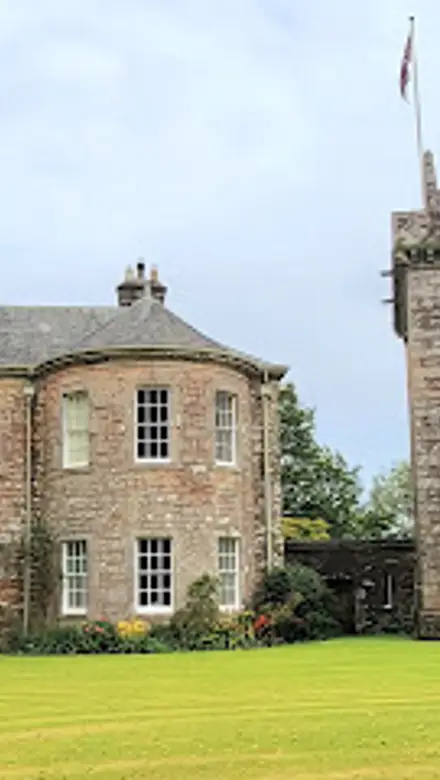
Bonshaw Tower Travel Guide
Free Guide: A 16th-century Scottish Border peel tower and ancestral home of the Irving family, set on a cliff with private gardens and historic charm.


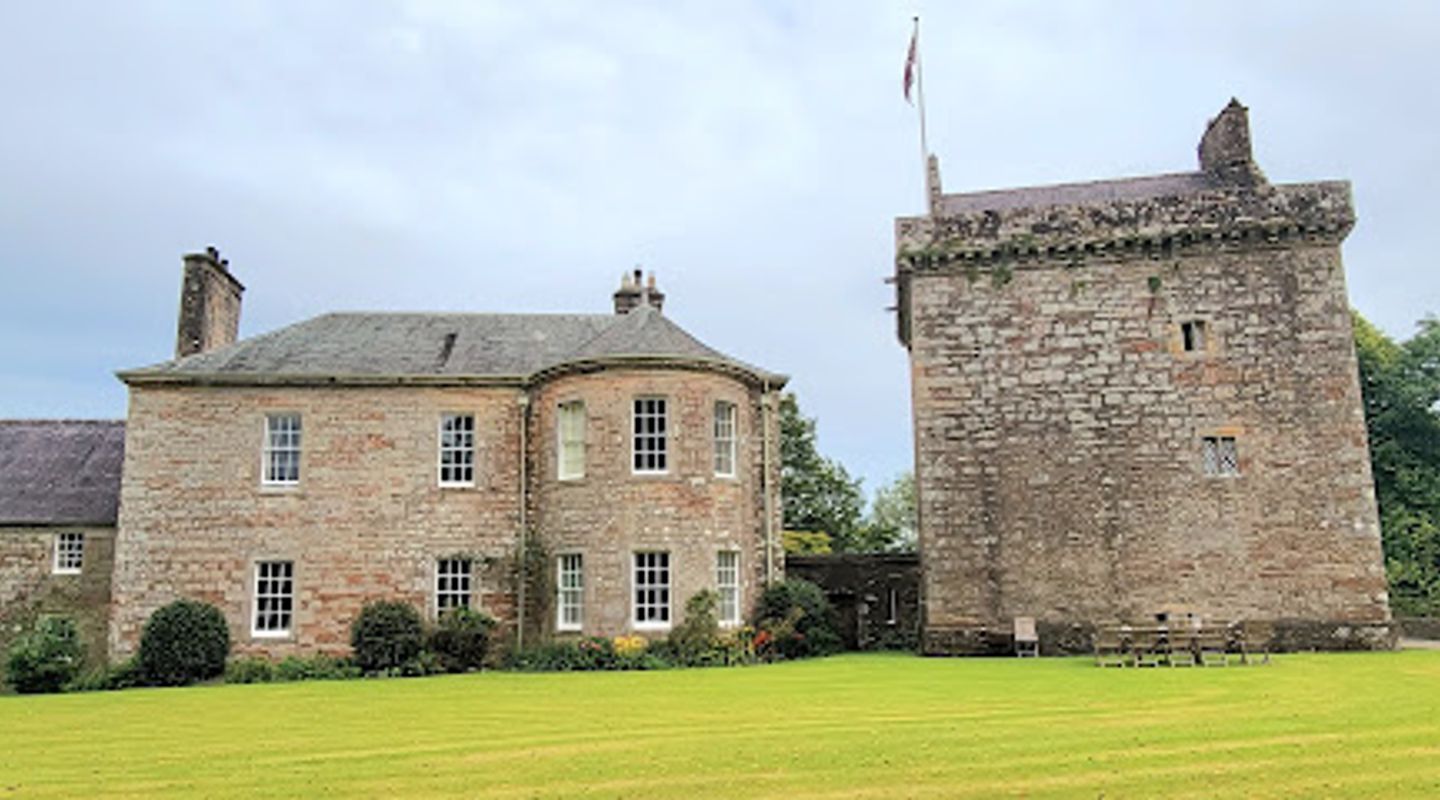
A brief summary of Bonshaw Tower
A 16th-century Scottish Border peel tower and ancestral home of the Irving family, set on a cliff with private gardens and historic charm.
Bonshaw Tower is a 16th-century Scottish Border peel tower perched atop a 70-foot cliff overlooking the River Kirtle near Kirtlebridge. Built in the 1570s during the turbulent era of the Border Reivers, it has been the ancestral home of the Irving family for nearly 900 years. Surrounded by 20 acres of private gardens and ancient woodlands, this largely unaltered tower remains a private family residence and exclusive wedding venue, embodying centuries of Scottish history and clan heritage.
On-site amenities
 Restrooms
 Seating areas
 Picnic areas
 Information boards
- Address
- 3LY, Kirtlebridge
- Phone
- Website
Getting there
Car
Bus
Taxi
Discover more about Bonshaw Tower
Legacy of the Border Reivers and the Irving Clan
Bonshaw Tower stands as a formidable example of a Scottish Border peel tower, constructed in the 1570s amid the violent conflicts between Scottish and English border clans known as the Border Reivers. The tower was built to serve as a power base for the Irving family, who are believed to have occupied the site since at least the 1300s, possibly earlier. This lineage makes Bonshaw one of the few castles in Scotland still held by its original clan. The tower's strategic location atop a 70-foot cliff overlooking the River Kirtle provided both defense and a commanding view of the borderlands, a critical advantage during times of raids and sieges.
Architectural Features and Setting
The four-storey tower has survived centuries with much of its original structure intact, including features like the imposing Chief’s Room and a barrel-vaulted cellar that once served as a prison. Its robust stone walls and elevated position reflect the defensive needs of the era. The tower overlooks steep cliffs and the Kirtle Water, with vistas stretching towards England and the Lake District. The surrounding 20 acres encompass mature gardens and ancient woodlands, creating a secluded and tranquil environment that complements the tower’s historic character.
Historical Significance and Notable Visitors
Bonshaw Tower’s history is rich with notable events and figures. Robert the Bruce is said to have sought refuge here while fleeing English forces, and William de Irwyn, associated with the tower, became the king’s armour bearer and was granted Drum Castle. King James VI also visited Bonshaw in 1601 to assert control over the unruly border clans. The tower endured destruction in 1544 when it was sacked and burned by the English, and was later rebuilt before 1570, symbolizing resilience and continuity.
Modern Use and Exclusive Wedding Venue
Today, Bonshaw Tower remains a private family home and the seat of the Irving family, preserving its intimate and authentic atmosphere. The estate offers an exclusive wedding venue, where ceremonies can be held inside the historic tower or within the romantic, private gardens. The grounds are exclusively yours during events, ensuring privacy and a unique experience steeped in history. The family’s commitment to environmental stewardship is reflected in the well-maintained gardens and woodlands surrounding the tower.
Experiencing Bonshaw Tower Today
Visitors to Bonshaw Tower experience a rare glimpse into Scotland’s border history and clan culture. The tower’s secluded setting amidst natural beauty invites reflection and exploration. The combination of rugged historical architecture and peaceful gardens creates an atmosphere both tranquil and evocative. While the tower is primarily a private residence, its availability for select events allows guests to connect with centuries of heritage in a uniquely personal way.
Preservation of Clan Heritage and Cultural Identity
Bonshaw Tower stands as a testament to the endurance of Scottish clan traditions and the historical significance of the Border region. The Irving family’s continuous stewardship of the property for nearly nine centuries highlights a deep connection to place and ancestry. The tower not only embodies architectural and military history but also serves as a living symbol of cultural identity, clan loyalty, and the evolving story of Scotland’s borderlands.
Evendo Review Centre
 Google
Guest reviews
Best time to go
Quietest: Jan, Feb & Dec · before 6am or at 8pm
Busy times are Evendo estimates for a typical year, to help you plan. Actual crowds vary with events, school holidays and the weather.
Explore Bonshaw Tower on the map
A handpicked selection of must-see spots near Bonshaw Tower, mapped for you.
Get your free copy of our complete guide to Bonshaw Tower, delivered straight to you.
Everything on this page, from opening hours and how to get there to Eve’s tips and the best time to go, in one PDF you can read offline, print or share.
Already have an account? Sign in
Your Bonshaw Tower guide is ready.
We'll send it to · Not you? Sign out

Getting your guide ready…
We are putting together a fresh copy of the Bonshaw Tower guide. This can take up to a minute.
This can take a few moments. If your browser asks, choose Allow so the download can start. You'll find the guide in your Downloads folder.
Nothing happened? Download it again
Sorry, the guide is taking longer than usual. Please try again in a minute, or get it by email instead.
Other nearby places you may find interesting
The closest places of the same kind, if this one is not quite what you had in mind.
-
Edinburgh Castle Discover Edinburgh Castle, a historic fortress atop Castle Rock offering royal heritage, stunning city views, and iconic Scottish traditions.
-
Urquhart Castle Explore the evocative ruins of Urquhart Castle, where history and Loch Ness legends meet amidst breathtaking Highland scenery.
-
National Museum of Scotland Discover Scotland’s rich heritage and global stories at the National Museum of Scotland, a captivating cultural landmark in Edinburgh’s heart.
-
Royal Mile Historic Edinburgh’s iconic Royal Mile, a vibrant mile of medieval charm, culture, and royal heritage linking castle to palace.
-
The Hermitage Discover towering Douglas firs, roaring waterfalls, and historic Ossian’s Hall in the enchanting woodland of The Hermitage near Dunkeld.
Swipe for more places
More to explore near Bonshaw Tower

 Best experiences near Bonshaw Tower
 Best hotels near Bonshaw Tower
 Best landmarks near Bonshaw Tower
 Best attractions near Bonshaw Tower
 Best shops near Bonshaw Tower
 Best restaurants near Bonshaw Tower
 Best bars near Bonshaw Tower
Do you manage this location?
Take control to get all the benefits, like improved information, better appearance, and stronger visibility across AI-powered discovery.
Explore more
Explore more of Scotland
Discover the magic of Scotland: stunning landscapes, historic castles, vibrant cities, and world-famous whisky. An unforgettable journey awaits in this enchanting land.
Explore Scotland
Explore more of United Kingdom
Discover the United Kingdom: A blend of rich history, stunning landscapes, and vibrant cities, offering a unique travel experience for every visitor.
Explore United Kingdom