

Sweetheart Abbey
Medieval love carved in red sandstone—where a widow's devotion built an abbey that endures.
A hauntingly beautiful 13th-century Cistercian ruin nestled between Criffel Hill and the Solway Firth, Sweetheart Abbey stands as a monument to devotion and medieval love. Founded in 1273 by Lady Dervorguilla in memory of her late husband John Balliol, whose embalmed heart she carried in an ivory casket, the abbey's blood-red sandstone walls and ornate tracery evoke centuries of spiritual life. Now managed by Historic Scotland, visitors can explore the remarkably preserved church, graceful cloister, and impressive precinct wall of massive granite boulders—one of Scotland's finest monastic enclosures.
A brief summary to Sweetheart Abbey
- Main St, Dumfries, DG2 8BU, GB
- +441387850397
- Visit website
- Duration: 1 to 3 hours
- Free
-
 Outdoor
- Mobile reception: 4 out of 5
Local tips
- Visit in late spring or early autumn for the best light and fewer crowds. The red sandstone glows most vividly in golden-hour photography, and the graveyard offers atmospheric perspectives year-round.
- Allow time to walk the complete precinct wall circuit—the massive granite boulders and views across the grounds provide context for the abbey's scale and monastic layout.
- Check ahead for access restrictions due to ongoing masonry conservation work. Some interior areas may be temporarily closed, though the cloister and much of the nave are typically accessible.
- Combine your visit with nearby attractions: New Abbey Corn Mill, Caerlaverock Castle, and Caerlaverock Wetland Centre are all within short driving distance in Dumfries and Galloway.
- Bring binoculars to examine the ornate stone tracery and circular window details from ground level. The stone effigy of Lady Dervorguilla in the south transept is a poignant focal point.

For the on-the-go comforts that matter to you
- Restrooms
- Drink Options
- Food Options
- Seating Areas
- Picnic Areas
- Trash Bins
- Information Boards
- Visitor Center
Getting There
-
Car from Dumfries
From Dumfries town centre, follow the A711 south toward New Abbey. The journey takes approximately 15 minutes and covers 8 miles. The abbey is well signposted from the main road. A large car park is available on-site at no charge, with accessible parking spaces near the entrance.
-
Bus from Dumfries
Local bus services operate from Dumfries bus station to New Abbey village, with journey times of 20–30 minutes depending on service. Services run several times daily. From the village, the abbey is a short walk of approximately 5–10 minutes. Check local transport schedules in advance, as frequency may vary seasonally.
-
Walking from New Abbey village
If staying in New Abbey village, the abbey is accessible via a pleasant walk of approximately 10–15 minutes on level terrain. The route follows local roads with good visibility. The final approach passes through the village and leads directly to the car park and visitor entrance.
-
Cycling from Dumfries
The A711 is suitable for experienced cyclists, with a journey time of approximately 25–35 minutes from Dumfries. The route is relatively flat. Secure cycle parking is available at the site. Alternatively, quieter country roads through the Dumfries and Galloway region offer scenic cycling routes to the abbey.
Sweetheart Abbey location weather suitability
-
 Any Weather
-
 Clear Skies
-
 Mild Temperatures
Discover more about Sweetheart Abbey
A Testament to Enduring Love
Sweetheart Abbey's origin story is as compelling as its architectural presence. In 1273, Lady Dervorguilla of Galloway founded this Cistercian monastery in memory of her husband, John Balliol, who had died five years earlier. Rather than merely commissioning a chapel, she established an entire abbey—the last Cistercian house to be founded in Scotland. The abbey's poetic name, Dulce Cor (Latin for "Sweet Heart"), derives from a deeply personal act of devotion: after her husband's death, Dervorguilla had his heart embalmed and placed in a casket of ivory and silver, which she carried with her for the remainder of her life. When she died in 1289, she was laid to rest before the abbey church's high altar, clutching her husband's heart to her bosom—a final union that inspired the monks to name their monastery in her honour.Architectural Splendour in Deep-Red Sandstone
Under the direction of its first abbot, Henry, the abbey was constructed in the Early English style using locally quarried deep-red sandstone that still glows vividly against the surrounding landscape. The abbey church measured 203 feet in length with a central tower rising 92 feet high, featuring a nave with aisles, transepts with chapels, and a choir. The monastic complex was surrounded by a massive precinct wall of granite boulders, eight to ten feet high, which ranks among the most complete monastic enclosures in Scotland, comparable only to the wall at St Andrews Cathedral Priory. The surviving structures showcase ornate stone tracery in the presbytery windows, a striking circular window above the south transept, and an impressive west front that still commands respect after seven centuries.Trials and Triumphs Through Scotland's Turbulent History
Construction of the abbey coincided with Scotland's Wars of Independence, and the monastery faced considerable hardship during this period. King Edward I himself stayed at the abbey in 1300 while campaigning in Galloway, and subsequent English military actions caused significant damage. By the early 14th century, the monks lamented the abbey's "outstanding and notorious poverty" resulting from the conflict. However, the abbey's fortunes improved dramatically in the late 1300s when Archibald the Grim, Lord of Galloway and 3rd Earl of Douglas, became its patron and financed extensive repairs and rebuilding, earning him the distinction of being regarded as Sweetheart's second founder. Unlike many Scottish abbeys, Sweetheart remained relatively unscathed by English invasions and continued as a place of worship through much of the medieval period.Reformation and Gradual Decline
When the Protestant Reformation reached Scotland in 1560, Sweetheart Abbey's fate differed markedly from other religious houses. The sixth Lord Maxwell, a Catholic who had been raised within the abbey's walls, refused to allow its destruction, declaring his attachment to the place where he spent his youth. This protection allowed the abbey to continue functioning as a Catholic sanctuary long after the Reformation had suppressed other monasteries. The last abbot, Gilbert Broun, defied the new religious order and continued Catholic worship at the site until 1603, when he was imprisoned in Blackness Castle for his obstinacy. Upon his release, he returned to Sweetheart, but in 1608 his belongings were publicly burned in Dumfries and he was exiled to France, where he died four years later. The last monks departed in 1624, ending seven and a half centuries of monastic life.Conservation and Modern Preservation
Following the departure of the monks, the abbey's domestic buildings were gradually dismantled to provide stone for local construction projects. However, in a remarkably early act of conservation, local subscribers clubbed together in 1779 to preserve the shell of the abbey church and remaining structures as an ornament to the region. This grassroots effort prevented the complete destruction that befell many other Scottish abbeys. The site is now under the care of Historic Scotland and remains one of the most visually complete monastic ruins in the country. The abbey church still stands with considerable structural integrity, and visitors can explore the grounds, cloister area, and much of the nave. The setting itself enhances the experience: the abbey nestles between the grey bulk of Criffel Hill and the shimmering waters of the Solway Firth, creating a landscape that perfectly complements the romantic and spiritual history embedded in its stones.Iconic landmarks you can’t miss

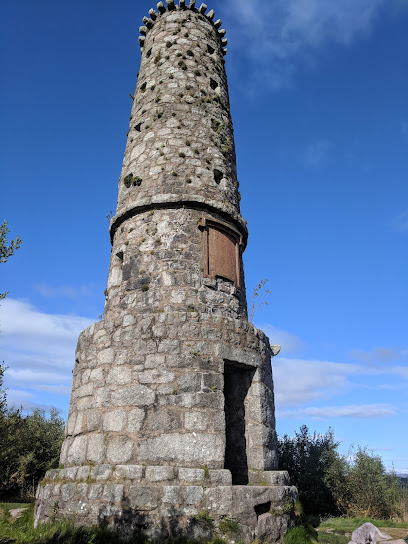
Waterloo Monument
1.4 km
A 150-foot stone tower on Peniel Heugh, built to commemorate the Battle of Waterloo and offering panoramic views across the Scottish Borders and Solway Firth.
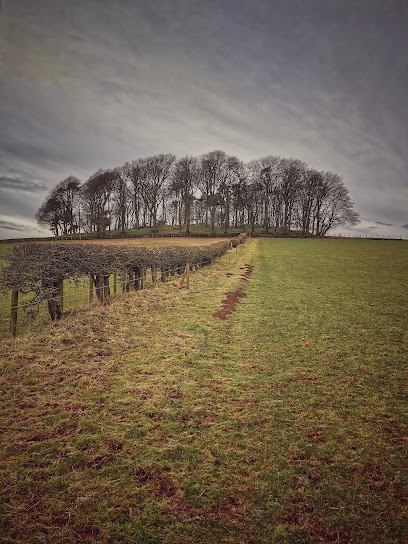
Wardlaw Hillfort
6.0 km
Explore the ancient moated triangular hillfort near Dumfries with panoramic views and rich prehistoric heritage.
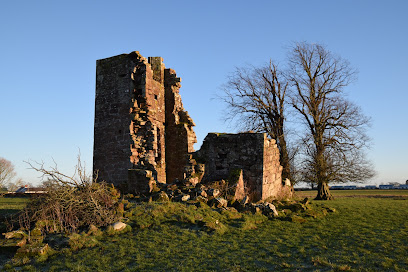
Isle Tower
6.9 km
Explore Isle Tower, a serene 17th-century Scottish tower house ruin guarding historic routes near Dumfries in picturesque Dumfries and Galloway.
Mossband Residential Park
9.2 km
Tranquil rural living with modern comforts and scenic views near Dumfries in the heart of Scotland’s countryside.
Dumfries Historic Buildings Trust
9.8 km
Discover the architectural heritage of Dumfries at the Dumfries Historic Buildings Trust, where history is preserved for future generations.
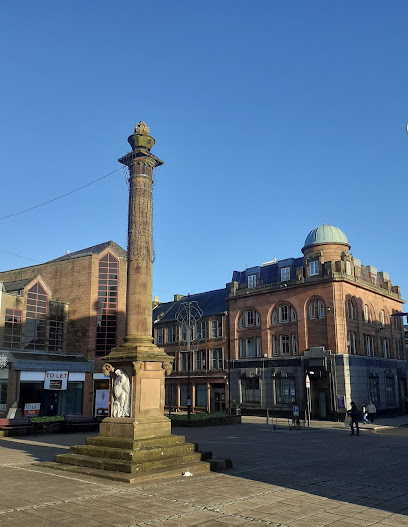
Queensberry Monument
9.9 km
An elegant 18th-century stone column in Dumfries honoring the 3rd Duke of Queensberry and the town’s noble heritage.
Dumfries
10.3 km
Historic and accessible Dumfries Railway Station connects Scotland’s southwest with modern amenities and rich heritage.
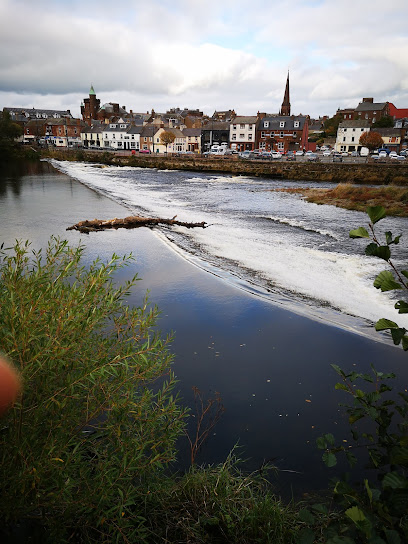
Dumfries Tours
11.1 km
Explore Dumfries with immersive tours that blend history, culture, and stunning landscapes for an unforgettable experience.
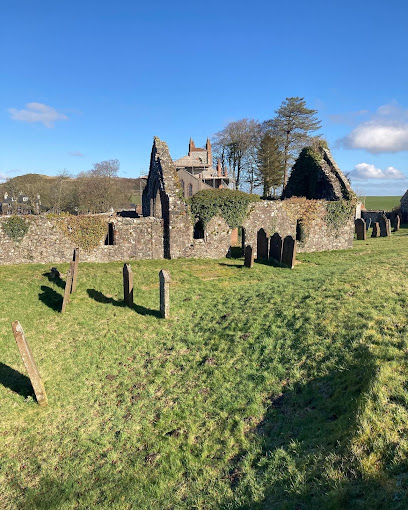
Kingdom Scotland
12.7 km
Discover tranquility at Kingdom Scotland, a serene religious institution in Dumfries that invites spiritual reflection and community connection.

Little Dalton Kirk
15.0 km
Discover the evocative ruins of Little Dalton Kirk, a medieval parish church nestled in tranquil Scottish countryside near Lockerbie.
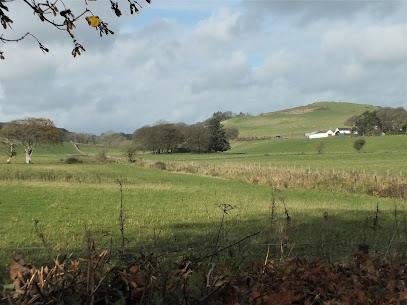
Fourmerkland Tower
15.5 km
Discover the tranquil charm and rich history of Fourmerkland Tower, a secluded 16th-century Scottish tower house near Dumfries.
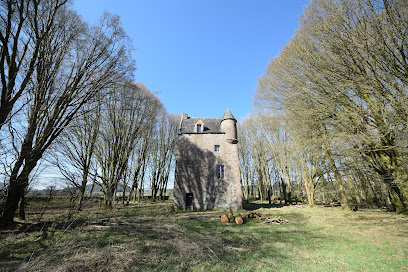
Comyn's Tower
17.9 km
Explore Comyn's Tower near Dumfries, a medieval stronghold entwined with Scotland’s dramatic history and the legacy of the Comyn clan.
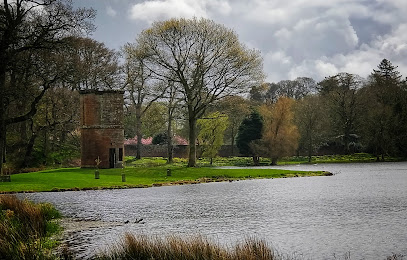
Threave House
21.9 km
Explore the beauty and history of Threave House, a stunning historical landmark in Scotland's enchanting countryside.
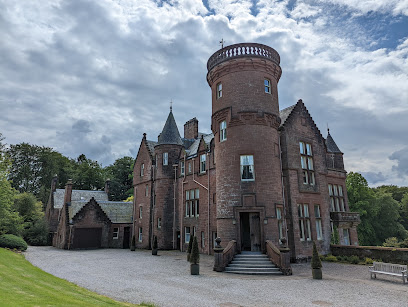
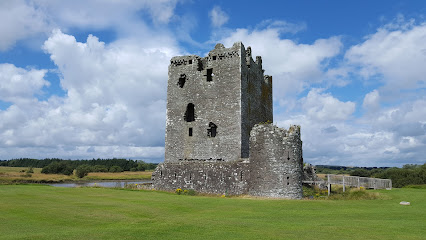
Threave Castle
22.8 km
Explore the medieval charm and natural beauty of Threave Castle, a hidden gem in Dumfries and Galloway, Scotland, perfect for history lovers and nature enthusiasts alike.
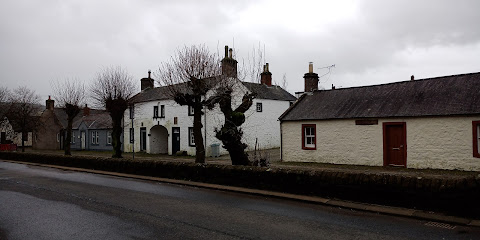
The National Trust for Scotland - Thomas Carlyle's Birthplace
24.3 km
Discover the birthplace of Thomas Carlyle, a historical gem in Ecclefechan, celebrating Scottish literary heritage and tranquil village charm.
Unmissable attractions to see

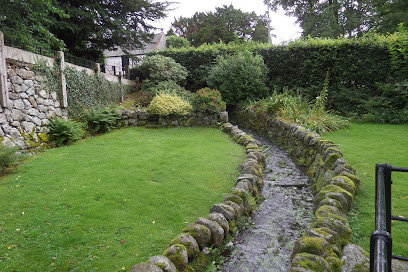
New Abbey Corn Mill
0.2 km
Explore New Abbey Corn Mill, a beautifully restored 18th-century water-powered mill showcasing Scotland’s rich rural heritage and traditional milling craft.
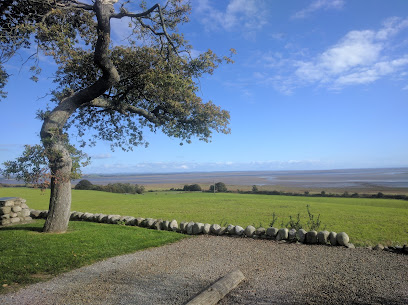
Drumburn Viewpoint
4.7 km
Tranquil panoramic views over the Nith Estuary, perfect for peaceful reflection and nature appreciation in Dumfries.
Mabie Farm Park
5.1 km
Farm adventure meets forest magic where rare animals, thrilling activities, and all-weather play converge beneath Scottish skies.
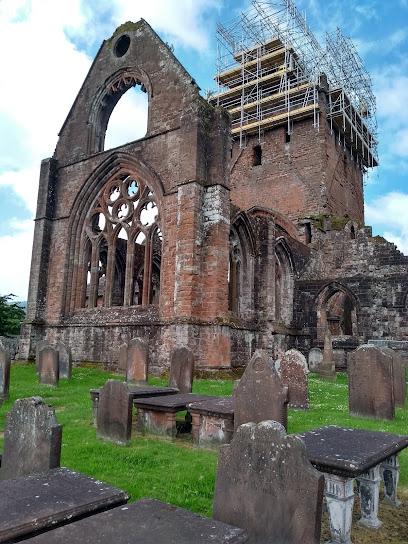
Caerlaverock Castle
6.1 km
Explore Scotland’s unique triangular medieval fortress with a moat, twin towers, rich history, and scenic nature reserve near Dumfries.
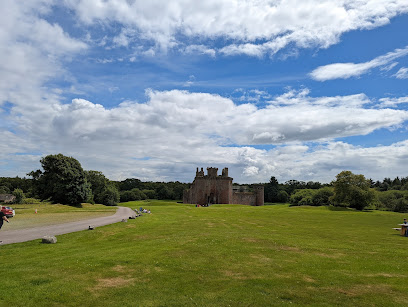
Old Caerlaverock Castle
6.3 km
Explore Scotland’s only triangular castle, a moated medieval fortress steeped in centuries of border warfare and Maxwell family history.
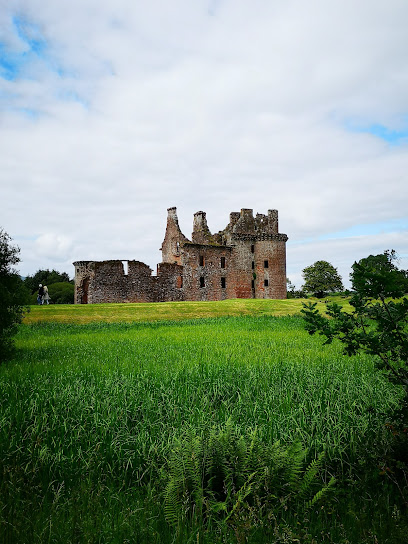
Kingholm Quay Harbour
7.5 km
Historic riverside quay on the River Nith blending Dumfries’ maritime heritage with tranquil scenic charm.
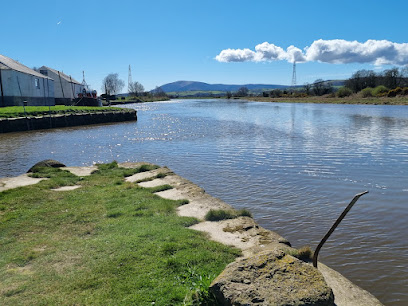
Castledykes Park
8.5 km
Discover Dumfries’ historic green heart where medieval heritage meets tranquil gardens and vibrant wildlife habitats.
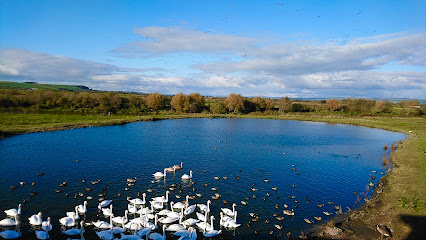
WWT Caerlaverock
8.6 km
Discover Scotland’s premier wetland sanctuary where thousands of migratory birds create a spectacular natural show year-round.
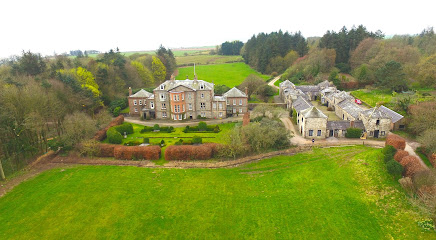
Arbigland House and Gardens
9.1 km
Historic Georgian estate and expansive gardens with coastal views, rich in Scottish heritage and cultural connections.
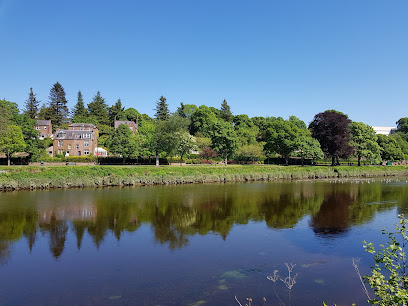
Dock Park
9.3 km
Historic riverside park in Dumfries with family-friendly play, mini-golf, bowling, and scenic picnic spots beside the River Nith.
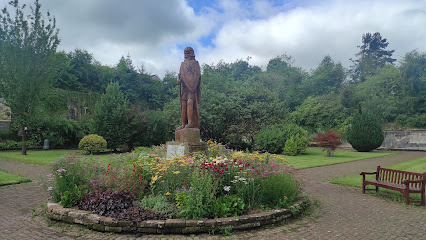
Dumfries Museum
9.4 km
Explore Dumfries’ rich heritage and the world’s oldest working camera obscura in this captivating museum of history and science.
St Michael’s and South Parish Church
9.5 km
Discover Dumfries’ oldest church, a historic landmark rich with medieval pillars, stunning stained glass, and the Burns’ Mausoleum.
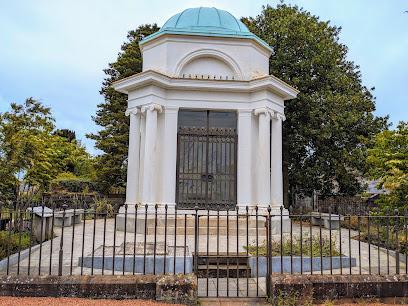
Burns Mausoleum
9.5 km
Final resting place of Robert Burns in a historic Dumfries churchyard, surrounded by centuries of Scottish stories and monuments.
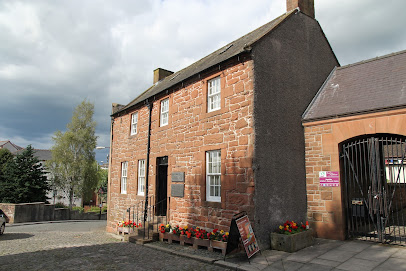
Robert Burns House
9.6 km
Explore the intimate final home of Robert Burns in Dumfries, where Scotland’s national poet lived, wrote, and left a lasting legacy.
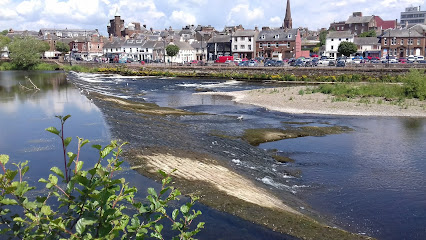
Robert Burns Centre
9.6 km
Discover the life and legacy of Robert Burns in Dumfries’ historic watermill, featuring immersive exhibits and a vibrant independent film theatre.
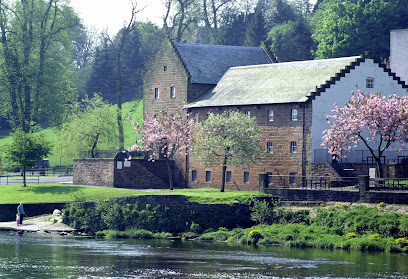
Essential places to dine

The Boathouse Restaurant & Shop
3.8 km
Charming waterfront dining and shopping with fresh local fare and nautical ambiance in scenic Glencaple near Dumfries.
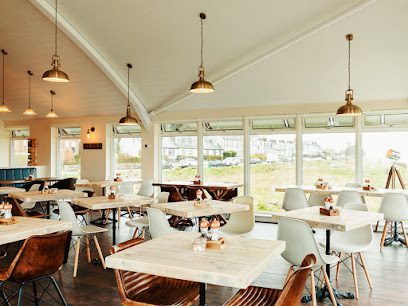
The Steamboat Inn
7.0 km
Quirky coastal pub with hearty seafood, cozy fires, and stunning Solway Firth views in the heart of Carsethorn.
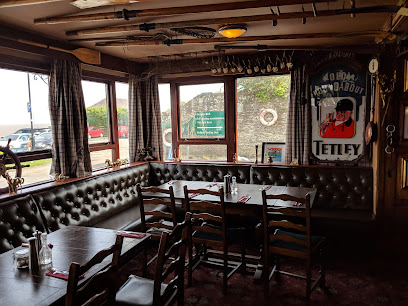
The Swan - Kingholm Quay
7.5 km
A welcoming riverside pub in Dumfries offering hearty British fare, great beers, and a friendly atmosphere at Kingholm Quay.
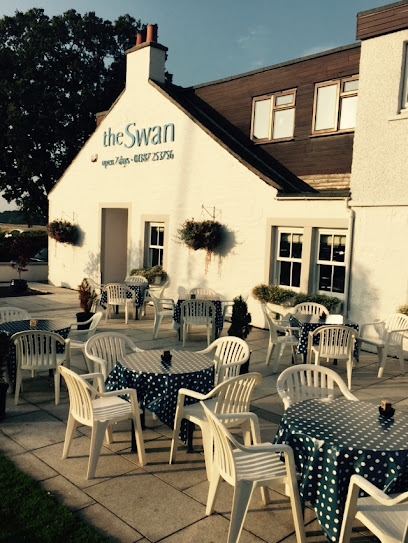
Easterbrook Bistro, Bar & Spa
8.1 km
Modern tapas dining and spa relaxation in the heart of Dumfries’ historic Crichton campus.
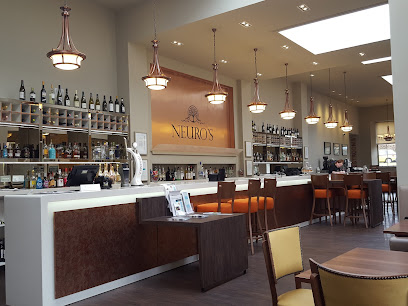
Bankend Bar & Brasserie
8.2 km
Contemporary dining with seasonal, locally sourced dishes and scenic views at Dumfries’ stylish Bankend Bar & Brasserie.
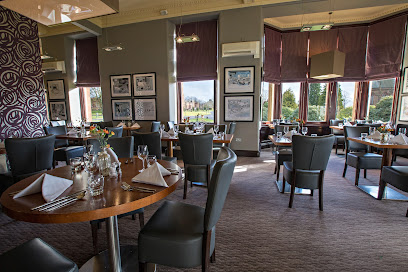
The Jolly Harvester Bar & Restaurant
9.2 km
A family-friendly pub and restaurant in Dumfries serving hearty meals with a welcoming atmosphere and outdoor fun for all ages.
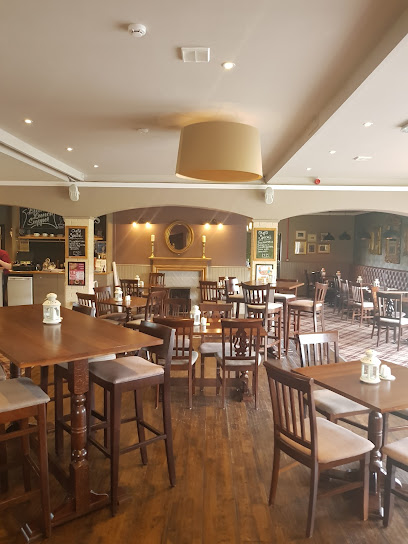
Crumb
9.4 km
Modern dining meets local charm at Crumb, a welcoming Dumfries restaurant known for quality dishes and relaxed atmosphere.
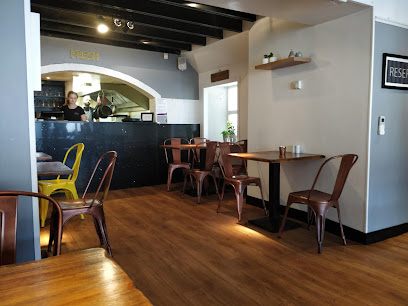
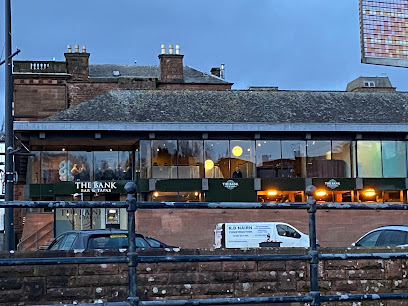
The Bank Bar and Tapas
9.7 km
A vibrant, fully gluten-free tapas bar in Dumfries blending international flavors with a lively social atmosphere and inclusive dining.
The Globe Inn Dumfries
9.7 km
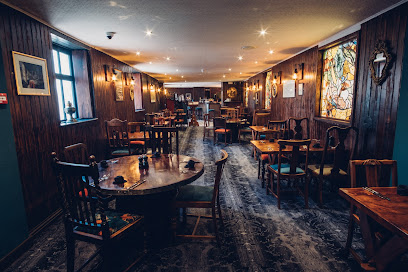
Historic 17th-century pub and Michelin Guide dining in Dumfries, blending Robert Burns heritage with modern Scottish cuisine and an extensive whisky collection.
Truffles Bistro
9.7 km
Sophisticated yet cozy, Truffles Bistro in Dumfries serves exquisite local and international dishes in an inviting atmosphere.
La Dolce Vita
9.8 km
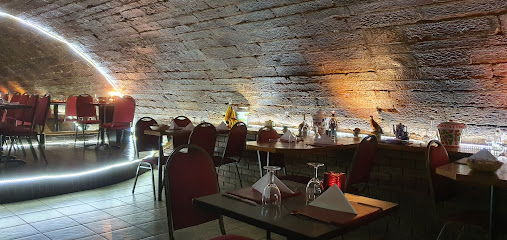
Experience authentic Italian flavors and warm hospitality in the heart of Dumfries at La Dolce Vita, a charming and inclusive dining destination.
Home Restaurant
9.8 km
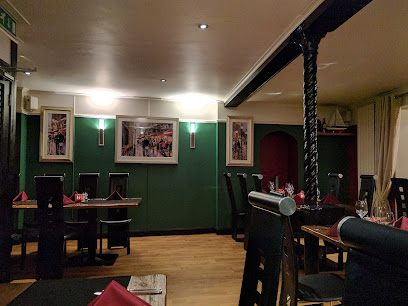
A cozy family-run restaurant in Dumfries serving creative, locally sourced Mediterranean-inspired dishes with heartfelt hospitality.
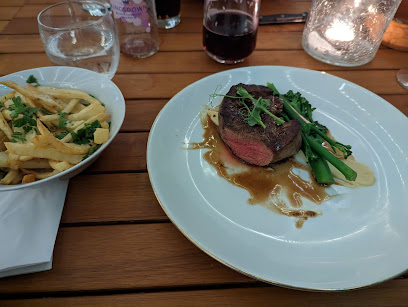
The Corner Eatery and Bar Store
9.8 km
A vibrant eatery in Dumfries serving fresh, homemade British cuisine with a welcoming atmosphere and a charming beer garden.
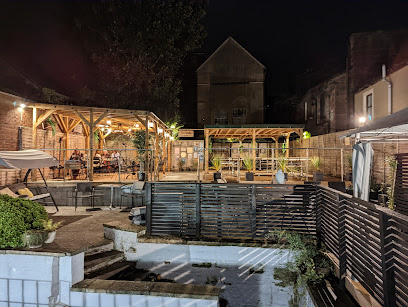
The Hitching Post - DG1 2EQ
9.8 km
Casual American barbecue and grill in Dumfries with a standout gluten-free menu and hearty, authentic flavors.
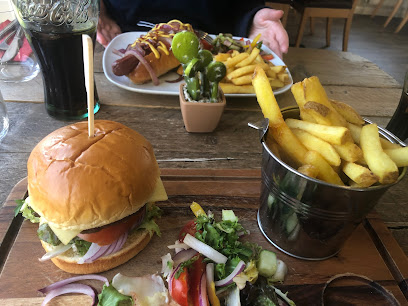
Ivanos Italian Food
9.9 km
Casual Italian takeaway and pizza delivery in Dumfries, serving authentic flavors with a friendly local touch.
Markets, malls and hidden boutiques

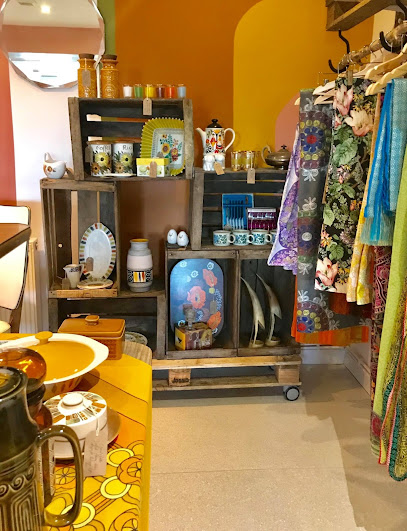
Vintage On The Nith
3.9 km
Discover timeless vintage treasures and mid-century antiques in the scenic riverside village of Glencaple, Dumfries.
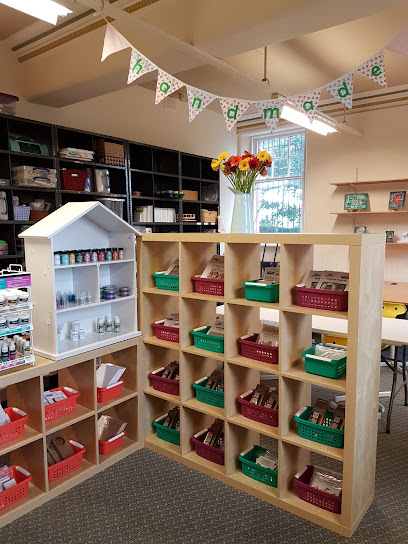
Handmade at Helen's
7.7 km
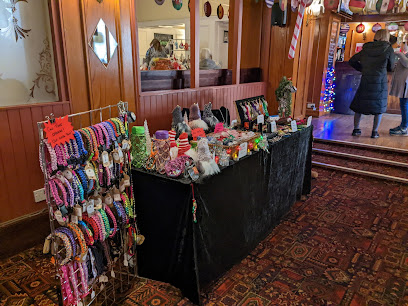
Discover unique handmade crafts and local artistry at Handmade at Helen's, Dumfries’ charming Saturday-only craft shop in The Crichton.
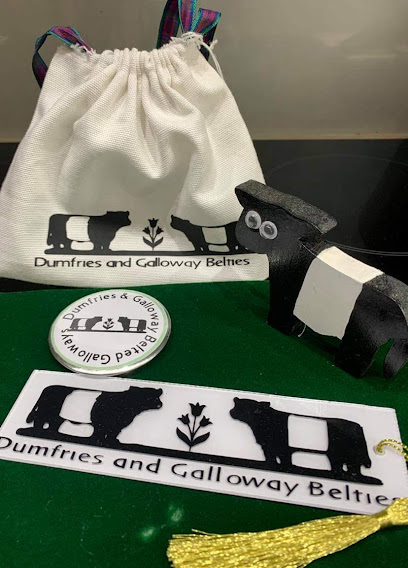
Timeless Galloway Crafts
8.6 km
Discover authentic Scottish crafts and local artistry at Timeless Galloway Crafts, a Dumfries gem celebrating heritage and creativity.
Plum Boutique
9.5 km
Independent women-owned fashion boutique in Dumfries offering curated, sustainable wardrobe staples and seasonal styles with a personal touch.

The Fragrance Shop
9.7 km
Discover affordable luxury perfumes and beauty essentials at The Fragrance Shop, Dumfries’ premier scent destination in the Lorebourne Centre.
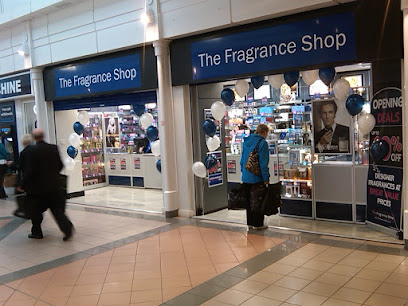
Loreburne Shopping Centre
9.7 km
A vibrant indoor shopping destination in the heart of Dumfries, blending high street brands with local charm and convenient amenities.
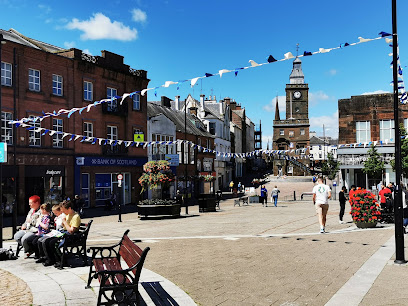
Bonmarché
9.7 km
Affordable and stylish ladies' fashion in the heart of Dumfries, with sizes 10-28 and expert styling advice.
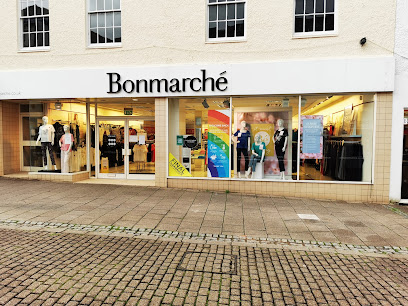
Mountain Warehouse Dumfries
9.8 km
Your go-to store in Dumfries for quality outdoor clothing and gear at moderate prices, catering to adventurers of all ages and skill levels.
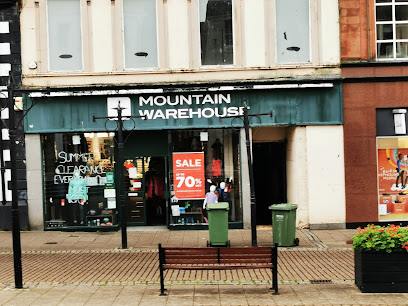
Circle Vintage
9.8 km
Explore the charm of Circle Vintage in Dumfries, your destination for unique and timeless fashion finds that celebrate the beauty of the past.

Think Something Different
9.8 km
Discover unique gifts and specialty products at Think Something Different, Dumfries’ go-to shop for eclectic finds and friendly service.
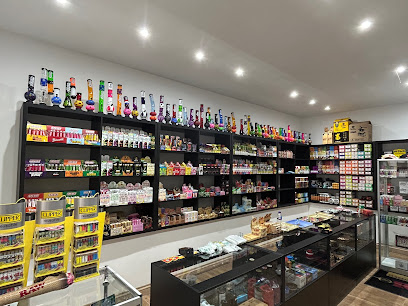
Flourish
9.8 km
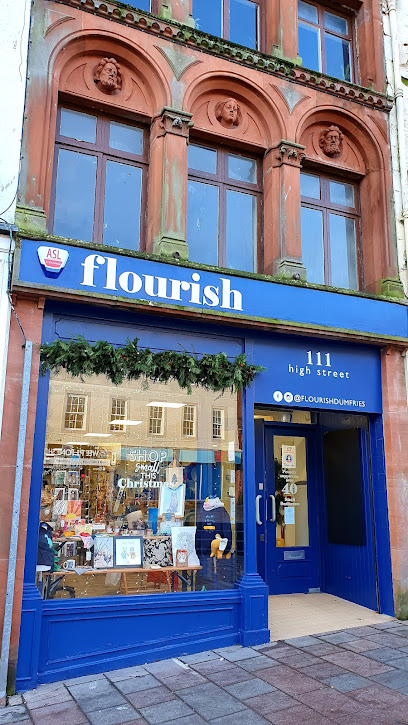
Discover unique handcrafted gifts and local art at Flourish, Dumfries’ vibrant gift shop and creative studio on High Street.
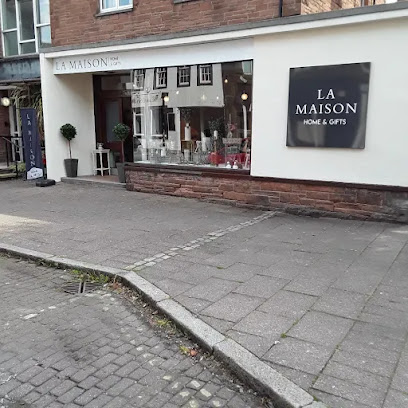
La Maison Home & Gifts
9.9 km
Discover unique homewares and gifts with a personal touch at La Maison, Dumfries’ boutique of curated elegance and local charm.
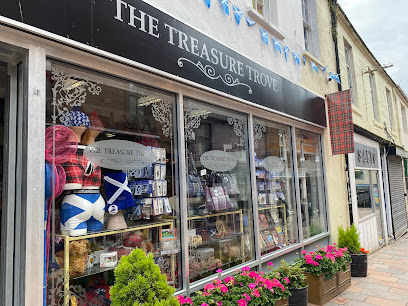
The Treasure Trove Dumfries
9.9 km
Discover unique Scottish gifts and artisan treasures in the heart of Dumfries at The Treasure Trove.
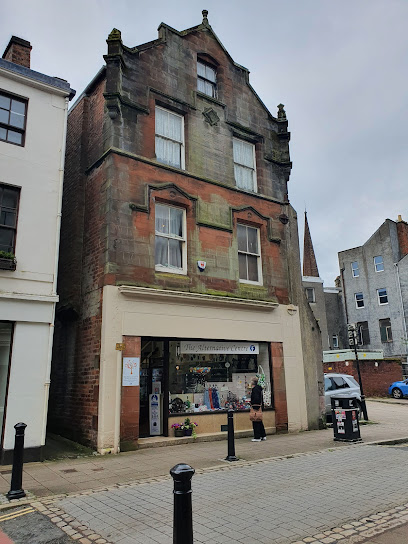
ALTERNATIVE CENTRE(DUMFRIES)
10.0 km
Discover unique local crafts and memorable gifts at Dumfries’ welcoming Alternative Centre on Queensberry Street.
The Range, Dumfries
10.0 km
A versatile home and garden store in Dumfries offering extensive products for every lifestyle and living space.
Essential bars & hidden hideouts

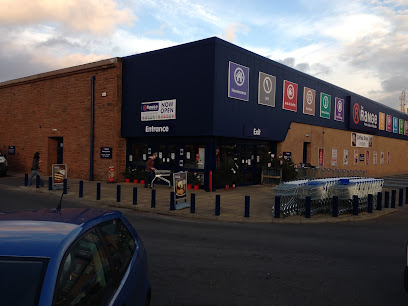
The Normandy
8.9 km
A welcoming and relaxed pub in Dumfries known for friendly service and a cozy atmosphere.
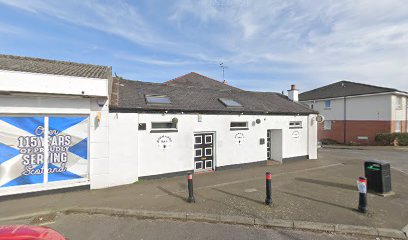
Troqueer Arms
9.2 km
A welcoming traditional pub in Dumfries offering great drinks, live music, and authentic Scottish charm at an affordable price.
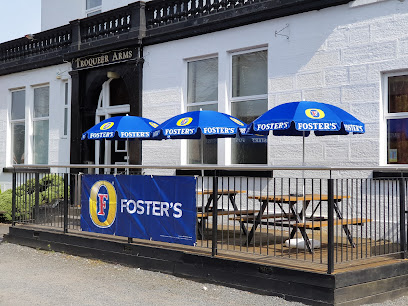
The Riverside Bar
9.3 km
A friendly riverside pub in Dumfries offering diverse craft beers, scenic views, and a relaxed atmosphere beside Dock Park.
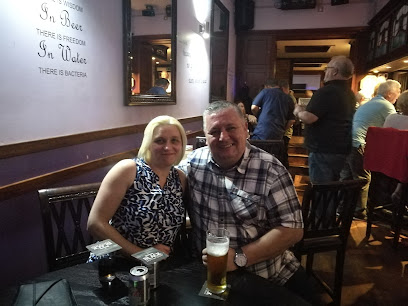
Greens Sports Bar
9.4 km
Lively sports bar in Dumfries with big screens, great drinks, pool tables, and a welcoming community vibe for fans and locals alike.
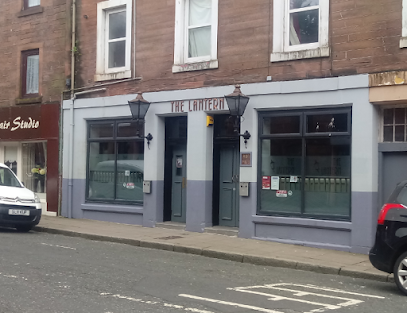
The Lantern
9.5 km
A friendly, dog-welcoming pub in Dumfries offering affordable drinks, live music, and a lively beer garden in a warm, traditional setting.
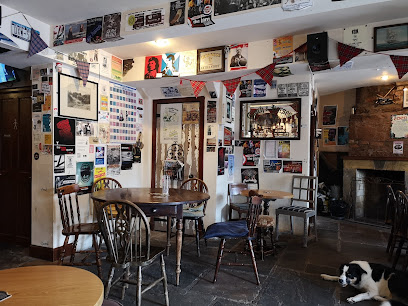
Coach & Horses Inn
9.7 km
Historic 1801 pub in Dumfries offering authentic Scottish charm, quality cask ales, and lively live music in a welcoming atmosphere.
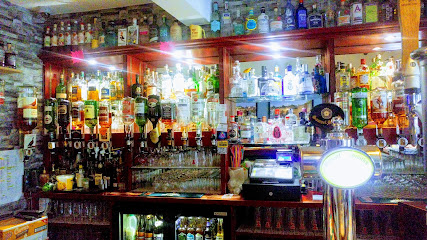
Devorgilla Lounge Bar
9.8 km
A cozy, dog-friendly lounge bar in Dumfries offering friendly service, relaxed vibes, and affordable drinks in the heart of Market Square.
The Queensberry
9.8 km
A bright, comfortable bar and hotel in central Dumfries offering relaxed Scottish hospitality and cozy accommodation.

The Stag Bar
9.8 km
A cozy, friendly pub in Dumfries’ town centre offering craft ales and a welcoming atmosphere near the historic Midsteeple.
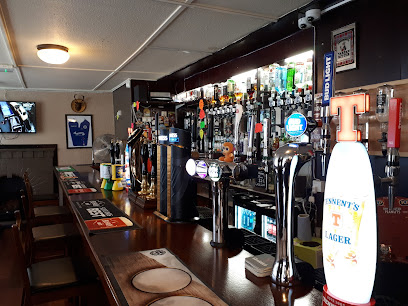
The Barrel
9.8 km
A friendly, traditional pub in Dumfries offering quality pints and a lively, welcoming atmosphere for locals and visitors alike.

Salutation Inn
9.8 km
A friendly, historic pub in Dumfries Market Square known for excellent pints and a welcoming atmosphere.
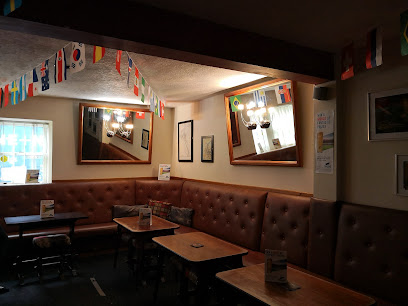
Dickies Bar
9.8 km
Experience warm Scottish hospitality and local craft beers in the cozy, lively setting of Dickies Bar in Dumfries.
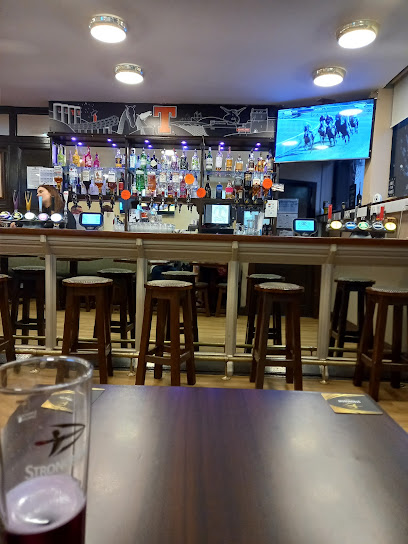
The Imperial
9.9 km
A friendly, fair-priced bar in the heart of Dumfries, perfect for relaxed socializing and local vibes.
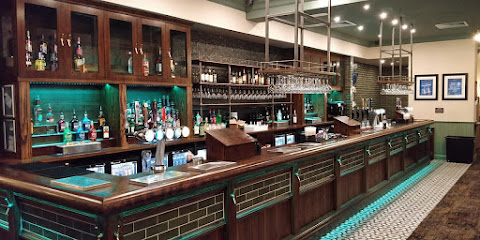
Chancers Night Club
9.9 km
Experience Dumfries nightlife at Chancers Night Club, where vibrant music and a lively atmosphere create unforgettable nights.
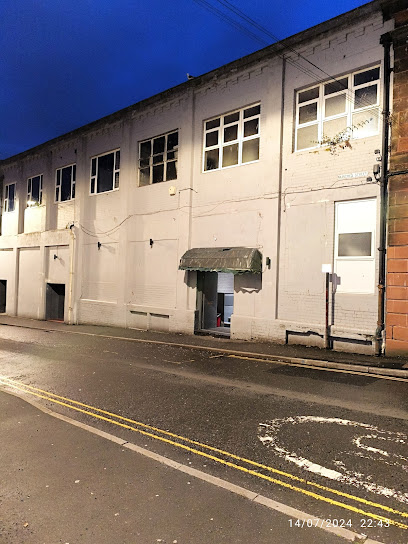
The Dougie Arms
9.9 km
A cosy, welcoming pub in Dumfries known for its diverse ales, friendly atmosphere, and inclusive community spirit.
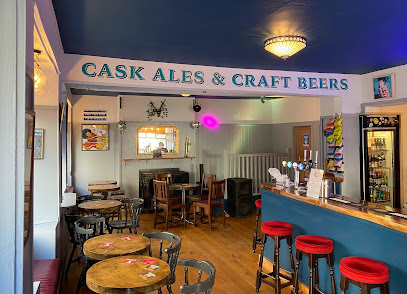
Nightclubs & after hour spots

Railway Social Club
9.9 km
A friendly, community-focused social club in Dumfries offering affordable drinks, lively events, and a welcoming atmosphere near the town centre.
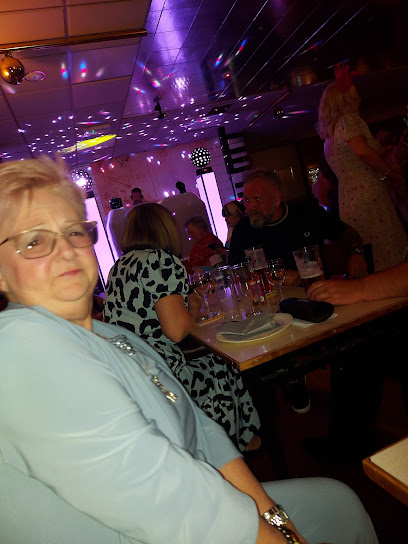
Black Box Music Institute
44.4 km
An intimate old-style nightclub and cultural hub in Carlisle offering live music, festivals, and art exhibitions in a vibrant setting.
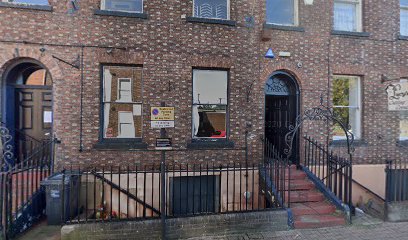
Carlisle R A O B Club
44.5 km
Historic social club in Carlisle offering lively events and a welcoming atmosphere rooted in the Royal Antediluvian Order of Buffaloes tradition.

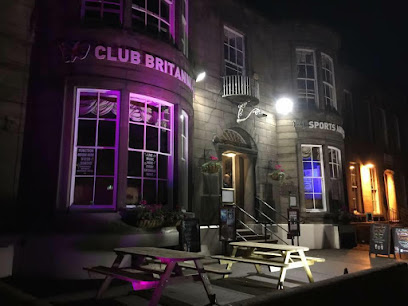
Club Britannia
44.8 km
A vibrant social club in Carlisle offering live music, friendly vibes, and affordable drinks in a smart, welcoming setting.
Secret Carlisle
45.1 km
Experience energetic nights and vibrant music at Secret Carlisle, the city centre nightclub where Carlisle’s historic charm meets modern nightlife.

Ramblers Bar and the Candleroom
64.7 km
Discover the charm of Ramblers Bar and the Candleroom, a delightful pub and restaurant offering local culinary delights in the heart of Ullswater.
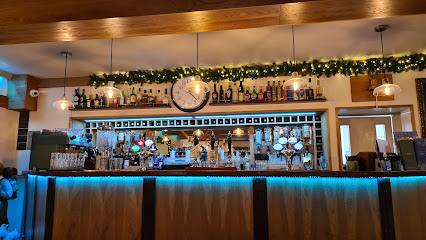
The loose moose
65.7 km
A lively and welcoming nightclub in Penrith offering cocktails, music, and community spirit in the heart of Cumbria’s Eden District.

The Warehouse
65.7 km
Experience the vibrant nightlife at The Warehouse in Penrith, offering themed parties, great music, and a lively atmosphere perfect for socializing.
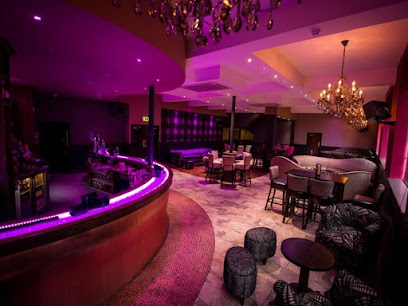
Penrith Conservative Club
65.9 km
Discover the vibrant community spirit and affordable fun at Penrith Conservative Club, a welcoming hub in the heart of Penrith.
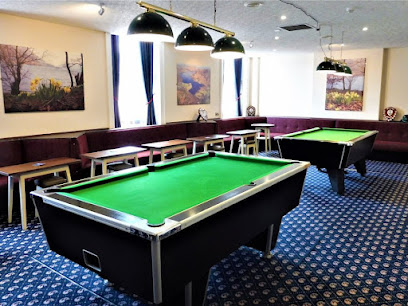
Square One
71.9 km
Vibrant Hawick nightclub with dynamic music floors and a welcoming atmosphere at the heart of Drumlanrig Square.

Base Nightclub
72.3 km
Experience Hawick’s energetic nightlife at Base Nightclub, where vibrant music and lively crowds create unforgettable Friday nights.
The Border Club
72.6 km
Experience the vibrant local culture at The Border Club, a friendly social hub in Hawick, Scotland, perfect for travelers seeking community spirit.

The Lily Bar
74.3 km
Experience the perfect blend of vibrant bar atmosphere and exquisite dining at The Lily Bar in Ambleside, a hidden gem in the heart of the Lake District.
Queens Head, Troutbeck
76.9 km
Historic Lake District pub and inn offering local cuisine, cosy rooms, and stunning Troutbeck Valley views in a welcoming village setting.
secret bridge
77.3 km
Experience vibrant nightlife and lively music at Secret Bridge, Milburn’s premier nightclub near Penrith in the scenic Eden District.
For the vibe & atmosphere seeker
- Romantic
- Tranquil
- Scenic
- Unique
- Adventurous
For the design and aesthetic lover
- Rustic Designs
- Vintage Styles
For the architecture buff
- Historic
- Landmarks
- Sacred Sites
- Heritage Neighborhoods
For the view chaser and sunset hunter
- Iconic Views
- Panoramas
- Waterfront
For the social media creator & influencer
- Instagrammable
- Photo Spots
- Architectural Shots
For the eco-conscious traveler
- Protected Area
- Locally Managed
- Leave-No-Trace Critical
For the kind of experience you’re after
- Spiritual / Energy Spot
- Myth & Legends
- Cultural Heritage
- Photowalk
- Day Trip
For how adventurous you want the journey to be
- Easy Access
Location Audience
- Family Friendly
- Senior Friendly
- Wheelchair Access
- Solo Friendly
- Couple Friendly
- Solo Female Friendly


