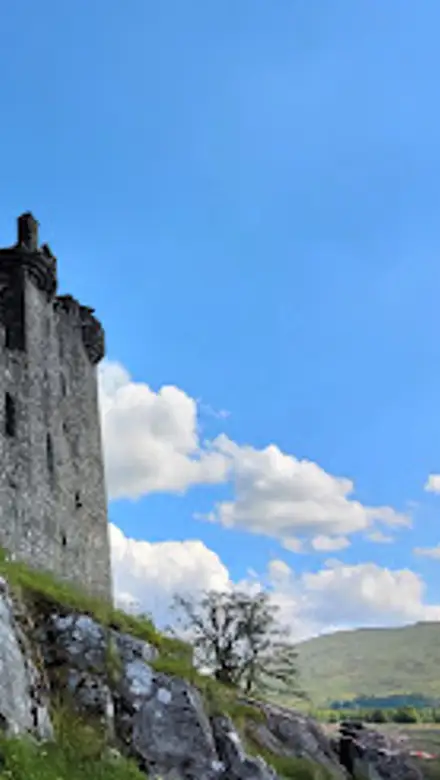
Kilchurn Castle Travel Guide
Free Guide: Explore the evocative ruins of Kilchurn Castle, a Clan Campbell fortress set against the stunning backdrop of Loch Awe and Ben Cruachan.


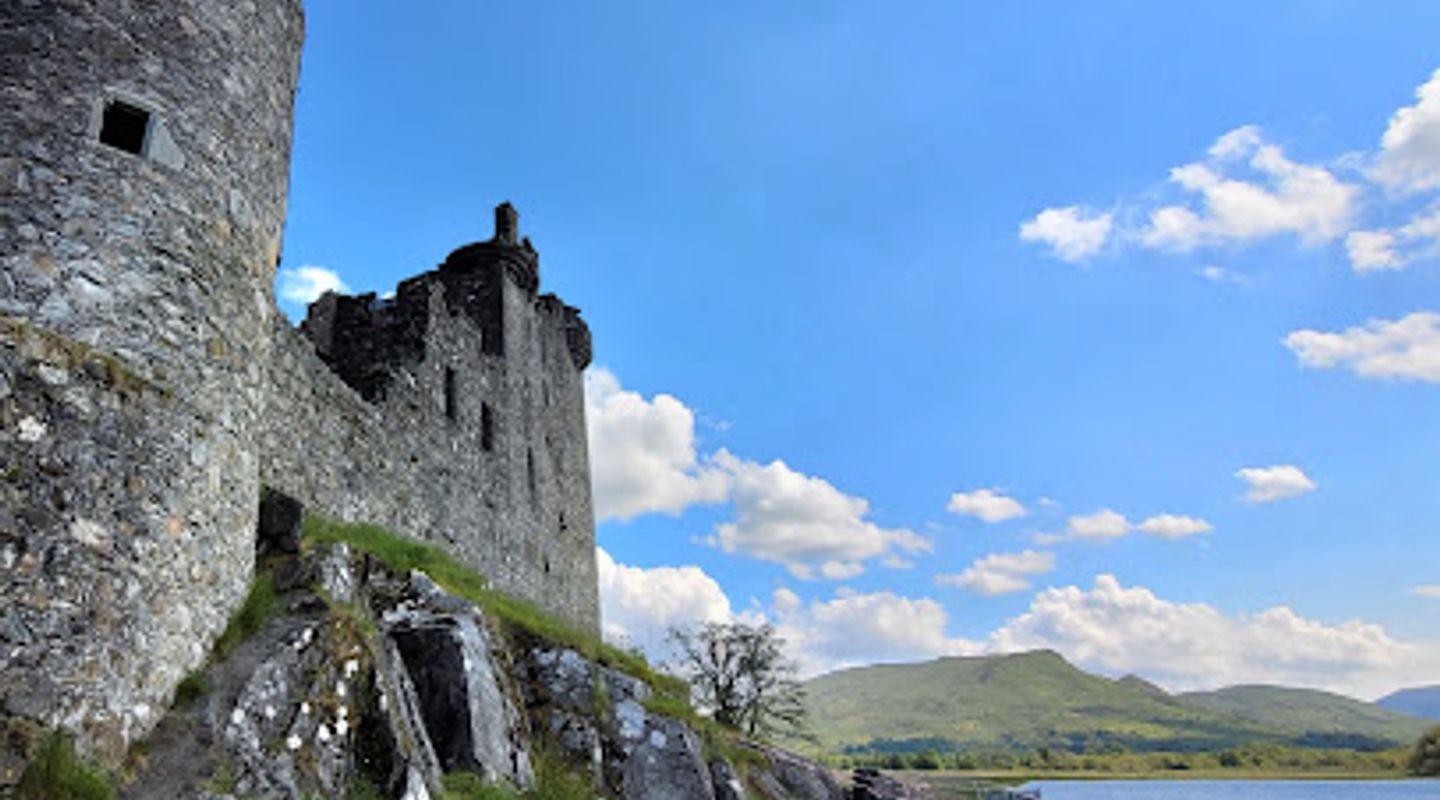
A brief summary of Kilchurn Castle
Explore the evocative ruins of Kilchurn Castle, a Clan Campbell fortress set against the stunning backdrop of Loch Awe and Ben Cruachan.
Kilchurn Castle, perched on a rocky peninsula at the northern end of Loch Awe, is a striking mid-15th-century ruin built by Clan Campbell. Once a fortress, residence, and garrison, it features Scotland’s oldest surviving barracks and offers dramatic views of Loch Awe and Ben Cruachan. Though currently closed for interior access due to conservation, visitors can explore the grounds and enjoy the scenic surroundings and rich history.
On-site amenities
 Parking
 Information boards
- Address
- Lochawe, Dalmally PA33 1AF
- Website
Getting there
Car
Bus
Walking
Discover more about Kilchurn Castle
A Storied Stronghold of Clan Campbell
Kilchurn Castle was established in the mid-1400s by Sir Colin Campbell, 1st Lord of Glenorchy, as a strategic fortress on an island at the eastern end of Loch Awe. Over time, the lowering of the loch’s water level transformed the island into a peninsula, connecting the castle to the shore. The castle served as a powerful residence for the Campbells of Glenorchy for approximately 150 years, witnessing clan disputes and military significance during the Jacobite rebellions.
Architectural Highlights and Military Legacy
The castle’s centerpiece is a five-storey tower house, originally constructed as a defensive stronghold. Later expansions in the 17th century included Scotland’s first purpose-built barracks, designed to house a garrison of government soldiers. The barracks remain one of the oldest surviving examples on the British mainland. The castle complex also includes a courtyard, lower hall, and various towers, with notable features like the carved initials of the 1st Earl of Breadalbane and his wife above the entrance.
Ruins Amidst Scenic Highland Landscape
Though abandoned in the 1760s following a lightning-induced fire, Kilchurn Castle’s ruins still dominate the landscape. Visitors can walk around the exterior and along a gravel path that leads to the castle, though the terrain can be muddy and uneven. The site offers spectacular views westward along Loch Awe, with the imposing peak of Ben Cruachan providing a dramatic backdrop. The surrounding area is also home to Highland cattle and sheep, enhancing the quintessential Scottish atmosphere.
Current Conservation and Visitor Experience
As of late 2025, Kilchurn Castle’s interior remains closed for conservation work, restricting access to the castle’s inside and upper battlements. However, the exterior grounds and panoramic viewpoints remain accessible year-round. Visitors should prepare for rough gravel paths and uneven ground, which are not suitable for wheelchair access. Facilities are minimal, with no on-site restrooms, cafes, or shops.
Photographic and Cultural Significance
Kilchurn Castle is one of Scotland’s most photographed castles, prized for its dramatic setting and historic aura. Sunrise and sunset cast golden light over the loch and ruins, making it a favored spot for photographers and history enthusiasts. The castle’s role as a military garrison and its architectural evolution reflect Scotland’s turbulent history and clan heritage.
Exploring the Surroundings and Access
The castle is approached via a roughly one-kilometer path from the official car park, passing under a notable railway bridge that is itself a popular photographic subject. Adventurous visitors can also explore the loch by kayak or canoe to view the castle from the water, though shallow areas near the peninsula require caution. The site is managed by Historic Environment Scotland, which advises checking for any short-notice closures due to weather or maintenance.
Evendo Review Centre
 Google
Guest reviews
Best time to go
Quietest: Jan, Feb & Dec · before 6am or at 10pm
Busy times are Evendo estimates for a typical year, to help you plan. Actual crowds vary with events, school holidays and the weather.
Explore Kilchurn Castle on the map
A handpicked selection of must-see spots near Kilchurn Castle, mapped for you.
Get your free copy of our complete guide to Kilchurn Castle, delivered straight to you.
Everything on this page, from opening hours and how to get there to Eve’s tips and the best time to go, in one PDF you can read offline, print or share.
Already have an account? Sign in
Your Kilchurn Castle guide is ready.
We'll send it to · Not you? Sign out

Getting your guide ready…
We are putting together a fresh copy of the Kilchurn Castle guide. This can take up to a minute.
This can take a few moments. If your browser asks, choose Allow so the download can start. You'll find the guide in your Downloads folder.
Nothing happened? Download it again
Sorry, the guide is taking longer than usual. Please try again in a minute, or get it by email instead.
Unlock the best of Kilchurn Castle
Skip-the-line tickets, guided tours with entry, and walking tours of the area, booked in a few clicks.
 Tour with entry
West Highlands, Kilchurn and Inveraray
from $73.07 Tour with entry
Oban, Highland Lochs, Glens, Castles and Glencoe Tour from Glasgow
from $79.37 Tour with entry
Oban, Glencoe, Highlands Lochs & Castles Small Group Day Tour from Glasgow
from $85.28 Tour with entry
Highland Lochs, Glens and Castles Small Group Tour from Edinburgh
from $86.77


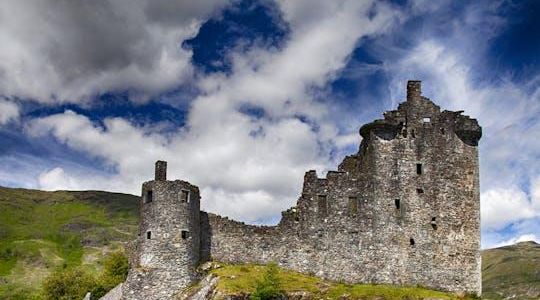
Other nearby places you may find interesting
The closest places of the same kind, if this one is not quite what you had in mind.
-
-
-
-
-


Swipe for more places
More to explore near Kilchurn Castle

 Best experiences near Kilchurn Castle
 Best hotels near Kilchurn Castle
 Best landmarks near Kilchurn Castle
 Best attractions near Kilchurn Castle
 Best shops near Kilchurn Castle
 Best restaurants near Kilchurn Castle
 Best bars near Kilchurn Castle
Do you manage this location?
Take control to get all the benefits, like improved information, better appearance, and stronger visibility across AI-powered discovery.
Explore more
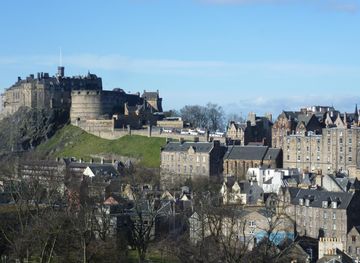
Explore more of Scotland
Discover the magic of Scotland: stunning landscapes, historic castles, vibrant cities, and world-famous whisky. An unforgettable journey awaits in this enchanting land.
Explore Scotland
Explore more of United Kingdom
Discover the United Kingdom: A blend of rich history, stunning landscapes, and vibrant cities, offering a unique travel experience for every visitor.
Explore United Kingdom