
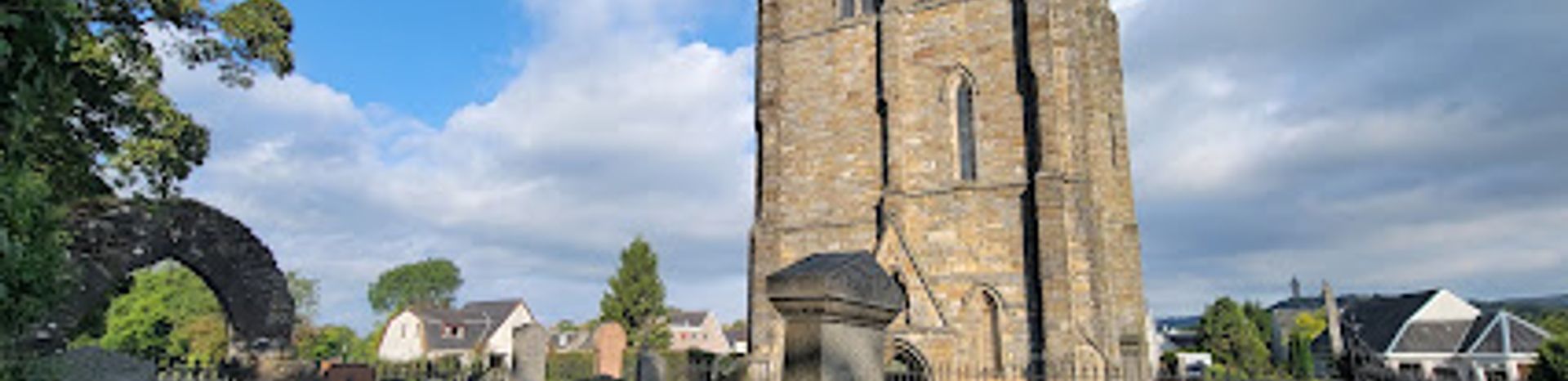
Cambuskenneth Abbey
Medieval abbey ruins beside the River Forth, where Scottish kings held parliament and found their final rest.
Cambuskenneth Abbey stands as a haunting medieval ruin beside the River Forth near Stirling, Scotland. Founded in 1140 by King David I, this former Arrouaisian monastery rose to prominence through royal patronage and hosted crucial parliaments during Scotland's Wars of Independence. Today, the striking 13th-century bell tower dominates the site, while stone foundations trace the footprint of the once-grand abbey church and cloister. The abbey served as the final resting place of King James III and Queen Margaret of Denmark, their Victorian-era monument marking a poignant chapter in Scottish royal history.
A brief summary to Cambuskenneth Abbey
- Ladysneuk Rd, Stirling, Cambuskenneth, FK9 5NG, GB
- Visit website
- Duration: 1 to 2.5 hours
- Free
-
 Outdoor
- Mobile reception: 4 out of 5
Local tips
- Visit in late spring or early autumn for the most pleasant weather and to avoid summer crowds. The open-air ruins offer little shelter, so dress appropriately for Scottish weather conditions.
- Allow time to walk the perimeter and trace the stone foundations on the ground—they clearly mark the footprint of the former abbey church, cloister, and domestic buildings, helping you visualize the medieval complex.
- The bell tower offers excellent views across the Carse of Stirling valley and toward Stirling Castle. Bring binoculars or a camera with a good zoom to appreciate the landscape that medieval monks would have surveyed.
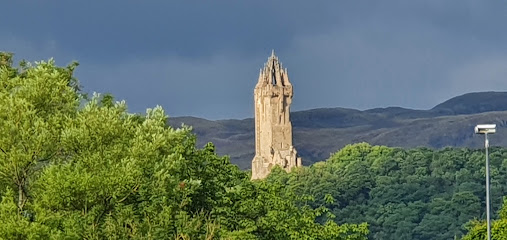
- Combine your visit with nearby attractions: Stirling Castle is less than 2 kilometres away, and the Wallace Monument sits on Abbey Craig, named for its proximity to Cambuskenneth.
- The riverside footpath offers a peaceful walk along the River Forth. The abbey's setting beside the water remains one of its most evocative features, unchanged since medieval times.

For the on-the-go comforts that matter to you
- Restrooms
- Drinking Water
- Food Options
- Seating Areas
- Picnic Areas
- Trash Bins
- Information Boards
- Visitor Center
Getting There
-
Car from Stirling Town Centre
Drive north from Stirling town centre on Ladysneuk Road toward the River Forth. The journey takes approximately 10–15 minutes depending on traffic. Parking is available at the site. The route is straightforward and suitable for all vehicles.
-
Bus from Stirling Town Centre
Local bus services operate from Stirling town centre to the Cambuskenneth area. Journey time is approximately 15–25 minutes depending on the service and stops. Check current timetables with Stirling Council or local transport providers, as services may vary seasonally. Buses are accessible and affordable.
-
Walking from Stirling Town Centre
A scenic walk of approximately 2 kilometres takes 25–35 minutes from Stirling town centre. Follow signs toward the River Forth and Cambuskenneth. The route is mostly flat but includes some road walking. The riverside footpath near the abbey is pedestrian-friendly and offers pleasant views.
-
Cycling from Stirling Town Centre
Cycling from Stirling town centre to Cambuskenneth Abbey takes approximately 10–15 minutes via local roads. The route is relatively flat and suitable for casual cyclists. Bike parking facilities may be limited at the site, so secure your bicycle carefully.
Cambuskenneth Abbey location weather suitability
-
 Any Weather
-
 Clear Skies
-
 Mild Temperatures
Discover more about Cambuskenneth Abbey
A Royal Foundation and Medieval Prominence
King David I founded Cambuskenneth Abbey around 1140 to serve his royal castle at Stirling, establishing it as a daughter house of the French Arrouaise Order—the only such monastery to exist in Scotland. The abbey was initially known as the Abbey of St Mary of Stirling, later becoming known as Cambuskenneth from around 1207. Its strategic location near Stirling Castle and the River Forth proved ideal for maintaining close ties between the monastery and the crown. By 1147, Pope Eugene III granted papal protection to the abbey through a papal bull, a status later confirmed by successive popes, elevating its ecclesiastical standing across Christendom. At its height during the late 1200s, Cambuskenneth comprised an extensive complex of buildings. The abbey church stretched approximately 60 metres in length, featuring an eight-bay nave with a north aisle, a choir, and a square-ended presbytery flanked by two transepts. A cloister surrounded by domestic ranges lay to the south, with secondary buildings and a wharf extending toward the river. The abbey accumulated considerable wealth and influence through royal patronage and its ecclesiastical connections, becoming one of Scotland's most significant monastic foundations alongside Holyrood Abbey and Jedburgh Abbey.Parliament, Politics, and the Wars of Independence
Cambuskenneth's proximity to Stirling Castle made it a natural venue for Scotland's political elite. In 1314, following Robert the Bruce's victory at the Battle of Bannockburn, the king held a parliament at the abbey to distribute the spoils of war and consolidate his triumph. The abbey hosted numerous parliaments throughout the 14th century—so frequently that one connected building became known as Parliament Hall. In 1326, another crucial parliament convened here where nobles and clergy swore oaths confirming the succession of King David II, establishing a precedent that would eventually place the Stewart dynasty on Scotland's throne in 1371. However, the abbey's strategic location proved a liability during the Wars of Independence. English armies repeatedly targeted the monastery. In 1303, King Edward I himself lodged at the abbey during one of his Scottish campaigns. By 1383, King Richard II's forces attacked and largely destroyed the abbey, though it was rebuilt during the early 1400s and continued to serve Scotland's royalty while they resided at Stirling Castle.Royal Burials and the Tragedy of James III
Cambuskenneth gained enduring significance as a royal burial ground. In 1486, Margaret of Denmark, Queen of James III, died at Stirling Castle and was interred in front of the high altar of the abbey church. Two years later, on 11 June 1488, the Battle of Sauchieburn took place three miles south of the abbey. James III was killed during the rout, and his body was brought to Cambuskenneth for burial alongside his queen. His tomb, completed in 1502 and painted by David Pratt, became a monument to royal tragedy. When the abbey was excavated in 1864 by William Mackison, the Stirling Burgh Architect, bones believed to belong to James III and Margaret were discovered in the presbytery. By order of Queen Victoria, these remains were re-interred beneath a new stone monument, creating a Victorian memorial to Scotland's medieval monarchy.Reformation, Ruin, and Architectural Survival
The Scottish Reformation of the 1560s brought catastrophic decline to Cambuskenneth. In 1559, Reformers are said to have ruined and cast down much of the abbey. By 1560, the site fell under the jurisdiction of John Erskine, Earl of Mar, the military governor of Stirling Castle. Erskine systematically quarried the abbey's stonework for construction projects, most notably his own grand townhouse, Mar's Wark, which still stands near Stirling Castle. Legend holds that even the abbey's great bell was removed during this plundering but fell into the River Forth while being transported. The bell tower, probably constructed in the 1300s and featuring distinctive lancet windows and ornamental arcades, miraculously survived the quarrying—likely preserved because it served as a valuable lookout over the Carse of Stirling's extensive flatlands. This unique free-standing bell tower remains the most striking remnant of the abbey's former grandeur, standing as a testament to 13th-century Scottish architecture. The tower underwent heavy restoration in the 1860s during Mackison's excavation work, which, though not meeting modern conservation standards, represents an early and significant example of heritage preservation in Scotland.The Abbey Today: Foundations and Memory
Today, Cambuskenneth Abbey exists as a peaceful archaeological landscape beside the River Forth. The bell tower stands prominently, its restored stonework visible for miles across the valley. The abbey church and cloister survive only as stone courses marking the tops of foundations, their outlines traced in the grass. A small burial ground adjoins the site, and the enclosed monument containing the remains of James III and Margaret of Denmark occupies the former choir, marked by a Victorian stone enclosure. The site evokes the abbey's vanished splendour while offering visitors a tangible connection to Scotland's medieval political and spiritual life.Iconic landmarks you can’t miss

Stirling City Heritage Trust
1.0 km
Explore the Stirling City Heritage Trust and uncover the stories of Scotland's past through its dedicated preservation efforts.

Tourist Information Point
1.0 km
Explore Stirling like a local with insights and resources from the Tourist Information Point, your guide to unforgettable adventures in Scotland.
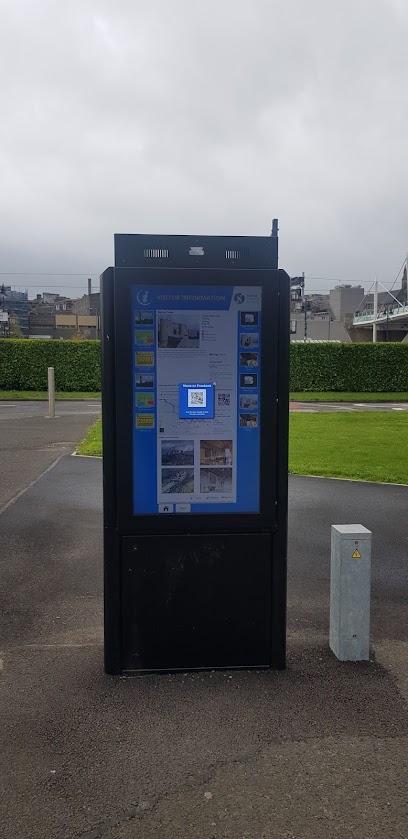
Tinkerbells Emporium
1.3 km
Discover the enchanting Tinkerbells Emporium in Stirling, a magical gift shop filled with unique treasures and delightful souvenirs for every traveler.
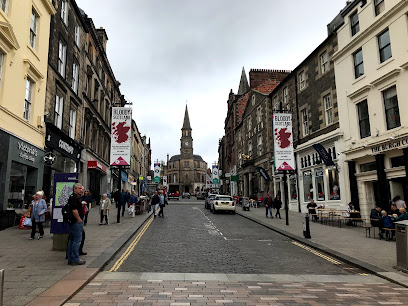
Contempo
1.4 km
Explore Contempo, Stirling's charming gift shop offering unique souvenirs, jewelry, and handcrafted treasures that capture the essence of Scotland.
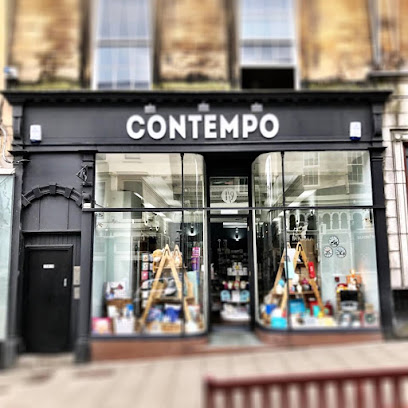
Historic Scotland
1.4 km
Discover the artistry of stone-cutting at Historic Scotland, a captivating experience in Stirling that showcases Scotland's rich architectural heritage.

The Crossed Peels
1.4 km
Historic Stirling pub offering real ales, hearty fare, and a welcoming atmosphere in the heart of the Old Town.
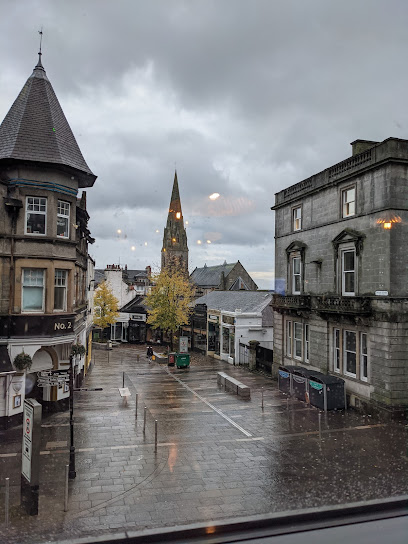
Monterey Jack's Stirling
1.4 km
Experience the authentic taste of American cuisine at Monterey Jack's Stirling, where delicious burgers and creative cocktails await you in a vibrant atmosphere.
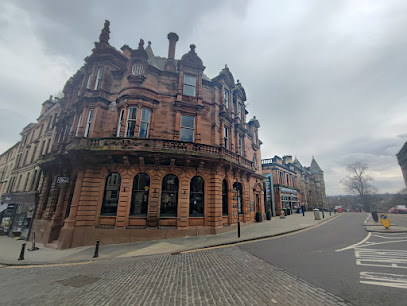
Castle Walk Bed & Breakfast
1.4 km
Discover comfort and Scottish hospitality at Castle Walk Bed & Breakfast, a charming retreat in the heart of Stirling with stunning views and easy access to local attractions.
City Walls
1.4 km
Discover the historic City Walls Pub in Stirling, where ancient charm meets modern Scottish hospitality, offering local dishes and brews.
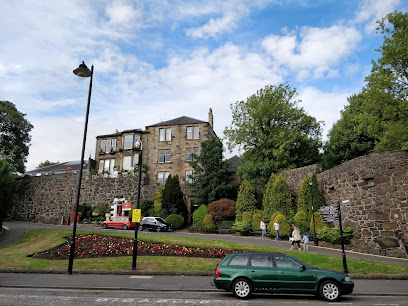
St Ninians Well
1.5 km
Discover Stirling’s historic St Ninians Well, a tranquil stone spring steeped in healing lore and centuries of local tradition.
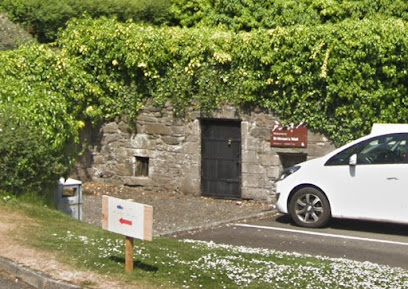
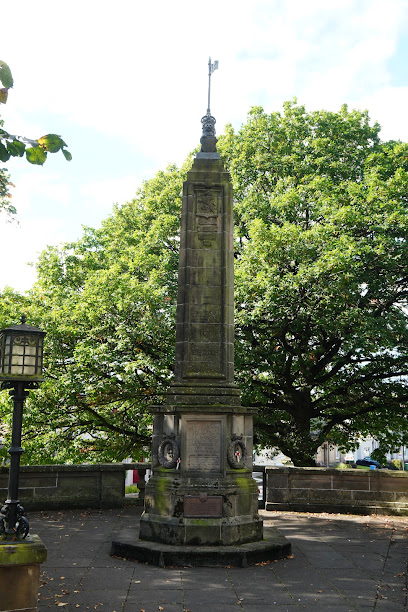
Stirling War Memorial
1.5 km
A dignified sandstone obelisk honoring Stirling’s fallen heroes from World War I and beyond, standing as a lasting symbol of sacrifice and remembrance.
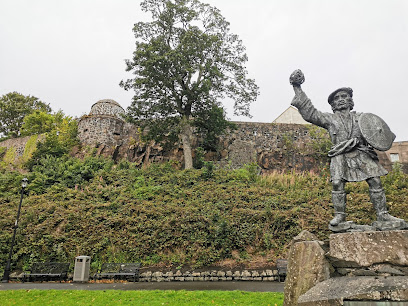
Rob Roy McGregor Statue
1.5 km
Discover the stirring legacy of Rob Roy MacGregor, Scotland’s legendary outlaw and folk hero, immortalized in bronze in the heart of Stirling.
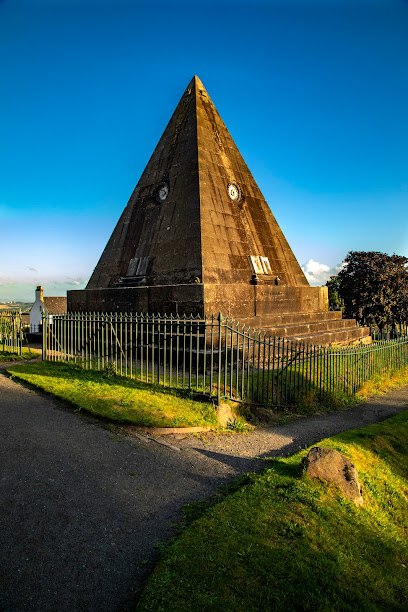
The Star Pyramid
1.7 km
A striking Victorian pyramid honouring Scottish Presbyterian heritage within an ornamental 19th-century cemetery.
memorial
1.7 km
A solemn stone memorial honouring Stirling's fallen, set within a verdant park of woodland walks and quiet reflection.
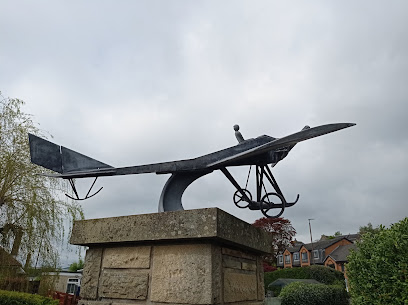
The Statues
1.7 km
Historic statues in Stirling celebrating Scotland’s heroes and cultural legends, set amidst a rich urban heritage landscape.
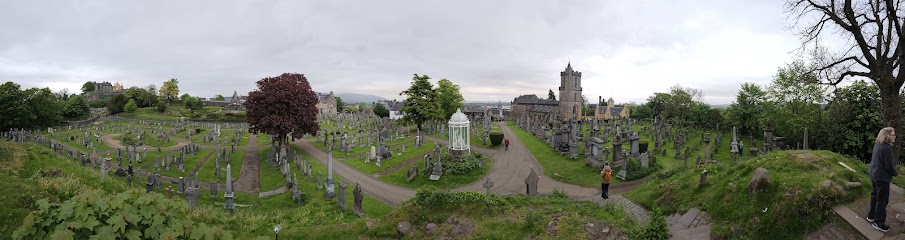
Unmissable attractions to see

Stirling Highland Games
0.4 km
Experience the vibrant spirit of Scotland’s heritage through traditional sports, music, and dance at the Stirling Highland Games.
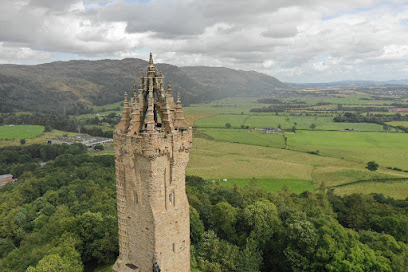
Riverside Park
0.5 km
A tranquil riverside retreat in Stirling offering scenic walks, family play areas, and peaceful green spaces by the River Forth.
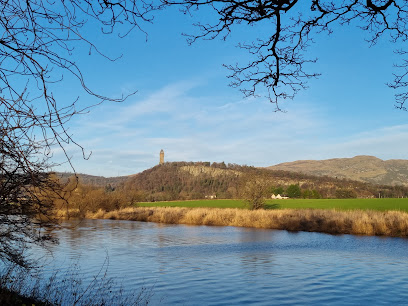
Woodland Garden
0.6 km
A tranquil riverside woodland garden offering a peaceful natural escape in the heart of Stirling.
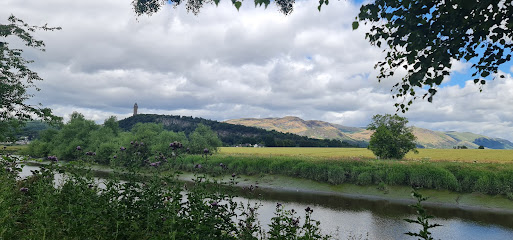
The Barracks
1.0 km
Historic stone walls and grand interiors blend military heritage with modern events in the heart of Stirling.
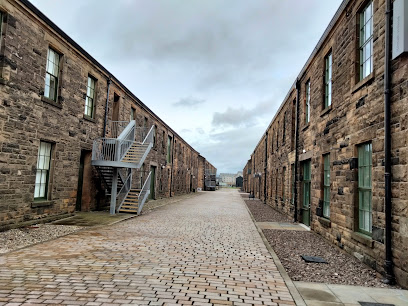
RCCG City of God For All Nations Stirling United Kingdom
1.1 km
A welcoming and vibrant Christian parish in Stirling dedicated to faith, fellowship, and community outreach.

Station Square
1.2 km
Station Square, Stirling’s vibrant transport hub, connects you effortlessly to historic landmarks and scenic Scottish landscapes.
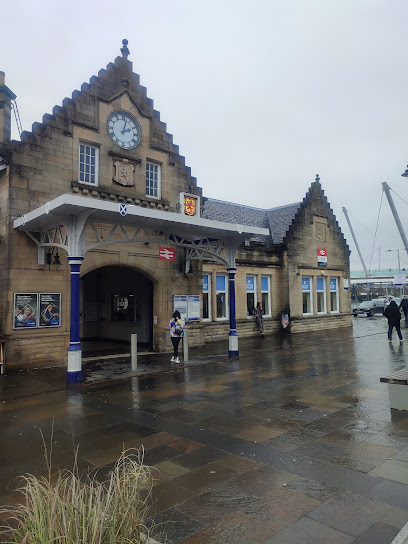
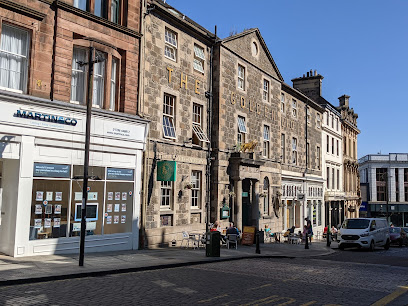
The Thistles Shopping Centre
1.2 km
A modern shopping destination in Stirling’s city centre with diverse stores, dining, and accessible facilities for all visitors.
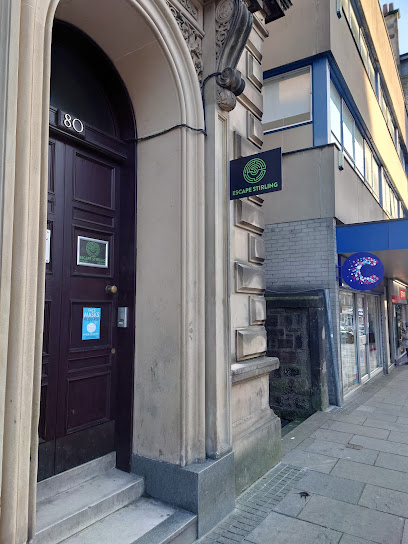
Escape Stirling
1.3 km
Dive into Stirling’s top escape rooms for thrilling puzzles, immersive stories, and unforgettable team adventures.
The Scottish Gantry
1.3 km
Discover Scotland’s finest whiskies, gins, and wines at The Scottish Gantry, Stirling’s premier boutique spirits shop with expert tastings and warm hospitality.
Stirling Old Bridge
1.3 km
Walk across Stirling Old Bridge, a medieval stone marvel steeped in Scottish history with stunning views of the River Forth and iconic landmarks.
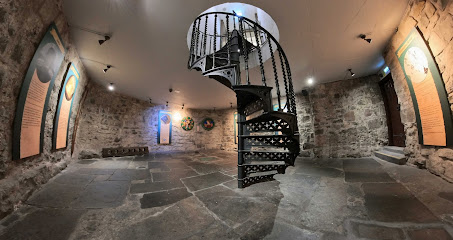
The Bastion
1.3 km
Discover Stirling’s hidden 16th-century bastion and underground prison cell nestled beneath a modern shopping centre.
Unorthodox Roasters
1.3 km
Chic specialty coffee roastery in Stirling’s historic old town, blending expert brews with a quirky vibe and a tranquil garden retreat.
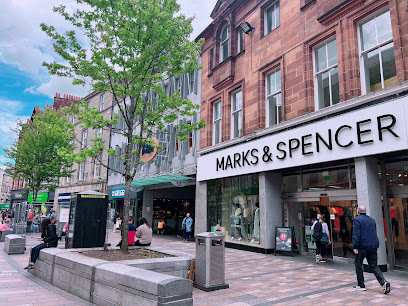
Marks and Spencer
1.3 km
A trusted department store in Stirling offering quality fashion, food, and home goods in a welcoming central location.
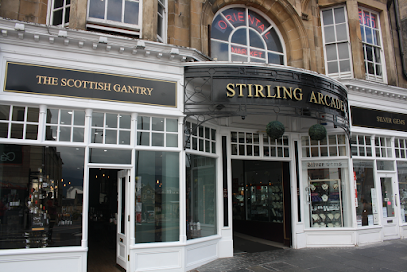
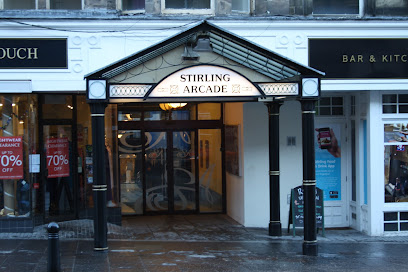
Stirling Arcade
1.4 km
Step into Stirling Arcade, where Victorian elegance meets vibrant independent shopping in the heart of Stirling.
Stirling Spiritualist Church
1.4 km
A welcoming spiritual sanctuary in Stirling offering healing, meditation, and community connection through traditional spiritualist services.
Essential places to dine

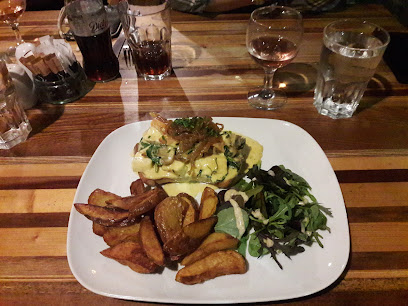
Gabe's Diner Bistro
0.9 km
Stirling's unpretentious bistro serving creative comfort food with locally sourced ingredients and genuine hospitality.
Springkerse View - Pub & Grill
0.9 km
Contemporary flame-grilled pub with family play areas and modern dining spaces in Stirling.
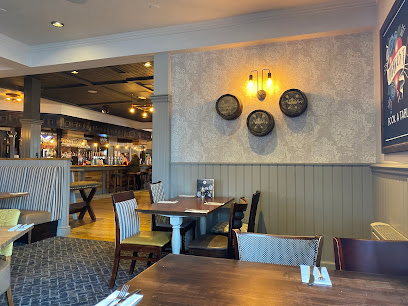
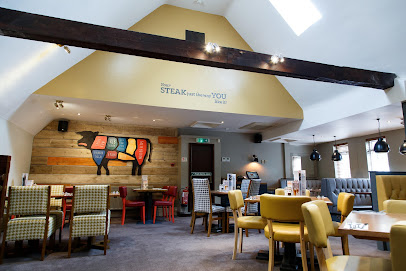
Stirling Beefeater
0.9 km
A welcoming British steakhouse in Stirling offering hearty meals, family deals, and a relaxed bar and grill atmosphere.
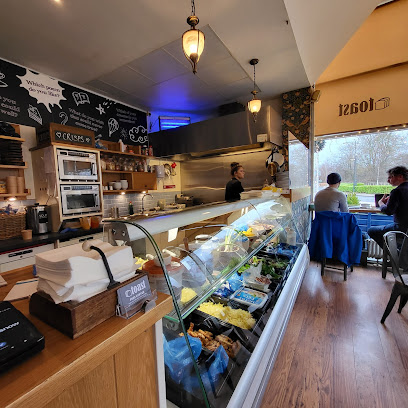
Toast
0.9 km
A cozy, friendly café in Stirling offering hearty breakfasts, generous portions, and a welcoming atmosphere from morning till afternoon.
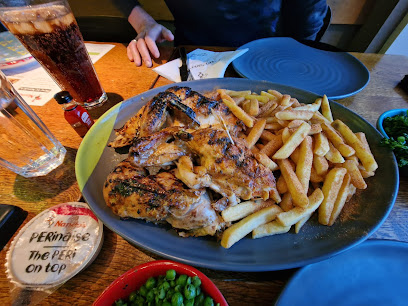
Nando's Stirling
0.9 km
Flame-grilled peri-peri chicken and vibrant South African-Portuguese flavors in a casual, family-friendly setting near Stirling station.
Cold Beer Company
1.3 km
A lively Stirling pub with hearty classics, craft beers, sports screens, and a sunny beer garden in a historic former post office.
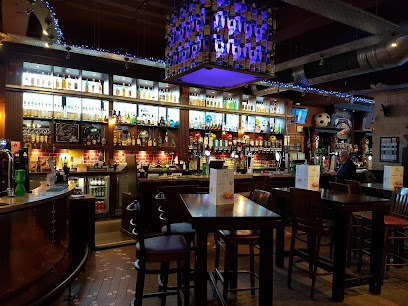
Molly Malones
1.3 km
Experience the lively spirit of Ireland in the heart of Stirling at Molly Malones, a vibrant pub blending authentic hospitality with rich cultural charm.
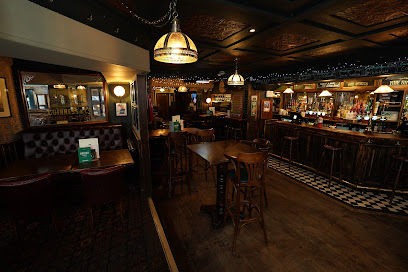
Mimi’s
1.3 km
Creative cocktails and bottomless brunches in Stirling’s stylish and vibrant Mimi’s at Stirling Arcade.
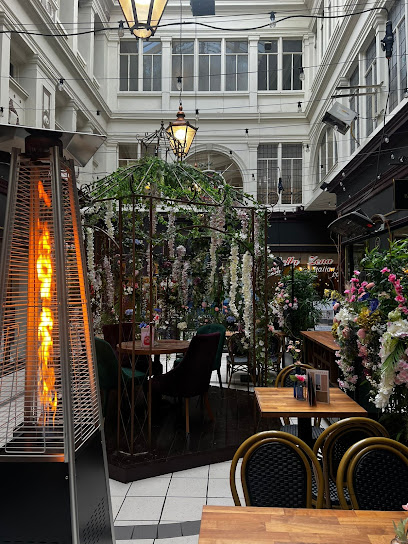
Mediterranèa
1.3 km
Stirling’s only tapas and meze restaurant, serving Greek and Spanish flavours in a warm, family-run setting.
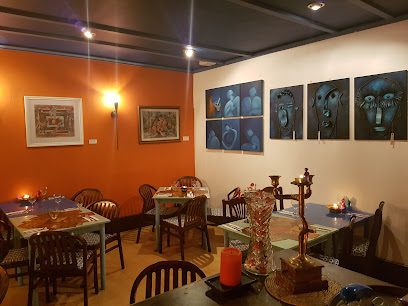
Mint leaf Nepalese and indian restaurant
1.3 km
Authentic Nepalese and Indian flavors served in a bright, welcoming Stirling setting with diverse menu options and a relaxed atmosphere.
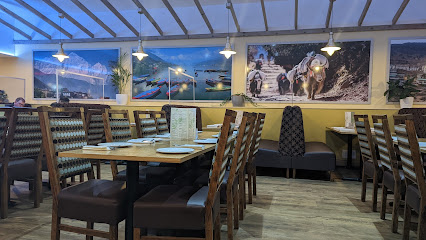
Green Gates Authentic Indian Restaurant.
1.3 km
Experience authentic Indian flavors with generous portions and warm hospitality in the heart of Stirling.
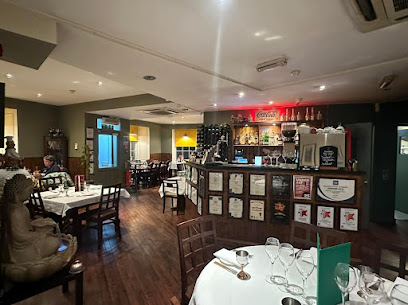
Ranas Tandoori Restaurant
1.3 km
Authentic Indian flavors and tandoori specialties served in a casual, friendly setting in the heart of Stirling.
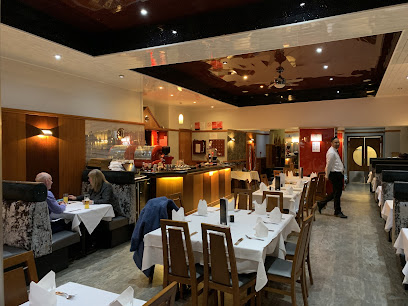
Rishis Indian Aroma, Stirling
1.3 km
Experience authentic South Indian cuisine with vibrant flavors and warm hospitality in the heart of Stirling.
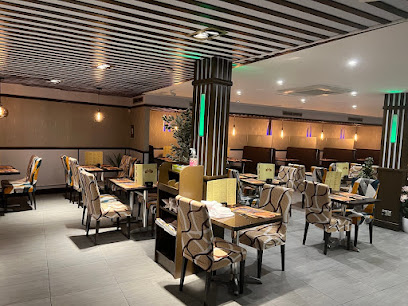
Oscar's Wine Bar
1.3 km
Discover Oscar's Wine Bar in Stirling: A perfect blend of fine wines, delicious tapas, and live music in a welcoming atmosphere.
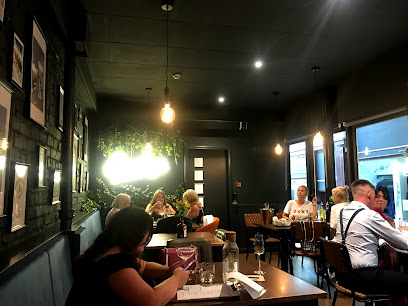
Windchimes Ltd
1.3 km
Cozy and inviting dining in Stirling’s historic center, featuring fresh local flavors and beloved homemade desserts.
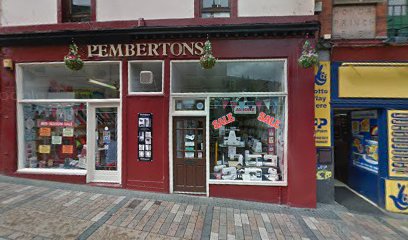
Markets, malls and hidden boutiques

Stirling Reuse Hub
0.7 km
Discover sustainable treasures and community spirit at Stirling Reuse Hub, your go-to for quality pre-loved goods and creative workshops in Stirling.

Rivivo Furniture Shop
0.9 km
Discover unique vintage and antique furniture treasures at Rivivo Furniture Shop, nestled in Stirling’s vibrant Springkerse Industrial Estate.
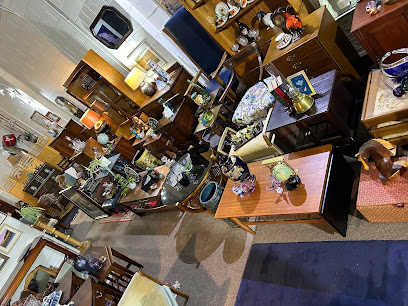
Witches Emporium
1.0 km
Discover enchantment and unique magical gifts in the heart of Stirling Enterprise Park’s vibrant business community.

F&F Clothing
1.2 km
Affordable, stylish fashion for the whole family, conveniently located inside Tesco Stirling Superstore with extended hours and quality guarantees.

Nickel & Dime
1.2 km
Discover Stirling’s eclectic emporium offering unique gifts, practical household goods, and charming finds at Nickel & Dime.
USC
1.2 km
Your go-to Stirling store for stylish menswear, womenswear, kids’ clothes, shoes, and accessories in a vibrant shopping setting.

The Works
1.2 km
Discover creativity and value with a vast selection of books, arts, crafts, toys, and stationery at The Works in Stirling’s Thistles Shopping Centre.
Springkerse Retail Park
1.2 km
A vibrant shopping and dining destination in Stirling offering diverse stores, eateries, and convenient amenities for all visitors.
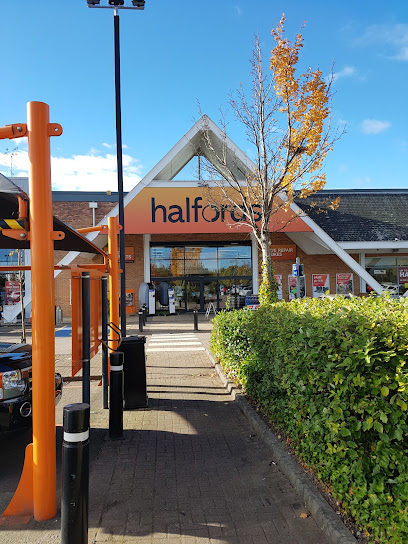
Born In Scotland - Stirling Thistle Centre
1.2 km
Discover authentic and playful Scottish gifts at Born In Scotland, a vibrant shop in Stirling’s Thistle Marches Shopping Centre.
Primark
1.2 km
Affordable fashion and homeware at Primark Stirling, nestled in the lively Thistle Marches shopping centre.

The Celebrations Card & Gift Shop
1.2 km
Discover unique gifts and heartfelt cards at The Celebrations Card & Gift Shop in Stirling, your perfect stop for special occasions.
The Fragrance Shop
1.2 km
Discover your signature scent at Stirling’s premier independent fragrance retailer with expert advice and an extensive brand selection.

Calluna ethical living
1.2 km
Discover Stirling’s charming hub for sustainable gifts, ethical homewares, and beautiful plants at Calluna Ethical Living.
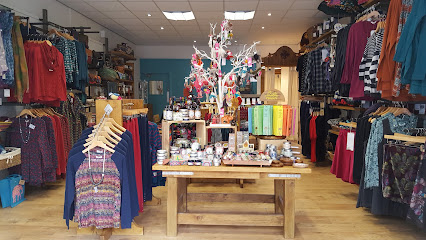
Flying Tiger Copenhagen
1.2 km
Discover quirky, affordable Scandinavian design and creative everyday essentials at Flying Tiger Copenhagen in Stirling's The Thistles shopping centre.
Cancer Research UK
1.2 km
Treasure hunt for a cause—quality secondhand finds funding cancer research in Stirling's heart.
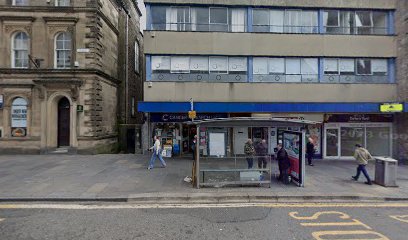
Essential bars & hidden hideouts

Curly Coo Bar
1.3 km
Discover Stirling’s cozy whisky sanctuary with over 130 malt whiskies, warm hospitality, and a quirky yet traditional atmosphere.
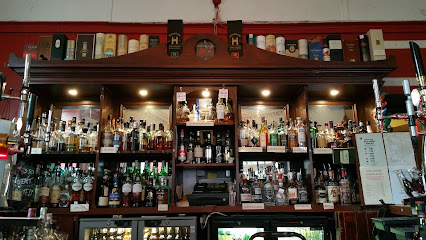
Cross Keys
1.3 km
A cozy historic pub and inn in Stirling offering hearty local fare, guest beers, and comfortable rooms with scenic views.
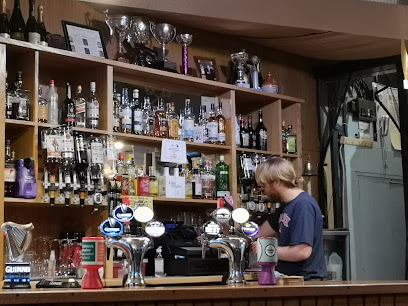
King Cons
1.4 km
Experience Stirling’s vibrant nightlife at King Cons, a lively bar offering great drinks, live music, and a welcoming atmosphere in the city centre.
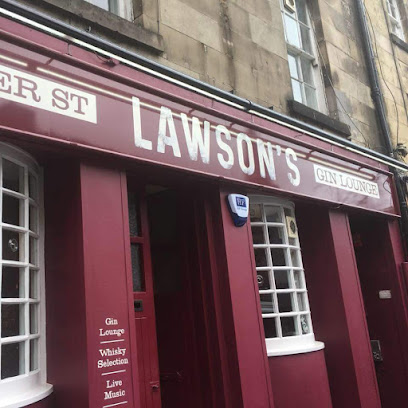
Lawsons
1.4 km
Discover Lawsons, Stirling’s cozy gin lounge with over 95 gins, craft cocktails, and warm Scottish hospitality in a lively, welcoming setting.
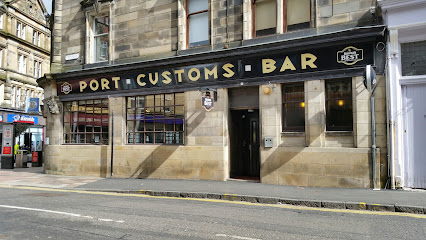
Port Customs Bar
1.4 km
A classic Stirling pub offering well-kept beers, fine whiskies, and a friendly, inviting atmosphere for locals and visitors alike.
BrewDog Stirling
1.4 km
A lively craft beer bar and restaurant in Stirling offering 15 taps, classic bar food, and a vibrant atmosphere near the castle and station.
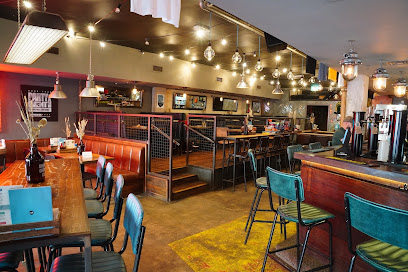
meraki
1.4 km
A vibrant and quirky cocktail bar in Stirling city centre, known for expertly crafted classics and innovative creations in a relaxed, friendly setting.
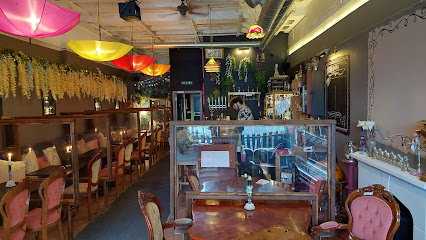
Settle Inn
1.5 km
Historic Stirling pub with cozy charm, lively folk music, and a welcoming atmosphere for ale lovers and locals alike.
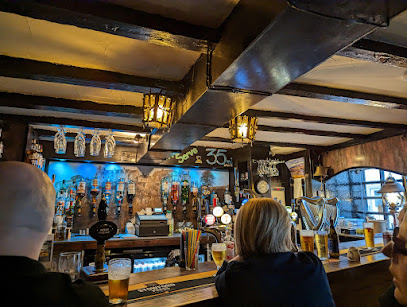
The William Wallace
1.7 km
A cosy, affordable Scottish pub near the Wallace Monument, offering hearty food, fresh beer, and a warm, friendly atmosphere in Stirling's Causewayhead.
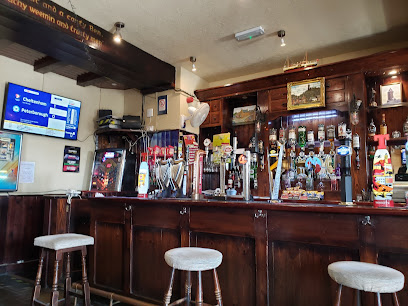
Vinney’s Bar
2.5 km
A friendly, budget-friendly bar in Raploch, Stirling, known for its welcoming vibe and lively local nights.

The Borestone Bar
2.9 km
A friendly and affordable Stirling pub with a spacious lounge, welcoming locals, and a lively atmosphere near Bannockburn Road.
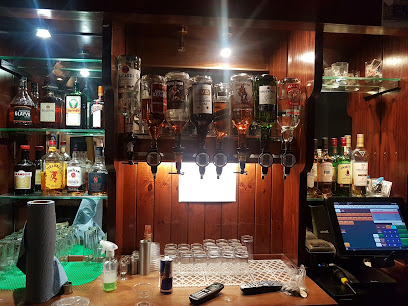
Anchor Bar
3.0 km
A friendly and affordable community pub in Stirling with pool, darts, live sports, and a spacious function room for vibrant local gatherings.
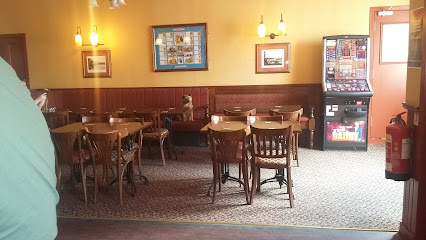
1314 Inn
3.7 km
A friendly Stirling pub offering hearty Scottish fare, generous portions, and a warm community atmosphere at great value.
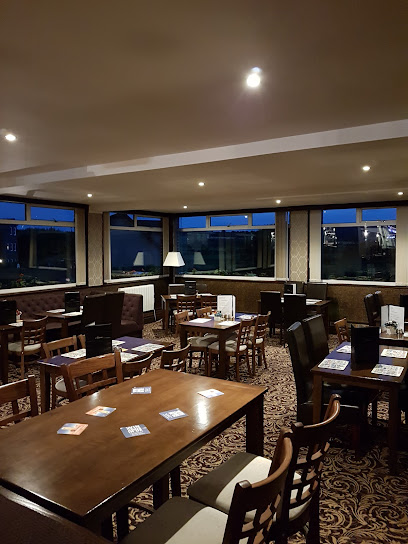
Westerton Arms
4.0 km
A cherished Bridge of Allan pub and restaurant blending hearty Scottish fare with warm hospitality and a cozy atmosphere.
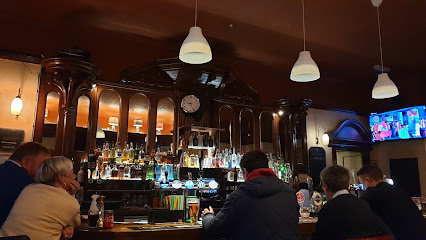
The Bawbee
4.0 km
Vibrant cocktail bar and restaurant in Bridge of Allan, known for lively atmosphere, live music, generous portions, and expertly crafted drinks.
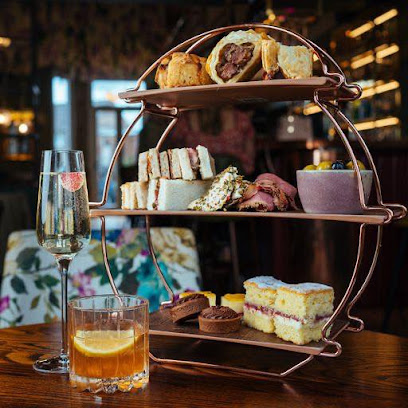
Nightclubs & after hour spots

Fubar Nightclub
1.3 km
Experience Stirling’s energetic student nightlife at Fubar Nightclub, where music, lights, and lively crowds come alive late into the night.

Castle Leisure Group
1.4 km
Discover the lively atmosphere of Castle Leisure Group in Stirling – a perfect blend of dining, nightlife, and entertainment for tourists.
XOXO
16.0 km
Central Scotland’s largest nightclub offering vibrant nightlife, pool hall fun, and private event spaces in the heart of Falkirk.
City Nightclub
16.0 km
Experience Falkirk’s vibrant nightlife at City Nightclub, the town’s energetic weekend hotspot for music, dancing, and late-night fun.
LIFE
28.8 km
Experience vibrant nightlife and late-night fun at LIFE, Dunfermline’s energetic nightclub with a welcoming atmosphere and great music.
I-Kandy Nightclub
28.8 km
Discover the electrifying nightlife at I-Kandy Nightclub in Airdrie, where vibrant music and a lively atmosphere await!

Pulse
28.8 km
Experience Airdrie’s vibrant nightlife at Pulse Nightclub, where music, dancing, and unforgettable moments come alive.
Eden Night Club
29.8 km
Vibrant late-night hotspot in Coatbridge offering house, R&B, and chart music with a lively atmosphere and smart dress code.

Avenue Nightclub Coatbridge
29.8 km
Coatbridge’s premier late-night nightclub for over-21s, offering vibrant music, modern vibes, and a lively weekend party scene.
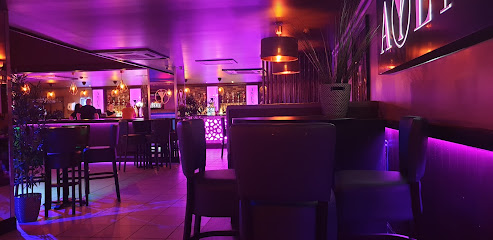
The Twig Nightclub
29.8 km
Bathgate’s oldest nightclub offering lively, affordable, and historic nightlife experiences every Saturday night.
Midnight Breakfast Club
30.0 km
A cozy live music venue and bar in Bathgate known for great tribute acts, strong drinks, and a friendly, lively atmosphere.

DreadnoughtRock Nightclub & Live Music Venue
30.2 km
Experience the pulse of Bathgate's nightlife at DreadnoughtRock, the ultimate live music venue and nightclub in the heart of the city.
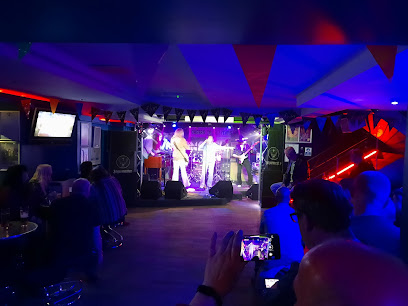
Backstage at The Green
32.0 km
Discover the heart of Kinross' nightlife at Backstage at The Green, a premier live music venue showcasing diverse musical talent.
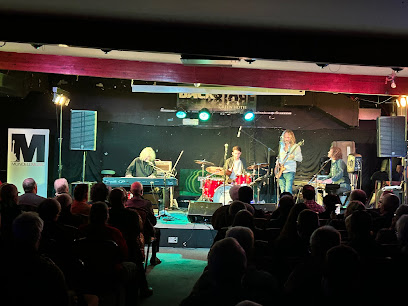
Mundell Music
32.0 km
Discover the heartbeat of Kinross at Mundell Music, where unforgettable live performances and a welcoming atmosphere await every music lover.
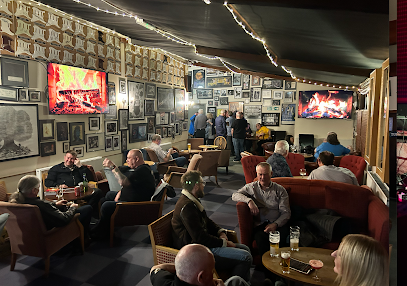
Jock's Bar
32.0 km
Discover the warmth of Kinross at Jock's Bar, where local brews and friendly faces create unforgettable moments.
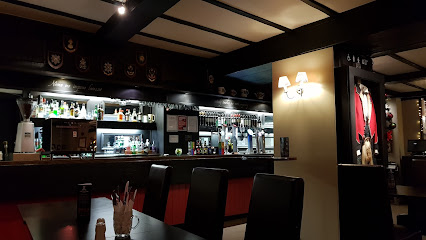
For the vibe & atmosphere seeker
- Romantic
- Tranquil
- Scenic
- Unique
For the design and aesthetic lover
- Historic
- Rustic Designs
For the architecture buff
- Historic
- Landmarks
- Sacred Sites
- Heritage Neighborhoods
For the view chaser and sunset hunter
- Iconic Views
- Panoramas
- Waterfront
For the social media creator & influencer
- Instagrammable
- Photo Spots
- Architectural Shots
For the eco-conscious traveler
- Protected Area
- Locally Managed
- Leave-No-Trace Critical
For the kind of experience you’re after
- Cultural Heritage
- Photowalk
- Nature Escape
- Day Trip
For how adventurous you want the journey to be
- Easy Access
Location Audience
- Family Friendly
- Senior Friendly
- Wheelchair Access
- Solo Friendly
- Couple Friendly


