

Tyntesfield House Travel Guide
Free Guide: Explore Tyntesfield, a Victorian Gothic Revival mansion near Bristol, rich in history, stunning architecture, and expansive gardens.


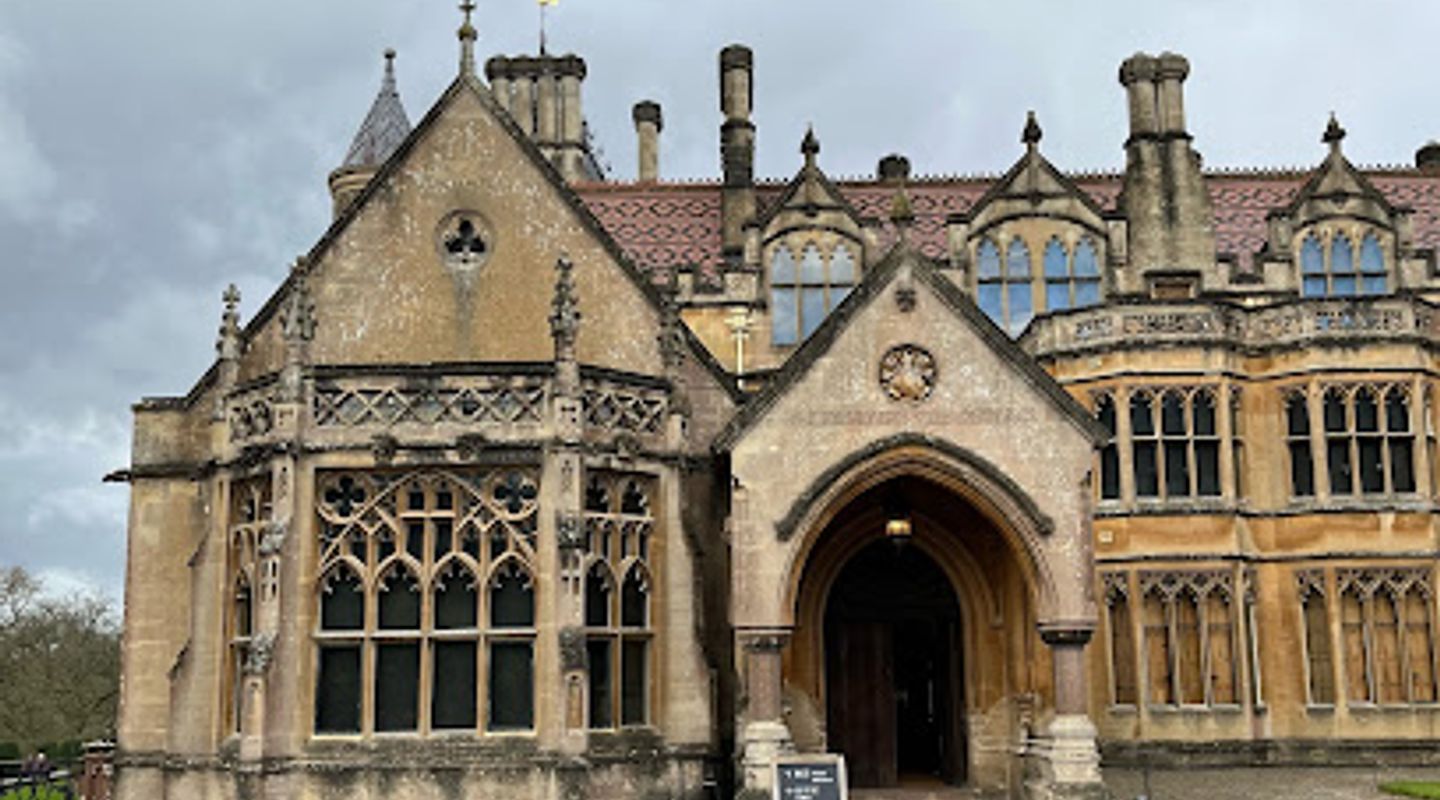
A brief summary of Tyntesfield House
Explore Tyntesfield, a Victorian Gothic Revival mansion near Bristol, rich in history, stunning architecture, and expansive gardens.
Tyntesfield House is a spectacular Victorian Gothic Revival mansion near Bristol, England, renowned for its ornate architecture, rich history, and extensive gardens. Purchased by the National Trust in 2002, this Grade I listed estate features over 70,000 objects from four generations of the Gibbs family, reflecting their Anglo-Catholic faith and wealth from the guano trade. Visitors can explore the lavish interiors, a private chapel inspired by Sainte Chapelle, and surrounding parkland and kitchen gardens.
On-site amenities
 Restrooms
 Drink options
 Food options
 Seating areas
 Information boards
 Visitor centre
Opening hours
- Every day10:30 am–3:30 pm
Opening hours as listed on the venue’s Google Business Profile. Hours can change for services and special events, so check with the venue before you go.
- Address
- 64 Stable Yd, Tyntesfield, Wraxall, Bristol BS48 1NS
- Website
Getting there
Train and Bus
Car
Taxi
Discover more about Tyntesfield House
A Legacy of Wealth and Faith
Tyntesfield House stands as a testament to Victorian Gothic Revival architecture and the legacy of William Gibbs, who acquired the estate in 1843. Gibbs, a merchant who amassed his fortune through the guano trade, transformed the original Georgian house into a grand neo-Gothic mansion beginning in 1863. His devout Anglo-Catholic beliefs deeply influenced the design, with the house embodying ecclesiastical motifs such as pinnacles, crenelated towers, and oriel windows. The estate became a symbol of both faith and prosperity, reflecting the Oxford Movement’s ideals.
Architectural Grandeur and Artistic Detail
Designed by architect John Norton and decorated by J.G. Crace, Tyntesfield is renowned for its richly detailed interiors and exterior. The house features soaring stone carvings, stained glass windows, mosaics, and ornate ironwork, all crafted with meticulous attention to Gothic Revival style. The private chapel, completed in 1875 and inspired by the Sainte Chapelle in Paris, boasts a flamboyant Gothic design with intricate mosaics and brass chandeliers. The building materials, including Bath stone and Cotswold limestone, were carefully matched to preserve architectural continuity.
A House Preserved Through Generations
Four generations of the Gibbs family lived at Tyntesfield, accumulating a vast collection of over 72,000 objects ranging from fine art and furnishings to everyday items like picnic sets and ice skates. The house remained a family home until 2001, when the last heir passed away. The National Trust acquired the property in 2002 after a successful fundraising campaign to prevent its sale to private interests. Since then, extensive conservation work has stabilized and restored the house, allowing visitors to experience its authentic Victorian character.
Gardens, Estate, and Natural Beauty
Surrounding the house are 540 acres of historic parkland, woodlands, and gardens. The kitchen garden remains productive, showcasing seasonal fruits and vegetables, while the formal gardens and historic Orangery offer picturesque settings for exploration. The estate’s diverse landscapes include flower-filled terraces, an empty lake, and champion trees, providing tranquil walks and nature escapes. Play areas and woodland dens nearby make the estate family-friendly.
Visitor Experience and Amenities
Visitors to Tyntesfield can enjoy a café housed in the Victorian Dairy, a well-stocked shop offering local produce and National Trust items, and informative displays about the estate’s history. The house is open daily from 10:30 am to 3:30 pm, with guided tours revealing the stories behind the architecture and collections. Seasonal events, such as festive fairs, add to the estate’s vibrant atmosphere, making it a year-round destination.
Conservation and Cultural Significance
Tyntesfield is one of the most important Victorian country houses preserved in England, recognized for its architectural and historical significance. The National Trust’s ongoing conservation efforts protect not only the physical fabric of the house but also the extensive collection of objects that tell the story of Victorian life and the Gibbs family’s influence. The estate exemplifies the balance between heritage preservation and public engagement, offering insight into 19th-century society and design.
Evendo Review Centre
 Google
Guest reviews
Best time to go
Quietest: Jan, Feb & Nov · before 7am or from 8pm
Busy times are Evendo estimates for a typical year, to help you plan. Actual crowds vary with events, school holidays and the weather.
Explore Tyntesfield House on the map
A handpicked selection of must-see spots near Tyntesfield House, mapped for you.
Get your free copy of our complete guide to Tyntesfield House, delivered straight to you.
Everything on this page, from opening hours and how to get there to Eve’s tips and the best time to go, in one PDF you can read offline, print or share.
Already have an account? Sign in
Your Tyntesfield House guide is ready.
We'll send it to · Not you? Sign out

Getting your guide ready…
We are putting together a fresh copy of the Tyntesfield House guide. This can take up to a minute.
This can take a few moments. If your browser asks, choose Allow so the download can start. You'll find the guide in your Downloads folder.
Nothing happened? Download it again
Sorry, the guide is taking longer than usual. Please try again in a minute, or get it by email instead.
Other nearby places you may find interesting
The closest places of the same kind, if this one is not quite what you had in mind.
-
-
-
-
-


Swipe for more places
More to explore near Tyntesfield House

 Best experiences near Tyntesfield House
 Best hotels near Tyntesfield House
 Best landmarks near Tyntesfield House
 Best attractions near Tyntesfield House
 Best shops near Tyntesfield House
 Best restaurants near Tyntesfield House
 Best bars near Tyntesfield House
Do you manage this location?
Take control to get all the benefits, like improved information, better appearance, and stronger visibility across AI-powered discovery.
Explore more

Explore more of Somerset
Discover the timeless beauty and heritage of Somerset, where rolling hills, historic sites, and charming villages create an idyllic escape in the heart of England.
Explore Somerset
Explore more of United Kingdom
Discover the United Kingdom: A blend of rich history, stunning landscapes, and vibrant cities, offering a unique travel experience for every visitor.
Explore United Kingdom
