

St Vincent's Rocks: Historic Cliffside Landmark in Clifton, Bristol
Historic cliffside landmark in Clifton offering dramatic views, ancient caves, and rich cultural heritage above the Avon Gorge.
St Vincent's Rocks is a striking natural and historic landmark located in Clifton, Bristol, perched above the Avon Gorge. Known for its geological significance and ancient connections, it features caves once linked to a hermitage and chapel dedicated to St Vincent. The site offers dramatic views of the gorge and the iconic Clifton Suspension Bridge, blending natural beauty with rich local history.
A brief summary to St Vincent's Rocks
- Bristol, Clifton, GB
- Duration: 0.5 to 2 hours
- Free
-
 Outdoor
- Mobile reception: 4 out of 5
- Monday 12 am-12 am
- Tuesday 12 am-12 am
- Wednesday 12 am-12 am
- Thursday 12 am-12 am
- Friday 12 am-12 am
- Saturday 12 am-12 am
- Sunday 12 am-12 am
Local tips
- Visit on a clear day to fully appreciate the panoramic views of the Avon Gorge and Clifton Suspension Bridge.
- Explore the nearby Clifton Observatory and its camera obscura for a unique perspective of the landscape.
- Wear sturdy footwear if you plan to explore the cliff paths and caves around the rocks.
- Learn about the site's history through information boards near the observatory and hotel.

For the on-the-go comforts that matter to you
- Information Boards
- Seating Areas
- Trash Bins
Getting There
-
Bus
Take the Number 8 or 9 bus from Bristol city center to Clifton Village. The journey takes approximately 15-20 minutes. From Clifton Village, it is a 10-minute walk to St Vincent's Rocks. Buses run frequently throughout the day with a typical fare of £2-£3.
-
Walking
From Clifton Suspension Bridge, it is about a 15-minute walk along well-maintained paths to St Vincent's Rocks. The terrain includes some uneven surfaces and slight inclines, so comfortable footwear is recommended. This route offers scenic views of the Avon Gorge.
-
Taxi
A taxi ride from Bristol city center to St Vincent's Rocks takes around 10-15 minutes depending on traffic. Taxi fares typically range from £8 to £12. This option provides direct access but parking near the site is limited.
St Vincent's Rocks location weather suitability
-
 Any Weather
-
 Clear Skies
-
 Mild Temperatures
-
 Rain / Wet Weather
Discover more about St Vincent's Rocks
Ancient Heritage and Geological Importance
St Vincent's Rocks stand prominently on the cliffs of Clifton, overlooking the Avon Gorge. The site is geologically significant, forming part of the dramatic limestone formations that characterize the gorge. Historically, the rocks are associated with an ancient chapel and hermitage dedicated to St Vincent, dating back to at least the early medieval period. Archaeological finds, including Romano-British pottery and carved masonry, suggest a long history of human presence and religious use. The caves below the rocks, sometimes called the Giant's or Ghyston's Cave, were once accessible only via the cliff face and are believed to have housed the hermitage, now lost to time due to cliff erosion.Connection to Clifton's Cultural Landscape
The rocks are closely linked to the Clifton Observatory, a nearby landmark originally a snuff mill and later converted into an observatory with a camera obscura in the 19th century. William West, an artist and early owner of the observatory, created an underground passage from the observatory to St Vincent's Cave, enhancing the site's mystique. The area around the rocks has inspired artists and naturalists alike, contributing to Bristol’s cultural heritage. The surrounding Avon Gorge, with its unique flora and fauna, adds ecological value to the location, making it a place of both natural wonder and historical intrigue.Architectural and Natural Features
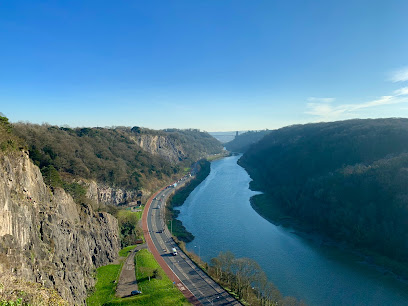
St Vincent's Rocks are not only a natural formation but also a site of architectural interest due to the nearby St Vincent's Rocks Hotel, a listed building with historic walls and railings that complement the cliffside setting. The rocks themselves provide panoramic views over the Avon Gorge and the Clifton Suspension Bridge, a masterpiece of Victorian engineering. The site’s rugged cliffs and caves evoke a sense of adventure and mystery, while the surrounding gardens and landscaped areas offer tranquil spots for reflection and appreciation of the dramatic landscape.Visitor Experience and Atmosphere
Visitors to St Vincent's Rocks can immerse themselves in a blend of natural beauty and historical depth. The atmosphere is tranquil yet evocative, with the roar of the Avon River below and the sweeping vistas of the gorge. The site invites exploration of its caves and cliff paths, as well as contemplation of its storied past. The proximity to Clifton’s vibrant village and the iconic Suspension Bridge makes it a compelling stop for those interested in geology, history, and scenic views. The rocks’ connection to local myths and legends enriches the visitor experience, offering layers of storytelling alongside the physical landscape.Conservation and Modern Context
Today, St Vincent's Rocks and the adjacent hotel are protected as part of Bristol’s heritage. The hotel has been converted into residences, and the surrounding gardens are maintained to preserve the site’s historic character. Conservation efforts ensure that the geological features and archaeological remains are safeguarded against erosion and development pressures. The site remains a symbol of Clifton’s unique blend of natural and cultural history, continuing to attract visitors who appreciate its beauty and significance.Legacy in Art and Literature
St Vincent's Rocks have inspired artists, poets, and writers over centuries. The dramatic cliffs and caves appear in historic paintings and prints, such as those by John Sell Cotman. The rocks’ association with the hermitage and chapel adds a spiritual and mystical dimension to their legacy. Local folklore and historical records preserve tales of the site’s past, enriching Bristol’s cultural tapestry. This blend of natural grandeur and human story makes St Vincent's Rocks a landmark of enduring fascination and importance.Iconic landmarks you can’t miss

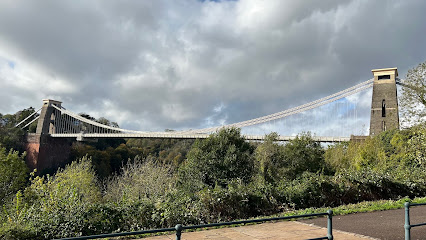
The Lookout Lectern
0.2 km
Historic vantage point with sweeping views of Brunel's iconic bridge and Bristol's storied past.
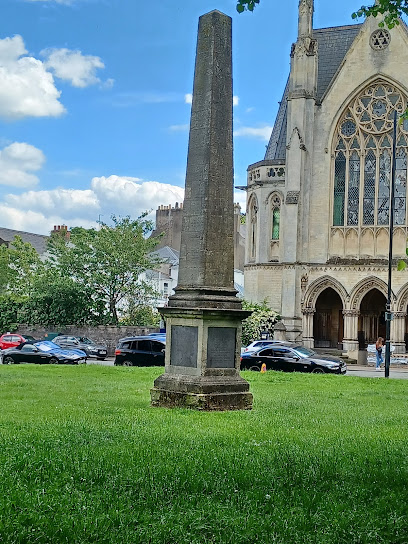
William Draper Memorial
0.4 km
Explore Britain’s oldest war memorial, honoring 18th-century soldiers on scenic Clifton Down in historic Bristol.
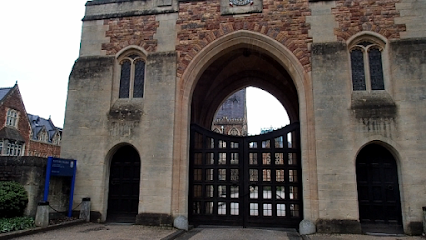
Memorial Arch
0.7 km
A solemn Grade II listed arch honoring Clifton College’s fallen heroes of the World Wars, blending history, tradition, and architectural grace.
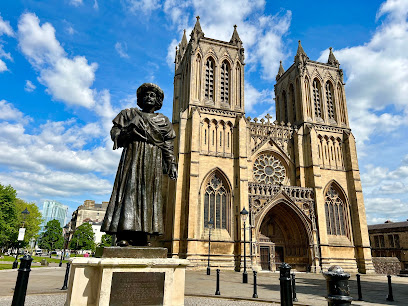
Statue of Ram Mohan Roy
1.8 km
A dignified bronze tribute in Bristol honoring Ram Mohan Roy’s legacy as a pioneering Indian reformer and visionary.
Statue of Cary Grant
2.0 km
Celebrate Hollywood legend Cary Grant with a lifelike bronze statue in Bristol’s vibrant Millennium Square, capturing his timeless charm and local roots.

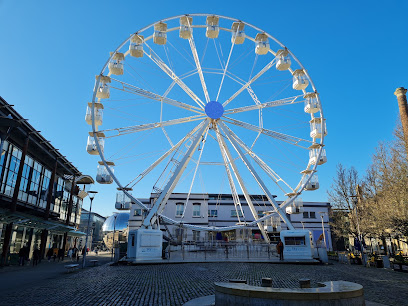
The Bristol Wheel
2.0 km
Discover breathtaking panoramic views of Bristol from The Bristol Wheel, an iconic attraction that offers a unique perspective of the city's vibrant skyline.
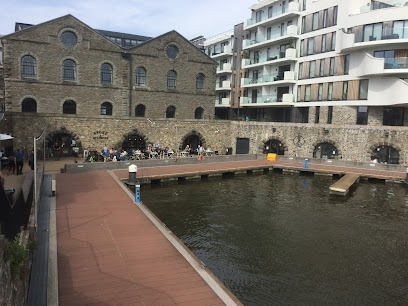
Bristol Aquarium
2.0 km
Discover the enchanting underwater world at Bristol Aquarium, where marine life thrives in captivating exhibits and interactive experiences for all ages.
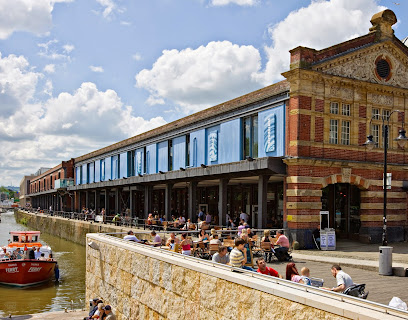
Watershed
2.1 km
Experience Bristol's vibrant arts scene at Watershed, where cinema, food, and culture come together in a breathtaking riverside setting.
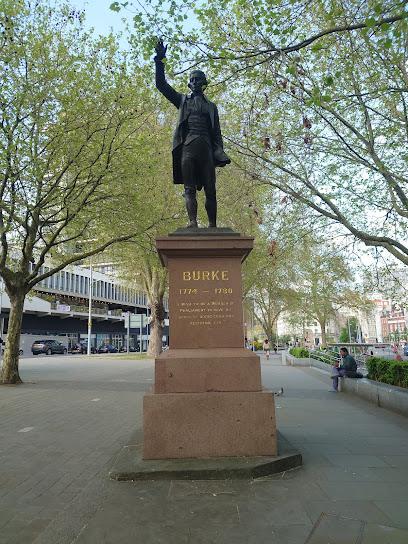
Statue of Edmund Burke
2.1 km
A bronze tribute to Edmund Burke on Bristol’s waterfront, where 18th-century ideals meet modern city life.
The Centre
2.1 km
Explore The Centre in Bristol, a vibrant tourist attraction and historical landmark, where culture, shopping, and scenic beauty converge.
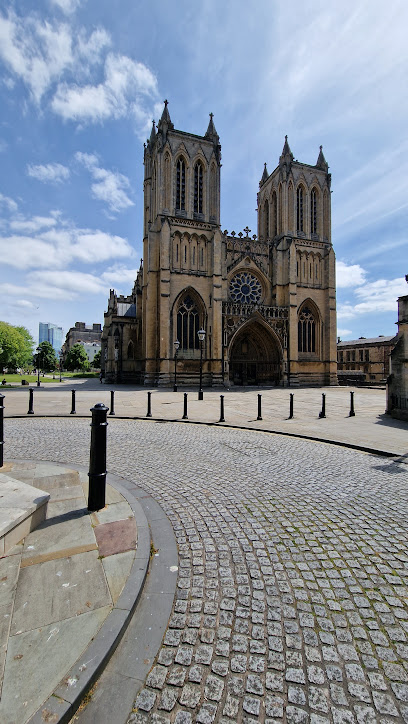
Cascade Steps
2.1 km
Historic Cascade Steps in Bristol offer scenic waterfront views and a tranquil urban retreat steeped in maritime heritage.
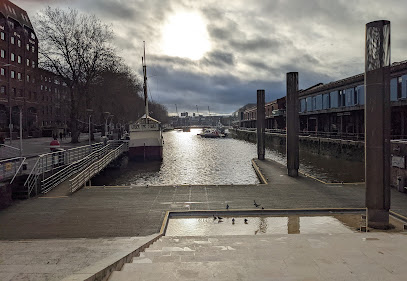
King George V Memorial Fountain
2.1 km
Lutyens-designed waterfront memorial honouring King George V with monumental sculptural figures.
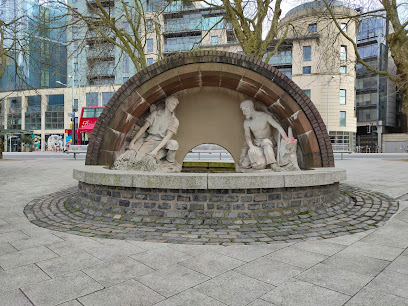
Pero's Bridge
2.1 km
A striking pedestrian bridge honoring an enslaved man's memory and Bristol's complex past with the slave trade.
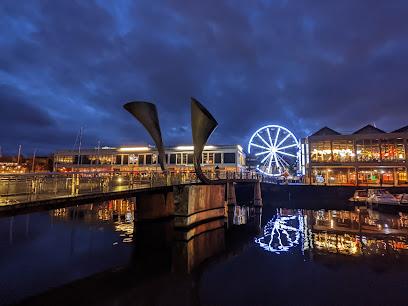
The Matthew of Bristol
2.2 km
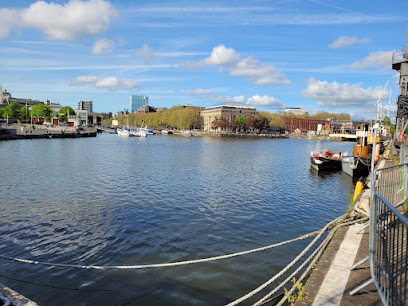
Explore Bristol's maritime heritage aboard The Matthew, a historic ship offering breathtaking views and engaging tours of the city's vibrant harbor.
St John's Church
2.2 km
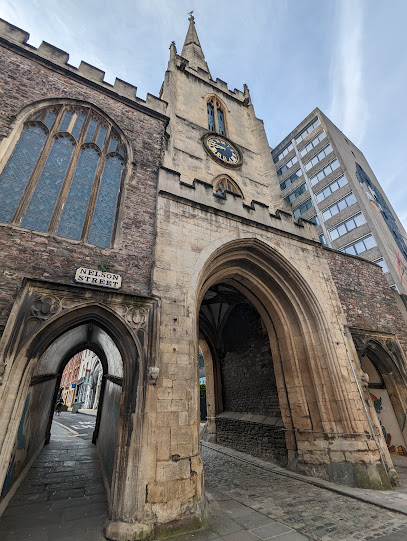
Experience the architectural wonder and serene atmosphere of St John's Church in Bristol, a must-visit tourist attraction rich in history and beauty.
Unmissable attractions to see

Giant's Cave
0.0 km
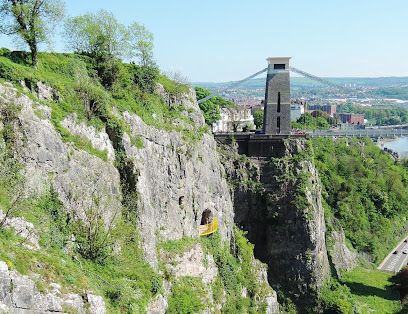
Descend into legend and emerge with views of Bristol's most iconic bridge from an unforgettable angle.
Clifton Observatory
0.0 km
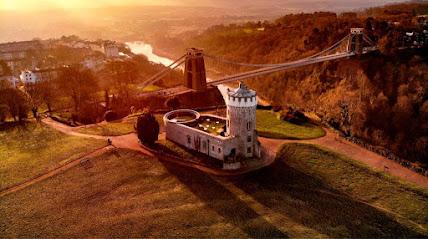
Historic observatory with one of the UK’s few working Camera Obscuras, Giant’s Cave adventure, and stunning views of Clifton Suspension Bridge.
Butt polished rock
0.1 km
Discover the subtle geological wonder of Butt Polished Rock nestled in Bristol’s historic and scenic Clifton district.
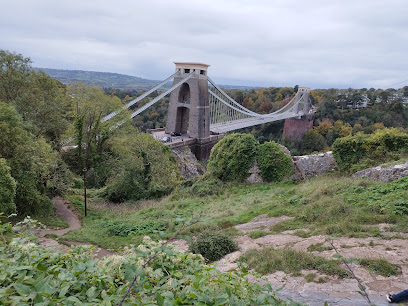
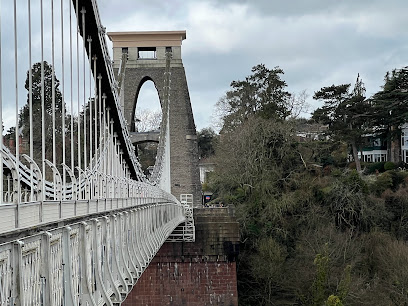
Clifton Suspension Bridge
0.2 km
Iconic Victorian suspension bridge spanning the Avon Gorge with stunning views, free museum, and engaging guided tours in Bristol.
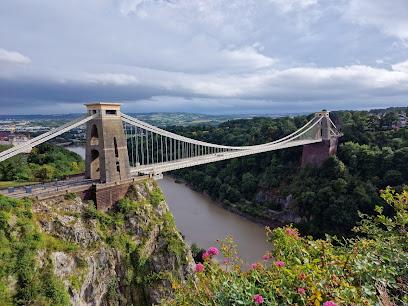
Clifton Suspension Bridge Visitor Centre (Free Entry)
0.4 km
Explore the iconic Clifton Suspension Bridge’s history and engineering at the free Visitor Centre with interactive exhibits and guided tours.
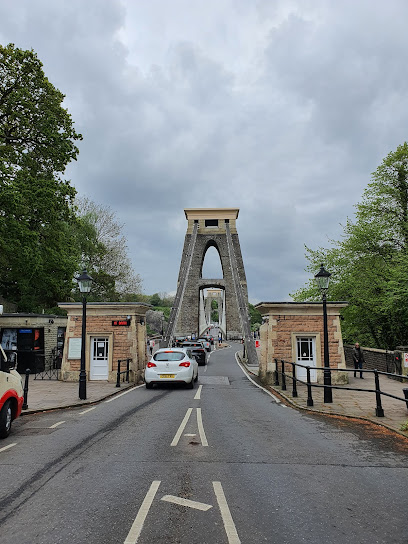
The Mall Gardens
0.4 km
A serene and charming green oasis nestled in Clifton, offering peaceful gardens framed by historic architecture and community spirit.
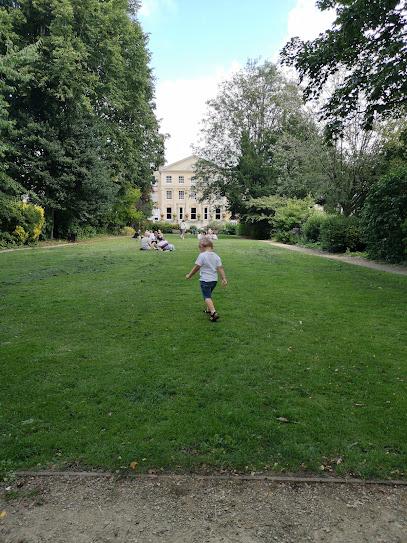
The Paragon
0.5 km
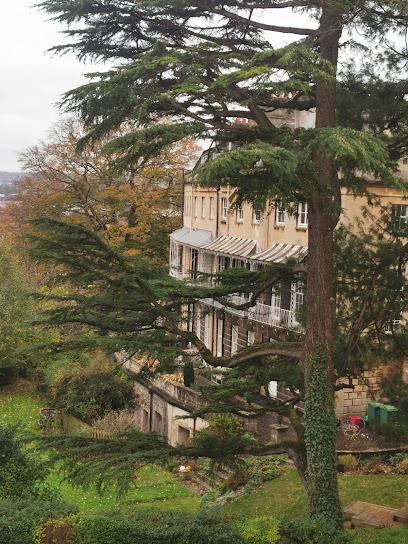
Discover the charm of The Paragon in Bristol, a perfect blend of history, culture, and modernity for every traveler.
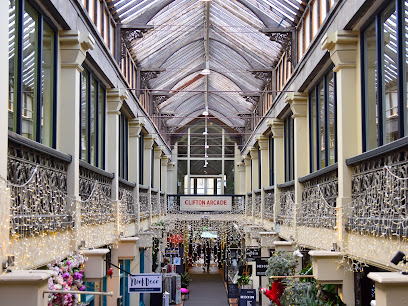
The Clifton Arcade
0.6 km
Discover Victorian splendour and indie treasures in Bristol's Clifton Arcade, where over 20 unique boutiques offer vintage finds, art, and artisanal gifts in a charming covered passage.
Victoria Square
0.7 km
Elegant Victorian square in Clifton, Bristol, blending historic architecture, tranquil gardens, and cultural heritage in a prestigious setting.
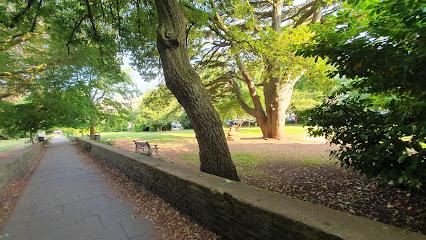
Clifton Down
0.9 km
Expansive green parkland offering stunning views, wildlife habitats, and peaceful recreation in the heart of Bristol.
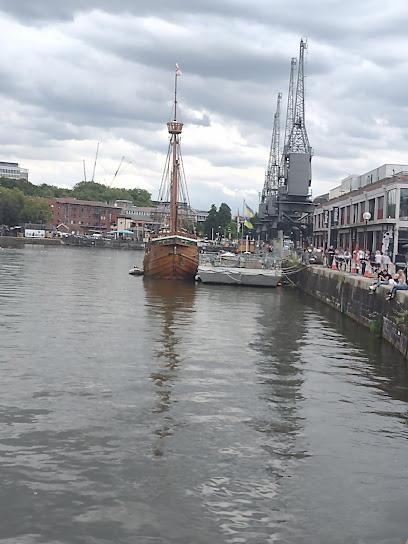
Bristol Docks
1.2 km
Historic Bristol Docks at Hotwells: Engineering brilliance and maritime heritage meet vibrant waterfront life.
National Trust - Leigh Woods
1.2 km
Explore ancient woodland and breathtaking Avon Gorge views at Leigh Woods, a serene nature reserve near Bristol with trails for all abilities.
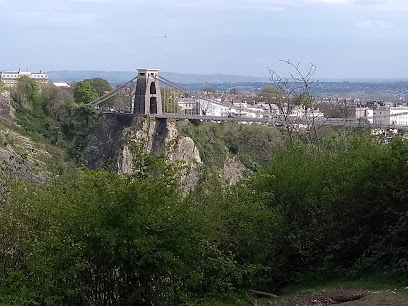
Sea Walls
1.4 km
Iconic Victorian suspension bridge spanning Avon Gorge with breathtaking views and rich engineering heritage in Bristol.
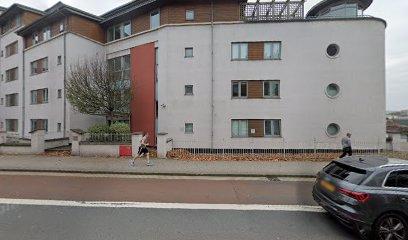
Capricorn Place
1.4 km
Modern riverside living in Bristol’s historic Hotwells district, blending scenic views with urban elegance on the vibrant Harbourside.
Cabot Tower
1.4 km
Discover the historic Cabot Tower in Brandon Hill Park, an iconic landmark offering stunning views and a glimpse into Bristol's maritime heritage.
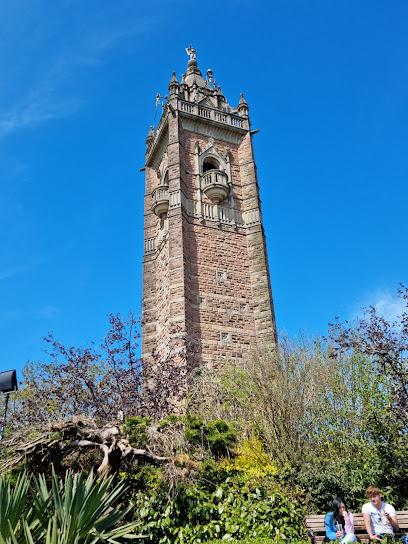
Essential places to dine

Côte Clifton Village
0.4 km
Classic French brasserie charm meets modern dining in the heart of Bristol’s Clifton Village.
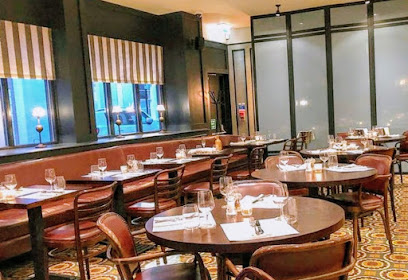
The Ivy Clifton Brasserie
0.5 km
Elegant British brasserie in Clifton, Bristol, blending local heritage with refined dining and vibrant afternoon teas.
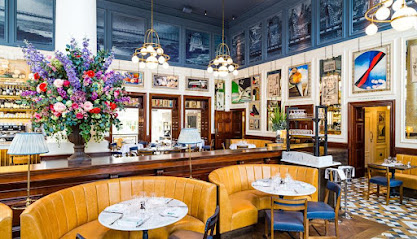
Clifton Sausage
0.5 km
Experience expertly crafted British sausages and seasonal local dishes in the warm, inviting heart of Bristol’s Clifton Village.
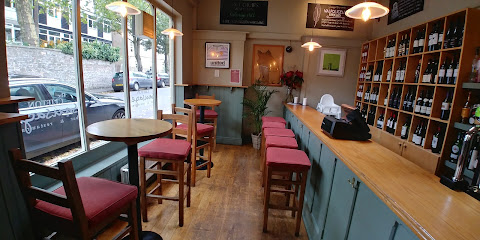
New Moon Tapas
0.5 km
A stylish tapas spot in Bristol’s Clifton Village blending global flavours with inclusive, creative small plates and vibrant cocktails.
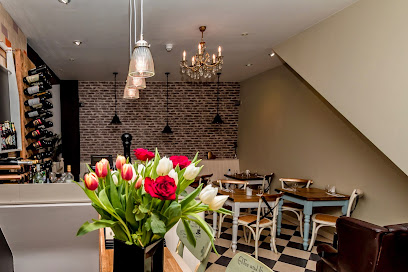
Giggling Squid - Clifton
0.5 km
Experience authentic Thai flavors and vibrant dining in the heart of Clifton Village at Giggling Squid, Bristol’s beloved Thai restaurant.
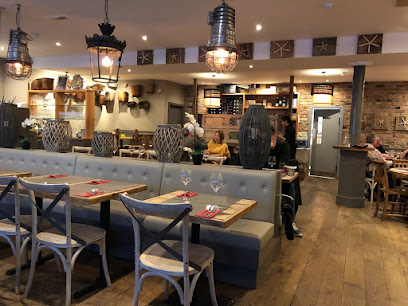
No.4 Clifton Village
0.5 km
Charming Georgian hotel in Bristol’s Clifton Village with cozy rooms, a private garden, and the acclaimed No.4 Clifton Village restaurant.
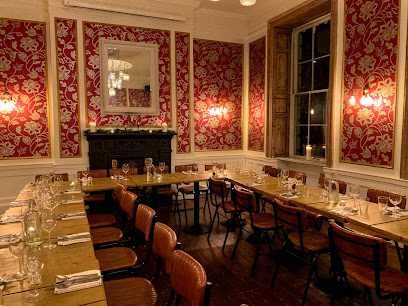
Coppa Club, Clifton
0.7 km
Stylish Italian dining and vibrant social hub in Clifton Village, Bristol, perfect for all-day meals and lively evenings.
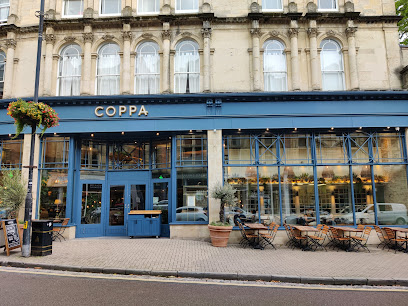
1 York Place
1.0 km
An intimate European bistro in Clifton offering seasonal dishes and a warm, stylish atmosphere for a refined dining experience.
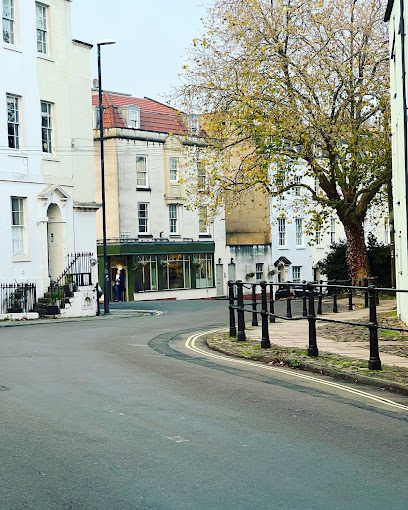
The Pump House
1.1 km
Historic waterfront gastropub in Bristol’s Hotwells, blending heritage architecture with fine British dining and scenic harbour views.
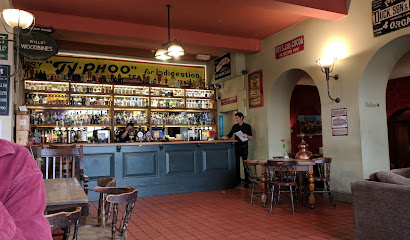
Racks Bar & Kitchen
1.1 km
A vibrant Clifton hotspot blending historic cellar charm with gourmet British and Mediterranean cuisine in a lively, stylish setting.
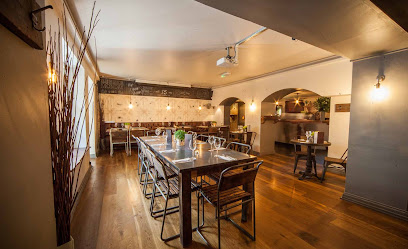
The Chef's Table
1.2 km
An intimate fine dining experience in Bristol’s historic docks, serving innovative modern British cuisine with expert wine pairings.
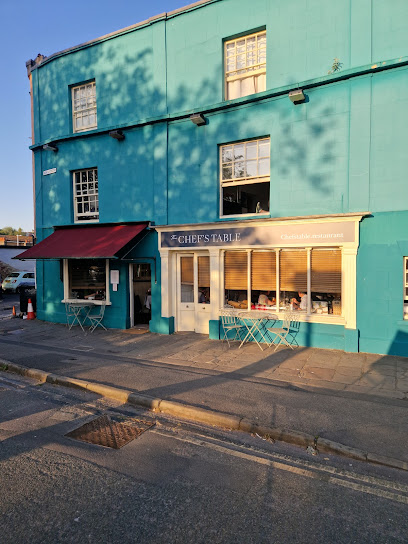
Lost & Found Bristol
1.3 km
Theatrical cocktails and creative cuisine in Clifton's most Instagram-worthy venue.
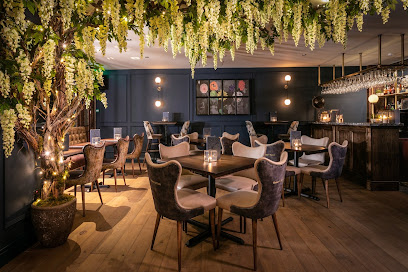
The Coconut Tree Bristol, Clifton Triangle
1.4 km
Experience vibrant Sri Lankan tapas and tropical cocktails in Bristol’s lively Clifton Triangle, where bold flavours meet colourful charm.
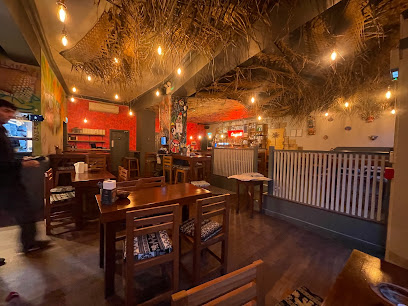
Botanist Bristol
1.4 km
Plant-filled gastropub celebrating seasonal British cuisine, craft cocktails, and live music in Bristol's City Centre.
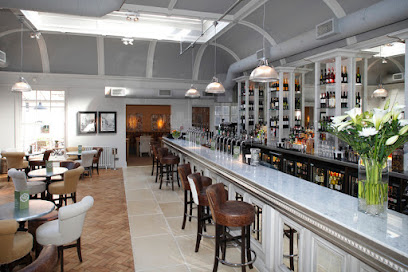
Bravas
1.5 km
Experience authentic Spanish tapas in Bristol’s cozy and lively Bravas, where traditional flavors meet seasonal creativity.
Markets, malls and hidden boutiques

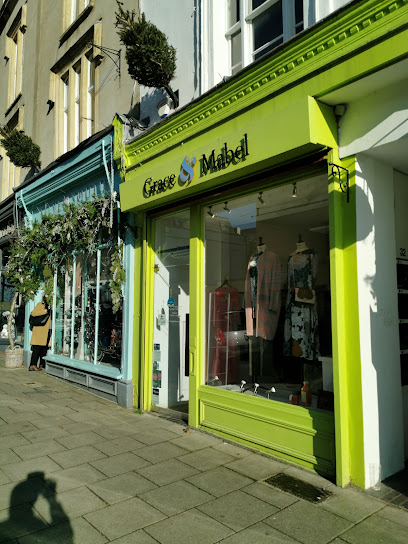
Grace & Mabel Ltd
0.4 km
Discover handpicked elegance at Grace & Mabel Ltd, the Clifton Village boutique where three sisters craft a world of timeless fashion, quality, and personal style since 2007.
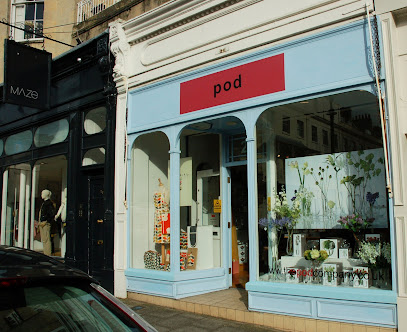
The Pod Company
0.4 km
Discover cutting-edge wellness with The Pod Company’s innovative ice baths and sauna pods in the heart of Clifton, Bristol.
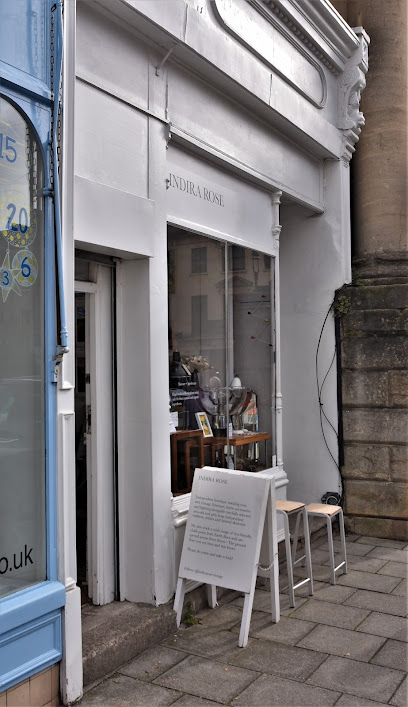
Indira Rose Vintage
0.4 km
Discover mid-century magic across three floors in Clifton's chic village—timeless antiques and vintage furniture await in Bristol's premier trove.
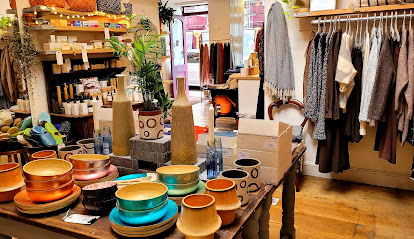
Movement Boutique
0.5 km
Discover curated designer fashion, jewellery, and homewares in the stylish heart of Clifton, Bristol’s charming historic district.
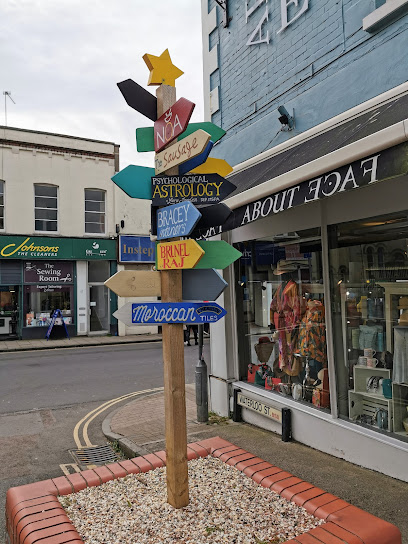
About Face
0.5 km
Discover curated gifts and artisanal treasures in Clifton's charming village heart, where unique finds meet personal service in a cozy Bristol gem.
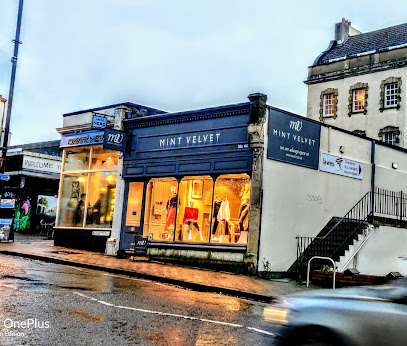
Mint Velvet Bristol
0.6 km
Discover relaxed glamour and personalized style at Mint Velvet Bristol, a chic ladies' boutique in Clifton's fashionable Regent Street.
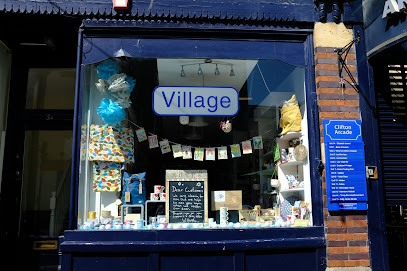
Village
0.6 km
A compact, design-led gift shop in Clifton Village offering locally made homewares, stationery and small-batch finds with a quietly curated, neighbourhood feel.
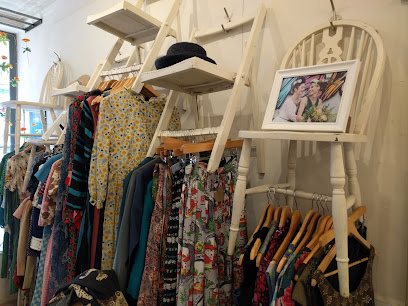
Ashwell & Co
1.1 km
Retro elegance meets homemade indulgence: vintage treasures and legendary scones in Clifton's cozy tearoom.
Clifton Down Shopping Centre
1.5 km
Bristol's Clifton hub: supermarkets, shops, coffee, and convenience right by the station on leafy Whiteladies Road.
Inca
1.5 km
Discover artisanal wonders and unique souvenirs in the heart of Bristol's chic Clifton Down, where bohemian charm meets everyday elegance.
Soukous
1.6 km
Eclectic gift shop on Bristol's vibrant Cotham Hill, offering curated homeware and artisan treasures.
Ganesha
1.7 km
Discover unique gifts, clothing, and handicrafts at Ganesha, Bristol's treasure trove of artistic creations and local craftsmanship.
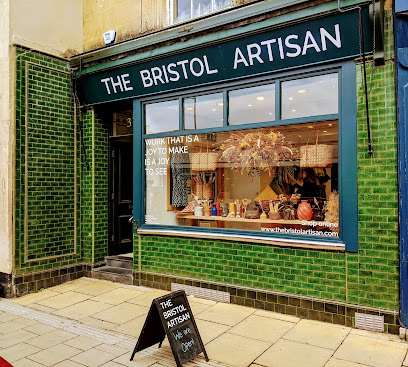
The Bristol Artisan
1.7 km
Discover Bristol’s curated home for handmade, sustainable gifts and homewares crafted by over 80 independent makers.
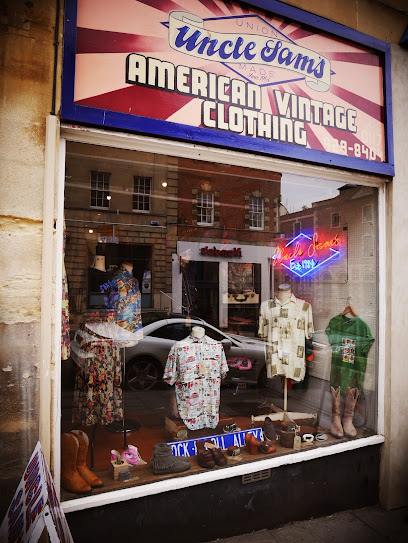
Uncle Sam's Vintage
1.7 km
Bristol's legendary American vintage superstore, curating authentic mid-century treasures since 1984.
Alices Secret Empourium
1.8 km
Uncover Bristol's quirk-filled gift haven on Park Street, where eclectic treasures and whimsical wonders await every curious explorer.
Essential bars & hidden hideouts

The Coronation Tap
0.3 km
Bristol's legendary ciderhouse near Clifton Suspension Bridge, famed for potent Exhibition scrumpy, live tunes, and timeless tavern vibes in cozy Clifton.
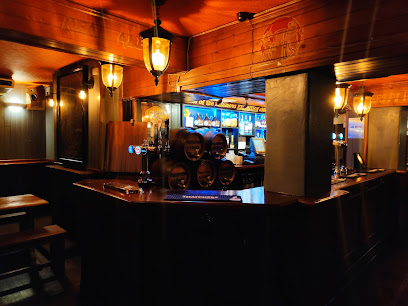
22 Clifton
0.5 km
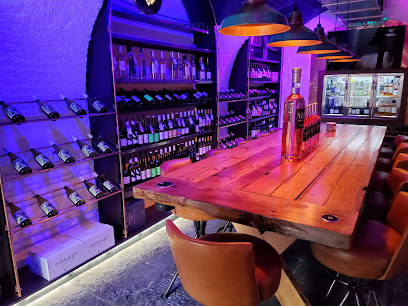
A vaulted Clifton wine cellar mixing Georgian bones with a modern wine-bar programme, tastings and sharing plates in an intimate setting.
The Quadrant
0.6 km
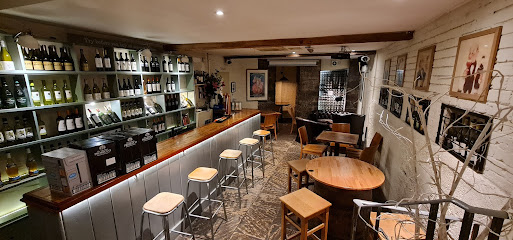
Cosy Clifton wine bar with a curated drinks list, small plates and buzzy window seats in the heart of the village.
The Dirty Bird
0.6 km
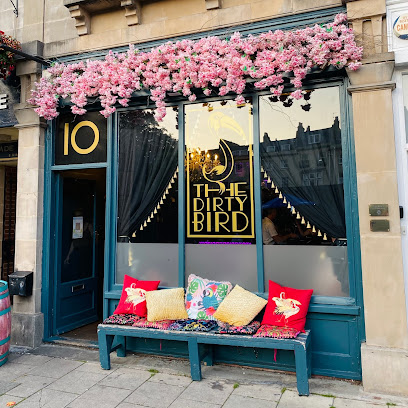
A vibrant neon-lit cocktail lounge in Clifton Village, Bristol, mixing classic and creative drinks with a lively, intimate atmosphere.
The Last Word Clifton Village Bristol
0.7 km
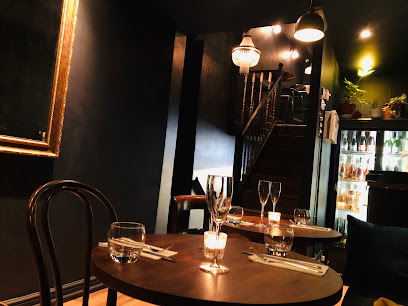
Quirky Clifton cocktail haven spanning three cozy floors, perfect for masterful mixes and intimate evenings in Bristol's upscale village.
Barrelhouse
1.0 km
Clifton's hybrid pub where Detroit pizzas, rooftop views, live tunes, and dive-bar cocktails create unrestrained fun in a historic setting.
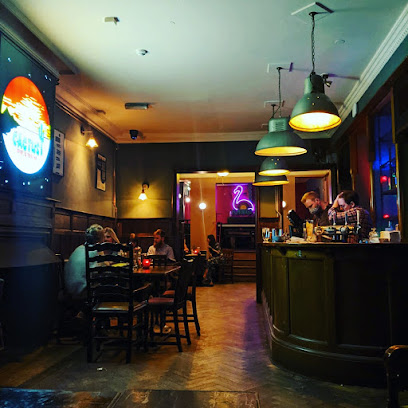
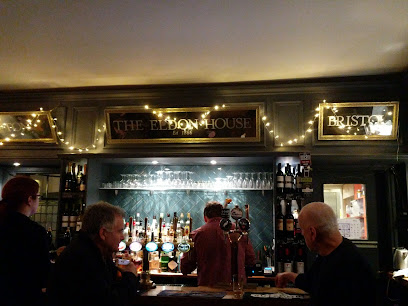
The Eldon House
1.2 km
Historic Victorian pub in Clifton, Bristol, known for craft beers, live music, and a cozy, vibrant atmosphere.
The Brass Pig
1.3 km
Clifton's two-floor nightlife gem: cocktails from £3.50, DJ weekends, terrace vibes, and student deals in Bristol's Triangle hub.
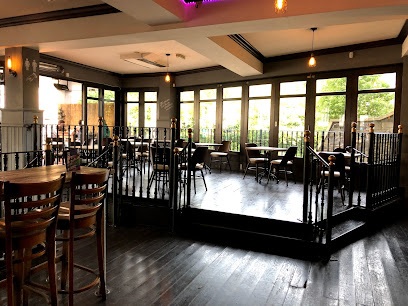
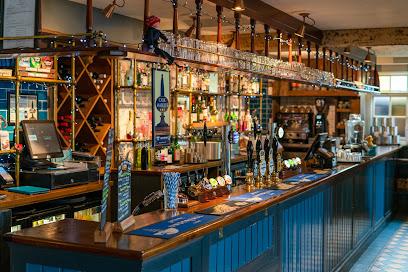
The Cottage Inn, Bristol
1.3 km
Historic harbourside pub offering modern British classics, craft ales, and scenic waterfront vibes in the heart of Bristol.
The Cocktail Club - Triangle Bristol
1.3 km
Step into Bristol’s Neverland-inspired Cocktail Club for expertly crafted drinks, quirky décor, and nights that never want to end.

Hyde & Co
1.4 km
Discover Bristol’s secretive speakeasy with expertly crafted cocktails and a cozy vintage ambiance in the heart of Clifton.
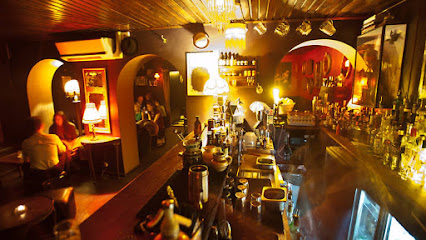
Be At One - Bristol
1.4 km
Energetic cocktail bar in Clifton, Bristol, serving over 100 expertly crafted drinks with vibrant vibes and unbeatable happy hour deals.
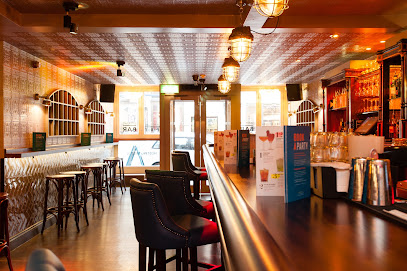
Steam
1.4 km
Bristol's premier beer hall in a historic station, serving craft brews, bottomless brunches, and pizzas on a festival terrace amid Clifton's charm.
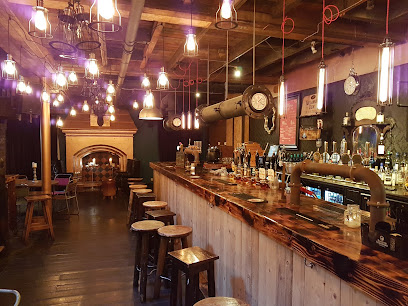
Bag of Nails
1.5 km
A quirky Bristol pub where hand-drawn art, local ales, and friendly cats create an unforgettable and cozy atmosphere.
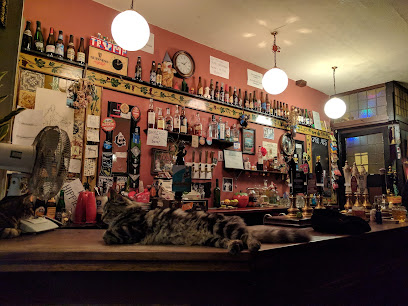
Alterego
1.5 km
A lively cocktail and sports bar in Bristol’s Redland, perfect for creative drinks, karaoke nights, and memorable social gatherings.
Nightclubs & after hour spots

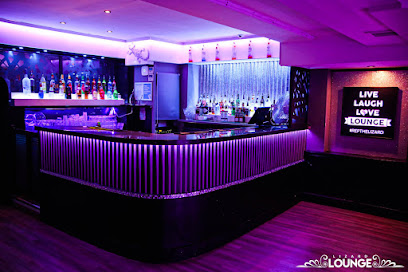
Lizard Lounge
1.4 km
A small, loud student nightclub on Queens Road famed for cheap drinks, DJ nights and a packed, party-first atmosphere.
La Rocca
1.4 km
A lively Clifton nightclub blending classic tunes, affordable drinks, and a vibrant social scene in Bristol’s dynamic nightlife district.

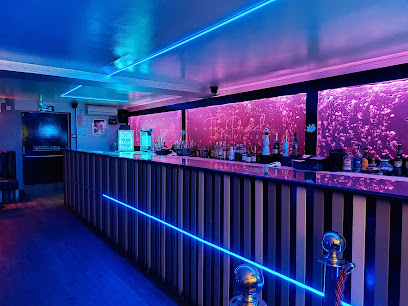
The Pearl NightClub
1.4 km
Bristol's intimate Clifton nightclub where fire DJs ignite weekend dance floors from 10pm till dawn—pure energy in a compact, electric space.
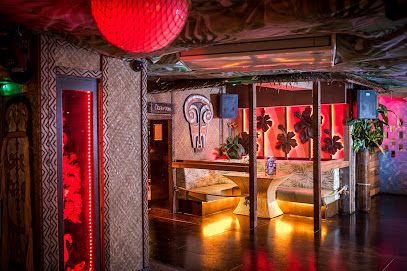
Bristol Lola Lo
1.4 km
An intimate, vintage‑Tiki nightclub in Clifton with neon cocktails, paper lanterns and a compact dancefloor for themed late‑night parties.
Marquee Cocktail Bar & Nightclub
1.7 km
From refined cocktails to dawn-dancing beats, Marquee delivers Bristol's ultimate nightlife evolution in one stylish venue.
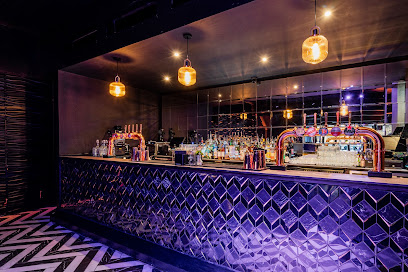
Silk Nightclub
1.7 km
Experience Bristol’s vibrant nightlife at Silk Nightclub, where energetic beats and a lively crowd create unforgettable nights in the city center.
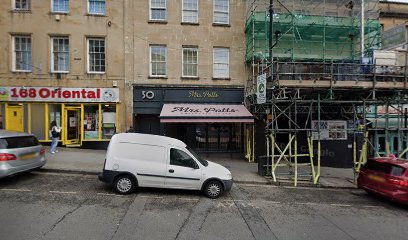
Antix
1.7 km
Bristol's enduring late-night haven on Park Street: cocktails till 1am, DJ beats till 6am, dancing into dawn with house, R&B, and reggaeton vibes.
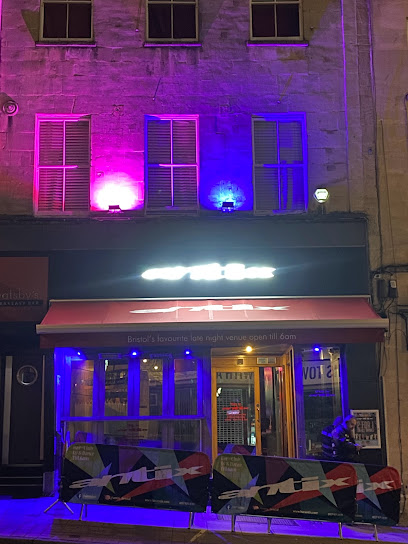
OMG
1.8 km
Southwest's biggest gay club: massive dance floor, killer sound, themed nights, and inclusive vibes until dawn in Bristol's heart.
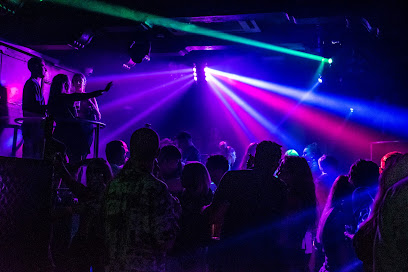
Queenshilling - Bristol Bar and Nightclub
1.8 km
Bristol's iconic LGBTQ+ haven: dance, drag, and drinks in an intimate Frogmore Street gem fueling the city's electric nightlife.
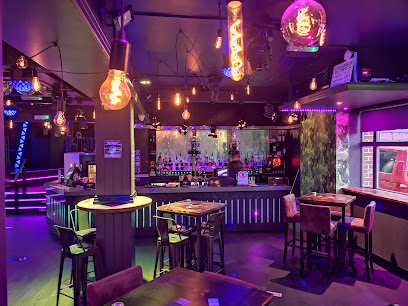
Basement 45
1.9 km
Experience Bristol’s underground nightlife at Basement 45, where eclectic music, intimate vibes, and vibrant events come alive until the early hours.
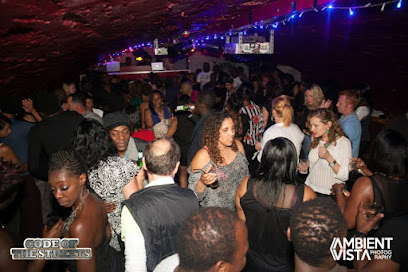
PRYZM
2.1 km
Experience Bristol’s vibrant nightlife at PRYZM, a multi-room club with themed music floors, student deals, and a lively party atmosphere.
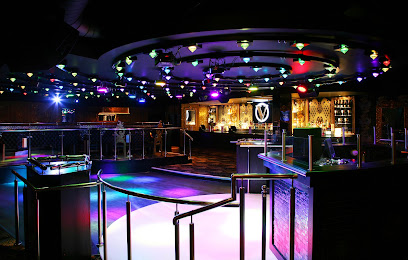
Popworld - Bristol
2.2 km
Dance to 90s and 00s pop anthems under neon lights at Bristol's ultimate nostalgic nightclub, where cheesy hits and POPTAIL cocktails fuel epic nights out.
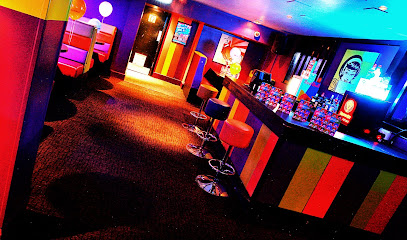
Forró Bristol
2.2 km
Ignite your night with Brazilian forró rhythms: partner dances, live bands, and sweaty joy in Bristol's beating heart.
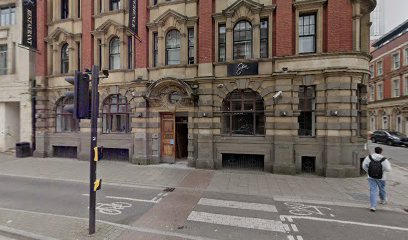
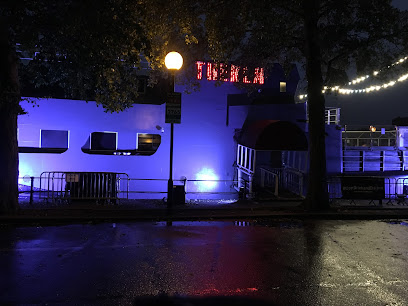
Thekla
2.4 km
A converted cargo ship transformed into Bristol’s compact, industrial live-music venue and late-night club, famed for close-up shows and throbbing club nights.
Lakota
2.7 km
Bristol's gritty heartbeat: underground raves, thunderous bass, and nights that blur into dawn at this St Paul's legend.

For the vibe & atmosphere seeker
- Scenic
- Tranquil
- Unique
- Relaxing
For the architecture buff
- Historic
- Landmarks
- Viewpoints
- Parks & Gardens
For the view chaser and sunset hunter
- Iconic Views
- Panoramas
- Sunset Spots
For the social media creator & influencer
- Instagrammable
- Photo Spots
- Selfie Spots
For the eco-conscious traveler
- Protected Area
- Public-Transport Accessible
- Leave-No-Trace Critical
- Locally Managed
For the kind of experience you’re after
- Cultural Heritage
- Nature Escape
- Photowalk
- Myth & Legends
For how adventurous you want the journey to be
- Easy Access
Location Audience
- Family Friendly
- Senior Friendly
- Child Friendly
- Solo Friendly
- Couple Friendly


