Arts Mansion, Bristol Travel Guide
Historic Ashton Court Estate near Bristol blends centuries of architecture with 850 acres of scenic parkland and vibrant cultural events.
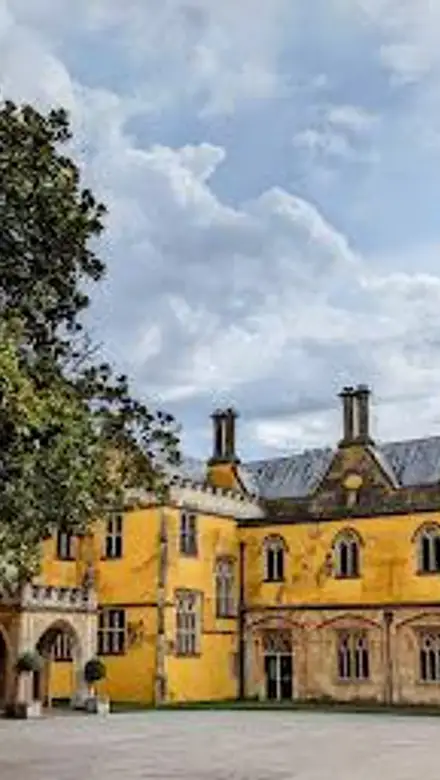
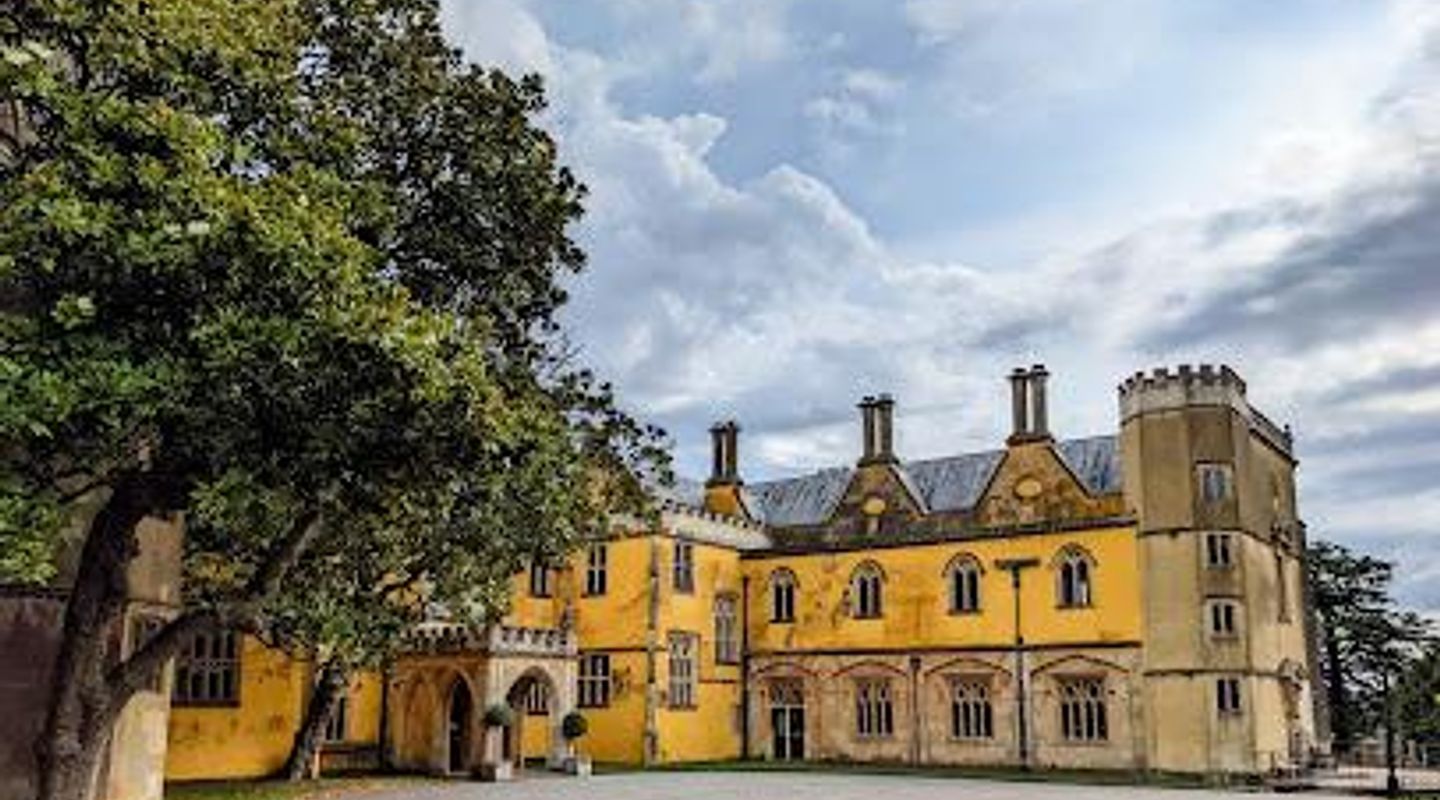
Ashton Court Estate, located in Long Ashton near Bristol, is a historic mansion and vast country park with origins dating back to the 11th century. Once home to the Smyth family for over 400 years, the estate features a Grade I listed mansion showcasing a blend of architectural styles, extensive woodlands, and parkland. Today, it serves as a cultural venue managed by ArtSpace and Bristol City Council, hosting events like the Bristol International Balloon Fiesta and offering diverse outdoor activities.
A brief summary to Arts Mansion
- Ashton Court Estate, Bristol, Long Ashton, BS41 9JN, GB
- Click to display
- Click to display
- Duration: 1 to 4 hours
- Mid ranged
-
 Outdoor
- Mobile reception: 4 out of 5

Know before you go
Hi, I'm Eve. Here are a few practical things to know before exploring Arts Mansion.
- Visit during the Bristol International Balloon Fiesta in August for a spectacular display of hot air balloons over the estate.
- Join the weekly ParkRun on Saturday mornings to experience the estate’s grounds alongside locals.
- Check ArtSpace Lifespace’s schedule for occasional mansion tours and cultural events inside the historic house.
- Explore the woodland trails for wildlife spotting and enjoy picnic areas enhanced by recent conservation efforts.
Do you manage this location?
Take control to get all the benefits, like improved information, better appearance, and stronger visibility across AI-powered discovery. Learn more about listing your business on Evendo
Activate your presenceOther nearby places you may find interesting
The closest places of the same kind, if this one is not quite what you had in mind.
Explore Arts Mansion on the Map
A handpicked selection of must-see spots near Arts Mansion, mapped for you.
Getting There
-
Bus
Take the First West of England bus service 8 or 9 from Bristol city centre to Long Ashton. The journey takes approximately 25-35 minutes. Services run frequently during the day but less often in the evening. A single fare costs around £2.50.
-
Car
Driving from central Bristol to Ashton Court Estate takes about 10-15 minutes via the A370. Limited free parking is available on-site but can fill quickly during events. Note some access roads may be closed during major festivals.
-
Walking
From Long Ashton village centre, a pleasant 30-minute walk on mostly flat terrain leads to Ashton Court Estate. Paths are well maintained and suitable for most fitness levels, though some sections may be muddy after rain.
-
Cycling
Cyclists can reach Ashton Court via National Cycle Network Route 33 from Bristol. The route is mostly traffic-free and takes around 20 minutes from the city centre. Bike racks are available near the mansion entrance.
For the on-the-go comforts that matter to you
-
 Restrooms
-
 Drink Options
-
 Food Options
-
 Seating Areas
-
 Picnic Areas
-
 Trash Bins
-
 Information Boards
Discover more about Arts Mansion
Origins and Early History of Ashton Court
Ashton Court Estate has a rich history stretching back to before the 11th century. Originally a Saxon manor known as Estune, it was recorded in the Domesday Book of 1086 as a wealthy estate with a manor house, great hall, and courtyards. The estate was granted by William the Conqueror to Geoffrey de Montbray, Bishop of Coutances, marking its early importance. Over the centuries, the estate passed through various noble families, including Thomas de Lyons in the late 14th century, who expanded the deer park with a royal licence, laying the foundation for the extensive parkland that exists today.The Smyth Family Legacy and Architectural Evolution
In 1545, the estate was purchased by John Smyth, a prosperous Bristol merchant, beginning over 400 years of Smyth family ownership. The family wealth, partly derived from trade and later linked to plantations, allowed continuous development of the mansion and grounds. The house evolved architecturally through the centuries, blending neo-Classical, Strawberry Hill Gothic, Jacobean, and Regency styles. Notable renovations include those by Thomas Smyth MP in the 17th century and major 19th-century additions by Sir Greville Smyth, who introduced exotic plants and a now-demolished indoor winter garden. The estate’s architecture reflects its layered history and the tastes of its successive owners.20th Century Uses and Transition to Public Ownership
During the First World War, Ashton Court served as a military hospital, and in the Second World War, it was an army transit camp and command headquarters. The last Smyth residents, Gilbert and Esme, lived there until the mid-20th century. After Esme’s death in 1946, the house fell into disrepair until Bristol City Council purchased it in 1959. Since then, the estate has been managed as a public park and cultural venue. The mansion is currently operated by the arts charity ArtSpace Lifespace, which uses it for events, tours, and filming locations.Natural Setting and Recreational Activities
The estate encompasses approximately 850 acres of woodland, grassland, and parkland, registered as Grade II* on the Register of Historic Parks and Gardens. Its extensive grounds are a haven for wildlife and popular for walking, running, mountain biking, and orienteering. Weekly ParkRun events and annual festivals like the Bristol International Balloon Fiesta and Kite Festival draw large crowds. The landscape, shaped by historic landscaping efforts including those inspired by Humphry Repton, offers scenic views and tranquil green spaces for visitors.Community Engagement and Conservation Efforts
Bristol City Council, supported by Heritage Lottery funding, has invested in improving visitor facilities such as picnic areas, toilets, and educational resources while restoring historic views and boundary walls. The estate is a cherished community asset, balancing conservation with active use. The presence of ancient trees and protected habitats underscores its environmental significance. The mansion and park continue to inspire local heritage appreciation and cultural activities.Architectural and Cultural Significance Today
Ashton Court’s mansion is a Grade I listed building notable for its eclectic architectural styles and historical layers. While not fully open to the public, it hosts events and occasional tours, offering glimpses into its storied past. The estate’s combination of heritage, natural beauty, and vibrant community use makes it a unique landmark in the Bristol area, embodying centuries of history alongside contemporary cultural life.












Your all‑in‑one travel companion app
Explore expert travel guides, compare and book tours, experiences, hotels, and more—all from the palm of your hand. Download now for seamless trip planning wherever your wanderlust takes you.


Explore More of Bristol
Looking beyond Arts Mansion? Discover Bristol for broader travel guides, local hot-spots, and regional highlights.
Explore Bristol
Explore the pioneering steamship Brunel’s SS Great Britain, a Victorian maritime marvel and Bristol’s top historic attraction.
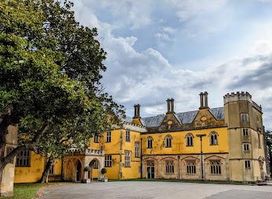
Explore Ashton Court Estate: a historic mansion and sprawling parkland blending centuries of heritage with vibrant outdoor life near Bristol.