

Free Somerset Travel Guide & Mobile App
Explore Somerset with free travel guides. Discover regional history, expert tips, proposed trips, and audio guides on web or mobile app.


Explore Somerset’s medieval cities, cider orchards, limestone gorges, Levels and coastal landscapes across one of south-west England’s most varied counties.
Read more about Somerset
When is the best time to visit Somerset?
Best: June–August · 20–22°C| Month | High (°C) | Rainfall (mm) |
|---|---|---|
| January | 7 | 70 |
| February | 7 | 60 |
| March | 11 | 55 |
| April | 14 | 50 |
| May | 17 | 50 |
| June (best) | 20 | 50 |
| July (best) | 22 | 55 |
| August (best) | 22 | 60 |
| September | 19 | 60 |
| October | 15 | 65 |
| November | 10 | 70 |
| December | 8 | 70 |
Getting to and around Somerset
How to get there
Transportation
Top city travel guides in Somerset
The cities of Somerset, and the easiest places to base yourself.
-
 London
 travel guide: explore royal landmarks, world-class museums, historic neighbourhoods, theatre, markets and diverse British culture across the capital.
London
London travel guide: explore royal landmarks, world-class museums, historic neighbourhoods, theatre, markets and diverse British culture across the capital.
-
 Edinburgh
 blends a medieval Old Town, Georgian New Town, castle history, literary culture and dramatic Arthur’s Seat views in Scotland’s capital.
Edinburgh
Edinburgh blends a medieval Old Town, Georgian New Town, castle history, literary culture and dramatic Arthur’s Seat views in Scotland’s capital.
-
 Oxford
 travel guide: explore historic colleges, Bodleian Library, Ashmolean Museum, literary heritage, riverside walks and cultured city life in England.
Oxford
Oxford travel guide: explore historic colleges, Bodleian Library, Ashmolean Museum, literary heritage, riverside walks and cultured city life in England.
-
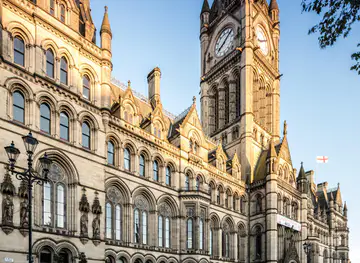 Manchester
 travel guide: discover industrial history, football, music, museums, Victorian landmarks, independent shops and Northern English food and culture.
Manchester
Manchester travel guide: discover industrial history, football, music, museums, Victorian landmarks, independent shops and Northern English food and culture.
-
 Cambridge
 travel guide: explore historic colleges, the River Cam, museums, medieval chapels, riverside punting, independent shops and local culture.
Cambridge
Cambridge travel guide: explore historic colleges, the River Cam, museums, medieval chapels, riverside punting, independent shops and local culture.
-
 Birmingham
 travel guide: explore industrial heritage, world-class museums, canals, diverse food, music, shopping and cultural attractions in England’s Midlands.
Birmingham
Birmingham travel guide: explore industrial heritage, world-class museums, canals, diverse food, music, shopping and cultural attractions in England’s Midlands.
Swipe for more cities
Destinations in Somerset
Resorts, valleys and scenic spots worth a trip of their own.
-
 Lake District National Park
 in England offers lakes, fells, villages, literary heritage, scenic walks and outdoor adventures across Cumbria.
Lake District National Park
Lake District National Park in England offers lakes, fells, villages, literary heritage, scenic walks and outdoor adventures across Cumbria.
-
 Peak District
, United Kingdom: explore limestone dales, gritstone edges, historic villages, reservoirs, walking trails and rich industrial heritage.
Peak District
Peak District, United Kingdom: explore limestone dales, gritstone edges, historic villages, reservoirs, walking trails and rich industrial heritage.
-
 Snowdonia National Park
 in Wales offers Eryri mountains, Yr Wyddfa, lakes, castles, walking routes, heritage railways and outdoor adventures.
Snowdonia National Park
Snowdonia National Park in Wales offers Eryri mountains, Yr Wyddfa, lakes, castles, walking routes, heritage railways and outdoor adventures.
-
 Pembrokeshire Coast National Park
 in Wales offers cliffs, beaches, islands, wildlife, coastal walks, historic villages and rich maritime heritage.
Pembrokeshire Coast National Park
Pembrokeshire Coast National Park in Wales offers cliffs, beaches, islands, wildlife, coastal walks, historic villages and rich maritime heritage.
-
 Loch Lomond & The Trossachs National Park
, United Kingdom: lochs, mountains, forests, villages, heritage and outdoor adventures across central Scotland.
Loch Lomond & The Trossachs National Park
Loch Lomond & The Trossachs National Park, United Kingdom: lochs, mountains, forests, villages, heritage and outdoor adventures across central Scotland.
-
 Yorkshire Dales National Park
 in the United Kingdom offers limestone landscapes, waterfalls, stone villages, heritage railways and memorable walking routes.
Yorkshire Dales National Park
Yorkshire Dales National Park in the United Kingdom offers limestone landscapes, waterfalls, stone villages, heritage railways and memorable walking routes.
Swipe for more destinations
Best attractions in Somerset
Somerset's attractions range from major historic buildings to landscapes best explored on foot. Wells Cathedral and the Bishop's Palace provide a concentrated experience of medieval ecclesiastical power, while Glastonbury Abbey and the Tor connect archaeology, Christian tradition and enduring legend. Dunster Castle, Montacute House and Barrington Court reveal different chapters of aristocratic and domestic history, and the county's parish churches often contain remarkable medieval or later craftsmanship. In the Mendips, Cheddar Gorge and the associated cave systems showcase the region's limestone geology, while the Somerset Levels offer birdwatching, nature reserves, waterways and long views rather than conventional sightseeing. The Quantock Hills and western Somerset support walking, cycling and riding across open heath, woodland and farmland, with Exmoor extending the upland character westwards. Museums and heritage sites in Taunton, Frome and other towns add local stories of farming, military history, industry and crafts. Families may prefer caves, farms and wildlife sites, while walkers can build itineraries around the Mendip Way, Quantock Greenway and sections of the South West Coast Path. The strongest visits balance well-known places with time spent understanding the working countryside between them.
-
Museum
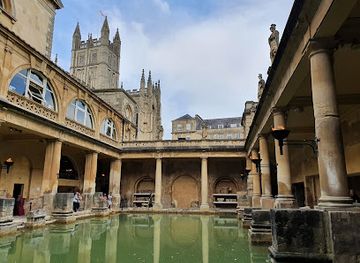
The Roman Baths
Step into ancient history at The Roman Baths, where steaming hot springs and Roman ruins reveal 2,000 years of Bath’s heritage.
-
Wildlife and safari park
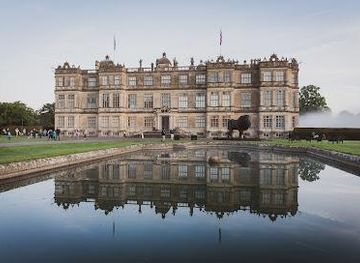
Longleat
Discover the enchanting woodlands of Wiltshire with family-friendly lodges, thrilling activities, and serene forest spa escapes at Longleat Forest.
-
Shopping Centre
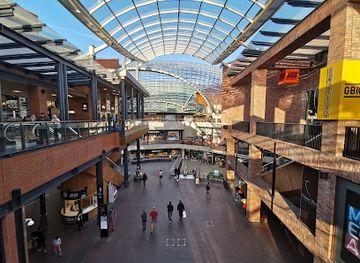
The Mall at Cribbs Causeway
A vast shopping and entertainment hub in Bristol offering high street brands, designer stores, dining, and leisure under one roof.
-
Shopping Centre
Bristol Shopping Quarter
Explore Bristol Shopping Quarter, where historic charm meets modern retail in a vibrant city-centre shopping and leisure destination.

Best landmarks in Somerset
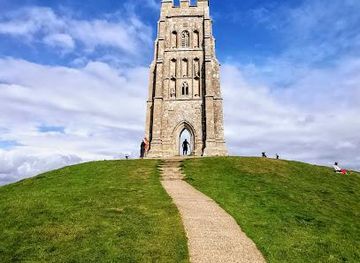
Wells Cathedral is Somerset's most prominent ecclesiastical landmark, with a distinctive west front, soaring interior and adjacent medieval precinct. The Bishop's Palace, surrounded by a moat, reinforces Wells's unusual concentration of surviving church architecture. Glastonbury Tor rises dramatically above the surrounding Levels and has become a symbol of the county, although its significance combines landscape, archaeology, religious tradition and later legend rather than a single proven story. Cheddar Gorge is Somerset's defining natural landmark: its limestone cliffs cut through the Mendip Hills and provide a visible record of geological erosion. Dunster Castle occupies a wooded hill above the medieval village and marks the strategic importance of the route towards Exmoor. Montacute House, built in the late Elizabethan period from distinctive golden Ham stone, is one of the county's clearest expressions of Tudor and early modern wealth. The Somerset Levels themselves form a less monumental but equally important landmark landscape, where church towers, drainage channels, reed beds and wide skies reveal the long relationship between people and wetlands. Along the Bristol Channel, Watchet's harbour and the coastal cliffs provide reminders of Somerset's maritime and geological position.
-
Bridge
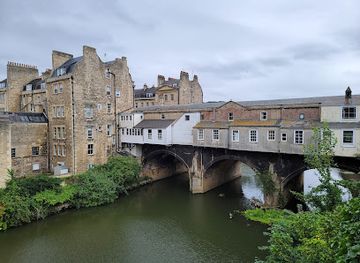
Pulteney Bridge
Discover Bath’s unique 18th-century Palladian bridge with shops on both sides, blending history, architecture, and riverside charm.
-
Historical landmark
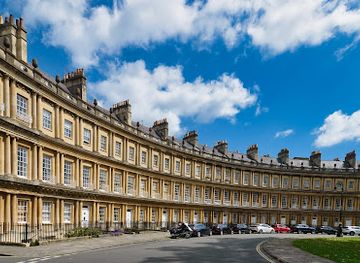
The Circus
A breathtaking Georgian circle of townhouses blending classical design with ancient symbolism in the heart of Bath.
-
 Historical landmark
Cabot Tower
Historic 105-foot tower atop Bristol’s oldest park, offering free panoramic city views and a peaceful nature escape.
-
Mountain peak
Glastonbury Tor
Where legend, history, and spirituality converge on Somerset's most iconic hilltop.
Explore Somerset on the map
Plan your trip on one map. See where the top cities, national parks and sights are, and book hotels and experiences in a few clicks.
Best hotels in Somerset
Best restaurants in Somerset
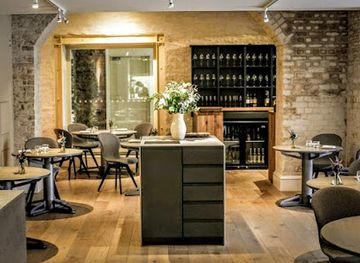
Somerset's food culture is closely connected to dairy farming, orchards, agriculture and the Bristol Channel. Farmhouse cheeses, particularly Cheddar-style cheeses from the county's western districts, are found in specialist shops, farm producers and restaurant kitchens, while apples appear in both traditional cider and a range of cakes, juices and desserts. Rural pubs and village inns commonly offer British regional cooking, local meats, seasonal vegetables and generous baked dishes; larger towns such as Bath, Wells, Frome and Taunton provide broader choices, including vegetarian, international and contemporary menus. The coast supplies seafood in places such as Watchet, Minehead and other channel-facing communities, though availability is seasonal and varies by establishment. Farmers' markets and farm shops are useful for Somerset cider, cheese, chutneys, preserves, bread and produce. Look for local distinctions rather than assuming every Somerset dish is ancient or exclusive to the county: some foods are part of wider south-west English traditions, while the particular combination of orchard, dairy and wetland agriculture gives Somerset its recognisable culinary character.
-
British
Clifton Sausage
Experience expertly crafted British sausages and seasonal local dishes in the warm, inviting heart of Bristol’s Clifton Village.
-
Italian
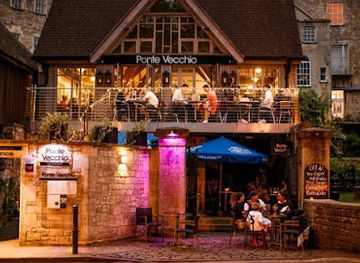
Ponte Vecchio
Experience authentic Italian cuisine with stunning riverside views at Bath’s charming Ponte Vecchio restaurant.
-
Modern European
Bathwick Boatman Riverside
Charming family-run riverside restaurant in Bath serving fresh, seasonal modern European dishes with stunning views of the River Avon.
-
Italian
Casa Bristol
Refined Italian cuisine with a contemporary twist in Bristol’s historic Redcliffe harbourside, blending tradition and innovation.

Best bars in Somerset
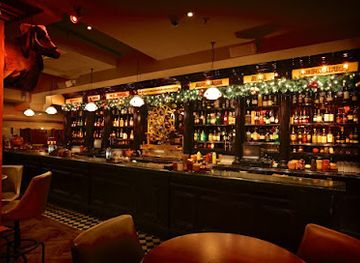
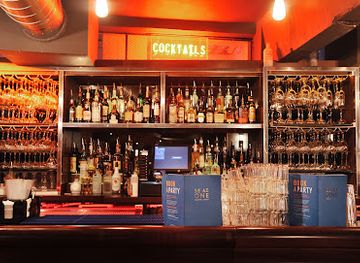
Evening life in Somerset is centred more on pubs, restaurants, music and theatre than on a large nightclub scene. Wells, Frome, Taunton, Bath and Yeovil have the broadest choice of bars, with independent pubs, wine bars, cocktail venues and live performances alongside more familiar national styles. In smaller towns and villages, historic inns and contemporary pubs remain important social spaces, while cider houses, breweries and farm-based producers offer ways to explore the county's drinks heritage without turning an itinerary into a drinking tour. Glastonbury has an unusually diverse evening character, influenced by its religious history, independent shops and alternative cultural scene, though its atmosphere changes considerably outside major events. Larger festivals can transform rural locations temporarily, but dates, access and accommodation should be checked in advance. In coastal and rural Somerset, expect quieter evenings, early closing in some places and greater reliance on pre-booked taxis or designated drivers.
-
Cocktail bar
Mr Fogg's Society of Exploration
Step into a Victorian explorer’s world with inventive cocktails, immersive storytelling, and a mechanical mixologist in Covent Garden’s unique speakeasy.
-
Cocktail bar
Be At One - Russell Street
Lively West End cocktail bar with 100+ drinks, 2-for-1 happy hours, and a vibrant party vibe in Covent Garden’s buzzing nightlife scene.
-
Bar
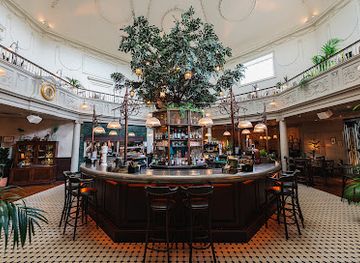
The Botanist Bath
A botanical haven in Bath blending historic charm, seasonal menus, award-winning cocktails, and live music across three vibrant floors.
-
Wine bar
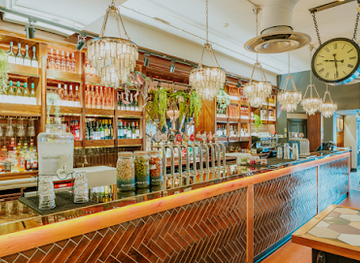
All Bar One Bath
A stylish and spacious wine bar on Bath’s historic High Street, blending modern comfort with vibrant city energy.
Best nightclubs in Somerset
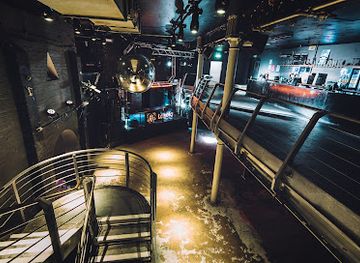
Evening life in Somerset is centred more on pubs, restaurants, music and theatre than on a large nightclub scene. Wells, Frome, Taunton, Bath and Yeovil have the broadest choice of bars, with independent pubs, wine bars, cocktail venues and live performances alongside more familiar national styles. In smaller towns and villages, historic inns and contemporary pubs remain important social spaces, while cider houses, breweries and farm-based producers offer ways to explore the county's drinks heritage without turning an itinerary into a drinking tour. Glastonbury has an unusually diverse evening character, influenced by its religious history, independent shops and alternative cultural scene, though its atmosphere changes considerably outside major events. Larger festivals can transform rural locations temporarily, but dates, access and accommodation should be checked in advance. In coastal and rural Somerset, expect quieter evenings, early closing in some places and greater reliance on pre-booked taxis or designated drivers.
-
Live Music
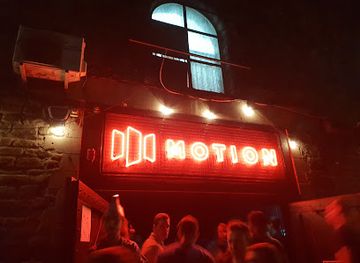
Motion
Bristol’s legendary warehouse nightclub, Motion, pulses with underground electronic music and community spirit in an iconic industrial setting.
-
Nightclub
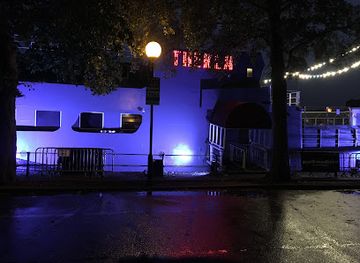
Thekla
Experience Bristol’s vibrant nightlife aboard Thekla, a unique live music venue and nightclub on a historic cargo ship moored in the Floating Harbour.
-
Night Club
Lakota
Experience Bristol’s legendary underground rave culture at Lakota, a vibrant nightclub with diverse music and a raw, authentic atmosphere.
-
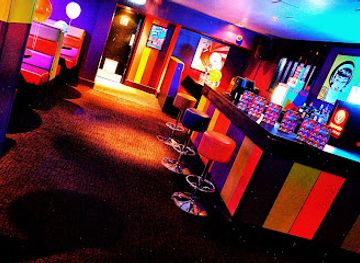
Nightclub
Popworld - Bristol
Dance the night away to iconic 90s and 00s pop hits in Bristol’s neon-lit, energetic Popworld nightclub.
Best shops in Somerset
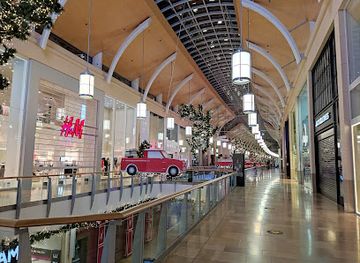
Shopping in Somerset is strongest in its historic market towns and independent centres rather than in large-scale retail districts. Wells offers small food, book, craft and clothing shops around its cathedral quarter and market streets, while Frome is known for a concentration of independent retailers, galleries, vintage goods and creative businesses. Glastonbury has a distinctive selection of spiritual, alternative and locally made products, alongside ordinary daily shopping, and Taunton provides the county's broadest conventional retail choice. Rural farm shops and food halls are useful for Somerset cider, farmhouse cheese, preserves, apples, bakery goods and seasonal produce; buy from established producers and check whether products can be carried safely through the rest of an itinerary. Galleries and craft shops sell ceramics, jewellery, textiles, artwork and furniture, with quality and provenance varying between businesses. Markets differ by town and day, so verify current arrangements locally. In historic villages and smaller communities, shopping is generally limited to essentials, antiques, crafts and food rather than extensive fashion or luxury retail.
-
Shopping Centre
St David’s Dewi Sant
Cardiff’s largest shopping centre offering over 160 shops, vibrant dining, and family-friendly entertainment in the heart of the city.
-
Market
Bath Guildhall Market
Discover Bath’s oldest indoor market, blending 800 years of history with vibrant local shopping beneath a stunning domed roof.
-
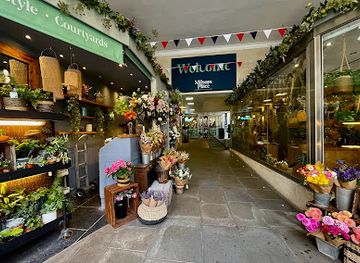
Shopping Centre
Milsom Place
Discover Bath’s elegant Georgian shopping and dining oasis nestled within tranquil courtyards on fashionable Milsom Street.
-
Toy Shop
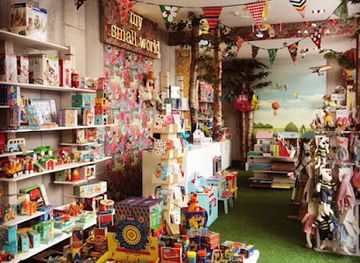
My Small World Toy Store
A charming boutique toy store in Bath offering handcrafted wooden toys, unique books, and exceptional personal service for all ages.
Get your free copy of our complete guide to Somerset, delivered straight to you.
Everything on this page, from attractions and restaurants to essentials and local phrases, in one PDF you can read offline, print or share.
Already have an account? Sign in
Your Somerset guide is ready.
We'll send it to · Not you? Sign out

Getting your guide ready…
We are putting together a fresh copy of the Somerset guide. This can take up to a minute.
This can take a few moments. If your browser asks, choose Allow so the download can start. You'll find the guide in your Downloads folder.
Nothing happened? Download it again
Sorry, the guide is taking longer than usual. Please try again in a minute, or get it by email instead.
Somerset essentials
Currency and Payment
Safety
Emergency Situations
Do's and Don'ts
Local Tips
From Eve
Local phrases worth knowing
You don't need to get them perfect. A few words go a long way, and locals appreciate the effort.
Basics
| English | Local | Say it |
|---|---|---|
| Hello | Alright, me duck? | [Ahl-rahyt, mee duh-k?] |
| Goodbye | Ta-ra! | [Tah-rah!] |
| Yes | Yup | [Yup] |
| No | Nah | [Nah] |
| Please/You're welcome | Please | [Pleez] |
| Thank you | Cheers! | [Cheerz!] |
| Excuse me/Sorry | S'cuse me | [S'kyooz mee] |
| How are you? | How’s it goin’? | [Howz it goin'?] |
| Fine. And you? | All good, you? | [Ahl gud, yoo?] |
| Do you speak English? | Can you talk proper? | [Kan yoo talk prop-er?] |
| I don't understand | I ain't got a clue | [I aynt got a kloo] |
Eating & Drinking
| English | Local | Say it |
|---|---|---|
| I'd like to see the menu, please | Can I have a butcher's at the menu, please? | [Kan I hav a boo-chaz at the men-yoo, pleez?] |
| I don't eat meat | I don't do meat | [I don't do meet] |
| Cheers! | Cheers! | [Cheerz!] |
| I would like to pay, please | Can I settle up, please? | [Kan I set-ul up, pleez?] |
Emergencies
| English | Local | Say it |
|---|---|---|
| Help! | Help! | [Help!] |
| Go away! | Clear off! | [Cleer off!] |
| Call the Police! | Ring the coppers! | [Ring the cop-pers!] |
| Call a doctor! | Get a doc! | [Get a dok!] |
| I'm lost | I’m all turned around | [I’m awl turnd aroun-d] |
| I'm ill | I’m not well | [I’m not wel] |
Shopping
| English | Local | Say it |
|---|---|---|
| I'd like to buy... | I fancy buying... | [I fan-see buy-ing...] |
| I'm just looking | Just having a gander | [Just hav-ing a gan-der] |
| How much is it? | What’s the damage? | [Wot's the dam-idge?] |
| That's too expensive | That’s a bit steep | [That’s a bit steep] |
| Can you lower the price? | Can you knock it down a bit? | [Kan you nok it down a bit?] |
Time & Numbers
| English | Local | Say it |
|---|---|---|
| What time is it? | What’s the time? | [Wot’s the time?] |
| It's one o'clock | It’s one o’clock | [It’s wun o'clok] |
| Half past (10) | Half past ten | [Half past ten] |
| Morning | Mornin’ | [Mornin'] |
| Afternoon | Afternoon | [Af-ter-noon] |
| Evening | Evenin’ | [Eve-nin'] |
| Yesterday | Yesterday | [Yes-ter-day] |
| Today | Today | [To-day] |
| Tomorrow | Tomorrow | [To-mor-row] |
| 1 | One | [Wun] |
| 2 | Two | [Too] |
| 3 | Three | [Three] |
| 4 | Four | [For] |
| 5 | Five | [Five] |
| 6 | Six | [Six] |
| 7 | Seven | [Seven] |
| 8 | Eight | [Eight] |
| 9 | Nine | [Nine] |
| 10 | Ten | [Ten] |
Transport & Directions
| English | Local | Say it |
|---|---|---|
| Where's a/the...? | Where's the...? | [Where's the...?] |
| What's the address? | What’s the address? | [Wot’s the ad-dress?] |
| Can you show me (on the map)? | Can you point it out for me? | [Kan you point it out fer mee?] |
| When's the next (bus)? | When’s the next bus? | [When’s the next bus?] |
| A ticket (to ....) | A ticket to... | [A tik-it to...] |
History of Somerset
Prehistoric Somerset and the Somerset Levels
The wetlands of central Somerset were occupied and managed long before the modern drainage landscape emerged. Archaeological discoveries, including trackways and the Iron Age settlement known as Glastonbury Lake Village, show how communities adapted to shallow lakes, reed beds and seasonally flooded ground. The Sweet Track, constructed across the Levels during the Neolithic period, is one of Britain's earliest known timber trackways. These remains are important not simply as isolated artefacts but as evidence of sophisticated movement, woodland management and wetland economies. Ancient field systems and settlements continue to shape understanding of how Somerset's landscape developed.
Roman Roads, Towns and Industry
Roman control brought roads, administrative organisation and new markets to the area. Aquae Sulis, present-day Bath, became a major religious and bathing centre, while the road network connected the Bristol Channel, inland settlements and military routes. The Mendips were valued for lead extraction, and Roman workings and artefacts reveal the economic importance of the hills. Although much Roman activity has disappeared beneath later towns and fields, roads, archaeological sites and museum collections preserve the period's influence. Somerset's position between the south-west peninsula and the rest of Britain made it a useful corridor for movement and trade.
Anglo-Saxon Kingdoms and Christian Foundations
After Roman rule, Somerset became part of the developing Anglo-Saxon kingdoms, particularly Wessex. Christian foundations grew in importance, with Glastonbury emerging as a major religious centre and later Wells developing around its cathedral community. The county's place names, church foundations and earthworks reflect successive phases of settlement and political consolidation. Medieval traditions surrounding Glastonbury's early Christianity and links with King Arthur became influential parts of the town's identity, although legend and documented history should not be treated as identical. By the Norman period, Somerset was firmly integrated into England's feudal and ecclesiastical structures.
Medieval Castles, Abbeys and Market Towns
From the eleventh to the fifteenth centuries, Somerset's landscape was shaped by castles, monasteries, bishopric estates and expanding market towns. Wells Cathedral and the Bishop's Palace expressed the authority of the medieval church, while Dunster Castle guarded an important settlement beside routes into Exmoor. Glastonbury Abbey became one of England's wealthiest religious houses before its dissolution in the sixteenth century. Towns such as Frome, Taunton and Bridgwater developed through wool, cloth, agriculture and regional trade. Their street plans, churches and surviving buildings still reveal the county's medieval economic and political geography.
Civil War and the Changing Tudor Landscape
Somerset was deeply involved in the political and military upheavals of the seventeenth century. Taunton endured important sieges during the English Civil War because of its strategic position and parliamentary allegiance, while nearby royalist and parliamentary forces contested roads and strongholds across the county. The later Tudor period had already transformed religious and landholding structures through the Dissolution of the Monasteries, which ended Glastonbury Abbey and redistributed its estates. Country houses, parish churches and fortified residences record the changing power of families who acquired land during and after these upheavals.
Agriculture, Cloth and Industrial Change
For centuries Somerset's economy depended on farming, wool and cloth, cider orchards and local trading networks. Frome became an important centre for woollen cloth, while paper-making and other small industries developed alongside rivers and established transport routes. The draining and improvement of the Somerset Levels gradually altered wetland farming, though flooding remained a recurring reality. Canals, turnpike roads and later railways connected market towns with Bristol, the Midlands and London. The county did not industrialise on the scale of northern England, but its mills, quarries, cider businesses and transport infrastructure produced lasting changes to work and settlement.
Modern Somerset: Heritage, Farming and Rural Tourism
During the twentieth and twenty-first centuries, Somerset combined agricultural traditions with new forms of conservation, manufacturing, education and tourism. Orchards and cider remain prominent cultural markers, while wetland restoration and nature reserves have increased appreciation of the Levels as an ecological landscape rather than simply reclaimed farmland. Historic houses, cathedral cities, village festivals and walking routes draw visitors across the county, and Glastonbury has become internationally associated with contemporary music through the festival held at Worthy Farm near Pilton. Modern Somerset therefore balances working landscapes and established communities with heritage and visitor economies.
Somerset in Photos
Browse through our photo collection highlighting the charm and character of the destination.
Neighbouring regions of Somerset
The closest regions to Somerset, if you have time for more than one.
-
 Dorset
Explore Dorset’s Jurassic Coast, fossil beaches, stone villages, historic towns, chalk downs and seafood-rich seaside harbours across southern England.
Dorset
Explore Dorset’s Jurassic Coast, fossil beaches, stone villages, historic towns, chalk downs and seafood-rich seaside harbours across southern England.
-
 South Glamorgan
Explore South Glamorgan: a perfect blend of vibrant city life, historic landmarks, stunning coastlines, and rich cultural experiences in the heart of Wales.
South Glamorgan
Explore South Glamorgan: a perfect blend of vibrant city life, historic landmarks, stunning coastlines, and rich cultural experiences in the heart of Wales.
-
 Devon
Explore Devon for cathedral cities, granite moors, surf beaches, harbour towns, coastal walks and farm-to-table South West English food.
Devon
Explore Devon for cathedral cities, granite moors, surf beaches, harbour towns, coastal walks and farm-to-table South West English food.
-
 Glamorgan
Explore Glamorgan: A captivating blend of historic castles, stunning coastlines, and vibrant Welsh culture, perfect for a memorable escape in the heart of Wales.
Glamorgan
Explore Glamorgan: A captivating blend of historic castles, stunning coastlines, and vibrant Welsh culture, perfect for a memorable escape in the heart of Wales.
-
 South West England
Explore South West England for Atlantic coastlines, Roman and Georgian heritage, prehistoric landscapes, market towns, moorland walks and West Country food.
South West England
Explore South West England for Atlantic coastlines, Roman and Georgian heritage, prehistoric landscapes, market towns, moorland walks and West Country food.
Swipe for more regions

