Background

Thorpeness Windmill: Historic Suffolk Landmark and Museum

Discover the historic charm and heritage of Thorpeness Windmill, a beautifully preserved 19th-century corn mill and museum in Suffolk.

4.4

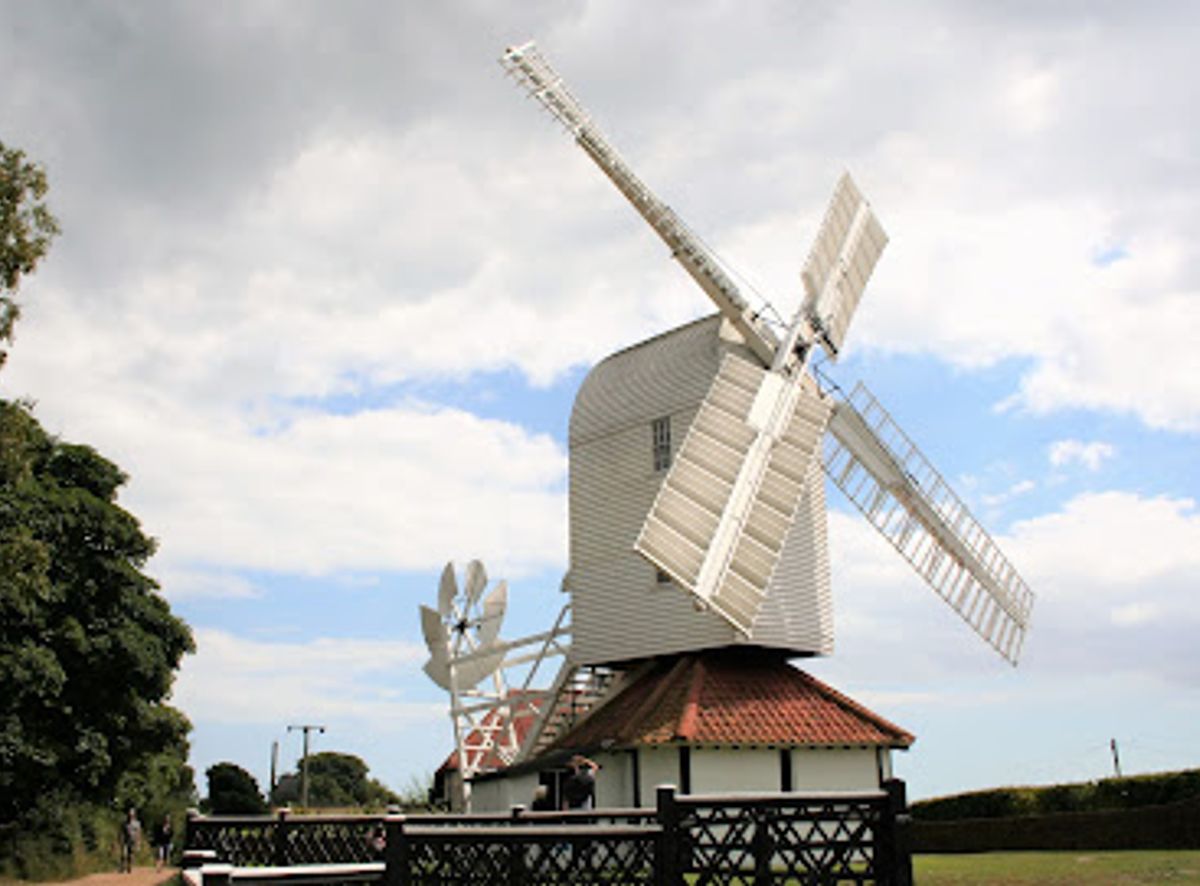
Thorpeness Windmill, a charming Grade II listed corn mill built in 1802, stands as a unique historical landmark in the quaint village of Thorpeness, Suffolk. Originally located in Aldringham, it was relocated to Thorpeness and now operates as a museum showcasing the area's rich heritage. Visitors can admire its traditional architecture and learn about the milling history that shaped the local community.

A brief summary to Thorpeness Windmill

  • 12A Uplands Rd, Leiston, Thorpeness, IP16 4NQ, GB
  • Visit website
  • Duration: 0.5 to 2 hours
  • Budget
  • Environment icon Outdoor
  • Mobile reception: 4 out of 5
  • Monday 12 am-12 am
  • Tuesday 12 am-12 am
  • Wednesday 12 am-12 am
  • Thursday 12 am-12 am
  • Friday 12 am-12 am
  • Saturday 12 am-12 am
  • Sunday 12 am-12 am

Local tips

  • Visit during daylight hours to fully appreciate the windmill’s architectural details and surrounding village scenery.
  • Combine your visit with a walk around Thorpeness village to experience its unique seaside charm and quirky landmarks.
  • Check local schedules for any special events or guided tours at the windmill to enhance your understanding of its history.
  • Bring a camera for excellent photo opportunities of the windmill against the Suffolk countryside backdrop.
widget icon

Getting There

  • Train and Bus

    Take a train to Saxmundham from London Liverpool Street or Norwich, which takes approximately 1.5 to 2 hours. From Saxmundham station, catch a local bus towards Thorpeness; the bus journey takes around 20 to 30 minutes. Bus services may be limited on weekends, so check schedules in advance. A combined train and bus ticket typically costs between £15 and £25.

  • Car

    Driving to Thorpeness Windmill from Ipswich or Norwich takes about 45 to 60 minutes via A12 and A1094 roads. Parking is available near the village center but can be limited during peak times. There is no parking directly at the windmill. Fuel costs vary but expect around £10–£15 for a round trip. The roads are suitable for all vehicles.

  • Taxi

    Taxis from Saxmundham railway station to Thorpeness take approximately 15 minutes. Fares typically range from £15 to £25 depending on time and demand. This is a convenient option if bus services are infrequent or if you prefer a direct route.

Thorpeness Windmill location weather suitability

  • Weather icon Any Weather
  • Weather icon Clear Skies
  • Weather icon Mild Temperatures
  • Weather icon Rain / Wet Weather

Unlock the Best of Thorpeness Windmill

Buy tickets

    No tickets available

Book tours with entry

    No tours available

Book tours without entry

    No tours available

Discover more about Thorpeness Windmill

Origins and Historical Significance

Thorpeness Windmill was constructed in 1802 as a corn mill, originally situated in Aldringham behind the village's well-known Smugglers' Inn, The Parrot & Punchbowl. This early 19th-century mill played a vital role in the agricultural economy of the region, grinding grain for local farmers and contributing to the rural way of life. Its enduring presence marks an important chapter in Suffolk's milling history.

Relocation and Preservation

At some point after its initial construction, the windmill was moved to the village of Thorpeness, where it has been preserved as a Grade II listed building. This designation highlights its architectural and historical importance, ensuring its protection for future generations. The windmill’s relocation reflects the community’s commitment to maintaining its cultural heritage and offers visitors a tangible connection to the past.

Architectural Features and Setting

The windmill’s traditional design features a classic timber-framed tower with sails, characteristic of early 19th-century corn mills in East Anglia. Its picturesque setting in Thorpeness, a village known for its unique character and seaside charm, enhances the visitor experience. The mill stands as an iconic visual landmark amid the village’s distinctive landscape, embodying both functional and aesthetic qualities.

Museum Experience and Educational Value

Today, Thorpeness Windmill operates as a museum, providing insights into the milling process and local history. Exhibits and displays guide visitors through the technological and social aspects of milling, enriching understanding of rural life in Suffolk. The museum atmosphere invites exploration and reflection, making it an engaging destination for history enthusiasts and families alike.

Community and Cultural Role

Beyond its historical and architectural significance, the windmill serves as a focal point for community identity in Thorpeness. It symbolizes the village’s heritage and resilience, fostering local pride. Events and educational programs often center around the windmill, reinforcing its role as a cultural hub within this distinctive coastal village.

Visitor Atmosphere and Surroundings

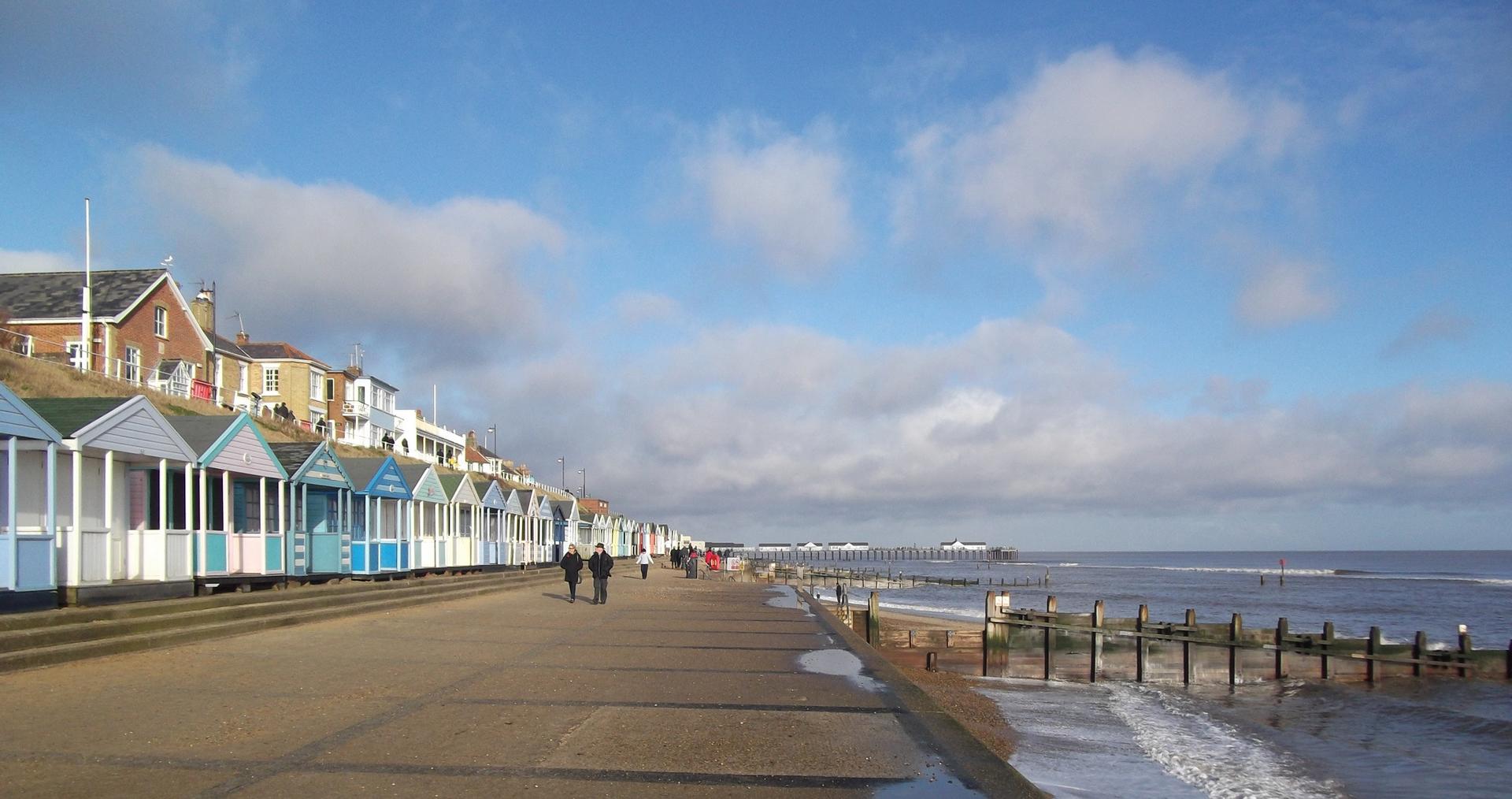
Visitors to Thorpeness Windmill can enjoy a tranquil and scenic environment, complemented by the village’s quirky and unique ambiance. The blend of historic charm and natural beauty creates a memorable setting for exploration and photography. The windmill’s presence enriches the cultural tapestry of Thorpeness, inviting visitors to immerse themselves in Suffolk’s rural heritage.

Busiest months of the year

Busiest hours of the day

Popular Experiences near Thorpeness Windmill

Popular Hotels near Thorpeness Windmill

Select Currency