
Bumble Hole Local Nature Reserve
Industrial heritage meets ecological recovery at this transformed canal-side nature reserve.
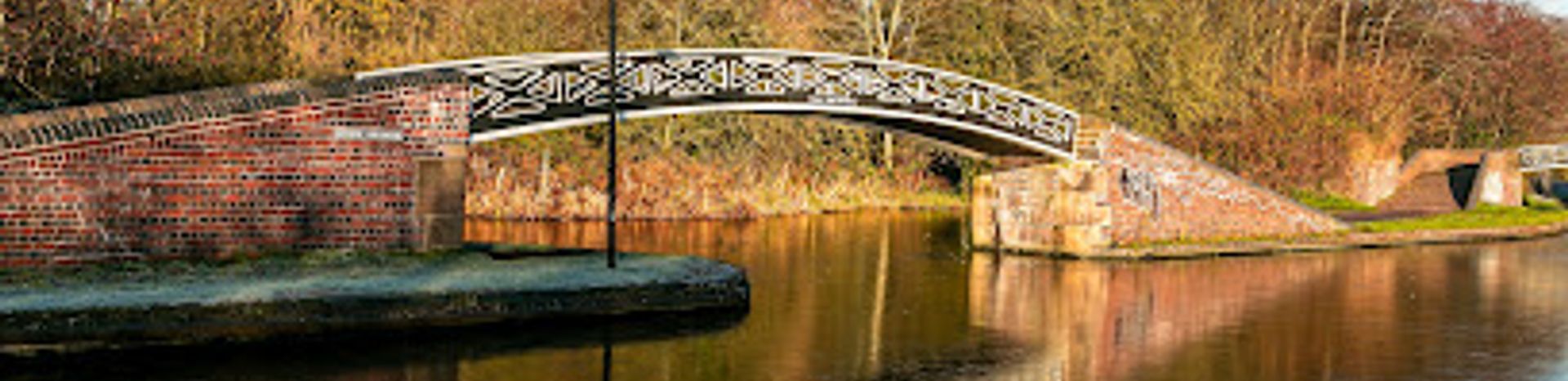
Bumble Hole Local Nature Reserve is a transformed industrial landscape in Netherton, Dudley, where historic coal and clay workings have evolved into a thriving wetland sanctuary. Spanning meadows, woodland, and ponds around the junction of the New Mainline and Dudley No 2 Canals, this 150-year-old site blends industrial heritage with contemporary wildlife conservation. Distinctive black and white footbridges frame canal views, while swans, geese, bats, and diverse bird species inhabit the reserve. The volunteer-run visitor centre provides access to this remarkable fusion of history and nature, less than 10 miles from Birmingham's centre.
A brief summary to Bumble Hole Local Nature Reserve
- St Peter's Rd, Dudley, DY2 9HB, GB
- +443005552345
- Visit website
- Duration: 1.5 to 3.5 hours
- Free
-
 Outdoor
- Mobile reception: 4 out of 5
- Monday 9 am-5 pm
- Tuesday 9 am-5 pm
- Wednesday 9 am-5 pm
- Thursday 9 am-5 pm
- Friday 9 am-5 pm
Local tips
- Visit the visitor centre first to understand the site's industrial history and current conservation efforts; volunteers can recommend the best routes and wildlife-watching spots.
- Bring binoculars for birdwatching and bat spotting at dusk; the reserve is particularly active during spring and autumn migration periods.
- The black and white footbridges at the canal junction offer excellent photography opportunities, especially in soft morning or evening light.
- Explore the towpath toward Netherton Tunnel for a longer walk and deeper sense of the canal's engineering heritage.
- Check weather conditions before visiting; the open meadows and water bodies offer little shelter, so waterproof clothing is advisable.

For the on-the-go comforts that matter to you
- Restrooms
- Drink Options
- Food Options
- Seating Areas
- Trash Bins
- Information Boards
- Visitor Center
Getting There
-
Car
From Dudley town centre, drive south on Dudley Road toward Netherton. Follow signs for St Peter's Road; the reserve's small visitor car park is located at postcode DY2 9HB. Journey time approximately 15–20 minutes depending on traffic. Parking is free but limited; arrive early on weekends.
-
Bus
Local bus services connect Dudley town centre to the Netherton area. Journey time approximately 25–35 minutes depending on the route and service frequency. Check local transport schedules for current timetables; services run throughout the week with reduced frequency on Sundays.
-
Walking from Dudley Town Centre
A scenic walk of approximately 2–2.5 hours covers the distance from Dudley town centre to Bumble Hole. The route follows canal towpaths and local streets through Netherton. The terrain is generally flat and accessible, though towpaths can be muddy after rain. This option is best suited to experienced walkers with good footwear.
-
Cycling
The canal towpath network is accessible by bicycle, offering a pleasant 30–45 minute ride from central Dudley. The route is mostly flat and follows established towpaths, though surfaces vary from tarmac to compacted earth. Cycle parking is available near the visitor centre.
Bumble Hole Local Nature Reserve location weather suitability
-
 Any Weather
-
 Clear Skies
-
 Mild Temperatures
Discover more about Bumble Hole Local Nature Reserve
From Industrial Heartland to Natural Sanctuary
Bumble Hole's transformation tells the story of industrial Britain's reinvention. Three centuries ago, this site was a clay pit serving the region's pottery and brick-making industries. By the mid-nineteenth century, the area had become a hub of intensive extraction—coal miners, clay diggers, and coke producers worked the land, while a dedicated railway line, the Bumble Hole Line, transported materials across the site. Boat building also flourished here, making it a centre of industrial innovation. The construction of the Netherton Tunnel in the mid-1800s, stretching 1.72 miles underground, relieved congestion on the older Dudley Tunnel and cemented Bumble Hole's role in the region's canal and transport networks. By the late twentieth century, the site had become a landfill, seemingly destined for permanent degradation.A Landscape Reclaimed by Nature
What makes Bumble Hole extraordinary is its ecological resurrection. The abandoned industrial workings—the voids left by coal and clay extraction—gradually filled with water, creating a complex mosaic of ponds, wetlands, and shallow lakes. Nature colonised the disturbed ground with remarkable speed. Today, meadows and woodland surround the water bodies, and the reserve has become a haven for wildlife. Swans and geese glide across the ponds, bats hunt at dusk, and the skies fill with the calls of nesting birds. The ecological richness that has emerged from industrial dereliction demonstrates nature's capacity for recovery when given space and time.Canal Heritage and Architectural Character
The New Mainline Canal and Dudley No 2 Canal converge at Windmill End within the reserve, creating a distinctive focal point. Black and white footbridges crisscross the canal junction, their contrasting colours and geometric forms offering multiple vantage points for viewing the waterways. Further along the towpath stands Cobbs Engine Bridge, a remnant of the site's industrial past. These structures, combined with the Netherton Tunnel entrance visible from the reserve, create a landscape rich in period character. The canal infrastructure, now peaceful and lined with vegetation, once thrummed with commercial traffic and industrial purpose.Visitor Experience and Community Stewardship
The reserve is managed by volunteers from the Friends of Bumble Hole & Warrens Hall Local Nature Reserve, ensuring that conservation remains rooted in local community commitment. A small visitor centre provides orientation and information, while a modest car park accommodates visitors. The towpath network allows exploration on foot, with routes ranging from short walks around the main pond to longer journeys toward the Netherton Tunnel. Despite its proximity to Birmingham—less than 10 miles from the city centre—the reserve feels remarkably rural, offering a sense of escape and immersion in nature.Seasonal Rhythms and Wildlife Watching
The reserve's character shifts with the seasons. Spring brings nesting activity and the emergence of aquatic plants; summer offers warm days for towpath walks and dragonfly watching; autumn transforms the woodland with colour and attracts migratory birds; winter reveals the bare structure of the landscape and can bring visiting waterfowl seeking refuge. Each season presents different opportunities for wildlife observation and photography, making repeat visits rewarding.Iconic landmarks you can’t miss

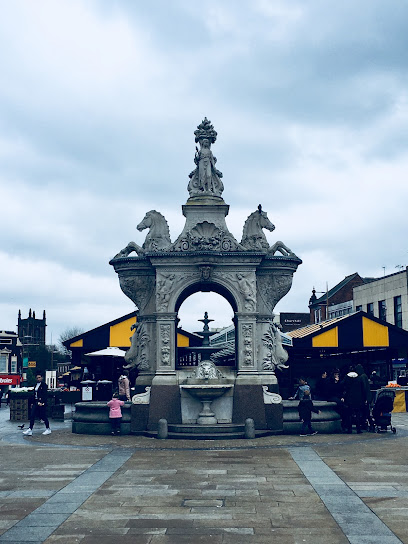
The Fountain
2.1 km
Discover The Fountain, Dudley’s iconic historical landmark nestled in the vibrant Market Place, where heritage meets lively community spirit.
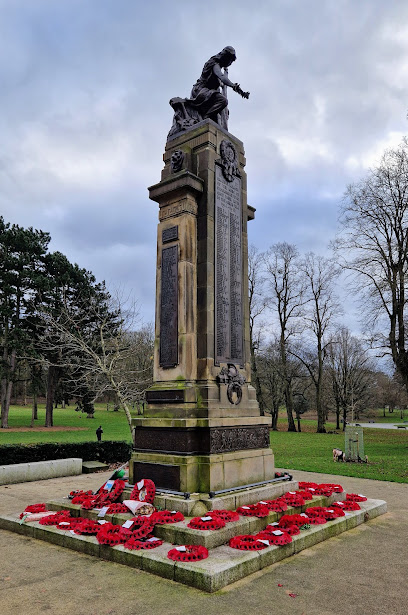
War Memorial
7.2 km
A solemn and artistically rich memorial in Mary Stevens Park honoring Stourbridge’s fallen heroes of the World Wars.
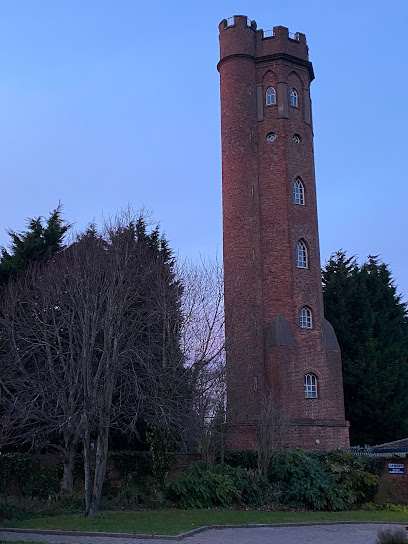
Perrott's Folly
9.8 km
An 18th-century tower in Birmingham, steeped in history and Tolkien lore, now a cultural beacon for art and community.
Gem Buildings
10.8 km
Historic Gem Buildings on Key Hill showcase Birmingham's rich jewelry industry heritage and early 20th-century industrial architecture.
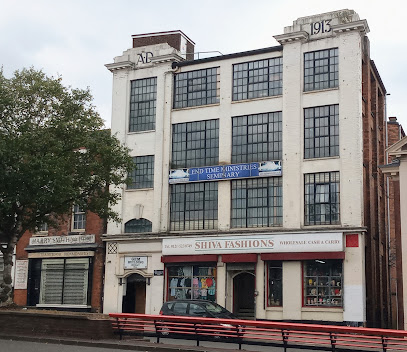
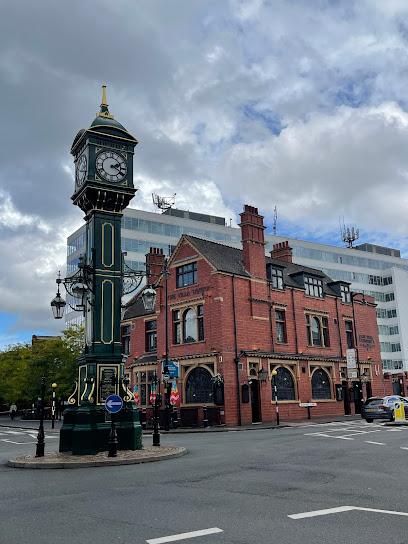
Chamberlain Clock
10.8 km
An elegant Edwardian clock tower at the heart of Birmingham’s Jewellery Quarter, built in 1903 as a memorial to Joseph Chamberlain and recently restored to its former glory.
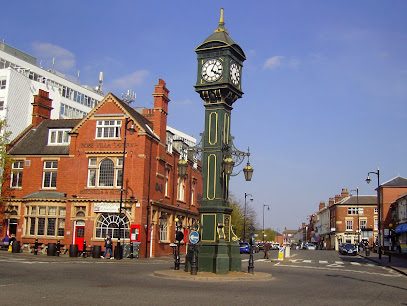
The Jewellery Quarter Birmingham
10.9 km
Birmingham's glittering historic heart where Victorian workshops craft timeless jewels amid cobblestone charm and creative revival.
Historic England
11.1 km
Uncover Birmingham's rich history and heritage at Historic England, a cornerstone of cultural preservation and education in the heart of the city.
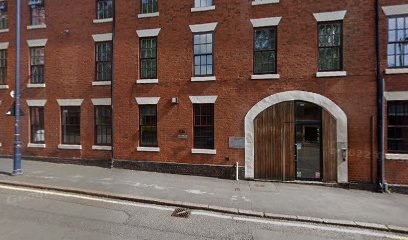
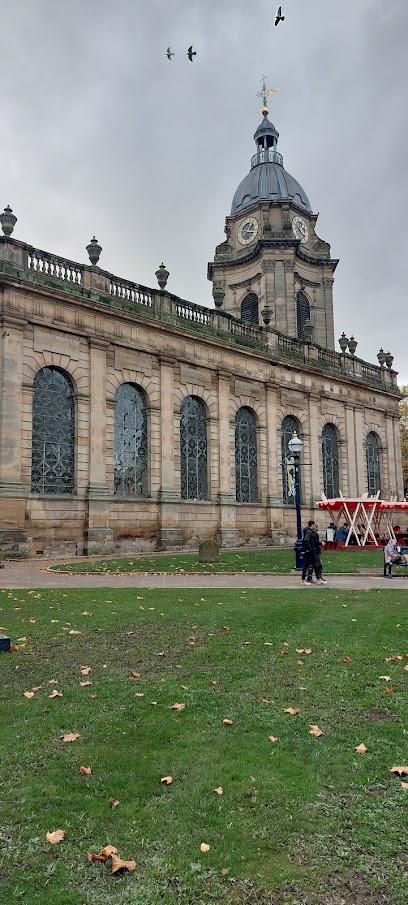
St Paul's Square
11.2 km
Discover the charm of St Paul's Square in Birmingham, where history meets modern culture in a picturesque setting.
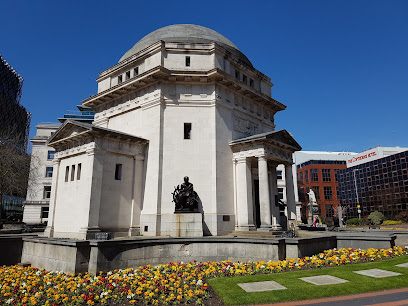
Hall of Memory
11.3 km
Explore the Hall of Memory in Birmingham, a stunning memorial celebrating the bravery of local heroes and a symbol of hope and remembrance.
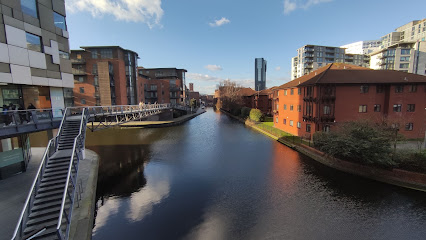
The Cube
11.4 km
Discover The Cube in Birmingham – a unique blend of leisure, dining, and entertainment that creates unforgettable experiences for every visitor.
Chamberlain Sq
11.4 km
Explore Chamberlain Square in Birmingham, a vibrant cultural hub with stunning architecture, rich history, and lively events in the city's heart.
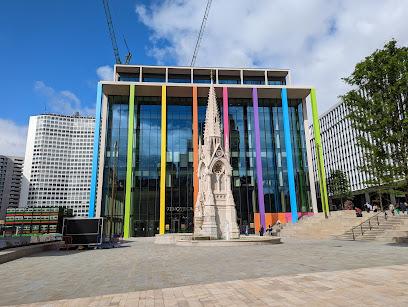
Chamberlain Square
11.4 km
Explore Chamberlain Square, a historical landmark in Birmingham with stunning architecture and vibrant cultural life in the heart of the city.
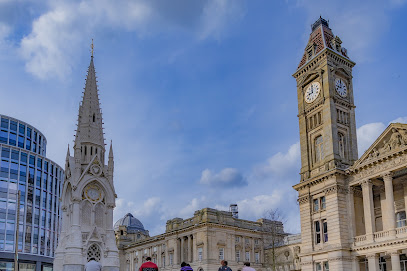
Chamberlain Memorial
11.5 km
A striking neo-Gothic monument in Birmingham’s Chamberlain Square honoring Joseph Chamberlain’s legacy of public service and city transformation.
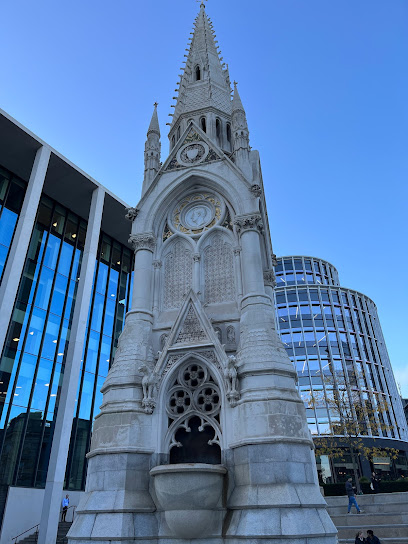
The Best of Birmingham Trail
11.5 km
Explore Birmingham’s rich heritage through 20 iconic sites on this free, immersive city centre trail blending history, art, and urban renewal.
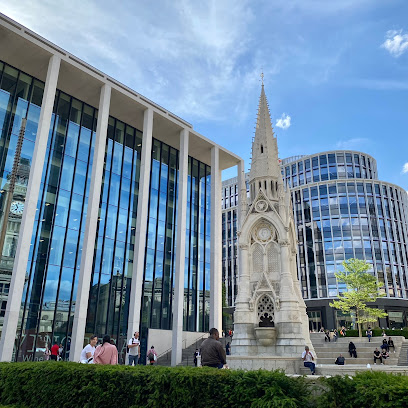
Birmingham Museum & Art Gallery
11.5 km
Explore the Birmingham Museum & Art Gallery, where art, history, and culture converge in a stunning setting that captivates visitors of all ages.
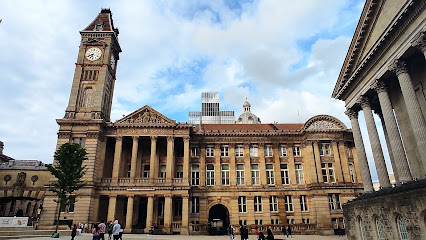
Unmissable attractions to see

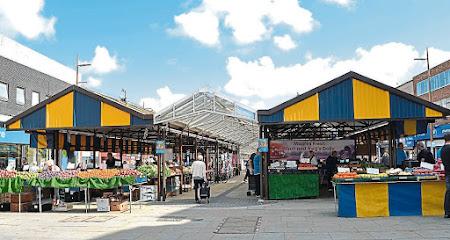
Dudley Market
2.1 km
A vibrant traditional market in the heart of Dudley offering fresh produce, local goods, and a lively community atmosphere six days a week.
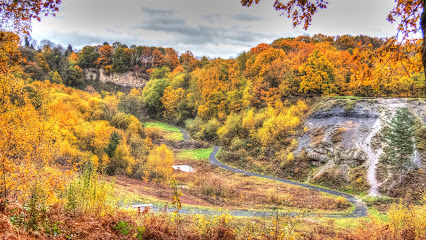
Saltwells Local Nature Reserve
2.4 km
Explore one of the UK’s largest urban nature reserves, where ancient woodlands and rich geology meet the legacy of coal mining.
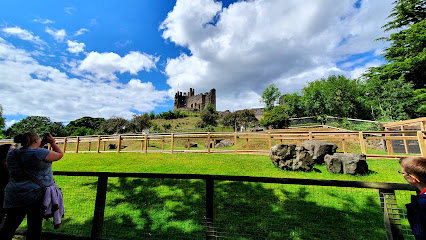
Dudley Zoo and Castle
2.4 km
Explore medieval ruins and rare wildlife at Dudley Zoo and Castle, a captivating blend of history and nature in the heart of Dudley.
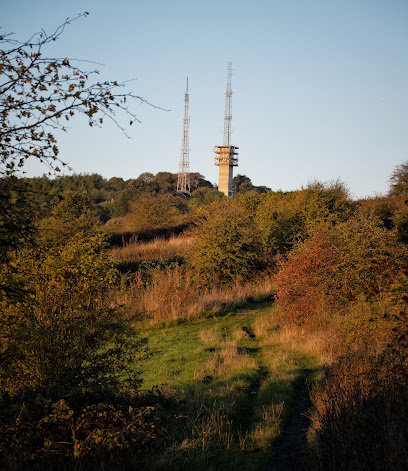
Rowley Hills
2.6 km
Explore the highest hills in West Midlands, rich in nature, history, and panoramic views in the heart of Oldbury’s green landscape.
Haden Hill House
2.9 km
A late-Victorian house museum and 17th-century hall set in 55 acres of award-winning parkland, offering history, hands-on activities and peaceful green space in the Black Country.
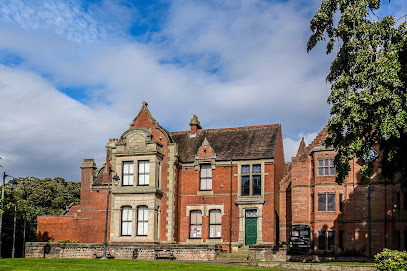
Black Country Living Museum
3.0 km
Step back in time and explore over 300 years of Black Country industrial heritage in a vibrant open-air museum with living history and authentic experiences.
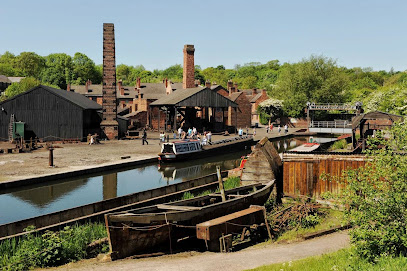
Merry Hill
3.1 km
West Midlands' premier shopping and entertainment destination with 180+ retailers, dining, and leisure.
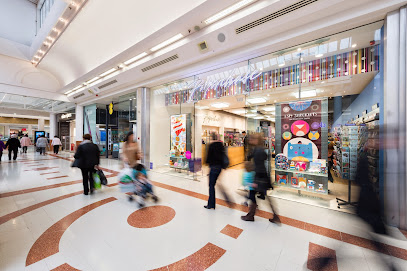
Castle Mill Basin
3.4 km
Underground limestone basin where industrial heritage meets subterranean exploration through historic canal tunnels.
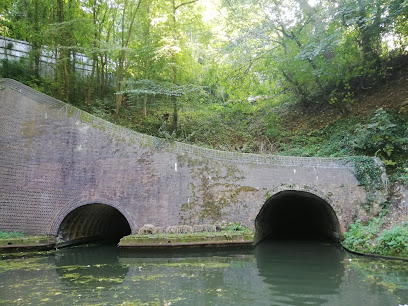
Dudley Canal and Caverns
3.5 km
Discover Dudley’s underground limestone caverns and canals on a captivating boat tour through 428 million years of history.
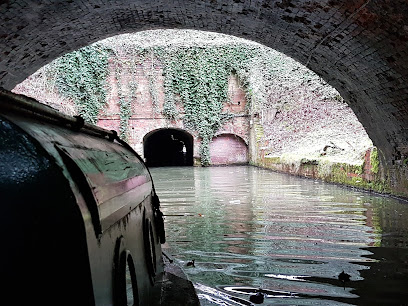
Wren's Nest
4.2 km
Explore England’s first national nature reserve, a fossil-rich Silurian limestone landscape with rich mining heritage and immersive geological trails.
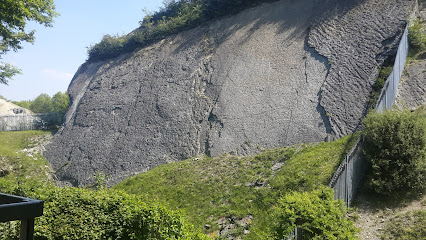
Oak House Museum
5.2 km
Step into a 17th-century yeoman’s home at this Grade I listed timber-framed gem in West Bromwich, now a museum of Stuart life and local heritage.
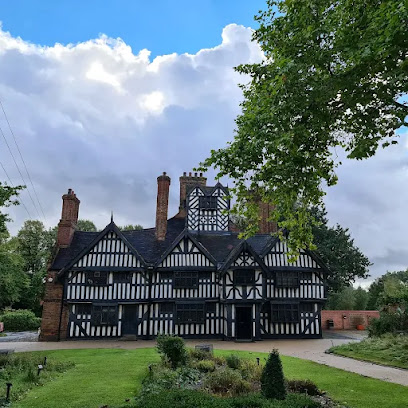
English Heritage - Halesowen Abbey
6.0 km
A quiet, evocative ruin of a 13th-century Premonstratensian abbey, visible from a footpath in the West Midlands countryside.
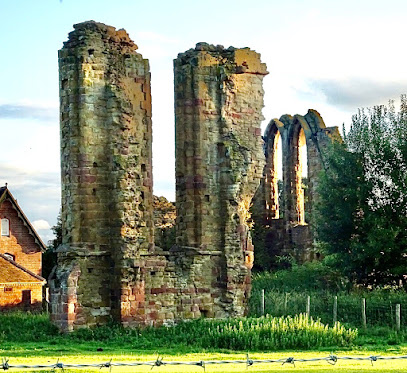
High St
6.1 km
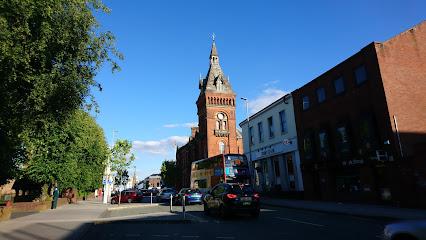
Explore West Bromwich’s High Street, a vibrant shopping mile blending local charm with diverse retail and dining options.
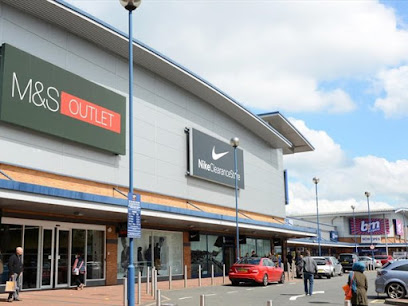
Astle Retail Park
6.1 km
West Midlands outlet shopping meets family entertainment and fitness in one modern destination.
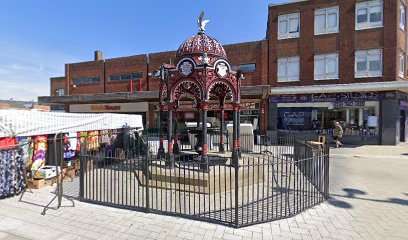
Fountain
6.1 km
Discover the historic Fountain in West Bromwich, a vibrant tourist attraction that reflects the town's rich culture and community spirit.
Essential places to dine

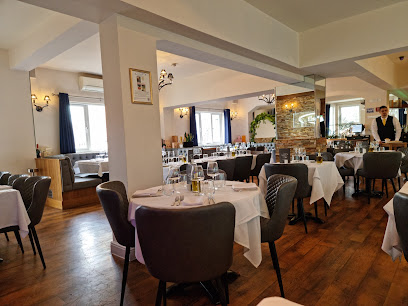
Lucarelli Restaurant
6.7 km
Experience authentic Italian flavors and warm hospitality in stylish private domes at Lucarelli Restaurant, West Bromwich’s culinary gem.
Tropea
8.6 km
Discover Tropea, a modern Italian gem in Birmingham’s Harborne, where seasonal dishes and warm hospitality create an unforgettable dining experience.
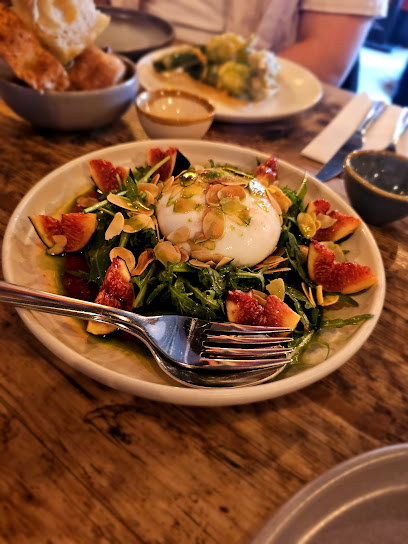
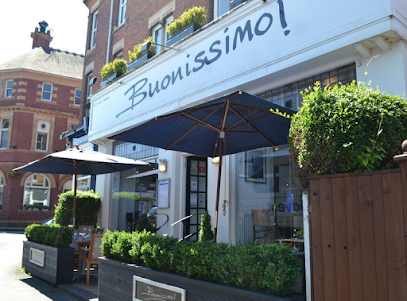
Buonissimo Restaurant Birmingham
9.1 km
Authentic Italian dining in Harborne, Birmingham, blending warm hospitality with classic flavors in a cozy setting.
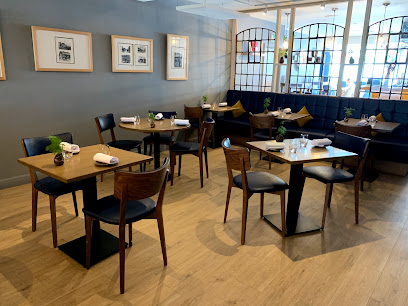
Harborne Kitchen
9.1 km
Experience innovative fine dining with seasonal tasting menus in a vibrant, relaxed setting at Harborne Kitchen, Birmingham’s culinary jewel.
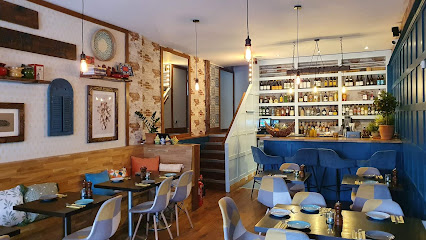
Rustic Table
9.2 km
A warm, intimate tapas gem in Harborne, serving vibrant Mediterranean small plates and creative cocktails in a relaxed, convivial setting.
Fiesta del Asado - Edgbaston
9.3 km
Experience the finest Argentinian flame-grilled steaks and vibrant Latin flavors in the heart of Birmingham’s Edgbaston district.
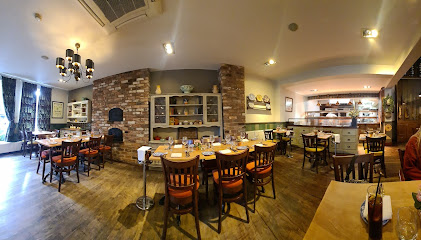
The White Swan
9.8 km
Classic British gastropub reimagined: cozy fires, gourmet comfort food, and stylish vibes in Edgbaston's heart.
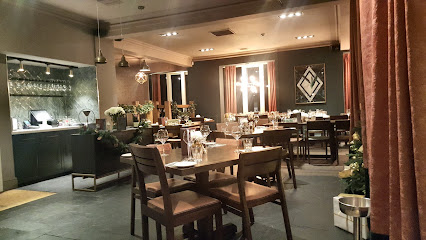
Praza Edgbaston
9.9 km
Refined Indian dining and innovative cocktails in a stylish Georgian setting in Birmingham’s elegant Edgbaston district.
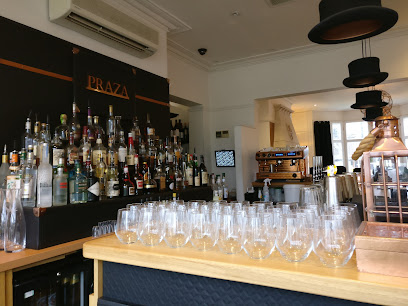
Cylla
10.4 km
Experience modern Greek cuisine with vibrant Mediterranean flavors in Birmingham’s elegant and inviting Cylla restaurant.
The Blue Piano
10.4 km
A vibrant Asian-inspired restaurant and bar in Birmingham with live music, eclectic flavors, and cozy lodging in Edgbaston.
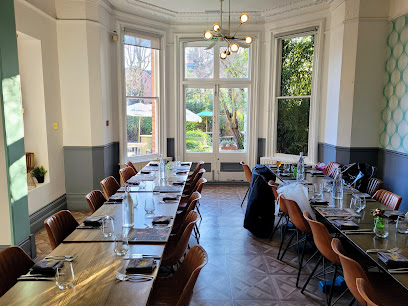
Simpsons Restaurant
10.5 km
Michelin-starred fine dining in a historic Georgian mansion, blending British tradition with modern culinary artistry in Birmingham's Edgbaston.
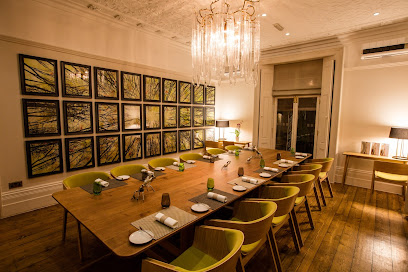
Chapter Edgbaston
10.5 km
Stylish British dining with seasonal, locally sourced dishes and a vibrant bar in the heart of Edgbaston.
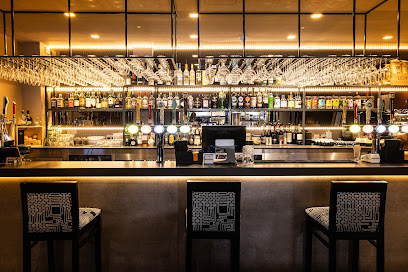
Three Church Road Restaurant
10.6 km
Elegant Georgian dining in Edgbaston offering seasonal British cuisine in an intimate, historic setting with attentive service.
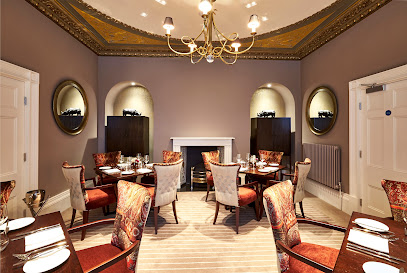
1900 Restaurant and Bar
10.7 km
Refined British dining and elegant drinks in a tranquil Edgbaston hotel setting near Birmingham’s University campus.
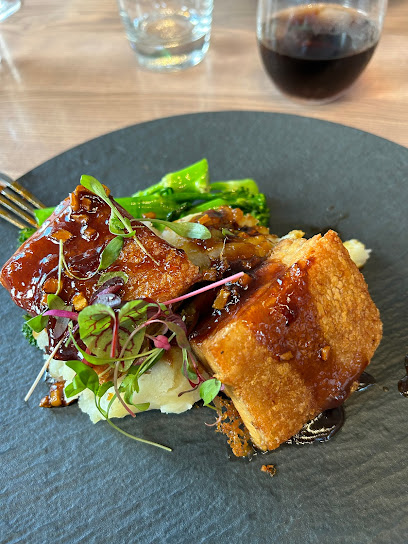
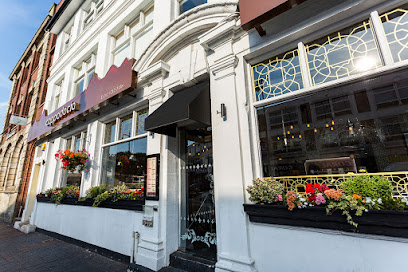
Cappadocia Restaurant
10.8 km
Authentic Turkish flavors and warm hospitality await you in Birmingham’s Cappadocia Restaurant on Frederick Street.
Markets, malls and hidden boutiques

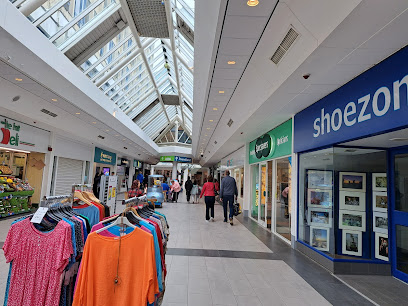
Cornbow Shopping Centre
5.1 km
A modernized shopping hub in Halesowen blending major retailers, independent shops, and community amenities for a vibrant retail experience.
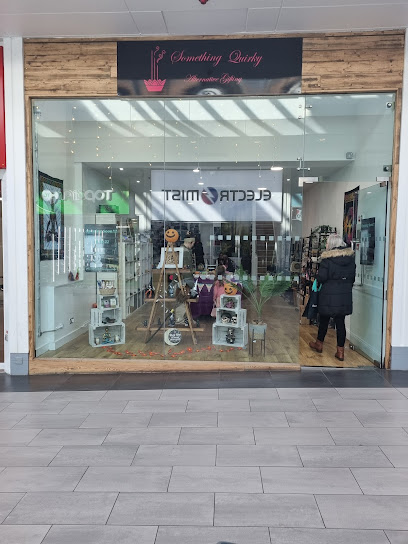
Something Quirky
5.1 km
Eclectic gift shop brimming with unique treasures and one-of-a-kind finds in Halesowen.
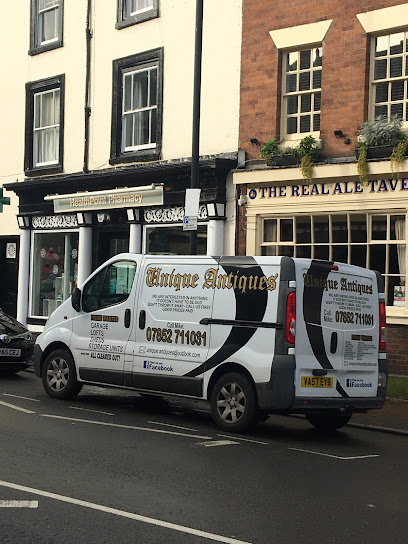
UNIQUE ANTIQUES
7.1 km
Curated vintage treasures and authentic antiques in the heart of Stourbridge
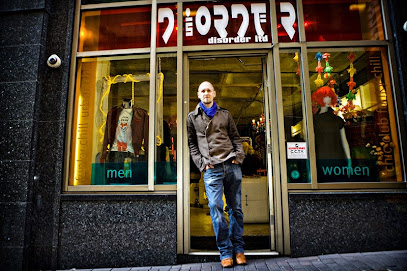
Disorder Boutique
8.8 km
Discover Birmingham’s exclusive sustainable fashion boutique, where bespoke craftsmanship meets bold, original British designs.
Unique
10.6 km
Campus cornerstone for gifts, gear, and errands: Unique blends Birmingham uni pride with postal, cleaning, and courier ease in the lively University Centre.

Sheanies
10.8 km
Discover authentic vintage streetwear and timeless American workwear in Birmingham’s vibrant Sheanies boutique.

Gingermegs Vintage
10.8 km
Discover timeless style and impeccable vintage finds at Gingermegs Vintage, Birmingham’s boutique for authentic retro fashion and antiques.
Design Centre
10.8 km
Family-crafted diamonds and luxury watches in Birmingham's historic Jewellery Quarter since 1977—timeless elegance for life's milestones.
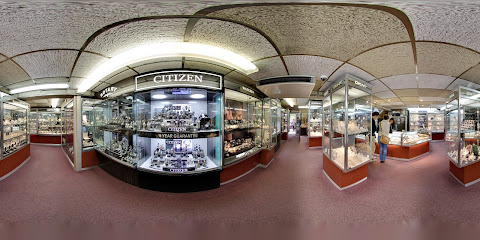
Top Jewellery UK
10.9 km
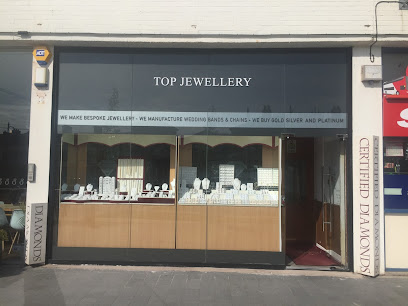
Discover bespoke brilliance in Birmingham's Jewellery Quarter at Top Jewellery, where family expertise crafts diamonds, gold, and silver into timeless treasures.
Arnett Creations - Unique Quality Jewellery
10.9 km
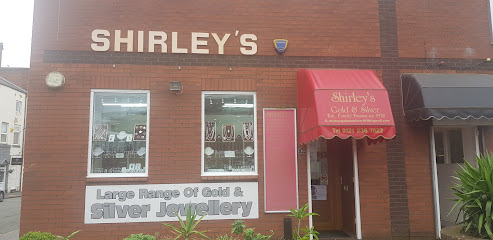
Discover bespoke Sterling Silver and hallmarked gold jewellery in Birmingham's Jewellery Quarter, where expert craftsmanship meets personalized service at Arnett Creations.
A&N Jewellery
10.9 km
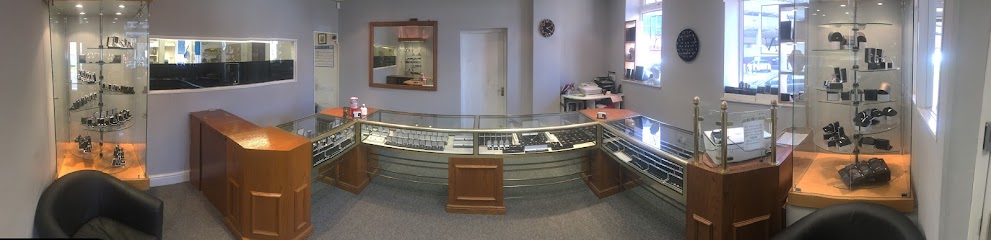
Discover family-crafted silver treasures and bespoke brilliance in Birmingham's legendary Jewellery Quarter, where 50 years of expertise meets timeless elegance.
Fine Jewellery Collections & Bespoke Design Service
10.9 km
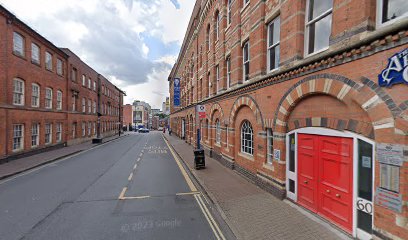
Discover bespoke brilliance in Birmingham's Jewellery Quarter, where custom gems and fine collections craft heirlooms with personal stories etched in gold.
SACET
10.9 km
Ethical elegance awaits at SACET, Birmingham's sustainable jewellery gem in the heart of the Jewellery Quarter—where timeless craft meets modern conscience.
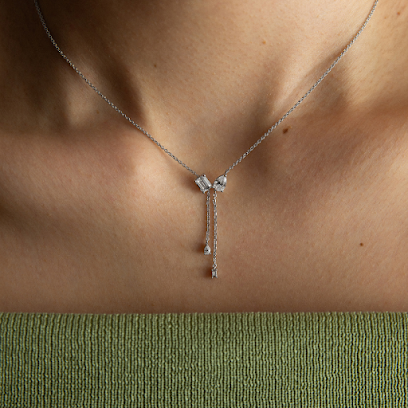
Quarter Jewellery
10.9 km
Independent jeweller on Warstone Lane offering commissions, valuations and attentive, workshop‑minded service in the heart of Birmingham’s Jewellery Quarter.
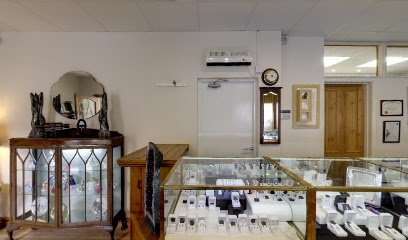
Adamas Antique Jewellery
10.9 km
A boutique Jewellery Quarter shop offering curated antique and estate jewels with specialist appraisal and bespoke care.
Essential bars & hidden hideouts

Garden House
9.4 km
Cozy Edgbaston pub with roaring fires, hearty British grub, and a sunny beer garden—perfect for roasts, pints, and gatherings any day of the week.
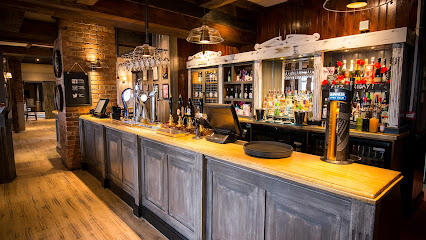
The Physician
10.3 km
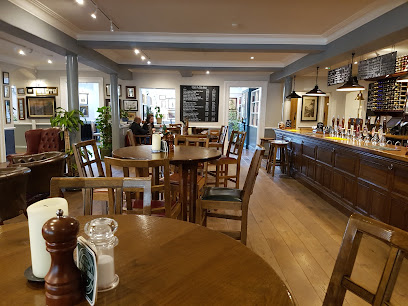
Gracious Harborne Road pub with polished wood interiors, a lengthy bar and several cosy dining rooms serving classic British fare in a convivial setting.
Loki Wine Bar & Shop Edgbaston
10.4 km
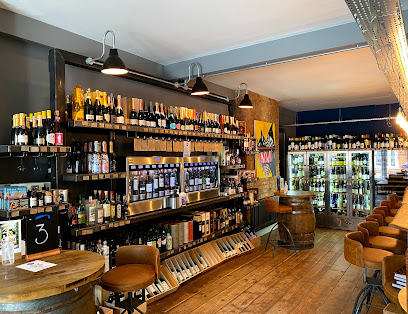
Self-service wine wonderland in Edgbaston: Taste 32 global vintages, sip craft beers, savor charcuterie amid bottle-lined walls—a Birmingham gem for oenophiles.
Duck and Scholar
10.5 km
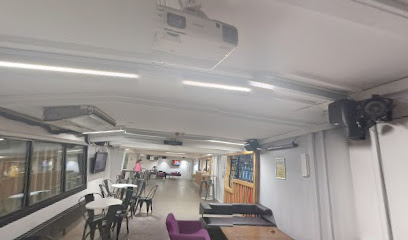
Lively student bar in Birmingham's Vale Village: cheap drinks, evening vibes, and endless campus camaraderie from 6pm—your go-to for pints and post-lecture laughs.
The Distillery
10.6 km
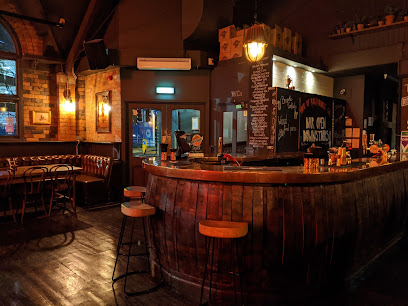
Birmingham's canal-side gin distillery pub: rotisserie feasts, wood-fired pizzas, house gins, and terrace vibes from brunch to late-night drinks.
The Red Lion
10.6 km
Traditional Hockley pub fusing heritage, modern art, and hearty British fare in Birmingham's Jewellery Quarter gem on lively Warstone Lane.
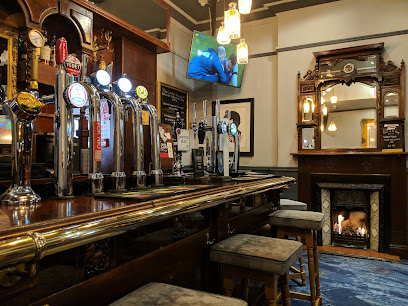
The Pig & Tail
10.7 km
Victorian charm with a punchy, colourful gastropub vibe — British small plates, rotating craft beer and lively evenings in the Jewellery Quarter.
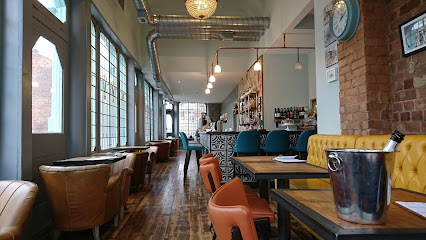
Boom Battle Bar Birmingham Broad Street
10.8 km
A lively Broad Street bar mixing axe throwing, karaoke, and games with cocktails for unforgettable nights out in Birmingham.
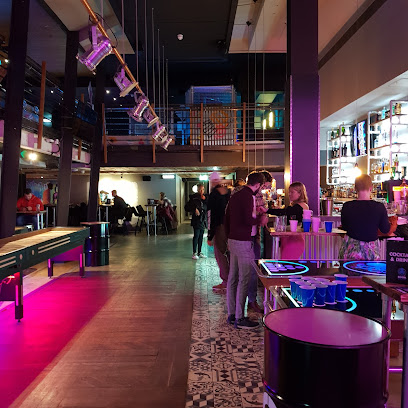
The Rose Villa Tavern
10.8 km
Classic British pub in Birmingham's Jewellery Quarter, serving hearty meals, diverse drinks, and warm hospitality amid historic streets.
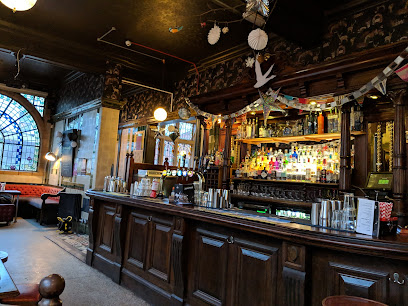
Malt House
10.8 km
A vibrant British pub in Birmingham city centre offering classic dishes, lively atmosphere, and a great spot for social gatherings near the arena.
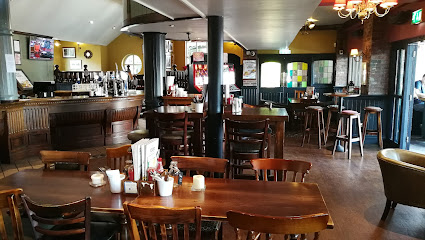
Lucky7
10.9 km
Precision mixology meets playful vibes in Birmingham's Jewellery Quarter—a relaxed haven for cocktail lovers seeking crafted perfection.
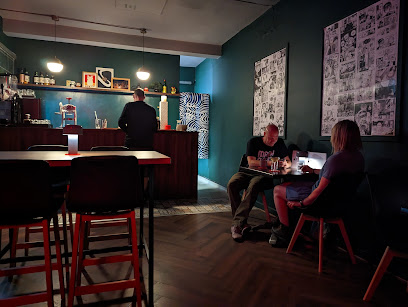
The Jewellers Arms
10.9 km
Traditional Birmingham boozer in the Jewellery Quarter: exceptional real ales, hearty pies, and cosy fireside chats since the 1830s.
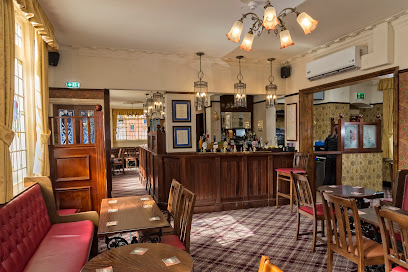
1000 Trades
10.9 km
A vibrant neighbourhood bar celebrating Birmingham’s industrial heritage with craft beers, local food, and a quirky artistic vibe.
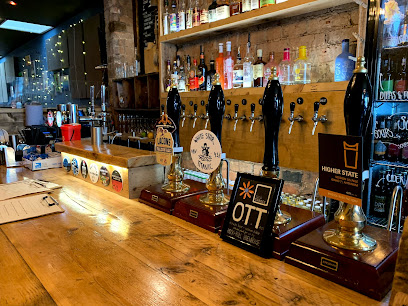
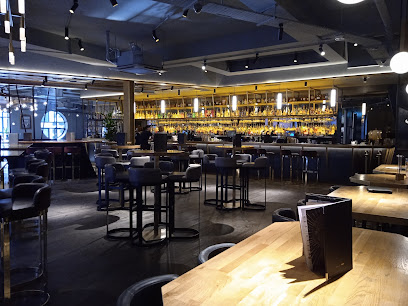
The Alchemist Brindleyplace
10.9 km
Experience Birmingham’s theatrical cocktail bar and restaurant at Brindleyplace, where molecular mixology meets creative cuisine above the canal.
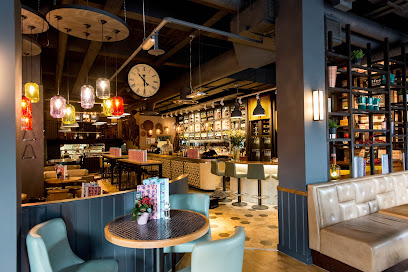
All Bar One Brindleyplace
10.9 km
Stylish canal-side wine bar and cocktail lounge in Birmingham’s vibrant Westside, perfect for bottomless brunches and lively evenings.
Nightclubs & after hour spots

Snobs
10.9 km
Birmingham's 40-year indie-retro nightclub legend: cheap drinks, themed dance floors, and non-stop beats on Broad Street.
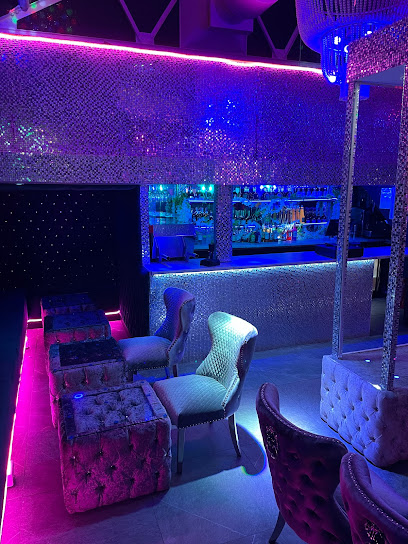
PAVO Birmingham
10.9 km
Vibrant African fusion lounge and nightclub in Birmingham's Jewellery Quarter, where bold flavors meet electrifying beats until 4am on weekends.
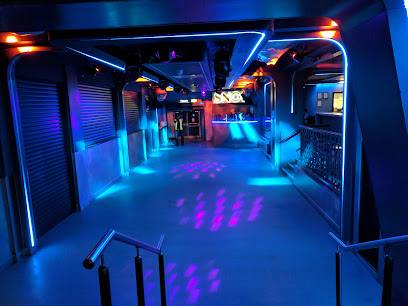
Popworld - Birmingham
11.0 km
Broad Street's ultimate pop party hub: 90s-00s hits, neon dance floors, cocktails, and celebration packages until 3am.

Rosies - Birmingham
11.0 km
Birmingham's ultimate super club: five themed rooms, killer cocktails, and non-stop beats on Broad Street for epic nights out.
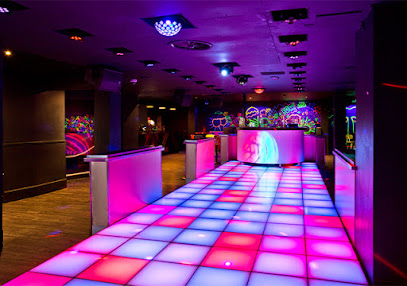
Reflex - Birmingham
11.1 km
Spin into 80s-00s nostalgia at Reflex Birmingham: revolving dance floor, karaoke booths, neon vibes, and epic sing-alongs on Broad Street's party strip.
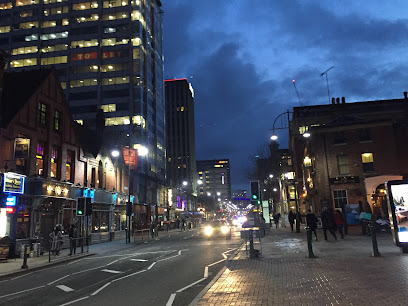
Dreams Night club and Shisha
11.2 km
Birmingham's Jewellery Quarter gem fusing aromatic shisha clouds with thumping club beats until 5am—pure late-night energy on Barr Street.
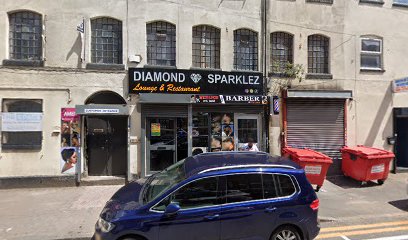
DIAMOND SPARKLEZ
11.2 km
Ignite your night in Birmingham's diamond district at this glittering nightclub, where top DJs, stunning lights, and electric crowds create pure nightlife magic.
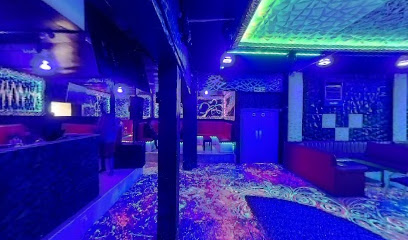
Tunnel Club Birmingham
11.5 km
Dive under Birmingham's arches into Tunnel Club's seven-room warehouse wonderland, where house, techno, and hip-hop fuel all-night dances amid pounding bass and vivid lights.
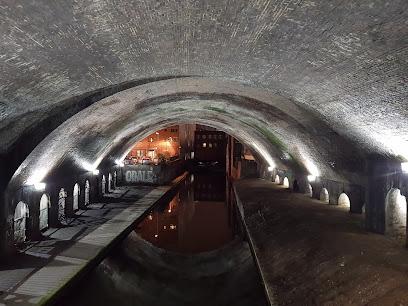
What do you mean
11.7 km
Dive into Birmingham’s vibrant nightlife at What Do You Mean, a premier nightclub known for electrifying music, creative cocktails, and an unforgettable party vibe.
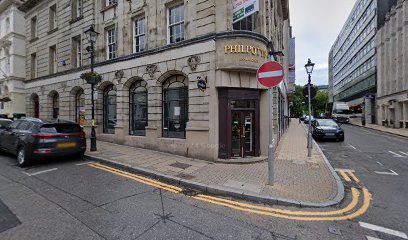
King of clubs
11.7 km
Compact late‑night Birmingham club for high‑energy R&B, hip‑hop and DJ nights, pulsing into the small hours with neon, bass and bar-driven parties.

Mango Night Club
11.9 km
A high‑energy Bristol Street nightclub serving Afrobeats, hip‑hop and R&B for late‑night dancers and party crowds in central Birmingham.
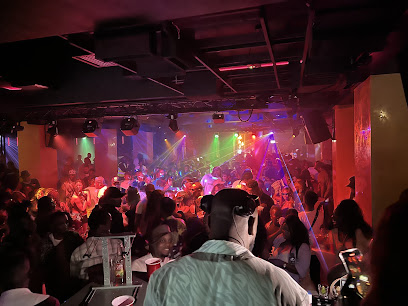
101 Night Club
12.0 km
Unleash your nightlife spirit at 101 Night Club, Birmingham's vibrant center for music, dancing, and unforgettable experiences.

Bambu Nightclub
12.0 km
Experience Birmingham’s chic nightlife hotspot with stylish vibes, eclectic music, and late-night dancing at Bambu Nightclub.
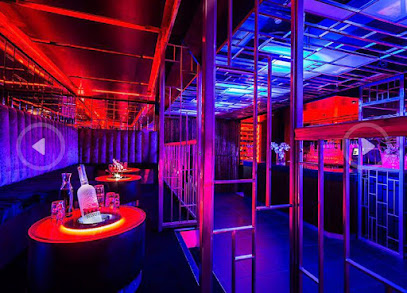
Sobar
12.1 km
Dive into Birmingham's electric nightlife at Sobar, where R&B beats, masterful cocktails, and inclusive vibes fuel unforgettable weekend revelry in the heart of the Arcadian.
Nightingale Club
12.1 km
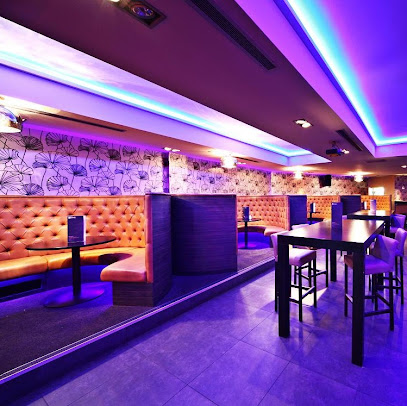
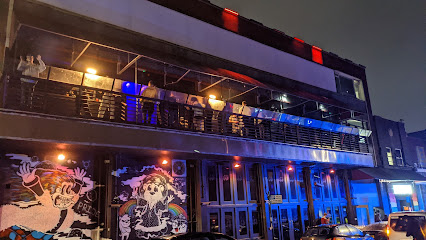
Birmingham's legendary LGBTQIA+ superclub: three floors of pulsating beats, go-go glamour, and five decades of unapologetic queer joy in the Gay Village.
For the vibe & atmosphere seeker
- Scenic
- Tranquil
- Unique
- Nature Escape
For the design and aesthetic lover
- Industrial Designs
- Rustic Designs
For the architecture buff
- Historic
- Industrial
- Parks & Gardens
For the view chaser and sunset hunter
- Iconic Views
- Panoramas
- Waterfront
For the social media creator & influencer
- Photo Spots
- Architectural Shots
For the eco-conscious traveler
- Eco-Friendly
- Low Impact
- Protected Area
- Nature Reserve
- Locally Managed
- Wildlife Habitat
For the kind of experience you’re after
- Cultural Heritage
- Photowalk
- Nature Escape
- Day Trip
For how adventurous you want the journey to be
- Easy Access
Location Audience
- Family Friendly
- Senior Friendly
- Child Friendly
- Wheelchair Access
- Pet Friendly
- Solo Friendly
- Couple Friendly


