Tissington Hall: A Jacobean Legacy in Derbyshire
Discover Tissington Hall, a stunning Jacobean mansion and enduring family home nestled in Derbyshire’s scenic Peak District.
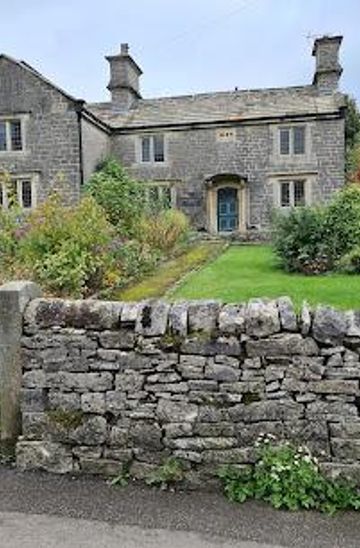
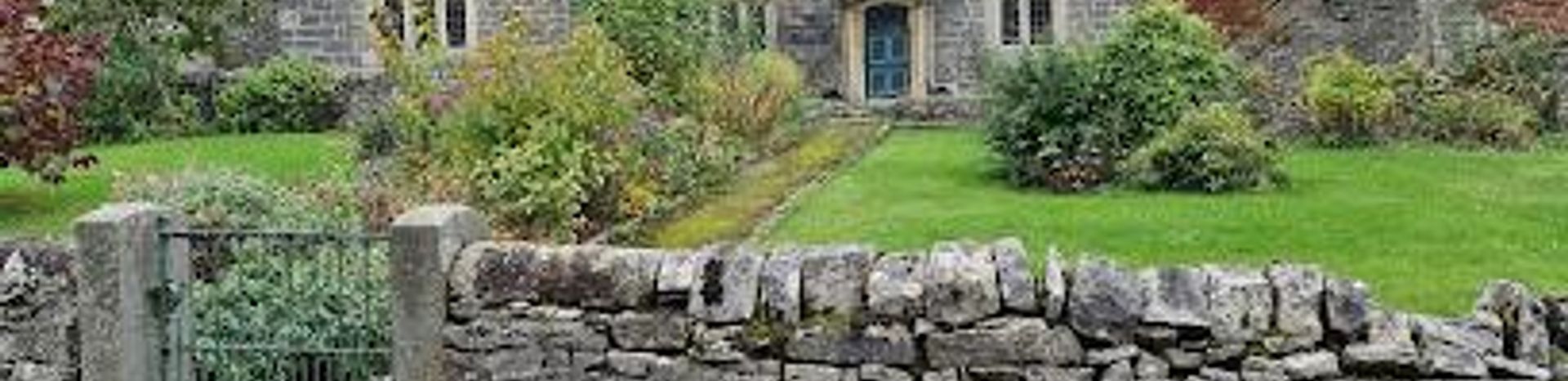
Tissington Hall, a Grade II* listed Jacobean mansion built in 1609, stands in the picturesque village of Tissington near Ashbourne, Derbyshire. Home to the FitzHerbert family for over 400 years, this historic estate features a unique through-hall design, fine period interiors, extensive gardens, and a remarkable library. Visitors can explore the rich heritage of the hall, its architectural evolution, and the enduring legacy of one of England’s oldest family homes.
A brief summary to Tissington
- Ashbourne, Tissington, GB
- Duration: 1.5 to 3 hours
- Mid ranged
-
 Outdoor
- Mobile reception: 4 out of 5

Know before you go
Hi, I'm Eve. Here are a few practical things to know before exploring Tissington.
- Book guided tours in advance as they are led personally by the current baronet and can fill quickly.
- Visit during spring or summer to fully enjoy the ten-acre gardens and arboretum.
- Wear comfortable shoes for walking around the estate grounds and gardens.
- Check accessibility options ahead if mobility is a concern; the upper floors have limited wheelchair access.
Do you manage this location?
Take control to get all the benefits, like improved information, better appearance, and stronger visibility across AI-powered discovery. Learn more
Activate your presence
Getting There
-
Bus
Take the 442 bus service from Ashbourne to Buxton, which stops near Tissington village. The journey lasts approximately 20 to 30 minutes. Bus frequency is moderate, so check the timetable in advance. Tickets cost around £3 to £5.
-
Car
Driving from Ashbourne to Tissington Hall takes about 15 minutes via the A515. Limited parking is available on-site. Note that rural roads may be narrow and winding. There is no charge for parking.
-
Walking
For walkers, the route from Ashbourne to Tissington Hall is approximately 8 km and takes around 2 hours on well-maintained country paths. Terrain is mostly gentle but includes some uneven surfaces. Suitable for experienced walkers.
For the on-the-go comforts that matter to you
-
 Restrooms
-
 Drink Options
-
 Food Options
-
 Seating Areas
-
 Information Boards
Discover more about Tissington
Architectural Heritage and Design
Tissington Hall was constructed in 1609 by Francis FitzHerbert, replacing a former moated manor that guarded the Norman Church of St Mary’s. The hall exemplifies Jacobean architecture, notable for its compact yet progressive design featuring a central hall that runs through the building from front to back—a rarity among Derbyshire gentry houses. The layout includes parlours, a stairhall, kitchen, buttery, and corner towers linked by an upper gallery, reflecting both functional and aesthetic considerations of the early 17th century. Subsequent additions in the late 18th and early 20th centuries by architects Joseph Pickford and Arnold Mitchell introduced Georgian and Arts and Crafts elements, including a distinguished library and billiard room.The FitzHerbert Family Legacy
The FitzHerberts, descended from the Norman family of Norbury Hall, acquired Tissington in 1465 through marriage. The family has maintained continuous residence at the hall for over four centuries, a distinction shared by only a few English homes. The current occupant, Sir Richard FitzHerbert, 9th Baronet, inherited the estate in 1989 and continues to steward the property alongside his family. The FitzHerberts have historically held prominent local roles, including High Sheriff of Derbyshire, and have contributed to the region’s cultural and political life. Their stewardship has preserved the estate’s integrity despite modern challenges such as inheritance taxes.Interior Highlights and Collections
Inside Tissington Hall, visitors encounter richly paneled rooms, period furnishings, and a remarkable collection of art and artifacts. The main hall, dining room, and state drawing rooms display fine craftsmanship and historical ambiance. The library, housing over 3,000 volumes amassed by generations of FitzHerberts, offers a glimpse into the intellectual pursuits of the family, though it has been described as more scholarly than entertaining. The hall also contains rare Whitehurst clocks and sundials, linking the estate to notable Derbyshire artisanship.Gardens and Surrounding Estate
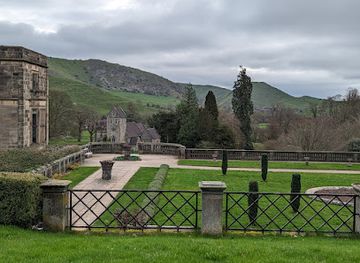
The hall presides over a ten-acre garden and arboretum, featuring terraces, walls, and historic outbuildings that are themselves listed structures. The gardens provide tranquil and scenic settings that complement the architectural grandeur of the hall. The estate encompasses approximately 2,000 acres, including 50 properties, reflecting the FitzHerberts’ long-term land management and conservation efforts within the Peak District’s southern edge.Visiting Experience and Community Role
Tissington Hall opens to the public at specified times, offering guided tours led by Sir Richard FitzHerbert himself. These tours provide insights into the hall’s history, architecture, and family stories, enriched by the personal touch of the current baronet. The estate also hosts special events, weddings, and seasonal celebrations, integrating the hall into the local community and tourism landscape. Accessibility provisions include wheelchair ramps and parking, though the upper floors have limited access.Continuity and Future Prospects
The FitzHerbert family remains committed to preserving Tissington Hall as both a family home and a heritage site. The current generation balances private residence with public engagement, managing the estate’s operational challenges while fostering its cultural significance. Plans for succession ensure that the hall’s legacy will continue, maintaining its place as a living monument to English country house history and family continuity.Explore the best of what Tissington has to offer















More about Derbyshire
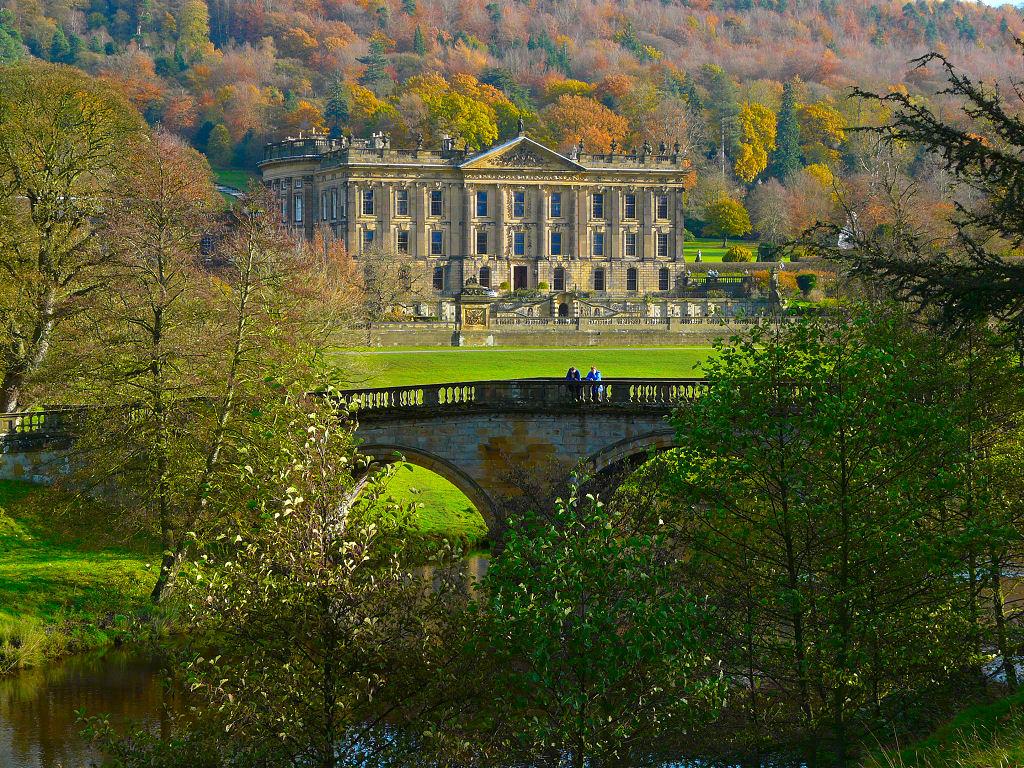
Explore Derbyshire: Discover the breathtaking landscapes of the Peak District, historic estates, and charming market towns in England's picturesque heartland.
Tell me more about Derbyshire
Discover the tranquil beauty and rich industrial heritage of Lumsdale Waterfall nestled in Derbyshire’s historic wooded valley.
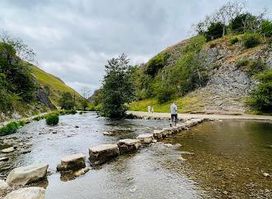
Iconic limestone stepping stones crossing the River Dove in a stunning Peak District valley, blending natural beauty with rich history and adventure.