

Beheading Stone of Stirling
A haunting medieval execution site atop Stirling’s Mote Hill, bearing witness to Scotland’s turbulent past and royal justice.
Perched atop Mote Hill in Stirling, Scotland, the Beheading Stone is a historic execution block dating back to the 15th century. This weathered stone, now protected by an iron cage, bears axe marks from medieval beheadings, including that of Murdoch, Duke of Albany. Overlooking the River Forth and iconic landmarks like the Wallace Monument, the site offers a haunting glimpse into Scotland’s turbulent past and justice system.
A brief summary to Beheading Stone.
- Stirling, Stirling, GB
- Duration: 0.5 to 1.5 hours
- Free
-
 Outdoor
- Mobile reception: 4 out of 5
- Monday 12 am-12 am
- Tuesday 12 am-12 am
- Wednesday 12 am-12 am
- Thursday 12 am-12 am
- Friday 12 am-12 am
- Saturday 12 am-12 am
- Sunday 12 am-12 am
Local tips
- Visit during daylight and good weather for safe access and best views.
- Combine your visit with a walk from Stirling Castle via the scenic Back Walk.
- Respect the solemn nature of the site; it is a protected historic landmark.
- Wear sturdy footwear due to uneven and steep terrain around Mote Hill.

For the on-the-go comforts that matter to you
- Information Boards
- Seating Areas
Getting There
-
Bus
Take local bus services from Stirling city center to the vicinity of Stirling Castle; from there, it is a 15-20 minute walk along the Back Walk footpath to Mote Hill and the Beheading Stone. Bus fares typically range from £1.50 to £3.00, with frequent service during the day.
-
Walking
A scenic 15-20 minute walk from Stirling Castle via the Back Walk footpath leads to the Beheading Stone. The path includes some steep and uneven sections, so sturdy footwear and moderate fitness are recommended.
-
Taxi
Taxis from Stirling city center to Mote Hill take approximately 5-10 minutes depending on traffic. Taxi fares generally range from £5 to £10. Note that drop-off points may require a short walk to the exact site.
Beheading Stone. location weather suitability
-
 Any Weather
-
 Clear Skies
-
 Rain / Wet Weather
Discover more about Beheading Stone.
Historic Significance of the Beheading Stone
The Beheading Stone, located on Mote Hill (also known as Heading Hill or Heiding Hill) in Stirling, is a grim relic of Scotland’s medieval justice system. This stone served as the execution block where beheadings were carried out, particularly during the 15th century. Most notably, it was the site of the execution of Murdoch Stewart, Duke of Albany, in 1425, along with his sons and the Earl of Lennox, as King James I sought to restore order after a period of lawlessness. The stone’s surface still shows axe marks, evidence of its dark past. It was traditionally used for those convicted of treason, underscoring its role in enforcing royal authority.Location and Surroundings
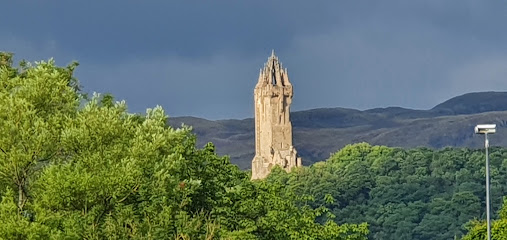
Mote Hill itself is a historically rich site, once home to a vitrified Pictish fort destroyed by fire in the early first millennium AD. The hill offers sweeping views over the River Forth, Stirling Castle, and the National Wallace Monument, making it a vantage point of both historical and scenic importance. The Beheading Stone rests on a concrete plinth beneath a protective iron cage, with a metal plaque commemorating its preservation by the Stirling National History & Archaeological Society in 1887. Nearby, remnants such as cannons and information boards provide context for visitors.Legends and Cultural Context
Local legend holds that the stone was used for executions during the reign of James I, who returned from captivity in England determined to impose justice. The site was known as the place where justice was meted out with solemnity and severity. The hill was also a place of royal amusement, with historical accounts suggesting that James V once enjoyed a traditional Scottish game called "Hurly-Haaky" here, sliding down the slopes on a sled. These contrasting uses highlight the hill’s layered history, blending grim justice with moments of levity.Visitor Experience and Atmosphere
Today, the Beheading Stone is a poignant historical landmark accessible via a scenic 15 to 20-minute walk from Stirling Castle, often along the Back Walk footpath. The site is open year-round but is best visited in daylight and fair weather due to the steep and potentially hazardous terrain. Visitors can reflect on the stark realities of medieval justice while enjoying panoramic views of Stirling’s historic landscape. The atmosphere is tranquil yet charged with the weight of history, offering a unique and contemplative experience.Preservation and Interpretation
The stone was rediscovered at the base of the hill and relocated to its current prominent position in 1887 to ensure its protection. It is now encased in a circular iron frame atop a concrete pedestal, with a wooden block historically placed on top to steady the condemned. Interpretive signage nearby helps visitors understand the stone’s function and the historical context of the executions. The site’s preservation reflects local commitment to remembering Stirling’s complex past, balancing respect for its somber history with educational value.Connection to Stirling's Broader Heritage
The Beheading Stone is part of a wider historical tapestry in Stirling, a city known for its strategic military importance and royal connections. Close to Stirling Castle, the National Wallace Monument, and the Church of the Holy Rude, the stone complements the city’s rich narrative of power, conflict, and cultural identity. Exploring the Beheading Stone offers insight into the harsh realities of medieval governance and justice, enriching any visit to Stirling’s historic core.Iconic landmarks you can’t miss

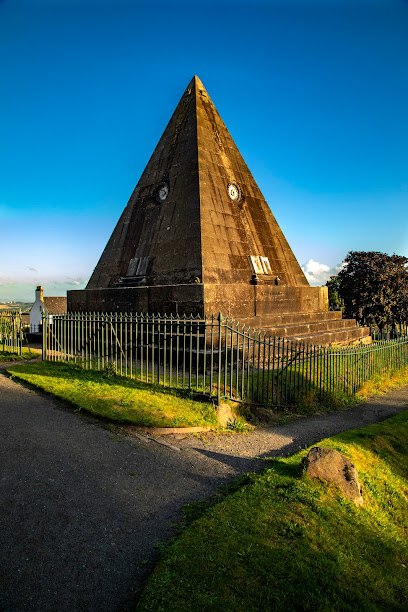
The Star Pyramid
0.6 km
A striking Victorian pyramid honouring Scottish Presbyterian heritage within an ornamental 19th-century cemetery.
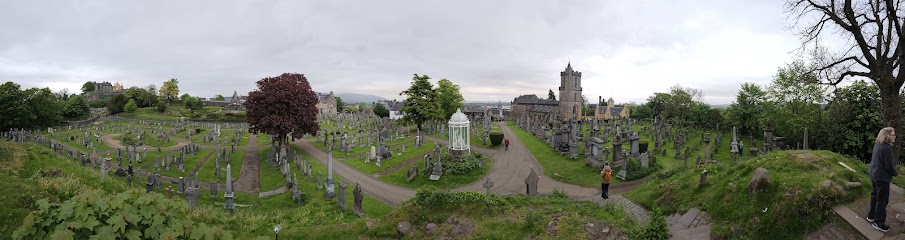
The Statues
0.7 km
Historic statues in Stirling celebrating Scotland’s heroes and cultural legends, set amidst a rich urban heritage landscape.
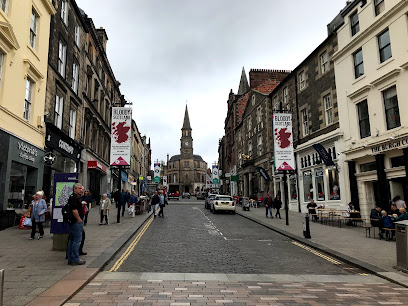
Tinkerbells Emporium
1.0 km
Discover the enchanting Tinkerbells Emporium in Stirling, a magical gift shop filled with unique treasures and delightful souvenirs for every traveler.
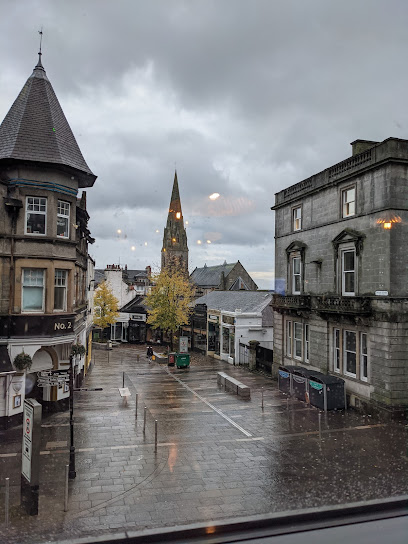
The Crossed Peels
1.0 km
Historic Stirling pub offering real ales, hearty fare, and a welcoming atmosphere in the heart of the Old Town.
Monterey Jack's Stirling
1.1 km
Experience the authentic taste of American cuisine at Monterey Jack's Stirling, where delicious burgers and creative cocktails await you in a vibrant atmosphere.
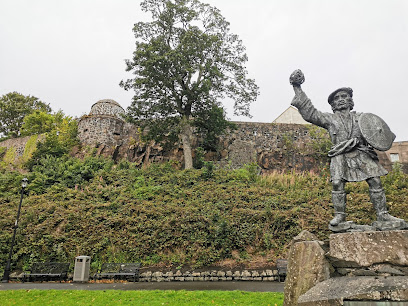
Rob Roy McGregor Statue
1.1 km
Discover the stirring legacy of Rob Roy MacGregor, Scotland’s legendary outlaw and folk hero, immortalized in bronze in the heart of Stirling.
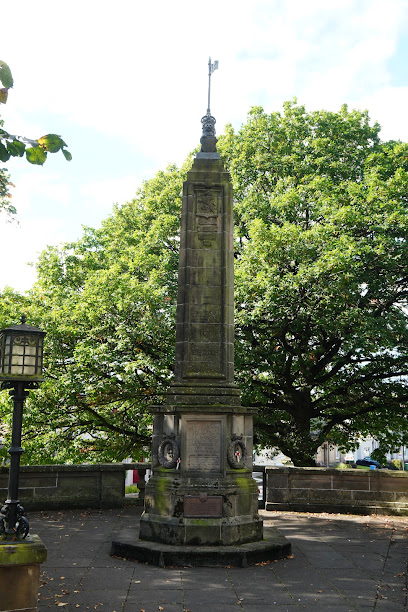
Stirling War Memorial
1.1 km
A dignified sandstone obelisk honoring Stirling’s fallen heroes from World War I and beyond, standing as a lasting symbol of sacrifice and remembrance.
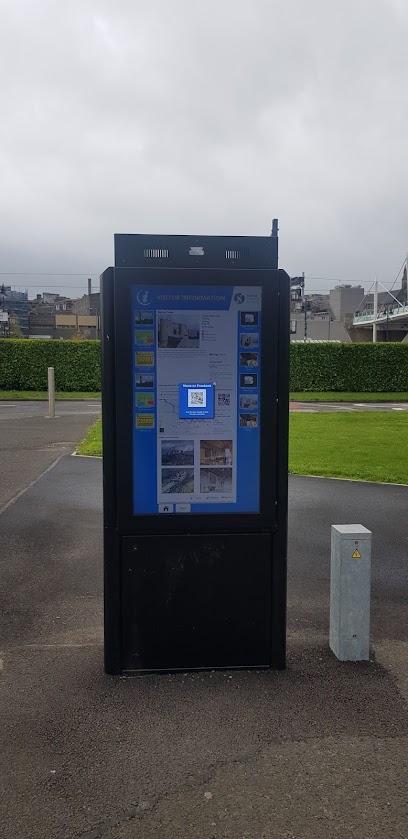
Tourist Information Point
1.1 km
Explore Stirling like a local with insights and resources from the Tourist Information Point, your guide to unforgettable adventures in Scotland.
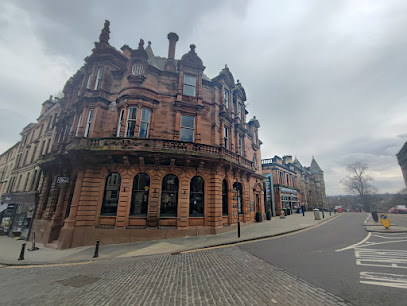
City Walls
1.2 km
Discover the historic City Walls Pub in Stirling, where ancient charm meets modern Scottish hospitality, offering local dishes and brews.
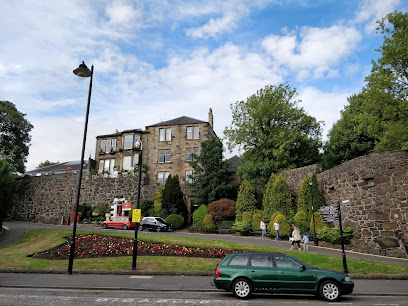
Contempo
1.2 km
Explore Contempo, Stirling's charming gift shop offering unique souvenirs, jewelry, and handcrafted treasures that capture the essence of Scotland.

Castle Walk Bed & Breakfast
1.2 km
Discover comfort and Scottish hospitality at Castle Walk Bed & Breakfast, a charming retreat in the heart of Stirling with stunning views and easy access to local attractions.

Stirling City Heritage Trust
1.2 km
Explore the Stirling City Heritage Trust and uncover the stories of Scotland's past through its dedicated preservation efforts.
St Ninians Well
1.5 km
Discover Stirling’s historic St Ninians Well, a tranquil stone spring steeped in healing lore and centuries of local tradition.
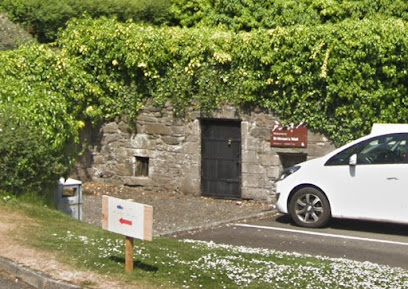
memorial
1.7 km
A solemn stone memorial honouring Stirling's fallen, set within a verdant park of woodland walks and quiet reflection.

Historic Scotland
2.1 km
Discover the artistry of stone-cutting at Historic Scotland, a captivating experience in Stirling that showcases Scotland's rich architectural heritage.

Unmissable attractions to see

Stirling Old Bridge
0.4 km
Walk across Stirling Old Bridge, a medieval stone marvel steeped in Scottish history with stunning views of the River Forth and iconic landmarks.
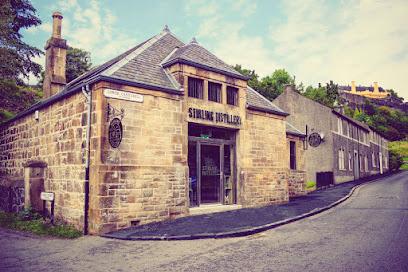
Stirling Distillery
0.5 km
Discover Scotland’s smallest distillery crafting award-winning gin and whisky in Stirling’s historic heart beneath the castle.
Grand Battery
0.5 km
Explore the historic Grand Battery at Stirling Castle, a commanding artillery platform built over medieval kitchens, pivotal in Scotland’s 18th-century defenses.
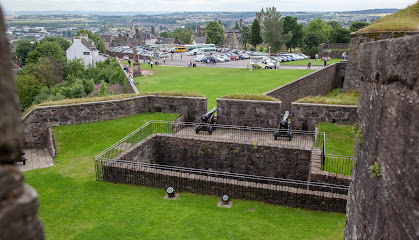
The Great Kitchens - Stirling Castle
0.5 km
Step into the bustling medieval heart of Stirling Castle where royal feasts were crafted in the vividly recreated Great Kitchens.
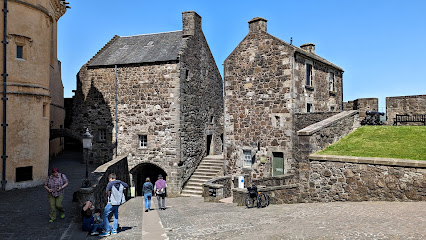
RCCG City of God For All Nations Stirling United Kingdom
0.5 km
A welcoming and vibrant Christian parish in Stirling dedicated to faith, fellowship, and community outreach.

Robert the Bruce Statue
0.5 km
A commanding 19th-century statue of Robert the Bruce at Stirling Castle, symbolizing Scottish independence and royal heritage.
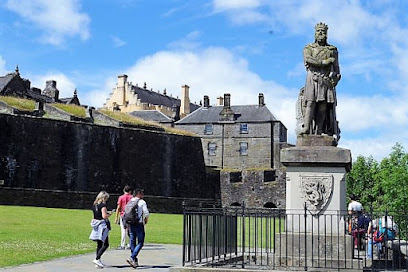
Argyll and Sutherland Highlanders Regimental Museum
0.6 km
Step into the story of Scotland’s famed Highland regiment inside Stirling Castle’s historic King’s Old Building.
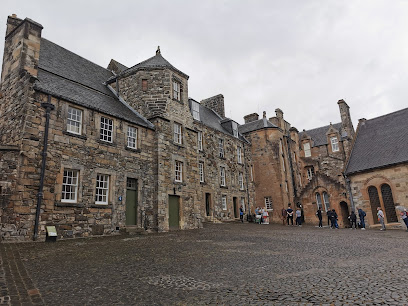
Stirling Castle
0.6 km
Explore Scotland’s iconic Renaissance fortress with royal history, grand halls, lush gardens, and breathtaking Highland views.
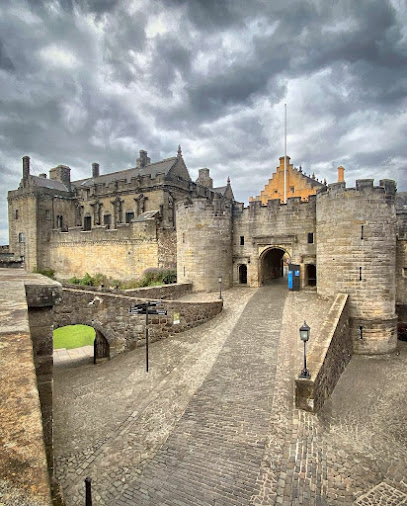
Queen Anne’s garden
0.6 km
A historic and tranquil garden beneath Stirling Castle, where royal heritage meets vibrant blooms and sweeping Scottish vistas.
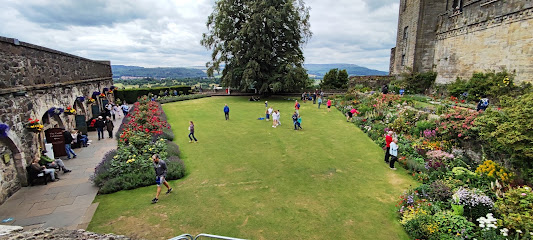
Drummond Pleasure Ground
0.6 km
A serene Victorian garden in Stirling featuring the iconic Star Pyramid, blending faith, history, and landscape beauty.
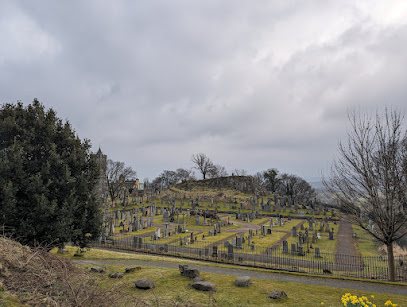
Argyll's Lodging
0.7 km
Explore the finest surviving 17th-century Scottish townhouse, rich with aristocratic history and Renaissance artistry in the heart of Stirling.
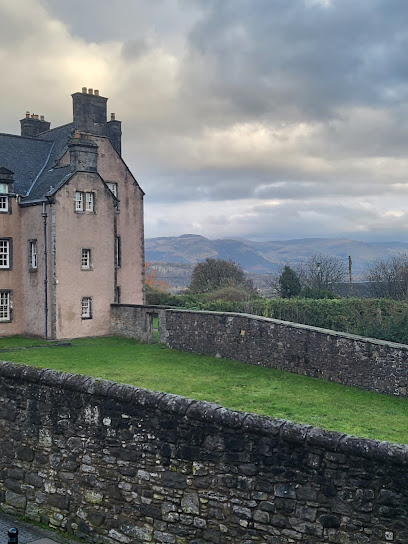
Old Town Cemetery
0.7 km
Historic Stirling Old Town Cemetery, a serene necropolis rich with centuries of Scottish heritage and evocative monuments.
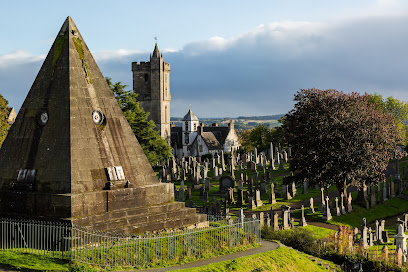
Martyrs' Memorial
0.7 km
Explore the Martyrs' Memorial in Stirling, a poignant historical landmark honoring those who sacrificed for their beliefs amidst stunning landscapes.
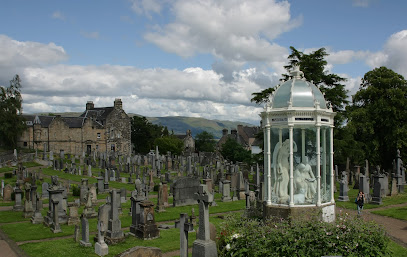
Mar's Wark
0.7 km
Explore the evocative Renaissance façade of Mar's Wark, a 16th-century aristocratic townhouse ruin near Stirling Castle.
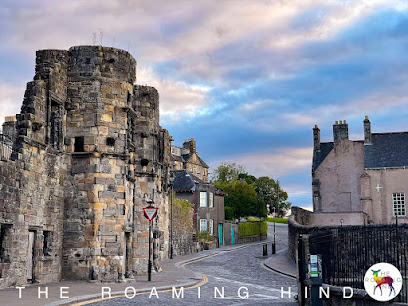
Broad Street Stores
0.8 km
A friendly local convenience store at the heart of Stirling’s historic Broad Street, offering excellent value and essential goods daily.
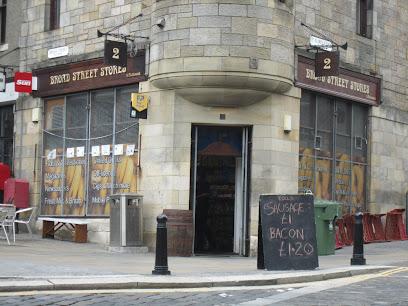
Essential places to dine

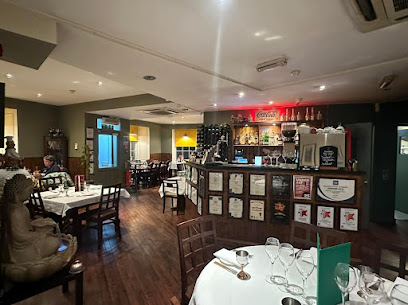
Green Gates Authentic Indian Restaurant.
0.6 km
Experience authentic Indian flavors with generous portions and warm hospitality in the heart of Stirling.
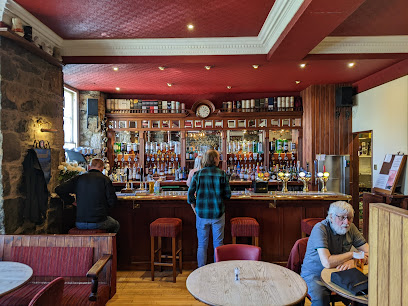
The Portcullis
0.6 km
Historic Scottish hotel beside Stirling Castle with authentic pub, hearty food, and genuine Highland hospitality.
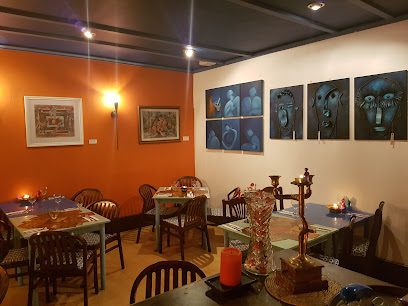
Mediterranèa
0.7 km
Stirling’s only tapas and meze restaurant, serving Greek and Spanish flavours in a warm, family-run setting.
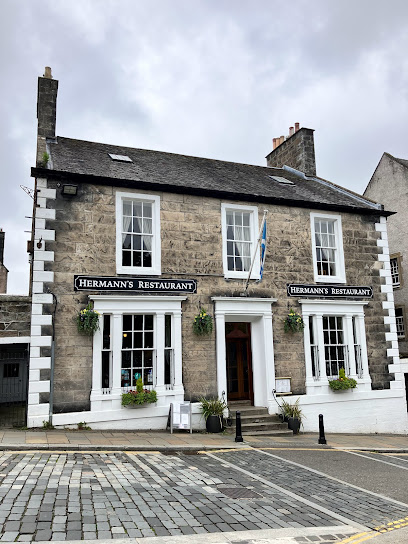
Hermanns
0.7 km
Authentic Austrian cuisine meets Scottish tradition in historic Stirling's most charming restaurant.
MacMillans Kitchen
0.8 km
Relax in a cozy bistro surrounded by scenic gardens, savoring fresh, locally sourced dishes and homebaked treats in Stirling’s welcoming garden centre.
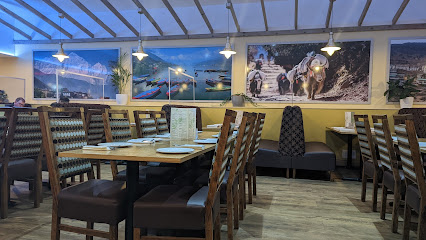
Mint leaf Nepalese and indian restaurant
0.9 km
Authentic Nepalese and Indian flavors served in a bright, welcoming Stirling setting with diverse menu options and a relaxed atmosphere.
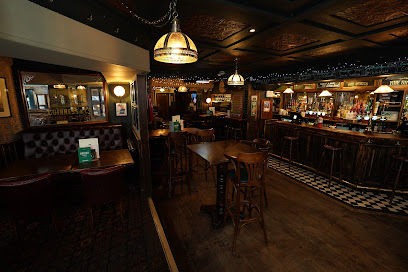
Molly Malones
0.9 km
Experience the lively spirit of Ireland in the heart of Stirling at Molly Malones, a vibrant pub blending authentic hospitality with rich cultural charm.
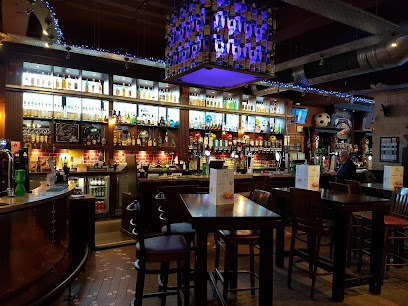
Cold Beer Company
0.9 km
A lively Stirling pub with hearty classics, craft beers, sports screens, and a sunny beer garden in a historic former post office.
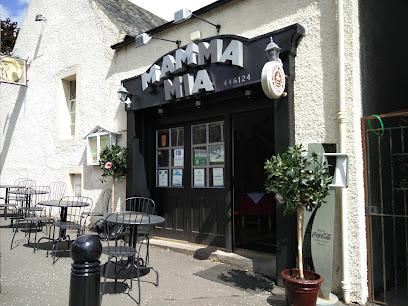
Mamma Mia Restaurant
1.0 km
Authentic Italian flavors and warm hospitality await you in the heart of Stirling at Mamma Mia Restaurant.
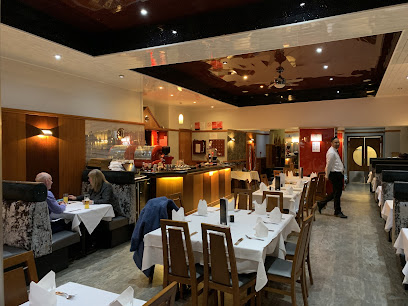
Ranas Tandoori Restaurant
1.0 km
Authentic Indian flavors and tandoori specialties served in a casual, friendly setting in the heart of Stirling.
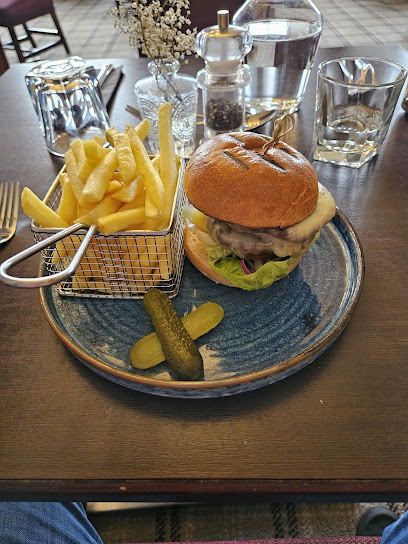
Scholars Restaurant
1.0 km
Classic British dining in the heart of Stirling with welcoming indoor and outdoor settings at the historic Stirling Highland Hotel.
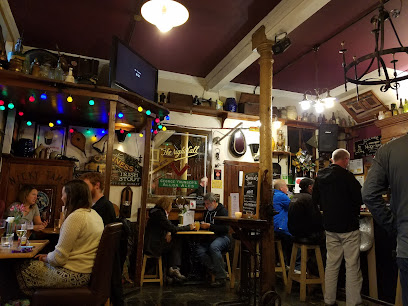
Nicky-Tams Bar & Bothy
1.0 km
Discover Nicky-Tams Bar & Bothy: A vibrant gastropub in Stirling offering delicious food, local ales, and live music in an inviting atmosphere.
Windchimes Ltd
1.0 km
Cozy and inviting dining in Stirling’s historic center, featuring fresh local flavors and beloved homemade desserts.
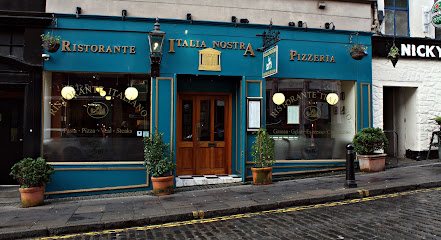
Italia Nostra Ltd
1.0 km
Experience authentic Italian flavors and warm hospitality in the heart of Stirling at Italia Nostra Ltd.
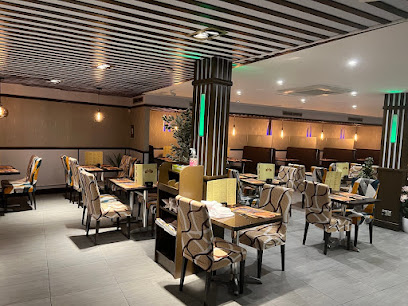
Rishis Indian Aroma, Stirling
1.0 km
Experience authentic South Indian cuisine with vibrant flavors and warm hospitality in the heart of Stirling.
Markets, malls and hidden boutiques

Palace Gift Shop
0.5 km
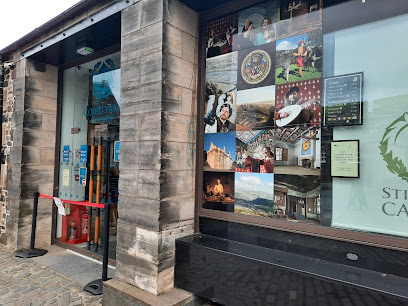
Discover authentic Scottish gifts and souvenirs in the charming Palace Gift Shop nestled within historic Stirling Castle.
F&F Clothing
0.5 km
Affordable, stylish fashion for the whole family, conveniently located inside Tesco Stirling Superstore with extended hours and quality guarantees.

Courtyard Gift Shop
0.6 km
Discover authentic Scottish treasures and exclusive souvenirs in the charming Courtyard Gift Shop nestled within historic Stirling Castle.
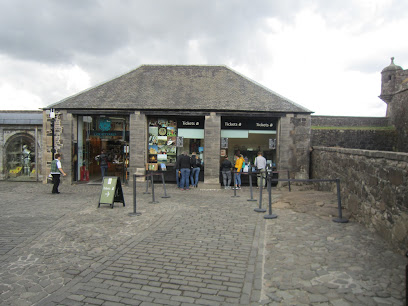
Cancer Research UK
1.0 km
Treasure hunt for a cause—quality secondhand finds funding cancer research in Stirling's heart.

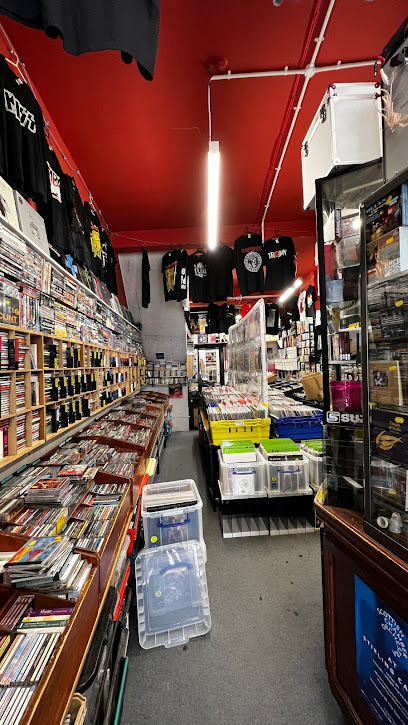
Europa Music
1.0 km
Stirling's independent vinyl and CD sanctuary for collectors and music enthusiasts.
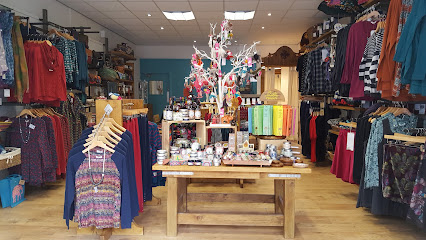
Calluna ethical living
1.0 km
Discover Stirling’s charming hub for sustainable gifts, ethical homewares, and beautiful plants at Calluna Ethical Living.
Abbey Antiques Ltd.
1.0 km
Carefully curated antiques and fine art hidden on historic Friars Street in Stirling.
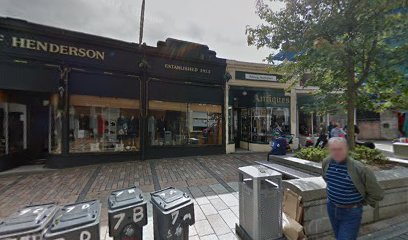
House of Henderson
1.0 km
Discover bespoke Scottish Highlandwear crafted with tradition and care at Stirling’s House of Henderson, kiltmakers since 1923.

Made In Stirling
1.1 km
Discover Stirling’s vibrant creative heart with unique handmade art, crafts, and workshops at Made in Stirling’s flagship store.
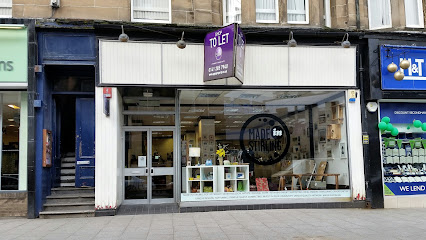
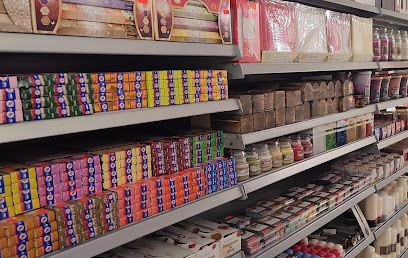
Nickel & Dime
1.1 km
Discover Stirling’s eclectic emporium offering unique gifts, practical household goods, and charming finds at Nickel & Dime.
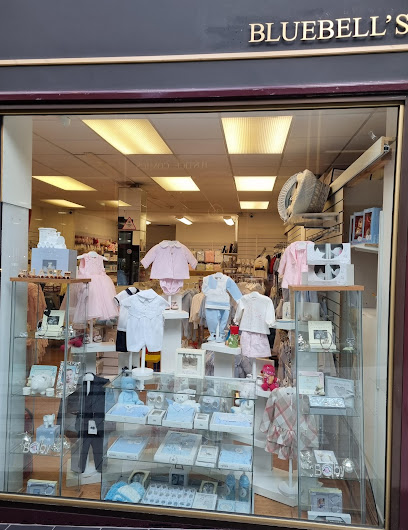
Bluebell's Childrenswear
1.1 km
Discover stylish, quality children's clothing and gifts in Stirling’s charming Bluebell's Childrenswear boutique.
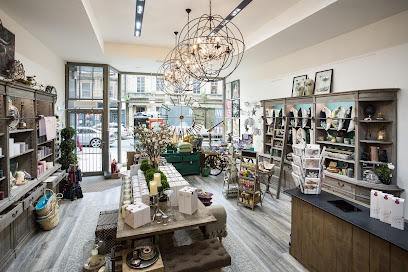
A'ila Home
1.1 km
Discover Stirling’s unique homewares treasure trove offering quirky, quality décor and gifts that add personality to every room.
The Fragrance Shop
1.1 km
Discover your signature scent at Stirling’s premier independent fragrance retailer with expert advice and an extensive brand selection.

The Celebrations Card & Gift Shop
1.1 km
Discover unique gifts and heartfelt cards at The Celebrations Card & Gift Shop in Stirling, your perfect stop for special occasions.
Trend
1.2 km
Discover Trend in Stirling, a unique clothing shop offering the latest fashion styles and timeless pieces for every occasion.
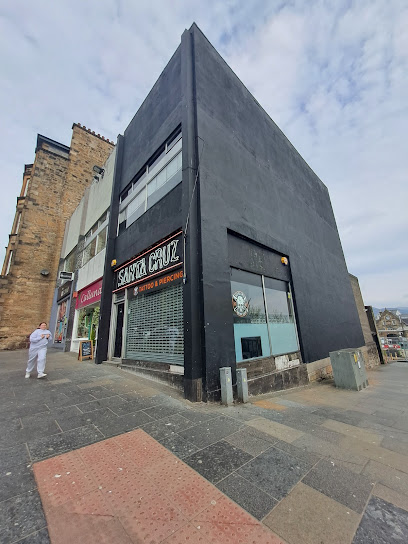
Essential bars & hidden hideouts

Settle Inn
0.6 km
Historic Stirling pub with cozy charm, lively folk music, and a welcoming atmosphere for ale lovers and locals alike.
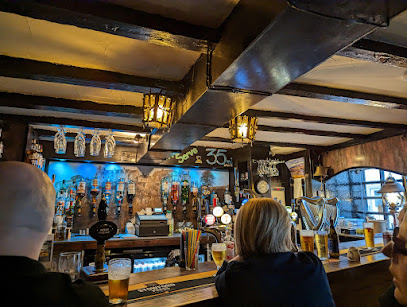
Cross Keys
0.7 km
A cozy historic pub and inn in Stirling offering hearty local fare, guest beers, and comfortable rooms with scenic views.
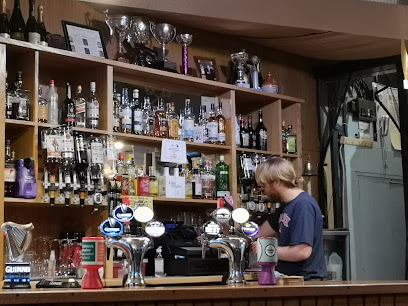
Curly Coo Bar
0.8 km
Discover Stirling’s cozy whisky sanctuary with over 130 malt whiskies, warm hospitality, and a quirky yet traditional atmosphere.
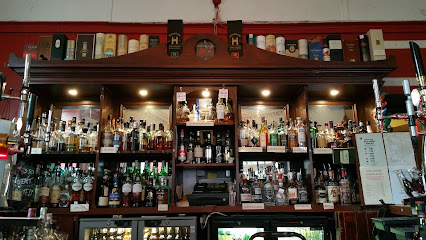
Vinney’s Bar
0.9 km
A friendly, budget-friendly bar in Raploch, Stirling, known for its welcoming vibe and lively local nights.

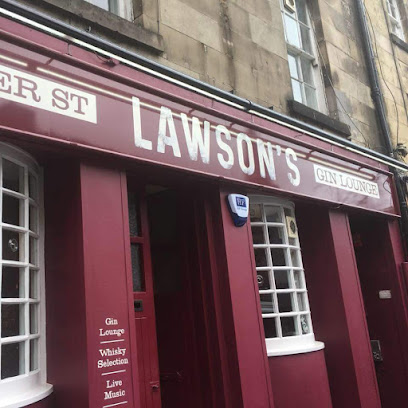
Lawsons
1.0 km
Discover Lawsons, Stirling’s cozy gin lounge with over 95 gins, craft cocktails, and warm Scottish hospitality in a lively, welcoming setting.
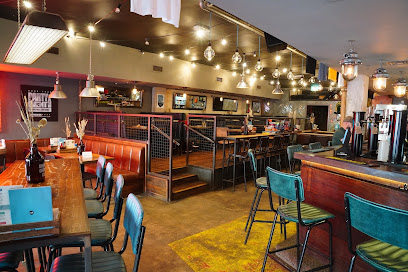
BrewDog Stirling
1.0 km
A lively craft beer bar and restaurant in Stirling offering 15 taps, classic bar food, and a vibrant atmosphere near the castle and station.
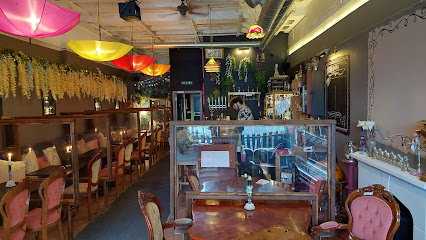
meraki
1.0 km
A vibrant and quirky cocktail bar in Stirling city centre, known for expertly crafted classics and innovative creations in a relaxed, friendly setting.
King Cons
1.1 km
Experience Stirling’s vibrant nightlife at King Cons, a lively bar offering great drinks, live music, and a welcoming atmosphere in the city centre.
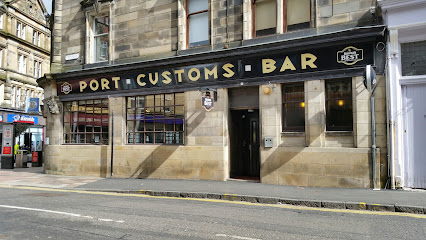
Port Customs Bar
1.3 km
A classic Stirling pub offering well-kept beers, fine whiskies, and a friendly, inviting atmosphere for locals and visitors alike.
The William Wallace
1.7 km
A cosy, affordable Scottish pub near the Wallace Monument, offering hearty food, fresh beer, and a warm, friendly atmosphere in Stirling's Causewayhead.
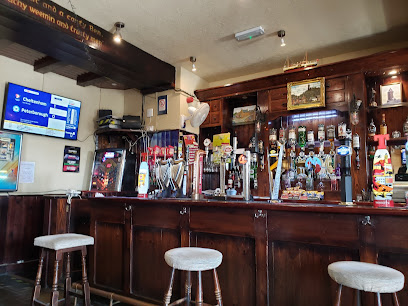
Westerton Arms
3.0 km
A cherished Bridge of Allan pub and restaurant blending hearty Scottish fare with warm hospitality and a cozy atmosphere.
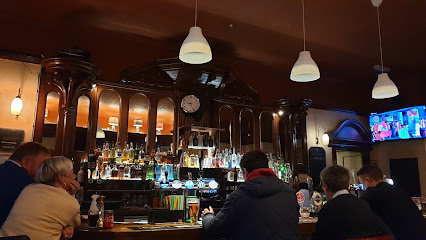
The Bawbee
3.1 km
Vibrant cocktail bar and restaurant in Bridge of Allan, known for lively atmosphere, live music, generous portions, and expertly crafted drinks.
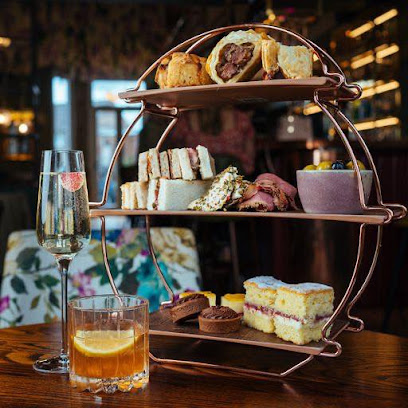
The Borestone Bar
3.1 km
A friendly and affordable Stirling pub with a spacious lounge, welcoming locals, and a lively atmosphere near Bannockburn Road.
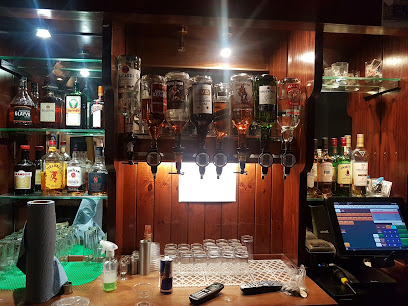
Anchor Bar
3.3 km
A friendly and affordable community pub in Stirling with pool, darts, live sports, and a spacious function room for vibrant local gatherings.
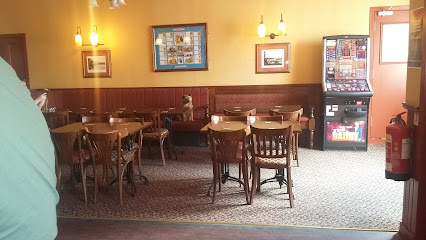
1314 Inn
4.1 km
A friendly Stirling pub offering hearty Scottish fare, generous portions, and a warm community atmosphere at great value.
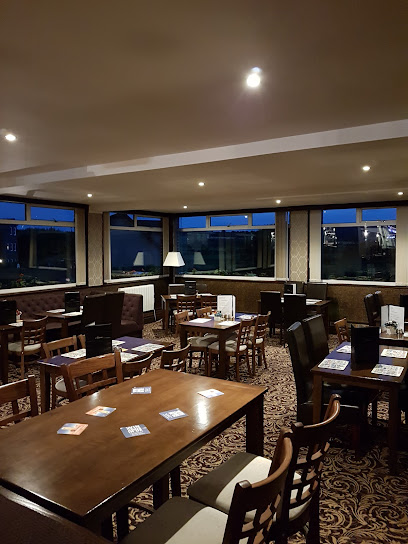
Nightclubs & after hour spots

Fubar Nightclub
0.9 km
Experience Stirling’s energetic student nightlife at Fubar Nightclub, where music, lights, and lively crowds come alive late into the night.

Castle Leisure Group
1.0 km
Discover the lively atmosphere of Castle Leisure Group in Stirling – a perfect blend of dining, nightlife, and entertainment for tourists.

XOXO
17.2 km
Central Scotland’s largest nightclub offering vibrant nightlife, pool hall fun, and private event spaces in the heart of Falkirk.
City Nightclub
17.2 km
Experience Falkirk’s vibrant nightlife at City Nightclub, the town’s energetic weekend hotspot for music, dancing, and late-night fun.
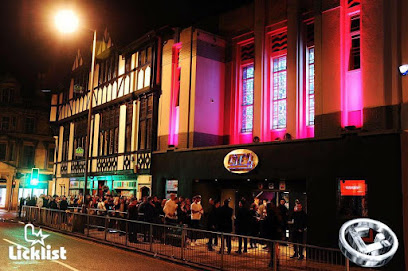
I-Kandy Nightclub
29.1 km
Discover the electrifying nightlife at I-Kandy Nightclub in Airdrie, where vibrant music and a lively atmosphere await!

Pulse
29.2 km
Experience Airdrie’s vibrant nightlife at Pulse Nightclub, where music, dancing, and unforgettable moments come alive.
Eden Night Club
30.0 km
Vibrant late-night hotspot in Coatbridge offering house, R&B, and chart music with a lively atmosphere and smart dress code.

Avenue Nightclub Coatbridge
30.0 km
Coatbridge’s premier late-night nightclub for over-21s, offering vibrant music, modern vibes, and a lively weekend party scene.
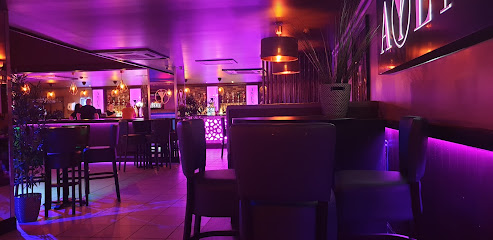
LIFE
30.4 km
Experience vibrant nightlife and late-night fun at LIFE, Dunfermline’s energetic nightclub with a welcoming atmosphere and great music.
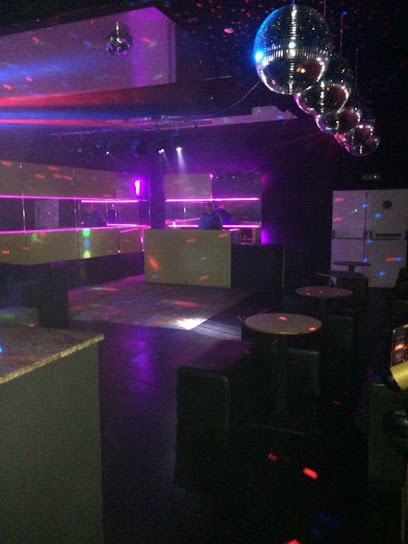
The Twig Nightclub
31.1 km
Bathgate’s oldest nightclub offering lively, affordable, and historic nightlife experiences every Saturday night.
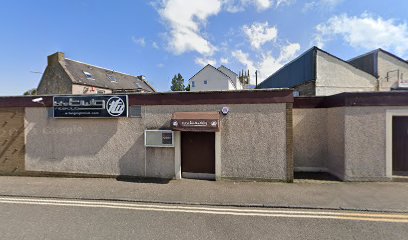
Midnight Breakfast Club
31.3 km
A cozy live music venue and bar in Bathgate known for great tribute acts, strong drinks, and a friendly, lively atmosphere.

DreadnoughtRock Nightclub & Live Music Venue
31.5 km
Experience the pulse of Bathgate's nightlife at DreadnoughtRock, the ultimate live music venue and nightclub in the heart of the city.
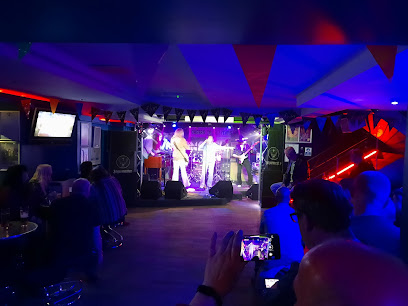
Backstage at The Green
33.3 km
Discover the heart of Kinross' nightlife at Backstage at The Green, a premier live music venue showcasing diverse musical talent.
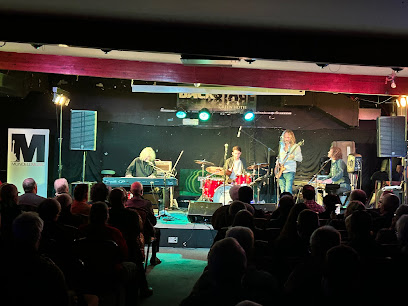
Mundell Music
33.3 km
Discover the heartbeat of Kinross at Mundell Music, where unforgettable live performances and a welcoming atmosphere await every music lover.
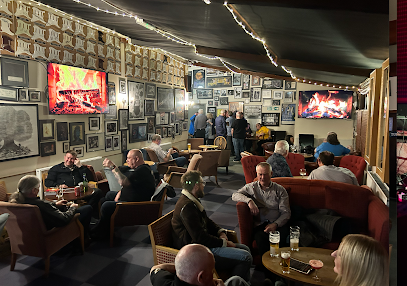
Jock's Bar
33.3 km
Discover the warmth of Kinross at Jock's Bar, where local brews and friendly faces create unforgettable moments.
For the vibe & atmosphere seeker
- Tranquil
- Scenic
- Unique
- Quirky
For the architecture buff
- Historic
- Landmarks
For the view chaser and sunset hunter
- Iconic Views
- Panoramas
For the social media creator & influencer
- Photo Spots
- Selfie Spots
For the eco-conscious traveler
- Protected Area
- Public-Transport Accessible
- Locally Managed
For the kind of experience you’re after
- Cultural Heritage
- Photowalk
- Day Trip
For how adventurous you want the journey to be
- Easy Access
Location Audience
- Family Friendly
- Senior Friendly
- Child Friendly
- Teen Friendly
- Solo Friendly
- Couple Friendly


