Grand Battery, Stirling Travel Guide
Explore the historic Grand Battery at Stirling Castle, a commanding artillery platform built over medieval kitchens, pivotal in Scotland’s 18th-century defenses.
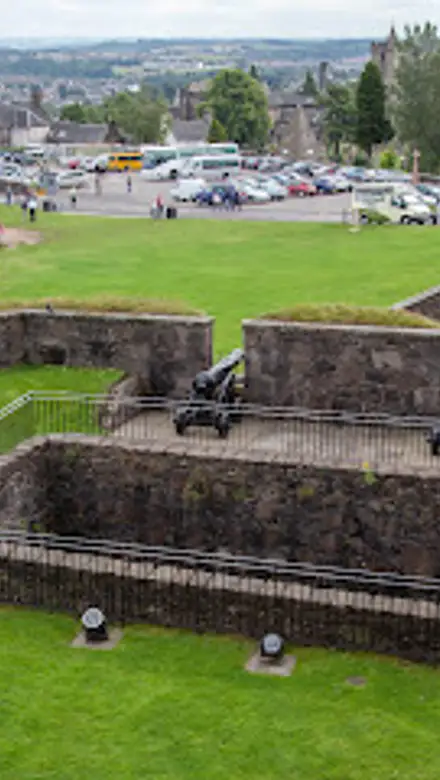
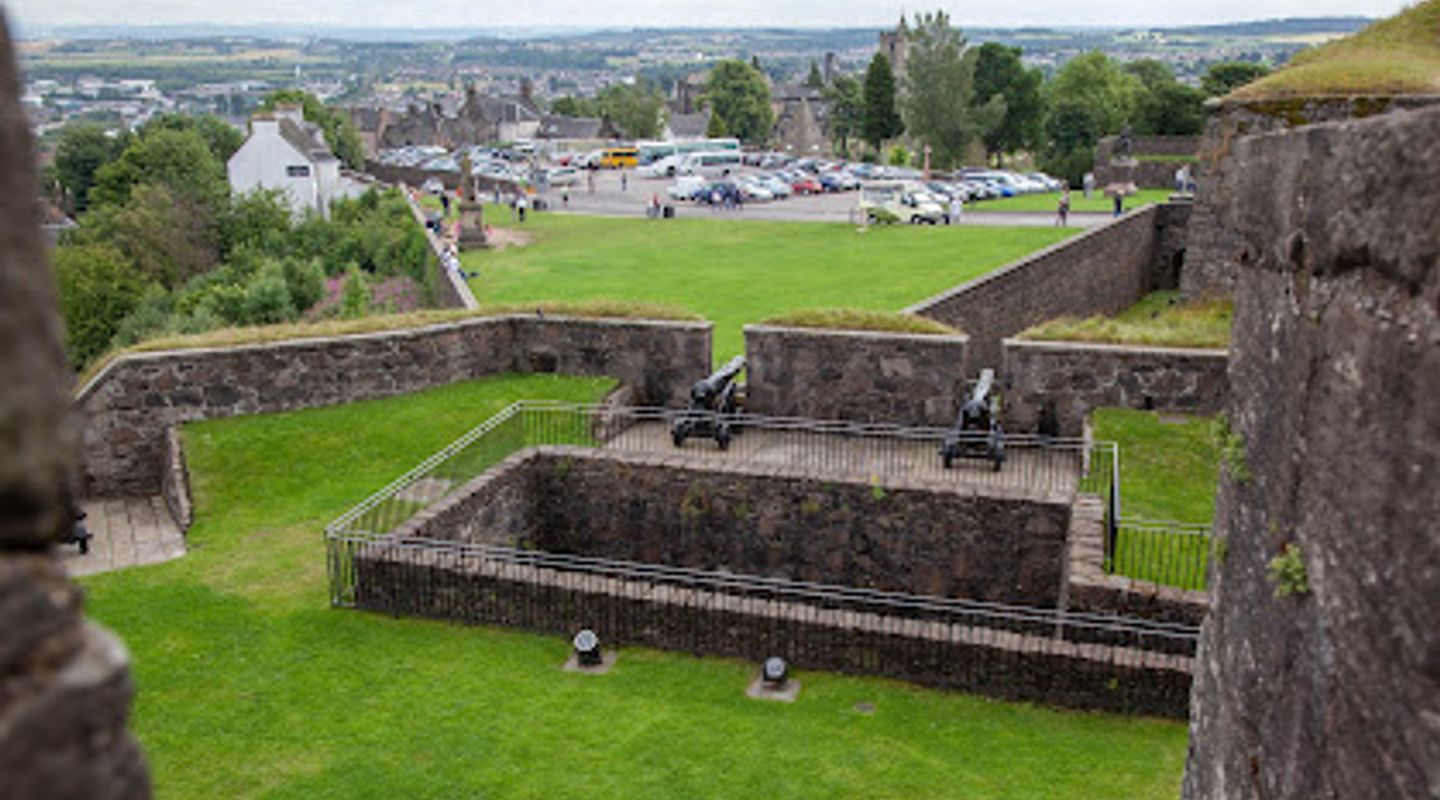
The Grand Battery is a prominent defensive artillery emplacement at Stirling Castle in Scotland, built in 1689 atop the vaults of the medieval Great Kitchens. It played a key role in the castle’s military history, notably firing its guns during the 1746 Jacobite siege. Visitors can explore the restored kitchens below and admire the commanding views from the battery, which overlooks the castle’s eastern approach and surrounding landscape.
A brief summary to Grand Battery
- Stirling, Stirling, FK8 1EJ, GB
- Duration: 0.5 to 1.5 hours
- Mid ranged
-
 Outdoor
- Mobile reception: 4 out of 5

Know before you go
Hi, I'm Eve. Here are a few practical things to know before exploring Grand Battery.
- Visit early in the day to avoid crowds and enjoy quieter access to the Grand Battery and the Great Kitchens below.
- Wear comfortable shoes as exploring the battery involves walking on uneven surfaces and climbing steps.
- Combine your visit with a guided tour of Stirling Castle to fully appreciate the historical context of the Grand Battery.
- Bring a camera to capture panoramic views from the battery overlooking Stirling and the surrounding countryside.
Do you manage this location?
Take control to get all the benefits, like improved information, better appearance, and stronger visibility across AI-powered discovery. Learn more about listing your business on Evendo
Activate your presenceOther nearby places you may find interesting
The closest places of the same kind, if this one is not quite what you had in mind.



Explore Grand Battery on the Map
A handpicked selection of must-see spots near Grand Battery, mapped for you.
Getting There
-
Train and Walk
Take a train to Stirling railway station from Edinburgh or Glasgow, with journeys lasting approximately 50 to 60 minutes. From the station, it is a 15-20 minute uphill walk to Stirling Castle, including the Grand Battery area. The walk involves cobbled streets and some uneven surfaces, so comfortable footwear is recommended.
-
Bus Service
Local buses run regularly from Stirling town center to the castle area, with travel times of around 10 minutes. Bus stops are within a short walk of the Grand Battery entrance. Check local timetables for frequency and routes. Buses are wheelchair accessible.
-
Car and Parking
Visitors arriving by car can use the Stirling Castle car park, which charges approximately £5 for parking. The car park is a 5-10 minute walk from the Grand Battery. Parking availability can be limited during peak tourist seasons.
For the on-the-go comforts that matter to you
-
 Restrooms
-
 Drink Options
-
 Food Options
-
 Seating Areas
-
 Information Boards
-
 Visitor Center
Discover more about Grand Battery
Historical Significance of the Grand Battery
The Grand Battery was constructed in 1689 as a strategic artillery platform to strengthen Stirling Castle’s eastern defenses. This location was previously occupied by the castle’s Great Kitchens, which were infilled with rubble to support the weight and structure of the battery above. The battery’s guns were famously fired for the first and last time in 1746 during the Jacobite rising, when they played a critical role in repelling Bonnie Prince Charlie’s forces and ending the siege of the castle. This military installation represents the evolution of fortifications at Stirling Castle, adapting medieval structures to the demands of early modern warfare.Architectural and Archaeological Features
Beneath the Grand Battery lie the vaulted chambers of the Great Kitchens, excavated and partially restored in the early 20th century. These kitchens were once among the largest medieval cooking facilities in Scotland, serving the castle’s royal household. The battery itself is a long, elevated gun platform equipped with multiple cannon facing eastward, designed to cover the most vulnerable side of the castle. The Master Gunner’s House, built at the far end of the battery, adds to the military complex. Visitors today can descend steps into the kitchen vaults and then ascend to the battery to experience both the domestic and defensive aspects of the site.Strategic Location and Views
Perched on the volcanic crag that forms Stirling Castle’s foundation, the Grand Battery commands sweeping views over the surrounding countryside, including the River Forth and the historic battlefields nearby. The elevated position allowed defenders to monitor and control key north-south and east-west routes through Scotland. The battery’s placement above the Great Kitchens demonstrates the castle’s layered history, where older structures were repurposed to meet new military needs. Walking along the battery and adjacent wall walks, visitors gain a unique perspective on the castle’s formidable defenses and the landscape that shaped Scotland’s turbulent history.Role in Stirling Castle’s Wider Heritage
The Grand Battery is an integral part of Stirling Castle’s complex heritage, which spans from the early 12th century through to the 18th century and beyond. Stirling Castle itself has been a royal residence, military fortress, and symbol of Scottish sovereignty, witnessing numerous sieges and historic events. The battery’s construction reflects the castle’s ongoing military importance during the late 17th century, particularly in the context of Jacobite conflicts. Today, it stands as a tangible reminder of the castle’s defensive adaptations and the layered stories embedded in its walls.Visitor Experience and Interpretation
Modern visitors to Stirling Castle can explore the Grand Battery as part of a broader tour of the castle’s historic precincts. The juxtaposition of the restored Great Kitchens below and the artillery platform above offers a compelling narrative of daily life and military readiness. Informational displays and guided tours illuminate the battery’s role during the 1746 siege and its architectural evolution. The site’s atmospheric setting, combined with panoramic views, makes the Grand Battery a memorable highlight for those interested in Scotland’s martial and royal history.Preservation and Archaeological Work
Archaeological excavations in the early 20th century uncovered the extent of the Great Kitchens beneath the battery, leading to their partial restoration and public accessibility. Conservation efforts have preserved the battery’s structure and artillery placements, allowing visitors to appreciate the scale and significance of this defensive feature. The integration of archaeological findings with interpretive resources ensures that the Grand Battery remains a vital educational and cultural asset within Stirling Castle’s heritage landscape.












Your all‑in‑one travel companion app
Explore expert travel guides, compare and book tours, experiences, hotels, and more—all from the palm of your hand. Download now for seamless trip planning wherever your wanderlust takes you.


Explore More of Stirling

Looking beyond Grand Battery? Discover Stirling for broader travel guides, local hot-spots, and regional highlights.
Explore Stirling
Historic Stirling Old Town Cemetery, a serene necropolis rich with centuries of Scottish heritage and evocative monuments.
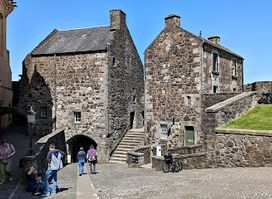
Step into the bustling medieval heart of Stirling Castle where royal feasts were crafted in the vividly recreated Great Kitchens.