Blackness Castle, West Lothian Travel Guide
Explore Blackness Castle, the 'ship that never sailed,' a 15th-century fortress with rich history and stunning views over the Firth of Forth.
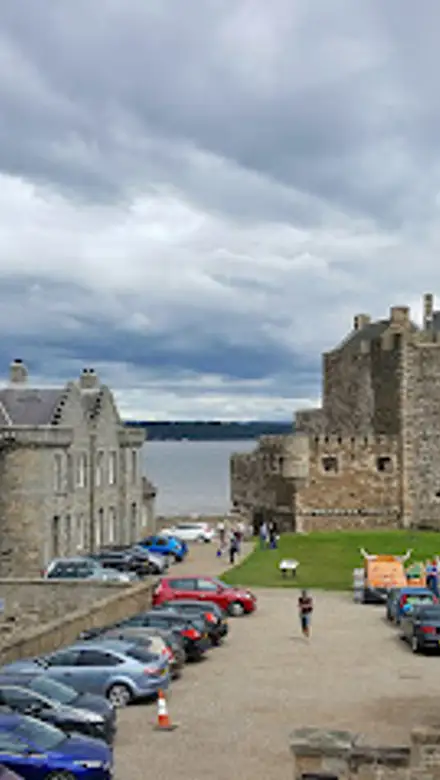
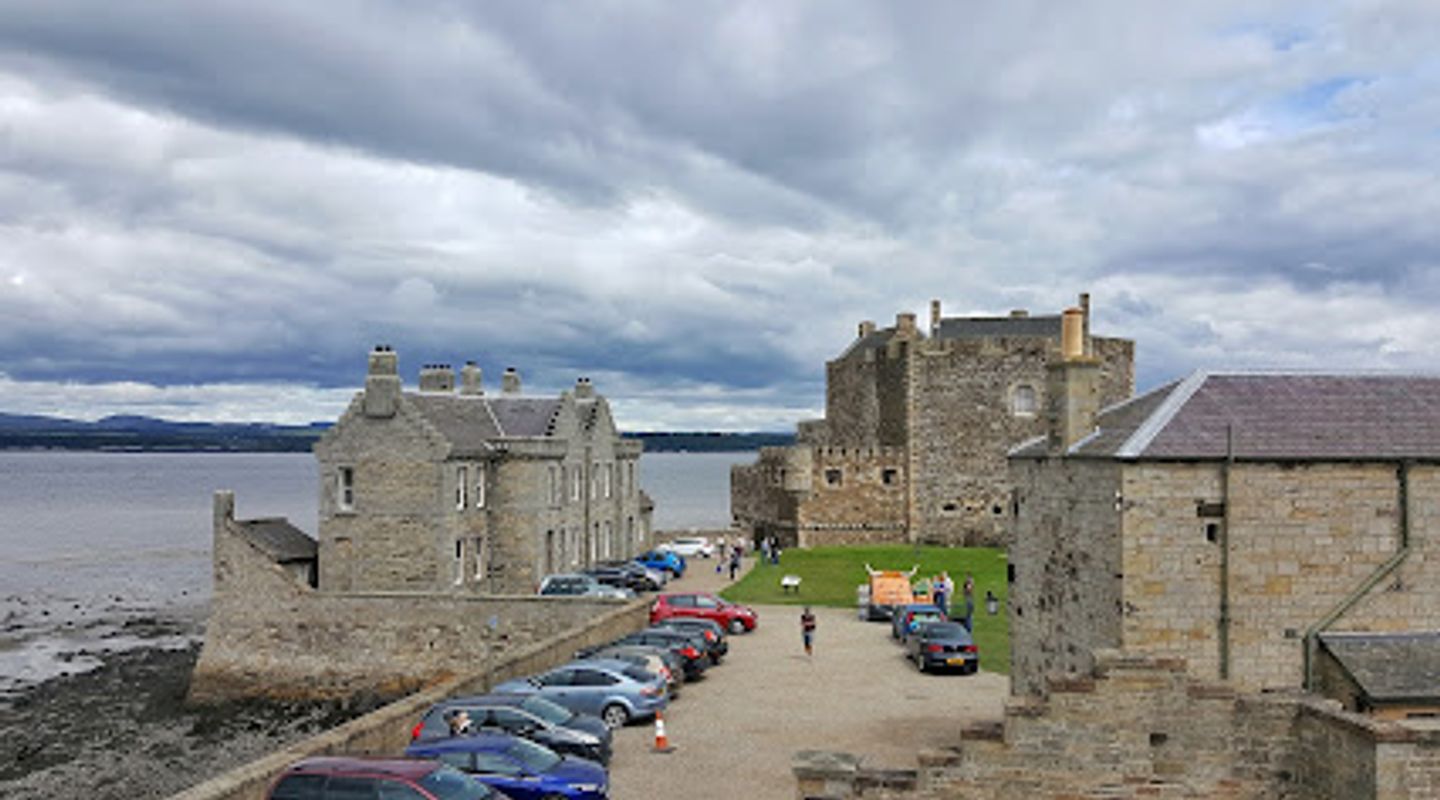
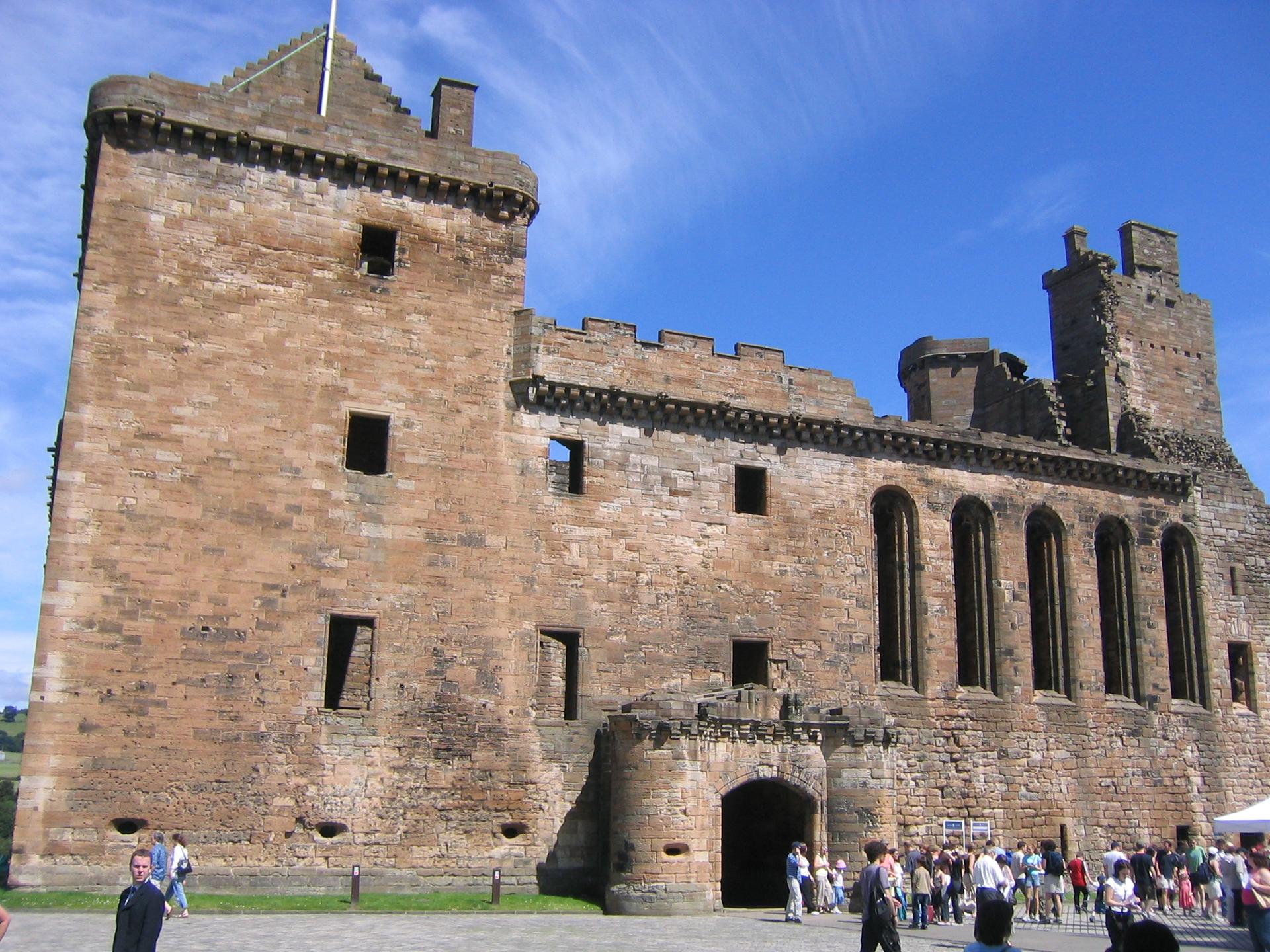
Blackness Castle, built in the 15th century on the Firth of Forth near Linlithgow, is a striking fortress known as 'the ship that never sailed' for its unique stone ship-like silhouette. Originally a noble residence for the Crichton family, it evolved into a royal castle, artillery fortress, state prison, and ammunition depot. Visitors can explore its well-preserved towers, courtyards, and ramparts while enjoying panoramic views of the Firth of Forth and the surrounding coastline.
A brief summary to Blackness Castle
- Linlithgow, Blackness, EH49 7NH, GB
- Click to display
- Click to display
- Duration: 1 to 2 hours
- Mid ranged
-
 Outdoor
- Mobile reception: 4 out of 5
- Monday 9:30 am-5 pm
- Tuesday 9:30 am-5 pm
- Wednesday 9:30 am-5 pm
- Thursday 9:30 am-5 pm
- Friday 9:30 am-5 pm
- Saturday 9:30 am-5 pm
- Sunday 9:30 am-5 pm

Know before you go
Hi, I'm Eve. Here are a few practical things to know before exploring Blackness Castle.
- Plan to spend 1 to 2 hours exploring the castle to fully appreciate its history and views.
- Wear sturdy footwear due to uneven rock floors and cobbled surfaces throughout the castle.
- Visit early in the day or late afternoon for the best lighting and fewer crowds.
- Outlander fans should not miss the castle’s role as the filming location for Fort William.
Do you manage this location?
Take control to get all the benefits, like improved information, better appearance, and stronger visibility across AI-powered discovery. Learn more about listing your business on Evendo
Activate your presenceOther nearby places you may find interesting
The closest places of the same kind, if this one is not quite what you had in mind.
Explore Blackness Castle on the Map
A handpicked selection of must-see spots near Blackness Castle, mapped for you.
Unlock the Best of Blackness Castle
Buy tickets
-
No tickets available
Book tours with entry


Getting There
-
Train and Bus
Take a train from Edinburgh Waverley to Linlithgow (approximately 20–30 minutes), followed by a local bus or taxi to Blackness Castle, which is about 6 km from Linlithgow station. Buses run several times daily but check schedules as frequency varies. Total travel time is around 45–60 minutes. Tickets cost approximately £5–£10 depending on the service.
-
Car
Driving from Edinburgh or Glasgow takes about 30–45 minutes via the M9 motorway. Limited parking is available near the castle, so arriving early is recommended, especially during peak season. Parking is free but spaces fill quickly.
-
Walking
For active visitors staying nearby in Blackness village, the castle is accessible on foot via uneven terrain and cobbled paths. Walking time from the village center is approximately 10–15 minutes. Note that the castle interior has uneven floors and stairs, limiting wheelchair access.
For the on-the-go comforts that matter to you
-
 Restrooms
-
 Seating Areas
-
 Trash Bins
-
 Information Boards
-
 Visitor Center
Discover more about Blackness Castle
Origins and Noble Beginnings
Blackness Castle was constructed in the 1440s by Sir George Crichton, a powerful Scottish nobleman and Lord High Admiral of Scotland. Situated on the shores of the Firth of Forth, the castle originally served as a grand residence for the Crichton family, who were influential in Scottish politics. In 1453, the castle became crown property under King James II and began its transformation from a noble home to a royal stronghold. Its strategic location at the main port serving Linlithgow, a royal burgh, underscored its importance in Scotland’s defense and governance.Transformation into a Military Stronghold
Between 1537 and 1543, Blackness Castle underwent significant fortification under the direction of Sir James Hamilton of Finnart, an expert in artillery defenses. These upgrades turned the castle into one of Scotland’s most formidable artillery fortresses, designed to withstand attacks during the turbulent 16th century. Its massive stone walls, cannon positions, and defensive features such as the caponier and murder holes were built to repel invaders. The castle’s distinctive silhouette, resembling a great stone ship jutting into the Firth of Forth, earned it the nickname 'the ship that never sailed.'A Fortress with Many Roles
Throughout its history, Blackness Castle served multiple functions beyond military defense. It was a state prison holding high-profile prisoners such as Cardinal David Beaton and the Earl of Angus. The castle also played a role during the Wars of the Rough Wooing and the English Civil War, enduring bombardment by Oliver Cromwell’s forces in 1650, which left visible scars on its walls. Later, it housed French prisoners of war in the late 18th and early 19th centuries. By the late 19th century, it was repurposed as Scotland’s central ammunition depot, with additional barracks and a cast-iron pier added to support its new role.Architectural Highlights and Visitor Experience
Today, Blackness Castle is remarkably well-preserved, offering visitors a chance to explore its four-story central keep, the courtyard built atop exposed rock, and extensive ramparts with panoramic views over the Firth of Forth and Fife. The castle’s uneven natural rock floors, spiral staircases, and original defensive structures create an immersive historical atmosphere. Fans of the Outlander TV series will recognize the castle as the filming location for Fort William, adding a layer of cultural significance. Informative displays around the site provide insights into the castle’s military, political, and social history.Setting and Surroundings
The castle’s dramatic position on the water’s edge enhances its imposing presence and offers breathtaking vistas of the estuary and nearby coastline. The surrounding grounds include barracks from the 19th century and a wooden pier with a telescope for viewing Fife across the water. Despite its rugged terrain and cobbled surfaces, the site is accessible for most visitors, though those with mobility challenges should note the uneven floors and staircases.Legacy and Preservation
Managed by Historic Environment Scotland, Blackness Castle stands as a testament to Scotland’s turbulent history and architectural ingenuity. Its layered past as a noble residence, royal fortress, prison, and military depot reflects the evolving needs of Scottish defense and governance over centuries. The castle remains a captivating destination for history enthusiasts, photographers, and cultural tourists alike, offering a unique glimpse into Scotland’s medieval and early modern eras.












Your all‑in‑one travel companion app
Explore expert travel guides, compare and book tours, experiences, hotels, and more—all from the palm of your hand. Download now for seamless trip planning wherever your wanderlust takes you.


Explore More of West Lothian
Looking beyond Blackness Castle? Discover West Lothian for broader travel guides, local hot-spots, and regional highlights.
Explore West Lothian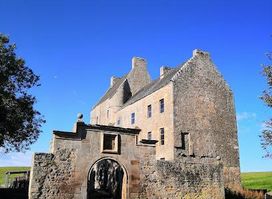
Explore Midhope Castle, the iconic 15th-century Scottish tower house immortalized as Lallybroch in Outlander, nestled in scenic Hopetoun Estate.
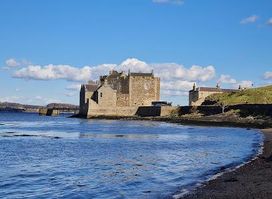
Explore the formidable 15th-century Blackness Castle, the iconic 'ship that never sailed,' with breathtaking views over the Firth of Forth and rich Scottish history.