

Birmingham Cathedral: A Baroque Gem in the Heart of the City
Discover Birmingham Cathedral’s elegant Baroque architecture, stunning Burne-Jones stained glass, and vibrant spiritual and cultural life in the city centre.
Birmingham Cathedral, also known as St Philip’s Cathedral, is a stunning example of English Baroque architecture designed by Thomas Archer and consecrated in 1715. Located on one of Birmingham’s highest points, it features a distinctive lead-covered dome, elegant oval windows, and four world-renowned stained-glass windows by Edward Burne-Jones. Serving as the spiritual and cultural heart of Birmingham, the cathedral welcomes visitors daily for worship, reflection, and tours.
A brief summary to Birmingham Cathedral
- Cathedral Square, Colmore Row, Birmingham, B3 2QB, GB
- +441212621840
- Visit website
- Duration: 0.5 to 2 hours
- Free
-
 Outdoor
- Mobile reception: 5 out of 5
- Monday 7:20 am-6:30 pm
- Tuesday 7:20 am-6:30 pm
- Wednesday 7:20 am-6:30 pm
- Thursday 7:20 am-6:30 pm
- Friday 7:20 am-6:30 pm
- Saturday 8:20 am-9:30 am
- Sunday 8:20 am-5 pm
Local tips
- Join one of the free volunteer-led tours to learn about the cathedral’s history and its famous stained-glass windows.
- Visit during weekdays for a quieter experience and to attend daily services or evensong.
- Take time to appreciate the recently restored stained-glass windows by Edward Burne-Jones, considered world-class artworks.
- Explore the cathedral’s peaceful green space in Cathedral Square, a rare city centre park.
- Check the cathedral’s event calendar for concerts and cultural events held throughout the year.

For the on-the-go comforts that matter to you
- Restrooms
- Drink Options
- Food Options
- Seating Areas
- Information Boards
Getting There
-
Public Transport
Take the West Midlands Metro tram to the Grand Central or Bull Street stops, both about a 5-10 minute walk from the cathedral. Frequent services run every 6-12 minutes, with single fares around £2.50. Buses from various city routes also stop nearby on Colmore Row.
-
Train
Arrive at Birmingham New Street Station, a major rail hub 1.2 miles from the cathedral. From there, take a 15-20 minute walk or a short taxi ride costing approximately £5-£8. The station is well connected nationally.
-
Car
Driving to the cathedral is possible but parking is limited in the city centre. Nearby public car parks such as the NCP on Snow Hill offer hourly rates from £2.50 to £5.00. Expect moderate traffic during peak hours.
-
Walking
If staying in the city centre, the cathedral is easily accessible on foot via paved and level streets. Walking times vary from 5 to 20 minutes depending on your starting point, with good accessibility for most visitors.
Birmingham Cathedral location weather suitability
-
 Any Weather
-
 Rain / Wet Weather
-
 Clear Skies
-
 Mild Temperatures
Discover more about Birmingham Cathedral
Architectural Brilliance Rooted in Baroque Elegance
Birmingham Cathedral was designed by Warwickshire architect Thomas Archer and constructed between 1711 and 1715. Archer’s travels to Rome inspired the Italianate Baroque style evident in the cathedral’s design, which features a rectangular hall church layout with aisles separated from the nave by fluted pillars topped with Tuscan capitals. The exterior is marked by tall windows framed by pilasters, rusticated stonework, and a balustrade adorned with decorative urns. The lead-covered dome and delicate lantern atop the tower create a striking silhouette against the city skyline. The tower, completed in 1725 with royal donations, is crowned by a gilded cross, orb, and weather vane, adding to the cathedral’s grandeur.Artistic Treasures: The Burne-Jones Stained Glass Windows
The cathedral’s most celebrated artistic feature is its set of four stained-glass windows designed by Birmingham-born Pre-Raphaelite artist Sir Edward Burne-Jones. Created between 1885 and 1897, these windows depict significant events from the life of Jesus Christ, including The Ascension, The Nativity, The Crucifixion, and The Last Judgement. These masterpieces, restored to their original glory in 2023, are considered some of the finest examples of Pre-Raphaelite art worldwide and are a highlight for visitors and worshippers alike.Historical Significance and Resilience
Originally built as a parish church dedicated to St Philip, the building was elevated to cathedral status in 1905 with the formation of the Diocese of Birmingham. During World War II, the cathedral survived the Birmingham Blitz, although it suffered damage. Fortunately, the prized stained-glass windows had been removed for safekeeping and were later reinstated after the war. The cathedral has undergone several restorations and expansions, including a major extension of the eastern apse into a larger chancel by architect J.A. Chatwin in the late 19th century, which enriched the interior with Corinthian columns, gilded capitals, and an ornate coffered ceiling.A Living Spiritual and Cultural Hub
Birmingham Cathedral remains an active place of worship and community gathering, offering daily services, prayer opportunities, and a welcoming sanctuary for reflection. Beyond its religious role, the cathedral hosts concerts, exhibitions, and lectures, contributing significantly to Birmingham’s cultural life. Visitors can join free volunteer-led tours or book private group tours to explore the cathedral’s history, architecture, and artistic treasures in depth.Setting and Surroundings
Situated in Cathedral Square on Colmore Row, the cathedral occupies one of the highest points in Birmingham city centre, providing a peaceful green space amidst the urban environment. Its central location places it within walking distance of many other city attractions, making it an accessible and inviting destination for tourists and locals alike.Architectural and Musical Heritage
The cathedral’s interior reflects its Baroque heritage with wooden galleries, richly decorated altars, and intricate carvings. Its organ, originally built by Thomas Swarbrick and expanded over time, enriches the cathedral’s musical tradition, supporting regular evensong and special performances. The blend of architectural beauty, artistic excellence, and spiritual significance makes Birmingham Cathedral a unique landmark in the UK’s second city.Iconic landmarks you can’t miss

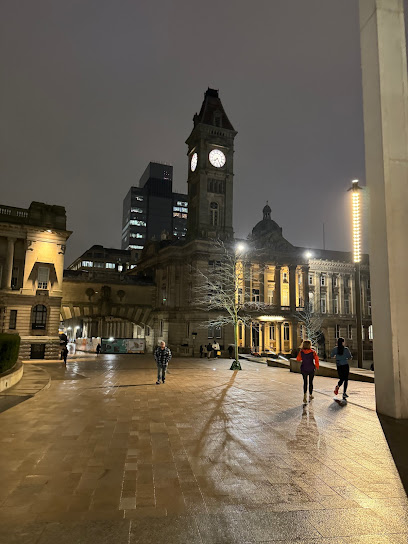
Workers Memorial
0.1 km
A solemn landmark in Birmingham honoring workers lost to workplace tragedy and inspiring the fight for safer labor conditions.
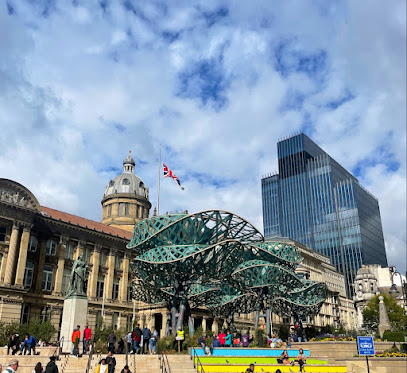
The River
0.3 km
Iconic bronze fountain sculpture in Birmingham’s Victoria Square, blending art, poetry, and urban life since 1994.
The Best of Birmingham Trail
0.3 km
Explore Birmingham’s rich heritage through 20 iconic sites on this free, immersive city centre trail blending history, art, and urban renewal.
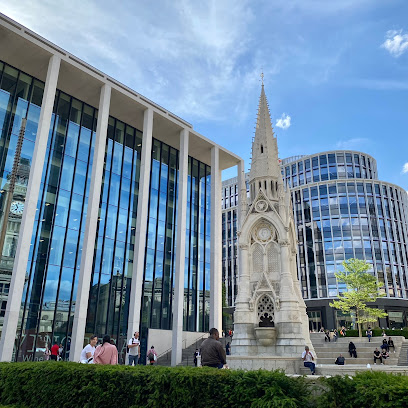
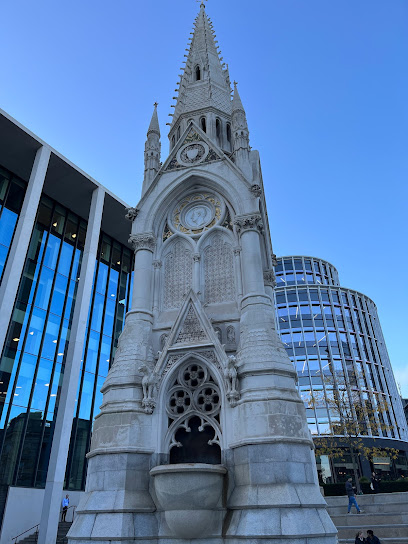
Chamberlain Memorial
0.4 km
A striking neo-Gothic monument in Birmingham’s Chamberlain Square honoring Joseph Chamberlain’s legacy of public service and city transformation.
The Selfridges Building
0.6 km
A shimmering silver landmark in Birmingham’s Bullring, where shopping meets futuristic architecture and luxury retail in a sculptural masterpiece.
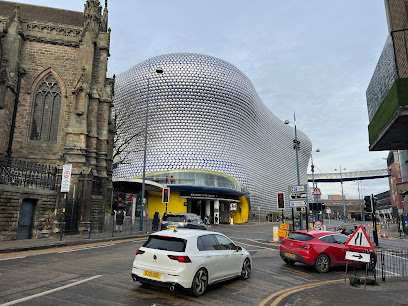
Thinktank Birmingham Science Museum
0.9 km
Unleash your curiosity at Thinktank Birmingham Science Museum, where science comes to life through interactive exhibits and engaging experiences for all ages.
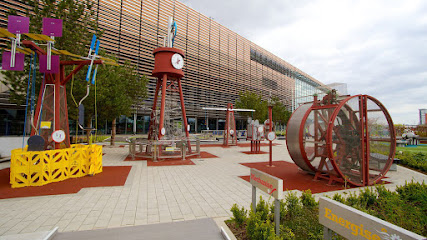
Millennium Point
0.9 km
Explore Millennium Point, Birmingham's architectural marvel and vibrant venue for conferences, exhibitions, and community events.
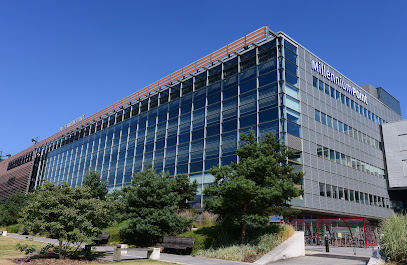
Kids' Park
0.9 km
Discover Kids' Park in Birmingham, where adventure meets learning in a family-friendly environment filled with fun activities and lush greenery.
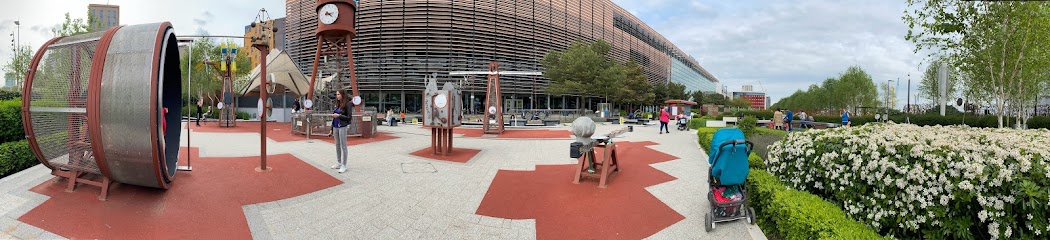
The Cube
0.9 km
Discover The Cube in Birmingham – a unique blend of leisure, dining, and entertainment that creates unforgettable experiences for every visitor.
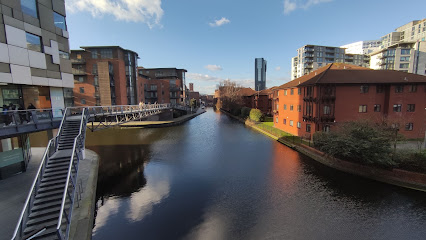
Birmingham Walk of Stars
0.9 km
Explore the Birmingham Walk of Stars, an outdoor tribute celebrating the city's iconic figures from music, film, and sports along the vibrant Broad Street.
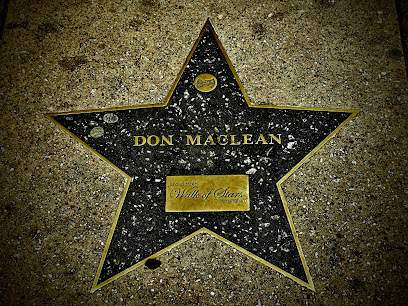
Pen Museum
0.9 km
Explore the fascinating world of writing instruments at the Pen Museum, a unique Birmingham attraction celebrating the heritage of pens and writing.
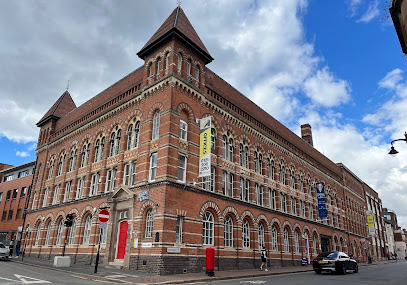
Eastside City Park
1.0 km
Experience the tranquility and culture of Eastside City Park, Birmingham's premier urban green space, perfect for relaxation and exploration.
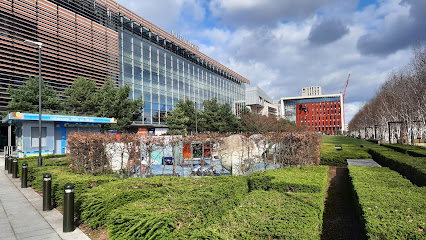
The Empire Remains Shop—Birmingham
1.0 km
Explore Birmingham's cultural heritage at The Empire Remains Shop, a unique museum showcasing the city's rich history and artistic legacy.
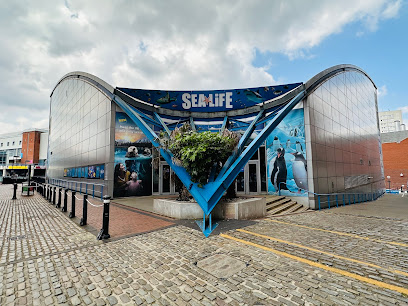
National SEA LIFE Centre Birmingham
1.0 km
Explore the National SEA LIFE Centre Birmingham, a captivating aquarium experience featuring thousands of marine creatures and educational exhibits for all ages.
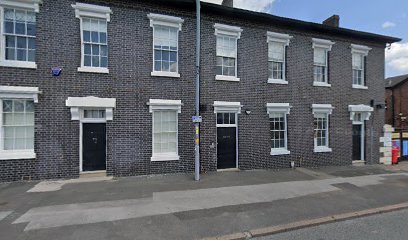
Historic England
1.0 km
Uncover Birmingham's rich history and heritage at Historic England, a cornerstone of cultural preservation and education in the heart of the city.
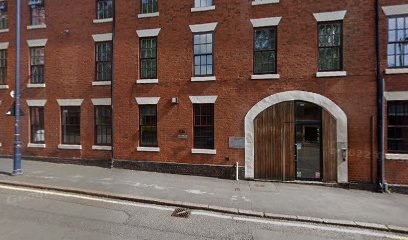
Unmissable attractions to see

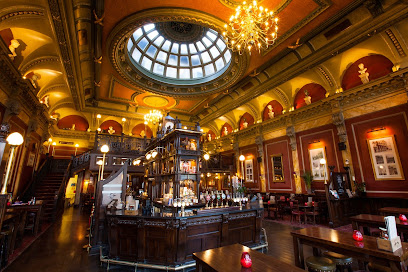
The Old Joint Stock Pub & Theatre, Birmingham
0.1 km
Historic Victorian pub and vibrant studio theatre in Birmingham’s city centre, blending rich heritage with live entertainment and refined British dining.
Great Western Arcade
0.1 km
Discover Birmingham’s elegant Victorian shopping arcade blending historic charm with boutique shops, fine foods, and cozy bars.
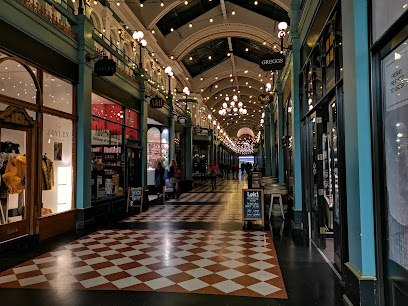
House of Fraser
0.2 km
Discover Birmingham’s iconic House of Fraser on Corporation Street, a historic department store offering diverse fashion, beauty, and homewares across six floors.
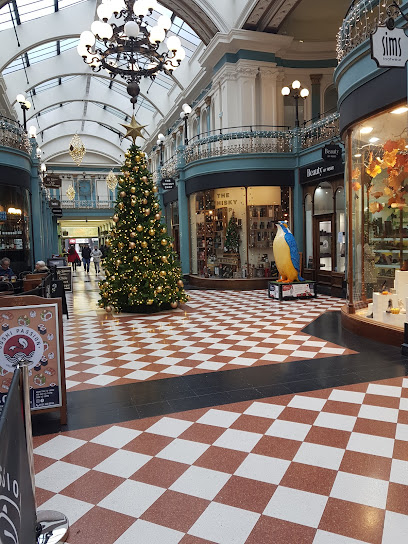
New Street & Burlington Arcade
0.2 km
A vibrant crossroads in Birmingham city centre blending historic elegance and dynamic shopping at New Street and Burlington Arcade.
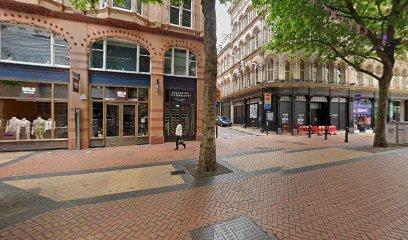
Martineau Place
0.2 km
Birmingham's central shopping hub honoring a dynasty of mayors, blending retail buzz with echoes of Unitarian heritage and civic pride.
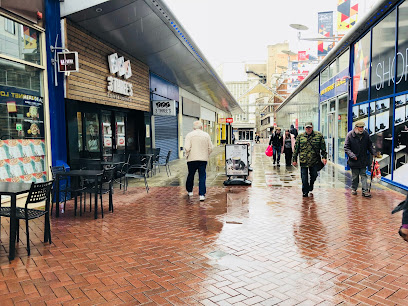
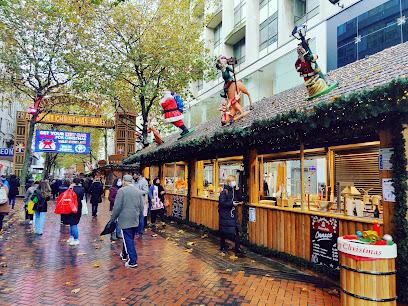
Frankfurt Christmas Market Birmingham
0.3 km
Experience the largest authentic German Christmas market outside Germany, alive with festive food, crafts, and music in Birmingham’s Victoria Square.
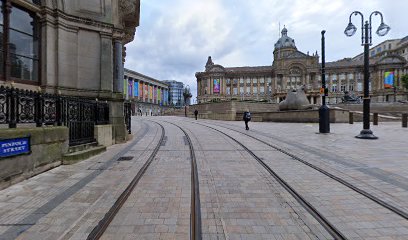
A guardian
0.3 km
Historic French Renaissance former Head Post Office now vibrant Grade A office space overlooking Birmingham’s civic heart.
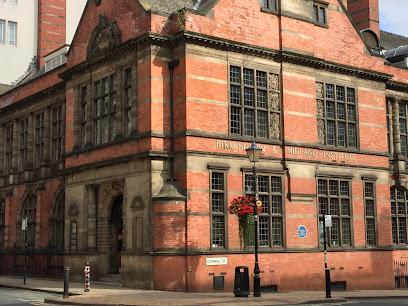
Birmingham & Midland Institute
0.3 km
Historic cultural landmark fostering education, arts, and science in Birmingham since 1854, with a renowned library and vibrant programs.
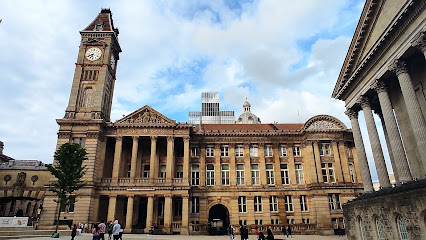
Birmingham Museum & Art Gallery
0.3 km
Explore Birmingham’s rich heritage and world-class art in a stunning historic museum with free entry and family-friendly galleries.
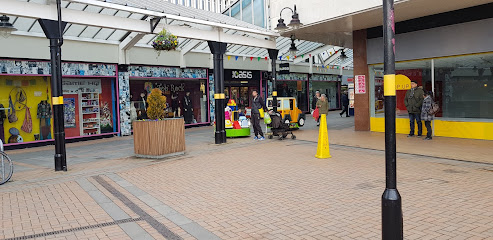
The Square Shopping Centre
0.3 km
Compact, sheltered city-centre shopping with practical high-street and independent stalls, ideal for quick stops and everyday needs near Birmingham’s retail core.
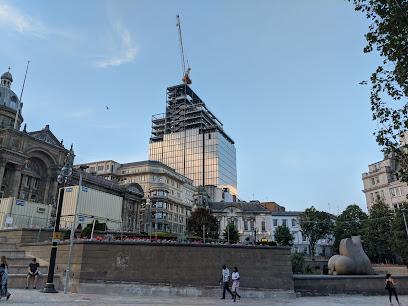
Victoria Square
0.3 km
Victoria Square: Birmingham’s historic pedestrian plaza blending iconic architecture, lively fountains, and vibrant city culture in a central urban oasis.
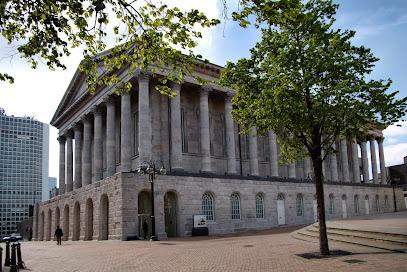
Birmingham Town Hall
0.4 km
Discover Birmingham Town Hall, a Roman Revival architectural gem and historic concert venue at the heart of Victoria Square.
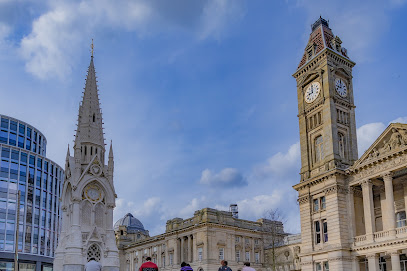
Chamberlain Square
0.4 km
Birmingham’s iconic public square blending Victorian grandeur with modern vibrancy and cultural celebration.
The Grand Central Bull
0.4 km
Experience Birmingham's vibrant culture and rich history at The Grand Central Bull, a must-see tourist attraction in the heart of the city.
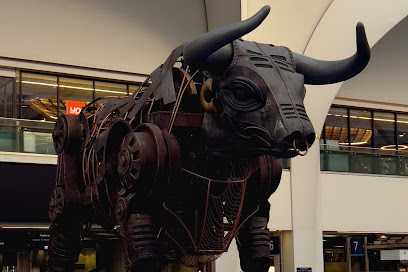
Grand Central Shopping Centre
0.4 km
A stunning, modern shopping centre integrated with Birmingham’s New Street Station, offering diverse retail and dining in a light-filled, accessible space.
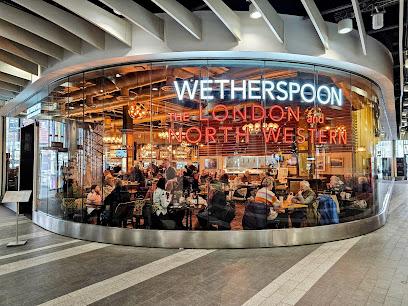
Essential places to dine

Gusto Italian
0.1 km
Stylish Italian dining beneath Birmingham’s Grand Hotel, blending classic flavors with a lively city centre atmosphere.
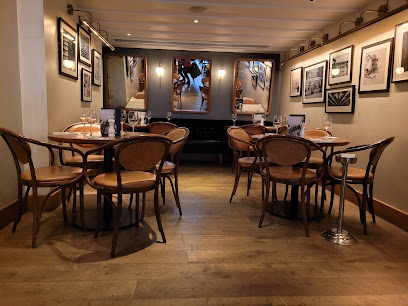
Fumo by San Carlo - Birmingham Waterloo St
0.1 km
Chic Italian dining in Birmingham serving Venetian cicchetti, creative cocktails, and authentic flavors in a stylish modern setting.
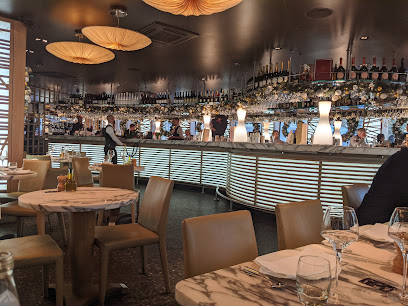
The Ivy Temple Row
0.1 km
A stylish British brasserie in Birmingham blending art deco elegance with classic dishes and impeccable service.
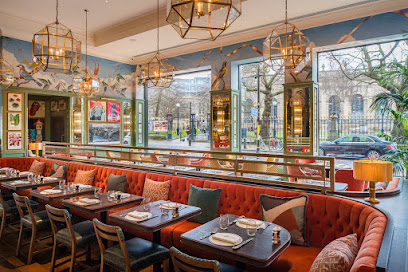
San Carlo - Birmingham
0.1 km
Classic Italian elegance and seafood delights in Birmingham’s stylish city centre dining destination.
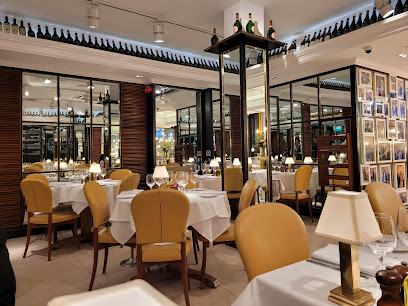
Gaucho Birmingham
0.1 km
Experience authentic Argentinian steakhouse luxury with premium cuts and elegant ambiance in Birmingham’s vibrant city centre.
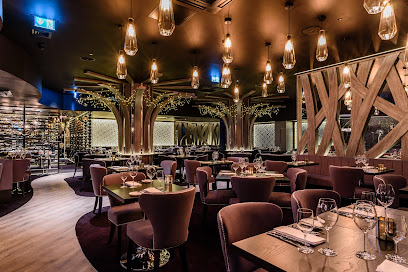
Riva Blu Italian Restaurant & Bar, Birmingham
0.1 km
Experience the vibrant taste and style of Southern Italy in the heart of Birmingham with Riva Blu’s authentic cuisine and chic atmosphere.
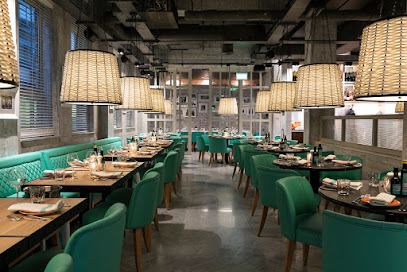
The Oyster Club
0.1 km
A sophisticated oyster bar and seafood restaurant in Birmingham offering fresh oysters, creative cocktails, and seasonal dishes in a relaxed setting.
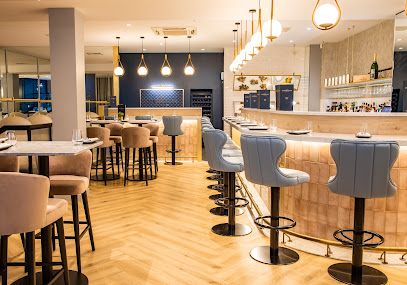
Las Iguanas - Birmingham - Temple Street
0.1 km
Vibrant Latin American dining with carnival energy, fresh cocktails, and shareable feasts in Birmingham's city centre.
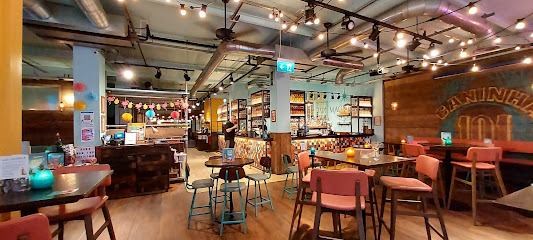
Tattu Birmingham
0.1 km
Ancient philosophy meets modern cuisine in Birmingham's most architecturally audacious Chinese restaurant.
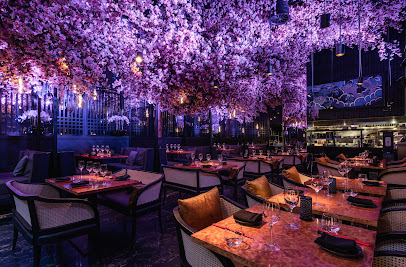
Land Restaurant
0.1 km
Innovative vegan fine dining in Birmingham’s historic arcade, blending global flavors with seasonal British produce.
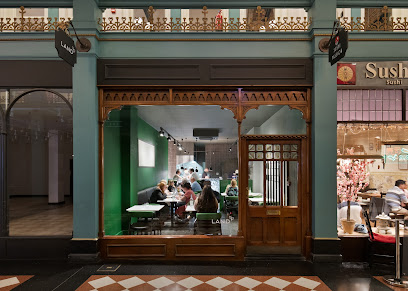
The Lost & Found Birmingham
0.1 km
A whimsical Victorian botanical hideaway in Birmingham offering inventive British cuisine and a unique cocktail experience in a lively, vintage setting.
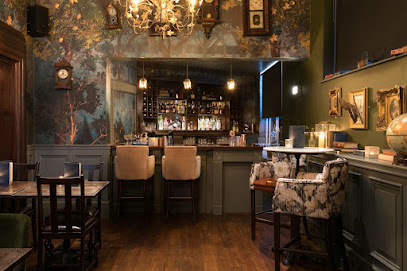
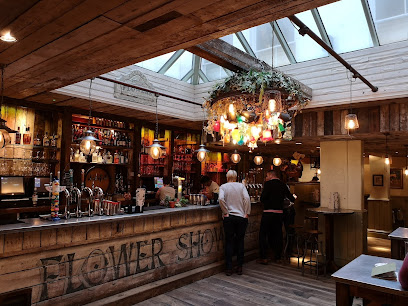
The Botanist Birmingham
0.2 km
A vibrant botanical oasis in Birmingham city centre, blending fresh seasonal dining, inventive cocktails, and live music by the canal.
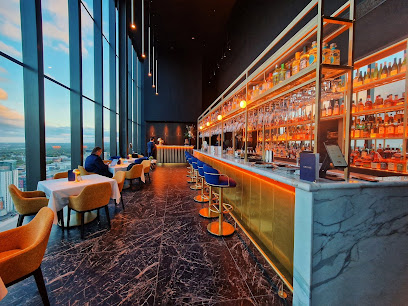
Orelle
0.2 km
Sophisticated French fine dining on the 24th floor with panoramic views across Birmingham’s skyline.
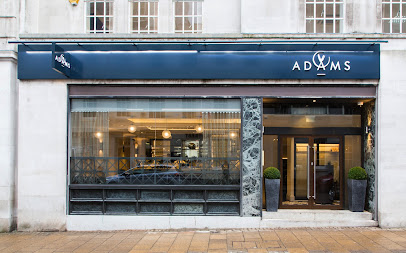
Adam's Restaurant
0.2 km
Michelin-starred modern British fine dining in Birmingham with creative cuisine, elegant Art Deco style, and impeccable service.
Purnells
0.2 km
Experience Michelin-starred British innovation and exquisite flavors at Purnell's, Birmingham’s premier fine dining destination.
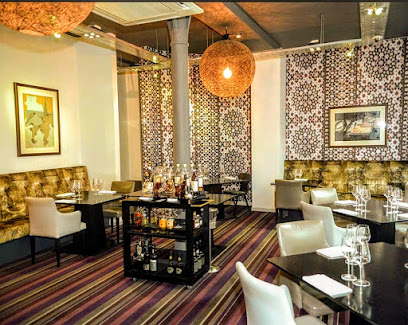
Markets, malls and hidden boutiques

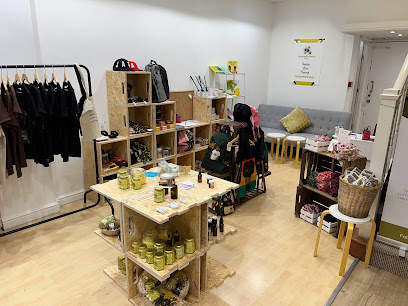
Community Gift Shop
0.1 km
Discover unique products and support diverse entrepreneurs at Birmingham’s Black Pounds Project Community Gift Shop in the historic Great Western Arcade.
The Alice Boutique
0.2 km
Discover timeless vintage-inspired fashion in a charming boutique nestled within Birmingham’s historic Great Western Arcade.
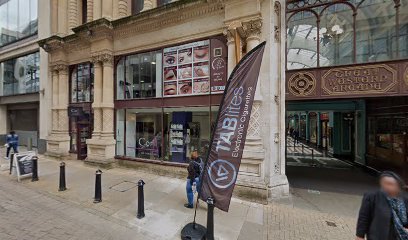
Designer Exchange
0.2 km
Discover authenticated preloved luxury fashion in Birmingham’s elegant Victorian Great Western Arcade.
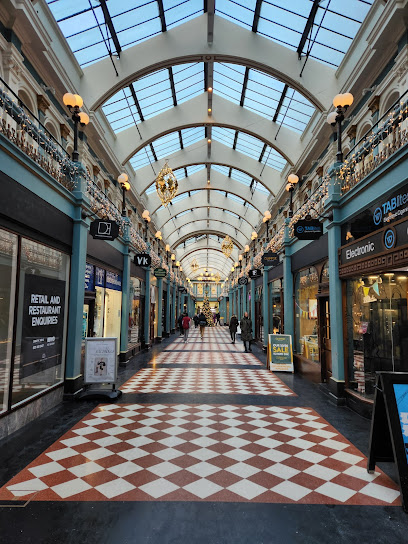
La MC Vintage
0.2 km
Discover timeless vintage fashion treasures in Birmingham’s charming North Western Arcade at La MC Vintage.
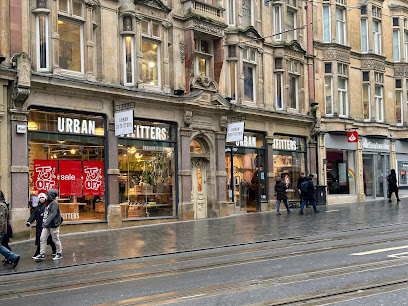
Urban Outfitters
0.2 km
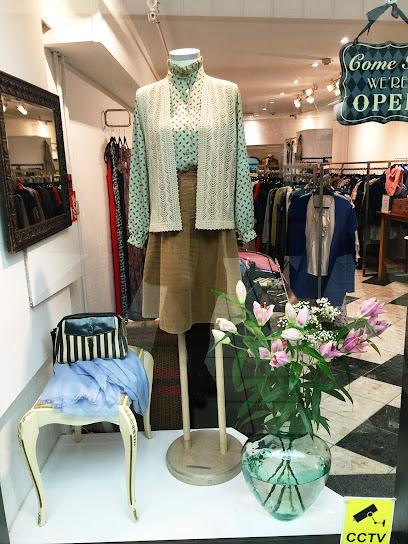
Discover stylish apparel, unique homewares, and a vibrant shopping vibe at Urban Outfitters Birmingham in the city centre.
Funkybits4u Fair Trade - Birmingham
0.3 km
Discover ethically crafted gifts and inspiring interiors at Funkybits4u Fair Trade, a vibrant hub of sustainable artistry in Birmingham.
Obsidian
0.3 km
Discover mystical treasures and spiritual gifts at Obsidian, Birmingham’s premier metaphysical shop on vibrant Corporation Street.
The Oasis fashion store
0.3 km
A vibrant hub for alternative fashion, vintage finds, and creative lifestyle services in the heart of Birmingham.
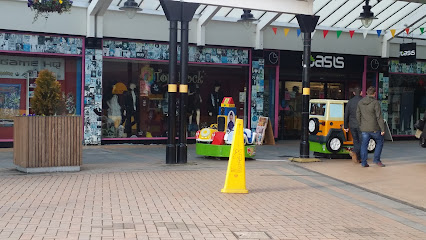
Simply Gifted
0.3 km
Explore Simply Gifted in Birmingham for unique gifts and local treasures that reflect the vibrant spirit of the city.
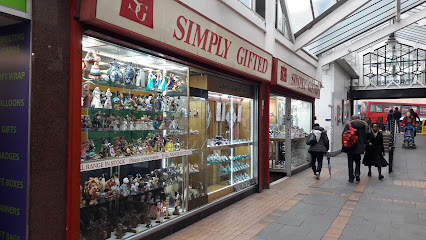
The Works
0.3 km
Discover affordable arts, crafts, books, and stationery in the heart of Birmingham’s vibrant New Street shopping district.
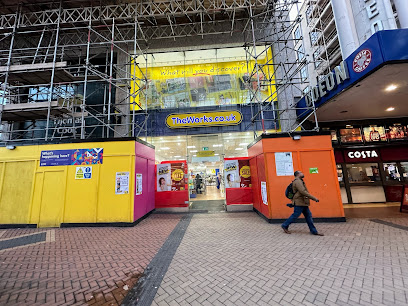
Flying Tiger Copenhagen
0.4 km
Discover quirky, affordable Scandinavian gifts and everyday essentials that bring joy and creativity to Birmingham’s city center.
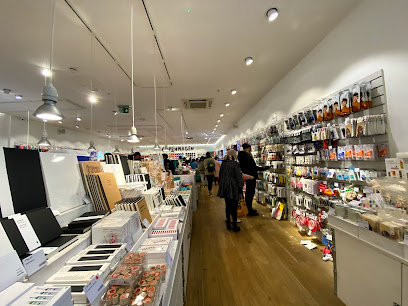
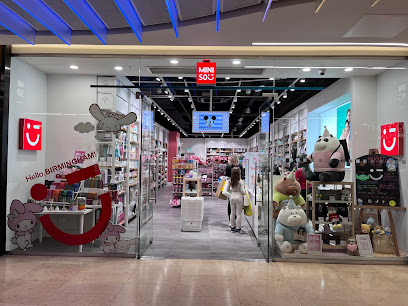
Miniso
0.4 km
Bright, affordable design and collectable character goods — a family-friendly stop for pocket-money treats in Grand Central.
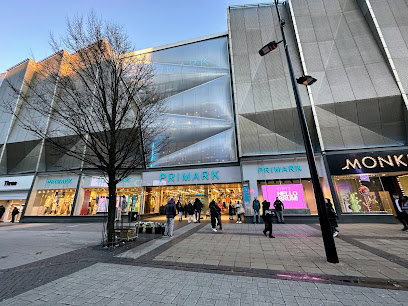
Primark
0.4 km
A huge, multi‑level flagship on Birmingham High Street offering fast, affordable fashion, homewares and themed in‑store concepts under one roof.
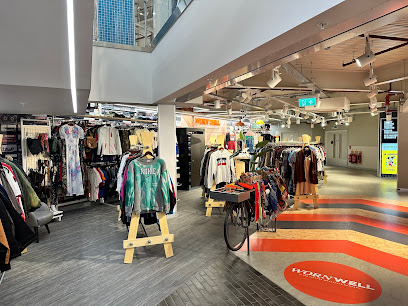
Wornwell Vintage Clothing
0.4 km
Discover authentic vintage fashion and quality streetwear at Wornwell Vintage Clothing, a unique shop nestled inside Primark on Birmingham's High Street.
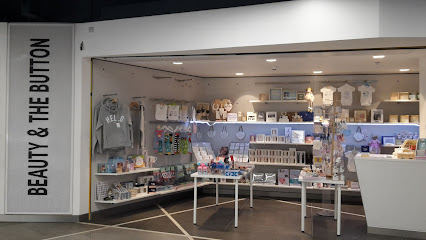
Beauty & the Button
0.5 km
Discover personalised gifts and colourful button frames at Beauty & the Button, Birmingham’s charming shop for meaningful celebrations.
Essential bars & hidden hideouts

Madeleine
0.1 km
An elegant, salon‑style cocktail bar in The Grand Hotel — famed for refined afternoon tea and meticulous cocktails in a dramatic, over‑sized parlour.
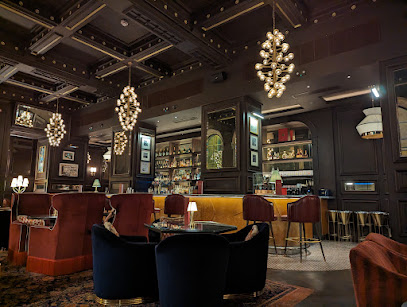
The Alchemist Colmore Row
0.1 km
Experience Birmingham’s iconic Grand building transformed into a theatrical cocktail haven blending molecular magic with vibrant city nightlife.
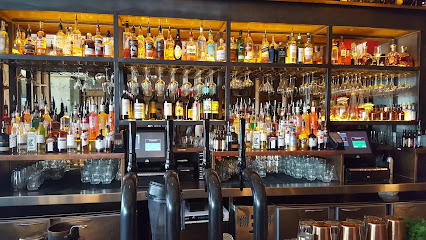
Revolución de Cuba Birmingham
0.1 km
Experience authentic Cuban vibes, vibrant cocktails, and lively salsa music in the heart of Birmingham’s city centre.
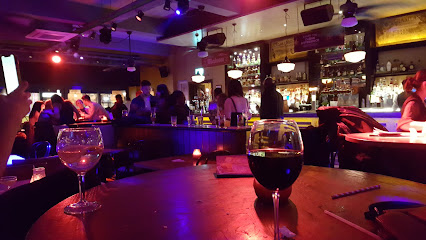
The Head of Steam Birmingham
0.1 km
A vibrant city-centre pub with craft beers, over 50% vegan menu, shuffleboard, live music, and private event spaces near New Street Station.
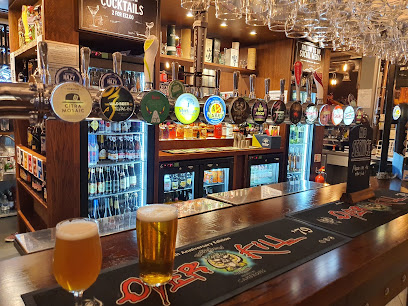
Dirty Martini - Birmingham
0.1 km
Trendy cocktail bar in Birmingham’s city center, known for stylish decor, expertly crafted drinks, and a lively party atmosphere.
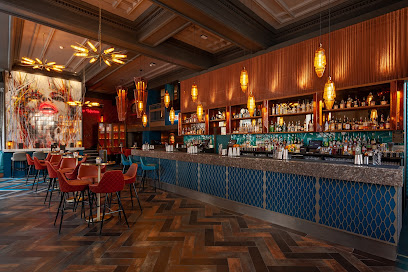
Flight Club Birmingham
0.1 km
Experience social darts like never before in Birmingham’s vibrant Victorian circus-themed bar with cocktails, brunch, and interactive games.
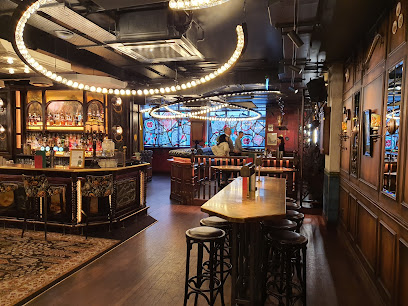
The Cocktail Club - Birmingham
0.1 km
Three floors of cocktail theatre, bottomless brunches, and Birmingham nightlife magic—where sexy sips meet wild vibes until 2am.
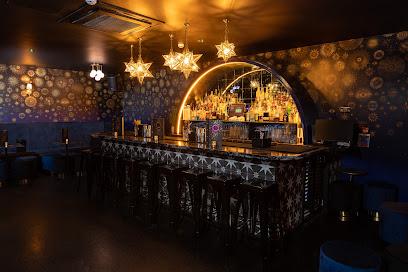
The Trocadero
0.2 km
Lively city-centre pub with great food, live sports, and a welcoming atmosphere in Birmingham’s Temple Street.
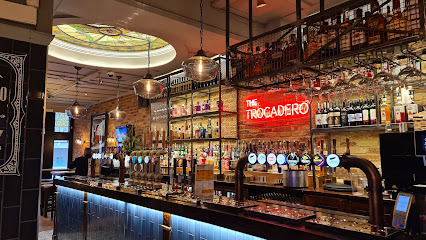
Purecraft Bar & Kitchen
0.2 km
A vibrant gastropub in Birmingham blending craft beer culture with modern British cuisine in a spacious, welcoming setting.
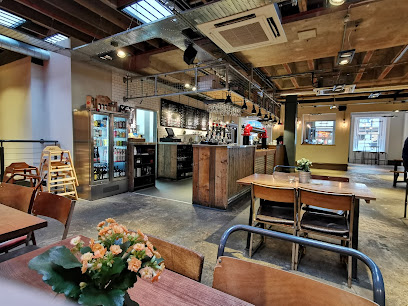
Theatrix Birmingham
0.2 km
Historic charm meets vibrant nightlife at Theatrix Birmingham, a stylish multi-floor bar and entertainment venue in the city centre.
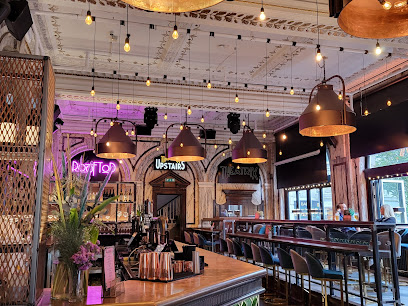
Tilt
0.3 km
Pinball paradise meets craft pours in Birmingham's City Arcade – Tilt's retro magic blended games, beers, and beats until its 2025 farewell.
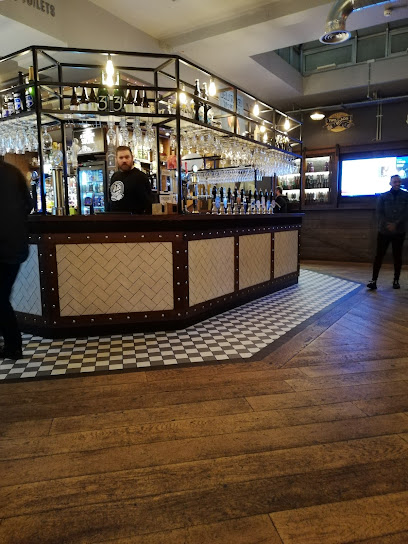
Bacchus Bar
0.3 km
Discover Birmingham’s medieval-inspired basement pub, where historic charm meets lively atmosphere and quality British ales.
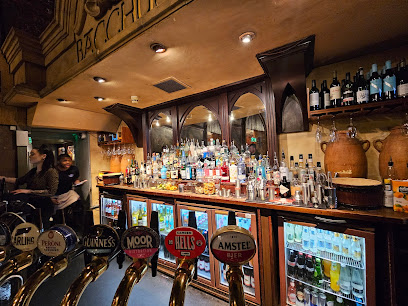
Be At One - Birmingham
0.3 km
Lively cocktail bar in Birmingham city centre with 100+ drinks, expert bartenders, and a vibrant party atmosphere.
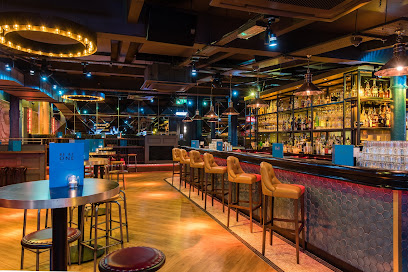
Tonight Josephine - Birmingham
0.3 km
Experience Birmingham’s boldest pink cocktail bar with creative drinks, vibrant events, and a party spirit inspired by Empress Joséphine.
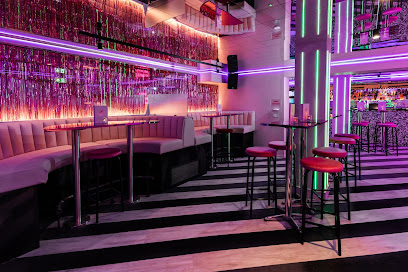
Fox and Chance
0.3 km
An award-winning independent cocktail bar in Birmingham, blending creative drinks with a cozy, sophisticated atmosphere.
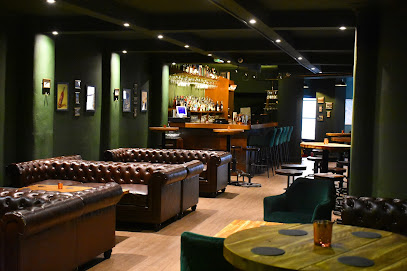
Nightclubs & after hour spots

What do you mean
0.1 km
Dive into Birmingham’s vibrant nightlife at What Do You Mean, a premier nightclub known for electrifying music, creative cocktails, and an unforgettable party vibe.
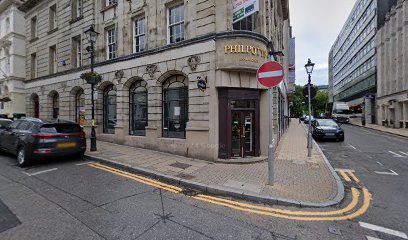
King of clubs
0.5 km
Compact late‑night Birmingham club for high‑energy R&B, hip‑hop and DJ nights, pulsing into the small hours with neon, bass and bar-driven parties.
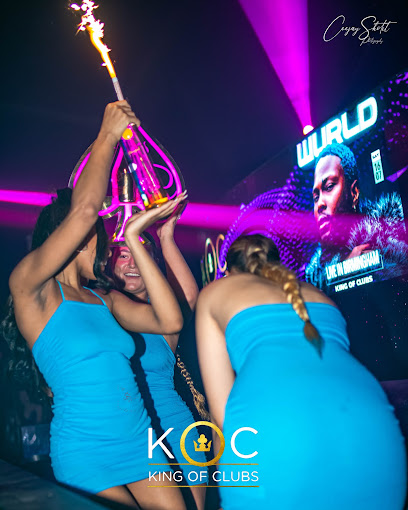
Tunnel Club Birmingham
0.5 km
Dive under Birmingham's arches into Tunnel Club's seven-room warehouse wonderland, where house, techno, and hip-hop fuel all-night dances amid pounding bass and vivid lights.
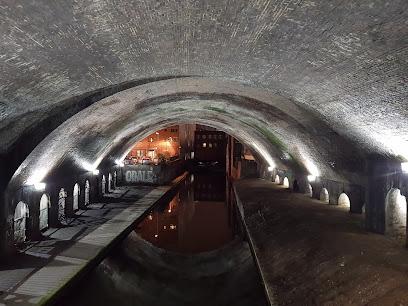
Bambu Nightclub
0.7 km
Experience Birmingham’s chic nightlife hotspot with stylish vibes, eclectic music, and late-night dancing at Bambu Nightclub.
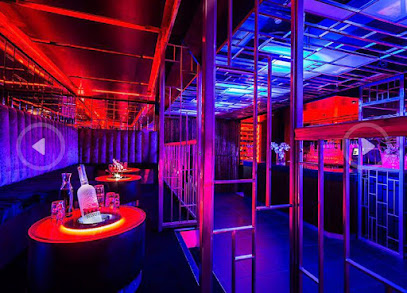
101 Night Club
0.7 km
Unleash your nightlife spirit at 101 Night Club, Birmingham's vibrant center for music, dancing, and unforgettable experiences.
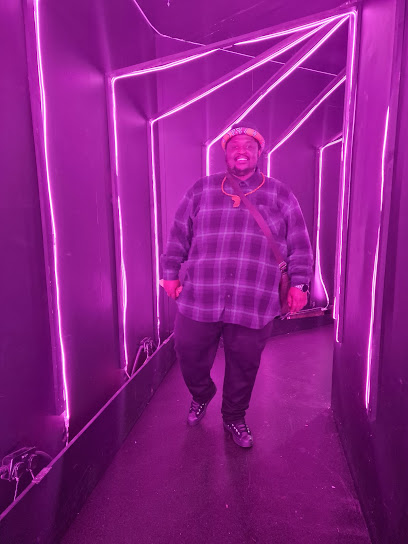
Sobar
0.7 km
Dive into Birmingham's electric nightlife at Sobar, where R&B beats, masterful cocktails, and inclusive vibes fuel unforgettable weekend revelry in the heart of the Arcadian.
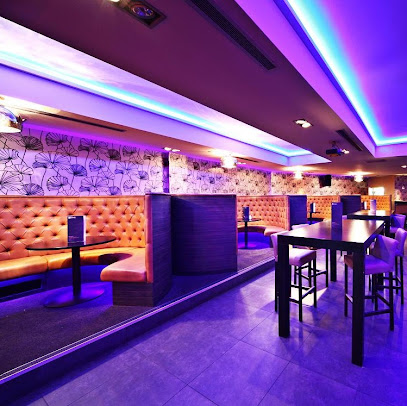
suki10c
0.8 km
Quirky Digbeth nightclub with local art, sustainable vibes, and eclectic beats in an intimate 180-capacity space powered by wind energy.
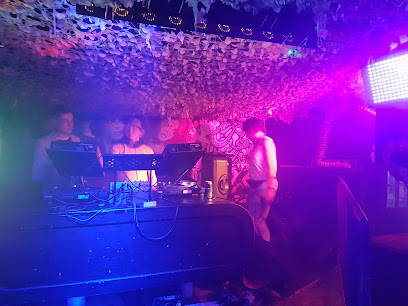
Reflex - Birmingham
0.8 km
Spin into 80s-00s nostalgia at Reflex Birmingham: revolving dance floor, karaoke booths, neon vibes, and epic sing-alongs on Broad Street's party strip.
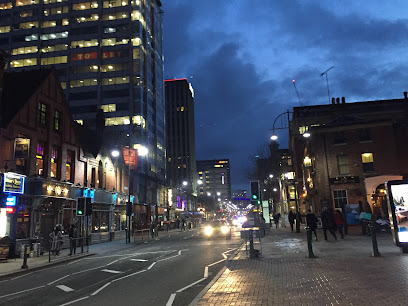
Rosies - Birmingham
0.9 km
Birmingham's ultimate super club: five themed rooms, killer cocktails, and non-stop beats on Broad Street for epic nights out.
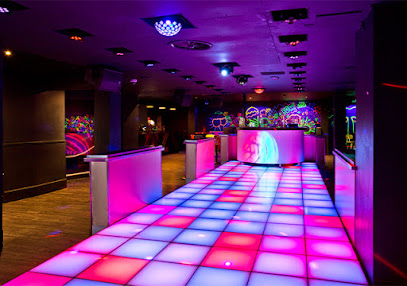
Mango Night Club
0.9 km
A high‑energy Bristol Street nightclub serving Afrobeats, hip‑hop and R&B for late‑night dancers and party crowds in central Birmingham.
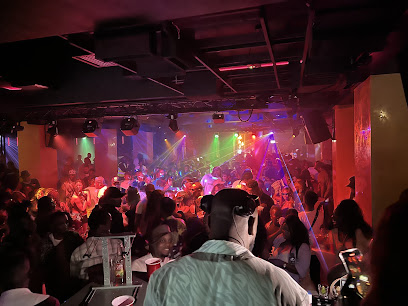
Nightingale Club
1.0 km
Birmingham's legendary LGBTQIA+ superclub: three floors of pulsating beats, go-go glamour, and five decades of unapologetic queer joy in the Gay Village.
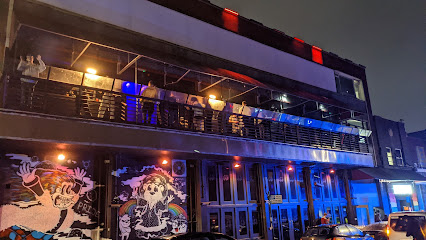
Popworld - Birmingham
1.0 km
Broad Street's ultimate pop party hub: 90s-00s hits, neon dance floors, cocktails, and celebration packages until 3am.
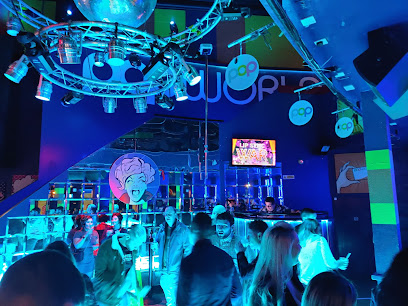
PAVO Birmingham
1.0 km
Vibrant African fusion lounge and nightclub in Birmingham's Jewellery Quarter, where bold flavors meet electrifying beats until 4am on weekends.
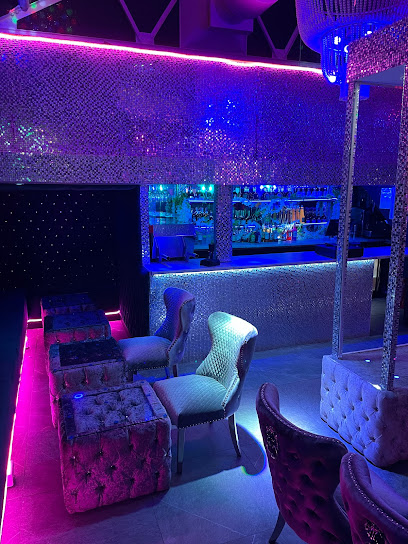
Sector 57
1.1 km
Experience Birmingham’s vibrant nightlife at Sector 57, where eclectic music and electric vibes create unforgettable nights in Deritend.
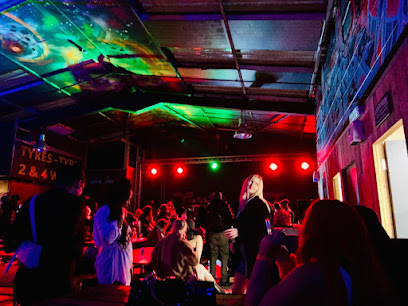
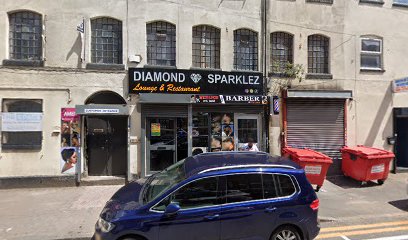
Dreams Night club and Shisha
1.1 km
Birmingham's Jewellery Quarter gem fusing aromatic shisha clouds with thumping club beats until 5am—pure late-night energy on Barr Street.
For the vibe & atmosphere seeker
- Tranquil
- Scenic
- Relaxing
- Unique
- Casual
For the design and aesthetic lover
- Vintage Styles
- Art Deco Styles
For the architecture buff
- Historic
- Landmarks
- Sacred Sites
For the view chaser and sunset hunter
- Iconic Views
- Sunrise Spots
- Sunset Spots
For the social media creator & influencer
- Instagrammable
- Photo Spots
- Selfie Spots
- Architectural Shots
For the eco-conscious traveler
- Public-Transport Accessible
- Locally Managed
For the kind of experience you’re after
- Cultural Heritage
- Mindfulness
- Spiritual / Energy Spot
- Photowalk
- Day Trip
- Weekend Getaway
For how adventurous you want the journey to be
- Easy Access
Location Audience
- Family Friendly
- LGBT Friendly
- Senior Friendly
- Child Friendly
- Teen Friendly
- Wheelchair Access
- Pet Friendly
- Solo Friendly
- Couple Friendly
- Solo Female Friendly
- Vegetarian Friendly
- Vegan Friendly


