

Birmingham & Midland Institute: A Historic Hub of Learning and Culture
Historic cultural landmark fostering education, arts, and science in Birmingham since 1854, with a renowned library and vibrant programs.
Founded in 1854, the Birmingham & Midland Institute (BMI) is a Grade II* listed cultural and educational landmark in Birmingham city centre. It promotes the diffusion of science, literature, and art among all classes, with a rich history linked to figures like Charles Dickens. The BMI houses a renowned subscription library with over 120,000 volumes and hosts lectures, exhibitions, and concerts in its historic building on Margaret Street.
A brief summary to Birmingham & Midland Institute
- 9 Margaret St, Birmingham, B3 3BS, GB
- +441212363591
- Visit website
- Duration: 1 to 3 hours
- Mid ranged
-
 Indoor
- Mobile reception: 4 out of 5
- Monday 8 am-5 pm
- Tuesday 8 am-9 pm
- Wednesday 8 am-9 pm
- Thursday 8 am-5 pm
- Friday 8 am-5 pm
- Saturday 8 am-5 pm
Local tips
- Visit the BMI Library’s secondhand bookshop, Second Hand Prose, open weekdays for unique finds supporting the Institute.
- Check the BMI’s event calendar for lectures, exhibitions, and concerts held regularly in the historic building.
- Membership grants access to the library’s lending services and special collections; inquire onsite for details.
- Explore the architectural details of the Victorian Gothic extensions and original Italianate design.
- Plan your visit during weekdays when the library and many cultural activities are open; note weekend hours are limited.

For the on-the-go comforts that matter to you
- Restrooms
- Drink Options
- Food Options
- Seating Areas
- Information Boards
Getting There
-
Public Transport
Take the West Midlands Metro tram to the Library stop, approximately 10-15 minutes from Birmingham New Street Station. Services run every 6-10 minutes during the day, with tickets costing around £1.80-£3.00 GBP. The stop is a short walk from 9 Margaret Street, with accessible paths.
-
Bus
Multiple bus routes serve Margaret Street, including routes 8, 11, and 63 from Birmingham city centre. Travel time ranges from 10-20 minutes depending on traffic. Single fares cost about £2.00 GBP. Bus stops are within 200 meters of the Institute, with shelters and seating available.
-
Taxi or Rideshare
A taxi or rideshare from Birmingham New Street Station to the BMI takes approximately 7-12 minutes depending on traffic. Estimated fare ranges from £6 to £10 GBP. Drop-off is available directly outside the entrance on Margaret Street.
-
Walking
From Birmingham New Street Station, walking to the BMI takes around 15-20 minutes along mostly flat, paved streets. The route is suitable for wheelchair users and prams, with pedestrian crossings and street lighting.
Birmingham & Midland Institute location weather suitability
-
 Any Weather
-
 Rain / Wet Weather
-
 Clear Skies
-
 Mild Temperatures
Discover more about Birmingham & Midland Institute
Origins and Founding Vision
The Birmingham & Midland Institute was established in 1854 by an Act of Parliament with the mission to advance science, literature, and art among all social classes in Birmingham and the Midlands. Spearheaded by local philanthropist Arthur Ryland and other civic leaders, the BMI was conceived as a unifying institution to consolidate various educational efforts in the rapidly industrializing city. Its founding ethos was deeply rooted in the Victorian ideal of accessible education, aiming especially to serve working men and those without formal schooling. The Institute quickly became a beacon of adult education and cultural enrichment, reflecting Birmingham’s civic pride and industrial prominence.Architectural and Historical Significance
The BMI’s current home on Margaret Street is a Grade II* listed building, embodying Victorian architectural style with a rich heritage. Originally designed by Edward Middleton Barry and later expanded by John Henry Chamberlain in a Gothic style, the building was completed in stages from the mid-19th century. Prince Albert laid the foundation stone in 1855, underscoring the Institute’s importance. The building was designed to house museums, libraries, lecture theatres, and classrooms under one roof, symbolizing the integration of arts and sciences. Its location opposite Birmingham’s Town Hall situates it at the heart of the city’s cultural district.Library and Collections
The BMI incorporates the Birmingham Library, founded in 1779, which merged with the Institute in 1954. This subscription library holds over 120,000 volumes, specializing in humanities and retaining many original historic books. The library offers lending services to members and includes a recorded music collection. It also operates the only secondhand bookshop in central Birmingham, Second Hand Prose, supporting the Institute’s activities. The library’s archive preserves extensive records of the BMI and its cultural legacy, making it a vital resource for researchers and enthusiasts.Cultural and Educational Role Through Time
Throughout its history, the BMI has been a hub for lectures, exhibitions, concerts, and adult education. It played a pioneering role in technical and scientific education, including early instruction in phonography and metallurgy, which contributed to the foundation of institutions like Aston University and Birmingham Conservatoire. The Institute hosted penny lectures and performances accessible to all, championing the idea that elite arts and sciences should be available to the masses. Notable figures such as Charles Dickens, who served as President in 1869, supported the BMI’s mission, enhancing its reputation as a cornerstone of Birmingham’s cultural life.Modern Developments and Community Impact
Today, the BMI continues to evolve, embracing modernization to fulfill its founding remit for current and future generations. It offers thriving programs of cultural and educational activities within its historic premises. The Institute remains a registered charity committed to making arts, science, music, and literature accessible to all. Its governance actively pursues revitalization projects to maintain its role as a vibrant centre for learning and culture in Birmingham. The BMI’s blend of historic legacy and contemporary relevance ensures it remains integral to the city’s intellectual and artistic landscape.Legacy and Continuing Mission
The Birmingham & Midland Institute stands as a testament to Birmingham’s industrial heritage and civic ambition. It embodies the Victorian civic gospel’s ideals, promoting education and culture without class distinction. Its extensive library, historic building, and ongoing programs preserve a legacy of knowledge dissemination and cultural enrichment. The BMI’s commitment to accessible education and community engagement continues to inspire, reflecting the city’s dynamic spirit and the enduring value of lifelong learning.Iconic landmarks you can’t miss

The Best of Birmingham Trail
0.1 km
Explore Birmingham’s rich heritage through 20 iconic sites on this free, immersive city centre trail blending history, art, and urban renewal.
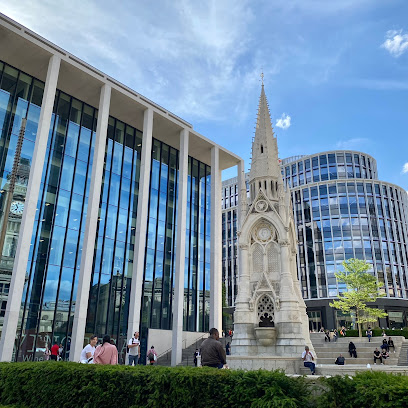
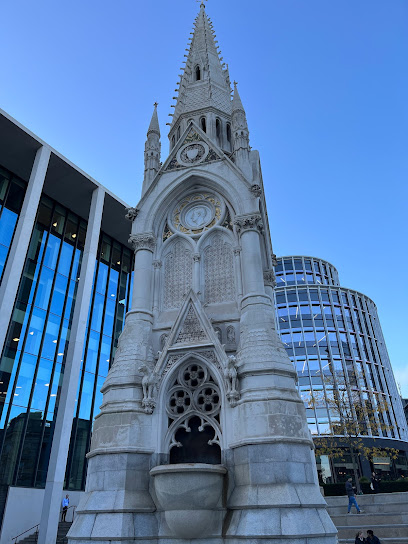
Chamberlain Memorial
0.1 km
A striking neo-Gothic monument in Birmingham’s Chamberlain Square honoring Joseph Chamberlain’s legacy of public service and city transformation.
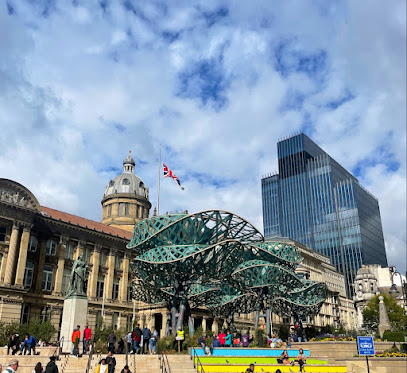
The River
0.2 km
Iconic bronze fountain sculpture in Birmingham’s Victoria Square, blending art, poetry, and urban life since 1994.
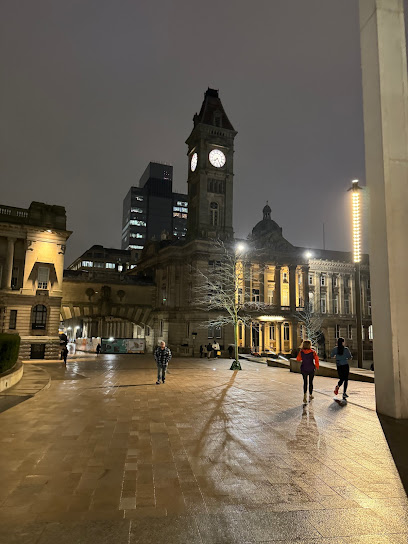
Workers Memorial
0.4 km
A solemn landmark in Birmingham honoring workers lost to workplace tragedy and inspiring the fight for safer labor conditions.
Historic England
0.8 km
Uncover Birmingham's rich history and heritage at Historic England, a cornerstone of cultural preservation and education in the heart of the city.
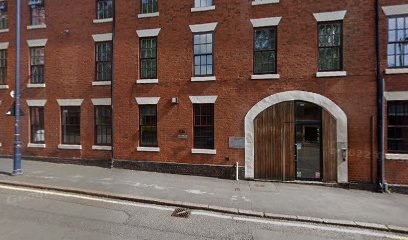
St. Martin's
0.9 km
Explore St. Martin's Church, a serene Anglican landmark in Birmingham, where architectural beauty and rich history await every visitor.
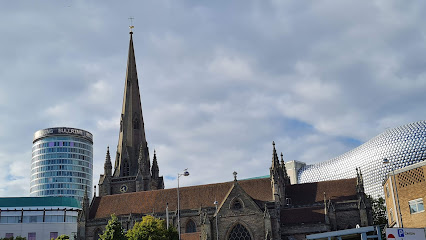
Eleven Brindley Place
0.9 km
Discover the vibrant Eleven Brindley Place in Birmingham, where modern architecture meets cultural experiences along scenic canalside views.
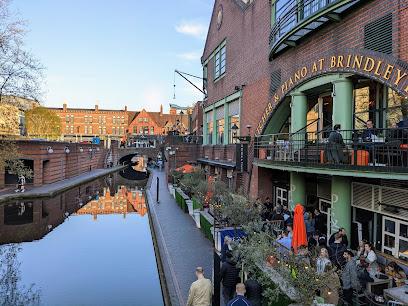
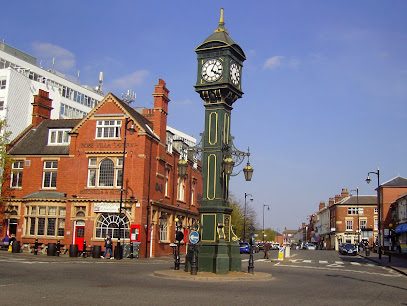
Chamberlain Clock
0.9 km
An elegant Edwardian clock tower at the heart of Birmingham’s Jewellery Quarter, built in 1903 as a memorial to Joseph Chamberlain and recently restored to its former glory.
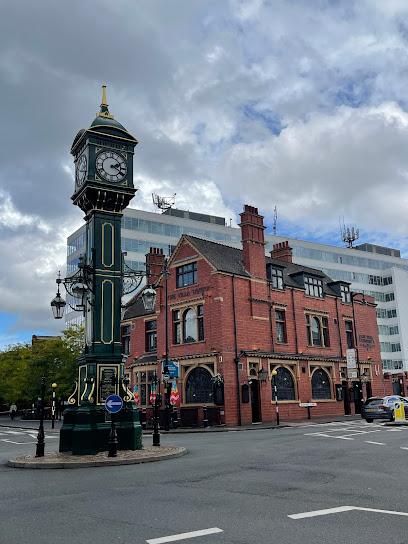
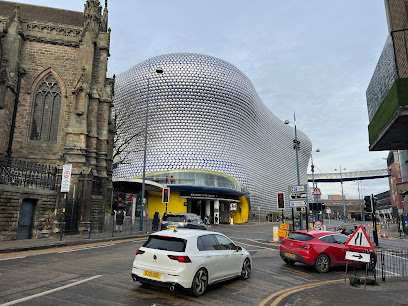
The Selfridges Building
0.9 km
A shimmering silver landmark in Birmingham’s Bullring, where shopping meets futuristic architecture and luxury retail in a sculptural masterpiece.
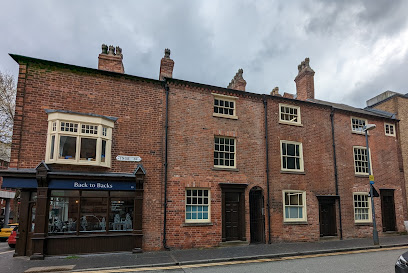
National Trust - Birmingham Back to Backs
0.9 km
Experience Birmingham's rich history at the iconic Back to Backs, a unique museum showcasing 19th-century urban life through preserved homes.
The Jewellery Quarter Birmingham
0.9 km
Birmingham's glittering historic heart where Victorian workshops craft timeless jewels amid cobblestone charm and creative revival.
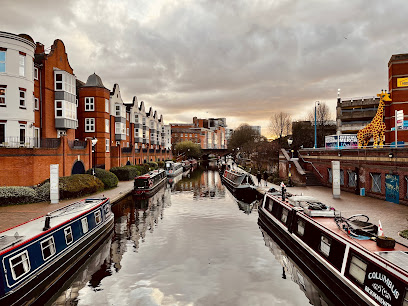
LEGOLAND Discovery Centre & LEGO Store Birmingham
1.0 km
Discover the magic of creation at LEGOLAND Discovery Centre Birmingham, an indoor adventure filled with LEGO fun, interactive exhibits, and thrilling rides.
The Jewellery Quarter
1.1 km
Explore Birmingham's historic Jewellery Quarter, a vibrant district filled with artisan shops, exquisite craftsmanship, and rich heritage.
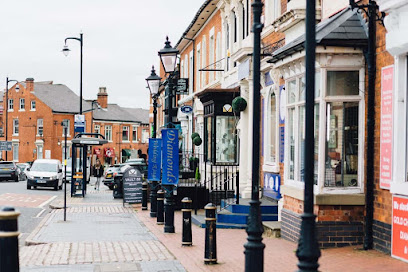
Thinktank Birmingham Science Museum
1.2 km
Unleash your curiosity at Thinktank Birmingham Science Museum, where science comes to life through interactive exhibits and engaging experiences for all ages.
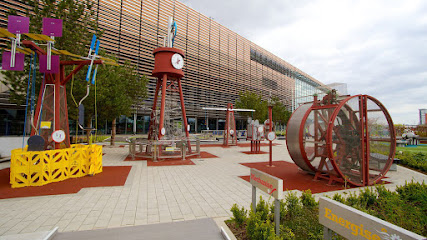
Millennium Point
1.2 km
Explore Millennium Point, Birmingham's architectural marvel and vibrant venue for conferences, exhibitions, and community events.
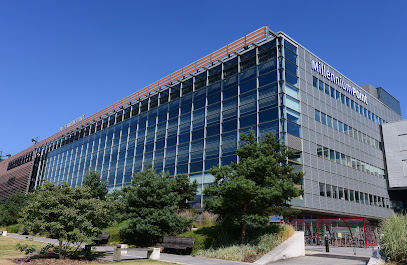
Unmissable attractions to see

Chamberlain Square
0.1 km
Birmingham’s iconic public square blending Victorian grandeur with modern vibrancy and cultural celebration.
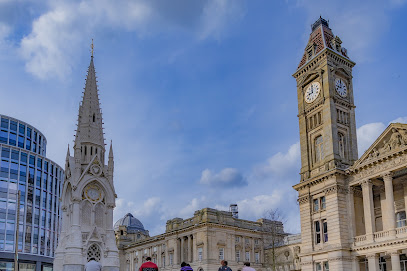
Birmingham Museum & Art Gallery
0.1 km
Explore Birmingham’s rich heritage and world-class art in a stunning historic museum with free entry and family-friendly galleries.
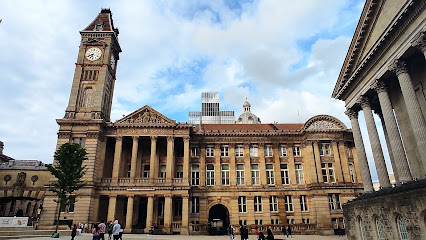
Chamberlain Sq
0.2 km
Where Victorian grandeur meets modern Birmingham – a lively civic square with museums, markets, and great architecture.
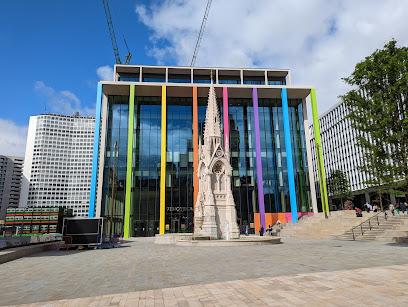
Birmingham Town Hall
0.2 km
Discover Birmingham Town Hall, a Roman Revival architectural gem and historic concert venue at the heart of Victoria Square.
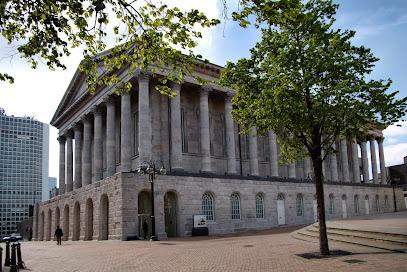
A guardian
0.2 km
Historic French Renaissance former Head Post Office now vibrant Grade A office space overlooking Birmingham’s civic heart.
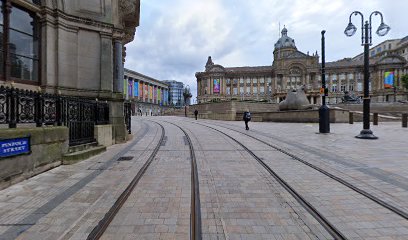
Victoria Square
0.2 km
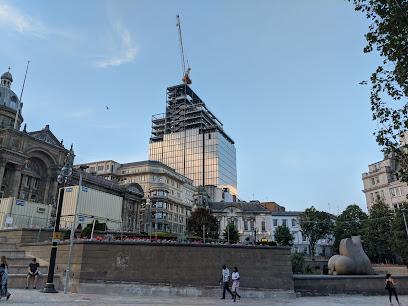
Victoria Square: Birmingham’s historic pedestrian plaza blending iconic architecture, lively fountains, and vibrant city culture in a central urban oasis.
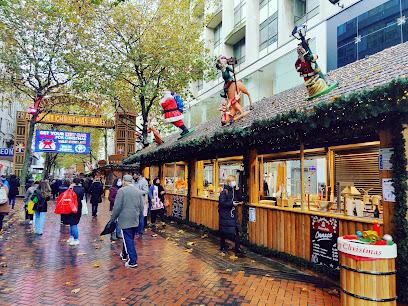
Frankfurt Christmas Market Birmingham
0.2 km
Experience the largest authentic German Christmas market outside Germany, alive with festive food, crafts, and music in Birmingham’s Victoria Square.
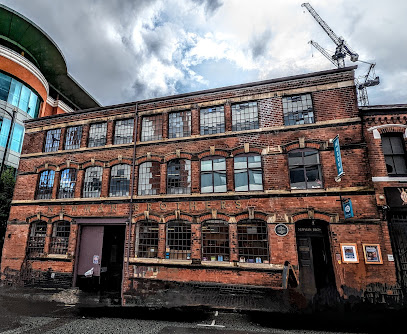
The Coffin Works
0.3 km
A Victorian coffin factory preserved as a time-capsule museum, revealing the craftsmanship behind royal funerals and industrial Birmingham.
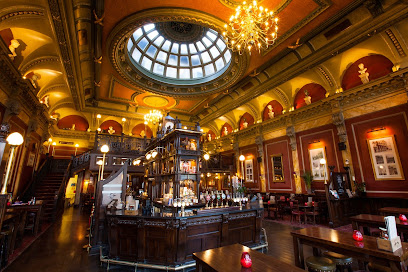
The Old Joint Stock Pub & Theatre, Birmingham
0.3 km
Historic Victorian pub and vibrant studio theatre in Birmingham’s city centre, blending rich heritage with live entertainment and refined British dining.
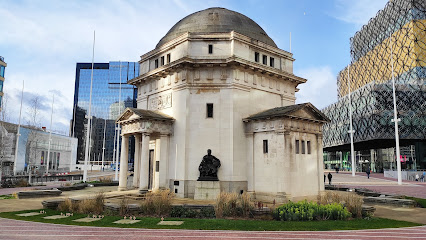
Hall of Memory
0.3 km
Discover the Hall of Memory in Birmingham, a significant memorial dedicated to the bravery of those who served in the World Wars amidst serene gardens.
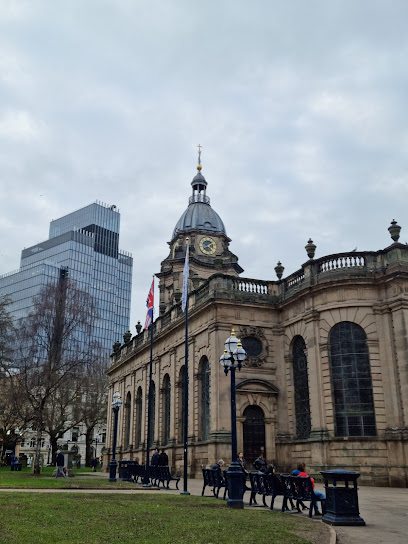
Birmingham Cathedral
0.3 km
Discover Birmingham Cathedral, a stunning Baroque masterpiece and vibrant community hub in the heart of Birmingham, rich in history and artistry.
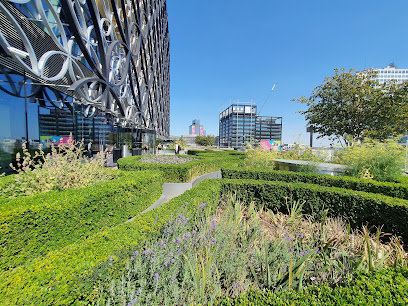
The Secret Garden
0.4 km
Discover a peaceful rooftop oasis with stunning city views atop Birmingham’s iconic Library of Birmingham.
Library of Birmingham
0.4 km
Discover the Library of Birmingham: a modern architectural gem with vast collections, rooftop gardens, and vibrant cultural spaces in the city’s heart.

New Street & Burlington Arcade
0.4 km
A vibrant crossroads in Birmingham city centre blending historic elegance and dynamic shopping at New Street and Burlington Arcade.
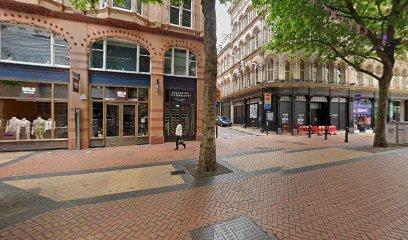
Lock 3, Farmers Bridge Locks
0.4 km
Discover the historic Lock 3 within Birmingham’s iconic Farmers Bridge Locks, a captivating canal engineering marvel in the city centre.
Essential places to dine

Dishoom Birmingham
0.1 km
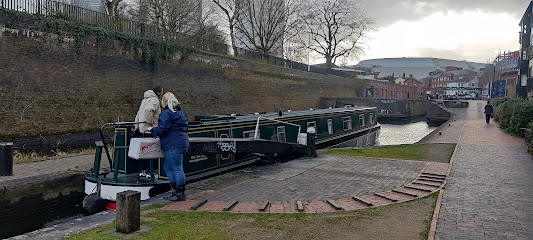
A vibrant 1960s Bombay café in central Birmingham, serving bold Indian street food and classics in a theatrical, nostalgic setting with a large outdoor terrace.
Orelle
0.2 km
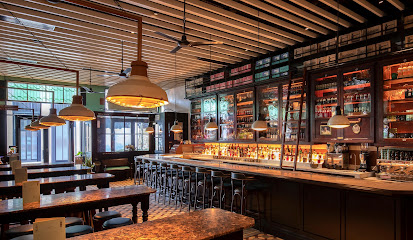
Sophisticated French fine dining on the 24th floor with panoramic views across Birmingham’s skyline.
Purnells
0.2 km
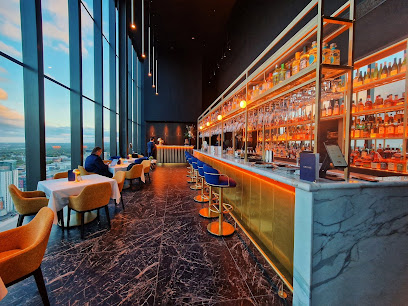
Experience Michelin-starred British innovation and exquisite flavors at Purnell's, Birmingham’s premier fine dining destination.
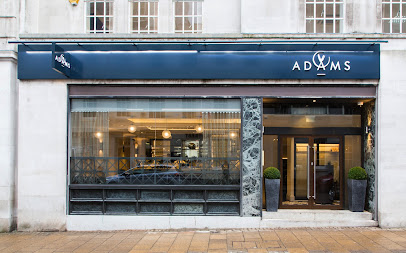
Adam's Restaurant
0.2 km
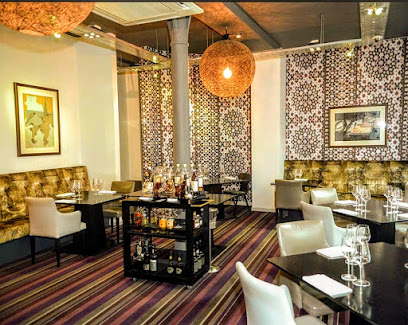
Michelin-starred modern British fine dining in Birmingham with creative cuisine, elegant Art Deco style, and impeccable service.
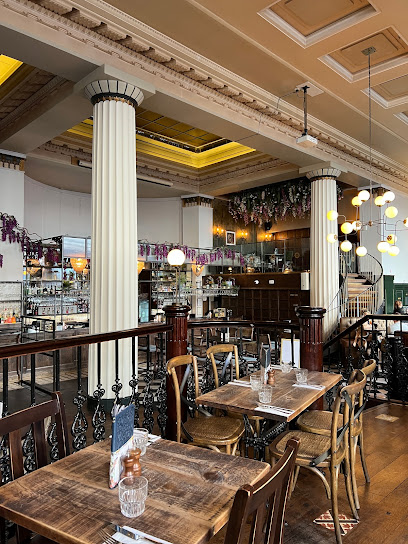
The Lost & Found Birmingham
0.3 km
Botanical Victorian hideaway blending quirky British classics, inventive cocktails, and immersive decor in Birmingham's beating heart.
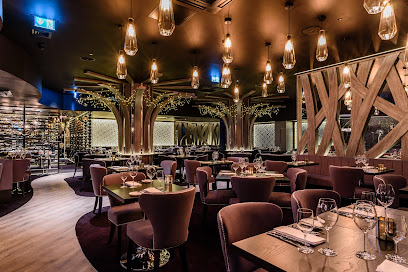
Gaucho Birmingham
0.3 km
Experience authentic Argentinian steakhouse luxury with premium cuts and elegant ambiance in Birmingham’s vibrant city centre.
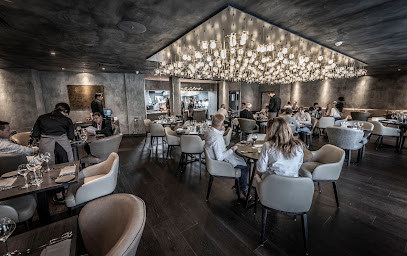
Opheem
0.3 km
Experience Michelin-starred Indian cuisine reimagined with British seasonal flair in Birmingham’s elegant Opheem.
La Galleria
0.3 km
Experience authentic Italian flavors and warm hospitality in the heart of Birmingham at La Galleria, where tradition meets generous portions and cozy charm.
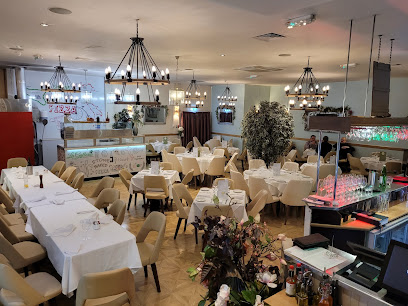
Gusto Italian
0.3 km
Stylish Italian dining beneath Birmingham’s Grand Hotel, blending classic flavors with a lively city centre atmosphere.
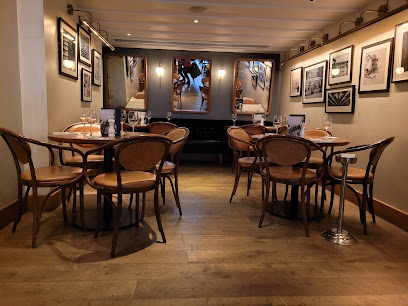
Fumo by San Carlo - Birmingham Waterloo St
0.3 km
Chic Italian dining in Birmingham serving Venetian cicchetti, creative cocktails, and authentic flavors in a stylish modern setting.
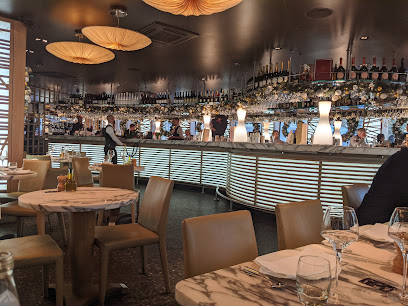
San Carlo - Birmingham
0.3 km
Classic Italian elegance and seafood delights in Birmingham’s stylish city centre dining destination.
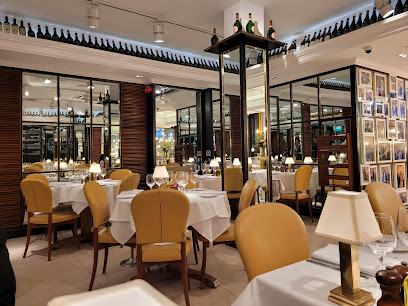
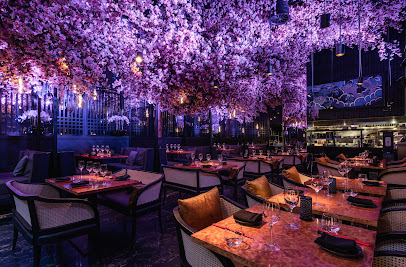
Tattu Birmingham
0.3 km
Ancient philosophy meets modern cuisine in Birmingham's most architecturally audacious Chinese restaurant.
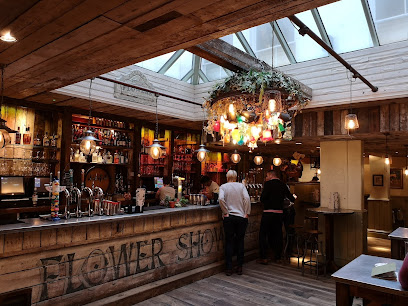
The Botanist Birmingham
0.3 km
A vibrant botanical oasis in Birmingham city centre, blending fresh seasonal dining, inventive cocktails, and live music by the canal.
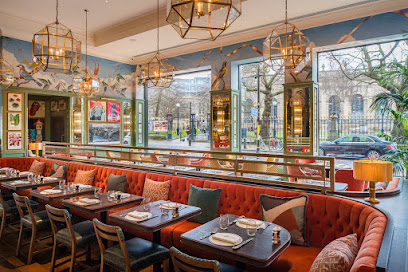
The Ivy Temple Row
0.3 km
A stylish British brasserie in Birmingham blending art deco elegance with classic dishes and impeccable service.
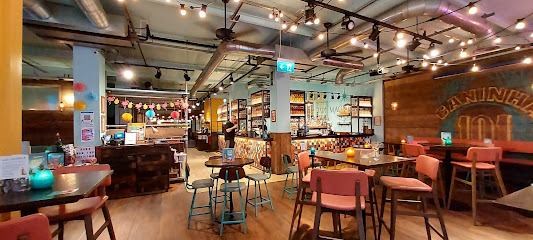
Las Iguanas - Birmingham - Temple Street
0.3 km
Vibrant Latin American dining with carnival energy, fresh cocktails, and shareable feasts in Birmingham's city centre.
Markets, malls and hidden boutiques

Community Gift Shop
0.4 km
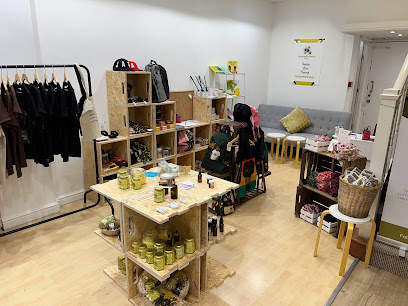
Discover unique products and support diverse entrepreneurs at Birmingham’s Black Pounds Project Community Gift Shop in the historic Great Western Arcade.
Designer Exchange
0.5 km
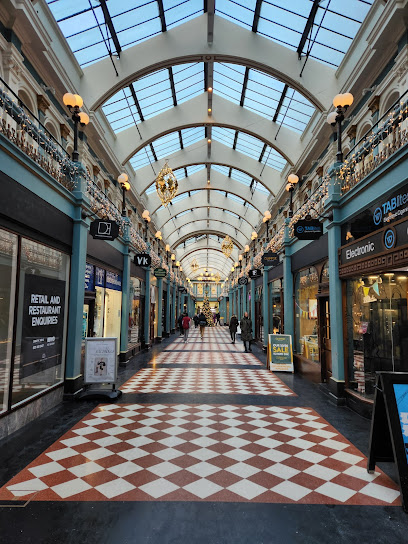
Discover authenticated preloved luxury fashion in Birmingham’s elegant Victorian Great Western Arcade.
Urban Outfitters
0.5 km
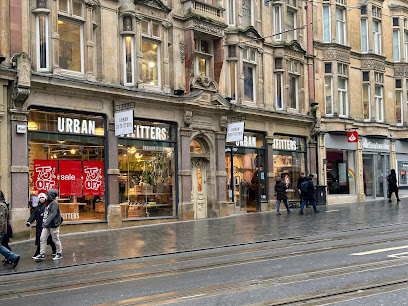
Discover stylish apparel, unique homewares, and a vibrant shopping vibe at Urban Outfitters Birmingham in the city centre.
The Alice Boutique
0.5 km
Discover timeless vintage-inspired fashion in a charming boutique nestled within Birmingham’s historic Great Western Arcade.
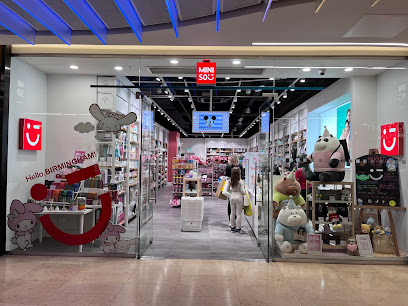
Miniso
0.5 km
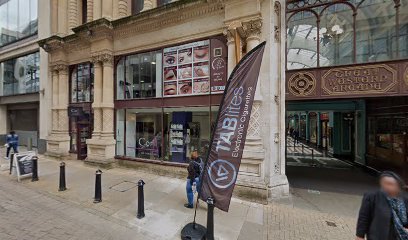
Bright, affordable design and collectable character goods — a family-friendly stop for pocket-money treats in Grand Central.
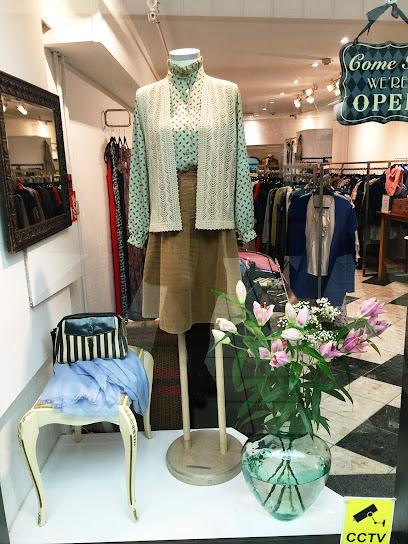
La MC Vintage
0.5 km
Discover timeless vintage fashion treasures in Birmingham’s charming North Western Arcade at La MC Vintage.
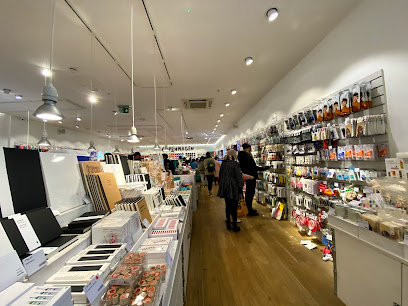
Flying Tiger Copenhagen
0.5 km
Discover quirky, affordable Scandinavian gifts and everyday essentials that bring joy and creativity to Birmingham’s city center.
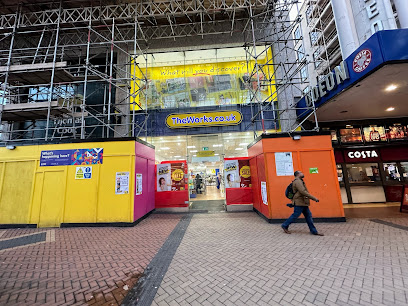
The Works
0.6 km
Discover affordable arts, crafts, books, and stationery in the heart of Birmingham’s vibrant New Street shopping district.
Funkybits4u Fair Trade - Birmingham
0.6 km
Discover ethically crafted gifts and inspiring interiors at Funkybits4u Fair Trade, a vibrant hub of sustainable artistry in Birmingham.
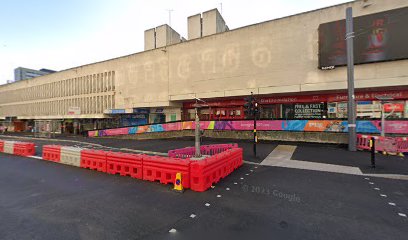
Harvey Nichols
0.6 km
Discover luxury fashion, beauty, and gourmet delights at Harvey Nichols Birmingham, a premier designer department store in The Mailbox.
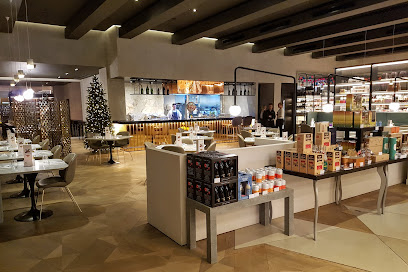
Obsidian
0.6 km
Discover mystical treasures and spiritual gifts at Obsidian, Birmingham’s premier metaphysical shop on vibrant Corporation Street.
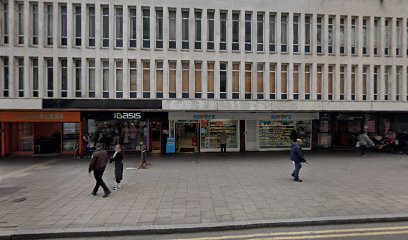
The Oasis fashion store
0.6 km
A vibrant hub for alternative fashion, vintage finds, and creative lifestyle services in the heart of Birmingham.
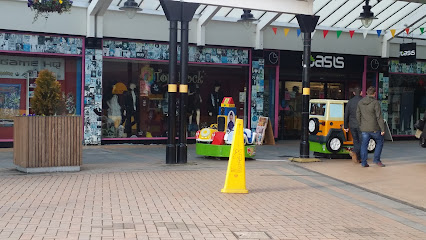
Fine Jewellery Collections & Bespoke Design Service
0.6 km
Discover bespoke brilliance in Birmingham's Jewellery Quarter, where custom gems and fine collections craft heirlooms with personal stories etched in gold.
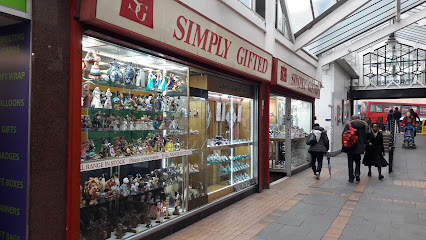
Simply Gifted
0.6 km
Explore Simply Gifted in Birmingham for unique gifts and local treasures that reflect the vibrant spirit of the city.
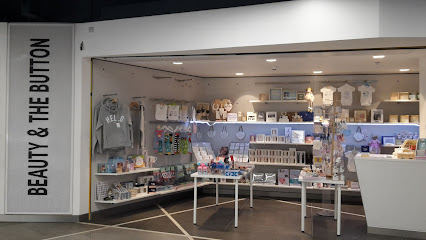
Beauty & the Button
0.7 km
Discover personalised gifts and colourful button frames at Beauty & the Button, Birmingham’s charming shop for meaningful celebrations.
Essential bars & hidden hideouts

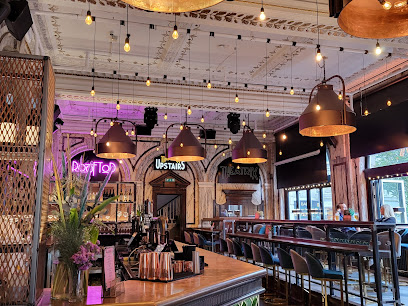
Theatrix Birmingham
0.2 km
Historic charm meets vibrant nightlife at Theatrix Birmingham, a stylish multi-floor bar and entertainment venue in the city centre.
Purecraft Bar & Kitchen
0.2 km
A vibrant gastropub in Birmingham blending craft beer culture with modern British cuisine in a spacious, welcoming setting.
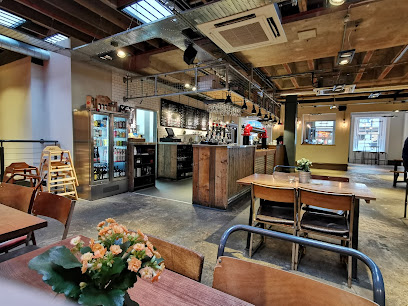
Dirty Martini - Birmingham
0.2 km
Trendy cocktail bar in Birmingham’s city center, known for stylish decor, expertly crafted drinks, and a lively party atmosphere.
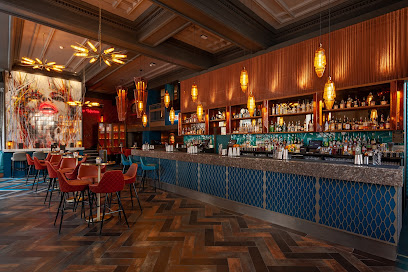
Fox and Chance
0.3 km
An award-winning independent cocktail bar in Birmingham, blending creative drinks with a cozy, sophisticated atmosphere.
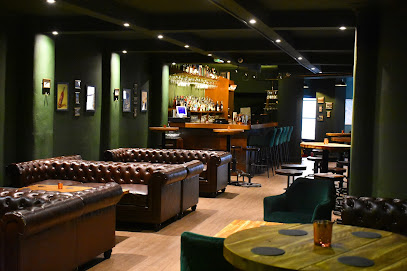
Madeleine
0.3 km
An elegant, salon‑style cocktail bar in The Grand Hotel — famed for refined afternoon tea and meticulous cocktails in a dramatic, over‑sized parlour.
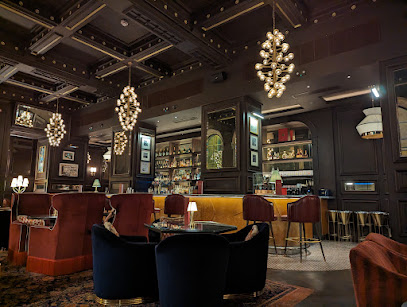
The Alchemist Colmore Row
0.3 km
Experience Birmingham’s iconic Grand building transformed into a theatrical cocktail haven blending molecular magic with vibrant city nightlife.
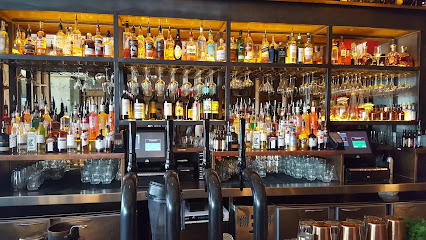
Flight Club Birmingham
0.3 km
Experience social darts like never before in Birmingham’s vibrant Victorian circus-themed bar with cocktails, brunch, and interactive games.
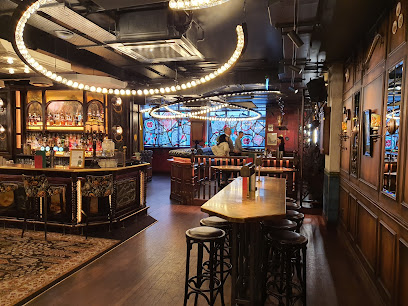
Revolución de Cuba Birmingham
0.3 km
Experience authentic Cuban vibes, vibrant cocktails, and lively salsa music in the heart of Birmingham’s city centre.
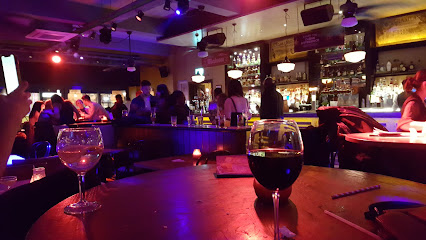
Queen's Arms birmingham
0.3 km
Traditional Jewellery Quarter pub pouring fine ales in a quirky, welcoming space with games, books, and hearty grub amid Birmingham's historic heart. (162 characters)
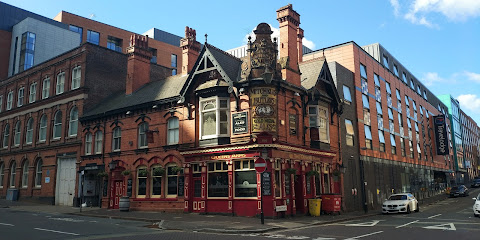
The Head of Steam Birmingham
0.3 km
A vibrant city-centre pub with craft beers, over 50% vegan menu, shuffleboard, live music, and private event spaces near New Street Station.
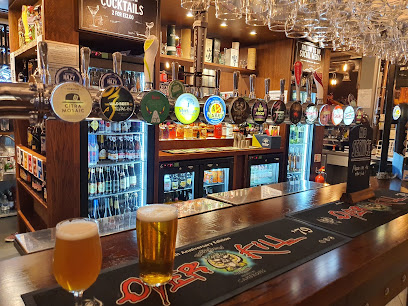
The Trocadero
0.3 km
Lively city-centre pub with great food, live sports, and a welcoming atmosphere in Birmingham’s Temple Street.
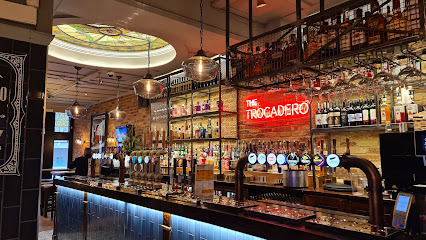
The Cocktail Club - Birmingham
0.4 km
Three floors of cocktail theatre, bottomless brunches, and Birmingham nightlife magic—where sexy sips meet wild vibes until 2am.
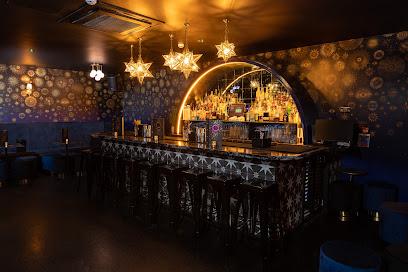
Actress & Bishop
0.4 km
Two floors, live music every night and a split personality — cosy downstairs, sweaty upstairs — in the Jewellery Quarter.
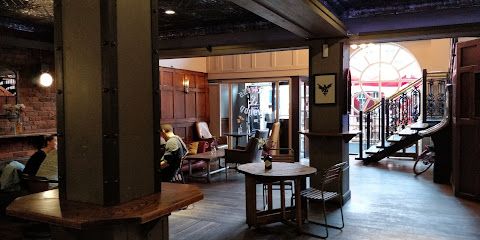
Be At One - Birmingham
0.4 km
Lively cocktail bar in Birmingham city centre with 100+ drinks, expert bartenders, and a vibrant party atmosphere.
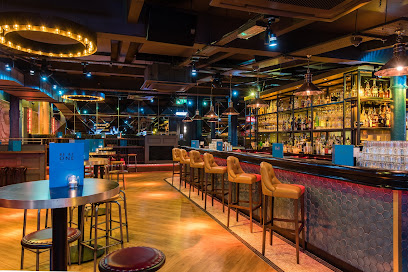
Bacchus Bar
0.4 km
Discover Birmingham’s medieval-inspired basement pub, where historic charm meets lively atmosphere and quality British ales.
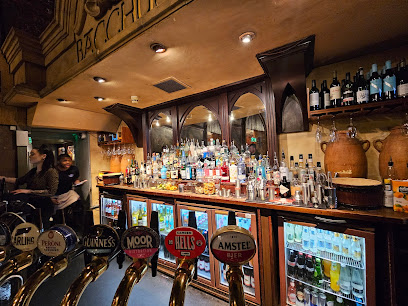
Nightclubs & after hour spots

What do you mean
0.3 km
Dive into Birmingham’s vibrant nightlife at What Do You Mean, a premier nightclub known for electrifying music, creative cocktails, and an unforgettable party vibe.
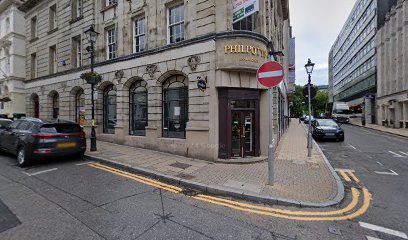
Tunnel Club Birmingham
0.5 km
Dive under Birmingham's arches into Tunnel Club's seven-room warehouse wonderland, where house, techno, and hip-hop fuel all-night dances amid pounding bass and vivid lights.
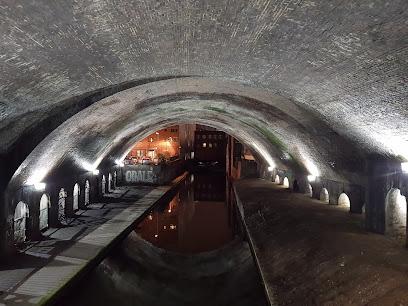
King of clubs
0.5 km
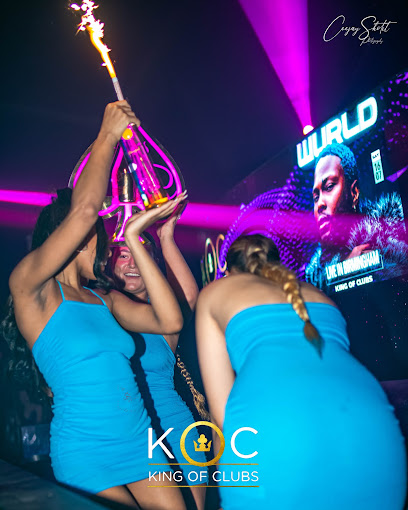
Compact late‑night Birmingham club for high‑energy R&B, hip‑hop and DJ nights, pulsing into the small hours with neon, bass and bar-driven parties.
Reflex - Birmingham
0.6 km
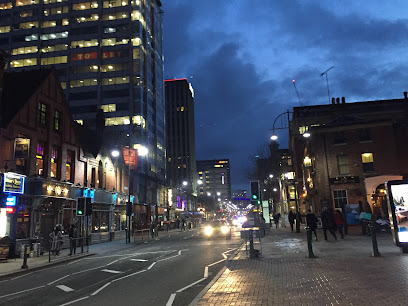
Spin into 80s-00s nostalgia at Reflex Birmingham: revolving dance floor, karaoke booths, neon vibes, and epic sing-alongs on Broad Street's party strip.
Rosies - Birmingham
0.7 km
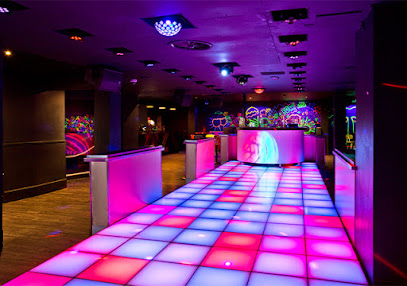
Birmingham's ultimate super club: five themed rooms, killer cocktails, and non-stop beats on Broad Street for epic nights out.
Popworld - Birmingham
0.7 km
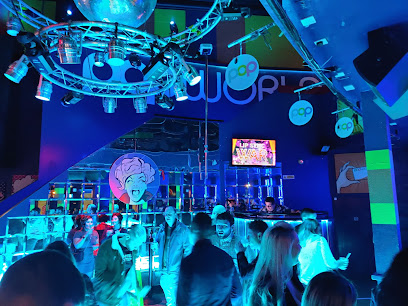
Broad Street's ultimate pop party hub: 90s-00s hits, neon dance floors, cocktails, and celebration packages until 3am.
PAVO Birmingham
0.8 km
Vibrant African fusion lounge and nightclub in Birmingham's Jewellery Quarter, where bold flavors meet electrifying beats until 4am on weekends.
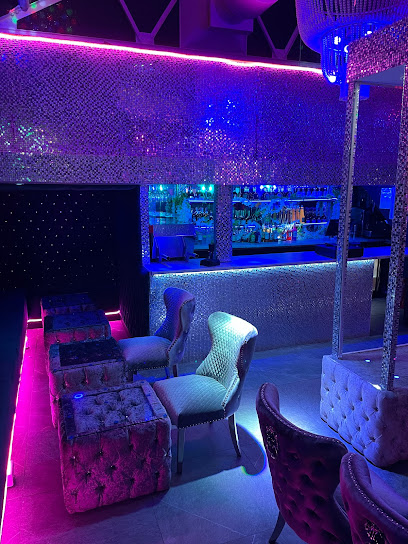
Bambu Nightclub
0.8 km
Experience Birmingham’s chic nightlife hotspot with stylish vibes, eclectic music, and late-night dancing at Bambu Nightclub.
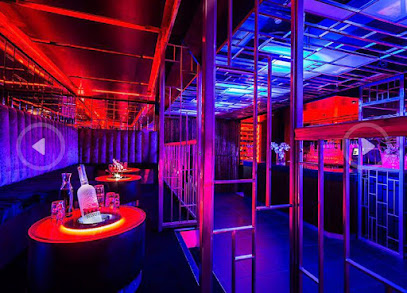
101 Night Club
0.9 km
Unleash your nightlife spirit at 101 Night Club, Birmingham's vibrant center for music, dancing, and unforgettable experiences.
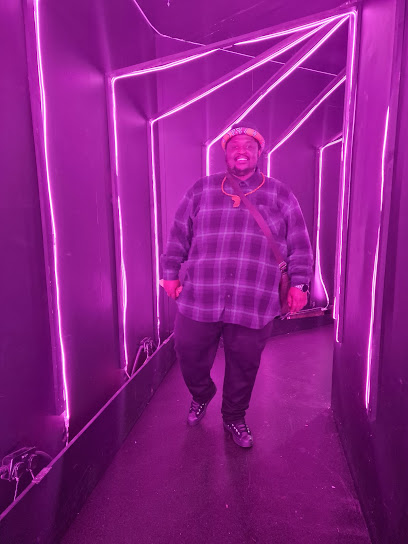
Sobar
0.9 km
Dive into Birmingham's electric nightlife at Sobar, where R&B beats, masterful cocktails, and inclusive vibes fuel unforgettable weekend revelry in the heart of the Arcadian.
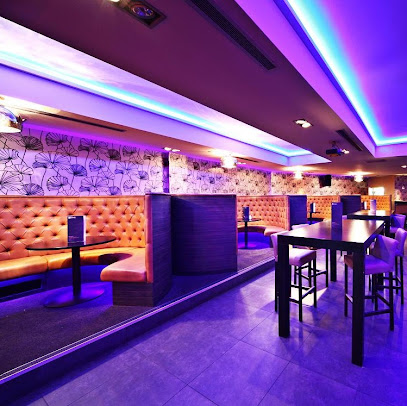
Dreams Night club and Shisha
1.0 km
Birmingham's Jewellery Quarter gem fusing aromatic shisha clouds with thumping club beats until 5am—pure late-night energy on Barr Street.
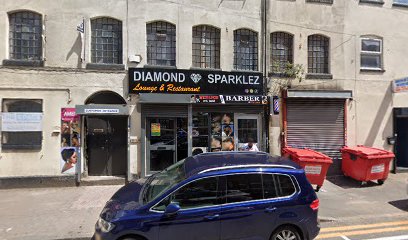
Snobs
1.0 km
Birmingham's 40-year indie-retro nightclub legend: cheap drinks, themed dance floors, and non-stop beats on Broad Street.
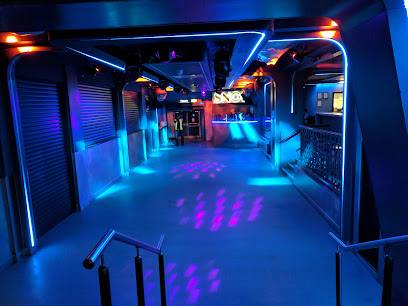
Mango Night Club
1.0 km
A high‑energy Bristol Street nightclub serving Afrobeats, hip‑hop and R&B for late‑night dancers and party crowds in central Birmingham.
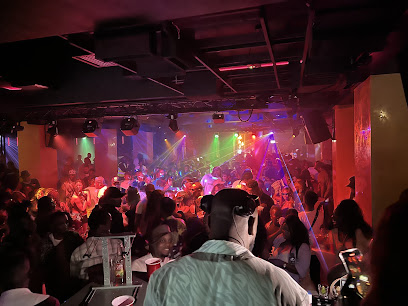
suki10c
1.1 km
Quirky Digbeth nightclub with local art, sustainable vibes, and eclectic beats in an intimate 180-capacity space powered by wind energy.
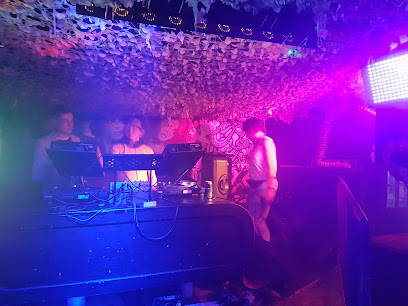
Nightingale Club
1.1 km
Birmingham's legendary LGBTQIA+ superclub: three floors of pulsating beats, go-go glamour, and five decades of unapologetic queer joy in the Gay Village.
For the vibe & atmosphere seeker
- Relaxing
- Tranquil
- Scenic
- Unique
- Casual
For the design and aesthetic lover
- Vintage Styles
- Art Deco Styles
For the architecture buff
- Historic
- Landmarks
- Art & Design
For the view chaser and sunset hunter
- Iconic Views
For the social media creator & influencer
- Instagrammable
- Architectural Shots
For the eco-conscious traveler
- Public-Transport Accessible
- Locally Managed
For the kind of experience you’re after
- Cultural Heritage
- Photowalk
- Day Trip
- Weekend Getaway
For how adventurous you want the journey to be
- Easy Access
Location Audience
- Family Friendly
- LGBT Friendly
- Senior Friendly
- Child Friendly
- Teen Friendly
- Wheelchair Access
- Pet Friendly
- Solo Friendly
- Couple Friendly
- Solo Female Friendly
- Vegetarian Friendly
- Vegan Friendly


