
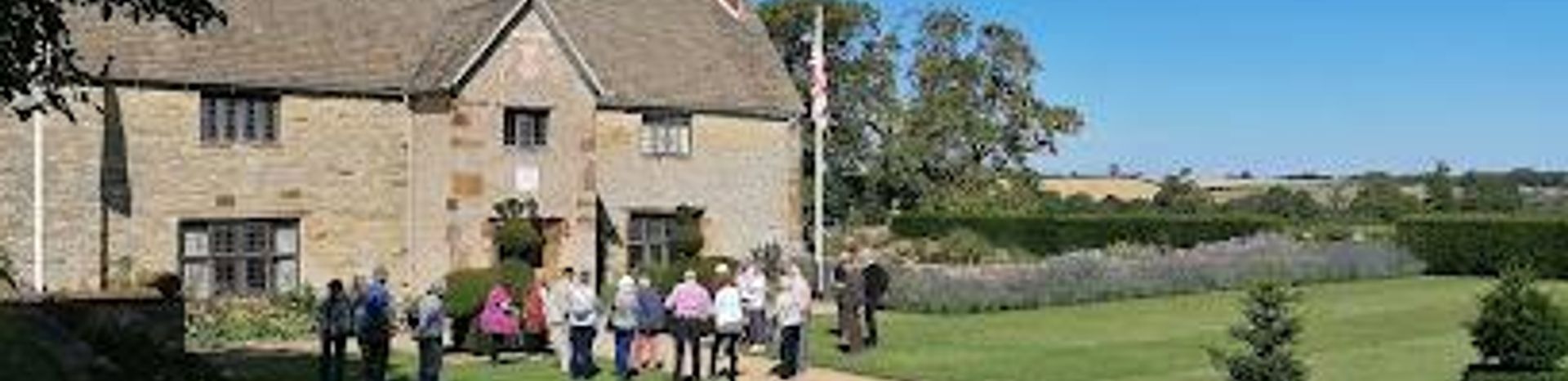
Sulgrave Manor: Tudor Heritage and Anglo-American Legacy
Explore Sulgrave Manor, the Tudor home of George Washington’s ancestors and a lasting symbol of Anglo-American friendship and heritage.
Sulgrave Manor, located in the village of Sulgrave near Banbury, is a quintessential Tudor manor house built in 1539 by Lawrence Washington, ancestor of George Washington. The manor is a symbol of Anglo-American friendship, housing original 16th-century architecture, period furnishings, and formal gardens designed by Sir Reginald Blomfield. It serves as a historic museum and memorial celebrating peace between the UK and the USA.
A brief summary to Sulgrave Manor
- Manor Rd, Banbury, Sulgrave, OX17 2SD, GB
- +441295760205
- Visit website
- Duration: 1 to 3 hours
- Mid ranged
-
 Outdoor
- Mobile reception: 4 out of 5
Local tips
- Check the official website for updated opening times and any temporary closures before visiting.
- Take time to explore the formal gardens designed by Sir Reginald Blomfield, especially in spring and summer.
- Book a guided tour in advance to gain deeper insights into the manor’s history and unique artifacts.
- Combine your visit with nearby historic towns like Banbury, Oxford, or Stratford-upon-Avon for a full day trip.

For the on-the-go comforts that matter to you
- Restrooms
- Seating Areas
- Information Boards
Getting There
-
Train and Taxi
Take a train to Banbury from London, Oxford, or Birmingham, with journey times ranging from 1 to 1.5 hours. From Banbury station, a taxi ride of approximately 15 minutes will bring you to Sulgrave Manor. Taxi fares typically range from £15 to £25. Banbury station has frequent services and good accessibility.
-
Car
Driving to Sulgrave Manor from Oxford or Stratford-upon-Avon takes about 30 to 40 minutes via the B4525 road. Parking is available on-site, but spaces may be limited during peak times. The route is suitable for all vehicle types and accessible year-round.
-
Bus and Walking
Local bus services connect Banbury to nearby villages, but direct public transport to Sulgrave is limited. Visitors can take a bus to a nearby stop and walk for 20 to 30 minutes on rural roads to reach the manor. This option requires moderate fitness and is best in good weather.
Sulgrave Manor location weather suitability
-
 Any Weather
-
 Mild Temperatures
-
 Rain / Wet Weather
-
 Clear Skies
Discover more about Sulgrave Manor
Historic Roots of the Washington Family
Sulgrave Manor was constructed in 1539 by Lawrence Washington, a prosperous wool merchant and mayor of Northampton, who was the five-times great-grandfather of George Washington, the first president of the United States. The Washington family had deep English roots tracing back to the 12th century before settling in Sulgrave in the 15th century. Lawrence built the manor as a family home, reflecting the modest yet elegant Tudor style of the period. The Washingtons lived here for about a century, establishing their legacy before the family fortunes shifted across the Atlantic.Architectural Features and Restoration
The manor is a limestone rubble Tudor hall house featuring three bays, two storeys with attics, and a traditional hall house layout. The central porch and east wing remain original to the 16th century, while the north wing dates from the 18th century. The west wing was reconstructed in the early 20th century by Sir Reginald Blomfield, who restored the manor after it had fallen into disrepair. The restoration aimed to recapture the building’s original symmetry and charm, including a replacement screen in the Great Chamber. The house contains a remarkable collection of Tudor furniture and fabrics, alongside memorials to George Washington.Gardens and Grounds
Surrounding the manor are formal English gardens designed by Sir Reginald Blomfield in the 1920s. The gardens feature a rose garden, manicured lawns lined with yew hedges, limestone walls, and an orchard. These grounds complement the historic house, providing a tranquil and scenic setting that enhances the visitor experience. The gardens embody the formal style typical of early 20th-century landscape design, blending heritage with natural beauty.A Symbol of Anglo-American Friendship
Sulgrave Manor holds a special place as a monument to peace and friendship between Britain and the United States. In 1911, former U.S. President Theodore Roosevelt proposed the manor as a memorial to mark 100 years of peace since the Treaty of Ghent ended the War of 1812. Purchased in 1914 through donations from both sides of the Atlantic, including support from King George V and American philanthropists, the manor was restored and opened to the public in 1921. It remains a testament to the enduring ties and shared history of the two nations.Visitor Experience and Cultural Significance
Today, Sulgrave Manor operates as a museum managed by the Sulgrave Manor Trust, welcoming around 20,000 visitors annually. The house offers guided tours showcasing its Tudor architecture, period furnishings, and unique artifacts such as a child’s shoe found in the walls, believed to ward off evil spirits. The manor also hosts educational programs, private events, and commemorations that celebrate its historical and cultural heritage. Its peaceful village setting near Banbury, Oxford, and Stratford-upon-Avon makes it an accessible and enriching destination.Legacy and Preservation Efforts
The manor's survival through the 20th and 21st centuries has relied on dedicated fundraising and endowments, notably from the estate of Paul Mellon and the National Society of the Colonial Dames of America. These efforts have ensured ongoing preservation and maintenance, securing Sulgrave Manor’s role as a heritage site and cultural bridge. The manor’s Grade I listed status underscores its architectural and historical importance, preserving it for future generations to explore and appreciate.Iconic landmarks you can’t miss

Northampton Castle Postern Gate
23.9 km
Discover the solitary Postern Gate, the last surviving gateway of Northampton Castle, echoing centuries of royal history and medieval intrigue.
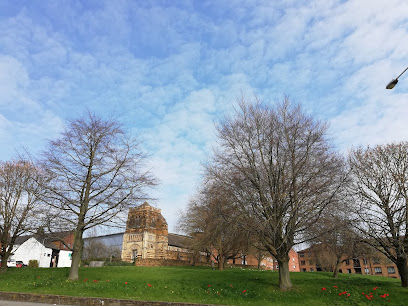
Bliss Tweed Mill
31.7 km
A striking Victorian tweed mill in Chipping Norton, blending industrial heritage with elegant architecture and scenic Cotswold views.

Castle Ashby Gardens
32.9 km
Explore the stunning Castle Ashby Gardens, a perfect blend of nature, history, and tranquility in Northamptonshire.
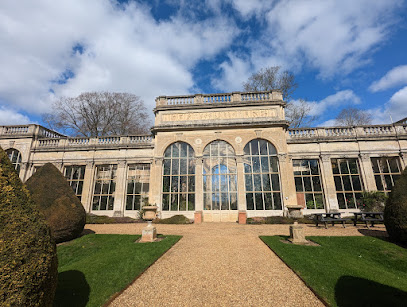
The Castle Dungeon
33.5 km
Dive into the eerie past at The Castle Dungeon in Warwick, where history comes alive with spine-chilling tales and thrilling performances.
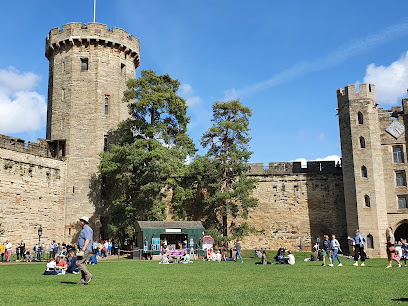
Warwick Castle
33.6 km
Immerse yourself in history at Warwick Castle, a stunning medieval fortress with captivating stories, breathtaking views, and family-friendly activities.
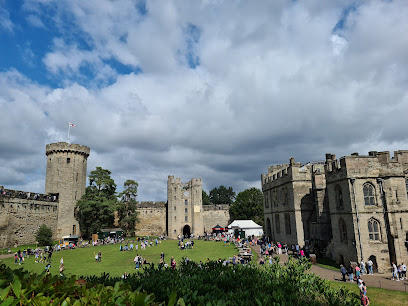
Warwick
33.7 km
Explore Warwick, a historic English town known for its stunning castle, charming streets, and rich cultural heritage, perfect for an unforgettable getaway.

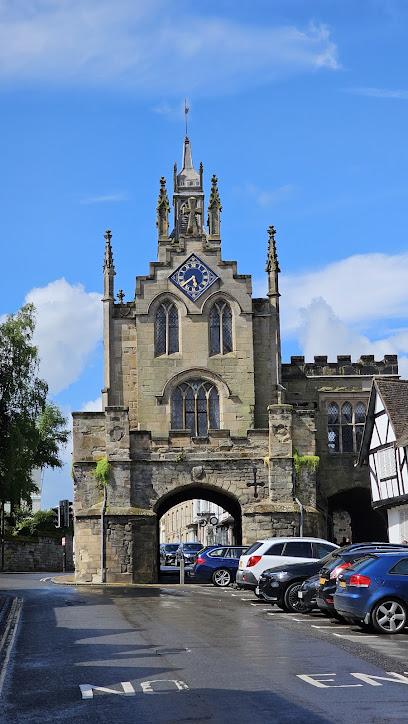
Warwick East Gate Victorian Type PB1 Postbox
33.7 km
Explore the historic charm of Warwick at the East Gate Victorian Postbox, a must-see landmark that embodies the city's Victorian heritage.
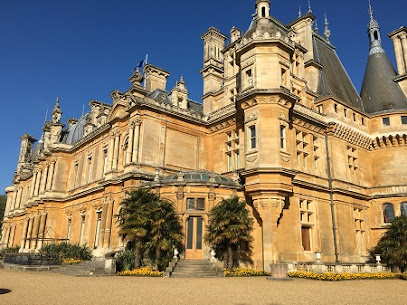
Waddesdon Manor
33.8 km
Explore the architectural grandeur, lush gardens, and rich art collection at Waddesdon Manor in Aylesbury, a historic gem of England.
The Randolph Turpin Statue
34.0 km
Celebrate the legacy of British boxing champion Randolph Turpin with this striking bronze statue in Warwick’s historic Market Square.

Guys Cliffe House
34.1 km
Explore the enchanting Guys Cliffe House, a historical landmark in Warwick, offering rich stories, stunning architecture, and captivating events throughout the year.
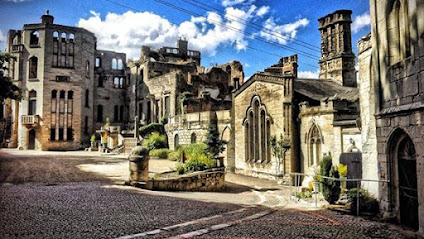
North Leigh Roman Villa
34.3 km
Explore North Leigh Roman Villa, a remarkable site showcasing the grandeur of ancient Roman life in the heart of England.
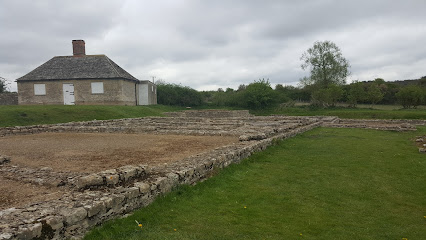
Stratford Fountains
34.7 km
Discover the tranquil beauty of the Stratford Fountains, a must-visit tourist attraction in Stratford-upon-Avon, perfect for relaxation and cultural exploration.
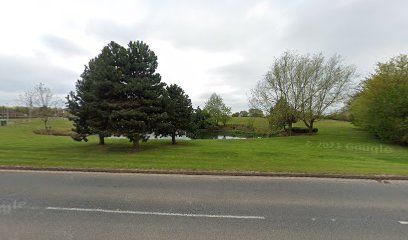
Lamport Hall
35.0 km
Explore Lamport Hall, a stunning historical landmark in Northamptonshire, where rich heritage and breathtaking gardens await every traveler.
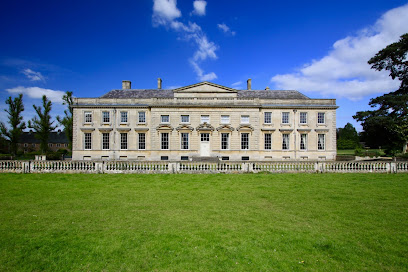
National Trust - Chastleton House
35.2 km
Explore the enchanting Chastleton House, a historical gem in the Cotswolds showcasing Jacobean architecture and stunning gardens.
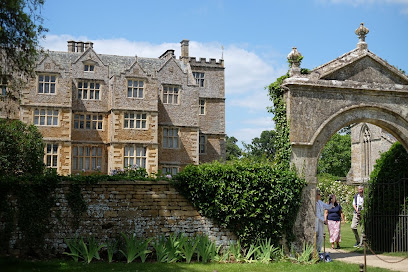
Wolvercote Cemetery
35.4 km
Explore the tranquil beauty and rich history of Wolvercote Cemetery in Oxford, where notable figures rest amidst serene landscapes.
Unmissable attractions to see

Castle Quay Shopping Centre
11.3 km
Banbury’s vibrant shopping and leisure destination with over 60 stores, unique community spaces, and scenic canal-side dining.

National Trust - Stowe Gardens
14.4 km
A masterpiece of 18th-century landscape design, where classical temples rise from sweeping parkland and serpentine lakes.
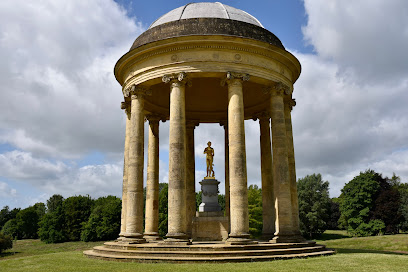
Temple of British Worthies
14.4 km
Discover the Temple of British Worthies in Buckingham, a landmark celebrating revered figures of British history amidst beautiful gardens.
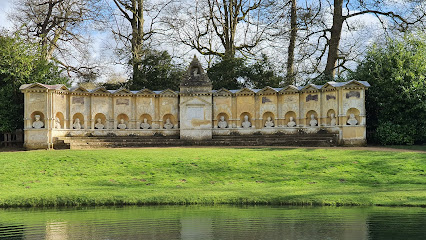
Gothic Temple
14.4 km
Experience the charm and architectural beauty of the Gothic Temple, an iconic landmark in Buckingham that transports you to a romantic past.
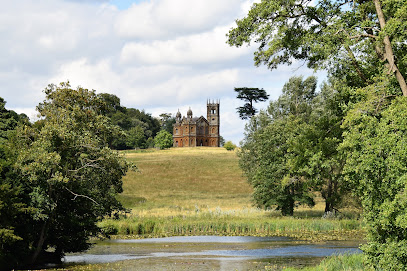
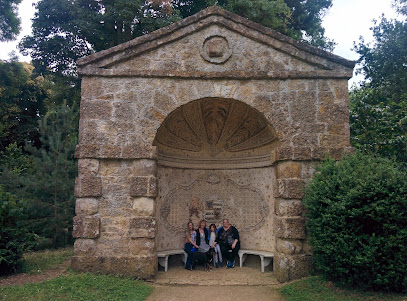
Pebble Alcove
14.6 km
Explore Pebble Alcove in Buckingham, a stunning landmark that combines unique architecture with serene natural beauty for a perfect getaway.
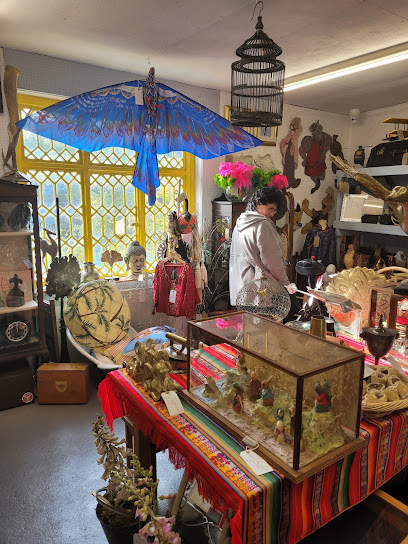
Village Antique Market
15.9 km
Discover timeless antiques and unique treasures in the charming village setting of Weedon Bec’s premier antique market.
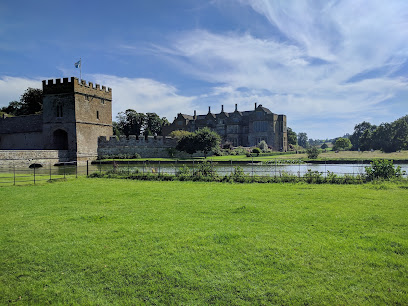
Broughton Castle
15.9 km
Explore Broughton Castle, a moated Tudor manor steeped in Civil War history, stunning gardens, and centuries of family heritage near Banbury.
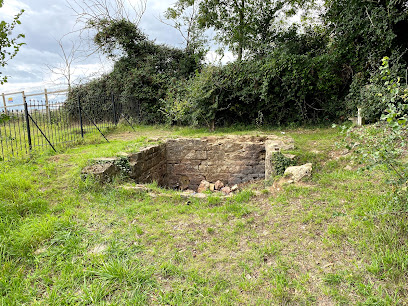
St Rumbold's Well
17.7 km
Discover the ancient sacred spring of Saint Rumbold, a medieval pilgrimage site steeped in legend and local heritage in Buckingham.
National Trust - Buckingham Chantry Chapel
17.8 km
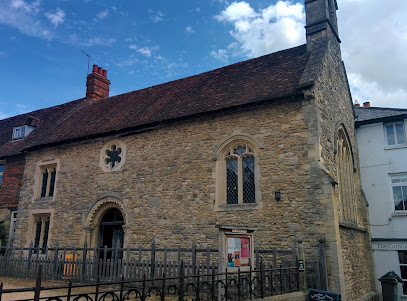
Discover Buckingham’s oldest building, a medieval chapel with a Norman doorway, rich history, and a charming second-hand bookshop.
Buckinghamshire Military Museum Trust
17.8 km
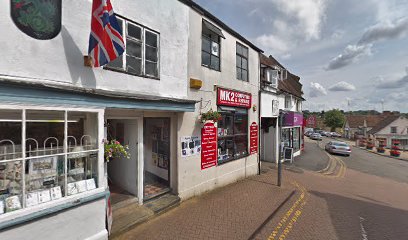
Explore centuries of Buckinghamshire’s military heritage within the historic Old Gaol, a unique museum blending local history and immersive exhibits.
Buckingham Old Gaol
17.8 km
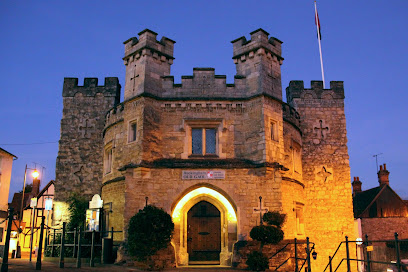
Explore Buckingham’s historic former prison, a compact museum revealing the town’s rich social and legal heritage through immersive exhibits.
Bicester Heritage
21.4 km
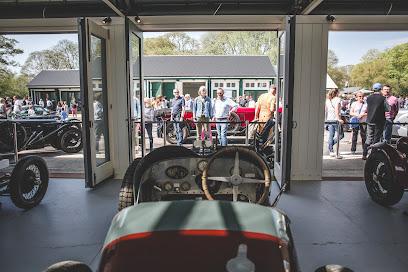
Explore the UK’s premier historic motoring campus where vintage cars, aviation heritage, and passionate craftsmanship come alive.
Hunsbury Hill
21.6 km
Explore ancient history, scenic trails, and industrial heritage at Hunsbury Hill Country Park, a tranquil green space on Northampton’s southern edge.
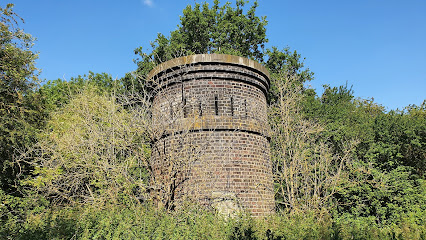
British Motor Museum
22.2 km
Explore the world’s largest collection of historic British cars and discover the rich heritage of Britain’s motor industry in the heart of Warwickshire.

Althorp Estate
23.0 km
Explore Althorp Estate, the historic Spencer family home and childhood of Princess Diana, blending grand heritage with serene parklands.
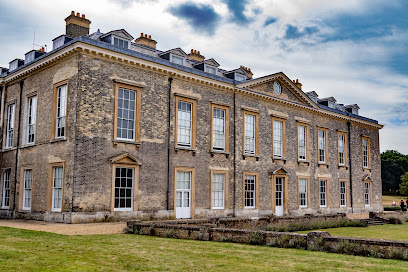
Essential places to dine

The Orangery at RH England
13.4 km
Elegant live-fire dining in a grand orangery with scenic deer park views and refined, high-quality cuisine in Aynho Park.
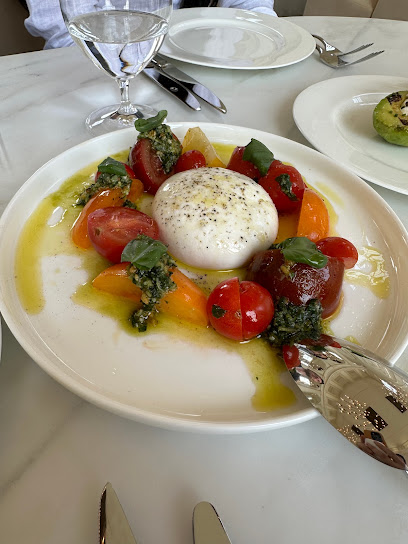
The Folly
14.3 km
A charming British inn in Towcester offering generous portions of classic dishes in a warm, welcoming atmosphere.
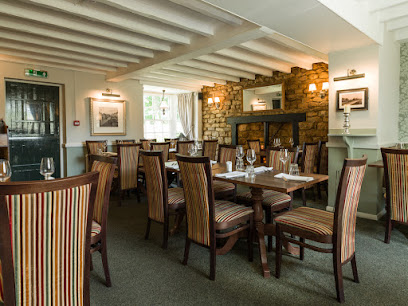
The Plough At Shutlanger
17.2 km
A charming English country pub in Shutlanger offering locally sourced British fare, traditional ales, and a warm countryside atmosphere.
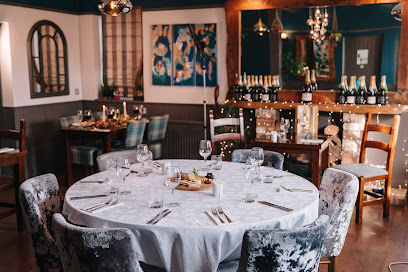
Beefeater Buckingham
19.2 km
Classic British steakhouse and family-friendly grill in Buckingham offering hearty meals, welcoming service, and a lively casual atmosphere.
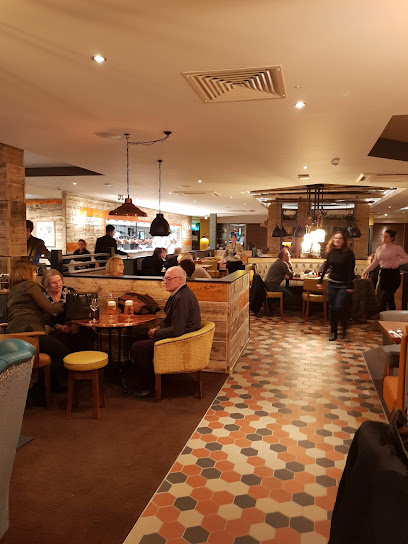
Allium Dining
19.3 km
Intimate farm-to-table dining in Buckinghamshire, where seasonal British produce meets creative culinary artistry.

Harvester Grange Park Northampton
21.8 km
Family-friendly British grill with a fresh unlimited salad bar and welcoming atmosphere in Northampton’s Grange Park.
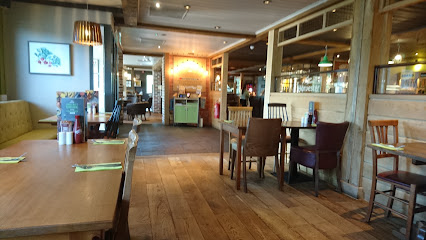
Hops and Chops
21.8 km
A stylish chophouse in Northampton offering expertly cooked steaks, attentive service, and a refined yet relaxed atmosphere.
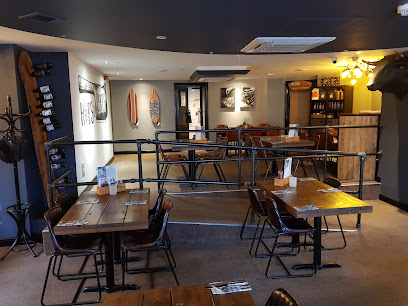
The Old Thatched Inn
23.3 km
A charming thatched gastropub in Adstock offering quality local cuisine and cozy countryside ambiance.
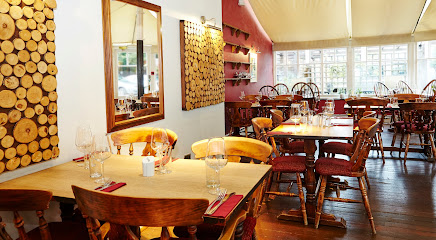
The Hopping Hare
23.4 km
A chic and welcoming boutique hotel in Northampton, renowned for exceptional dining and attentive service in a tranquil leafy setting.
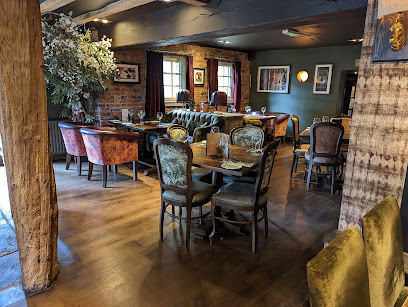
Fox & Hounds Lower Harleston
23.9 km
A charming gastropub in Lower Harlestone blending classic British fare with modern style and cozy country warmth.
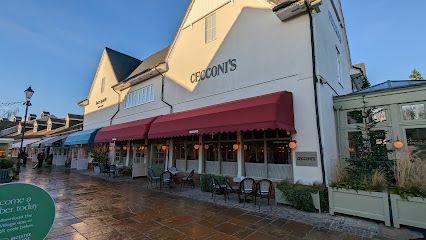
Cecconi's Bicester
23.9 km
Experience authentic Italian flavors and artisanal dishes in the stylish heart of Bicester Village.
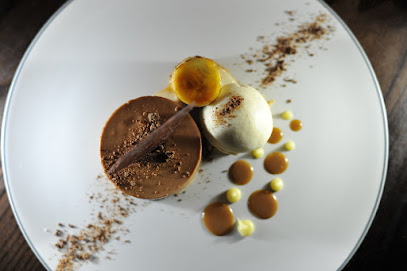
Hibiscus
24.0 km
Experience award-winning fine dining at Hibiscus, nestled within the historic and picturesque Delapré Abbey estate in Northampton.
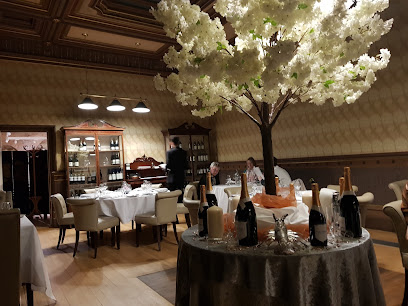
Clary's Restaurant
24.2 km
A welcoming restaurant inside Aspers Casino Northampton, known for hearty British classics, attentive service, and a relaxed atmosphere.

Sorrentino Restaurant in Northampton
24.2 km
Authentic Southern Italian dining in a cozy, modern setting at the heart of Northampton’s Gold Street.
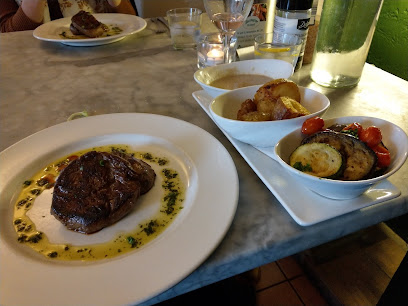
Sophia's Northampton
24.2 km
A cozy family-run Mediterranean gem in Northampton offering authentic Italian, French, Greek, and Spanish flavors with warm hospitality.
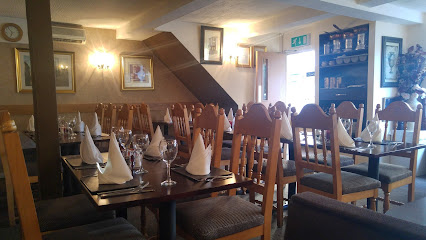
Markets, malls and hidden boutiques

Meadow Walk Shopping Centre
17.9 km
A charming compact shopping centre in Buckingham featuring independent shops, cafes, and convenient parking in a friendly community setting.
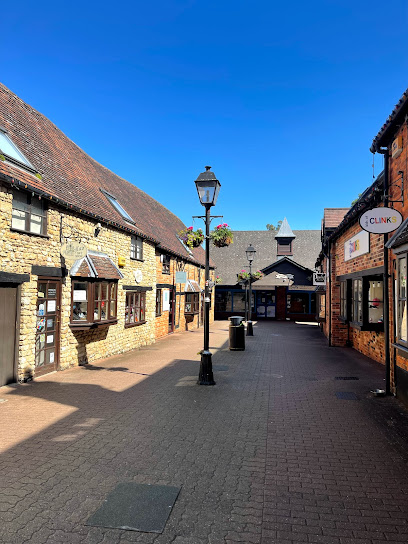
Beehive Gifts
18.2 km
Discover unique gifts and heartfelt treasures at Beehive Gifts, Northampton’s charming boutique for all occasions.
Heart of The Shires
18.2 km
Discover a charming Victorian courtyard shopping village with unique independent retailers and a relaxed countryside atmosphere.
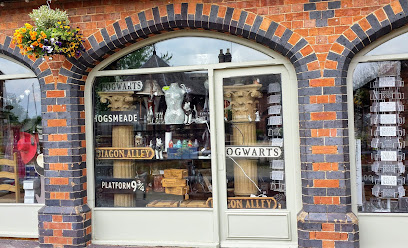
House Of Carillon
18.2 km
Discover elegant ladies' designer fashion in a charming Victorian courtyard boutique at Heart of the Shires Shopping Village.

margo&evie
18.2 km
Discover unique vintage treasures and handcrafted curiosities at margo&evie, a charming independent shop in Northamptonshire’s Heart of the Shires.
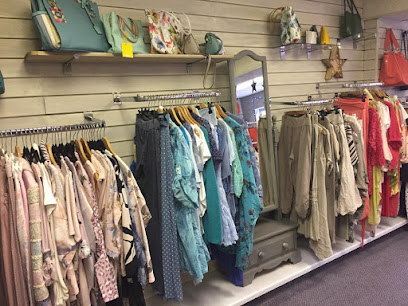
Daisy B's Boutique
21.4 km
Discover unique fashion pieces at Daisy B's Boutique in Southam, a must-visit destination for ladies' clothing and personalized service.
Next Outlet Northampton
23.6 km
Affordable fashion and homeware at Next Outlet Northampton, nestled in the vibrant St James Retail Park.
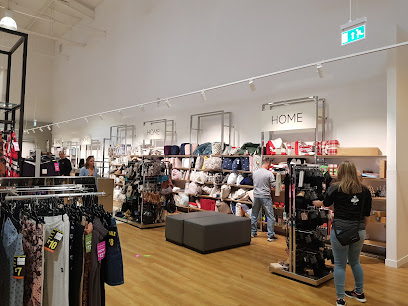
St James Retail Park
23.7 km
Convenient shopping with free parking and a variety of stores in Northampton’s St James Retail Park.
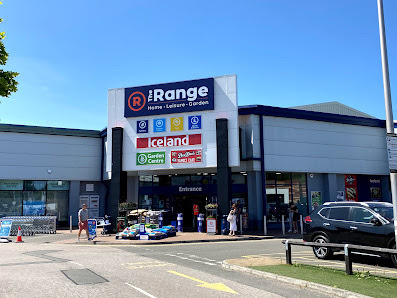
Singh & Smile
24.2 km
Discover personalized gifts, aromatherapy, and wellness treasures at Singh & Smile, Northampton’s charming boutique for joyful living.
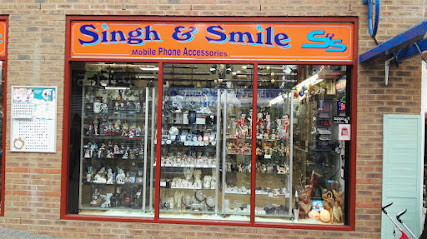
Circus
24.4 km
Contemporary men’s and women’s clothing store in Northampton’s lively Drapery shopping street.

32 The Guild
24.5 km
Discover unique contemporary ladieswear and artisanal fashion in Northampton’s vibrant cultural quarter at 32 The Guild.
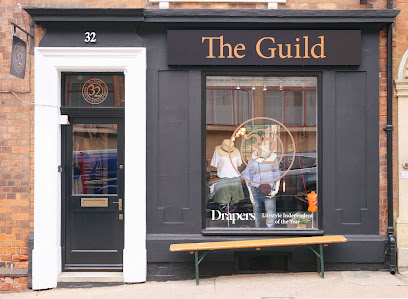
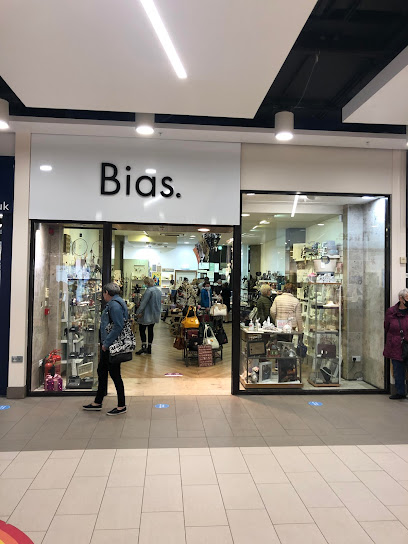
Bias Gift Shop
24.6 km
Discover unique gifts, stylish accessories, and charming homewares at Bias Gift Shop in Northampton’s Grosvenor Centre.
Next Home
24.6 km
A stylish and practical department store in Northampton offering fashion, footwear, and homewares under one roof with moderate prices.

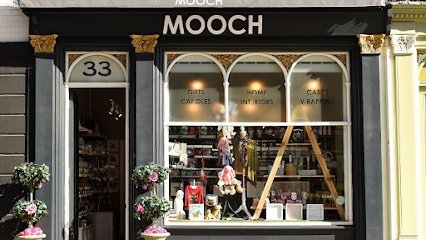
MOOCH on St Giles Street
24.6 km
Discover unique gifts and charming home accessories with friendly service at MOOCH on St Giles Street, Northampton’s beloved independent boutique.
Voni Blu
24.7 km
Explore unique fashion at Voni Blu, Northampton's top boutique for ladies' clothing and stylish accessories.

Essential bars & hidden hideouts

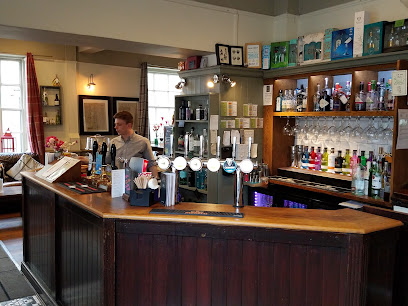
The Kings Head Coffee & Gin Bar
17.8 km
Historic pub meets vibrant coffee and gin bar with a sunny courtyard garden in the heart of Buckingham’s Market Hill.
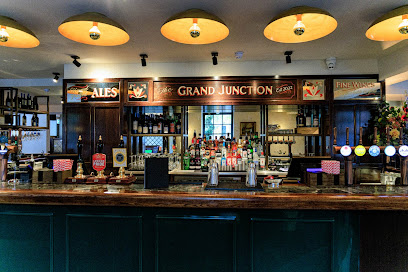
The Grand Junction
17.9 km
A vibrant Mediterranean-inspired pub in Buckingham with wood-fired pizzas, cozy bar, private function room, and charming courtyard dining.
The Saracen's Head
20.7 km
A historic and welcoming British pub in Little Brington offering hearty fare, friendly service, and a cozy village atmosphere.
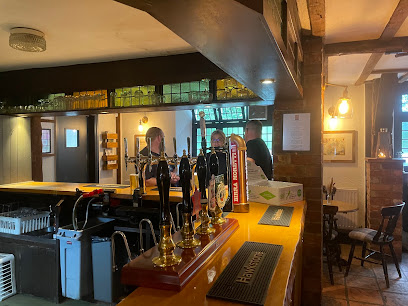
The Cock At Roade
20.8 km
A classic village pub in Roade offering hearty British fare, excellent beer, and a warm, friendly atmosphere near Northampton.
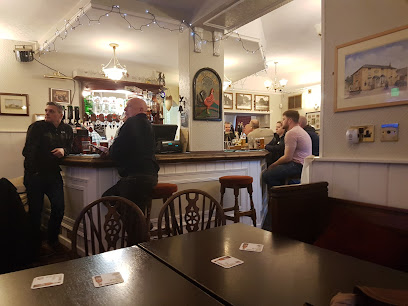
Wig & Walnut
22.6 km
A charming, affordable pub in Grange Park offering quality food, friendly service, and a welcoming atmosphere for locals and visitors alike.
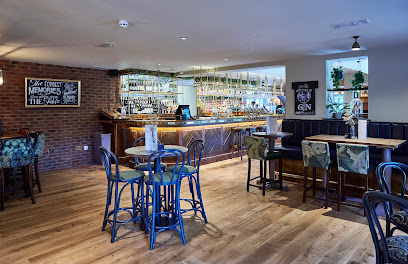
The Sevens
23.3 km
A vibrant Northampton pub blending sports enthusiasm with quality food and a welcoming community atmosphere.
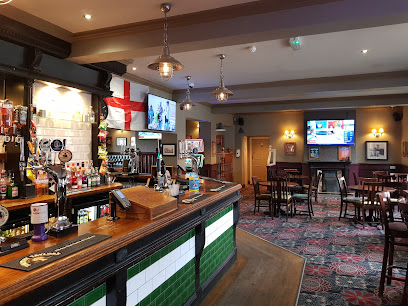
The Malt Shovel Tavern
24.1 km
Traditional English pub in Northampton famed for its real ales, hearty meals, and welcoming, dog-friendly atmosphere.
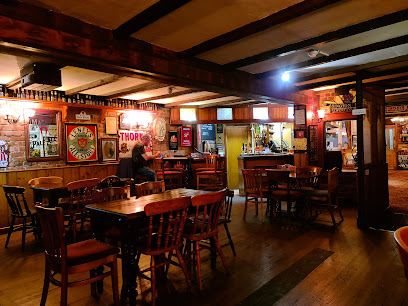
King Billy Rock Bar
24.2 km
Northampton’s iconic biker pub and live music hotspot, King Billy Rock Bar pulses with rock energy and community spirit.
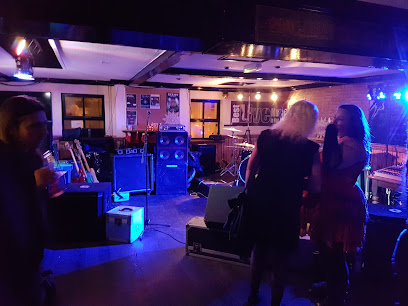
Shipmans
24.4 km
Historic Shipmans pub in Northampton offers timeless charm, premium drinks, and a refined dining experience in the town centre.
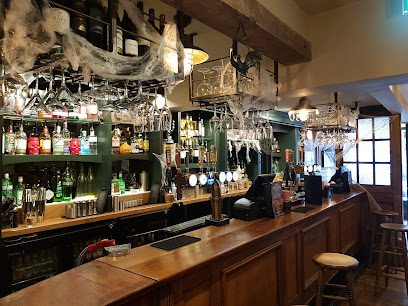
The Bear
24.5 km
Experience the warmth and charm of The Bear, a beloved pub in Northampton, offering delicious food and drinks in a cozy atmosphere.
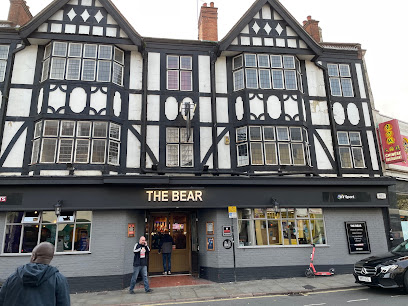
Old Bank
24.5 km
A vibrant, spacious pub in Northampton’s St Giles' Square, offering traditional ales, hearty food, and a lively social atmosphere.
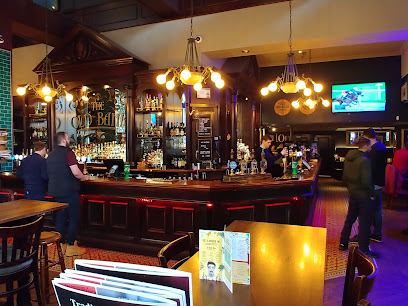
Mail Coach Northampton
24.5 km
Classic British pub charm meets lively social vibes with craft ales, hearty food, and live sports in Northampton’s welcoming Mail Coach.
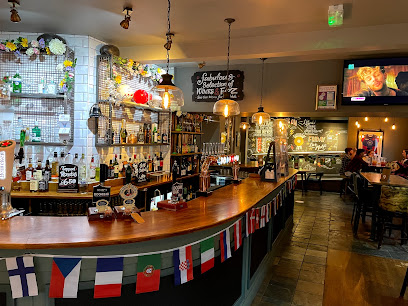
Zapato Lounge
24.6 km
A vibrant, inclusive lounge in Northampton offering diverse British and vegan cuisine in a welcoming, family- and dog-friendly setting.
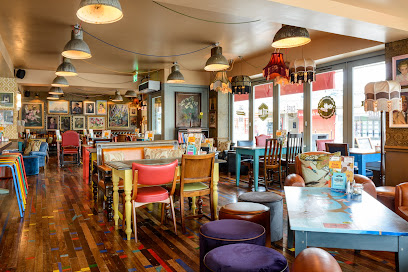
The Optimist
24.6 km
A vibrant Northampton pub blending stylish interiors, diverse food, lively entertainment, and a welcoming atmosphere in the city center.
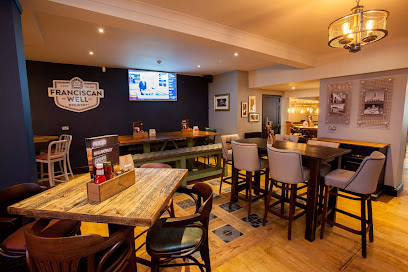
Velvet Room Northampton
24.6 km
Stylish tapas and inventive cocktails blend in a vibrant social hub at Northampton’s Velvet Room, perfect for sharing and late-night fun.

Nightclubs & after hour spots

Elysium
24.1 km
Northampton’s premier late-night nightclub for house, bass, and tech house music, famed as the city’s official after-party hotspot.
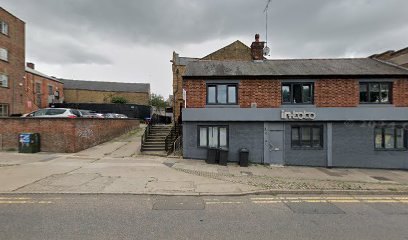
Club43
24.2 km
Northampton’s vibrant underground nightclub offering top electronic acts and a soulful, energetic nightlife experience.
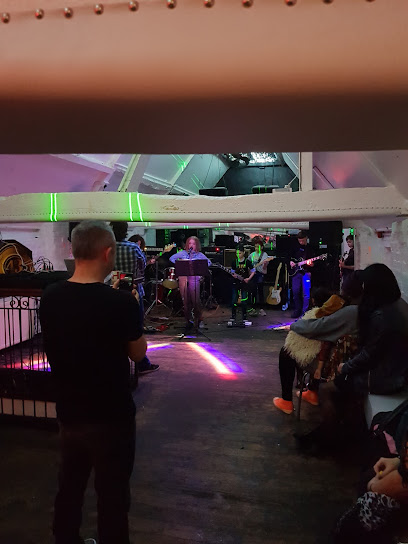
Stereo Bar and Club
24.3 km
Experience Northampton’s vibrant nightlife with eclectic music, lively dancing, and a welcoming atmosphere at Stereo Bar and Club.
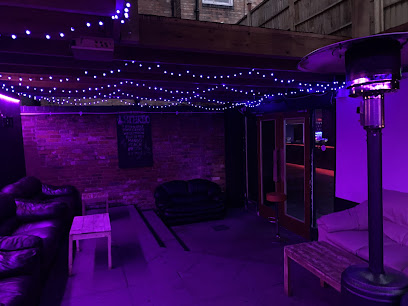
NB's
24.3 km
Experience Northampton’s vibrant nightlife with NB's lively clubbing atmosphere, multiple rooms, and sociable outdoor bar area.
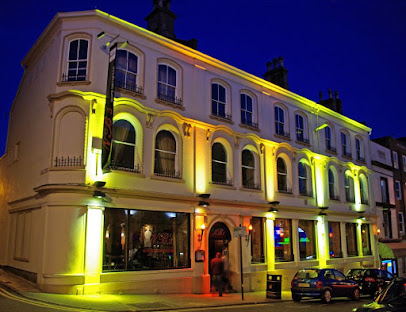
The Platform
24.4 km
Northampton’s vibrant nightclub and bar blending historic charm with lively music, drinks, and student-friendly events.
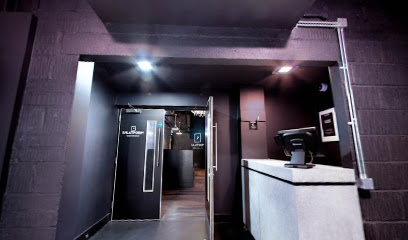
The Boston
24.4 km
Northampton’s welcoming LGBTQ+ nightclub and pub, The Boston offers lively music, themed nights, and a vibrant inclusive atmosphere.

Club Bar X
25.6 km
Lively basement nightclub on Wellingborough Road, Northampton, offering late-night music, dancing, and a vibrant social scene Thursday to Saturday.

Club 145
25.6 km
Energetic nightclub on Wellingborough Road offering lively music, dancing, and a vibrant social scene in the heart of Northampton.

Garudaa
29.9 km
A spacious, welcoming gentlemen’s club in Milton Keynes offering VIP areas, game rooms, and late-night entertainment in a relaxed, darkly lit setting.
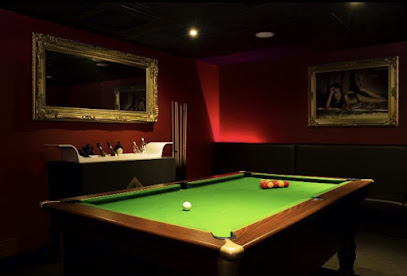
Neon
31.2 km
Leamington Spa’s largest nightclub, Neon delivers vibrant music, themed nights, and a dynamic party atmosphere every Friday until dawn.

Altoria Nightclub
31.8 km
Experience Leamington Spa’s vibrant nightlife at Altoria Nightclub with diverse music floors, VIP service, and a unique rooftop terrace open till 3 am.
Smack
31.8 km
Leamington Spa’s energetic and affordable two-floor nightclub with a storied past and a lively, if sometimes challenging, atmosphere.
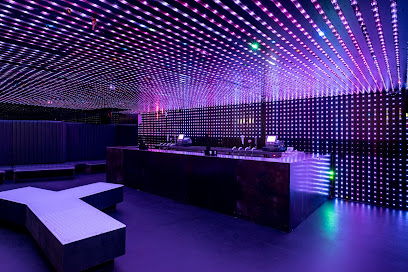
Pink Punters
34.4 km
Milton Keynes’ dynamic multi-room nightclub blending diverse music, vibrant crowds, and a lively late-night party atmosphere.

The Cavern
35.0 km
A vibrant night club in Warwick offering energetic music, lively dancing, and a social atmosphere for unforgettable nights out.

Caz Bar Nightclub
37.0 km
Experience Stratford-upon-Avon's glamorous late-night vibe at Caz Bar, a vintage cellar nightclub with live DJs, dancers, and premium drinks until dawn.

For the vibe & atmosphere seeker
- Tranquil
- Scenic
- Historic
- Relaxing
For the design and aesthetic lover
- Vintage Styles
- Rustic Designs
For the architecture buff
- Historic
- Landmarks
- Parks & Gardens
- Heritage Neighborhoods
For the view chaser and sunset hunter
- Iconic Views
- Panoramas
- Sunset Spots
For the social media creator & influencer
- Instagrammable
- Photo Spots
- Aesthetic Corners
For the eco-conscious traveler
- Public-Transport Accessible
- Locally Managed
For the kind of experience you’re after
- Cultural Heritage
- Day Trip
- Weekend Getaway
- Photowalk
For how adventurous you want the journey to be
- Easy Access
Location Audience
- Family Friendly
- Senior Friendly
- Child Friendly
- Couple Friendly
- Solo Friendly
- Vegetarian Friendly
- Vegan Friendly


