
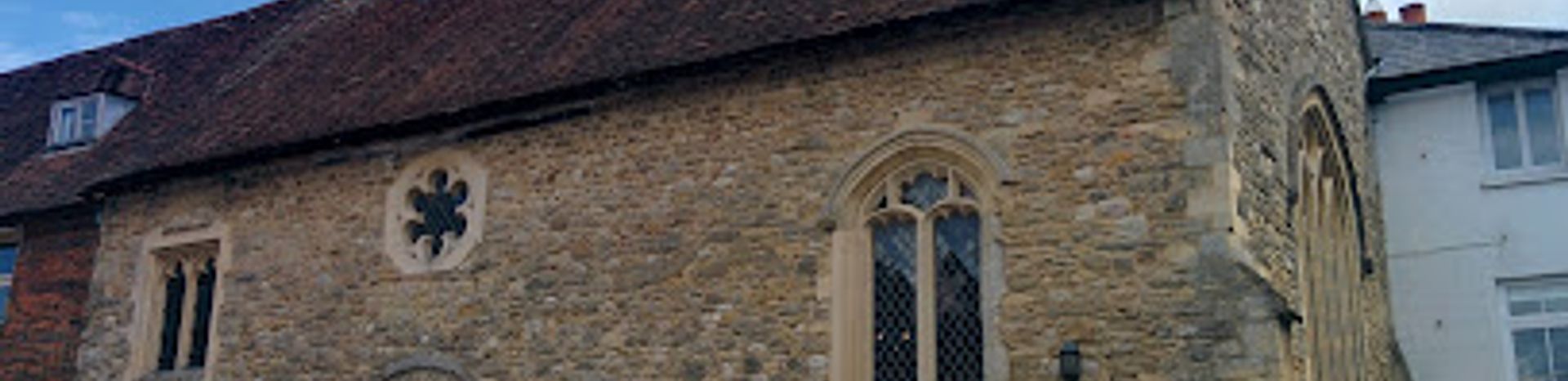
Buckingham Chantry Chapel: Buckingham's Oldest Historic Gem
Discover Buckingham’s oldest building, a medieval chapel with a Norman doorway, rich history, and a charming second-hand bookshop.
Buckingham Chantry Chapel, also known as the Old Latin School, is Buckingham’s oldest building, dating back to the 12th century. Originally a hospital, it became a chantry chapel in the 13th century and later housed the Royal Latin School. Noted for its remarkable Norman doorway, the chapel survived the great 1725 fire that destroyed much of Buckingham. Now a National Trust property, it welcomes visitors as a charming second-hand bookshop with rich medieval heritage.
A brief summary to National Trust - Buckingham Chantry Chapel
- Market Hill, Buckingham, MK18 1JX, GB
- +441280817156
- Visit website
- Duration: 0.5 to 1.5 hours
- Mid ranged
-
 Indoor
- Mobile reception: 4 out of 5
- Tuesday 10 am-3 pm
- Wednesday 10 am-3 pm
- Friday 10 am-3 pm
- Saturday 10 am-4 pm
Local tips
- Visit during weekday mornings or early afternoons for quieter browsing in the bookshop.
- Take time to admire the Norman doorway’s intricate zigzag moulding, a rare medieval architectural feature.
- Combine your visit with a walk around Buckingham Market Hill to explore other historic sites.
- Check the National Trust website for seasonal opening hours as they vary throughout the year.

For the on-the-go comforts that matter to you
- Restrooms
- Drink Options
- Food Options
- Seating Areas
- Information Boards
Getting There
-
Bus
Take the local bus service from Buckingham town center to Market Hill, approximately 5-10 minutes. Buses run every 30 minutes on weekdays. Tickets cost around £2-£4. Note that service frequency is reduced on weekends.
-
Car
Driving to Buckingham Chantry Chapel is straightforward with parking available in nearby public car parks within a 5-minute walk. Parking fees range from £1.50 to £3 per hour. The chapel is located on Market Hill, accessible via town center roads.
-
Walking
If staying in Buckingham town center, the chapel is a pleasant 10-15 minute walk along paved streets with gentle slopes. The route is accessible for most mobility levels but may be challenging for wheelchair users due to some uneven historic paving.
National Trust - Buckingham Chantry Chapel location weather suitability
-
 Any Weather
-
 Rain / Wet Weather
-
 Clear Skies
-
 Mild Temperatures
Discover more about National Trust - Buckingham Chantry Chapel
Origins as a Medieval Hospital and Chantry Chapel
Buckingham Chantry Chapel traces its roots to the late 12th century when it was established as part of St John's Hospital, serving the poor and infirm. This early function reflects the medieval tradition of combining healthcare with spiritual care. In 1268, Matthew de Stratton, the Archdeacon of Buckingham, transformed the building into a chantry chapel, a sacred space where priests would offer prayers for the souls of benefactors. This religious purpose shaped the chapel’s identity for centuries.Architectural Heritage and Norman Doorway
The present structure largely dates from the 15th century, rebuilt under John Ruding, Archdeacon of Lincoln, in 1471 and 1481. A defining feature is its Norman doorway, distinguished by characteristic zigzag moulding, which predates the main building and stands as a rare surviving example of Norman architecture in Buckingham. The chapel is a Grade II* listed building, recognized for its architectural and historic significance, with visible putlog holes on the exterior marking past construction phases.Educational Legacy as the Old Latin School
From around 1423, the chapel began serving as a school, eventually becoming home to the Royal Latin School by the mid-16th century. The chantry priests likely acted as the first schoolmasters, teaching the classical trivium of Latin grammar, logic, and rhetoric. The schoolmaster’s house was added to the north side of the chapel. The school remained here until 1907, when it relocated due to growing student numbers. During its tenure, the chapel also functioned as a Sunday School, one of the earliest in England.Survival Through Fire and Restoration Efforts
Remarkably, the chapel survived the devastating 1725 fire that destroyed much of Buckingham’s historic buildings. Over the 19th century, it fell into disrepair but was twice restored through public subscription, including significant work by the renowned architect Sir George Gilbert Scott in the 1870s. These restorations added features such as new windows and a bell turret, preserving the chapel’s medieval character while adapting it for continued use.Modern Role and National Trust Stewardship
In 1912, the chapel was acquired by public subscription and entrusted to the National Trust, ensuring its protection and public accessibility. Today, it operates as a second-hand bookshop and café, inviting visitors to explore its historic interior, which retains features like the aumbry cupboard and piscina niche. The chapel’s intimate size and rich layers of history offer a unique glimpse into Buckingham’s medieval past and educational heritage.Architectural and Cultural Significance in Buckingham
As Buckingham’s oldest surviving building, the Chantry Chapel holds a special place in the town’s cultural landscape. Its blend of religious, educational, and community functions over centuries encapsulates the evolving social fabric of Buckingham. The Norman doorway remains an iconic visual symbol, while the chapel’s survival through fire and restoration embodies resilience. Managed by the National Trust, it continues to be a treasured landmark for locals and visitors alike.Iconic landmarks you can’t miss

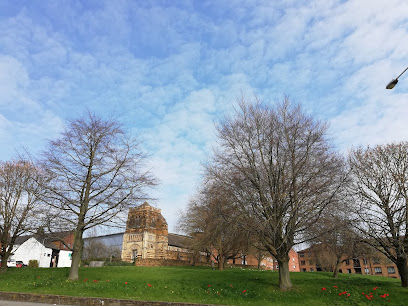
Northampton Castle Postern Gate
26.9 km
Discover the solitary Postern Gate, the last surviving gateway of Northampton Castle, echoing centuries of royal history and medieval intrigue.
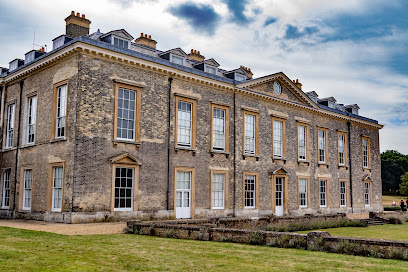
Althorp Estate
31.1 km
Experience the grandeur of Althorp Estate, the historic home of the Spencer family, surrounded by stunning landscapes and rich British heritage.
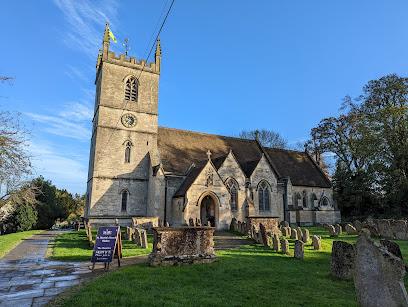
St Martin's Church
31.2 km
Medieval roots, Victorian restoration, and Churchill's final resting place in rural Oxfordshire.
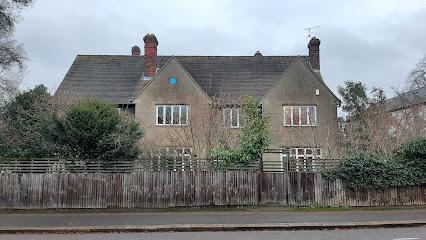
Blue Plaque: J.R.R. Tolkien
31.6 km
The Oxford home where Tolkien wrote The Hobbit and The Lord of the Rings, marked by a historic blue plaque.
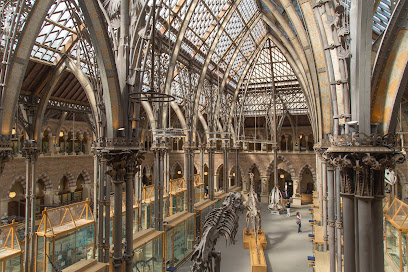
Oxford University Museum of Natural History
32.5 km
Explore the captivating Oxford University Museum of Natural History, where science and history come alive in a stunning architectural setting.
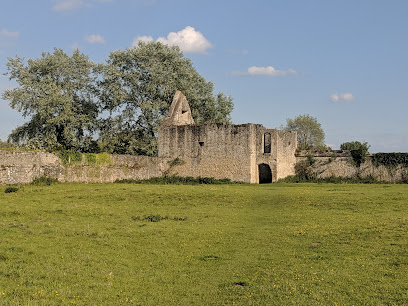
Godstow Abbey
32.7 km
Discover the serene beauty and rich history of Godstow Abbey, a tranquil ruin near Oxford, perfect for history enthusiasts and nature lovers alike.
New College Ln
32.9 km
Explore the enchanting New College Lane in Oxford, where history, architecture, and student life come together in a picturesque setting.
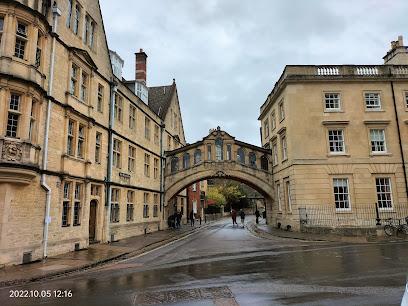
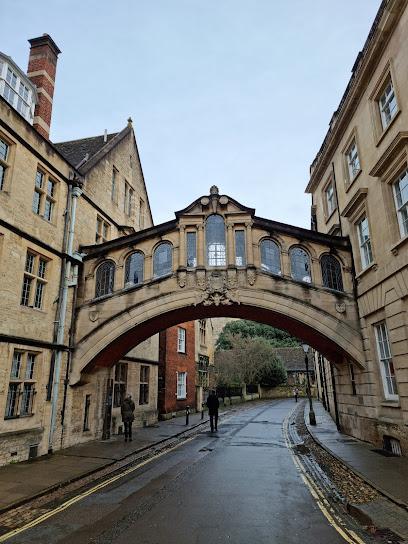
Bridge of Sighs
32.9 km
An iconic covered bridge connecting Hertford College’s quadrangles, blending Gothic charm with Oxford’s academic spirit.
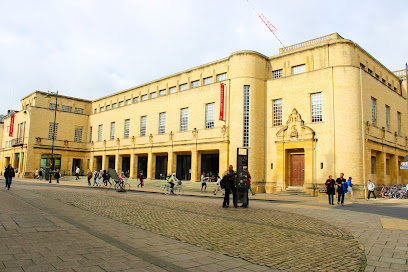
Weston Library
32.9 km
Explore the Weston Library in Oxford - a cultural gem featuring rare manuscripts, stunning architecture, and a vibrant atmosphere for book lovers.
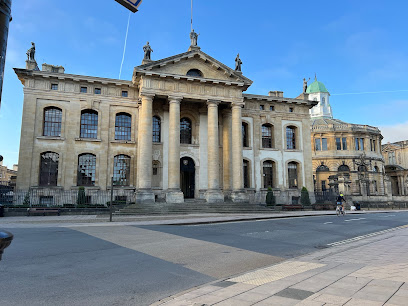
Clarendon Building
32.9 km
An iconic neoclassical landmark in Oxford’s academic heart, blending historic grandeur with university tradition on Broad Street.
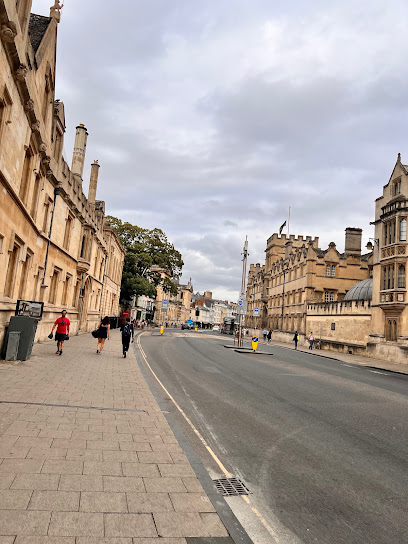
City Sightseeing Oxford
32.9 km
Discover Oxford’s rich history and stunning architecture with City Sightseeing Oxford’s immersive bus tours for an unforgettable travel experience.
The Oxford Ghost Tour
32.9 km
Discover the haunted history of Oxford with The Oxford Ghost Tour, where chilling stories and eerie legends await every curious traveler.
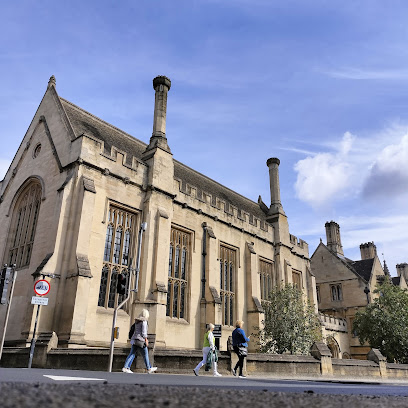
Magdalen Bridge
32.9 km
Historic stone bridge over the River Cherwell, blending centuries of architecture, culture, and Oxford traditions.
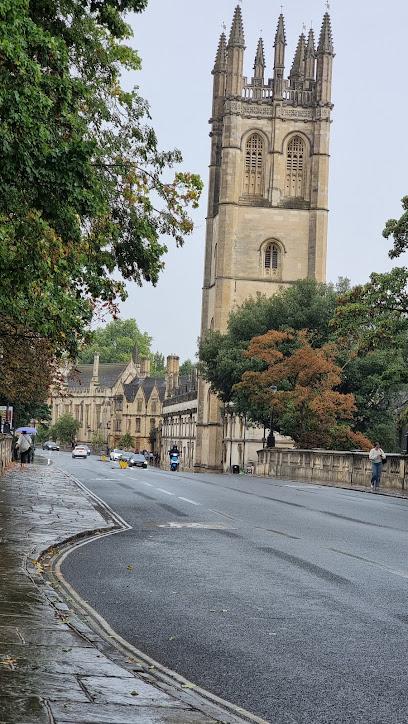
Bodleian Library
32.9 km
Discover the Bodleian Library, an iconic historical landmark in Oxford, home to millions of texts and a hub for cultural events and tours.
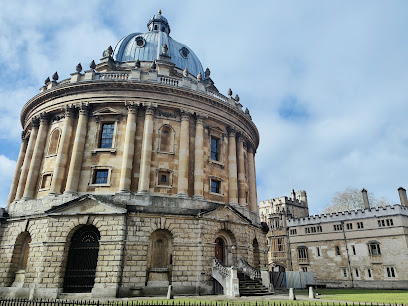
The Queen's College
32.9 km
Baroque splendour on Oxford's High Street—a historic college of architectural excellence and academic prestige.
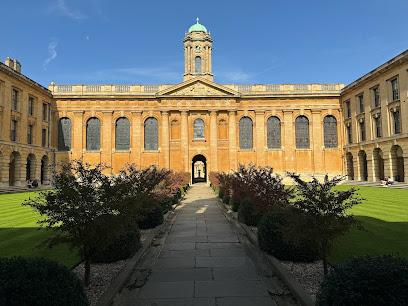
Unmissable attractions to see

Buckinghamshire Military Museum Trust
0.0 km
Explore centuries of Buckinghamshire’s military heritage within the historic Old Gaol, a unique museum blending local history and immersive exhibits.
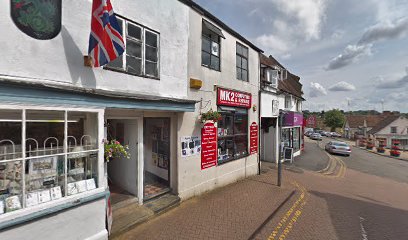
Buckingham Old Gaol
0.1 km
Explore Buckingham’s historic former prison, a compact museum revealing the town’s rich social and legal heritage through immersive exhibits.
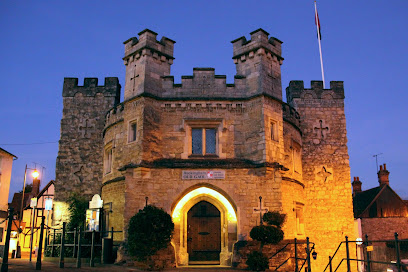
St Rumbold's Well
0.7 km
Discover the ancient sacred spring of Saint Rumbold, a medieval pilgrimage site steeped in legend and local heritage in Buckingham.
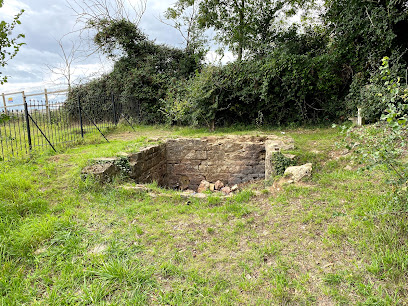
Pebble Alcove
3.4 km
Explore Pebble Alcove in Buckingham, a stunning landmark that combines unique architecture with serene natural beauty for a perfect getaway.
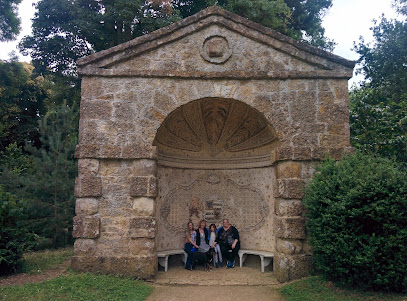
National Trust - Stowe Gardens
3.6 km
A masterpiece of 18th-century landscape design, where classical temples rise from sweeping parkland and serpentine lakes.
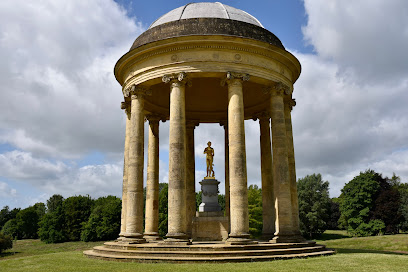
Temple of British Worthies
3.7 km
Discover the Temple of British Worthies in Buckingham, a landmark celebrating revered figures of British history amidst beautiful gardens.
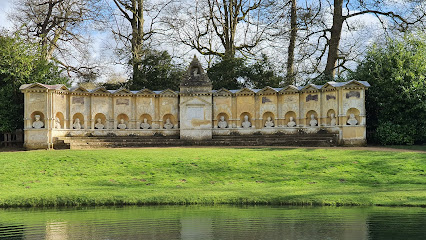
Gothic Temple
3.8 km
Experience the charm and architectural beauty of the Gothic Temple, an iconic landmark in Buckingham that transports you to a romantic past.
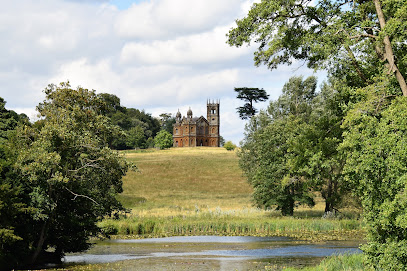
Claydon Estate
9.0 km
Discover the charm of Claydon Estate’s Georgian courtyard, historic National Trust house, and tranquil Buckinghamshire countryside.
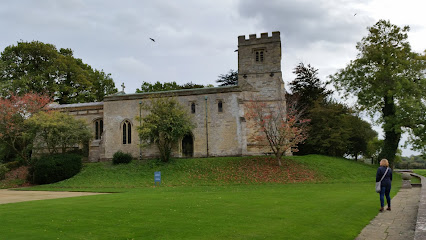
National Trust - Claydon
9.0 km
Discover the grandeur of Georgian Claydon House and vibrant Courtyard nestled in Buckinghamshire’s historic countryside.
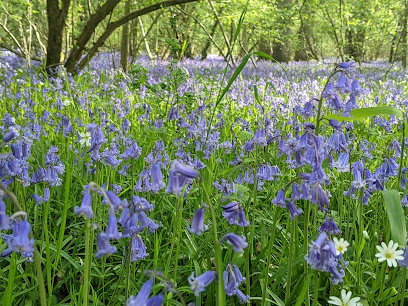
Finemere Wood
12.6 km
Explore Finemere Wood, an ancient Buckinghamshire woodland alive with history, wildflowers, butterflies, and tranquil nature walks.
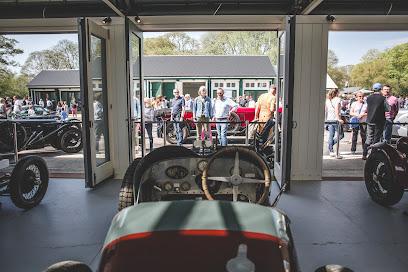
Bicester Heritage
14.1 km
Explore the UK’s premier historic motoring campus where vintage cars, aviation heritage, and passionate craftsmanship come alive.
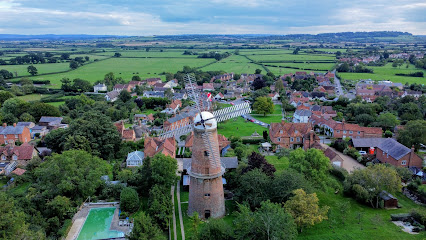
Quainton Windmill
14.7 km
Historic 19th-century tower windmill in Quainton, beautifully restored and still producing flour in Buckinghamshire’s charming countryside.
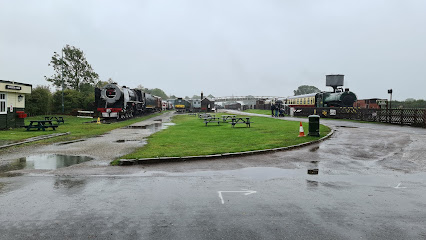
Buckinghamshire Railway Centre
15.6 km
Step back in time at Buckinghamshire Railway Centre, where historic steam trains, a stunning glass-roofed Visitor Centre, and family events bring railway heritage to life.
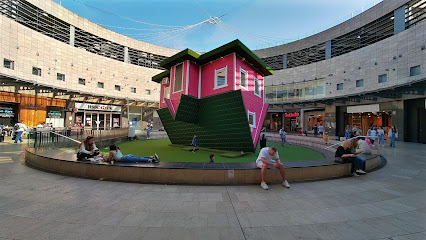
Upside Down House - Milton Keynes
16.4 km
Step into a vibrant, gravity-defying world at Milton Keynes’ Upside Down House—where every room flips your perspective and sparks playful photo fun.
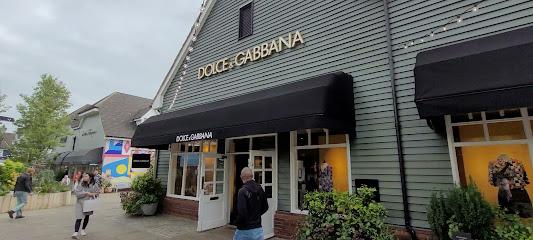
Bicester Village
16.7 km
Luxury designer outlet village with 150+ boutiques, up to 70% off, and festive charm near Oxford.
Essential places to dine

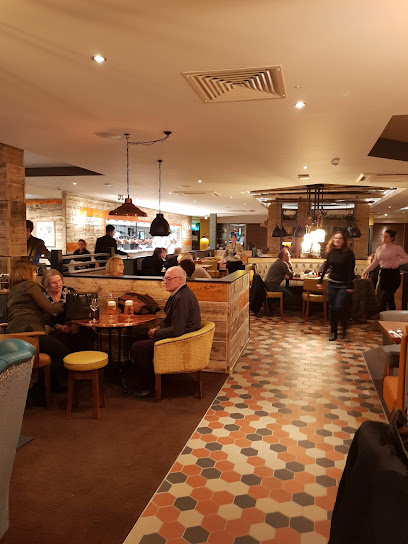
Beefeater Buckingham
1.5 km
Classic British steakhouse and family-friendly grill in Buckingham offering hearty meals, welcoming service, and a lively casual atmosphere.
Allium Dining
1.7 km
Intimate farm-to-table dining in Buckinghamshire, where seasonal British produce meets creative culinary artistry.
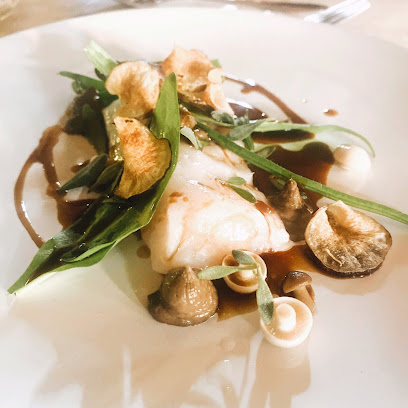
The Old Thatched Inn
5.6 km
A charming thatched gastropub in Adstock offering quality local cuisine and cozy countryside ambiance.
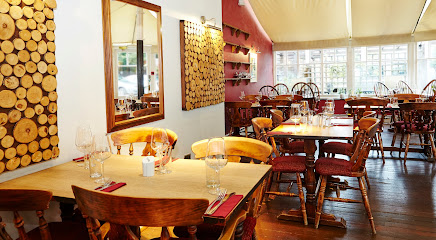
The Folly
13.7 km
A charming British inn in Towcester offering generous portions of classic dishes in a warm, welcoming atmosphere.
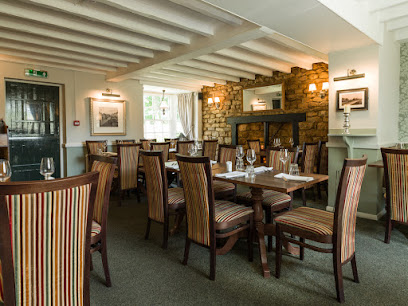
The Pilgrim Pub
13.8 km
A Michelin Guide village pub in North Marston serving seasonal local dishes with a warm community spirit and inviting beer garden.
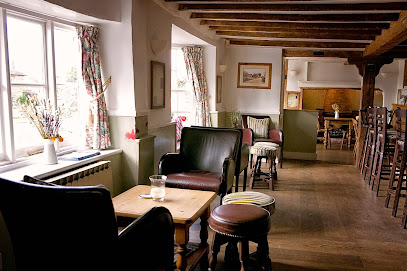
CANALETTO
15.0 km
Authentic Italian dining with Mediterranean charm in a warm, welcoming atmosphere on Bicester Road, Kingswood.
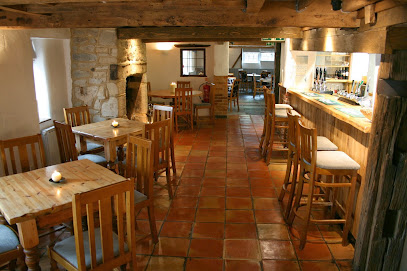
The Plough At Shutlanger
16.1 km
A charming English country pub in Shutlanger offering locally sourced British fare, traditional ales, and a warm countryside atmosphere.
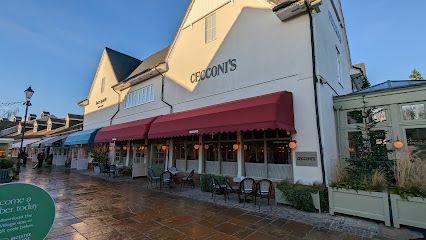
Cecconi's Bicester
16.6 km
Experience authentic Italian flavors and artisanal dishes in the stylish heart of Bicester Village.
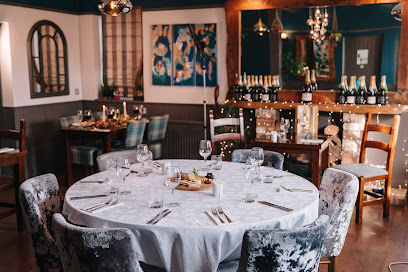
The Five Arrows
17.7 km
Boutique neo-Tudor charm with refined dining and peaceful gardens beside historic Waddesdon Manor in Buckinghamshire.

The Orangery at RH England
18.1 km
Elegant live-fire dining in a grand orangery with scenic deer park views and refined, high-quality cuisine in Aynho Park.
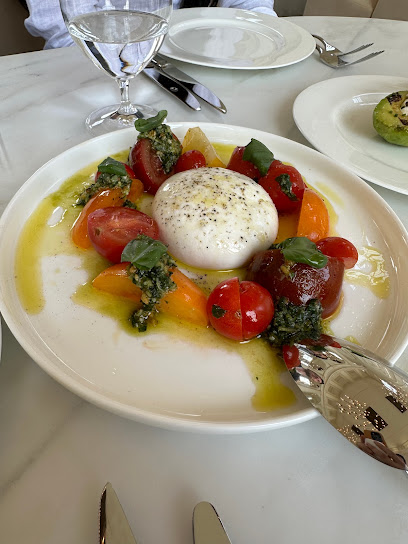
The Bell At Hardwick, Aylesbury, Buckinghamshire
18.4 km
A charming gastropub blending traditional British hospitality with modern dining in the heart of Hardwick village.
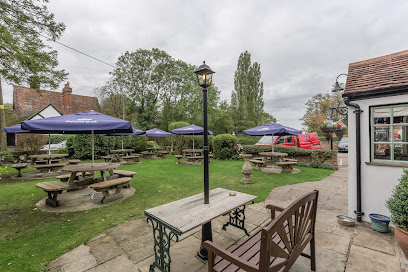
Little Gems Country Dining
20.0 km
Experience refined country dining with cozy charm and quality cuisine in the heart of Milton Keynes.
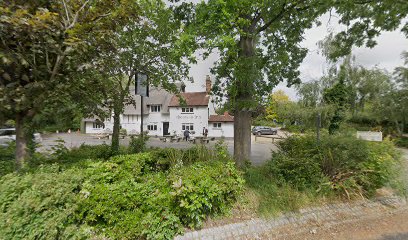
Miller & Carter Aylesbury
20.6 km
Savor expertly aged steaks in a spacious, welcoming setting with attentive service at Miller & Carter Aylesbury.
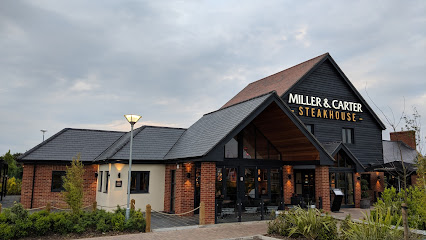
Nut Tree Inn
21.4 km
Michelin-starred fine dining meets historic charm in the heart of Oxfordshire’s countryside at The Nut Tree Inn.
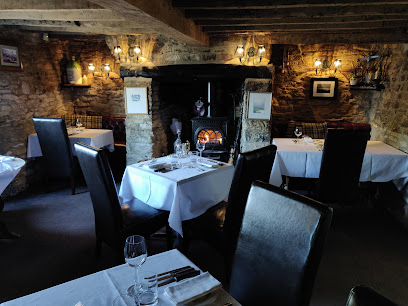
Harvester Grange Park Northampton
21.7 km
Family-friendly British grill with a fresh unlimited salad bar and welcoming atmosphere in Northampton’s Grange Park.
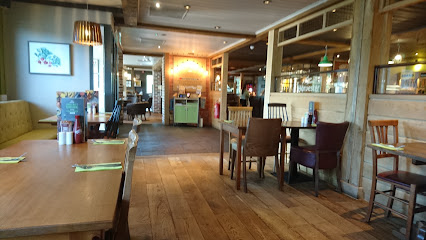
Markets, malls and hidden boutiques

Meadow Walk Shopping Centre
0.2 km
A charming compact shopping centre in Buckingham featuring independent shops, cafes, and convenient parking in a friendly community setting.
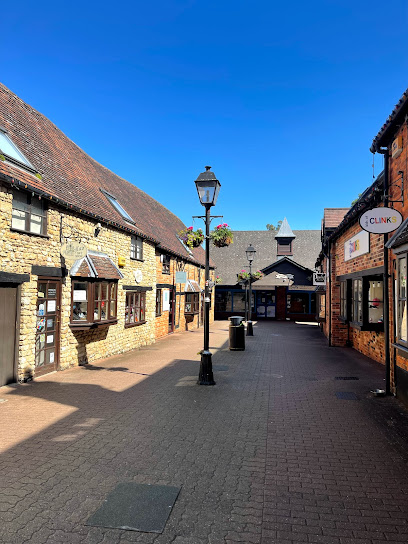
Beautifully Different Winslow
9.8 km
Discover original flair and stylish ladies' fashion at Beautifully Different Winslow, a charming boutique in the heart of Buckinghamshire’s historic market town.
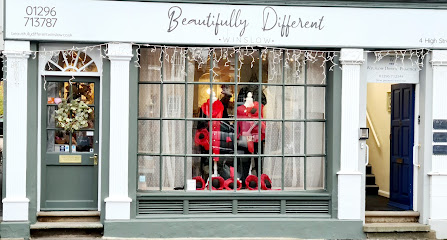
Mrs B's Emporium
13.9 km
Discover quirky gifts, handmade candles, and unique homewares in a cozy, friendly shop nestled in Wolverton’s historic Church Street.
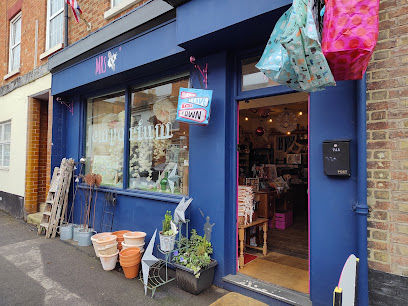
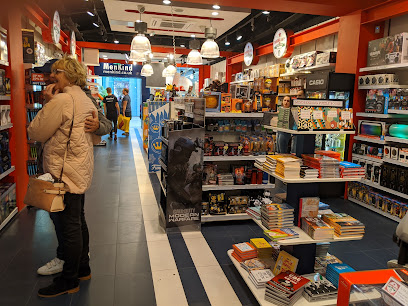
Menkind
16.7 km
Discover quirky gadgets, unique gifts, and fun toys at Menkind Milton Keynes, your go-to spot for playful and tech-inspired shopping.
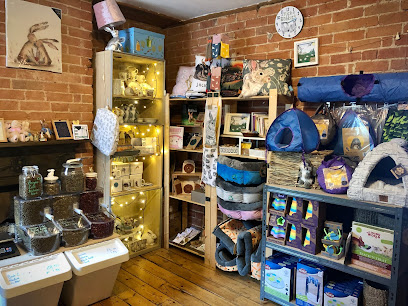
Rabbit Retail
22.6 km
A charming boutique in Aylesbury offering unique gifts, eco-friendly products, and expert care for rabbits and their devoted owners.
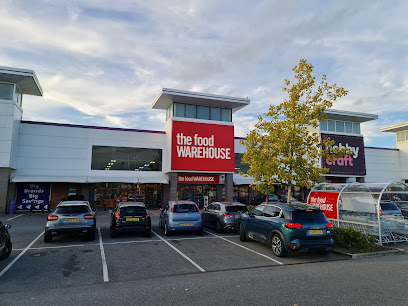
B&M Home Store
23.4 km
Affordable home goods and furniture with convenient shopping hours in the heart of Aylesbury’s retail park.

Aylesbury Shopping Park
23.5 km
Aylesbury Shopping Park offers diverse shops, eateries, and leisure facilities just minutes from town centre with convenient parking and family-friendly amenities.
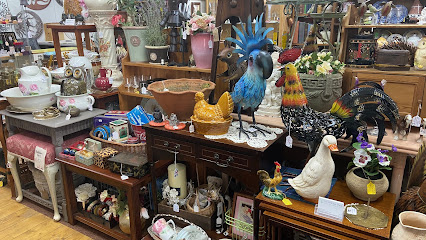
The Vintage Shop
23.6 km
Discover timeless antiques and unique vintage treasures in Aylesbury’s welcoming and affordable Vintage Shop.
Shop of magical requirements
23.7 km
Discover a whimsical world of magical memorabilia and enchanting treasures at Aylesbury’s unique Shop of Magical Requirements.
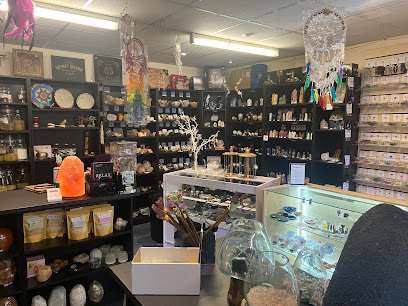
Hale Leys Shopping Centre
23.7 km
A historic and vibrant shopping centre in Aylesbury, blending heritage architecture with diverse retail and dining experiences.
One Beyond Aylesbury
23.7 km
Discover unbeatable bargains and a vast range of essentials at One Beyond Aylesbury, your go-to discount store in the heart of Hale Leys.
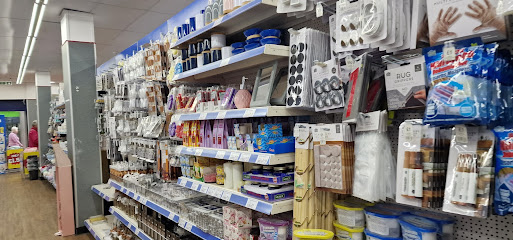
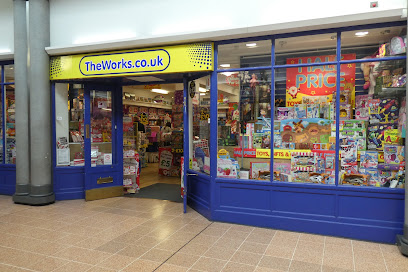
The Works
23.7 km
Discover affordable arts, crafts, books, and gifts for all ages at The Works in Aylesbury’s Hale Leys Shopping Centre.
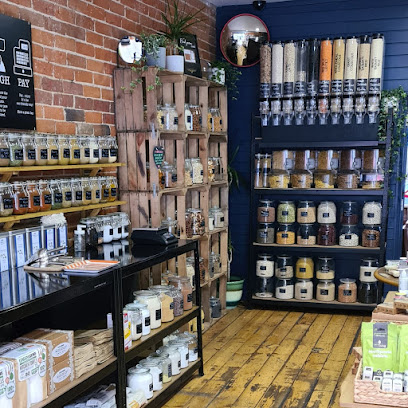
Aylesbury Eco Store
23.8 km
Discover sustainable, zero-waste shopping at Aylesbury Eco Store, your local hub for eco-friendly living on High Street.
House of Fraser
23.8 km
A central department store in Aylesbury’s Friars Square offering diverse fashion, homewares, and beauty products with a welcoming shopping environment.
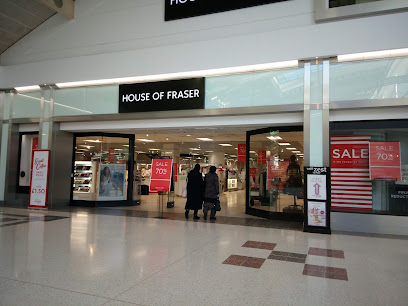
Friars Square Shopping Centre
23.8 km
Aylesbury’s premier shopping destination offering diverse stores, modern amenities, and a welcoming atmosphere in the heart of town.

Essential bars & hidden hideouts

The Kings Head Coffee & Gin Bar
0.1 km
Historic pub meets vibrant coffee and gin bar with a sunny courtyard garden in the heart of Buckingham’s Market Hill.
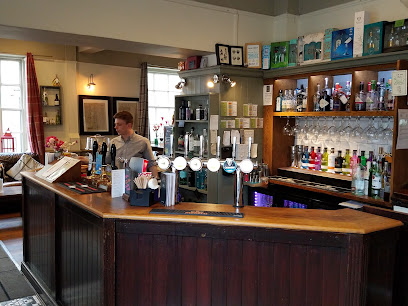
The Grand Junction
0.2 km
A vibrant Mediterranean-inspired pub in Buckingham with wood-fired pizzas, cozy bar, private function room, and charming courtyard dining.
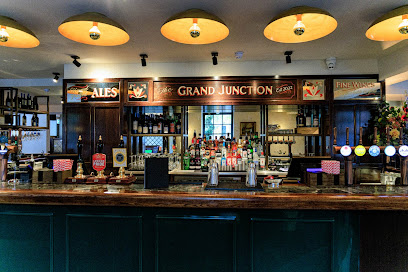
Be At One - Milton Keynes
15.9 km
Discover over 100 expertly crafted cocktails and vibrant nightlife energy at Be At One, Milton Keynes’ premier cocktail bar in The Hub.
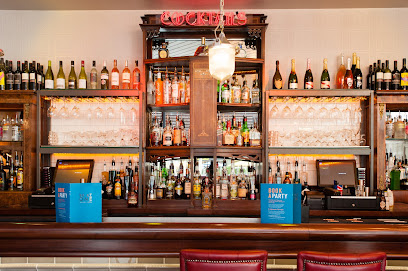
Jolly Hucksters Ltd- Mobile Bar Company
17.7 km
Milton Keynes’ trusted family-run mobile bar, delivering bespoke drink experiences and exceptional service to weddings and events.
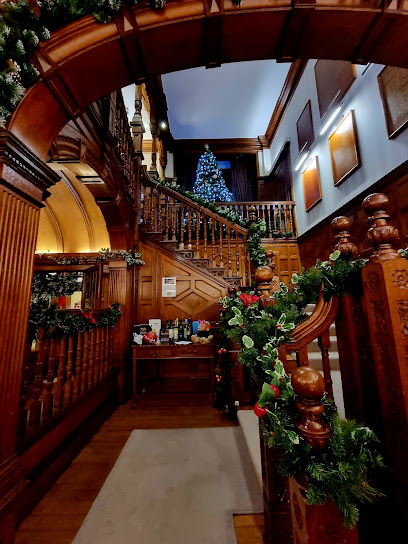
The Cock At Roade
18.8 km
A classic village pub in Roade offering hearty British fare, excellent beer, and a warm, friendly atmosphere near Northampton.
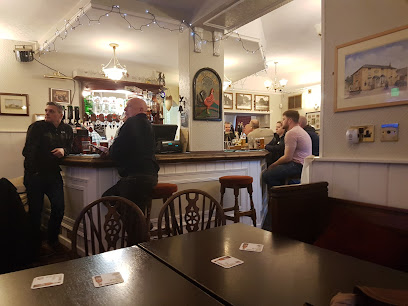
Cotton Wheel
21.6 km
Aylesbury’s friendly neighborhood pub serving fresh, affordable food and drinks in a warm, welcoming atmosphere.
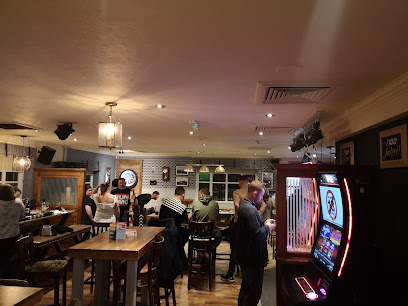
The Watermead Inn
22.5 km
A charming lakeside pub in Aylesbury offering hearty British and international dishes with friendly service and scenic views.
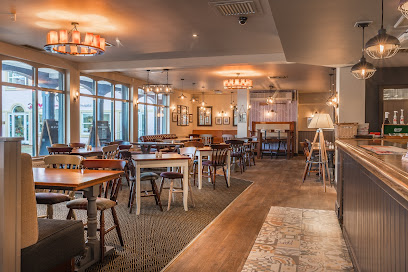
Wig & Walnut
22.5 km
A charming, affordable pub in Grange Park offering quality food, friendly service, and a welcoming atmosphere for locals and visitors alike.
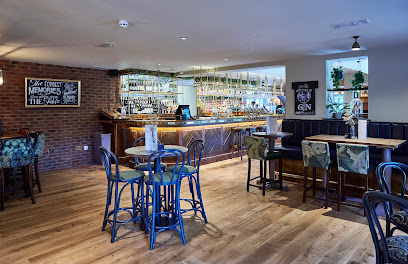
Emperors Lounge
23.5 km
Lively late-night bar in Aylesbury with great music, friendly staff, and a vibrant dance floor for an unforgettable night out.
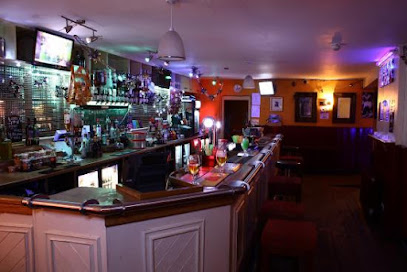
The Rockwood
23.6 km
A warm, contemporary pub in Aylesbury blending traditional charm with fresh local flavors and lively community spirit.
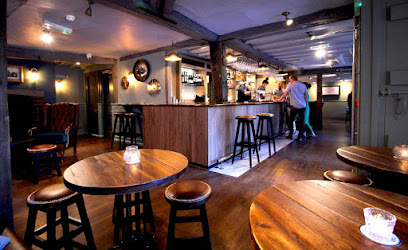
The Feathers Aylesbury
23.6 km
A lively Aylesbury pub blending traditional charm, modern sports viewing, and vibrant entertainment in the heart of Kingsbury Square.
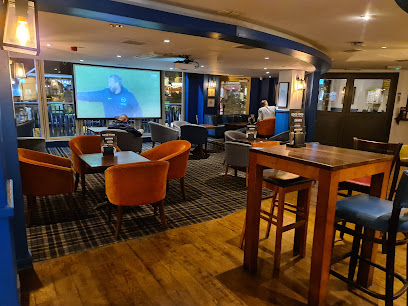
The King's Head, Aylesbury
23.7 km
Historic 15th-century coaching inn in Aylesbury with authentic Chiltern Brewery ales, hearty British fare, and a charming cobbled courtyard.
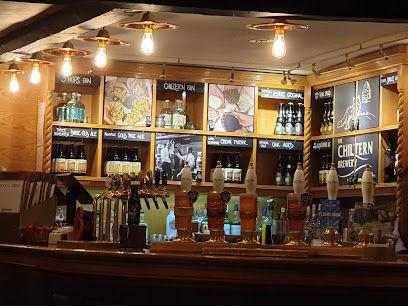
Craftyard Aylesbury
23.9 km
A stylish, family-run craft beer and gin bar in Aylesbury with an industrial-chic vibe inspired by London’s vibrant streets.
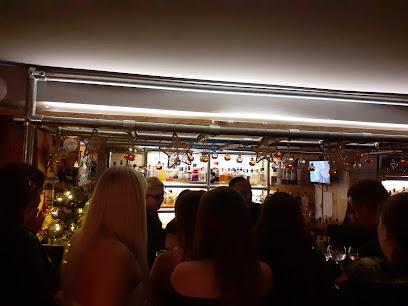
The Bugle Horn
24.1 km
A charming and cozy country pub in Hartwell serving hearty British classics with a warm, inviting atmosphere.
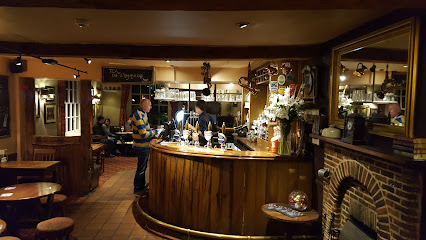
Old Millwrights Arms
24.4 km
A lively, dog-friendly Aylesbury pub serving hearty roasts, wood-fired pizzas, and a fine selection of ales in a warm, welcoming atmosphere.
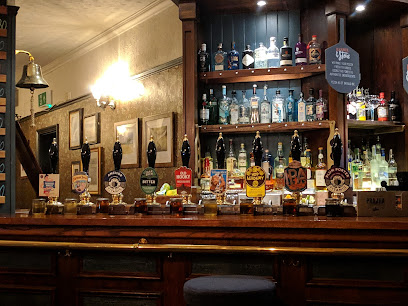
Nightclubs & after hour spots

Garudaa
16.2 km
A spacious, welcoming gentlemen’s club in Milton Keynes offering VIP areas, game rooms, and late-night entertainment in a relaxed, darkly lit setting.
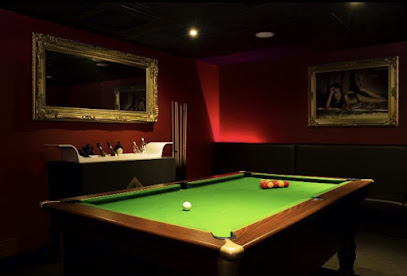
Pink Punters
18.9 km
Milton Keynes’ dynamic multi-room nightclub blending diverse music, vibrant crowds, and a lively late-night party atmosphere.
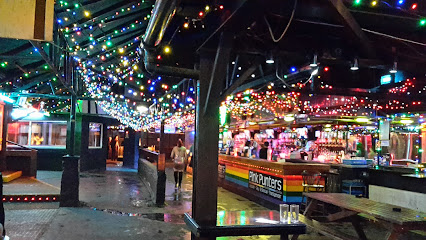
Mirage Aylesbury
23.5 km
Experience Aylesbury’s vibrant nightlife at Mirage, a lively nightclub offering music, dancing, and late-night fun in the heart of town.
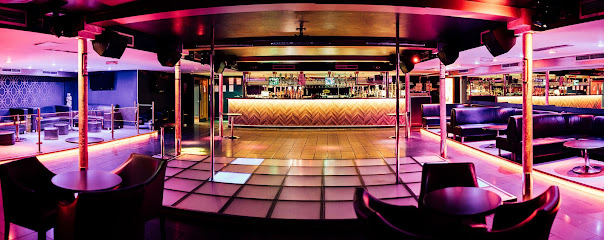
Stereo Bar and Club
26.9 km
Experience Northampton’s vibrant nightlife with eclectic music, lively dancing, and a welcoming atmosphere at Stereo Bar and Club.
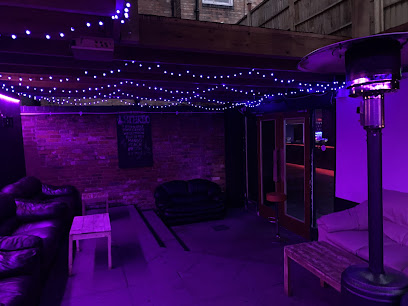
Elysium
26.9 km
Northampton’s premier late-night nightclub for house, bass, and tech house music, famed as the city’s official after-party hotspot.
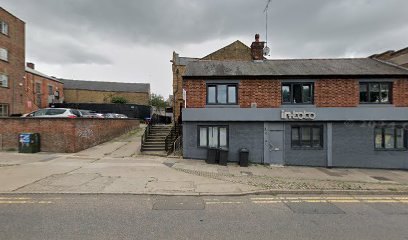
NB's
26.9 km
Experience Northampton’s vibrant nightlife with NB's lively clubbing atmosphere, multiple rooms, and sociable outdoor bar area.
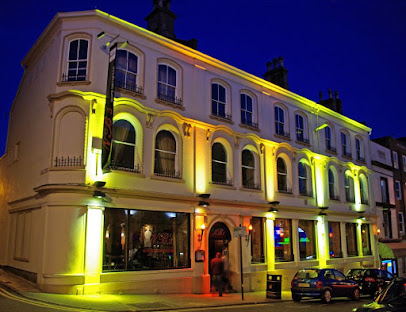
Club43
27.0 km
Northampton’s vibrant underground nightclub offering top electronic acts and a soulful, energetic nightlife experience.
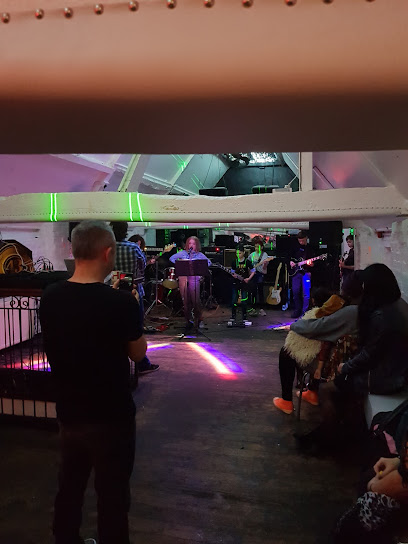
The Platform
27.0 km
Northampton’s vibrant nightclub and bar blending historic charm with lively music, drinks, and student-friendly events.
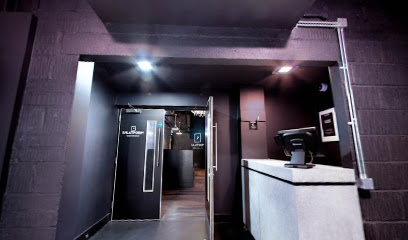
The Boston
27.2 km
Northampton’s welcoming LGBTQ+ nightclub and pub, The Boston offers lively music, themed nights, and a vibrant inclusive atmosphere.

Club Bar X
27.8 km
Lively basement nightclub on Wellingborough Road, Northampton, offering late-night music, dancing, and a vibrant social scene Thursday to Saturday.
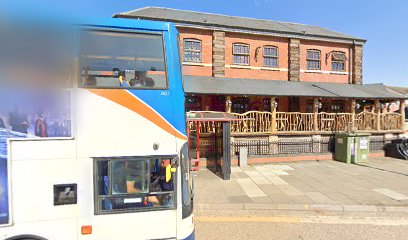
Club 145
27.8 km
Energetic nightclub on Wellingborough Road offering lively music, dancing, and a vibrant social scene in the heart of Northampton.
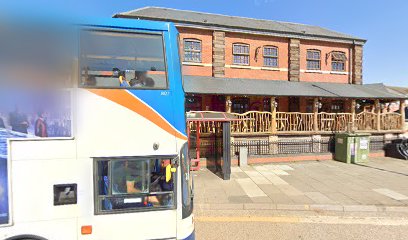
TWC
28.3 km
Experience the vibrant nightlife and energetic party scene at TWC, Aylesbury’s premier nightclub destination.
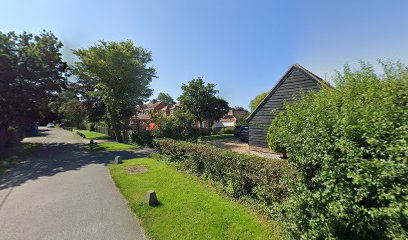
Fever Oxford
33.1 km
Experience Oxford’s vibrant nightlife at Fever, a multi-room nightclub blending live DJs, dynamic music, and a lively party atmosphere.

Plush Oxford
33.2 km
Experience Oxford’s vibrant, inclusive nightlife hotspot with great music, cocktails, and a welcoming atmosphere at Plush Oxford.
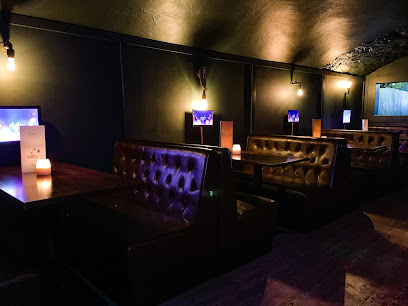
The Bridge Nightclub
33.5 km
Oxford’s lively student-focused nightclub with diverse music, multiple dance floors, and a spacious pub garden for late-night socializing.
For the vibe & atmosphere seeker
- Tranquil
- Historic
- Unique
- Casual
For the design and aesthetic lover
- Vintage Styles
- Rustic Designs
For the architecture buff
- Historic
- Sacred Sites
- Heritage Neighborhoods
For the view chaser and sunset hunter
- Iconic Views
For the social media creator & influencer
- Instagrammable
- Photo Spots
- Architectural Shots
For the eco-conscious traveler
- Public-Transport Accessible
- Locally Managed
For the kind of experience you’re after
- Cultural Heritage
- Photowalk
- Day Trip
- Weekend Getaway
For how adventurous you want the journey to be
- Easy Access
Location Audience
- Family Friendly
- Senior Friendly
- Child Friendly
- Teen Friendly
- Wheelchair Access
- Solo Friendly
- Couple Friendly
- Vegetarian Friendly
- Vegan Friendly


