
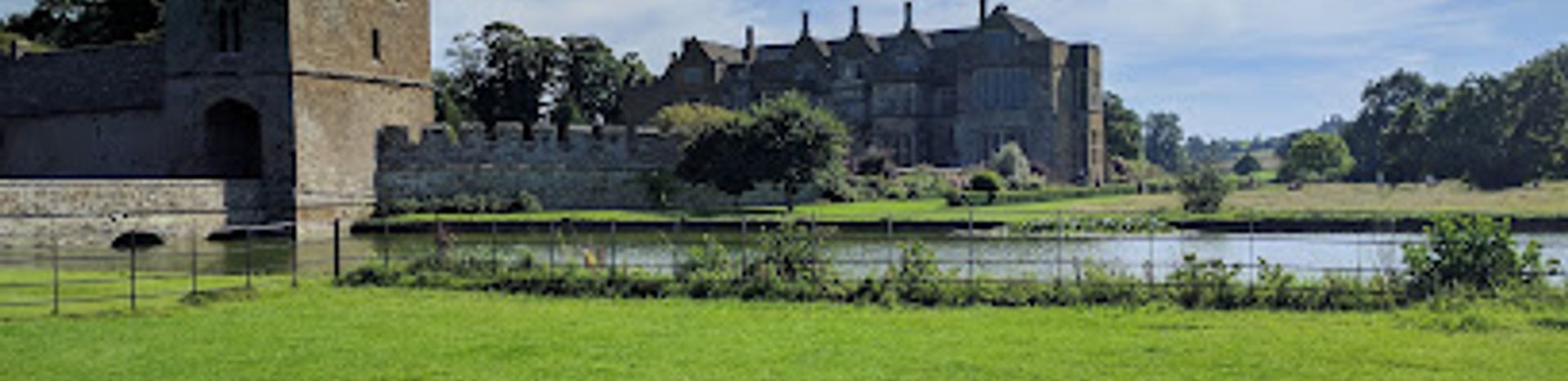
Broughton Castle: A Timeless Oxfordshire Manor with Rich History and Gardens
Explore Broughton Castle, a moated Tudor manor steeped in Civil War history, stunning gardens, and centuries of family heritage near Banbury.
Broughton Castle, near Banbury in Oxfordshire, is a moated medieval fortified manor house dating back to around 1300. Home to the Fiennes family for centuries, the castle blends Tudor architecture with historic interiors, including a Great Hall adorned with Civil War arms and a 14th-century chapel. Set in scenic parkland with a large moat and distinctive gardens, it played a key role during the English Civil War and remains a private family residence open for visits and events.
A brief summary to Broughton Castle
- Broughton Castle, Banbury, OX15 5EB, GB
- +441295276070
- Visit website
- Duration: 1.5 to 3 hours
- Mid ranged
-
 Outdoor
- Mobile reception: 4 out of 5
Local tips
- Allow at least two hours to fully explore the castle interiors and gardens.
- Check the castle’s schedule for special events or guided tours to enrich your visit.
- Visit the King’s Chamber to see the rare hand-painted Chinese wallpaper from around 1800.
- Combine your visit with a trip to nearby Banbury or a walking tour of Oxfordshire’s historic houses.

For the on-the-go comforts that matter to you
- Restrooms
- Drink Options
- Food Options
- Seating Areas
- Information Boards
- Visitor Center
Getting There
-
Train and Bus
Take a train to Banbury station, approximately 3.5 miles from Broughton Castle. From Banbury, catch the 50A bus toward Wykham Lane; the stop is a short 5-minute walk from the castle. Total travel time is around 30–45 minutes. Train fares vary but typically range from £10 to £25 one-way depending on origin.
-
Car
Driving from Banbury or the M40 motorway (Junction 11), Broughton Castle is about 2.5 miles away. On-site parking is available. Travel time is approximately 10 minutes. Note that rural roads may be narrow and parking can fill on busy days. No parking fees apply.
-
Walking
For active visitors, a scenic 1.5-hour walk from Banbury town center to Broughton Castle is possible via country lanes and footpaths. Terrain is mostly flat but includes some uneven surfaces. Suitable for those with moderate fitness and good walking shoes.
Broughton Castle location weather suitability
-
 Any Weather
-
 Clear Skies
-
 Mild Temperatures
-
 Rain / Wet Weather
Discover more about Broughton Castle
Origins and Architectural Evolution
Broughton Castle was originally built circa 1300 by Sir John de Broughton at a strategic site where three streams converge, enabling the creation of a substantial moat. Initially a medieval manor house, it was fortified in 1406 by Sir Thomas Wykeham, who added battlements and crenellations to the gatehouse, giving the estate its castle-like appearance. The Fiennes family acquired the property in the 15th century through marriage, and in the mid-16th century, Richard Fiennes undertook major Tudor-style expansions, including raising the roof to add floors above the Great Hall and adding distinctive south towers. The castle’s architecture thus reflects a blend of medieval fortification and Elizabethan prodigy house styles.Historical Significance and Civil War Legacy
Broughton Castle’s most notable historical chapter unfolded during the English Civil War. William Fiennes, 1st Viscount Saye and Sele, was a prominent Parliamentarian who raised troops to oppose King Charles I. The castle became a meeting place for anti-Royalist forces and was besieged and captured by Royalist troops after the Battle of Edgehill in 1642. Despite damage from cannon fire and occupation, the castle survived and was later repaired. William Fiennes notably opposed the execution of Charles I and was pardoned after the Restoration. The castle’s Great Hall preserves an impressive collection of arms and armour from this turbulent period, offering a vivid glimpse into its martial past.Interior Highlights and Family Heritage
Inside, Broughton Castle features richly detailed rooms that showcase centuries of family history. The Oak Room is entirely paneled with oak, while the Queen Anne Room commemorates a 1604 visit by Queen Anne of Denmark, wife of James I. The King’s Chamber hosted both James I and Edward VII, with hand-painted Chinese wallpaper dating from around 1800 adding to its allure. The castle also contains a rare 14th-century chapel with vaulted ceilings and atmospheric passageways. The Fiennes family has maintained ownership continuously since the 15th century, with the current residents being the 22nd Lord and Lady Saye and Sele.Gardens, Grounds, and Scenic Setting
Surrounded by approximately three acres of parkland, Broughton Castle is set amidst tranquil gardens featuring curiously designed box hedging and historic landscaping. The large moat, fed by the three converging streams, adds to the picturesque setting. The gardens were enhanced in the early 20th century by the Gordon-Lennox family, who leased the castle and hosted Edward VII. The rich local Hornton stone used in construction lends the castle its quintessential Oxfordshire character, with warm brown and tawny hues that complement the natural surroundings.Modern Restoration and Cultural Role
After periods of decline in the 19th century, including the sale of many contents and neglect, the castle underwent significant restoration in the 20th century, supported by English Heritage and led by Nathaniel, 21st Lord Saye and Sele. Today, Broughton Castle remains a private family home but is open to the public for tours and special events. Its historic ambiance and architectural beauty have made it a sought-after location for film and television productions, including notable titles like "Jane Eyre," "Shakespeare in Love," and "The Madness of King George."Visitor Experience and Cultural Legacy
Visitors to Broughton Castle can explore its historic interiors, extensive gardens, and moat, immersing themselves in over 700 years of English history. The castle’s blend of medieval, Tudor, and Victorian elements, combined with its role in key historical events, offers a rich cultural heritage experience. The surrounding Oxfordshire countryside enhances the tranquil atmosphere, making it a rewarding destination for history enthusiasts and garden lovers alike.Iconic landmarks you can’t miss

Bliss Tweed Mill
16.2 km
A striking Victorian tweed mill in Chipping Norton, blending industrial heritage with elegant architecture and scenic Cotswold views.

Sezincote House & Garden
25.6 km
Explore the exotic beauty of Sezincote House & Garden, a stunning blend of Indian architecture and lush Cotswold landscapes.
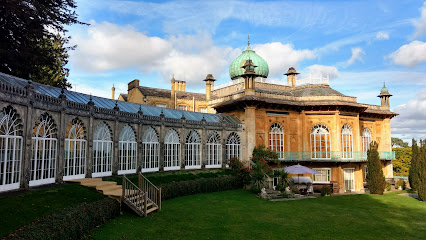
National Trust - Stowe Gardens
25.8 km
Explore the enchanting Stowe Gardens, a National Trust property filled with stunning landscapes, historical monuments, and serene beauty in Buckinghamshire.
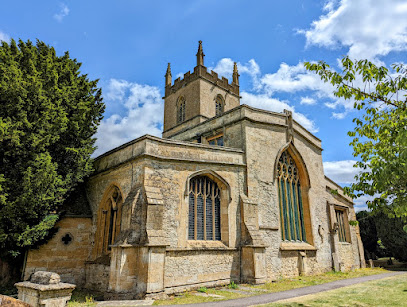
St Edward's Church
25.9 km
Explore St Edward's Church in Stow-on-the-Wold, a historic gem steeped in rich heritage and stunning architecture, perfect for culture enthusiasts.
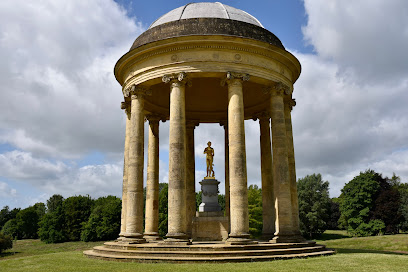
Temple of British Worthies
25.9 km
An iconic neoclassical monument in Stowe Gardens honoring Britain's greatest thinkers and leaders with sixteen distinguished busts.
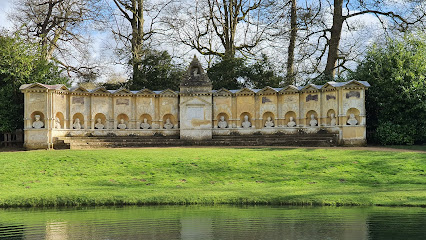
Pebble Alcove
26.0 km
Discover the charming Pebble Alcove, a unique pebble-decorated stone exedra nestled in the historic and scenic Stowe Gardens landscape.
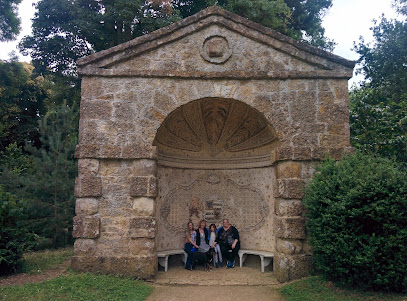
Gothic Temple
26.0 km
An enchanting 18th-century Gothic folly nestled in the historic Stowe Landscape Gardens, offering stunning views and timeless architectural beauty.
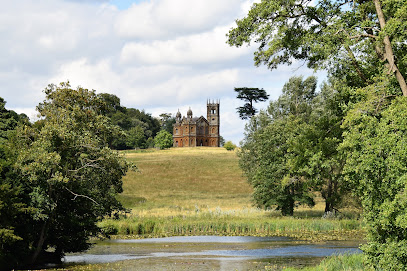
Old Campden House
26.3 km
Explore the evocative ruins and Jacobean heritage of Old Campden House, a grand 17th-century mansion touched by history and time.
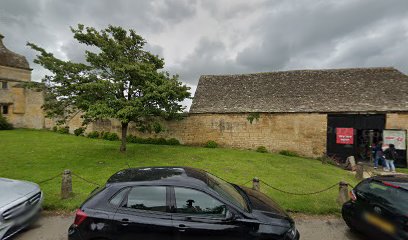
West Banqueting House
26.3 km
Experience the grandeur of Jacobean England in West Banqueting House, a beautifully preserved historic retreat in the heart of Chipping Campden.
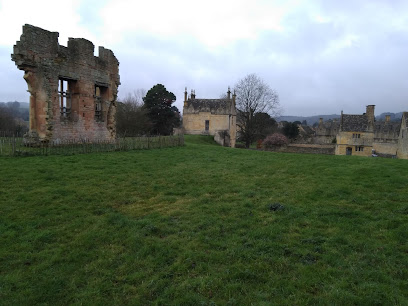
Stratford Butterfly Farm
26.8 km
Explore the enchanting Stratford Butterfly Farm, where thousands of butterflies create a vibrant ecosystem in the heart of Stratford-upon-Avon.
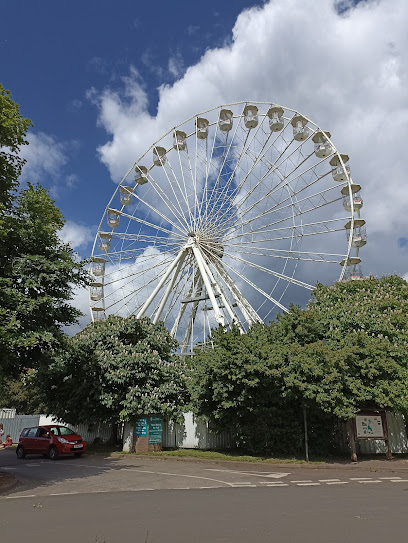
Chipping Campden
26.8 km
Discover the enchanting beauty of Chipping Campden, a historic market town in the Cotswolds, with stunning architecture and scenic landscapes.
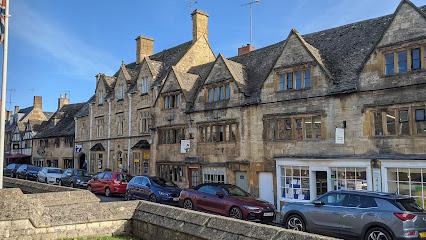
Clopton Bridge
26.9 km
Explore the enchanting Clopton Bridge in Stratford-upon-Avon, where history meets stunning river views in a picturesque setting.
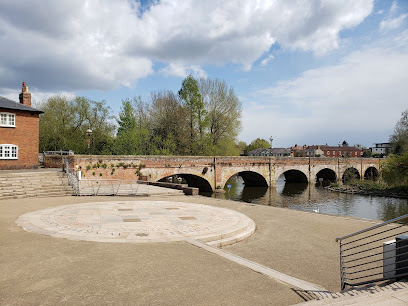
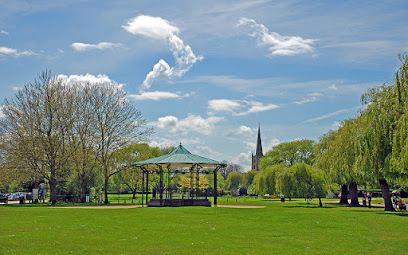
Stratford Upon Avon Bandstand
26.9 km
Historic bandstand in Stratford-upon-Avon offering free summer concerts and a vibrant community atmosphere in a scenic park setting.
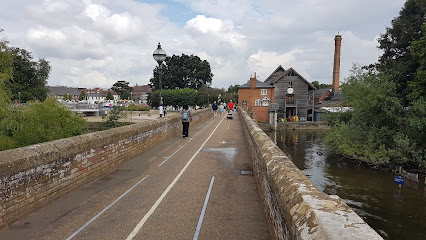
Tramway Bridge
27.0 km
Historic 1826 red brick pedestrian bridge over the River Avon, blending industrial heritage with tranquil riverside views in Stratford-upon-Avon.
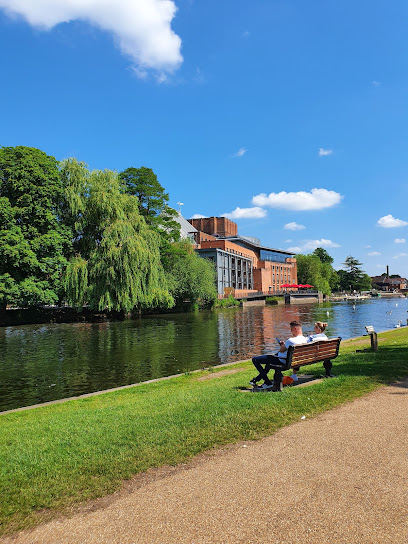
Shakespeare's Funerary Monument
27.0 km
Discover the historical significance of Shakespeare's Funerary Monument in Stratford-upon-Avon, a tribute to the legendary playwright's remarkable legacy.
Unmissable attractions to see

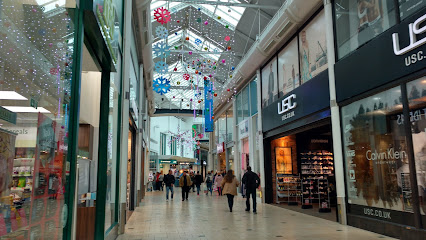
Castle Quay Shopping Centre
4.6 km
Banbury’s vibrant shopping and leisure destination with over 60 stores, unique community spaces, and scenic canal-side dining.
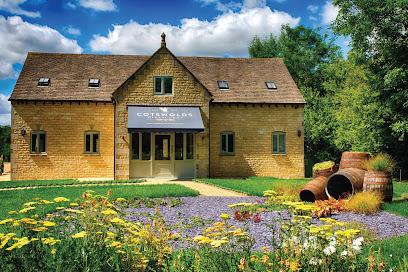
Cotswolds Distillery Visitor Centre
12.1 km
Discover the art of whisky and gin crafting at the scenic Cotswolds Distillery, where tradition meets innovation in the heart of Warwickshire.
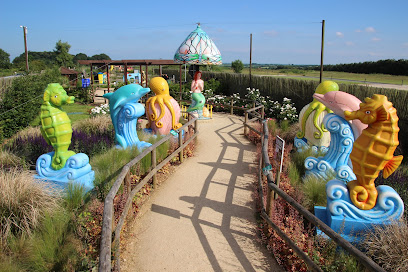
Fairytale Farm
13.8 km
Discover a magical farm adventure with fairy tale play areas, friendly animals, and enchanting events for the whole family near Chipping Norton.
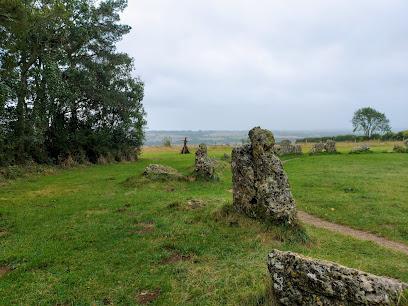
The Rollright Stones
14.2 km
Explore the enigmatic Rollright Stones, a trio of ancient megaliths steeped in legend and prehistoric ritual on the Oxfordshire-Warwickshire border.
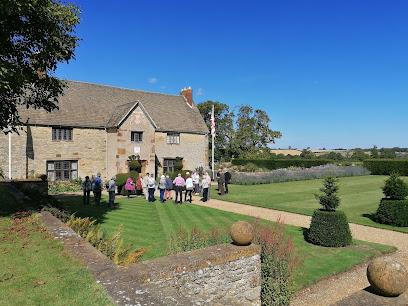
Sulgrave Manor
15.9 km
Explore Sulgrave Manor, the Tudor home of George Washington’s ancestors and a lasting symbol of Anglo-American friendship and heritage.
British Motor Museum
17.5 km
Explore the world’s largest collection of historic British cars and discover the rich heritage of Britain’s motor industry in the heart of Warwickshire.

Compton Verney Art Gallery and Park
18.1 km
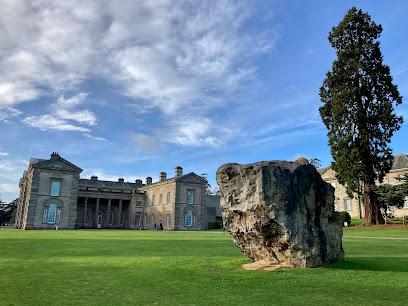
Explore world-class art and serene Capability Brown parkland at Compton Verney’s historic Georgian mansion.
National Trust - Chastleton House
19.3 km
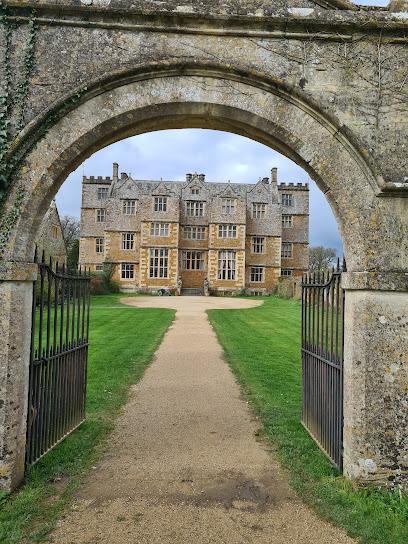
Step into a 400-year Jacobean time capsule at Chastleton House, where history, architecture, and gardens tell stories of English heritage and family legacy.
The Old Flight House
21.1 km
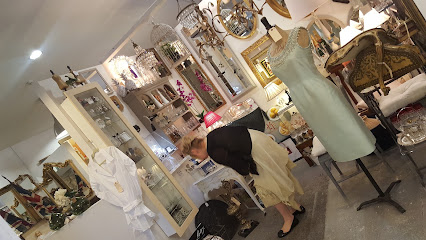
Explore a stylish emporium of antiques, vintage treasures, and a charming café in a spacious, light-filled setting near Bicester.
Daylesford Organic
21.2 km
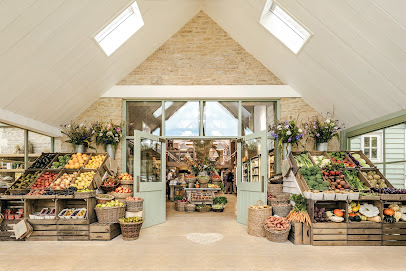
Experience sustainable farming, organic dining, and wellness in the idyllic Cotswolds at Daylesford Organic Farm.
Blenheim Park
21.5 km
Explore Blenheim Park’s vast historic landscape, where heritage monuments and serene gardens meet the idyllic Oxfordshire countryside.
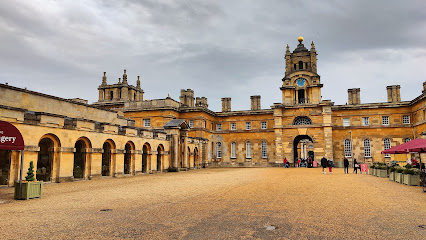
The Oxfordshire Museum
21.6 km
Discover Oxfordshire’s rich heritage from dinosaurs to Victorians in the historic Fletcher’s House with engaging exhibits and tranquil gardens.
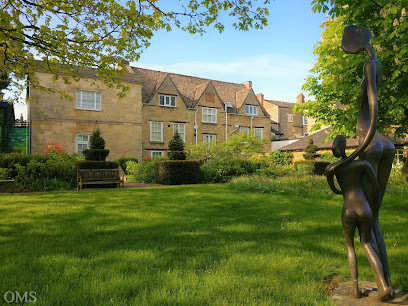
Bicester Heritage
22.1 km
Explore the UK’s premier historic motoring campus where vintage cars, aviation heritage, and passionate craftsmanship come alive.
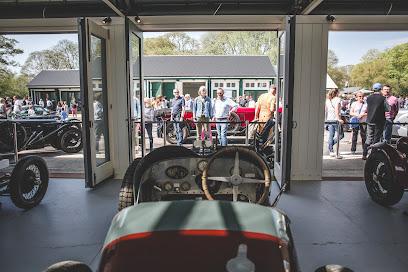
Blenheim Palace
22.3 km
Explore Blenheim Palace’s grand Baroque architecture, vast Capability Brown parkland, and immersive historic experiences in Oxfordshire’s UNESCO World Heritage gem.
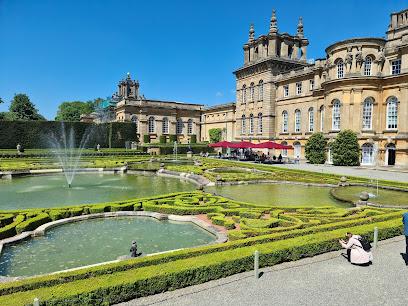
North Leigh Roman Villa
22.9 km
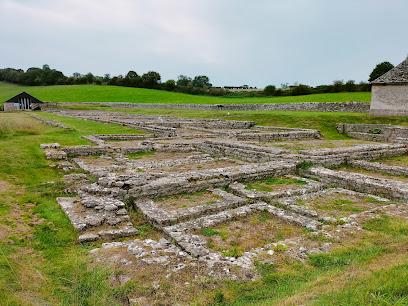
Explore one of Britain’s largest Roman villas nestled in a tranquil Oxfordshire valley, famed for its mosaics, baths, and ancient rural luxury.
Essential places to dine

The Orangery at RH England
10.9 km
Elegant live-fire dining in a grand orangery with scenic deer park views and refined, high-quality cuisine in Aynho Park.
The Royal Oak
13.4 km
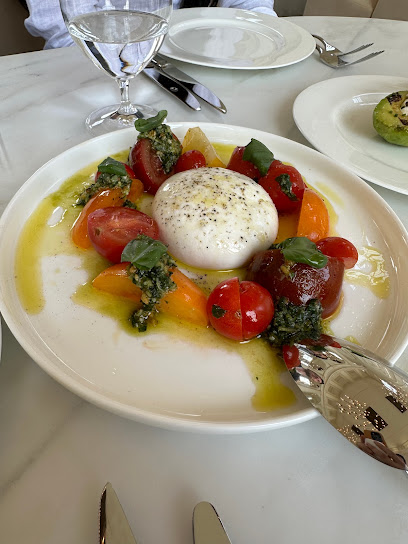
Michelin-starred Cotswolds gastropub where 800 years of history meets wild, foraged fine dining.
Whistlers Restaurant
15.2 km
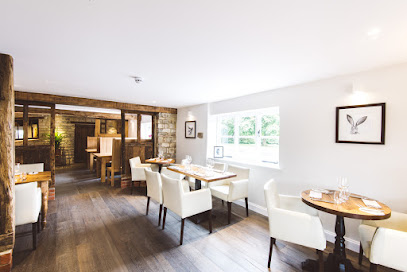
Whistlers Restaurant offers vibrant modern British dining with fresh ingredients, lively atmosphere, and a welcoming bar in Chipping Norton.

the scenic supper
17.0 km
Experience farm-to-table dining in a stunning Cotswold glasshouse with seasonal menus and panoramic countryside views.
The Oak Room Restaurant
19.3 km
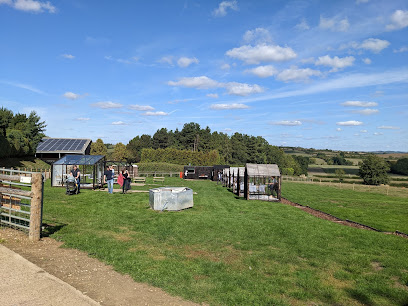
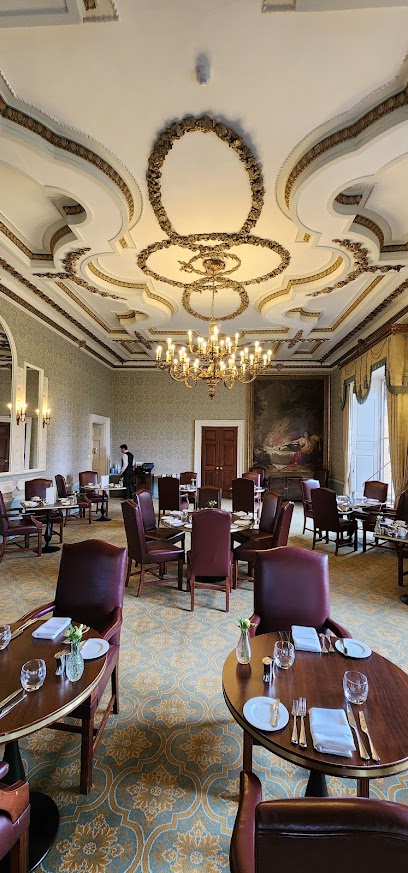
Elegant dining in a historic setting at Ettington Park, where refined British cuisine meets warm, attentive service.
The Chequers, Cotswolds
19.6 km
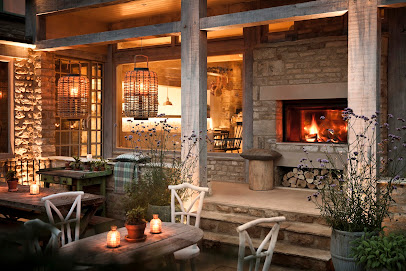
A stylish Cotswold gastropub in Churchill, serving elevated pub classics in a warm, lively atmosphere with a lovely garden and a strong local following.

The Kingham Plough
21.1 km
A charming Cotswold village inn blending traditional character with modern British cuisine and stylish comfort in the heart of Kingham.

The Wild Rabbit
21.4 km
Charming Georgian inn in Kingham offering refined British cuisine, eco-conscious hospitality, and stylish countryside retreats in the heart of the Cotswolds.
Cecconi's Bicester
23.3 km
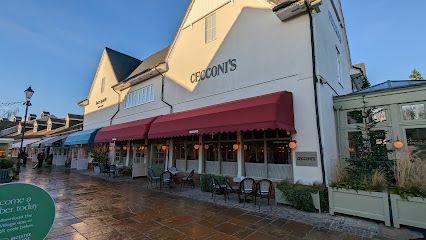
Experience authentic Italian flavors and artisanal dishes in the stylish heart of Bicester Village.
The Ebrington Arms
23.3 km
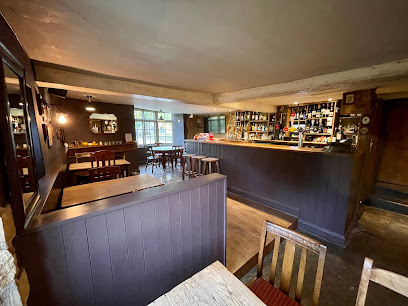
A timeless Cotswold village pub offering rustic charm, gourmet dining, and cozy country accommodation in idyllic Ebrington.
The Orangery Restaurant
24.1 km
Charming dining with scenic views at Charlecote Park’s historic Orangery Restaurant, perfect for light bites and cream teas.
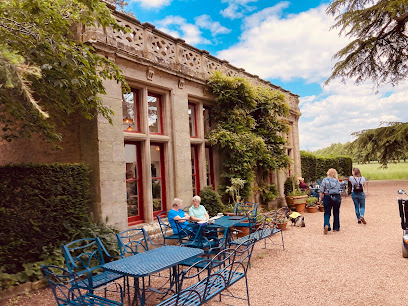
Horse and Groom
25.0 km
Quintessential Cotswolds pub with hearty British fare, cozy rooms, and stunning countryside views in Bourton-on-the-Hill.
The Old Butchers
25.7 km
A family-run gem in Stow-on-the-Wold offering exquisite European cuisine in a warm, historic setting with exceptional seafood and steaks.
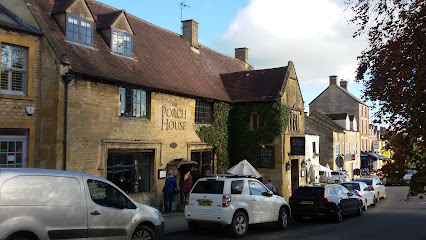
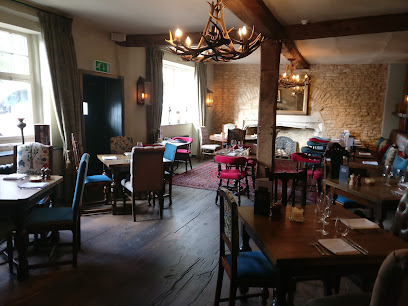
The Porch House
25.7 km
Discover The Porch House: A historic pub offering traditional British cuisine and local ales in picturesque Stow-on-the-Wold.
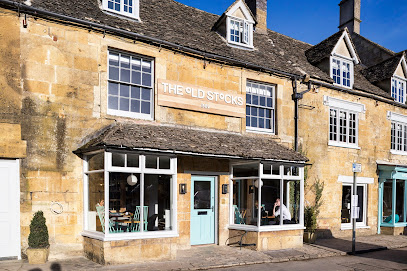
The Old Stocks Inn
25.8 km
Charming 17th-century boutique inn with refined British dining, cozy bar, and elegant rooms in the heart of Stow-on-the-Wold’s historic market square.
Markets, malls and hidden boutiques

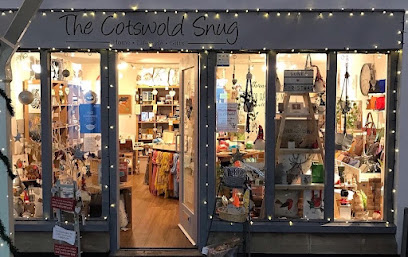
The Cotswold Snug
22.0 km
Discover authentic Cotswold crafts and gifts in a cozy, welcoming shop nestled in the heart of Moreton-in-Marsh’s historic High Street.
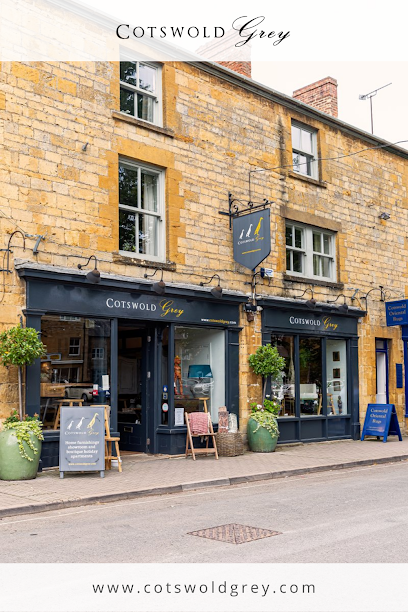
Cotswold Grey
22.0 km
Discover rustic elegance and expert interior design at Cotswold Grey, Moreton-in-Marsh’s premier home furniture and décor destination.
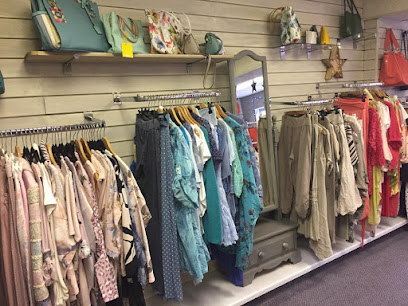
Daisy B's Boutique
23.5 km
Discover unique fashion pieces at Daisy B's Boutique in Southam, a must-visit destination for ladies' clothing and personalized service.
Cotswold Hipster
24.8 km
Handcrafted artisan leather bags and stylish dog accessories blending vintage charm with modern functionality in Chipping Norton.
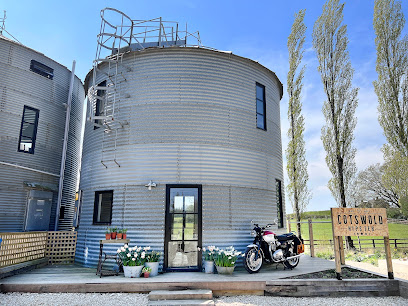
Ella's Emporium
25.8 km
A charming Cotswold gift shop with handmade fudge, unique homewares, and a warm, welcoming atmosphere in the heart of Stow-on-the-Wold.
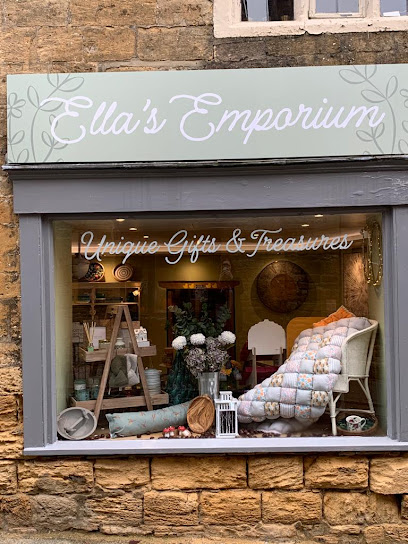
The Curated Store
25.8 km
Discover unique vintage fashion, artisan homewares, and timeless treasures in the heart of Stow-on-the-Wold’s charming market square.
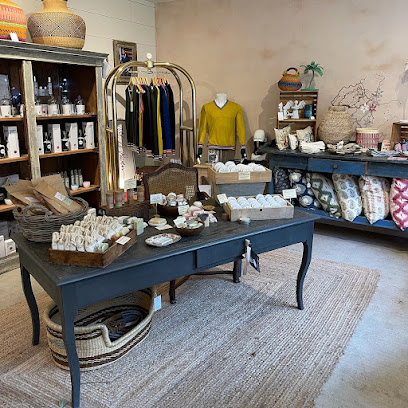
The Cotswold Company (Flagship Store)
26.0 km
Step into a beautifully styled Cotswold home at The Cotswold Company’s flagship store in Stow-on-the-Wold, where timeless furniture and homewares come to life.
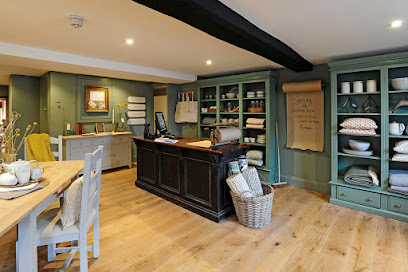
Cotswold Barn
26.2 km
Experience the charm of Cotswold Barn, a delightful café and gift shop nestled in the scenic Cotswolds, perfect for relaxation and unique souvenirs.
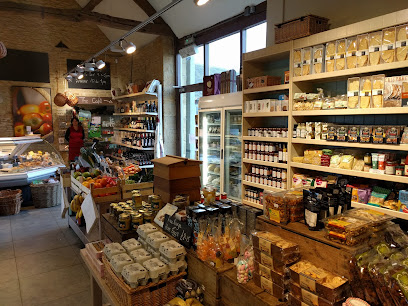
Cotswold Food Hampers
26.6 km
Discover premium handcrafted gourmet hampers celebrating the rich flavors and traditions of the Cotswolds in historic Chipping Campden.
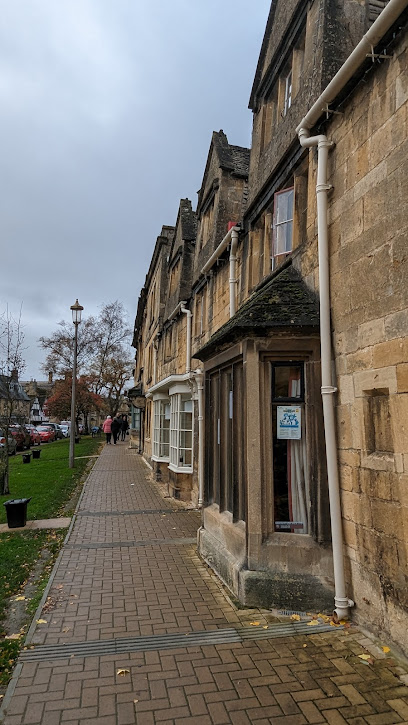
The Attic
26.7 km
Sustainable luxury fashion in the heart of the Cotswolds—designer pieces with character and conscience.
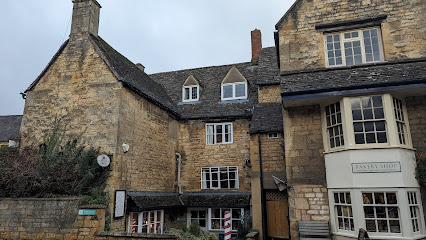
Cotswold Luxe
26.7 km
Luxury home furnishings and artisanal décor curated for timeless interior inspiration.
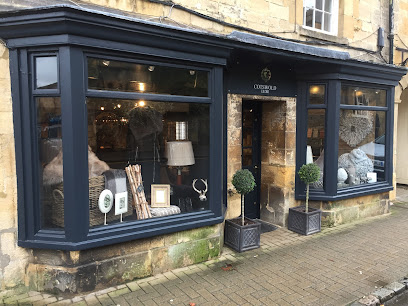
Mooch The Cotswolds - Handmade Homeware & Clothing
26.8 km
Discover handcrafted luxury sleepwear and homeware inspired by Cotswold heritage, crafted with passion and sustainable artistry.
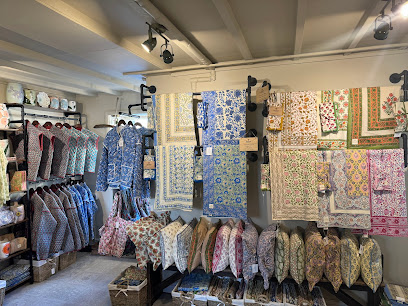
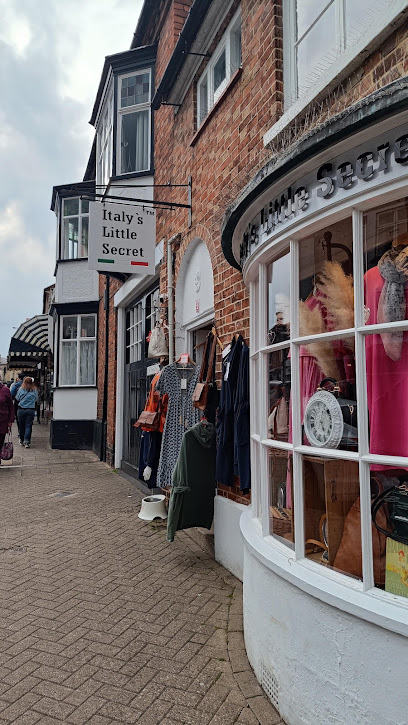
Italy's Little Secret
27.2 km
Experience the authentic taste of Italy at Italy's Little Secret, a charming boutique restaurant in Stratford-upon-Avon, perfect for food lovers.
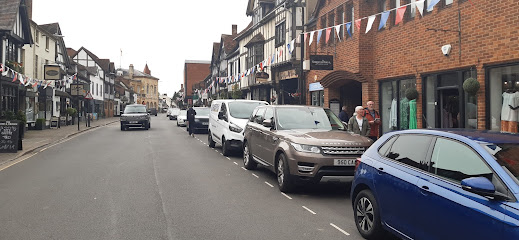
Boutique Jsk
27.2 km
Discover unique women's fashion and local craftsmanship at Boutique Jsk, a stylish independent shop on historic Sheep Street in Stratford-upon-Avon.
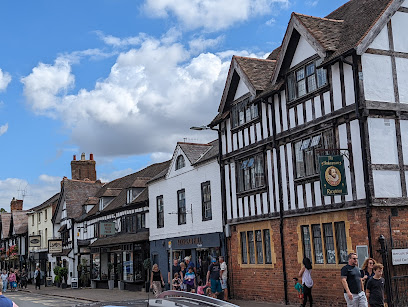
Vinegar Hill Wardrobe
27.2 km
Discover elegant ladies’ fashion in the historic charm of Stratford-upon-Avon’s Vinegar Hill Wardrobe boutique.
Essential bars & hidden hideouts

The Howard Arms Ilmington
21.2 km
A charming 400-year-old Cotswold inn blending historic warmth, fine dining, and stylish comfort in the heart of Ilmington village.
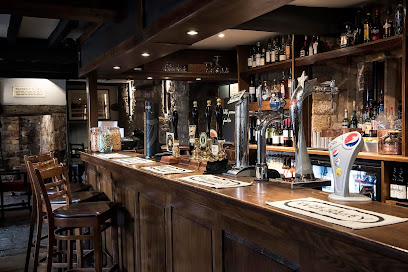
The Fox at Oddington
22.2 km
Historic 16th-century Cotswold pub blending rustic charm with organic cuisine and cozy countryside stays in Lower Oddington.
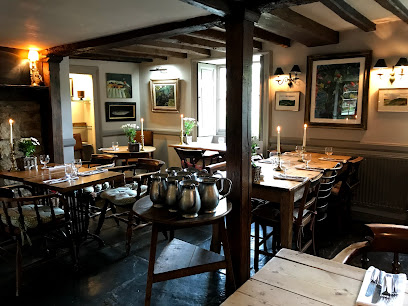
The Lamb Inn
25.2 km
Historic 17th-century coaching inn in Oxfordshire’s Cotswolds, blending rustic charm, hearty British cuisine, and cozy guest rooms.

The Coach & Horses
25.4 km
A cosy, traditional Cotswold pub in Longborough serving hearty fare, local ales, and welcoming guests with charming B&B rooms.
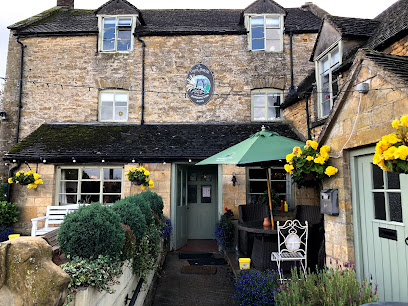
The Leopard Inn - Bishops Tachbrook
25.4 km
A classic British pub in Bishops Tachbrook offering hearty meals, excellent real ales, and a warm, welcoming atmosphere near Leamington Spa.
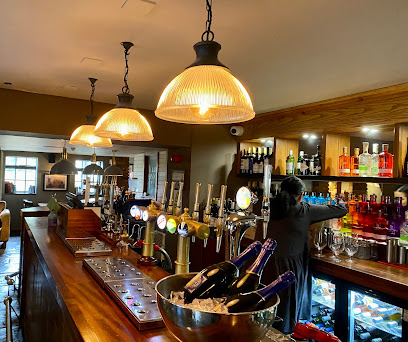
Sheep on Sheep Street
25.8 km
Historic charm meets modern comfort at The Sheep on Sheep Street, a vibrant inn and pub in the heart of Stow-on-the-Wold.
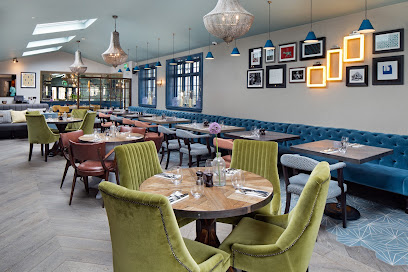
The Bakers Arms
26.0 km
A timeless Cotswold pub offering hearty fare and warm hospitality in the heart of Broad Campden’s historic village.
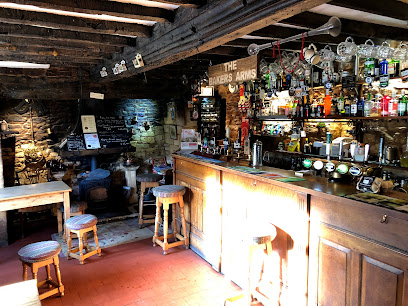
Eight Bells Inn
26.4 km
Historic 14th-century inn with cozy rooms, classic pub fare, and a warm, dog-friendly atmosphere in the heart of Chipping Campden.
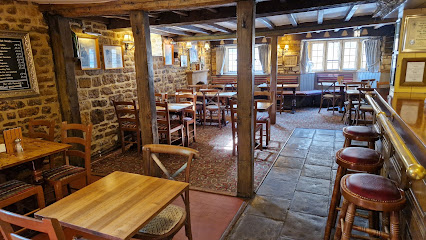
The Bear
26.8 km
Historic riverside pub in Stratford-upon-Avon serving classic ales and comforting British fare in a warm, cosy setting with scenic river views.
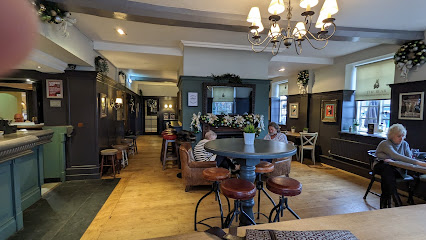
Cox's Yard, Stratford-Upon-Avon
27.0 km
Lively riverside pub in Stratford-upon-Avon blending casual dining, sports, and scenic views by the River Avon.
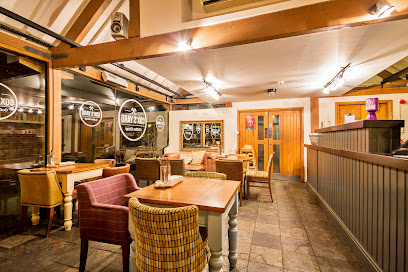
Officers Mess - 1940's Cocktail Bar
27.1 km
Step into the 1940s at Officers Mess, Stratford’s premier cocktail bar blending vintage charm, world-class drinks, and vibrant live entertainment.
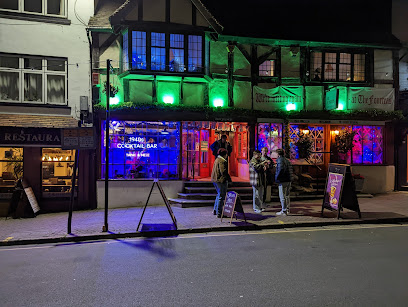
Rose & Crown
27.2 km
Classic English pub charm with hearty fare, friendly service, and a spacious garden in the heart of Stratford-upon-Avon.
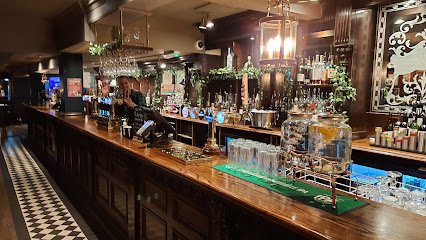
That Little Gin & Prosecco Bar
27.2 km
A cozy, intimate gin and Prosecco bar tucked away in Stratford-upon-Avon, offering an extensive spirit selection and warm, friendly vibes.
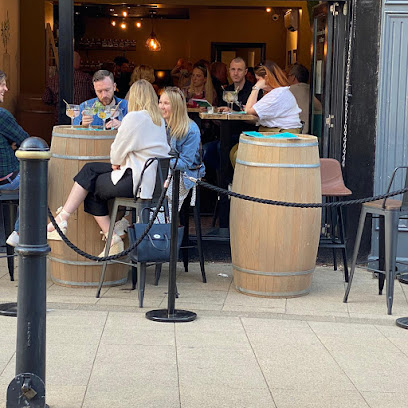
The Bull - El Toro | Stratford-Upon-Avon
27.2 km
A lively fusion of Spanish tapas and English pub charm in Stratford-upon-Avon, serving exceptional food and drink in a warm, inviting atmosphere.
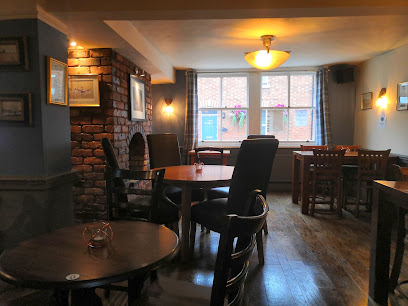
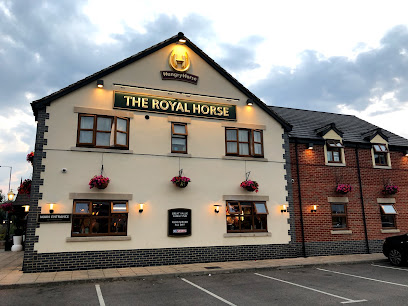
Royal Horse
27.3 km
A vibrant, family-friendly pub in Royal Leamington Spa offering hearty British fare, lively events, and warm hospitality since 2013.
Nightclubs & after hour spots

The Stratford Upon Avon Bridge Club
27.2 km
Explore the vibrant community of The Stratford Upon Avon Bridge Club, where bridge enthusiasts gather for games, camaraderie, and local culture in a picturesque setting.

Fat Cat Comedy Club
27.3 km
Discover the joy of laughter at Fat Cat Comedy Club in Stratford-upon-Avon, where each show promises an unforgettable night of entertainment.
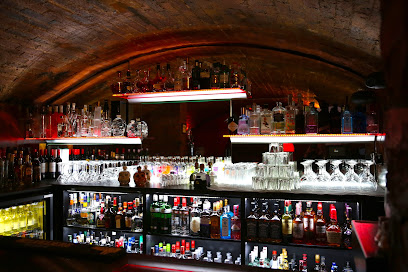
Caz Bar Nightclub
27.4 km
Experience Stratford-upon-Avon's glamorous late-night vibe at Caz Bar, a vintage cellar nightclub with live DJs, dancers, and premium drinks until dawn.
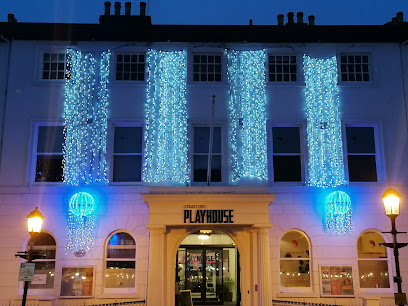
Stratford Play House
27.5 km
Discover the vibrant world of performing arts at Stratford Play House, where drama, comedy, and culinary delights come together in Stratford-upon-Avon.
Neon
28.9 km
Leamington Spa’s largest nightclub, Neon delivers vibrant music, themed nights, and a dynamic party atmosphere every Friday until dawn.
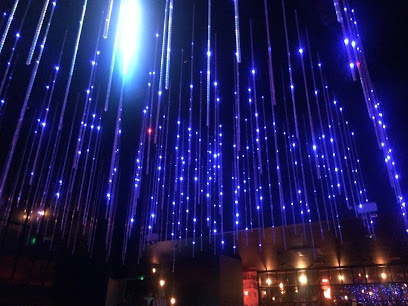
Altoria Nightclub
29.6 km
Experience Leamington Spa’s vibrant nightlife at Altoria Nightclub with diverse music floors, VIP service, and a unique rooftop terrace open till 3 am.
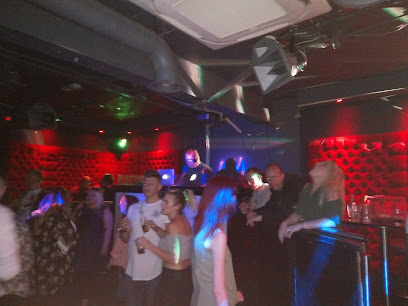
Smack
29.7 km
Leamington Spa’s energetic and affordable two-floor nightclub with a storied past and a lively, if sometimes challenging, atmosphere.
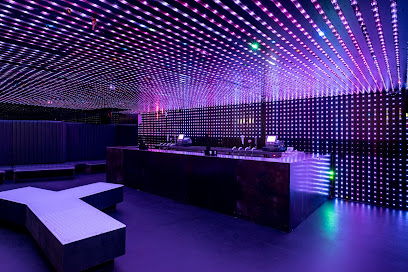
The Cavern
31.3 km
A vibrant night club in Warwick offering energetic music, lively dancing, and a social atmosphere for unforgettable nights out.
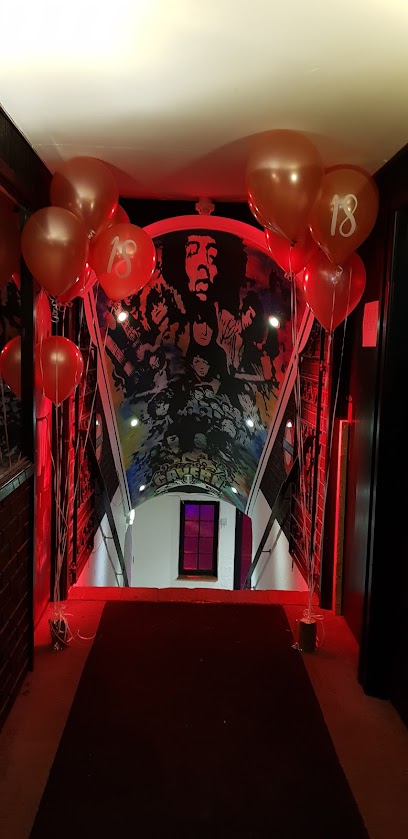
Fever Oxford
33.1 km
Experience Oxford’s vibrant nightlife at Fever, a multi-room nightclub blending live DJs, dynamic music, and a lively party atmosphere.

The Bridge Nightclub
33.1 km
Oxford’s lively student-focused nightclub with diverse music, multiple dance floors, and a spacious pub garden for late-night socializing.
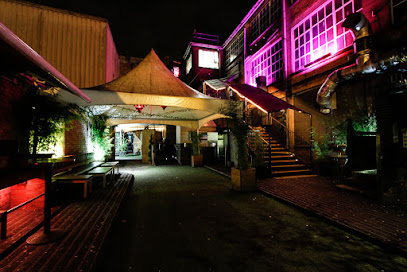
Oxford Leisure Ltd
33.2 km
Experience Oxford’s vibrant nightlife with dynamic music, themed events, and a lively dance floor at Oxford Leisure Ltd.

ATIK Oxford
33.2 km
Oxford’s largest nightclub with diverse music rooms, vibrant atmosphere, and strong security, offering a late-night hub for students and locals alike.
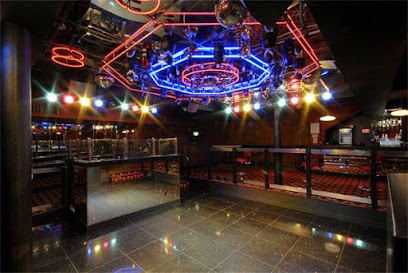
Kiss Bar
33.2 km
An intimate late-night club in Oxford known for its vibrant atmosphere and close-knit party scene until its recent closure.
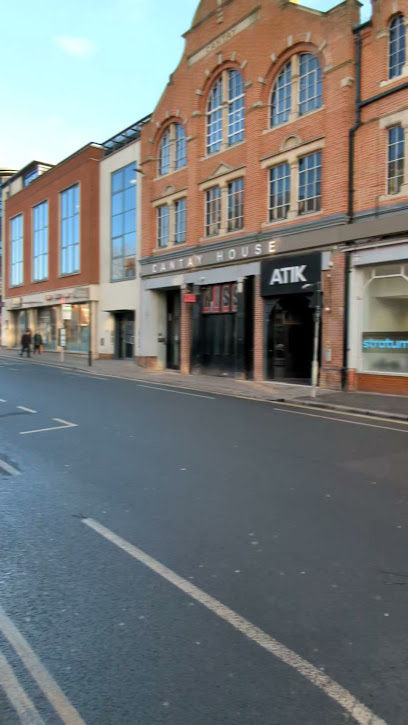
Plush Oxford
33.3 km
Experience Oxford’s vibrant, inclusive nightlife hotspot with great music, cocktails, and a welcoming atmosphere at Plush Oxford.
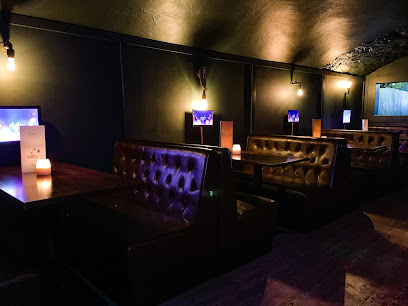
The Varsity Club
33.4 km
Experience Oxford’s skyline from a stylish rooftop bar with creative cocktails, lively vibes, and multi-level nightlife excitement.
For the vibe & atmosphere seeker
- Tranquil
- Scenic
- Historic
- Relaxing
For the design and aesthetic lover
- Vintage Styles
- Rustic Designs
For the architecture buff
- Historic
- Landmarks
- Heritage Neighborhoods
- Parks & Gardens
- Sacred Sites
For the view chaser and sunset hunter
- Iconic Views
- Panoramas
- Waterfront
- Sunset Spots
For the social media creator & influencer
- Instagrammable
- Photo Spots
- Selfie Spots
- Architectural Shots
For the eco-conscious traveler
- Public-Transport Accessible
- Locally Managed
For the kind of experience you’re after
- Cultural Heritage
- Photowalk
- Day Trip
- Weekend Getaway
- Myth & Legends
For how adventurous you want the journey to be
- Easy Access
Location Audience
- Family Friendly
- Senior Friendly
- Child Friendly
- Teen Friendly
- Wheelchair Access
- Couple Friendly
- Solo Friendly


