
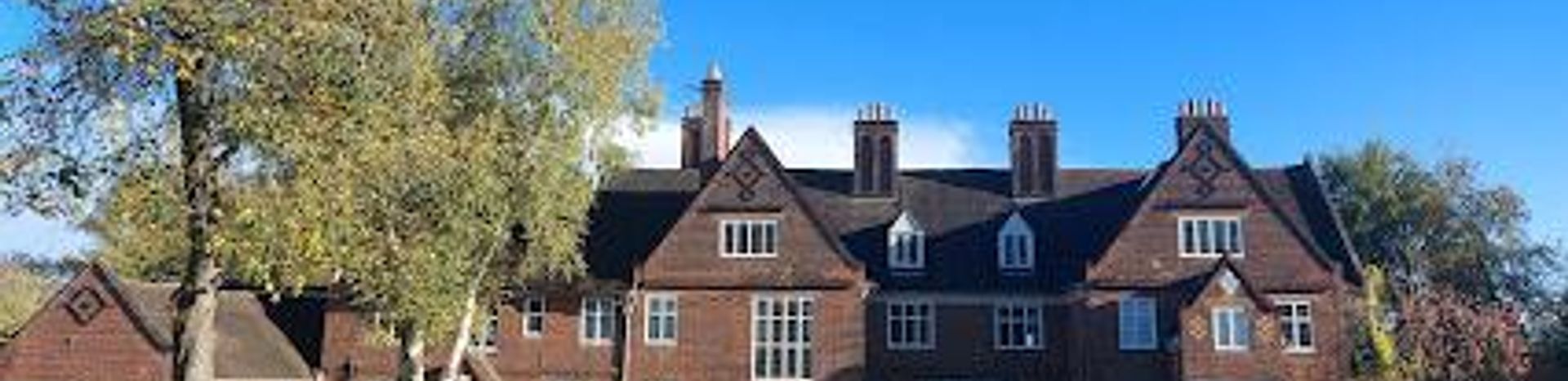
Winterbourne House & Garden: Edwardian Elegance Meets Botanical Splendor in Birmingham
Discover Edwardian charm and botanical beauty in Winterbourne’s exquisite Arts and Crafts house and seven-acre Grade II listed garden in Birmingham.
Winterbourne House & Garden is a beautifully preserved Edwardian Arts and Crafts suburban villa and seven-acre botanical garden in Birmingham. Built in 1904 for the Nettlefold family, the red-brick house features exquisite period interiors and craftsmanship. The Grade II listed gardens, inspired by Gertrude Jekyll, showcase over 6,000 native and exotic plants, including a walled garden, rock garden, glasshouses, and themed borders. Now owned by the University of Birmingham, it offers a tranquil retreat blending history, horticulture, and art.
A brief summary to Winterbourne House & Garden
- 58 Edgbaston Park Rd, Birmingham, B15 2RT, GB
- +441214143003
- Visit website
- Duration: 1 to 3 hours
- Mid ranged
-
 Outdoor
- Mobile reception: 4 out of 5
- Monday 10:30 am-4 pm
- Tuesday 10:30 am-4 pm
- Wednesday 10:30 am-4 pm
- Thursday 10:30 am-4 pm
Local tips
- Visit on weekdays to enjoy a quieter experience and take advantage of the tearoom’s freshly made lunches and teas.
- Explore the glasshouses to see collections of orchids, alpines, cacti, and carnivorous plants.
- Don’t miss the crinkle-crankle walled garden and the Japanese bridge, key features of the historic landscape.
- Check for special events like the Rare Plant Fair for unique horticultural experiences.
- The house and garden are mostly wheelchair accessible; contact the venue ahead for detailed accessibility information.

For the on-the-go comforts that matter to you
- Restrooms
- Drink Options
- Food Options
- Seating Areas
- Picnic Areas
- Trash Bins
- Information Boards
Getting There
-
Train
Take the train to University station on Birmingham’s Cross City Line, approximately 15-20 minutes from Birmingham New Street. From there, a 15-minute walk through Edgbaston leads to Winterbourne House & Garden. Trains run frequently with tickets costing around £3-£5.
-
Bus
Several local bus routes serve Edgbaston Park Road, including numbers 9, 10, and 76. Travel times from Birmingham city centre range from 20 to 30 minutes. Buses run regularly, with single fares around £2-£3. Note that some stops require a short uphill walk.
-
Car
Driving from Birmingham city centre takes about 15-25 minutes depending on traffic. Free parking is available on site, and the location is just off the A38. Accessibility is good, but parking spaces can be limited on busy days.
-
Walking
For those staying nearby, walking is a pleasant option. The terrain is mostly flat with paved paths, taking approximately 20-30 minutes from the University of Birmingham campus. The route is wheelchair accessible.
Winterbourne House & Garden location weather suitability
-
 Any Weather
-
 Rain / Wet Weather
-
 Clear Skies
-
 Mild Temperatures
Discover more about Winterbourne House & Garden
A Glimpse into Edwardian Life and Architecture
Winterbourne House was commissioned in 1903 by industrialist John Sutton Nettlefold as a family home for his wife Margaret and their children. Completed in 1904, the house is a striking example of the Arts and Crafts movement, characterized by its red brick façade, ornate chimneys, and large windows designed to maximize natural light. Inside, visitors can admire original features such as stained glass, decorative fireplaces, and intricate plasterwork by local craftsman George Bankart. The interiors are furnished with period pieces and William Morris wallpapers, offering an authentic Edwardian atmosphere. A full-length portrait of Margaret Nettlefold by John Byam Liston Shaw greets guests at the hallway’s end, symbolizing the home's personal history.Gardens Rooted in Arts and Crafts Philosophy
The seven-acre gardens surrounding Winterbourne are a rare surviving example of an early 20th-century suburban villa garden, designed largely by Margaret Nettlefold with inspiration from renowned garden designer Gertrude Jekyll. The gardens are Grade II listed and feature classic Arts and Crafts elements such as the crinkle-crankle walled garden, broad curved stone steps, and a pleached lime walk. Visitors can explore vibrant herbaceous borders, a sunken rock garden, and a lean-to glasshouse housing orchids, alpines, and cacti. The garden’s plant collections include species from China, the Americas, and alpine regions, creating a rich tapestry of color, scent, and texture year-round.Legacy of Passionate Gardeners and Academic Stewardship
After the Nettlefold family sold Winterbourne in 1919, subsequent owners like John MacDonald Nicolson expanded the garden with features such as a Japanese bridge, scree garden, and pergola. Nicolson’s influence remains evident today, especially in the garden’s structure and plantings. Upon his death in 1944, the University of Birmingham inherited the property, transforming it into a botanic garden used for research and education by the Department of Botany. The house also served as a residence and later as the university’s School of Continuing Studies. Today, Winterbourne is open to the public, offering insight into horticultural heritage and Edwardian lifestyle.Experiencing Winterbourne Today
Visitors can stroll through peaceful gardens, enjoy views from the wisteria-framed terrace, and relax in the charming tearoom offering lunch and afternoon tea. The garden’s varied features, including a nut walk, woodland areas, and a Japanese tea house—humorously likened to a bus stop—invite exploration and contemplation. Educational exhibitions in the former stable block narrate the garden’s history, while the botanical glasshouses showcase diverse plant species. The site is wheelchair accessible, with amenities such as accessible parking, toilets, and picnic areas, making it welcoming for a broad audience.Seasonal Highlights and Botanical Diversity
Winterbourne’s gardens provide year-round interest, with color-themed borders blooming from spring through autumn and exotic plants thriving in the glasshouses. The garden’s design encourages visitors to engage with nature’s cycles and appreciate botanical diversity. The presence of large Gunnera manicata leaves near the pond and Japanese bridge adds an exotic flair, reflecting the garden’s history of plant introductions. Regular events and plant fairs further enrich the visitor experience, celebrating horticulture and garden conservation.Preservation and Cultural Significance
As a Grade II listed site, Winterbourne House & Garden represents an important cultural and architectural heritage asset. Its preservation allows visitors to connect with early 20th-century suburban villa living and the Arts and Crafts movement’s ideals. The garden’s stewardship by the University of Birmingham ensures ongoing research, education, and public engagement, maintaining Winterbourne as a vibrant and cherished landmark in Birmingham’s urban landscape.Iconic landmarks you can’t miss

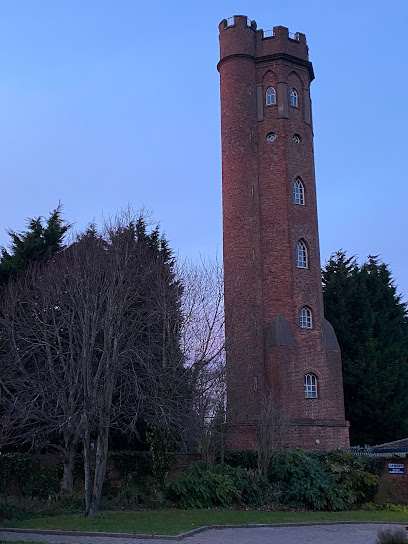
Perrott's Folly
2.5 km
An 18th-century tower in Birmingham, steeped in history and Tolkien lore, now a cultural beacon for art and community.
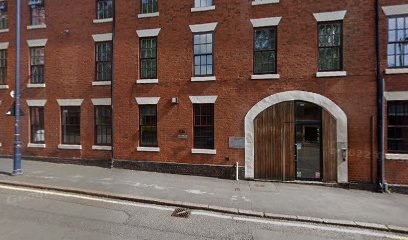
Historic England
2.7 km
Uncover Birmingham's rich history and heritage at Historic England, a cornerstone of cultural preservation and education in the heart of the city.
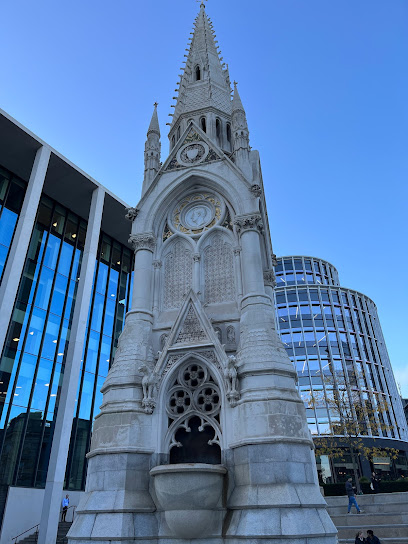
Chamberlain Memorial
3.3 km
A striking neo-Gothic monument in Birmingham’s Chamberlain Square honoring Joseph Chamberlain’s legacy of public service and city transformation.
The River
3.3 km
Iconic bronze fountain sculpture in Birmingham’s Victoria Square, blending art, poetry, and urban life since 1994.
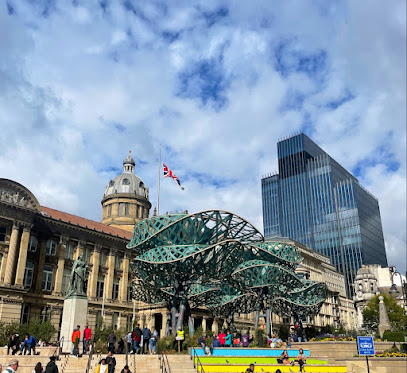
Birmingham Museum & Art Gallery
3.3 km
Explore the Birmingham Museum & Art Gallery, where art, history, and culture converge in a stunning setting that captivates visitors of all ages.
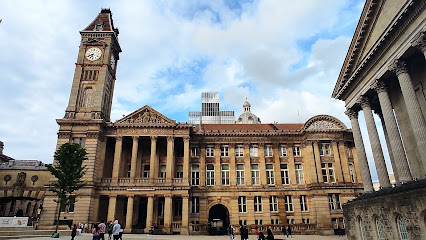
Chamberlain Square
3.3 km
Explore Chamberlain Square, a historical landmark in Birmingham with stunning architecture and vibrant cultural life in the heart of the city.
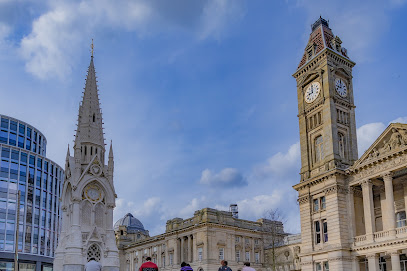
The Best of Birmingham Trail
3.4 km
Explore Birmingham’s rich heritage through 20 iconic sites on this free, immersive city centre trail blending history, art, and urban renewal.
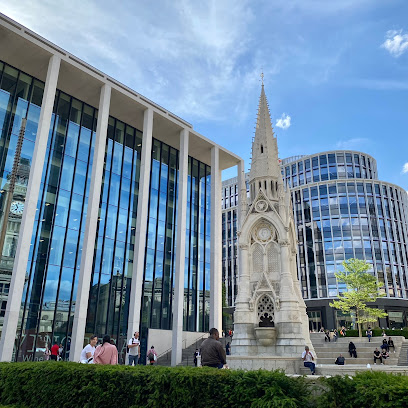
St. Martin's
3.4 km
Explore St. Martin's Church, a serene Anglican landmark in Birmingham, where architectural beauty and rich history await every visitor.
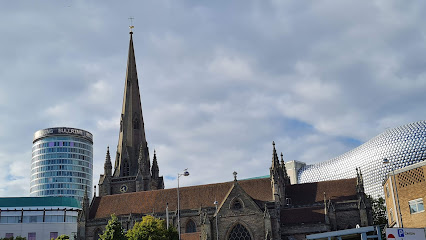
Bullring & Grand Central
3.4 km
Explore Birmingham's Bullring & Grand Central: a shopping and dining paradise that blends modern architecture with an unforgettable experience.
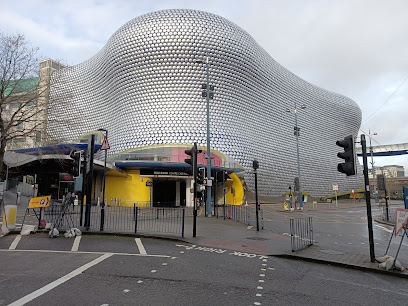
The Coffin Works
3.4 km
Uncover the hidden history of coffin-making in Birmingham at The Coffin Works, a unique museum offering engaging insights into the trade's past.
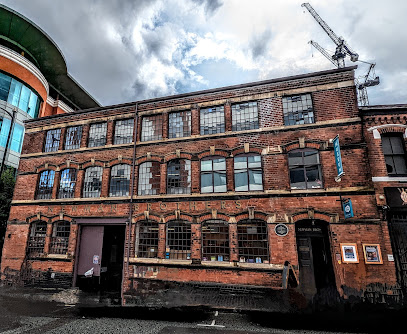
New hall Hill - Historical Signature!
3.4 km
Explore New Hall Hill, a historical treasure in Birmingham, where captivating architecture and rich cultural history come together for an unforgettable experience.
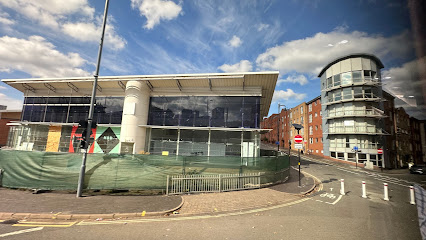
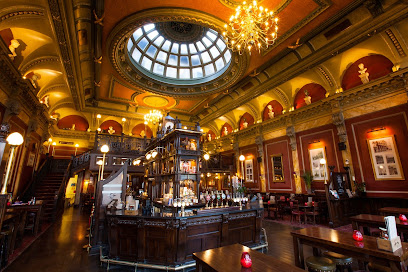
The Old Joint Stock Pub & Theatre, Birmingham
3.5 km
Victorian pub grandeur meets intimate theatre magic in Birmingham's charming Temple Row square – ales, pies, and powerhouse performances await.
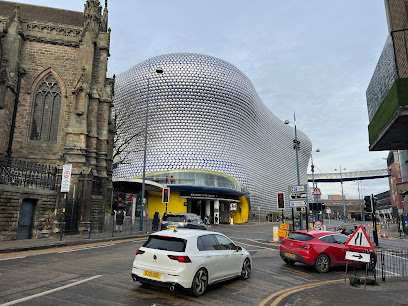
The Selfridges Building
3.5 km
A shimmering silver landmark in Birmingham’s Bullring, where shopping meets futuristic architecture and luxury retail in a sculptural masterpiece.
Newhall Hill
3.5 km
Experience breathtaking views and historical charm at Newhall Hill, a serene oasis in the heart of Birmingham for every traveler.

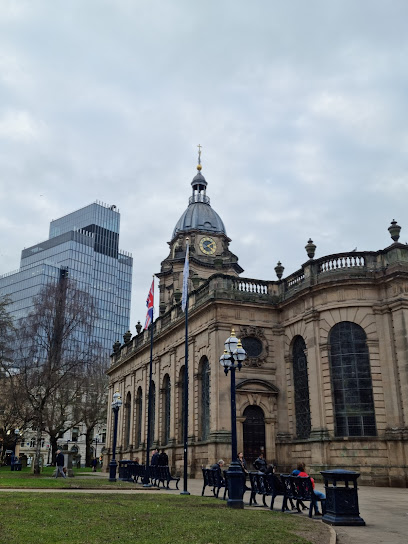
Birmingham Cathedral
3.6 km
Explore Birmingham Cathedral: A historical gem showcasing stunning architecture, serene gardens, and vibrant cultural events in the heart of Birmingham.
Unmissable attractions to see

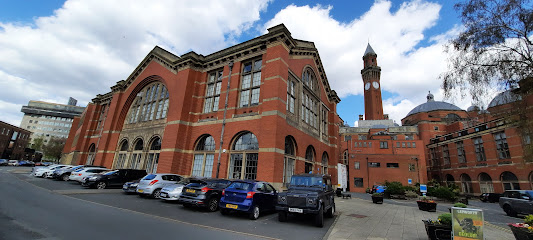
Lapworth Museum of Geology
0.7 km
Explore 4.6 billion years of Earth’s history through fossils, minerals, and interactive exhibits in Birmingham’s historic geological museum.
Martineau Gardens
0.9 km
Discover Martineau Gardens, a serene 2.5-acre community garden and wildlife haven just minutes from Birmingham city centre.
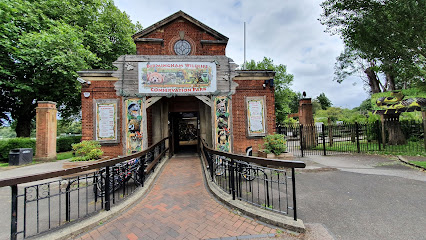
Birmingham Wildlife Conservation Park
0.9 km
Discover rare and endangered species in a compact, conservation-focused urban wildlife park nestled in Birmingham’s Edgbaston district.
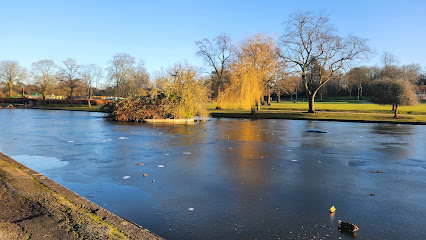
Cannon Hill Park
1.4 km
Birmingham’s grand Victorian park with lakes, wildlife, arts, and family fun – a green escape in the city.
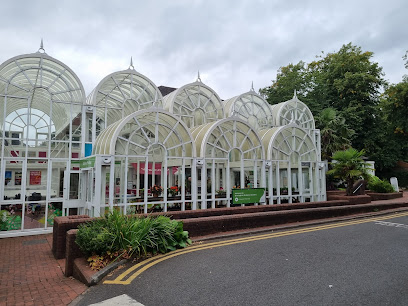
The Birmingham Botanical Gardens
1.7 km
Explore 15 acres of historic Victorian gardens with diverse plants, iconic glasshouses, and peaceful walking paths in the heart of Birmingham.
The High Field
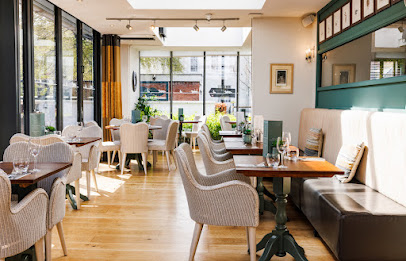
1.8 km
Bright, stylish gastropub in Edgbaston offering classic British dishes, lively atmosphere, and a welcoming garden retreat.
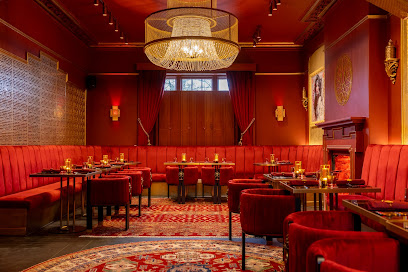
Baloci
1.8 km
Experience Silk Route-inspired fine dining and boutique luxury in Birmingham’s elegant Georgian townhouse with unique rooms and rich, plush décor.
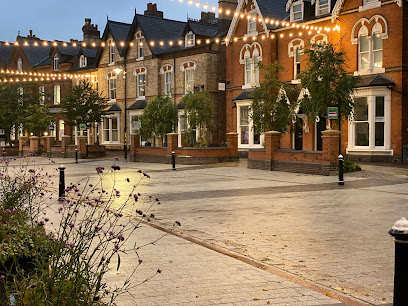
Edgbaston Village
1.9 km
Discover Edgbaston Village, where elegant Victorian charm meets vibrant dining, boutique shopping, and a relaxed yet lively atmosphere in Birmingham.
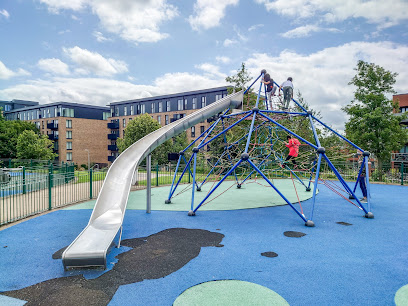
Moonlit Park
2.3 km
A tranquil urban park in Birmingham offering playgrounds, sports courts, wildflower meadows, and scenic walking trails for all ages.
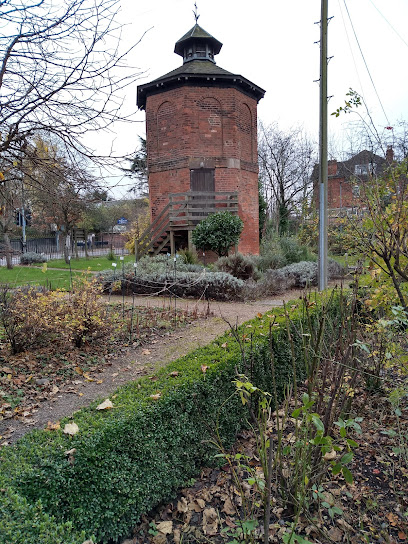
Dovecote
2.4 km
Explore Moseley’s charming 18th-century octagonal brick dovecote and Georgian garden, a unique glimpse into Birmingham’s rural heritage.
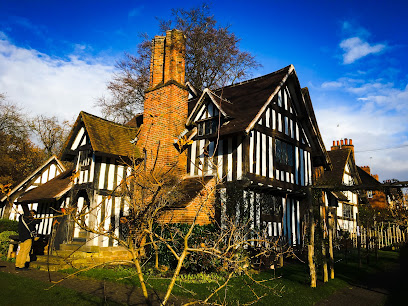
Selly Manor Museum
2.5 km
Step back into Tudor England at Selly Manor Museum, a lovingly preserved timber-framed manor with rich Cadbury family heritage and charming gardens.
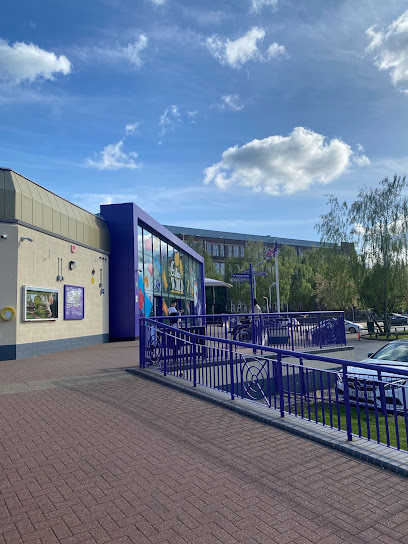
Bournville Experience
2.6 km
Discover the rich heritage of Bournville village and the Cadbury family legacy in this immersive chocolate-themed experience.
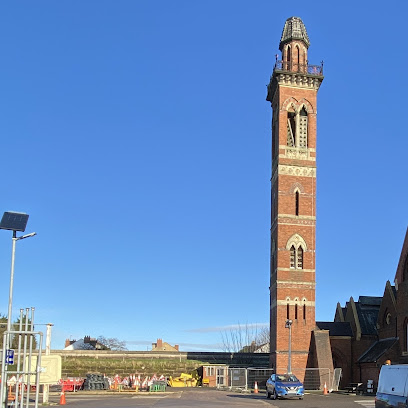
Edgbaston Waterworks Tower
2.7 km
Explore the Edgbaston Waterworks Tower, a stunning historical landmark in Birmingham showcasing Victorian architecture and the city's rich industrial heritage.
The Cube
2.7 km
Iconic 24-storey landmark in Birmingham blending luxury hotel, panoramic dining, boutique bowling, and event spaces with stunning city views.
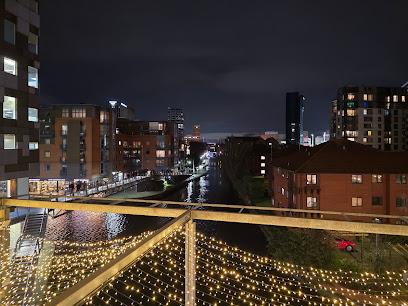
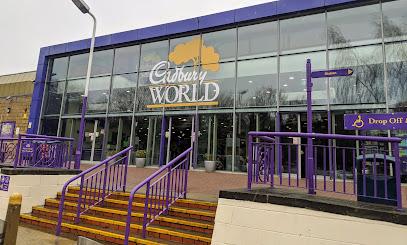
Cadbury World
2.7 km
Discover the magic of chocolate at Cadbury World, Birmingham’s immersive family attraction celebrating over a century of Cadbury heritage.
Essential places to dine

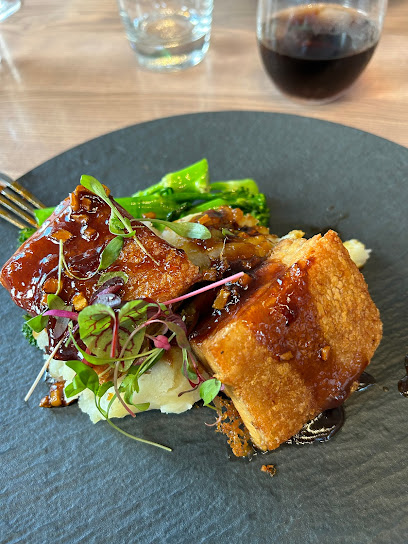
1900 Restaurant and Bar
0.3 km
Refined British dining and elegant drinks in a tranquil Edgbaston hotel setting near Birmingham’s University campus.
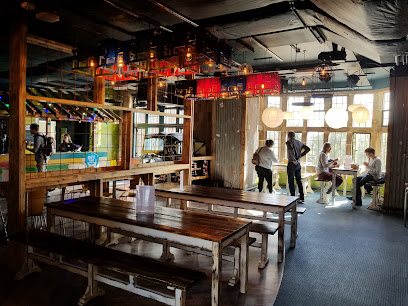
The Mermaid Bar And Kitchen
0.4 km
A vibrant student dining spot within the historic University of Birmingham Guild of Students, fostering community and casual socialising.
Three Church Road Restaurant
1.6 km
Elegant Georgian dining in Edgbaston offering seasonal British cuisine in an intimate, historic setting with attentive service.
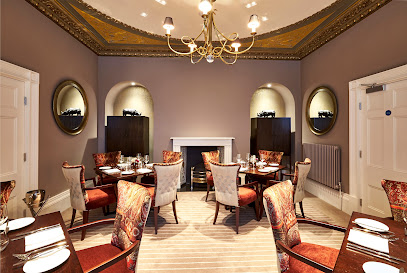
The White Swan
1.7 km
Classic British gastropub reimagined: cozy fires, gourmet comfort food, and stylish vibes in Edgbaston's heart.
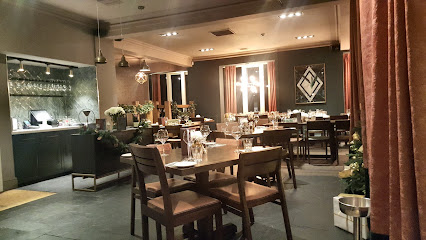
Simpsons Restaurant
1.7 km
Michelin-starred fine dining in a historic Georgian mansion, blending British tradition with modern culinary artistry in Birmingham's Edgbaston.
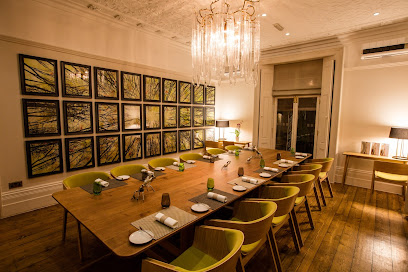
Rustic Table
1.8 km
A warm, intimate tapas gem in Harborne, serving vibrant Mediterranean small plates and creative cocktails in a relaxed, convivial setting.
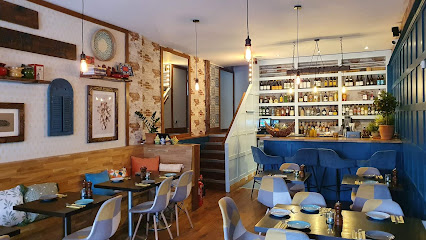
Cylla
1.8 km
Experience modern Greek cuisine with vibrant Mediterranean flavors in Birmingham’s elegant and inviting Cylla restaurant.
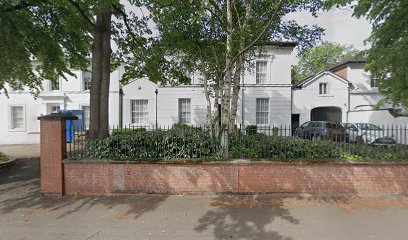
Harborne Kitchen
1.9 km
Experience innovative fine dining with seasonal tasting menus in a vibrant, relaxed setting at Harborne Kitchen, Birmingham’s culinary jewel.
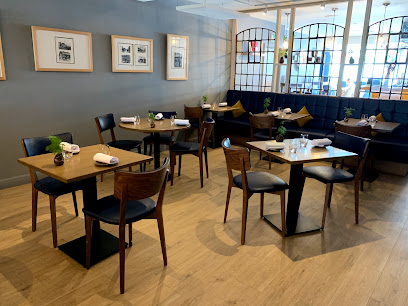
Buonissimo Restaurant Birmingham
1.9 km
Authentic Italian dining in Harborne, Birmingham, blending warm hospitality with classic flavors in a cozy setting.
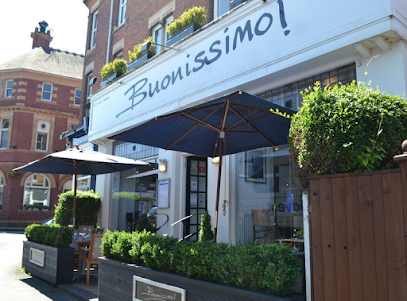
Chapter Edgbaston
1.9 km
Stylish British dining with seasonal, locally sourced dishes and a vibrant bar in the heart of Edgbaston.
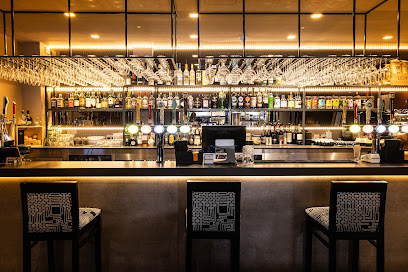
The Blue Piano
2.0 km
A vibrant Asian-inspired restaurant and bar in Birmingham with live music, eclectic flavors, and cozy lodging in Edgbaston.
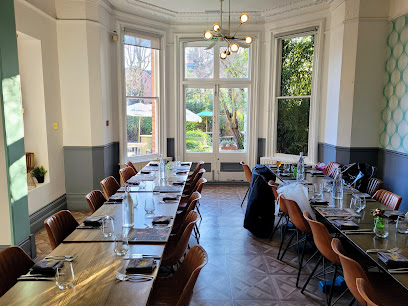
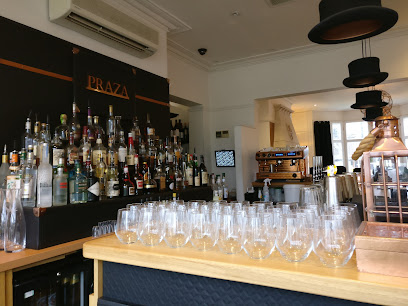
Praza Edgbaston
2.1 km
Refined Indian dining and innovative cocktails in a stylish Georgian setting in Birmingham’s elegant Edgbaston district.
Fiesta del Asado - Edgbaston
2.4 km
Experience the finest Argentinian flame-grilled steaks and vibrant Latin flavors in the heart of Birmingham’s Edgbaston district.
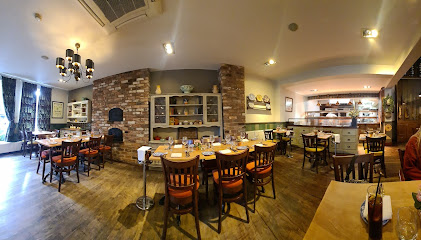
Tropea
2.5 km
Discover Tropea, a modern Italian gem in Birmingham’s Harborne, where seasonal dishes and warm hospitality create an unforgettable dining experience.
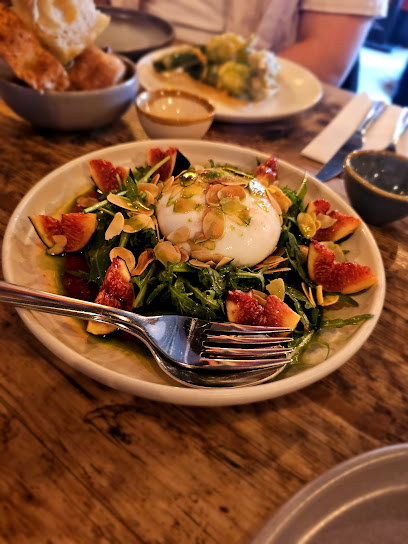
Chakana
2.5 km
Experience vibrant Peruvian cuisine and inventive cocktails in a stylish Moseley restaurant led by Michelin-starred chef Robert Ortiz.
Markets, malls and hidden boutiques

Unique
0.6 km
Campus cornerstone for gifts, gear, and errands: Unique blends Birmingham uni pride with postal, cleaning, and courier ease in the lively University Centre.

Sheanies
1.0 km
Discover authentic vintage streetwear and timeless American workwear in Birmingham’s vibrant Sheanies boutique.

Store '94
1.4 km
Cricket's soul in memorabilia: Exclusive Bears gear and Edgbaston treasures await at Store '94, Birmingham's fan-favorite sports haven.

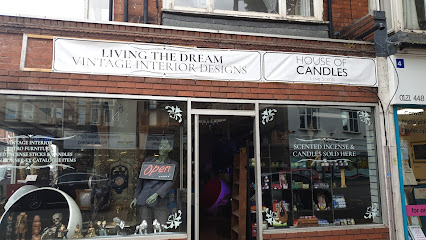
Living The Dream Antique Shop
2.7 km
Discover timeless treasures and vintage charm at Living The Dream Antique Shop in Birmingham’s vibrant King's Heath.
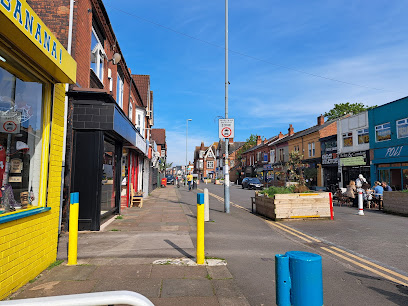
Top Banana
2.8 km
Discover authentic retro sportswear and vintage treasures at Top Banana, King’s Heath’s vibrant hub for unique fashion finds.
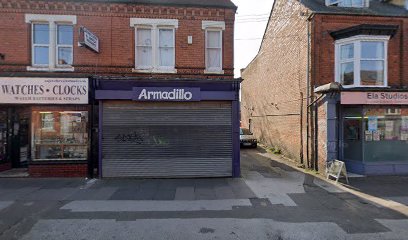
Armadillo
2.8 km
Discover unique artisan gifts in the heart of King's Heath at Armadillo, a beloved local treasure for thoughtful shopping.
Harvey Nichols
2.9 km
Discover luxury fashion, beauty, and gourmet delights at Harvey Nichols Birmingham, a premier designer department store in The Mailbox.
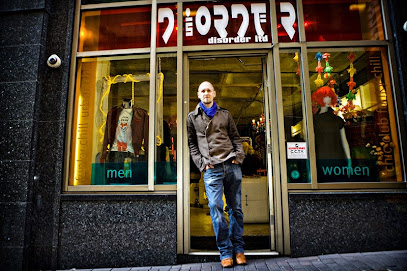
Disorder Boutique
3.1 km
Discover Birmingham’s exclusive sustainable fashion boutique, where bespoke craftsmanship meets bold, original British designs.
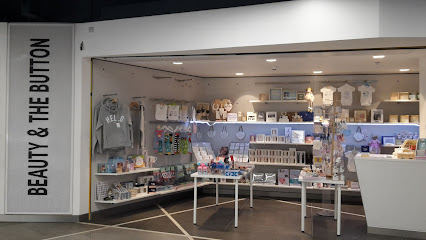
Beauty & the Button
3.2 km
Discover personalised gifts and colourful button frames at Beauty & the Button, Birmingham’s charming shop for meaningful celebrations.
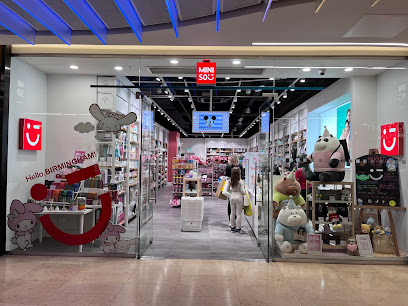
Miniso
3.3 km
Bright, affordable design and collectable character goods — a family-friendly stop for pocket-money treats in Grand Central.
KENJI Birmingham Bullring
3.3 km
Discover quirky Japanese-inspired gifts and immersive pop culture at KENJI Birmingham Bullring, a vibrant hub for unique shopping experiences.
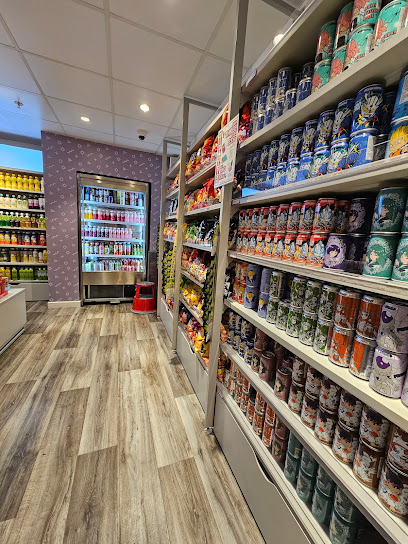
BingX Cryto
3.3 km
Discover BingX Crypto in Birmingham: Your Gateway to the Future of Cryptocurrency with Expert Guidance and Innovative Products.
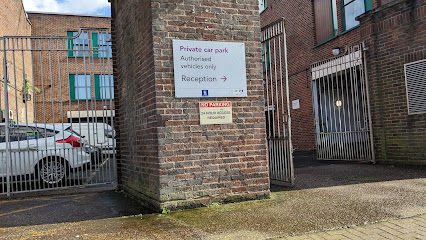
Flying Tiger Copenhagen
3.3 km
Discover quirky, affordable Scandinavian gifts and everyday essentials that bring joy and creativity to Birmingham’s city center.
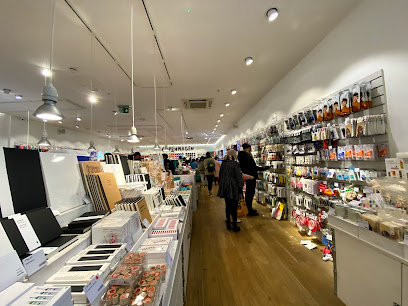
The Works
3.4 km
Discover affordable arts, crafts, books, and stationery in the heart of Birmingham’s vibrant New Street shopping district.
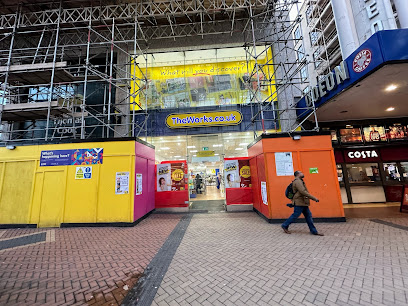
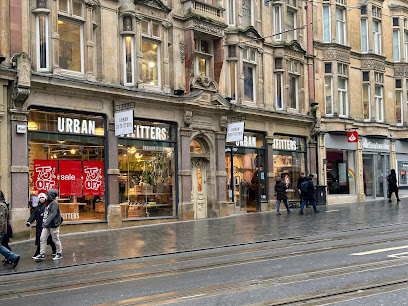
Urban Outfitters
3.4 km
Discover stylish apparel, unique homewares, and a vibrant shopping vibe at Urban Outfitters Birmingham in the city centre.
Essential bars & hidden hideouts

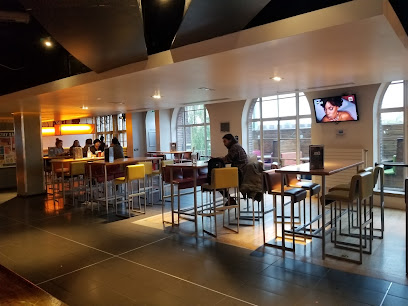
Joe's Bar
0.5 km
Vibrant student bar in Birmingham's University Guild, serving affordable pints, burgers, and campus camaraderie from noon daily.
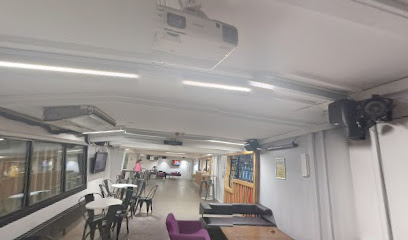
Duck and Scholar
1.0 km
Lively student bar in Birmingham's Vale Village: cheap drinks, evening vibes, and endless campus camaraderie from 6pm—your go-to for pints and post-lecture laughs.
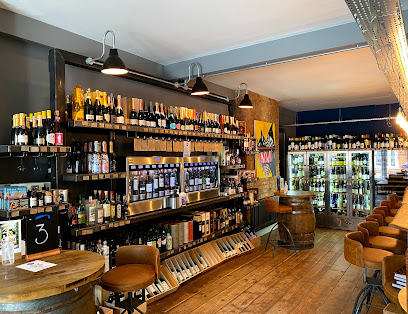
Loki Wine Bar & Shop Edgbaston
1.9 km
Self-service wine wonderland in Edgbaston: Taste 32 global vintages, sip craft beers, savor charcuterie amid bottle-lined walls—a Birmingham gem for oenophiles.
The Physician
2.0 km
Gracious Harborne Road pub with polished wood interiors, a lengthy bar and several cosy dining rooms serving classic British fare in a convivial setting.
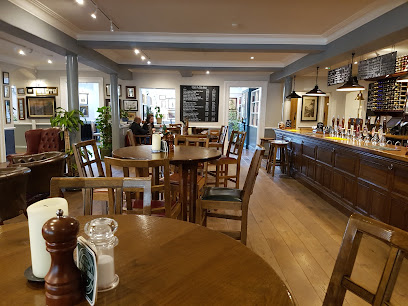
Garden House
2.3 km
Cozy Edgbaston pub with roaring fires, hearty British grub, and a sunny beer garden—perfect for roasts, pints, and gatherings any day of the week.
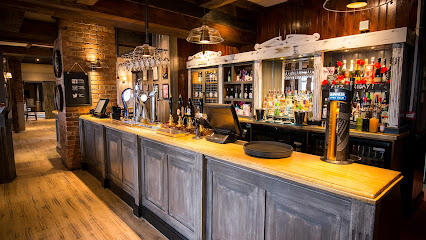
Boom Battle Bar Birmingham Broad Street
2.5 km
A lively Broad Street bar mixing axe throwing, karaoke, and games with cocktails for unforgettable nights out in Birmingham.
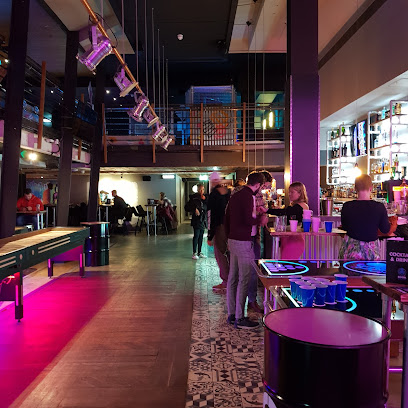
Gas Street Social
2.7 km
Canalside brasserie and cocktail bar at Birmingham’s Mailbox—known for bottomless brunches, sharers and a lively waterside atmosphere.
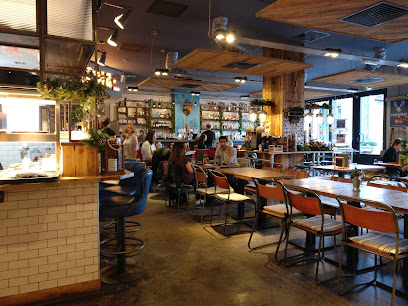
Aluna
2.8 km
Experience theatrical cocktails and pan-Asian dining in a stylish canalside setting at Birmingham's Aluna, the Mailbox's premier cocktail bar.
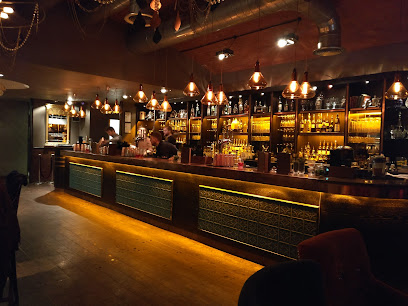
Pitcher & Piano Birmingham
2.9 km
Vibrant waterside bar with retro charm, scenic canal views, and lively brunches in Birmingham’s Brindleyplace.
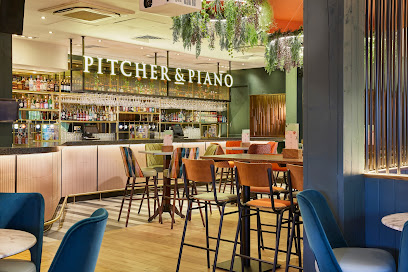
The Bierkeller Birmingham
2.9 km
Experience authentic Bavarian beer hall vibes, live Oompah bands, and lively parties in the heart of Birmingham’s Southside.
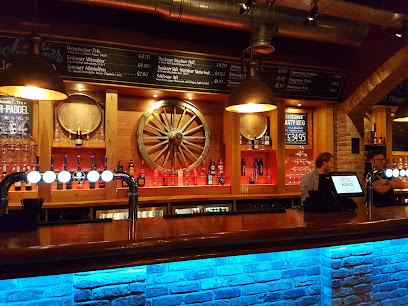
The Botanist Gas Street Basin
2.9 km
A lush botanical bar and restaurant with canal views, seasonal menus, and live music in Birmingham’s vibrant Gas Street Basin.
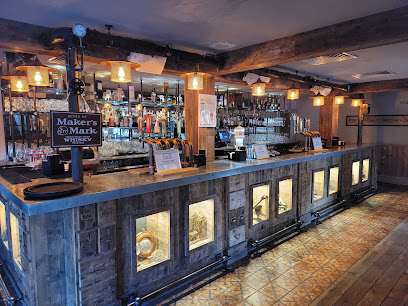
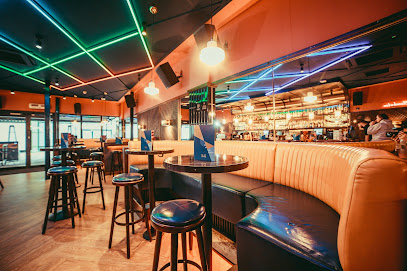
Be At One - Brindley Place Birmingham
2.9 km
Lively cocktail bar in Birmingham’s Brindley Place offering extensive drinks, vibrant atmosphere, and expert bartenders for unforgettable nights.
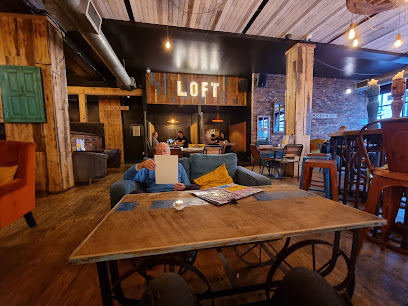
The Loft
2.9 km
A lively and welcoming bar and grill in Birmingham’s Gay Village, renowned for premium drinks, casual dining, and a vibrant inclusive atmosphere.
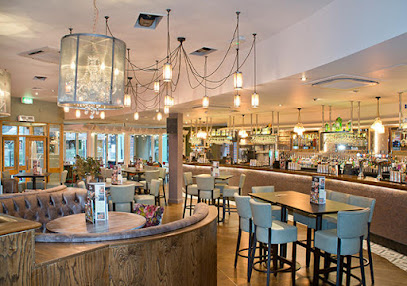
Slug & Lettuce - Birmingham
2.9 km
Lively cocktail bar and restaurant at Brindley Place offering vibrant drinks, tasty bites, and late-night fun in Birmingham’s city centre.
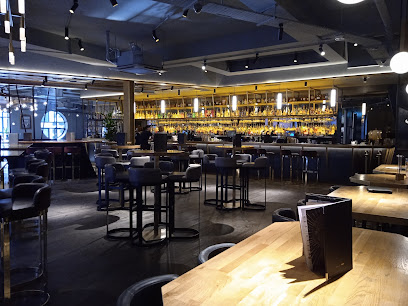
The Alchemist Brindleyplace
2.9 km
Experience Birmingham’s theatrical cocktail bar and restaurant at Brindleyplace, where molecular mixology meets creative cuisine above the canal.
Nightclubs & after hour spots

Snobs
2.6 km
Birmingham's 40-year indie-retro nightclub legend: cheap drinks, themed dance floors, and non-stop beats on Broad Street.
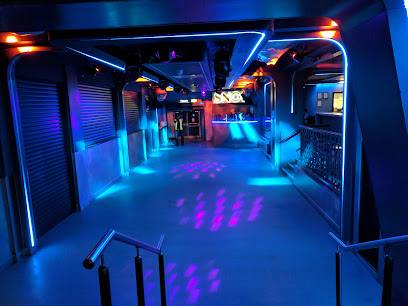
Mango Night Club
2.8 km
A high‑energy Bristol Street nightclub serving Afrobeats, hip‑hop and R&B for late‑night dancers and party crowds in central Birmingham.
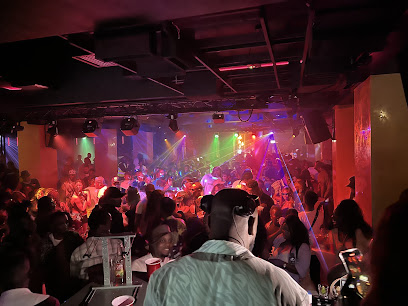
Popworld - Birmingham
2.8 km
Broad Street's ultimate pop party hub: 90s-00s hits, neon dance floors, cocktails, and celebration packages until 3am.

Rosies - Birmingham
2.9 km
Birmingham's ultimate super club: five themed rooms, killer cocktails, and non-stop beats on Broad Street for epic nights out.
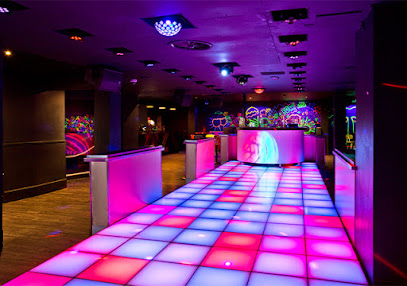
Reflex - Birmingham
3.0 km
Spin into 80s-00s nostalgia at Reflex Birmingham: revolving dance floor, karaoke booths, neon vibes, and epic sing-alongs on Broad Street's party strip.
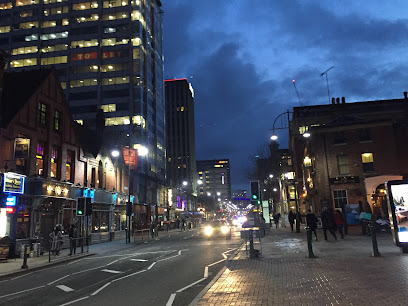
101 Night Club
3.0 km
Unleash your nightlife spirit at 101 Night Club, Birmingham's vibrant center for music, dancing, and unforgettable experiences.

Sobar
3.1 km
Dive into Birmingham's electric nightlife at Sobar, where R&B beats, masterful cocktails, and inclusive vibes fuel unforgettable weekend revelry in the heart of the Arcadian.
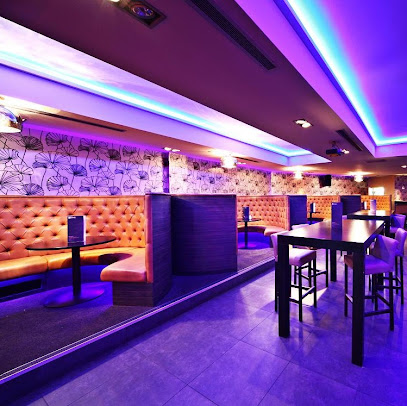
Bambu Nightclub
3.1 km
Experience Birmingham’s chic nightlife hotspot with stylish vibes, eclectic music, and late-night dancing at Bambu Nightclub.
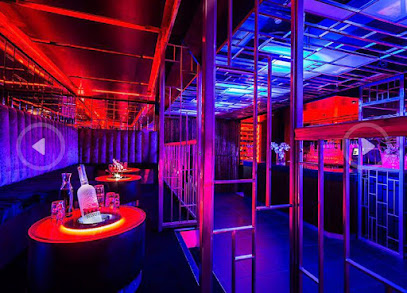
King of clubs
3.1 km
Compact late‑night Birmingham club for high‑energy R&B, hip‑hop and DJ nights, pulsing into the small hours with neon, bass and bar-driven parties.

Club PST
3.2 km
Compact, bass-driven Digbeth club with reggae roots, stacked rooms and late-night underground parties.

What do you mean
3.5 km
Dive into Birmingham’s vibrant nightlife at What Do You Mean, a premier nightclub known for electrifying music, creative cocktails, and an unforgettable party vibe.
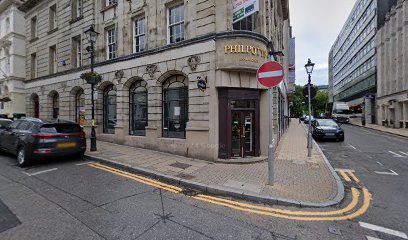
suki10c
3.7 km
Quirky Digbeth nightclub with local art, sustainable vibes, and eclectic beats in an intimate 180-capacity space powered by wind energy.
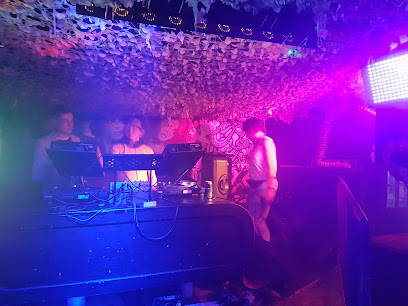
Sector 57
3.7 km
Experience Birmingham’s vibrant nightlife at Sector 57, where eclectic music and electric vibes create unforgettable nights in Deritend.
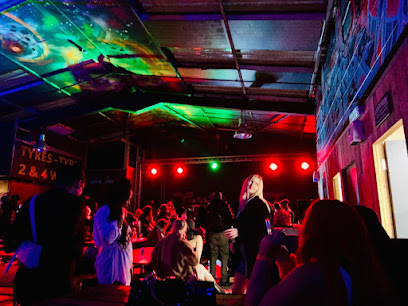
Next Door & Spotlight
3.8 km
Two adjoining Digbeth nightspots — a pulse-driven DJ room and an intimate bar space with street-food pop-ups and a raw, industrial vibe.
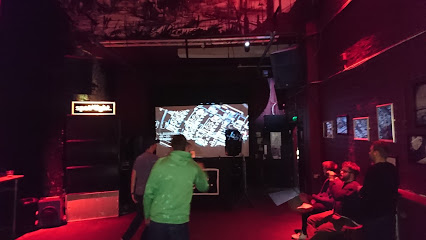
Quantum Vnues
3.8 km
Dive into Digbeth's beating heart: Quantum Venues delivers electrifying nights of music, lights, and unbridled energy in Birmingham's creative core.
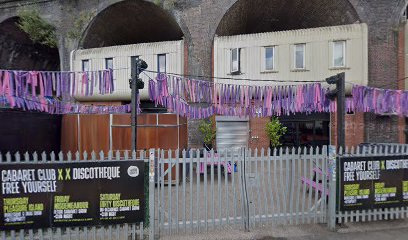
For the vibe & atmosphere seeker
- Relaxing
- Tranquil
- Scenic
- Unique
- Casual
For the design and aesthetic lover
- Vintage Styles
- Rustic Designs
- Art Deco Styles
For the architecture buff
- Historic
- Landmarks
- Parks & Gardens
- Heritage Neighborhoods
For the view chaser and sunset hunter
- Iconic Views
- Panoramas
- Sunset Spots
For the social media creator & influencer
- Instagrammable
- Photo Spots
- Aesthetic Corners
For the eco-conscious traveler
- Sustainable
- Eco-Friendly
- Protected Area
- Public-Transport Accessible
- Locally Managed
For the kind of experience you’re after
- Cultural Heritage
- Photowalk
- Nature Escape
- Day Trip
- Weekend Getaway
For how adventurous you want the journey to be
- Easy Access
Location Audience
- Family Friendly
- Senior Friendly
- Child Friendly
- Teen Friendly
- Wheelchair Access
- Pet Friendly
- Couple Friendly
- Solo Friendly
- Vegetarian Friendly
- Vegan Friendly


