
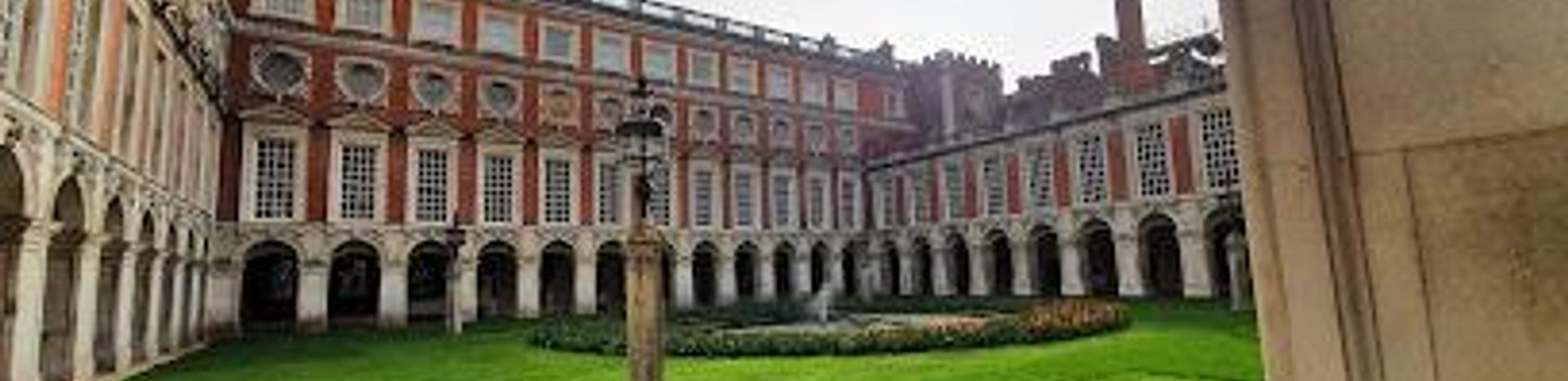
Hampton Court Park (Home Park): A Royal Wilderness of Deer and Ancient Trees
Explore 750 acres of royal parkland with ancient deer herds, veteran trees, and serene views of Hampton Court Palace in a tranquil natural setting.
Hampton Court Park, also known as Home Park, is a vast 750-acre royal park near London, renowned for its free-roaming herd of fallow deer descended from Henry VIII’s stock, ancient veteran trees, and serene views of Hampton Court Palace. Designated a Site of Special Scientific Interest, it offers tranquil walking paths, wildlife spotting, and scenic landscapes, making it a peaceful natural retreat steeped in history and biodiversity.
A brief summary to Hampton Court Park (Home Park)
- 5 Summer Rd, Thames Ditton, Molesey, GB
- Visit website
- Duration: 1 to 4 hours
- Free
-
 Outdoor
- Mobile reception: 4 out of 5
- Wednesday 10 am-4 pm
- Thursday 10 am-4 pm
- Friday 10 am-4 pm
- Saturday 10 am-4 pm
- Sunday 10 am-4 pm
Local tips
- Respect the deer by keeping a distance of at least 50 meters and avoid disturbing fawns, especially from May to July when dogs must be on leads.
- Bring comfortable walking shoes to explore the extensive paths and enjoy peaceful walks along the Long Water canal.
- Visit during early morning or late afternoon for the best chance to see the fallow deer and enjoy quieter park conditions.
- Check the weather forecast and dress accordingly, as the park is an outdoor space with limited sheltered areas.
- Combine your visit with Hampton Court Palace nearby to experience the full historic and natural heritage of the area.

For the on-the-go comforts that matter to you
- Restrooms
- Seating Areas
- Trash Bins
- Information Boards
Getting There
-
Train
Take a train from London Waterloo to Hampton Court Station, approximately a 30-40 minute journey. From the station, it is a 10-15 minute walk along accessible paths to the park entrances. Trains run frequently with standard ticket prices around £5-£10 one way.
-
Bus
Several bus routes serve the area around Home Park, including routes 111, 216, 285, 411, and R68 from Kingston and surrounding towns. Bus journeys typically take 20-40 minutes depending on origin, with fares around £2-£4. Check local timetables for schedules.
-
Car
Driving to Hampton Court Park is possible with parking available at Hampton Court Palace nearby. Parking fees apply, typically £5-£10 for a day. Note that the park itself has limited parking and some roads may have restrictions, so plan accordingly.
-
Walking
For local visitors, walking routes from nearby areas such as Thames Ditton or Kingston provide scenic access to the park. Terrain is mostly flat and suitable for all fitness levels, with walking times ranging from 20 to 60 minutes depending on starting point.
Hampton Court Park (Home Park) location weather suitability
-
 Any Weather
-
 Rain / Wet Weather
-
 Clear Skies
-
 Mild Temperatures
-
 Windy Conditions
Discover more about Hampton Court Park (Home Park)
A Historic Royal Deer Park with Timeless Legacy
Hampton Court Park, or Home Park, is a walled royal park spanning approximately 750 acres in East Molesey, near Thames Ditton. It has been open to the public since 1894 but carries a much older heritage as a royal hunting ground. The park is famed for its herd of fallow deer, direct descendants of those introduced by Henry VIII, roaming freely across the meadows and ancient woodlands. These deer are a living link to the Tudor era, embodying centuries of royal tradition.Ecological Richness and Protected Natural Habitat
The park is designated a Site of Special Scientific Interest (SSSI) due to its remarkable mosaic of habitats, including acid and neutral grasslands, veteran trees, wetlands, and woodlands. Its veteran lime trees form grand avenues and scattered groves, some over a century old, providing vital habitats for endangered invertebrates and other wildlife. The acid grasslands host rare plant species once widespread in the Thames Valley floodplains, making Home Park a crucial refuge for biodiversity.Scenic Features and Water Landscapes
A central feature is the Long Water, a majestic canal originally completed in 1660 by Charles II for his wife, Catherine of Braganza. This gently flowing waterway offers reflective views of Hampton Court Palace and the surrounding greenery. The park’s landscape includes open meadows, ancient trees, and carefully maintained avenues radiating from the palace gardens, creating iconic vistas and peaceful walking routes.Visitor Experience: Tranquility and Wildlife Watching
Visitors to Home Park enjoy a tranquil environment ideal for walking, cycling, picnicking, and wildlife observation. The deer herd is the park’s star attraction, and visitors are encouraged to keep a respectful distance to avoid disturbing them, especially during the vulnerable spring and summer months. The park’s extensive paths and open spaces allow for quiet contemplation and connection with nature, far from urban bustle.Conservation and Responsible Use
Strict park regulations protect its delicate ecosystems and wildlife. Dogs must be kept on leads between May and July to safeguard newborn fawns hidden in the long grass. Fires and barbecues are prohibited to prevent damage. The park’s management balances public access with conservation, ensuring this historic landscape remains a sanctuary for wildlife and visitors alike.Access and Surroundings
Home Park lies adjacent to Hampton Court Palace and is bordered by Kingston upon Thames and Surbiton. It is accessible year-round through several gates, with nearby public transport options including Hampton Court railway station and bus routes from Kingston and surrounding areas. While the park itself offers a natural setting with limited facilities, nearby amenities can be found at the palace and in the surrounding towns.Iconic landmarks you can’t miss

Barmy Arms
4.6 km
Charming riverside pub in Twickenham offering scenic Thames views, classic pub fare, and a relaxed, welcoming atmosphere.
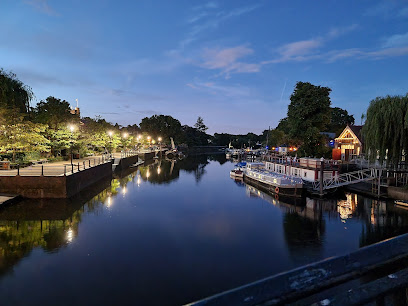
Church Street Twickenham
4.6 km
Discover Twickenham’s charming Church Street, a vibrant hub of independent shops, historic pubs, and community spirit nestled near the town centre.
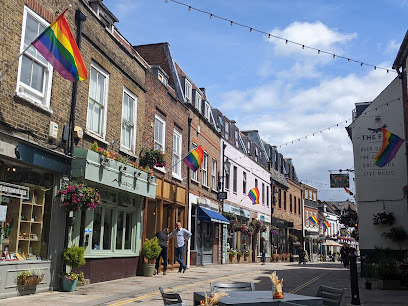
Richmond Hill - Viewing Point
5.5 km
Britain's only parliamentary-protected view, where the Thames winds through timeless meadowland.

Richmond Bridge
5.8 km
Richmond Bridge, London's oldest Thames crossing, blends 18th-century Palladian elegance with timeless riverside charm.
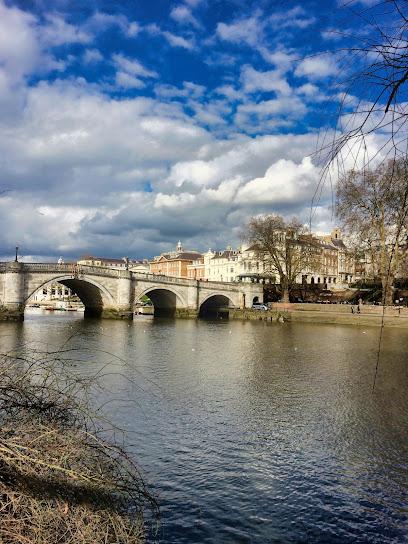
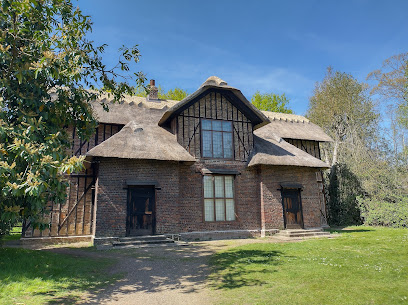
Queen Charlotte's Cottage
7.6 km
Discover the charming 18th-century rustic retreat of Queen Charlotte nestled in Kew Gardens' tranquil woodland and royal heritage.
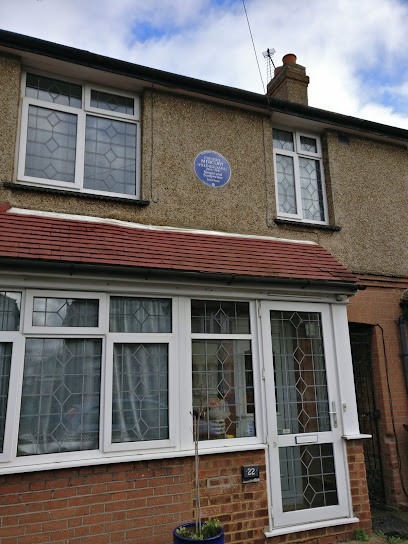
Freddie Mercury Blue Plaque
8.2 km
Discover the modest Feltham home where Freddie Mercury’s legendary musical journey began and his legacy is forever commemorated.
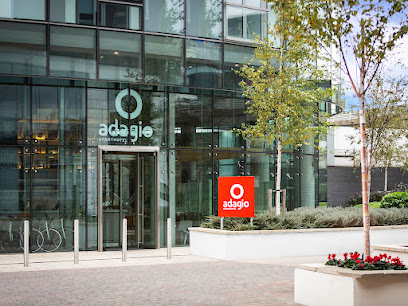
Aparthotel Adagio London Brentford
9.6 km
Modern aparthotel in Brentford offering spacious apartments, fitness facilities, and easy access to Heathrow and central London.
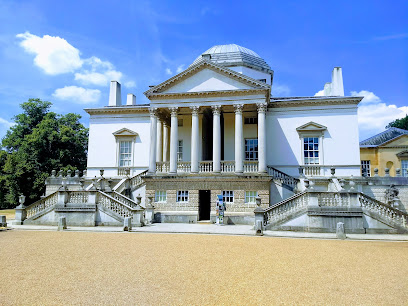
Chiswick House and Gardens
9.8 km
Discover the tranquility of Chiswick House and Gardens, an 18th-century villa surrounded by lush gardens in London, perfect for nature and history enthusiasts.
Hogarth's House
10.1 km
Explore the life and works of William Hogarth at Hogarth's House, a charming museum and garden in Chiswick, London.
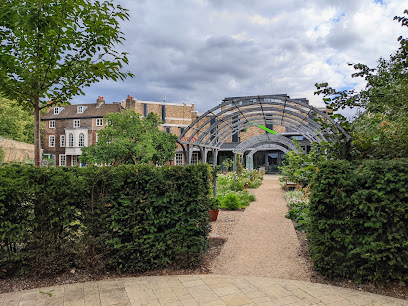
Christ Church Turnham Green
10.4 km
Discover the serene beauty and architectural elegance of Christ Church Turnham Green, a beloved Anglican church in the heart of Chiswick, London.
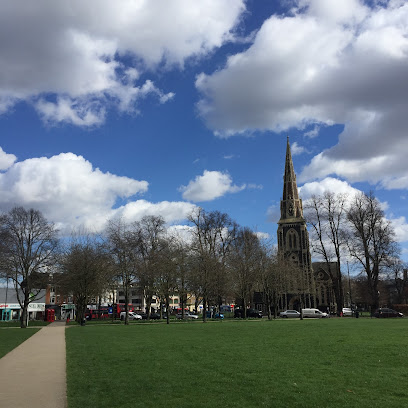
Hammersmith Bridge
11.3 km
Victorian engineering marvel spanning the Thames with a turbulent history of bombs, closures, and remarkable resilience.

Courtyard London Heathrow Airport
11.4 km
Modern 4-star comfort with rooftop views and meeting spaces just minutes from Heathrow’s terminals 2 and 3.

Mr Mathias Winkler
11.4 km
Discover exceptional healthcare at Mr. Mathias Winkler's practice in London’s Charing Cross Hospital, where patient care meets expertise.

Heathrow Airport
11.6 km
Explore Heathrow Airport, a world-class international hub that combines travel convenience with unique shopping and dining experiences for every traveler.
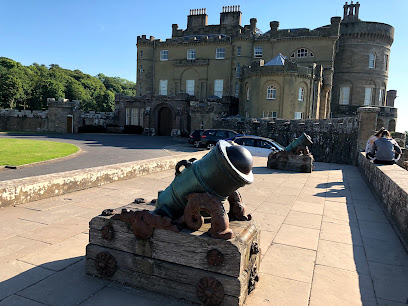
Southall Broadway
12.3 km
Discover Southall Broadway, a vibrant transport hub rich in culture, cuisine, and community that offers a true taste of London's diversity.

Unmissable attractions to see

Hampton Court Palace Golf Club
1.1 km
Historic royal parkland golf course near Hampton Court Palace, blending scenic parkland and links-style play with elegant clubhouse amenities.
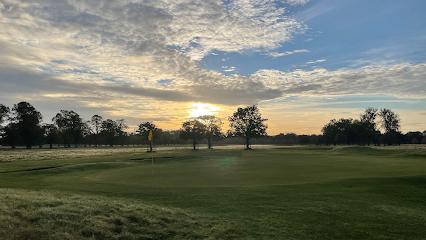
Hampton Court Palace
1.2 km
Explore the grandeur of Henry VIII’s Tudor palace and the elegance of William III’s Baroque residence amid stunning gardens and the world’s oldest hedge maze.
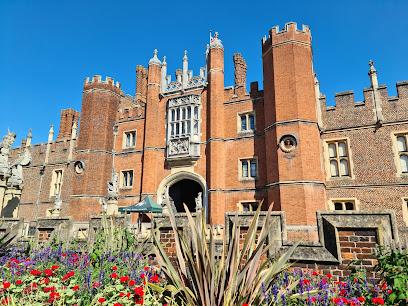
Bushy Park
1.8 km
Explore Bushy Park’s majestic deer, historic fountains, ancient trees, and serene gardens in London’s royal green sanctuary.
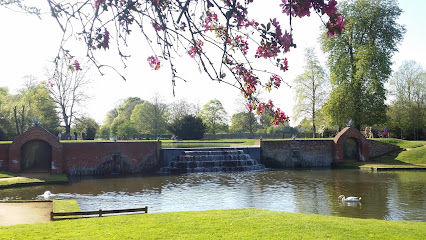
Landmark Arts Centre
2.5 km
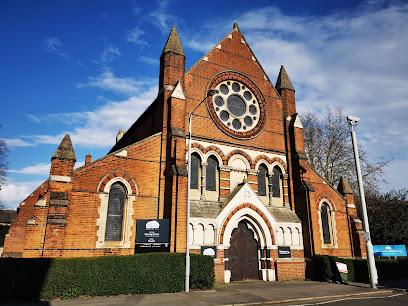
Discover vibrant arts and historic charm at the Landmark Arts Centre, a cultural gem housed in a stunning 19th-century French Gothic former church in Teddington.
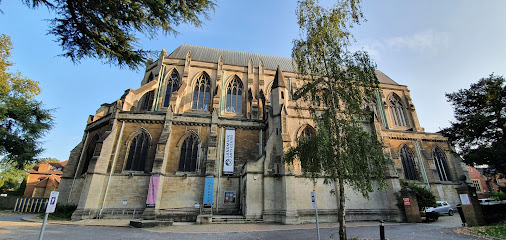
Teddington Riverside
2.6 km
Modern riverside living with stunning Thames views and historic charm in the heart of Teddington.
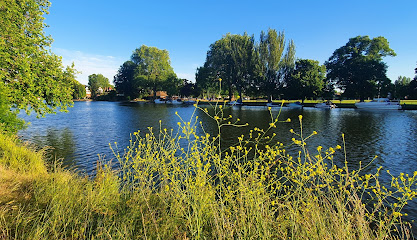
Christ Church, Surbiton Hill
2.6 km
Discover the serene beauty and community spirit at Christ Church, Surbiton Hill, a hidden gem in the heart of Surbiton, perfect for reflection and exploration.
Strawberry Hill House & Garden
3.8 km
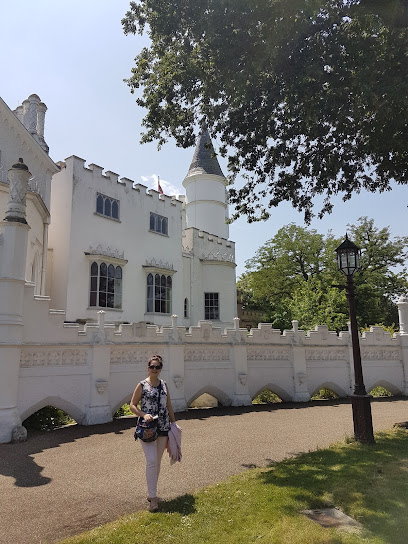
Discover Strawberry Hill House, Britain’s finest Georgian Gothic Revival villa with enchanting gardens and rich literary heritage in Twickenham.
Coombe Conduit
3.8 km
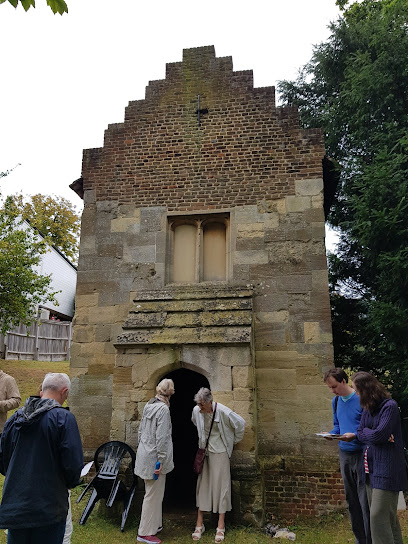
Explore Coombe Conduit, a Tudor-era waterworks marvel that supplied Hampton Court Palace for centuries, hidden within Kingston’s suburban landscape.
Pope's Grotto
4.1 km
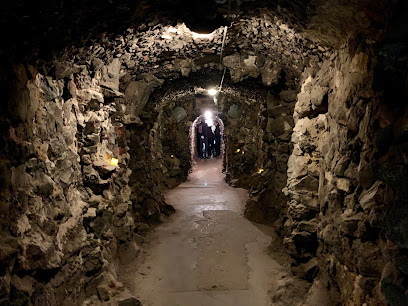
Explore Alexander Pope’s enchanting 18th-century grotto, a sparkling mineral museum and poetic sanctuary on the banks of the Thames in Twickenham.
Ham House and Garden
4.3 km
Experience one of England’s finest 17th-century Stuart houses and gardens, steeped in history and set on the scenic Thames in Richmond.
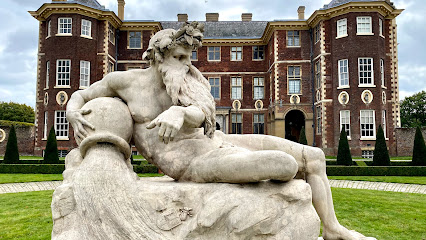
Eel Pie Island
4.4 km
Discover Eel Pie Island, a small Thames island with a rich history, legendary 1960s music scene, and a vibrant community of artists and boatbuilders.
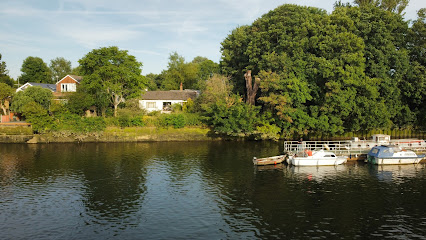
Twickenham Green
4.5 km
A tranquil village green in suburban Twickenham, perfect for community events, cricket, and peaceful relaxation amidst mature Horse Chestnut trees.
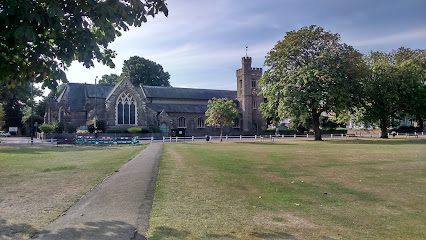
The Twickenham Museum
4.6 km
Discover Twickenham’s rich heritage in a charming Georgian museum on the Thames, showcasing centuries of local history through engaging exhibits and archives.
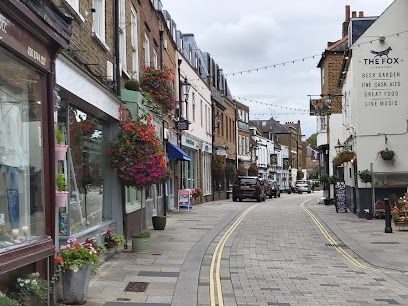
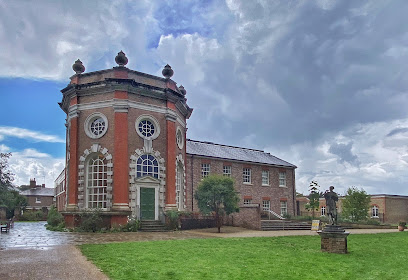
Orleans House Gallery
4.6 km
Discover historic elegance and contemporary creativity at Orleans House Gallery, a free riverside art sanctuary in Twickenham.
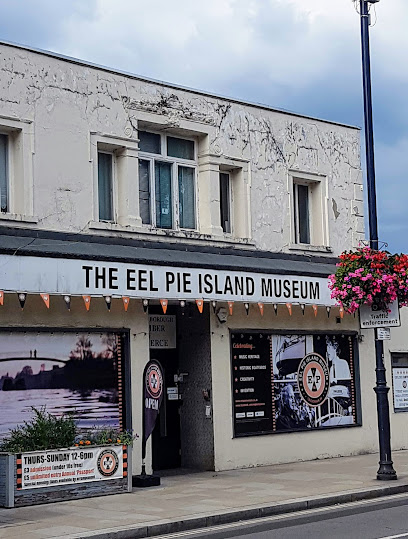
Eel Pie Island Museum
4.8 km
Discover the vibrant musical and artistic heritage of Eel Pie Island at this intimate museum in Twickenham, celebrating a legendary Thames isle’s unique story.
Essential places to dine

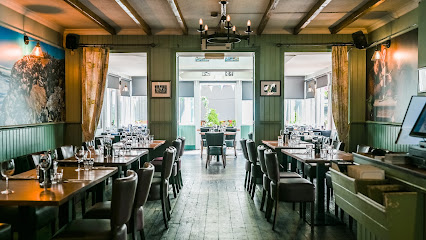
Brouge Gastropub
4.0 km
Experience authentic Belgian beers and hearty British-Belgian cuisine in the welcoming heart of Twickenham’s Fulwell neighbourhood.
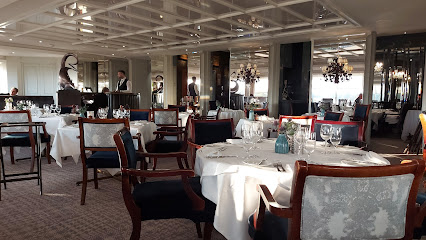
The Petersham Restaurant
5.3 km
Elegant British fine dining with stunning Thames views in Richmond’s historic mid-Victorian setting.
A Cena
5.7 km
Refined Southern Italian dining with generous portions, warm ambience, and a curated cocktail bar in the heart of East Twickenham.
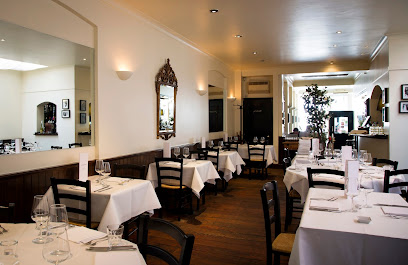
Le Taj
7.6 km
Experience authentic and innovative Indian cuisine with warm hospitality in the heart of Feltham at Le Taj.
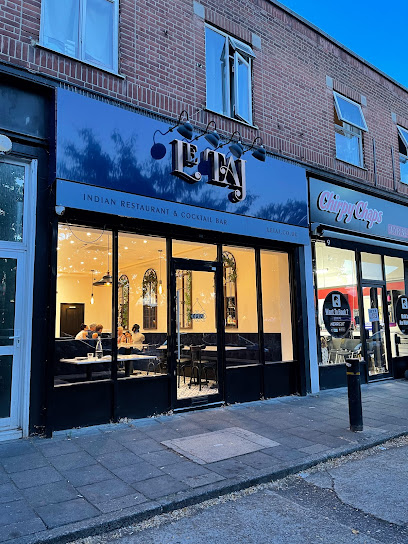
Humble Thali
7.6 km
Experience authentic Indian thali dining with fresh, vibrant flavors and warm service in the heart of Feltham.
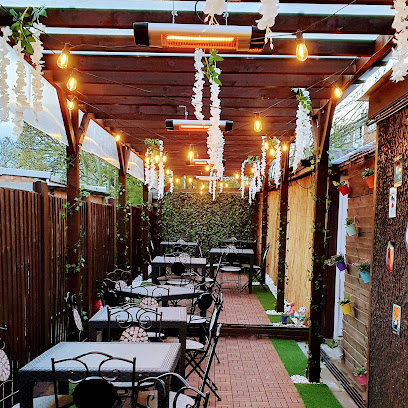
Man vs Food
8.7 km
Bold American flavours and massive portions meet lively challenges in Isleworth’s vibrant Man Vs Food diner.
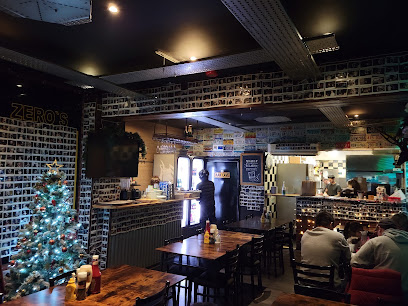
La Rosetta Restaurant
8.7 km
Experience authentic Italian flavors and warm family hospitality at La Rosetta, a beloved Brentford dining destination.
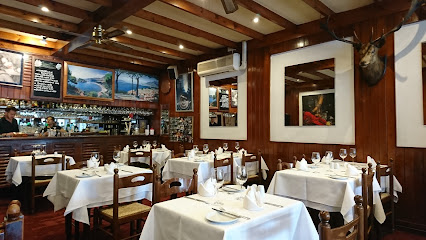
The Bell On The Green - Pub, Bar and Indian Restaurant
9.6 km
A vibrant Feltham pub blending classic British charm with authentic Indian flavors and a welcoming beer garden.
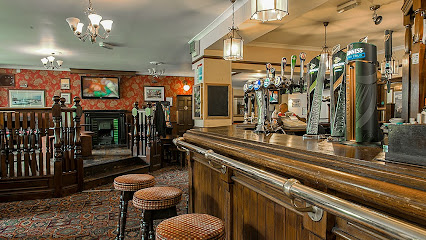
Plaza Premium Lounge London Heathrow (Departures, Terminal 4)
10.7 km
A spacious, modern lounge at Heathrow Terminal 4 offering diverse dining, apron views, and comfortable amenities for travelers seeking relaxation before departure.
Plaza Premium Lounge (Departures, Terminal 2) London Heathrow Airport (LHR)
11.5 km
A stylish and comfortable retreat in Heathrow Terminal 2 offering quality food, drinks, and amenities for all travelers.
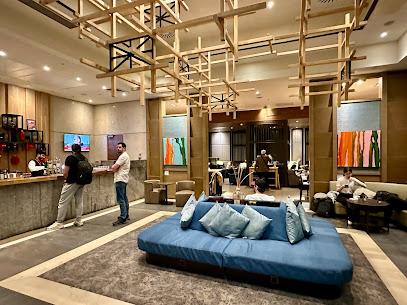
The Pheasant Inn & Restaurant Heathrow (over 18s only)
12.1 km
A refined adult-only pub and restaurant near Heathrow offering generous British fare, excellent gluten-free options, and warm hospitality.
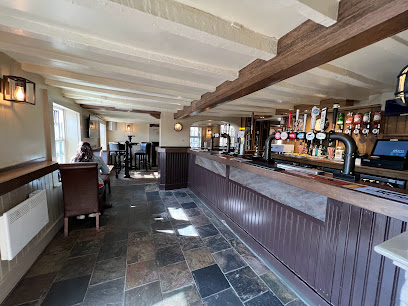
Three Magpies
12.3 km
A cozy Heathrow pub serving hearty classics and a wide drink selection in a friendly, family- and dog-friendly setting.
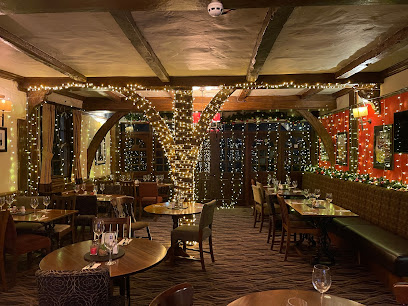
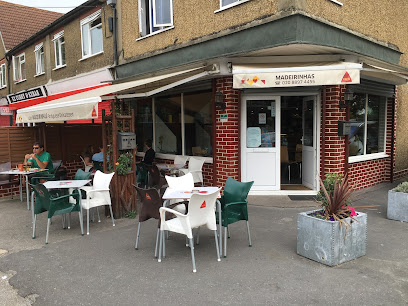
Madeirinhas
12.7 km
Authentic Portuguese flavors and warm hospitality just minutes from Heathrow in a casual, welcoming setting.
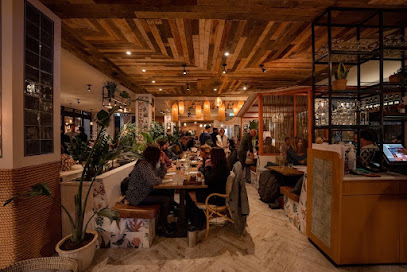
Ollie's House Restaurant (Chelsea)
13.0 km
A vibrant Pan-Asian fusion restaurant in Chelsea serving fresh, bold flavours in a bright, tropical-inspired setting with creative cocktails.
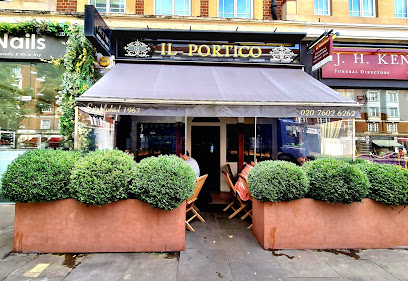
Il Portico
13.3 km
Authentic Northern Italian dining with family warmth and timeless charm in the heart of Kensington.
Markets, malls and hidden boutiques

Always & Forever - Wedding Dresses London
7.4 km
Premier family-run bridal boutique in Hounslow offering over 700 gowns and personalized, pressure-free service for your perfect wedding dress.

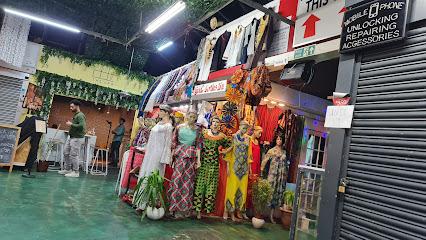
Broadway Market Tooting
11.0 km
A historic and vibrant South London market offering diverse food, unique shops, and a lively social scene since 1936.
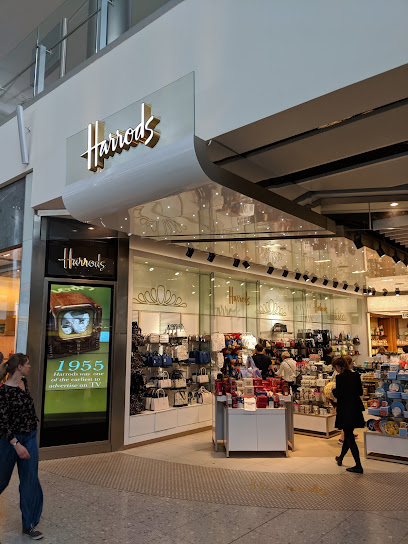
Harrods
11.4 km
Experience the pinnacle of luxury shopping and festive magic at Harrods, London’s iconic department store in Knightsbridge.
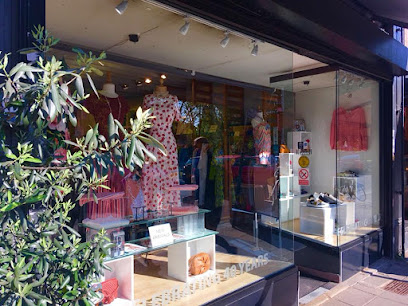
Stuff
11.8 km
Discover stylish women's fashion in a charming West London boutique with a personal touch and curated collections.
Louis Vuitton Heathrow T3
12.0 km
Experience timeless luxury and impeccable style at Louis Vuitton Heathrow Terminal 3, your elegant travel companion.
The London Heritage
13.2 km
A boutique heritage hotel in Canary Wharf blending historic elegance with modern luxury and wellness amenities.
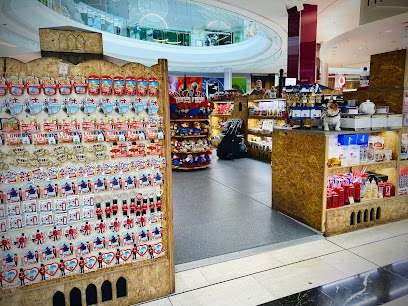
Westfield London
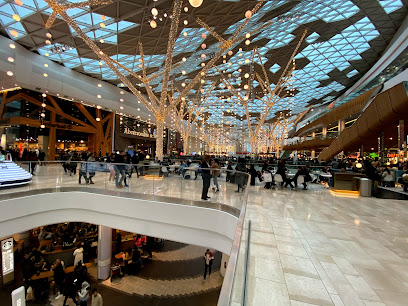
13.3 km
Explore Westfield London: A premier shopping center featuring top brands, diverse dining, and entertainment options in the heart of the city.
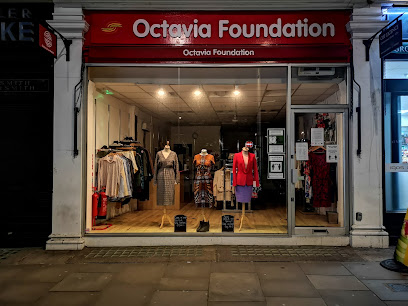
Octavia Foundation - Kensington
13.3 km
Discover designer bargains and vintage treasures at this Kensington High Street charity shop, funding life-changing support for local communities in true Octavia Hill spirit.
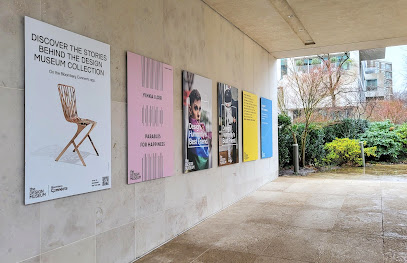
the Design Museum Shop - High Street Shop
13.3 km
Curated design haven on Kensington High Street: books, homewares, and innovative gifts celebrating creativity from the Design Museum.
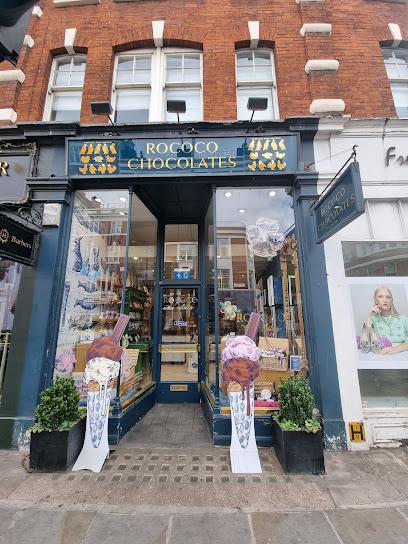
Rococo Chocolates King's Road
13.4 km
Discover handcrafted British chocolates and immersive workshops at Rococo Chocolates, a refined artisan boutique on London's iconic King's Road.
the Design Museum Shop
13.4 km
Curated gifts, books and design objects from the Design Museum’s High Street, Atrium and Exhibition shops—where form, craft and everyday use meet.
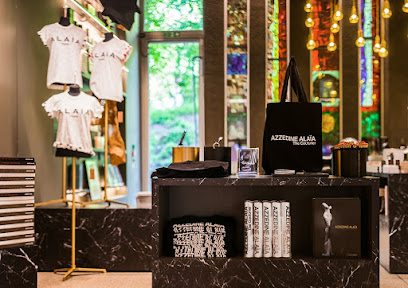
Oxfam Shop - Kensington High Street
13.5 km
Unearth ethical treasures on Kensington High Street at this vibrant Oxfam shop, where second-hand style funds global change amid London's posh shopping scene.
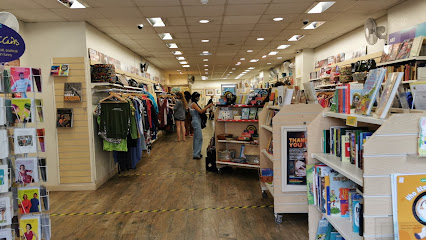
Elmsleigh Shopping Centre
13.5 km
Discover the vibrant Elmsleigh Shopping Centre in Staines, featuring an array of shops, dining options, and family-friendly activities for everyone.

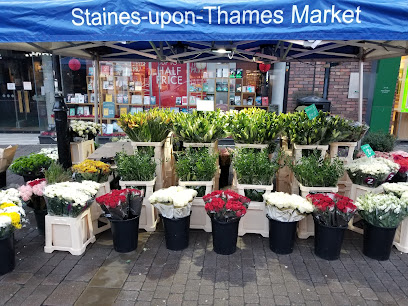
Staines Market
13.5 km
Experience the vibrant tradition of Staines Market, where fresh local produce and diverse stalls bring community spirit to Staines High Street.
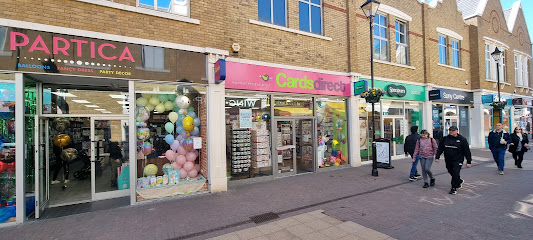
Two Rivers
13.7 km
Experience the vibrant atmosphere of Two Rivers Shopping Centre in Staines-upon-Thames; a premier destination for shopping and dining.
Essential bars & hidden hideouts

The M Bar
4.0 km
Experience the best of mobile catering and cocktails at The M Bar, a must-visit destination for food lovers and event planners in New Malden.
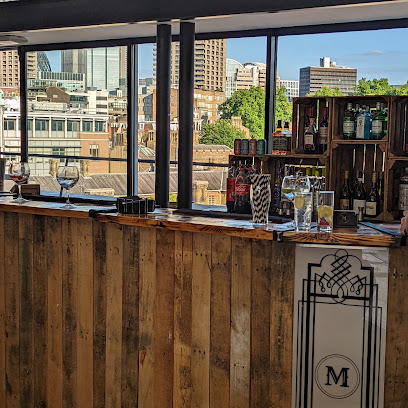
The Sussex Arms
4.6 km
A lively gastropub in Twickenham offering craft ales, hearty British dishes, and a welcoming beer garden for all seasons.
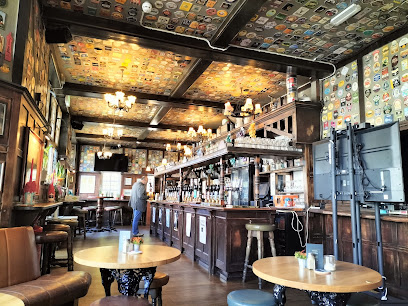
London Apprentice
7.3 km
Historic Georgian riverside pub in Isleworth offering classic ales, scenic Thames views, and lively community events.
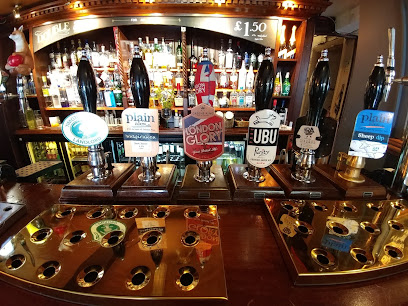
Green Man
9.4 km
Historic British pub near Heathrow with traditional charm, lively events, dog-friendly spaces, and unique plane-spotting views.
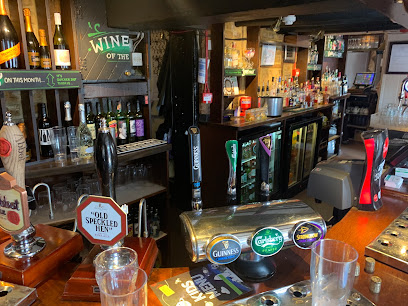
The Queen's Head, Cranford
10.6 km
Historic 400-year-old pub in Cranford blending traditional charm with modern gastropub dining and lively entertainment near Heathrow.
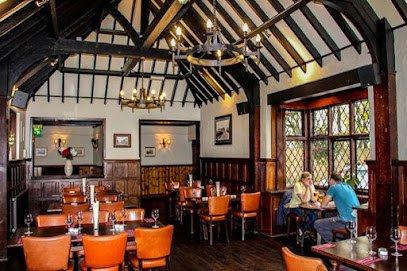
Star & Scorpion
11.8 km
A lively gastropub in West Ealing serving American-inspired dishes, craft cocktails, and featuring private heated cabins with Sky Sports.
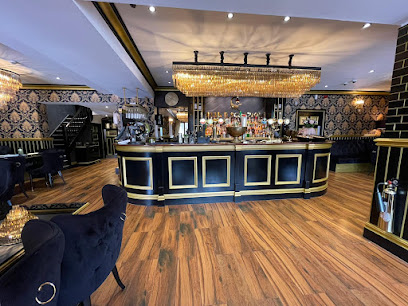
The Curtains Up
12.1 km
A cozy West Kensington pub blending hearty British fare, lively theatre, and warm local charm for a memorable experience.

The White Hart Harlington
12.3 km
A welcoming gastropub in Harlington serving fresh, locally sourced British classics with a cozy atmosphere and family-friendly charm.
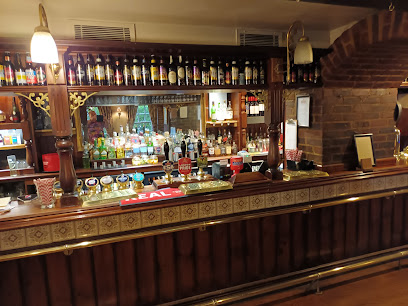
Sugar Cane Bar
12.7 km
Escape to a vibrant tropical tiki bar in Clapham with exotic cocktails, lively music, and private huts for unforgettable nights out.
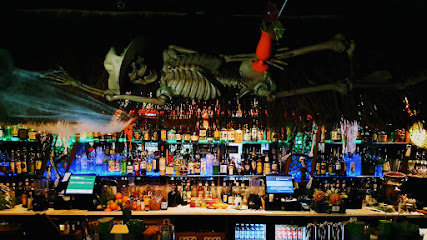
Bar Social
12.7 km
Lively Battersea cocktail bar with award-winning drinks, private event spaces, and late-night dancing on Lavender Hill.
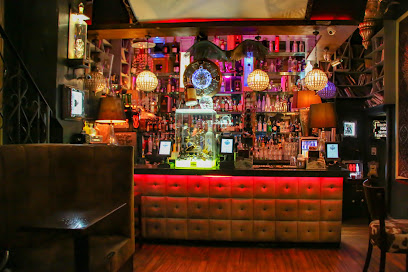
Evans & Peel Detective Agency
13.0 km
Step into a secret 1920s detective office for immersive cocktails, live jazz, and a playful mystery-solving speakeasy experience in London’s Earl’s Court.
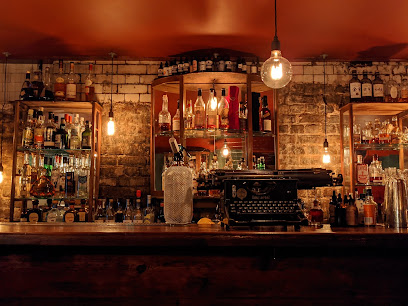
The Owl and Monkey Cocktail Bar
13.6 km
A stylish South Kensington cocktail bar blending tropical design, sustainable mixology, and warm hospitality for memorable nights.
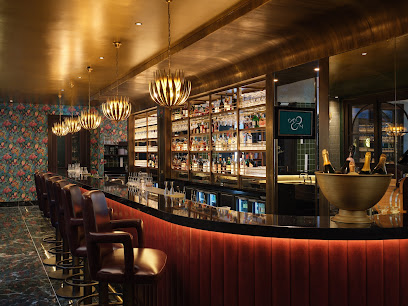
Turtle Bay Staines
13.6 km
Experience vibrant Caribbean flavors, tropical cocktails, and lively island vibes in the heart of Staines-upon-Thames.
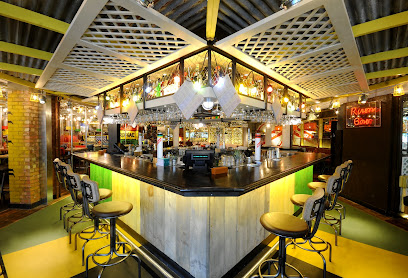
The Music Box
13.7 km
A vibrant pub and events venue in Hayes blending great food, live music, and versatile spaces for celebrations.
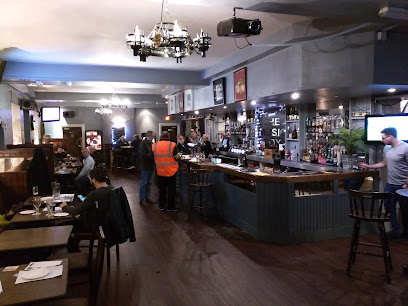
The Hereford Arms, South Kensington
13.7 km
Victorian South Kensington pub pouring Fuller's ales, serving refined classics like cod and cottage pie amid Hitchcock charm and Ripper lore.
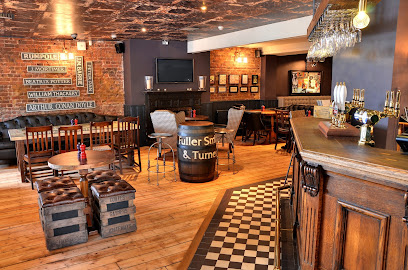
Nightclubs & after hour spots

Le Fez
9.5 km
Experience Putney’s premier Moroccan-inspired nightclub with lush lounges, vibrant dancefloors, and unforgettable late-night entertainment.
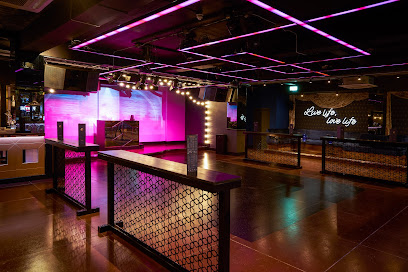
The Clapham Grand
12.3 km
Experience the vibrant nightlife of London at The Clapham Grand, a premier events venue offering live music, comedy, and unforgettable parties.
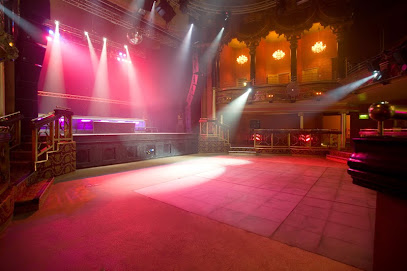
Lost In Disco
12.8 km
An intimate West London disco night celebrating 1970s–80s funk, soul and floor-filling classics with DJs, guest singers and a glittering dancefloor.
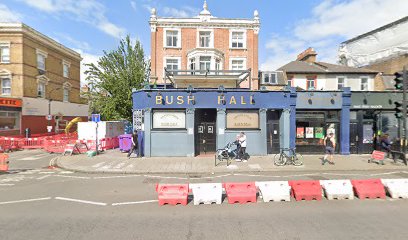
Ricco London
13.0 km
A plush, performance‑led lounge in Kensington Olympia where cocktails, Mediterranean sharers and cabaret create theatrical late‑night nights.
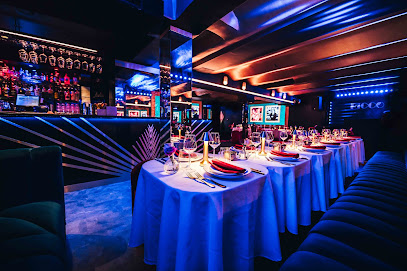
B London
13.8 km
Dive into South Kensington's electric nightlife at B London, where sophisticated beats and stylish crowds fuel unforgettable nights from 9pm till dawn.

Dolce Night Club , London
14.1 km
Elite VIP nightclub in South Kensington blending luxurious design, R&B beats, and high-end cocktails for unforgettable weekend revelry.
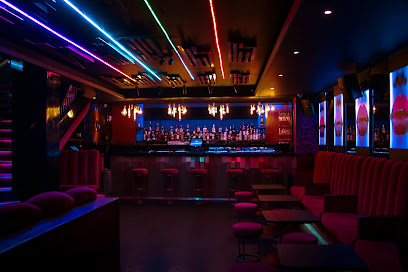
Infernos Nightclub
14.3 km
Clapham’s legendary two-floor nightclub where wild nights, iconic music, and unforgettable parties come alive until dawn.
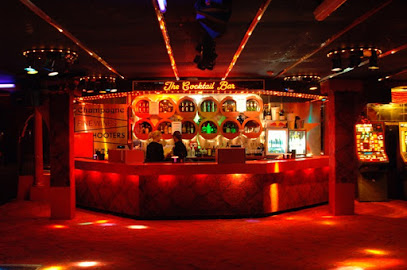
Metric
14.5 km
A compact, collegiate nightclub beneath Imperial College’s Beit Quadrangle — lively student nights, intimate dancefloor and a campus-centred party vibe.
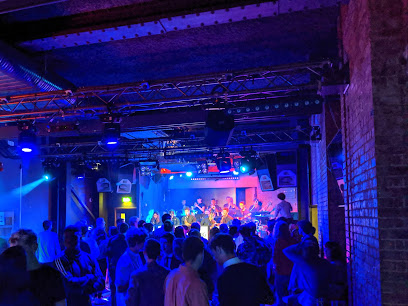
Notting Hill Arts Club
14.5 km
West London's sweaty basement cradle of music legends since '97—coffee by day, live gigs and club nights till 2am in an intimate den of funk, jazz, and raw talent.
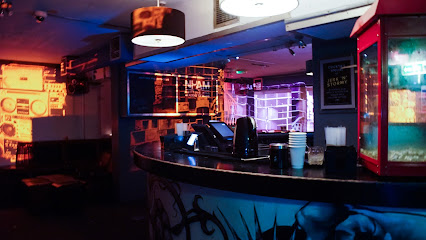
The Duke of Wellington
14.6 km
Historic Young's pub on Portobello Road: Victorian screens, market views, British roasts, and Notting Hill legends in every pint.
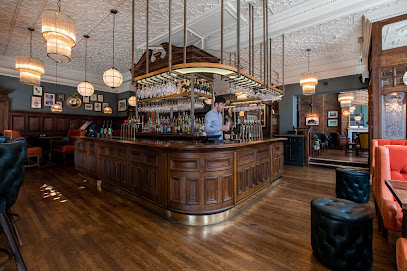
Electric House
14.6 km
Experience the vibrant social scene at Electric House, a chic social club in Notting Hill, London, blending style, comfort, and culinary delights.
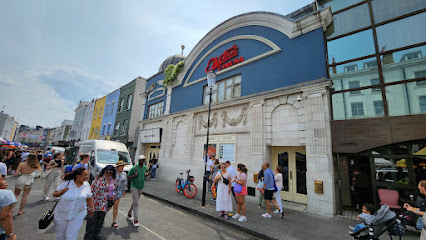
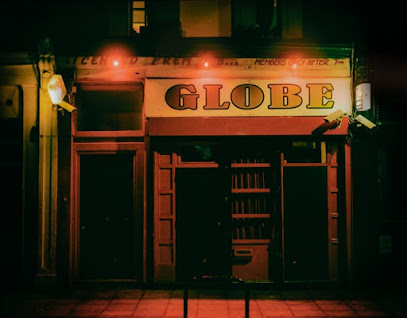
The Globe
14.9 km
Traditional London pub by day, lively late‑night bar and club by night—large, hireable rooms and a warm, characterful interior.
Subteranian
15.1 km
A compact underground club on Acklam Road delivering dense, DJ-led electronic nights with an intimate, bass-heavy atmosphere.
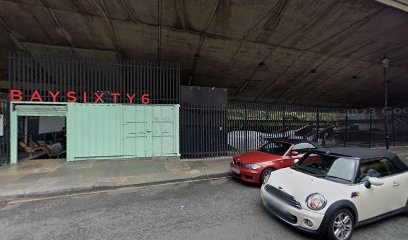
Privilege Entertainment Ltd
15.6 km
Discover the pulsating nightlife at Privilege Entertainment Ltd, London's premier entertainment agency and nightclub, where unforgettable experiences await.

Phonox
15.7 km
Phonox: Brixton’s cutting-edge nightclub where underground electronic beats meet a vibrant, spacious dancefloor and top-tier sound.
For the vibe & atmosphere seeker
- Tranquil
- Relaxing
- Scenic
- Unique
- Casual
For the design and aesthetic lover
- Rustic Designs
- Vintage Styles
For the architecture buff
- Historic
- Parks & Gardens
- Heritage Neighborhoods
For the view chaser and sunset hunter
- Iconic Views
- Panoramas
- Waterfront
- Sunset Spots
For the social media creator & influencer
- Instagrammable
- Photo Spots
- Selfie Spots
- Aesthetic Corners
For the eco-conscious traveler
- Protected Area
- Nature Reserve
- Public-Transport Accessible
- Leave-No-Trace Critical
- Locally Managed
- Wildlife Habitat
For the kind of experience you’re after
- Mindfulness
- Spiritual / Energy Spot
- Myth & Legends
- Cultural Heritage
- Photowalk
- Nature Escape
- Day Trip
- Weekend Getaway
For how adventurous you want the journey to be
- Easy Access
Location Audience
- Family Friendly
- Senior Friendly
- Child Friendly
- Teen Friendly
- Wheelchair Access
- Pet Friendly
- Solo Friendly
- Couple Friendly
- Solo Female Friendly
- Vegetarian Friendly
- Vegan Friendly


