Home Park, Windsor Travel Guide
Free Guide: Royal heritage meets public recreation in Windsor's Grade I-listed park, where centuries of history unfold across meadows, sports fields, and riverside walks.


A brief summary of Home Park
Royal heritage meets public recreation in Windsor's Grade I-listed park, where centuries of history unfold across meadows, sports fields, and riverside walks.
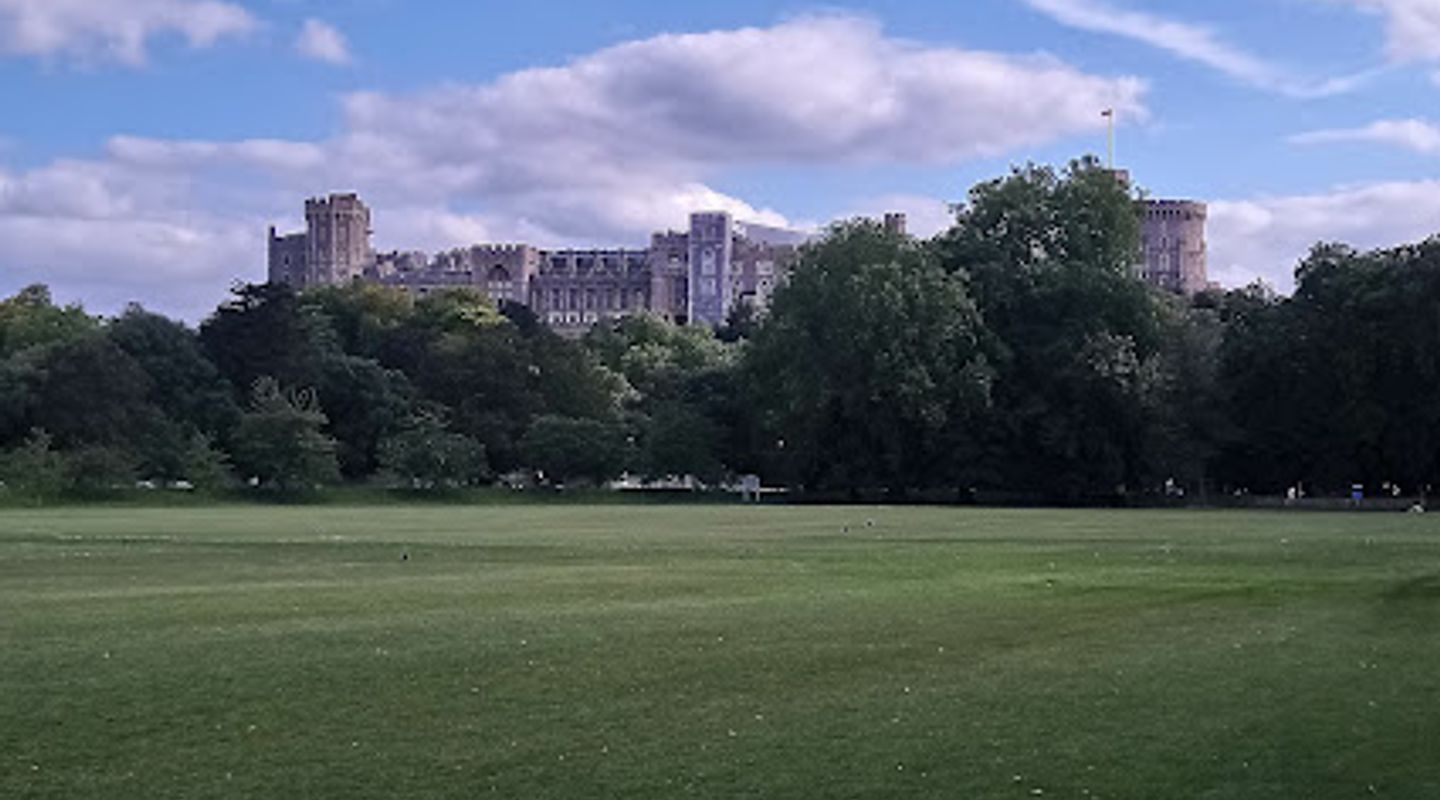
Home Park is a 31-hectare public green space in Windsor, Berkshire, forming the eastern grounds of Windsor Castle. Originally part of the castle's private estate until 1851, it now serves as Windsor's primary sports and recreation venue, hosting cricket, rugby, tennis, and archery clubs. The park features the Thames Path National Trail, children's play areas, and hosts major events including the Royal Windsor Horse Show and Royal Windsor Dog Show. Listed Grade I on the Register of Historic Parks and Gardens, it offers scenic walks with views of the castle and river.
On-site amenities
 Restrooms
 Drink options
 Drinking water
 Food options
 Seating areas
 Picnic areas
 Trash bins
 Information boards
- Address
- F9QX+JP, Windsor Castle, Windsor
- Website
Getting there
Car with Parking
Public Transport and Walking
Cycling
Thames Path Walking Route
Discover more about Home Park
A Royal Landscape Opened to the Public
Home Park stands as a remarkable example of royal generosity transformed into public benefit. Originally part of the private grounds of Windsor Castle, this 31-hectare park was authorised by Queen Victoria in 1851 to be opened for the recreation of Windsor's inhabitants. What was once exclusively royal domain became a cherished community asset, managed today by the Royal Borough of Windsor and Maidenhead while remaining part of the Crown Estate. The park's transition from private to public use represents a pivotal moment in Windsor's social history, when the monarchy recognised the value of sharing its magnificent landscape with local people.
Medieval Roots and Royal Expansion
The story of Home Park stretches back centuries into England's medieval past. Originally part of the manor of Orton, the area was first emparked by King Edward III in 1368 specifically for deer hunting—a pursuit central to royal life and status. Over subsequent centuries, successive monarchs expanded and refined the park, each leaving their mark on its character. The park's historical significance is so profound that it appears in Shakespeare's *Merry Wives of Windsor*, and the legendary Herne's Oak once stood nearby. During the English Civil War, Oliver Cromwell trained his New Model Army within these grounds, transforming the royal hunting park into a military training ground. By the 18th century, King George III removed the deer in 1785, marking a shift away from medieval hunting practices. The modern boundaries were formally established by the Windsor Improvement Act of 1846 and the Windsor Castle Act of 1848, when the old road to Datchet was closed and public access was initially denied—a restriction that would later be reversed for the benefit of Windsor's community.
Sporting Heritage and Community Recreation
Today, Home Park functions as Windsor's principal sports venue, hosting an impressive array of clubs and activities. Cricket pitches accommodate both Windsor Cricket Club and Cranbourne Cricket Club, while rugby enthusiasts gather at Windsor Rugby Club's facilities. Tennis players enjoy grass courts through the Home Park Tennis Club, and archers practise with Windsor Forest Bowmen. The park also supports angling through the Old Windsor Angling Club and athletics through Datchet Dashers. Beyond organised sports, the park welcomes casual recreation—a perimeter walk contributes approximately 5,000 steps toward daily fitness goals. The Thames Path National Trail runs through the park, offering walkers a scenic route along the river with views of Windsor Castle rising majestically above the landscape.
Royal Events and Historic Ceremonies
Home Park serves as the stage for some of Britain's most prestigious events. The Royal Windsor Horse Show, held annually in May, transforms the private section of the park into an equestrian showcase. The Royal Windsor Dog Show similarly draws enthusiasts and competitors from across the country. Beyond these regular fixtures, the park has hosted occasional ceremonial occasions including state visits, royal weddings, and civil and military ceremonies. These events connect the park to the broader narrative of royal life and national celebration, reminding visitors of the space's continued significance to the monarchy and the nation.
Natural Features and Historic Gardens
The park encompasses diverse landscapes and notable features. The Long Walk, a double-lined avenue of trees stretching 2.65 miles south of the castle, creates one of Windsor's most iconic vistas. Originally planted with 17th-century elms, these were replaced with alternating chestnut and plane trees following the impact of Dutch elm disease. The Frogmore estate, located within the park, includes Frogmore House, Frogmore Cottage, and extensive gardens surrounding a large lake. The Royal Mausoleum and Royal Burial Ground reflect the park's role in royal life beyond recreation. Queen Anne's Maestricht Garden, created in the early 1700s to commemorate a Dutch battle, occasionally becomes visible during extremely dry weather, its ghostly pathways emerging as a reminder of the park's layered history. The park also contains working farms, including the former Prince Consort's Home Farm, and the Windsor Farm Shop, maintaining agricultural traditions within its boundaries.
Recognition and Conservation
Home Park's historical and environmental significance has been formally recognised through multiple designations. It holds Grade I status on the Register of Historic Parks and Gardens of Historic England, acknowledging its national importance. In 2012, the park was awarded Green Flag status in recognition of achieving the national standard for parks and green spaces in England and Wales—an accolade it has maintained through subsequent years. These recognitions reflect the park's commitment to conservation, accessibility, and quality management, ensuring that future generations can continue to enjoy this remarkable landscape that bridges royal heritage with public recreation.
Evendo Review Centre
 Google
Guest reviews
Best time to go
Quietest: Jan, Feb & Nov · before 6am or at 10pm
Busy times are Evendo estimates for a typical year, to help you plan. Actual crowds vary with events, school holidays and the weather.
Explore Home Park on the map
A handpicked selection of must-see spots near Home Park, mapped for you.
Get your free copy of our complete guide to Home Park, delivered straight to you.
Everything on this page, from opening hours and how to get there to Eve’s tips and the best time to go, in one PDF you can read offline, print or share.
Already have an account? Sign in
Your Home Park guide is ready.
We'll send it to · Not you? Sign out

Getting your guide ready…
We are putting together a fresh copy of the Home Park guide. This can take up to a minute.
This can take a few moments. If your browser asks, choose Allow so the download can start. You'll find the guide in your Downloads folder.
Nothing happened? Download it again
Sorry, the guide is taking longer than usual. Please try again in a minute, or get it by email instead.
Other nearby places you may find interesting
The closest places of the same kind, if this one is not quite what you had in mind.
-
-
-
-
-


Swipe for more places
More to explore near Home Park

 Best experiences near Home Park
 Best hotels near Home Park
 Best landmarks near Home Park
 Best attractions near Home Park
 Best shops near Home Park
 Best restaurants near Home Park
 Best bars near Home Park
Do you manage this location?
Take control to get all the benefits, like improved information, better appearance, and stronger visibility across AI-powered discovery.
Explore more

Explore more of Windsor
Discover the royal allure of Windsor, a historic town along the River Thames, home to Windsor Castle and a blend of charming shops and beautiful parks.
Explore Windsor
Explore more of United Kingdom
Discover the United Kingdom: A blend of rich history, stunning landscapes, and vibrant cities, offering a unique travel experience for every visitor.
Explore United Kingdom