

Free South East England Travel Guide & Mobile App
Explore South East England with free travel guides. Discover regional history, expert tips, proposed trips, and audio guides on web or mobile app.


Explore South East England for cathedral cities, coastal towns, chalk downs, historic castles, country houses and distinctive local food.
Read more about South East England
When is the best time to visit South East England?
Best: June–August · 20–22°C| Month | High (°C) | Rainfall (mm) |
|---|---|---|
| January | 8 | 55 |
| February | 8 | 45 |
| March | 12 | 45 |
| April | 14 | 45 |
| May | 17 | 45 |
| June (best) | 20 | 45 |
| July (best) | 22 | 40 |
| August (best) | 22 | 45 |
| September | 19 | 45 |
| October | 16 | 55 |
| November | 11 | 55 |
| December | 9 | 60 |
Getting to and around South East England
How to get there
Transportation
Top city travel guides in South East England
The cities of South East England, and the easiest places to base yourself.
-

-

-

-

-

-


Swipe for more cities
Destinations in South East England
Resorts, valleys and scenic spots worth a trip of their own.
-

-

-
-


Swipe for more destinations
Best attractions in South East England
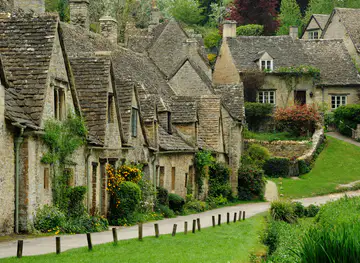
South East England offers an unusually broad range of attractions within a relatively accessible part of the United Kingdom. Oxford's colleges and museums, Canterbury Cathedral, Winchester Cathedral and the historic dockyard at Portsmouth provide major cultural and architectural experiences, while castles and fortified sites at Dover, Windsor and Arundel reveal the region's strategic and royal history. Roman heritage is especially well represented at Fishbourne Roman Palace near Chichester and at Silchester in Hampshire. Country houses and gardens, including Blenheim Palace in Oxfordshire, Chartwell in Kent and Petworth House in West Sussex, add distinctive estate landscapes. The South Downs, Surrey Hills, Chilterns and Hampshire countryside support walking, cycling and wildlife watching, while the Isle of Wight offers coastal paths, beaches and maritime scenery. Brighton and other coastal towns contribute galleries, theatres, piers and family attractions, though individual resorts differ considerably in character. Seasonal events, museums and farm-based experiences complement the better-known heritage sites, making the regional attraction landscape as much about varied landscapes and local history as about headline monuments.
-
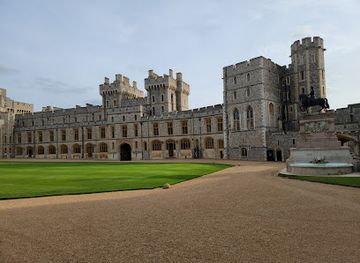
Castle
Windsor Castle
Explore Windsor Castle, the world’s oldest occupied castle and a living royal palace steeped in nearly 1,000 years of British history and grandeur.
-
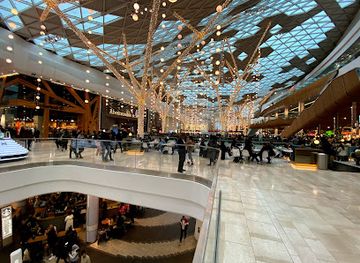
Shopping Centre
Westfield Stratford City
East London's vibrant retail and entertainment destination with over 200 shops, 100 eateries, and family-friendly fun near the Olympic Park.
-
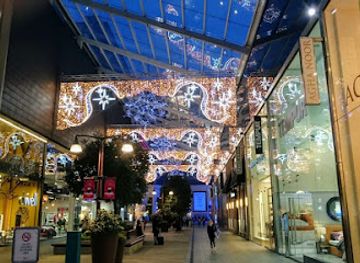
Shopping Centre
Westfield London
Discover Westfield London, a vibrant shopping and lifestyle hub blending global brands, festive events, and diverse dining in a modern urban setting.
-
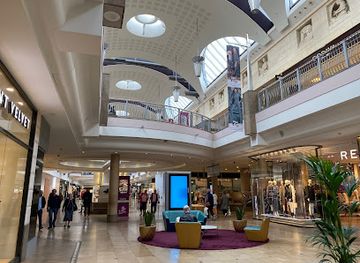
Shopping Centre
Bluewater Shopping Centre
Kent’s premier shopping and leisure destination with over 300 stores, diverse dining, and unique entertainment in a stunning natural setting.
Best landmarks in South East England
South East England's landmarks express its position between royal England, the Channel and the capital. Windsor Castle remains a prominent royal fortress and residence in Berkshire, while Dover Castle occupies a strategic height above the Channel and preserves medieval and later defensive works. Canterbury Cathedral and Winchester Cathedral are major ecclesiastical landmarks, each representing a different chapter in the development of English Christianity and medieval power. Portsmouth Historic Dockyard contains nationally important naval structures and ships, including the preserved HMS Victory, and gives the city a strong maritime identity. The White Cliffs of Dover provide the region's most recognisable natural symbol, while the Seven Sisters cliffs in East Sussex form an extensive chalk coastline shaped by erosion. Oxford's historic skyline, Chichester Cathedral and the Roman remains at Fishbourne add architectural and archaeological depth. On the Isle of Wight, the Needles and its associated chalk cliffs create a distinctive western coastal landmark, contrasting with the inland woodlands, downs and historic villages found elsewhere in the region.
-
Monument
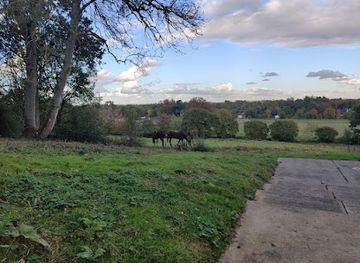
John F Kennedy Memorial
A serene woodland tribute at Runnymede honoring JFK’s legacy of freedom and democracy.
-
Historical landmark
RAF Bicester
Explore RAF Bicester, the UK’s best-preserved interwar bomber station, where military aviation history meets heritage conservation.
Explore South East England on the map
Plan your trip on one map. See where the top cities, national parks and sights are, and book hotels and experiences in a few clicks.
Best hotels in South East England
Best restaurants in South East England
Dining in South East England reflects its combination of fertile farmland, orchards, vineyards, market towns and Channel coast. Kent is associated with apples, cherries, hops and vineyards, while Sussex and Hampshire have become important areas for English wine and also supply vegetables, dairy produce and meat. Coastal towns offer fish, shellfish and traditional seaside fare, although the quality and style of dining vary from harbour cafés and fish-and-chip shops to modern restaurants using local ingredients. Oxford, Brighton, Canterbury, Reading, Winchester and other larger centres have broad international and contemporary scenes, while villages and market towns are often represented by pubs, cafés, bakeries, farm shops and rural inns. Local cheeses, fruit, breads, cakes and preserves make useful picnic supplies, and farmers' markets provide a direct introduction to regional produce. Menus change with the season, so visitors should look for provenance rather than assuming that every dish marketed as local has a specifically South Eastern origin.
-
Asian fusion
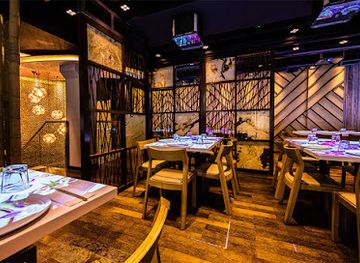
Inamo Covent Garden
Innovative pan-Asian dining with interactive tables and a vibrant atmosphere in the heart of Covent Garden.
-
Pub
The Perch
Historic 17th-century riverside pub in Oxford offering hearty British fare, scenic gardens, and a warm, lively atmosphere.
-
British
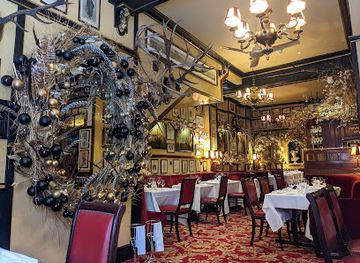
Rules
London’s oldest restaurant since 1798, Rules serves timeless British classics in an elegant, historic Covent Garden setting.
-
Restaurant
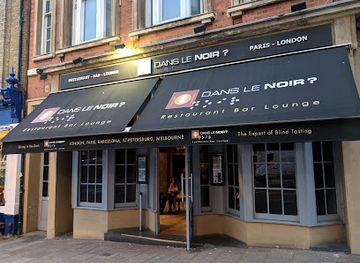
Dans le Noir ? London Restaurant
Experience dining like never before—eat in total darkness guided by visually impaired staff in London’s unique sensory restaurant.

Best bars in South East England
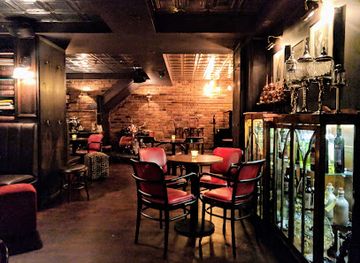
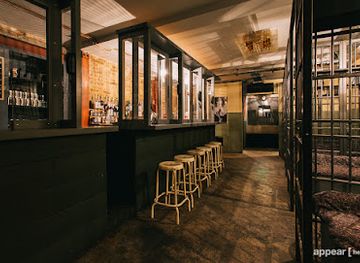
Evening life varies sharply across South East England. Brighton has the region's most concentrated late-night scene, with pubs, cocktail bars, live music, comedy, theatres and clubs around the central city and seafront. Oxford and Reading support busy student and professional nightlife, while Canterbury, Portsmouth, Southampton, Guildford and Winchester offer combinations of traditional pubs, modern bars, music venues and restaurants. In smaller towns, historic inns, village pubs, breweries and wine bars are more typical than large clubs, and evenings often centre on food, conversation or live performances. Coastal resorts can become livelier during summer, but activity is seasonal and may reduce outside weekends and holiday periods. The region also has a growing association with English wine and craft brewing, although tastings and tours should be arranged according to individual producer policies rather than assumed to be available every day.
-
Cocktail bar
Flight Club Shoreditch
Experience the vibrant social darts scene with great food, cocktails, and fun at Flight Club Shoreditch in East London.
-
Pub
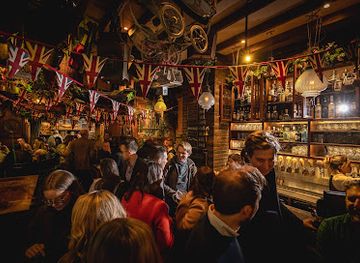
Mr Fogg's Tavern
Step into a Victorian-inspired London tavern where inventive cocktails meet quirky charm in the heart of Covent Garden.
-
Cocktail bar
Nightjar Shoreditch
Step into Nightjar Shoreditch for an authentic 1920s speakeasy vibe, live jazz, and award-winning cocktails in a cozy, vintage setting.
-
Cocktail bar
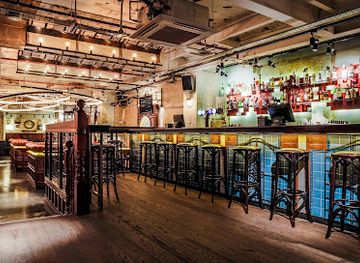
Alcotraz London: Cell Block Two-One-Two
Step inside Alcotraz London for a one-of-a-kind immersive prison cocktail bar adventure with live actors and bespoke drinks.
Best nightclubs in South East England
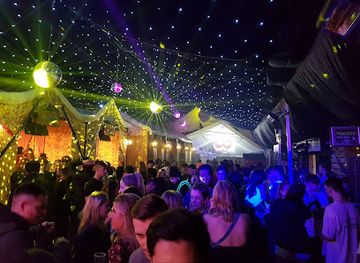
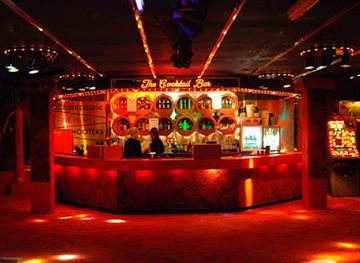
Evening life varies sharply across South East England. Brighton has the region's most concentrated late-night scene, with pubs, cocktail bars, live music, comedy, theatres and clubs around the central city and seafront. Oxford and Reading support busy student and professional nightlife, while Canterbury, Portsmouth, Southampton, Guildford and Winchester offer combinations of traditional pubs, modern bars, music venues and restaurants. In smaller towns, historic inns, village pubs, breweries and wine bars are more typical than large clubs, and evenings often centre on food, conversation or live performances. Coastal resorts can become livelier during summer, but activity is seasonal and may reduce outside weekends and holiday periods. The region also has a growing association with English wine and craft brewing, although tastings and tours should be arranged according to individual producer policies rather than assumed to be available every day.
-
Nightclub
Fire Nightclub
Vauxhall’s sprawling LGBTQ+ hotspot with electrifying music, themed nights, and all-night dance parties beneath iconic railway arches.
-
Night Club
Basing House - Shoreditch
Intimate Shoreditch nightclub delivering top-tier house, disco, and techno with Funktion One sound and a rooftop terrace.
-
Nightclub
Infernos Nightclub
Dive into Infernos Nightclub’s legendary late-night chaos where eclectic tunes, wild energy, and London’s party spirit collide in Clapham.
-
Nightclub
Le Fez
Experience Putney’s premier Moroccan-inspired nightclub with lush lounges, vibrant dancefloors, and unforgettable late-night entertainment.

Best shops in South East England
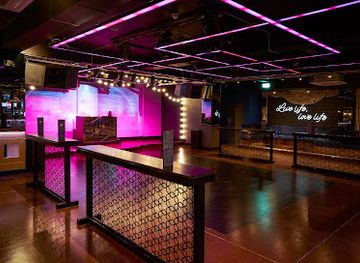
Shopping across South East England ranges from major city centres to market-town high streets, independent arcades and rural food outlets. Brighton is the strongest destination for independent fashion, vintage goods, design, antiques and specialist food, while Oxford combines bookshops, traditional retailers and contemporary shopping around its historic centre. Canterbury, Winchester, Chichester, Guildford, Windsor and Tunbridge Wells offer different mixes of national shops, independent businesses, galleries and historic market streets. Kent, Sussex, Hampshire and the Isle of Wight are well suited to buying local produce such as preserves, cider, wine, fruit products, cheese and bakery goods from farm shops, local producers and regular markets. Craft shops and galleries often feature ceramics, jewellery, textiles and artwork inspired by the coast or countryside. Rural retail is dispersed, so a car is useful for linking farm shops, garden centres, antiques outlets and vineyards; check market days and individual opening arrangements before making a special journey.
-
Shopping outlet
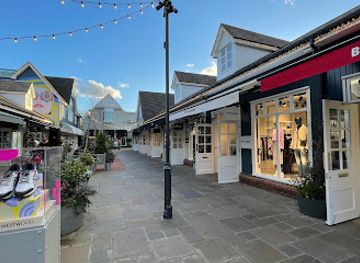
Bicester Village
Discover world-class designer boutiques and unbeatable savings in a charming open-air village setting just outside London.
-
Department store
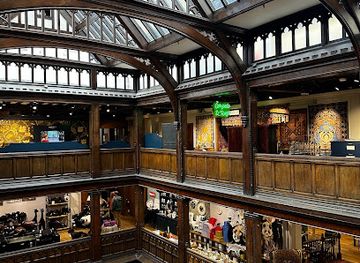
Liberty London
Discover Liberty London’s iconic Tudor revival charm, luxury British fashion, and unique shopping experience in the heart of Regent Street.
-
Shopping Centre
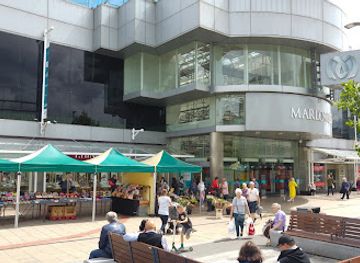
The Marlowes Shopping Centre
A spacious and accessible shopping hub blending popular brands with unique local stores in the heart of Hemel Hempstead.
-
Department store
John Lewis & Partners
Britain's trusted department store blending timeless tradition with contemporary shopping in Buckinghamshire.

Get your free copy of our complete guide to South East England, delivered straight to you.
Everything on this page, from attractions and restaurants to essentials and local phrases, in one PDF you can read offline, print or share.
Already have an account? Sign in
Your South East England guide is ready.
We'll send it to · Not you? Sign out

Getting your guide ready…
We are putting together a fresh copy of the South East England guide. This can take up to a minute.
This can take a few moments. If your browser asks, choose Allow so the download can start. You'll find the guide in your Downloads folder.
Nothing happened? Download it again
Sorry, the guide is taking longer than usual. Please try again in a minute, or get it by email instead.
South East England essentials
Currency and Payment
Safety
Emergency Situations
Do's and Don'ts
Local Tips
From Eve
Local phrases worth knowing
You don't need to get them perfect. A few words go a long way, and locals appreciate the effort.
Basics
| English | Local | Say it |
|---|---|---|
| Hello | Hello | [həˈloʊ] |
| Goodbye | Goodbye | [ɡʊdˈbaɪ] |
| Yes | Yes | [jɛs] |
| No | No | [noʊ] |
| Please/You're welcome | Please/You're welcome | [pliːz/ jʊər ˈwɛlkəm] |
| Thank you | Thank you | [θæŋk juː] |
| Excuse me/Sorry | Excuse me/Sorry | [ɪkˈskjuːz mi/ˈsɒri] |
| How are you? | How are you? | [haʊ ɑːr juː] |
| Fine. And you? | Fine. And you? | [faɪn. ənd juː] |
| Do you speak English? | Do you speak English? | [duː juː spiːk ˈɪŋɡlɪʃ] |
| I don't understand | I don't understand | [aɪ doʊnt ˌʌndərˈstænd] |
Eating & Drinking
| English | Local | Say it |
|---|---|---|
| I'd like to see the menu, please | I'd like to see the menu, please | [aɪd laɪk tə siː ðə ˈmɛnjuː, pliːz] |
| I don't eat meat | I don't eat meat | [aɪ doʊnt iːt miːt] |
| Cheers! | Cheers! | [tʃɪrz] |
| I would like to pay, please | I would like to pay, please | [aɪ wʊd laɪk tə peɪ, pliːz] |
Emergencies
| English | Local | Say it |
|---|---|---|
| Help! | Help! | [hɛlp] |
| Go away! | Go away! | [ɡoʊ əˈweɪ] |
| Call the Police! | Call the Police! | [kɔːl ðə pəˈliːs] |
| Call a doctor! | Call a doctor! | [kɔːl ə ˈdɒktə] |
| I'm lost | I'm lost | [aɪm lɔːst] |
| I'm ill | I'm ill | [aɪm ɪl] |
Shopping
| English | Local | Say it |
|---|---|---|
| I'd like to buy... | I'd like to buy... | [aɪd laɪk tə baɪ...] |
| I'm just looking | I'm just looking | [aɪm dʒʌst ˈlʊkɪŋ] |
| How much is it? | How much is it? | [haʊ mʌtʃ ɪz ɪt] |
| That's too expensive | That's too expensive | [ðæts tuː ɪkˈspɛnsɪv] |
| Can you lower the price? | Can you lower the price? | [kæn juː ˈloʊər ðə praɪs] |
Time & Numbers
| English | Local | Say it |
|---|---|---|
| What time is it? | What time is it? | [wɒt taɪm ɪz ɪt] |
| It's one o'clock | It's one o'clock | [ɪts wʌn əˈklɒk] |
| Half past (10) | Half past (10) | [hɑːf pɑːst (10)] |
| Morning | Morning | [ˈmɔːrnɪŋ] |
| Afternoon | Afternoon | [ˌɑːftərˈnuːn] |
| Evening | Evening | [ˈiːvnɪŋ] |
| Yesterday | Yesterday | [ˈjɛstərdeɪ] |
| Today | Today | [təˈdeɪ] |
| Tomorrow | Tomorrow | [təmˈɔːroʊ] |
| 1 | 1 | [wʌn] |
| 2 | 2 | [tuː] |
| 3 | 3 | [θriː] |
| 4 | 4 | [fɔːr] |
| 5 | 5 | [faɪv] |
| 6 | 6 | [sɪks] |
| 7 | 7 | [sɛvən] |
| 8 | 8 | [eɪt] |
| 9 | 9 | [naɪn] |
| 10 | 10 | [tɛn] |
Transport & Directions
| English | Local | Say it |
|---|---|---|
| Where's a/the...? | Where's a/the...? | [wɛrz ə/ðə...?] |
| What's the address? | What's the address? | [wɒts ði əˈdrɛs] |
| Can you show me (on the map)? | Can you show me (on the map)? | [kæn juː ʃoʊ mi (ɒn ðə mæp)?] |
| When's the next (bus)? | When's the next (bus)? | [wɛnʤ ðə nɛkst (bʌs)?] |
| A ticket (to ....) | A ticket (to ....) | [ə ˈtɪkɪt (tə ....)] |
History of South East England
Prehistoric Landscapes and Early Settlement
South East England contains extensive evidence of prehistoric settlement, farming and ritual activity. Neolithic and Bronze Age communities used the chalk downs, river valleys and coastal margins, leaving barrows, earthworks and ceremonial remains. The region's fertile soils and access to waterways encouraged permanent settlement, while the Channel connected communities in southern Britain with continental Europe. Archaeological sites such as Devil's Dyke near Brighton and the wider prehistoric landscapes of the South Downs demonstrate how dramatically land was managed before the Roman period, even though many original settlements survive only as fragments beneath fields and later towns.
Roman Britain and the Channel Ports
The South East became a principal gateway to Roman Britain after the conquest of AD 43. Roman roads linked ports, military installations and towns, while settlements developed at places including Canterbury, Chichester and Silchester in Hampshire. Rich villas such as Fishbourne Roman Palace near Chichester reveal the wealth and cultural connections of the period, and Dover's Roman lighthouse reflects the strategic importance of the Channel. Agriculture, trade and administration reshaped the landscape, establishing routes and centres of settlement that influenced the region long after Roman rule ended.
Anglo-Saxon Kingdoms and Christian Foundations
After the end of Roman rule, South East England became central to the formation of Anglo-Saxon kingdoms, particularly Kent, Sussex, Surrey, Wessex and Mercia. Christianity gained a lasting institutional presence following the mission associated with Augustine, who arrived in Kent in the late sixth century and established a church at Canterbury. Winchester later became a major centre of the kingdom of Wessex and of English royal government. Churches, early minsters, place names and later cathedrals preserve elements of this transformation, as do the region's connections with Alfred the Great and the development of a more unified English kingdom.
The Norman Conquest and Medieval Power
The South East was among the first parts of England affected by the Norman Conquest. William the Conqueror landed at Pevensey in Sussex in 1066 before advancing to the Battle of Hastings, just outside the modern South East region in neighbouring East Sussex's historic battlefield area. Norman rule brought castles, monasteries, land redistribution and new forms of administration. Dover Castle, Rochester's wider regional connections, Windsor Castle and the cathedral at Canterbury illustrate the military, royal and ecclesiastical power that medieval rulers concentrated in the region. Ports and market towns also prospered through trade across the Channel.
Maritime Trade, Royal Towns and the Reformation
From the late medieval period into the early modern age, the region's ports and rivers supported trade with Europe, fishing and naval activity. Southampton, Portsmouth, Dover and smaller Kent and Sussex harbours served different commercial and military purposes. Royal residences and estates, including Windsor, shaped the political landscape, while the English Reformation transformed monasteries, churches and centres of learning. Canterbury remained a major religious and cultural city despite the dissolution of its medieval monastic institutions, and the region's proximity to the Continent made it particularly important during periods of war and religious change.
The Royal Navy, Industry and Transport
The eighteenth and nineteenth centuries brought major changes through naval expansion, manufacturing, canals and railways. Portsmouth developed as one of Britain's principal naval bases, with its historic dockyard preserving ships, workshops and defensive structures. Railways connected London with Brighton, the south-coast resorts, ports and inland towns, accelerating tourism, commuting and the movement of agricultural goods. Brighton grew into a fashionable resort, while industrial and commercial activity expanded in towns across the Thames Valley, Kent, Hampshire and Sussex. Country estates, market gardening, brewing, brickmaking and shipbuilding all contributed to the region's varied economic history.
Twentieth-Century War and Contemporary Change
South East England played a major role in both world wars because of its ports, airfields, military bases and proximity to continental Europe. The coastline and countryside contain surviving fortifications, airfields and memorials, while Portsmouth and Dover retain particularly strong maritime and military associations. After 1945, improved roads, electrification, aviation and suburban growth strengthened links with London and reshaped many towns. At the same time, coastal resorts, historic cities, conservation areas, farming districts and the Isle of Wight developed distinct tourism and cultural economies, creating the diverse regional landscape visitors encounter today.
South East England in Photos
Browse through our photo collection highlighting the charm and character of the destination.
Neighbouring regions of South East England
The closest regions to South East England, if you have time for more than one.
-

-
-

-

-


Swipe for more regions
Explore more

Explore more of United Kingdom
Discover the United Kingdom: A blend of rich history, stunning landscapes, and vibrant cities, offering a unique travel experience for every visitor.
Explore United Kingdom