Tongue Causeway Travel Guide
Free Guide: Scenic 3.8 km causeway and bridge crossing the Kyle of Tongue, offering stunning Highland views and wildlife encounters.


A brief summary of Tongue Causeway
Scenic 3.8 km causeway and bridge crossing the Kyle of Tongue, offering stunning Highland views and wildlife encounters.
The Tongue Causeway, featuring the Kyle of Tongue Bridge, is a scenic 3.8-kilometre causeway crossing the Kyle of Tongue sea loch in northern Scotland. Built in 1971, it connects the village of Tongue with surrounding areas, offering stunning views of the sea loch, nearby mountains like Ben Loyal and Ben Hope, and abundant wildlife. The causeway includes a 183-metre bridge with eighteen spans and twin piers, and provides convenient access along the A838 road, replacing a former ferry and lengthy detour.
On-site amenities
 Restrooms
 Seating areas
 Information boards
 Parking areas
Opening hours
- Every dayOpen 24 hours
Opening hours as listed on the venue’s Google Business Profile. Hours can change for services and special events, so check with the venue before you go.
- Address
- A838, Lairg IV27 4XH
- Website
Getting there
Car
Bus
Walking
Discover more about Tongue Causeway
Engineering and Historical Significance of the Causeway
The Tongue Causeway, completed in 1971, is a remarkable feat of civil engineering designed by Sir Alexander Gibb & Partners. It was constructed to carry the A838 road across the Kyle of Tongue sea loch, significantly improving connectivity between the village of Tongue and the wider Highland region. Before its construction, travelers relied on a passenger ferry or a long, narrow road around the loch, which extended travel times considerably. The causeway spans approximately 3.8 kilometres (2.4 miles) and incorporates the 183-metre-long Kyle of Tongue Bridge at its western end, supported by eighteen spans resting on twin piers. The bridge underwent a full refurbishment in 2011 to maintain its structural integrity and safety.
Natural Landscape and Scenic Views
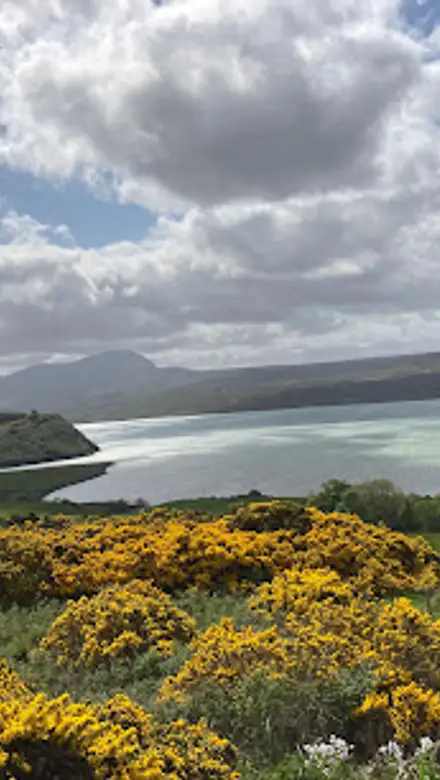
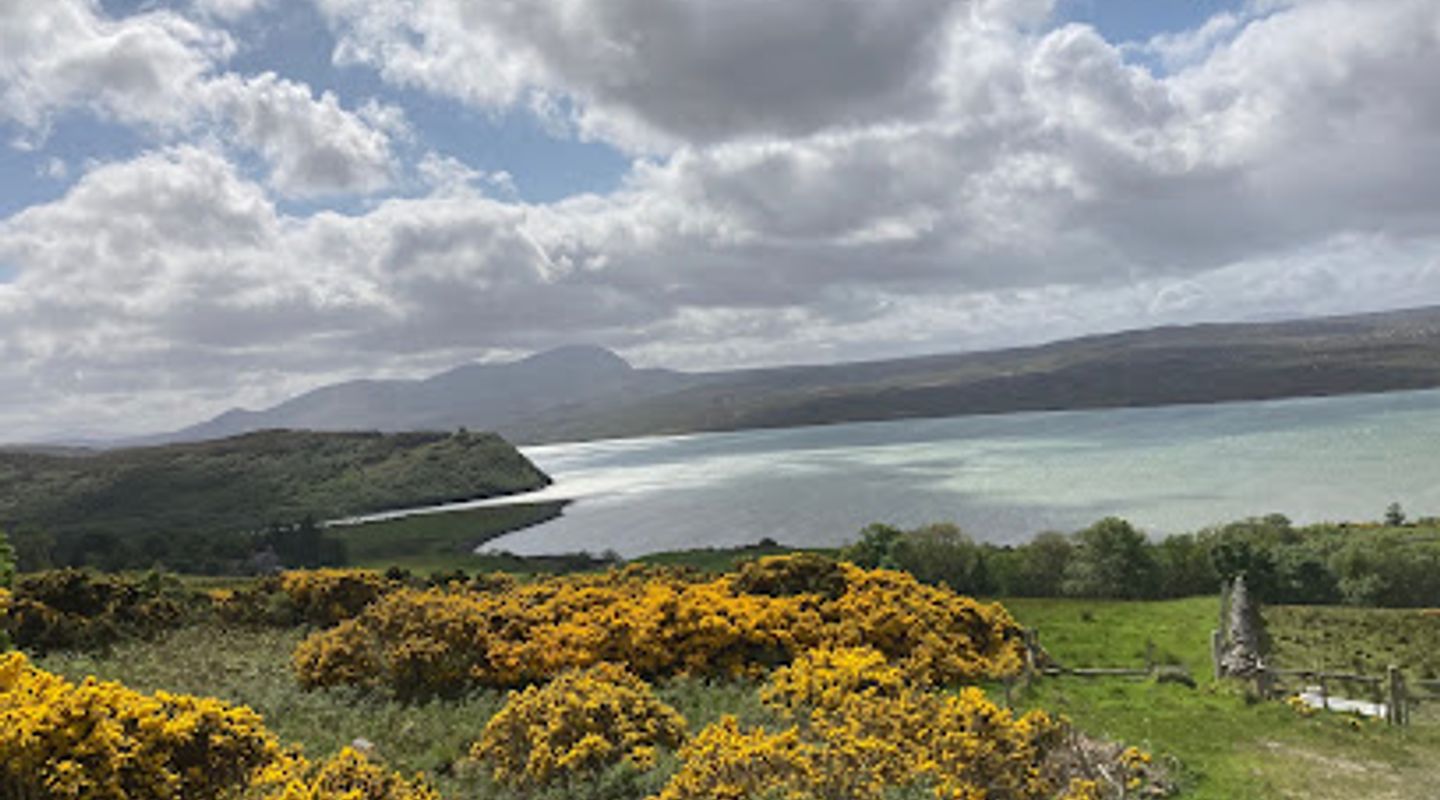
The causeway offers breathtaking panoramic views across the Kyle of Tongue sea loch and towards the surrounding Highland mountains, including notable peaks such as Ben Loyal and Ben Hope. The landscape is characterized by rugged coastlines, rolling hills, and the tranquil waters of the sea loch, making it a favored spot for photographers and nature lovers. At sunrise and sunset, the light casts golden reflections on the water, enhancing the area's natural beauty. Visitors can enjoy the fresh Highland air and the peaceful ambiance while taking in these dramatic vistas.
Wildlife and Coastal Exploration
The area around the causeway is rich in wildlife, with opportunities to spot species such as osprey hunting over the waters. The tidal nature of the loch exposes extensive rocky beaches, sand, rock pools, and shells at low tide, inviting exploration of marine life like anemones and crabs. Walking under the causeway bridge is possible during low tide, especially with suitable footwear. The causeway’s natural environment supports diverse flora and fauna, contributing to its appeal as a tranquil nature escape.
Visitor Experience and Amenities
The Tongue Causeway is accessible by car with two purpose-built parking areas along the route, equipped with information boards detailing local wildlife and landscape features. These spots provide convenient places to pause, take photographs, and appreciate the surroundings. The causeway is open year-round and offers a more direct and scenic alternative to the older coastal road. Its accessibility and amenities make it suitable for a wide range of visitors, including families and wildlife enthusiasts.
Local Cultural Context and Nearby Attractions
Situated in the Scottish Highlands near the village of Tongue, the causeway is part of a region steeped in history and natural heritage. Nearby landmarks include Castle Varrich, Braal Castle, and ancient sites such as Clachtoll Broch. The area is also known for its Gaelic heritage, with Tongue Island (Eilean Thunga) forming part of the causeway’s route. This cultural richness adds depth to the visitor experience, blending natural beauty with historical significance.
Practical Information and Access
The causeway carries the A838 road, connecting Thurso to Durness, and is easily reached by car or local bus services from Lairg. The road is well-maintained and suitable for most vehicles. Walking along the causeway and exploring the shoreline is popular, though caution is advised on slippery rocks and during tidal changes. The site is open 24 hours daily, with no entrance fees, making it an accessible and free attraction for travelers exploring the northern Highlands.
Evendo Review Centre
 Google
Guest reviews
Best time to go
Quietest: Jan, Feb & Dec · before 3am
Busy times are Evendo estimates for a typical year, to help you plan. Actual crowds vary with events, school holidays and the weather.
Explore Tongue Causeway on the map
A handpicked selection of must-see spots near Tongue Causeway, mapped for you.
Get your free copy of our complete guide to Tongue Causeway, delivered straight to you.
Everything on this page, from opening hours and how to get there to Eve’s tips and the best time to go, in one PDF you can read offline, print or share.
Already have an account? Sign in
Your Tongue Causeway guide is ready.
We'll send it to · Not you? Sign out

Getting your guide ready…
We are putting together a fresh copy of the Tongue Causeway guide. This can take up to a minute.
This can take a few moments. If your browser asks, choose Allow so the download can start. You'll find the guide in your Downloads folder.
Nothing happened? Download it again
Sorry, the guide is taking longer than usual. Please try again in a minute, or get it by email instead.
Other nearby places you may find interesting
The closest places of the same kind, if this one is not quite what you had in mind.
-
-
-
-
-


Swipe for more places
More to explore near Tongue Causeway

 Best experiences near Tongue Causeway
 Best hotels near Tongue Causeway
 Best landmarks near Tongue Causeway
 Best attractions near Tongue Causeway
 Best shops near Tongue Causeway
 Best restaurants near Tongue Causeway
 Best bars near Tongue Causeway
Do you manage this location?
Take control to get all the benefits, like improved information, better appearance, and stronger visibility across AI-powered discovery.
Explore more

Explore more of Sutherland
Discover Sutherland, the untamed beauty of the Scottish Highlands, where rugged landscapes, serene lochs, and dramatic coastlines await the adventurous traveler.
Explore Sutherland
Explore more of United Kingdom
Discover the United Kingdom: A blend of rich history, stunning landscapes, and vibrant cities, offering a unique travel experience for every visitor.
Explore United Kingdom