Old Keiss Castle, Caithness Travel Guide
Perched on Caithness cliffs, Old Keiss Castle’s dramatic ruins tell the tale of Sinclair nobility and Scotland’s turbulent history.
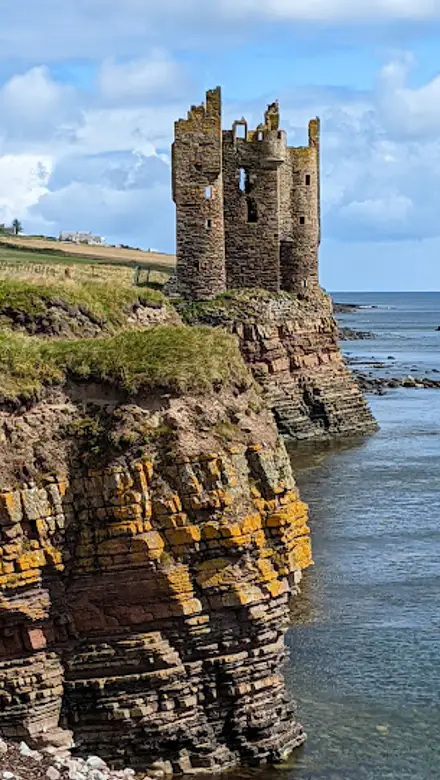
Old Keiss Castle is a dramatic 16th-century ruin perched on cliffs overlooking Sinclair's Bay near Wick in Caithness, Scotland. Once a stronghold of the Sinclair family, it features a distinctive Z-plan tower house design with round towers and bartizans. Though unsafe to enter due to its crumbling condition and cliff erosion, the castle remains a striking historical landmark embodying centuries of Scottish noble history and coastal ruggedness.
A brief summary to Old Keiss Castle
- Wick, Keiss, GB
- Duration: 0.5 to 2 hours
- Free
-
 Outdoor
- Mobile reception: 3 out of 5

Know before you go
Hi, I'm Eve. Here are a few practical things to know before exploring Old Keiss Castle.
- View the castle ruins safely from nearby coastal paths; direct access is unsafe due to cliff erosion.
- Bring a camera for stunning coastal and cliff-top photos of the castle and Sinclair’s Bay.
- Wear sturdy footwear for uneven terrain along the coastal walk near the castle.
- Visit the nearby village of Keiss to explore local fishing heritage and historical sites.
- Check weather conditions before visiting; coastal winds and rain can make the area challenging.
Do you manage this location?
Take control to get all the benefits, like improved information, better appearance, and stronger visibility across AI-powered discovery. Learn more about listing your business on Evendo
Activate your presenceOther nearby places you may find interesting
The closest places of the same kind, if this one is not quite what you had in mind.
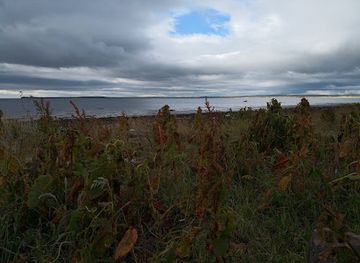
Explore Old Keiss Castle on the Map
A handpicked selection of must-see spots near Old Keiss Castle, mapped for you.
Getting There
-
Car
Driving from Wick to Old Keiss Castle takes approximately 20 to 30 minutes via minor roads east of the A9. Note there is no direct parking at the castle ruins; park in Keiss village and walk along the coastal path. The roads near the castle are private property and inaccessible by car. Fuel costs vary but expect around £5–£10 for a round trip.
-
Bus
Local bus services connect Wick to Keiss village with travel times around 30 to 45 minutes. From Keiss, visitors must walk approximately 1.5 km along coastal paths to reach viewpoints of the castle. Bus fares typically range from £3 to £6 one way. Service frequency is limited, so check schedules in advance.
-
Walking
From Keiss village center, a scenic 20 to 30-minute walk along uneven coastal paths leads to views of Old Keiss Castle. The terrain includes cliffs and natural footpaths, requiring sturdy footwear and caution near edges. This route is not wheelchair accessible.
For the on-the-go comforts that matter to you
-
 Seating Areas
-
 Information Boards
Discover more about Old Keiss Castle
A Fortress of the Sinclairs on the Caithness Coast
Old Keiss Castle stands as a weathered sentinel on the cliffs above Sinclair's Bay, embodying the legacy of the Sinclair family, powerful nobles who shaped Scottish history. Constructed in the late 16th or early 17th century by George Sinclair, the 5th Earl of Caithness, the castle was built atop the foundations of an earlier Viking settlement. Its strategic coastal position allowed it to assert dominance over the region and protect Sinclair lands from rival clans and invaders.Architectural Features and Layout
The castle was originally a Z-plan tower house, rising four storeys with an attic, combining a main rectangular block with two round towers at opposite corners. One tower housed a stairwell capped by a square caphouse, while bartizans—small overhanging turrets—adorned the corners, providing defensive vantage points. The walls, relatively thin and pierced by shot-holes, reflect its dual role as a residence and fortification. Internally, the vaulted basement served storage needs, the first floor contained the great hall, and upper floors were private chambers.Decline and Ruin Amid Coastal Erosion
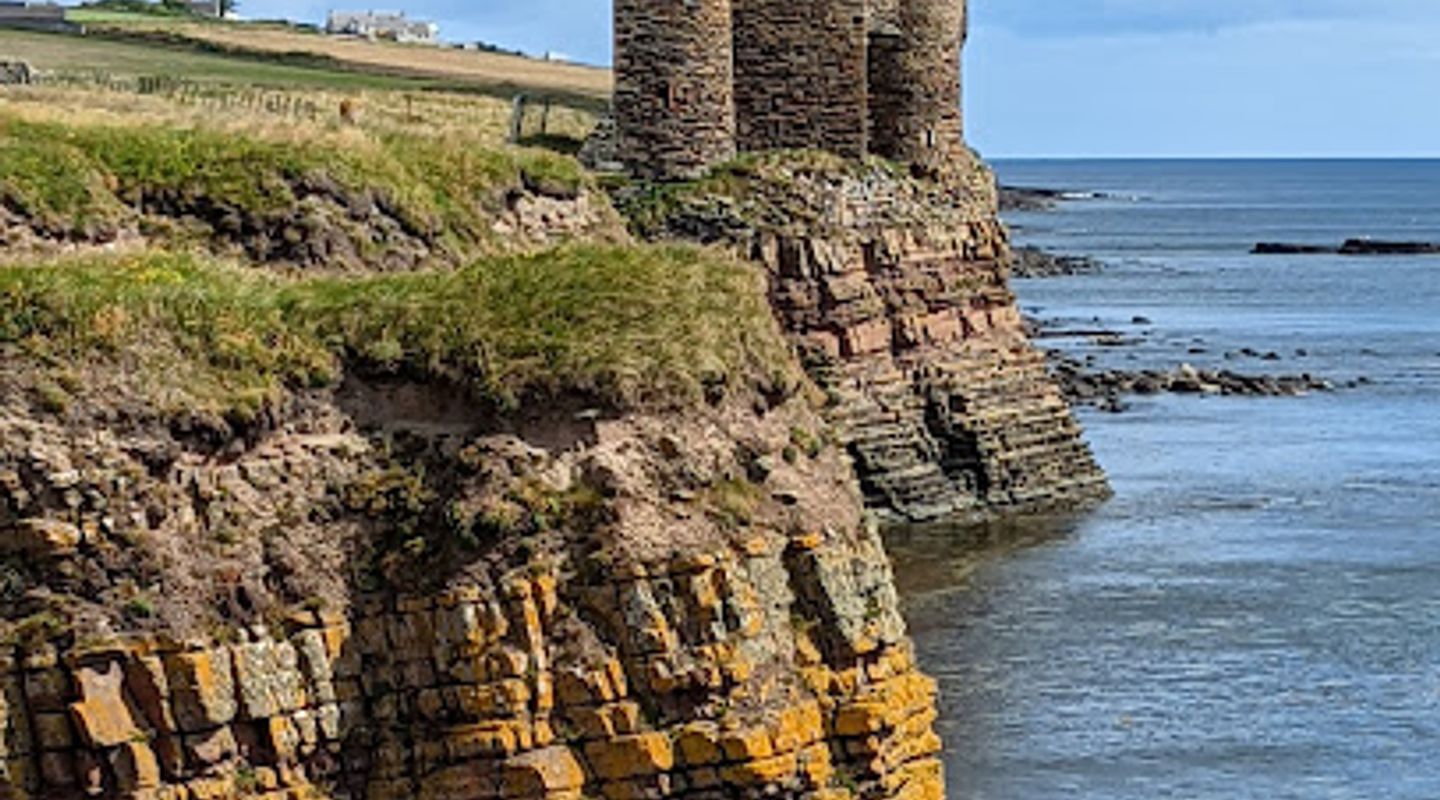
By 1700, Old Keiss Castle was already noted as ruinous, with parts collapsing due to the relentless assault of wind and sea spray. The Sinclairs moved their principal residence to the nearby new Keiss House around 1755, leaving the castle to decay. Over time, the cliff beneath the castle has eroded dangerously, causing further structural collapse and rendering the ruins unsafe for exploration. Today, visitors can admire the castle only from a distance, where it remains an evocative symbol of Caithness’s turbulent past.Historical Significance and Sinclair Legacy
The castle witnessed pivotal moments in Scottish history, including the rise of the Sinclairs and their involvement in major events such as the Battle of Flodden and the Jacobite risings. George Sinclair, the 5th Earl, was instrumental in regaining the Earldom of Caithness in 1681. The castle’s walls have silently observed centuries of clan battles, imprisonments, and political shifts that shaped northern Scotland.Present-Day Experience and Surroundings
Situated on a rugged cliff-top promontory, Old Keiss Castle offers dramatic coastal panoramas and a palpable sense of history. While the ruins themselves are unsafe to enter, the nearby coastal paths provide excellent vantage points for photography and contemplation of the castle’s storied past. The surrounding village of Keiss, with its fishing harbour and historical sites, enriches the visitor experience with local culture and heritage.Preservation Challenges and Visitor Considerations
Due to its precarious cliff-edge location and structural instability, access to the ruins is restricted for safety reasons. Visitors should respect these limitations and enjoy the site responsibly from designated viewpoints. The castle’s ruinous state underscores the challenges of preserving coastal heritage sites exposed to natural erosion and weathering.












Your all‑in‑one travel companion app
Explore expert travel guides, compare and book tours, experiences, hotels, and more—all from the palm of your hand. Download now for seamless trip planning wherever your wanderlust takes you.


Explore More of Caithness
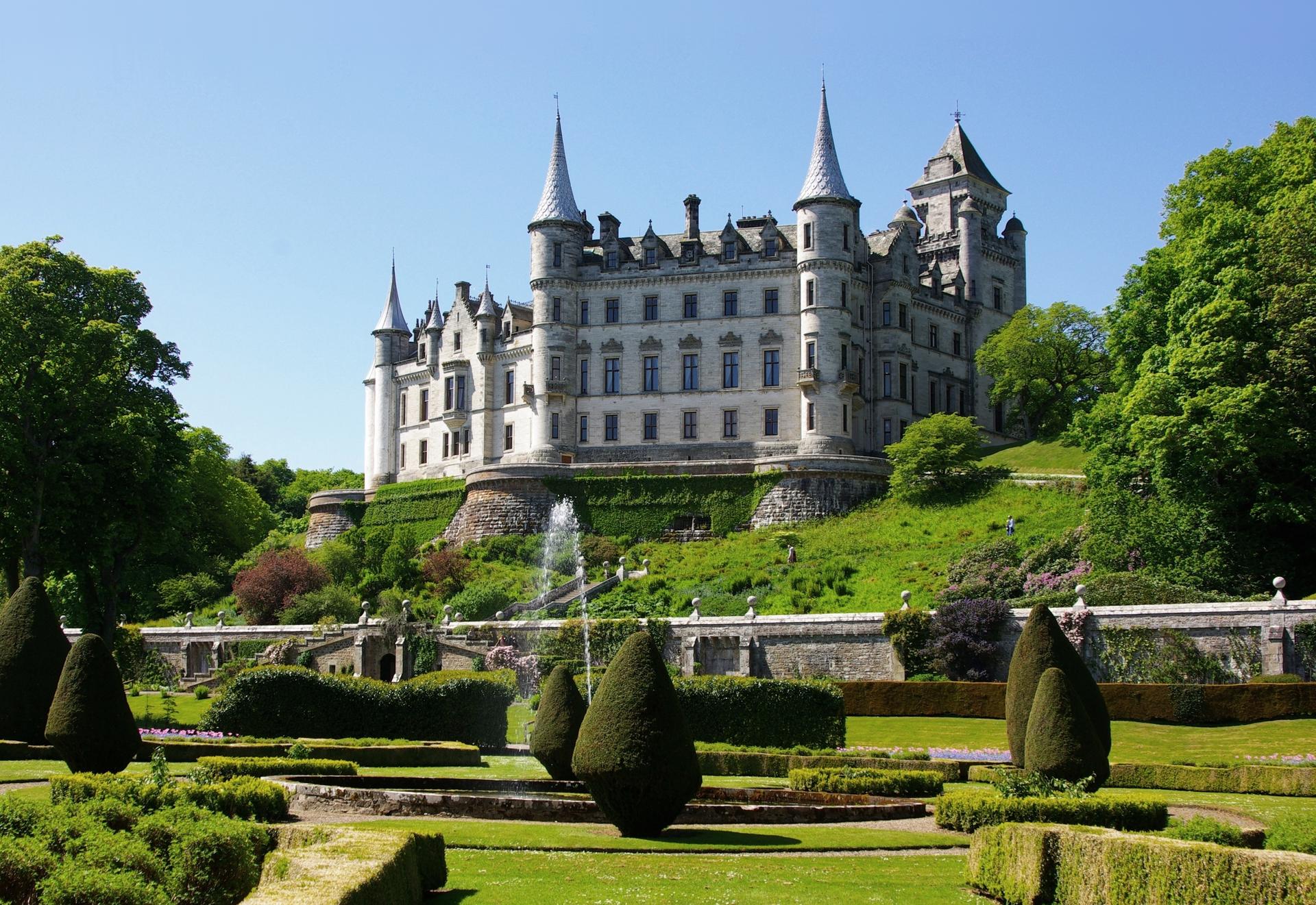
Looking beyond Old Keiss Castle? Discover Caithness for broader travel guides, local hot-spots, and regional highlights.
Explore Caithness