

Trentham Mausoleum, Sutherland Travel Guide
Discover the striking neo-Egyptian Trentham Mausoleum, a Grade I listed monument and final resting place of the Dukes of Sutherland in Stoke-on-Trent.
The Trentham Mausoleum, located in Trentham, Stoke-on-Trent, is a Grade I listed monument built in 1807–08 as the final resting place of the Dukes of Sutherland. Designed by Charles Heathcote Tatham, it showcases a striking neo-classical style with Egyptian influences, featuring ashlar stone construction, Greco-Egyptian pylon-like corners, and a distinctive pyramidal roof tower. Though its interior once housed family catacombs, the mausoleum is now a protected historic landmark with ongoing conservation efforts.
A brief summary to Trentham Mausoleum
- Stone Rd, Stoke-on-Trent, Trentham, GB
- Click to display
- Duration: 0.5 to 1.5 hours
- Free
-
 Outdoor
- Mobile reception: 4 out of 5

Know before you go
Hi, I'm Eve. Here are a few practical things to know before exploring Trentham Mausoleum.
- Visit during early morning or late afternoon for the best natural light to photograph the mausoleum’s intricate architectural details.
- Combine your visit with a stroll through the nearby Trentham Gardens for a fuller experience of the area’s heritage and natural beauty.
- Bring a picnic to enjoy in the gardens surrounding the mausoleum, soaking in the tranquil atmosphere.
- Check local heritage event schedules; occasional guided tours or talks may provide deeper insights into the mausoleum’s history.
Do you manage this location?
Take control to get all the benefits, like improved information, better appearance, and stronger visibility across AI-powered discovery. Learn more about listing your business on Evendo
Activate your presenceOther nearby places you may find interesting
The closest places of the same kind, if this one is not quite what you had in mind.




Explore Trentham Mausoleum on the Map
A handpicked selection of must-see spots near Trentham Mausoleum, mapped for you.
Getting There
-
Car
From central Stafford, drive approximately 20–30 minutes via the A34 and A500 to reach Stone Road in Trentham, Stoke-on-Trent. Free parking is available near the mausoleum, but note that the site is adjacent to a busy road.
-
Public Transport
Take a train from Stafford to Stoke-on-Trent (about 20 minutes). From Stoke-on-Trent station, catch the number 22 or 23 bus towards Trentham, a 20-minute journey. Alight at Trentham Gardens stop and walk a short distance to the mausoleum. Bus fares are approximately £2–£3 one way.
-
Taxi
A taxi ride from Stafford to Trentham Mausoleum takes around 20–25 minutes and costs about £25–£30. Provide the driver with the address Stone Rd, Trentham, Stoke-on-Trent ST4 8NG for direct access.
For the on-the-go comforts that matter to you
-
 Information Boards
-
 Seating Areas
-
 Trash Bins
Discover more about Trentham Mausoleum
Architectural Grandeur Rooted in Neo-Egyptian Style
The Trentham Mausoleum stands as a monumental testament to early 19th-century funerary architecture, designed by Charles Heathcote Tatham in 1807–08. Its ashlar stone construction embodies a neo-classical style enriched with Egyptian motifs, evident in the striped pylon-like structures at the building’s corners. These elements reflect Tatham’s exposure to Parisian architectural trends during the late 18th century. The mausoleum’s entrance is modest yet ornate, featuring wrought-iron decorated doors beneath a heavy stone lintel, crowned by the family coat of arms and the inscription marking its completion in 1808. A small tower with louvered windows and a pyramidal roof surmounts the structure, enhancing its distinctive silhouette.Historical Significance as the Sutherland Family’s Final Resting Place
Commissioned by George Leveson-Gower, the 2nd Marquess of Stafford and later 1st Duke of Sutherland, the mausoleum served as the burial site for the Leveson-Gower family, prominent local aristocrats. Originally, the interior housed catacombs arranged in a Greek Cross plan with vaulted tunnels, where family members were interred. In 1907, the remains were removed from the catacombs and reburied in lead coffins within the mausoleum’s grounds, each grave marked with descriptive tablets. This site stands as a symbol of the family’s legacy and their historical influence in the Trentham area.Conservation Challenges and Preservation Efforts
Despite its architectural and historical importance, the mausoleum has faced significant deterioration due to vandalism and neglect, leading to its inclusion on the Heritage at Risk Register. Conservation efforts have been undertaken, including urgent repairs to the roof structure, masonry restoration, and the installation of protective measures such as re-glazed windows with perforated brass and steel sheeting to prevent damage while allowing ventilation. These works aim to safeguard the mausoleum’s structural integrity and aesthetic features, ensuring its preservation for future generations.Setting and Surrounding Environment
Situated opposite the main gates of Trentham Gardens on Stone Road, the mausoleum occupies a somewhat constrained urban setting near a busy roadway. Despite this, it remains a striking presence, contrasting with the lush greenery of the nearby gardens. The interior’s somber atmosphere, shaped by its vaulted tunnels and Greek Cross layout, evokes a reflective mood, while the exterior’s monumental form commands attention. The mausoleum is the only Grade I listed building in Stoke-on-Trent, underscoring its cultural and architectural significance within the region.Visitor Experience and Cultural Context
Visitors to the Trentham Mausoleum encounter a unique blend of architectural artistry and historical narrative. The neo-Egyptian style offers a rare glimpse into early 19th-century funerary design trends influenced by classical antiquity and Egyptian revivalism. The mausoleum’s connection to the Dukes of Sutherland enriches its cultural resonance, linking it to the broader history of British aristocracy and landownership. While the interior is not generally open to the public, the exterior and surrounding area provide a contemplative space for appreciating this heritage landmark.Legacy and Community Engagement
The mausoleum’s future depends on continued conservation and community interest. Local campaigns and heritage organizations have highlighted the importance of restoring the structure to its former grandeur. Its status as a Grade I listed building ensures legal protection, but funding and maintenance remain ongoing challenges. The mausoleum also contributes to the identity of Trentham and Stoke-on-Trent, serving as a tangible link to the area’s aristocratic past and architectural heritage.












Your all‑in‑one travel companion app
Explore expert travel guides, compare and book tours, experiences, hotels, and more—all from the palm of your hand. Download now for seamless trip planning wherever your wanderlust takes you.


Explore More of Sutherland
Looking beyond Trentham Mausoleum? Discover Sutherland for broader travel guides, local hot-spots, and regional highlights.
Explore Sutherland
Discover peaceful woodland and heathland trails with stunning Staffordshire views at Downs Banks, a cherished National Trust nature reserve.
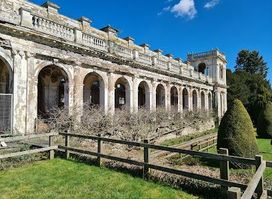
Explore 725 acres of award-winning gardens, woodland adventures, and charming shopping at Trentham Estate, a year-round destination for all ages.
