
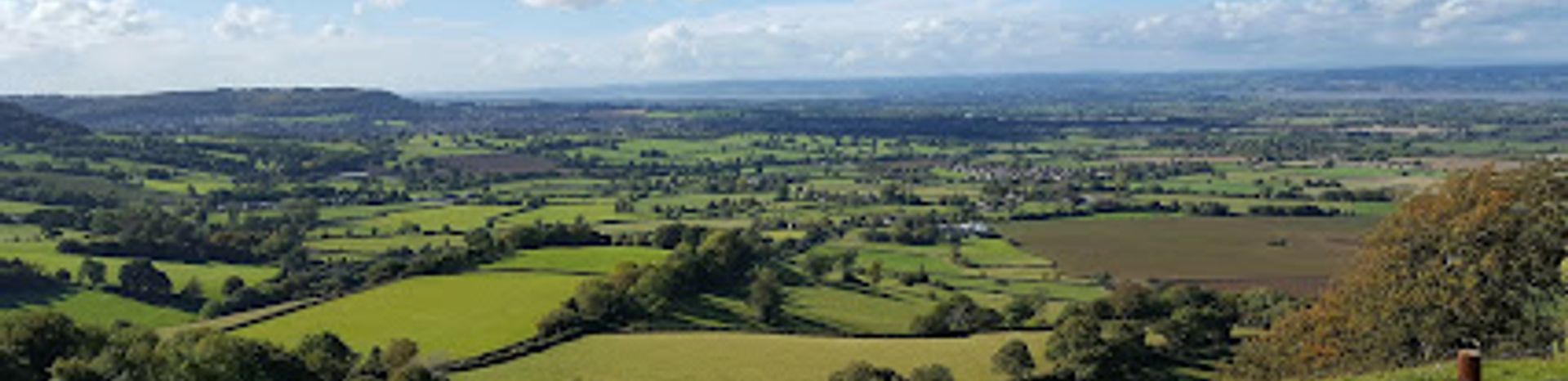
Nympsfield Long Barrow
Five millennia of mystery: a Neolithic burial mound where ancient ritual meets Cotswold legend.
A 5,000-year-old Neolithic burial mound perched on a spectacular Cotswold hilltop, Nympsfield Long Barrow stands as one of Britain's most significant prehistoric monuments. This chambered tomb, part of the Cotswold-Severn group, reveals the burial practices and ritual beliefs of early farming communities through its partly exposed chambers and archaeological finds. Free to visit year-round, it offers breathtaking countryside views and a tangible connection to Britain's ancient past.
A brief summary to Nympsfield Long Barrow
- Cotswold Way, Gloucestershire, GL11 5AU, GB
- +443703331181
- Visit website
- Duration: 0.75 to 2.5 hours
- Free
-
 Outdoor
- Mobile reception: 3 out of 5
Local tips
- Visit on a clear day to fully appreciate the panoramic views across the Severn Valley and toward Wales. The hilltop location makes weather conditions particularly important for the visual experience.
- Bring a picnic and plan to spend time at the benches nearby. The peaceful setting and countryside views make this an ideal spot for a leisurely meal away from crowds.
- Combine your visit with a walk along the Cotswold Way, which passes directly by the barrow. The surrounding landscape offers excellent hiking opportunities with multiple nearby archaeological sites.
- Dogs are welcome, making this an excellent destination for pet owners. The open hilltop setting provides plenty of space for dogs to explore safely.
- Allow time to read the interpretive sign carefully and observe the exposed interior chambers. Understanding the layout and burial practices deepens appreciation for this 5,000-year-old monument.

For the on-the-go comforts that matter to you
- Picnic Areas
- Seating Areas
- Trash Bins
- Information Boards
Getting There
-
Car via B4066
From Uley town center, drive north on the B4066 for approximately 2 miles. The barrow is signposted off the main road near the Cotswold Way footpath. Free parking is available at the site. Journey time from Uley is approximately 5–10 minutes depending on traffic. The approach is suitable for standard vehicles, though campervans may encounter height restrictions in the parking area.
-
Walking via Cotswold Way
The barrow sits directly alongside the Cotswold Way long-distance footpath. From Uley, the walk to Nympsfield is approximately 2 miles and takes 45–60 minutes on well-maintained trail. The route involves moderate uphill sections with rewarding views. The path is accessible year-round, though muddy conditions are common in winter months. This option is ideal for hikers combining the barrow with longer Cotswold Way walks.
-
Bus from Stroud
Local bus services operate from Stroud town center to villages near Uley, approximately 4 miles south of the barrow. Journey time is 20–30 minutes depending on service. From the bus stop, a 2-mile walk via country lanes or the Cotswold Way leads to the site. Bus services are less frequent in winter; check local schedules before traveling. This option suits those without personal transport.
-
Cycling via country lanes
The barrow is accessible by bicycle from Uley and surrounding villages via quiet country lanes and bridleways. The route from Uley is approximately 2 miles with moderate elevation gain. Journey time is 15–20 minutes. The final approach may involve unpaved surfaces; a hybrid or mountain bike is recommended. This option offers flexibility and a closer connection to the landscape.
Nympsfield Long Barrow location weather suitability
-
 Any Weather
-
 Clear Skies
Discover more about Nympsfield Long Barrow
A Window into Neolithic Ritual and Burial Practice
Nympsfield Long Barrow represents one of Britain's finest examples of Neolithic monumental architecture, constructed around 2800 BC during the New Stone Age. This oval-shaped earthen mound, measuring approximately 37 meters in length, was built by early farming communities as a communal burial and ritual site. The barrow's distinctive design features two projecting horns flanking a large forecourt, architectural elements that archaeologists believe served ceremonial purposes for the communities who used this sacred space. Over the course of two centuries, the barrow functioned as a repository for the dead, accumulating the remains of at least 22 individuals, including children who were given special burial treatment in separate stone cists.Archaeological Discoveries and Material Culture
Successive excavations conducted in 1862, 1937, and 1974 have unveiled a rich array of artifacts that illuminate the daily lives and beliefs of Neolithic peoples. Among the finds were fragments of pottery, flint arrowheads, and a remarkable perforated dog whelk shell pendant—a marine ornament that speaks to far-reaching trade networks connecting coastal and inland communities. The discovery of a child's skeleton enclosed in a stone cist within the northern burial chamber suggests that age and status influenced burial practices, with younger individuals receiving distinctive treatment. Evidence of ritual fires, hematite pigment, and pig bones scattered throughout the chambers indicates that ceremonies and feasting accompanied the use of this sacred site, transforming it into a place where the living honored their dead and reinforced community bonds.Legends, Folklore, and Local Mystique
Beyond its archaeological significance, Nympsfield has long captured the imagination of local communities through a tapestry of folklore and legend. Medieval accounts claimed the site served as a refuge for lepers, a narrative that reflects how later generations reinterpreted this ancient monument through the lens of their own concerns. More whimsical tales describe the stones as possessing supernatural agency—stones said to move of their own volition, rolling down and up the nearby hills in defiance of natural law. One particularly vivid legend recounts a man who attempted to steal a stone from the barrow, only to be driven to return it when the stone began to wail in protest. These stories, passed down through centuries, demonstrate how prehistoric monuments become woven into the cultural memory and imaginative landscape of a region, acquiring layers of meaning that extend far beyond their original purpose.The Hilltop Setting and Panoramic Vistas
Perched on a commanding hilltop in the Gloucestershire countryside, Nympsfield Long Barrow occupies one of the most visually striking locations of any Neolithic monument in Britain. From this elevated position, visitors are rewarded with breathtaking panoramic views stretching across miles of the Severn Valley, encompassing the rolling Cotswold landscape and, on clear days, extending toward Wales. The barrow's placement was almost certainly deliberate, chosen not merely for practical reasons but to position this monument as a visible landmark on the horizon, a permanent marker of ancestral presence and territorial identity. The surrounding landscape, accessible via the Cotswold Way long-distance footpath, invites exploration and contemplation, making the site an ideal destination for those seeking to connect with both natural beauty and deep history.Access and Visitor Experience
Nympsfield Long Barrow remains freely accessible to visitors throughout the year, with no entrance fees or time restrictions. The site features a single interpretive sign that explains the barrow's history and significance, allowing visitors to engage in self-guided exploration at their own pace. The partly exposed interior chambers, with the capstone removed, offer a rare opportunity to observe the internal layout of a Cotswold-Severn type barrow—a privilege not afforded at many comparable sites. Free parking is available nearby, along with picnic benches that allow visitors to linger and absorb the atmosphere. The site welcomes families, dog walkers, and solitary pilgrims alike, serving as both an educational resource and a peaceful retreat where the boundary between archaeology, landscape, and personal reflection becomes beautifully blurred.Iconic landmarks you can’t miss

Walk The Cotswolds
5.4 km
Explore the Cotswolds' breathtaking landscapes and charming villages with Walk The Cotswolds, your gateway to England's picturesque countryside adventures.
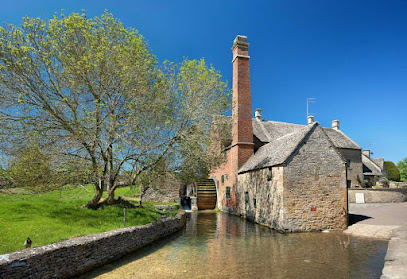
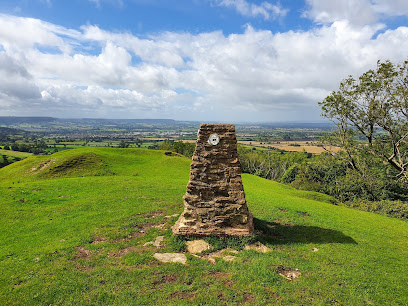
Haresfield Topograph
7.9 km
A three-dimensional map landmark on the Cotswold escarpment with panoramic views toward Wales.
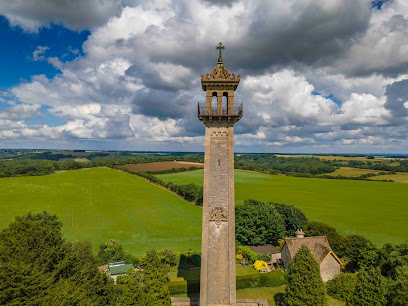
Somerset Monument
13.8 km
A towering Victorian tribute to Lord Robert Edward Somerset, commanding panoramic views over the historic Cotswold landscape.
Eastgate viewing chamber
17.5 km
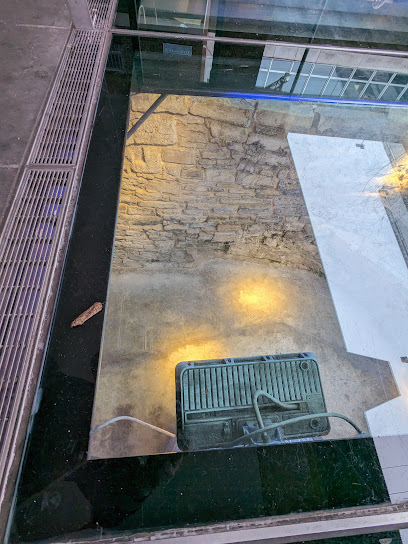
Discover Gloucester’s ancient Roman and medieval city defenses through a unique underground viewing chamber beneath Eastgate Street.
Visit Cotswolds Online
18.1 km
Explore the enchanting Cotswolds, where rolling hills, historic villages, and breathtaking landscapes await every traveler seeking an unforgettable adventure.
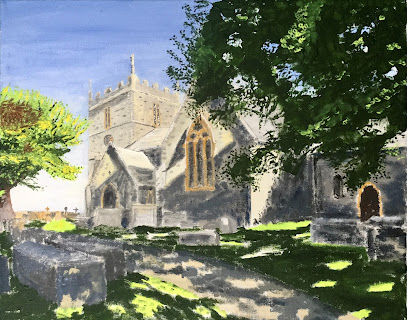
Gloucestershire Historic Churches Trust
18.1 km
Explore the rich ecclesiastical heritage of Gloucestershire through its historic churches, showcasing stunning architecture and engaging community initiatives.
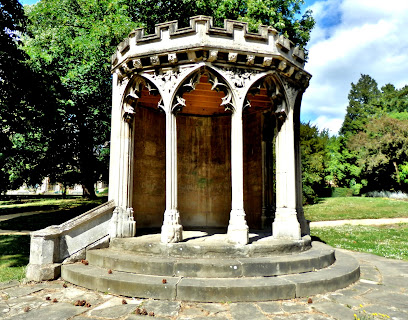
King's Board
18.3 km
Discover the historical allure of King's Board, a charming landmark in Gloucester that showcases rich heritage and stunning architecture.
Over Bridge
18.4 km
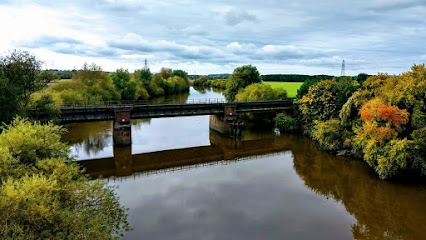
Historic stone arch bridge by Thomas Telford, offering scenic river views and a glimpse into 19th-century engineering near Gloucester.
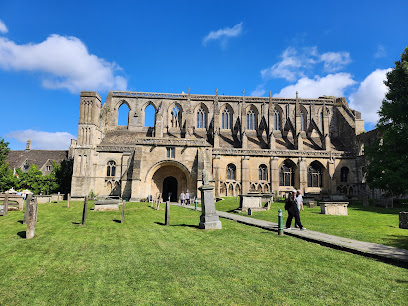
Malmesbury Abbey
19.7 km
Discover the rich history and stunning architecture of Malmesbury Abbey, a must-visit landmark showcasing England's medieval heritage and tranquility.
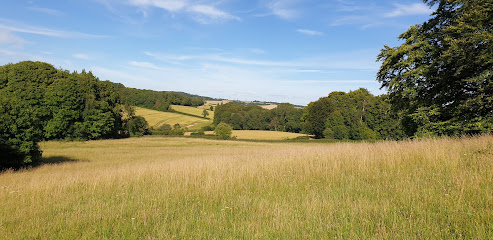
Barber wood
21.4 km
Experience the tranquility of Barber Wood, a nature reserve near Cheltenham, perfect for families and nature lovers seeking a peaceful outdoor escape.
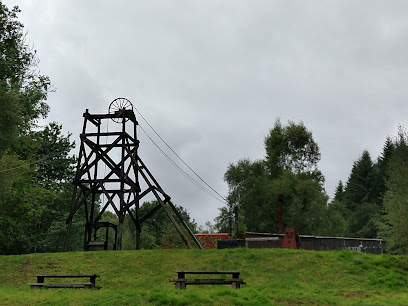
Hopewell Colliery
21.6 km
Explore the historical depths of Hopewell Colliery in the Forest of Dean, where mining heritage meets scenic beauty and family fun.
Cirencester Park
22.0 km
Discover Cirencester Park: A historical gem in the Cotswolds offering expansive gardens, serene woodlands, and breathtaking views for every nature lover.
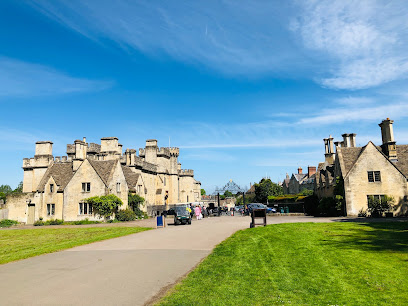
May Hill
22.2 km
Explore the breathtaking beauty of May Hill, a mountain peak in Longhope offering stunning views, hiking trails, and a serene escape into nature.
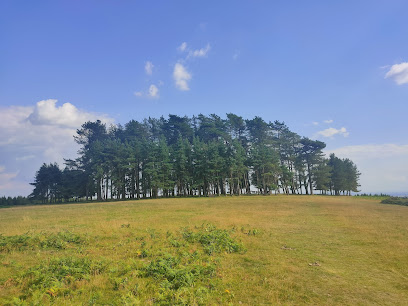
Jet Age Museum
22.3 km
Discover the rich history of British aviation at the Jet Age Museum, where technology meets nostalgia in a captivating experience.

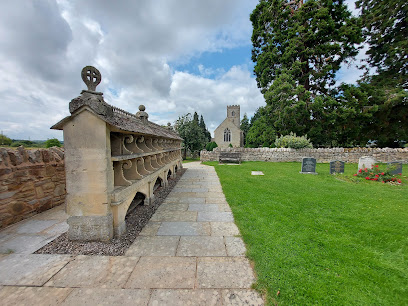
The Bee Shelter, Hartpury
22.4 km
Discover Hartpury’s unique 19th-century Bee Shelter, a stunning stone monument celebrating Gloucestershire’s rich beekeeping heritage and Victorian craftsmanship.
Unmissable attractions to see

Coaley Peak
0.1 km
Coaley Peak offers sweeping Cotswold views, ancient Neolithic heritage, and vibrant wildflower meadows on a tranquil hilltop reserve.
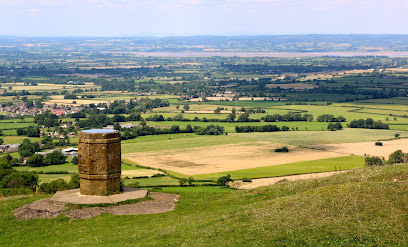
Uley Long Barrow (Hetty Pegler's Tump)
1.3 km
Explore a 5,000-year-old Neolithic burial mound with ancient chambers and stunning Severn Valley views at Uley Long Barrow, Gloucestershire.
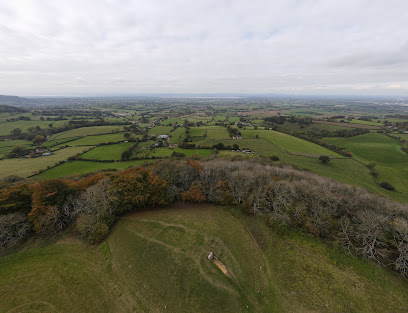
Woodchester Mansion Trust
1.5 km
A hauntingly beautiful, unfinished Victorian Gothic mansion hidden in a tranquil Cotswold valley, offering a rare glimpse into architectural ambition and a haven for rare bats.
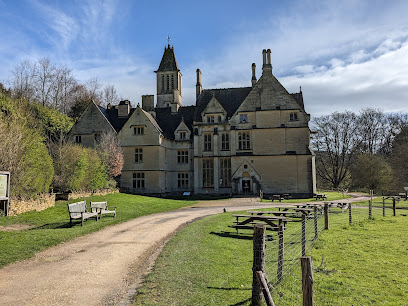
National Trust - Woodchester Park
2.3 km
Secluded Cotswolds valley with lakes, wildlife, historic boathouse, family trails, and scenic café views in a National Trust haven.
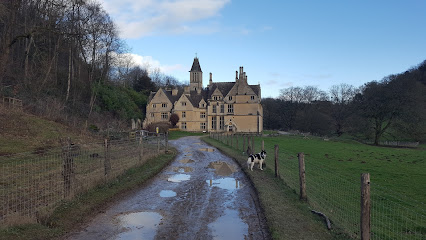
Cam Peak
3.4 km
Discover Cam Peak’s breathtaking views, wildflower meadows, and ancient hillfort on a scenic Cotswold Way walk near Dursley.
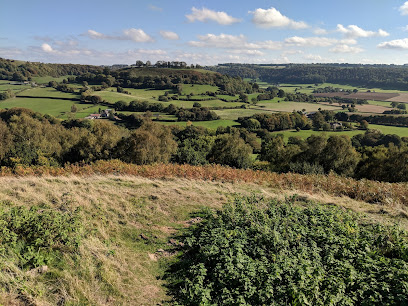
Selsley Common
3.9 km
Explore Selsley Common’s ancient limestone grassland with rare orchids, historic barrows, and sweeping views over the Severn Valley in the Cotswolds.
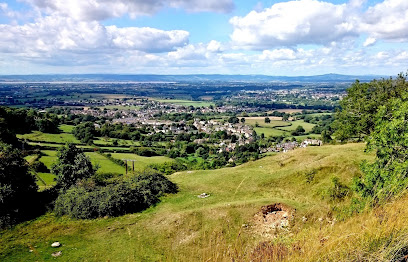
Visit The Cotswolds
6.2 km
Your essential gateway to exploring the scenic beauty, heritage, and charm of England’s Cotswolds National Landscape.
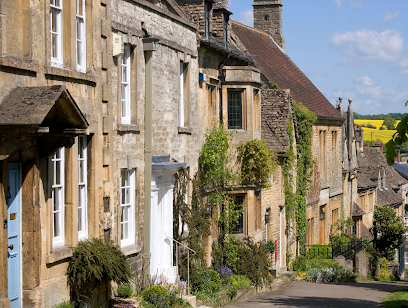
Museum in the Park
6.8 km
Explore Stroud’s heritage and art in a historic wool merchant’s house, with engaging exhibits and a serene Walled Garden in Stratford Park.
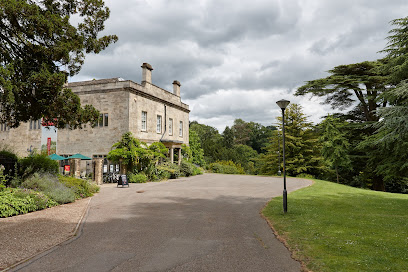
Sim's Clock
6.8 km
Explore the historical Sim's Clock in Stroud, a charming landmark that reflects the town's rich heritage and vibrant community spirit.
Made In Stroud
6.9 km
Discover authentic handmade gifts and local artisan treasures in the heart of Stroud’s creative community.

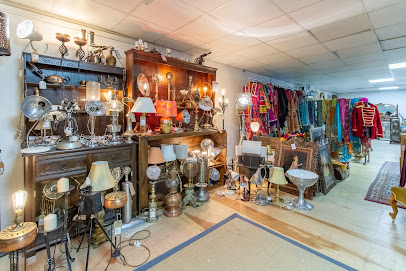
The Malthouse Collective
7.2 km
Discover timeless antiques and artisan crafts in Stroud’s vibrant Malthouse Collective, where history and creativity unite.
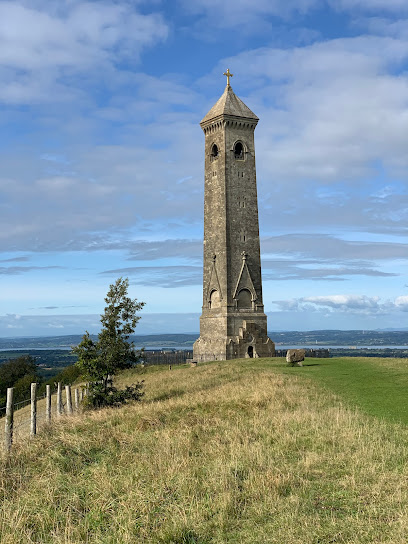
William Tyndale Monument
7.6 km
Explore the William Tyndale Monument, a historic tribute to the English Reformation, offering stunning views and a serene hiking experience.
Haresfield Beacon & Standish Wood - National Trust
8.0 km
Discover sweeping Cotswold views and ancient woodlands atop the dramatic Haresfield Beacon escarpment near Stonehouse.
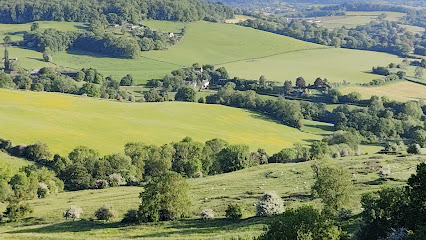
Ozleworth Park
8.2 km
Discover the serene beauty and historic charm of Ozleworth Park, a tranquil Cotswold escape with lush gardens and a unique circular graveyard.
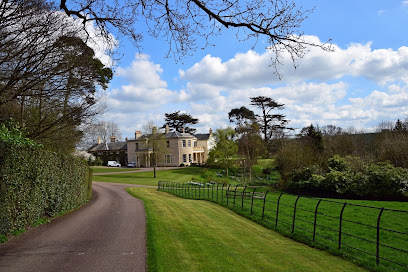
National Trust - Newark Park
8.3 km
A Tudor hunting lodge turned Georgian country house, perched on the Cotswold edge with sweeping views, historic interiors, and 700 acres of parkland and gardens.
Essential places to dine

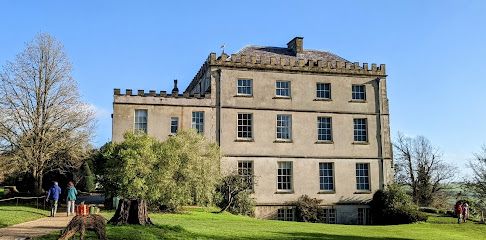
Wilder
5.8 km
Discover an intimate fine dining adventure in Nailsworth with inventive tasting menus and expertly paired wines at Wilder.
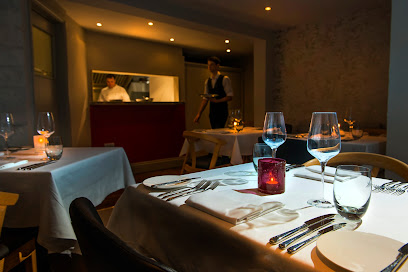
The Long Table
7.4 km
A pay-as-you-can community restaurant in Stroud serving locally sourced meals that nourish both body and spirit.
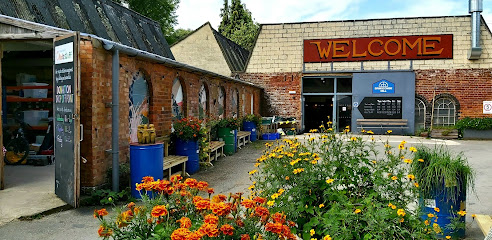
Fagin's
11.7 km
A charming family-friendly English pub in Brookthorpe serving hearty steaks, classic carveries, and warm hospitality in a relaxed setting.
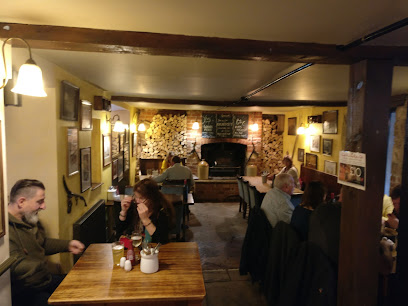
Miller & Carter Gloucester
13.0 km
Experience expertly cooked steaks and warm hospitality at Miller & Carter Gloucester in the heart of Quedgeley’s Olympus Park.
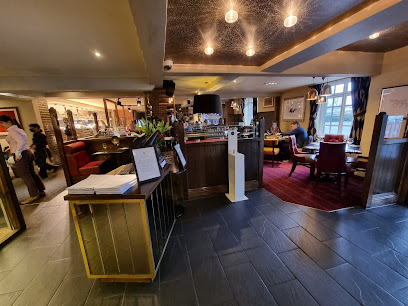
The Bell at Sapperton
15.5 km
Historic Cotswold inn blending seasonal British fare, a renowned wine wall, and cozy accommodations in the heart of picturesque Sapperton village.

Eat Unique
16.5 km
A peaceful village restaurant in Churcham, Gloucester, offering distinctive dishes in a cozy, rural setting.
Côte Gloucester
17.1 km
Modern French brasserie offering refined cuisine and warm service in Gloucester Quays, now closed but fondly remembered.
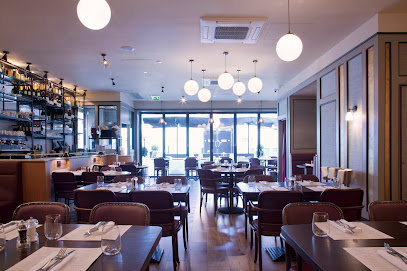
Bill's Gloucester Quays Restaurant
17.1 km
A relaxed, modern British restaurant at Gloucester Quays, perfect for a post-shopping meal or casual catch-up with friends and family.
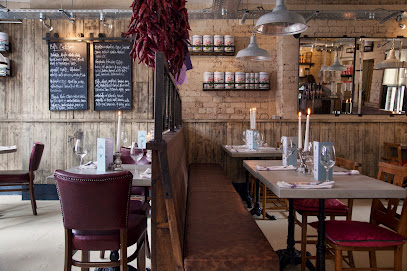
The Tall Ship
17.2 km
Historic Grade II listed pub in Gloucester Docks offering excellent British food, great beer, live music, and a lively social atmosphere.
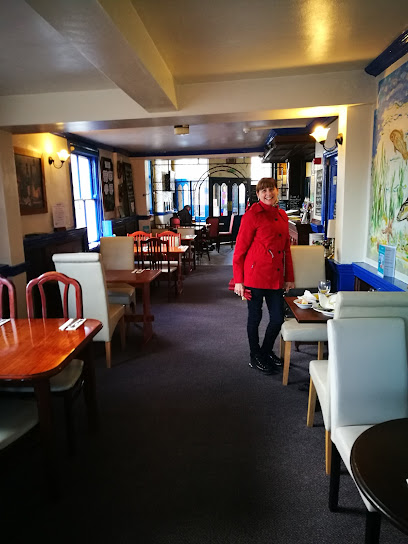
The Barge
17.2 km
A cozy family-run spot in Gloucester Docks serving hearty English classics with a welcoming bring-your-own-drinks policy.
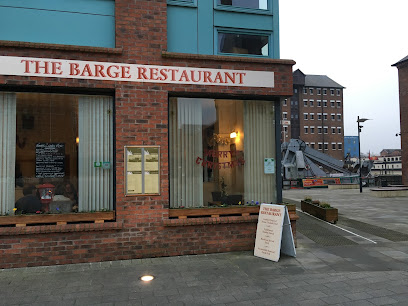
Settebello Trattoria
17.3 km
Experience authentic Italian flavors with panoramic dockside views at Gloucester’s beloved Settebello Trattoria.
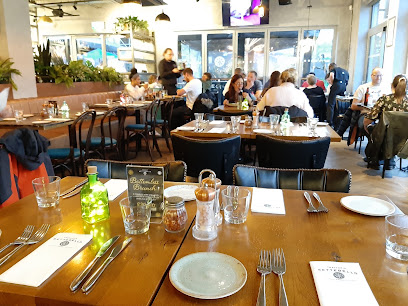
Greek on the Docks
17.3 km
Experience authentic Greek cuisine and vibrant Mediterranean flavors with stunning waterfront views in the heart of Gloucester Docks.
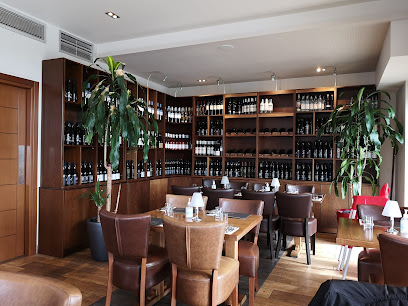
Aroma
17.4 km
Authentic Indian and Bangladeshi flavors served with impeccable hospitality in the heart of Gloucester’s historic Southgate Street.
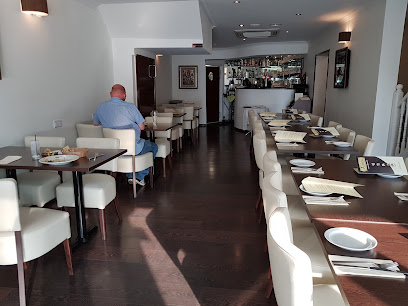
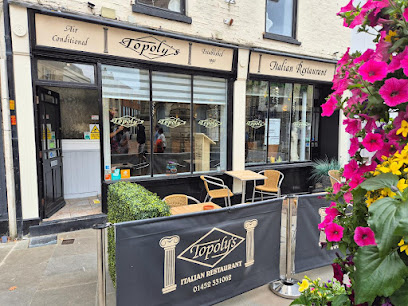
Topoly's
17.4 km
Authentic family-run Italian dining in the heart of Gloucester, serving fresh homemade dishes since 1990 in a lively, welcoming atmosphere.
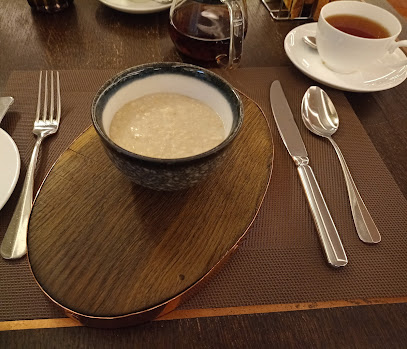
Grey's Brasserie
17.5 km
Sophisticated yet relaxed dining at Whatley Manor, featuring globally inspired small plates and traditional Sunday roasts in a stunning Cotswolds setting.
Markets, malls and hidden boutiques

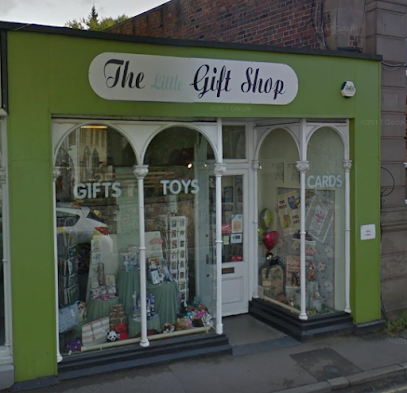
The Little Gift Shop
5.9 km
Curated gifts and local treasures in the heart of Nailsworth's independent retail scene.
Duffle Vintage
6.9 km
Authentic 60s and 70s vintage fashion in intimate, inspiring room settings.

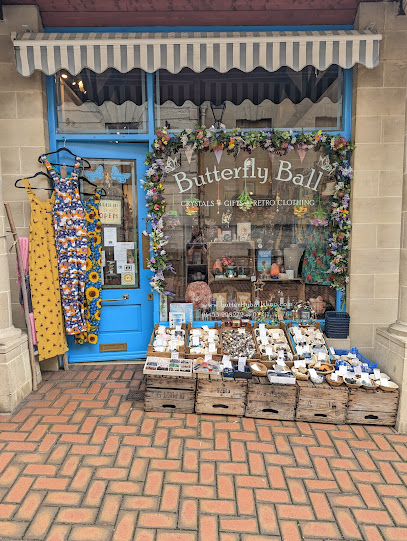
Butterfly Ball
6.9 km
Discover mindful gifts and spiritual treasures in Stroud’s welcoming Butterfly Ball shop, a hub for creativity and community since 2011.
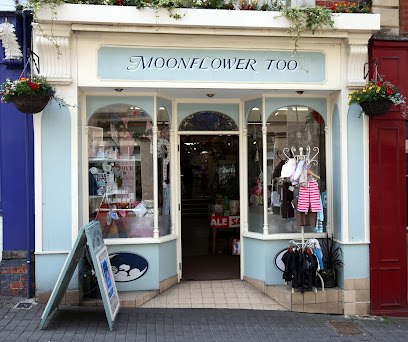
Moonflower Too
6.9 km
A vibrant gift shop in Stroud’s historic High Street, blending unique homewares with local charm and ethical brands.
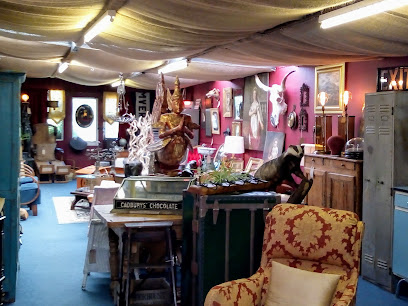
Adana Collective Antiques
7.1 km
Discover timeless treasures and beautiful antiques at Adana Collective, a curated gem in Stroud’s vibrant Salmon Springs Trading Estate.
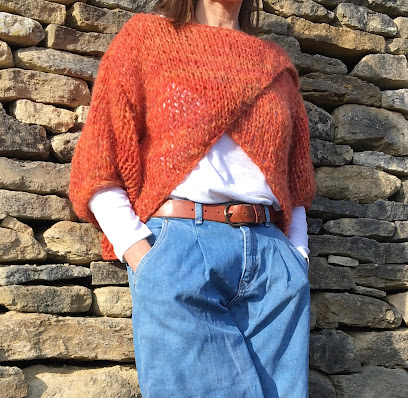
Handmade Cotswolds
10.5 km
Discover exquisite handmade crafts and unique artisan gifts in the heart of Stroud’s vibrant Cotswolds community.
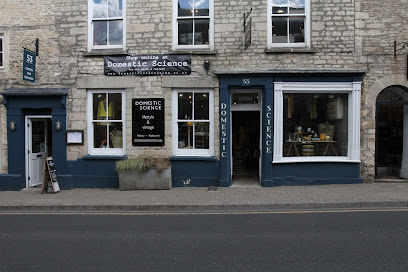
Domestic Science
12.4 km
Discover curated vintage treasures and contemporary homewares in a charming Georgian townhouse at the heart of Tetbury.
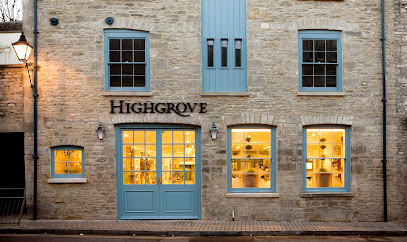
Highgrove Shop - Tetbury
12.6 km
Exclusive royal estate boutique offering sustainable crafts, fine china, and artisan gifts inspired by King Charles III’s Highgrove Gardens.
Cotswold Creates
16.6 km
Discover unique artisan gifts and handcrafted treasures that capture the heart of the Cotswolds in Gloucester’s welcoming Cotswold Creates.

Gloucester Quays
16.9 km
Discover designer bargains and festive charm at Gloucester Quays, a lively waterfront outlet set within historic docks.
Gift Company
17.0 km
Discover unique gifts and charming homeware at The Gift Company, nestled in the vibrant Gloucester Quays outlet by the historic docks.

Upstairs Downstairs
17.4 km
Discover Gloucester’s charming antique shop with unique collectibles and a cozy tearoom serving homemade treats.
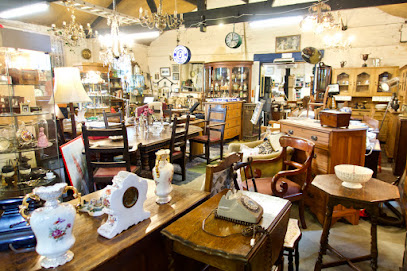
King's Walk
17.5 km
Gloucester’s central shopping destination featuring popular high street brands and convenient dining in a lively city centre setting.
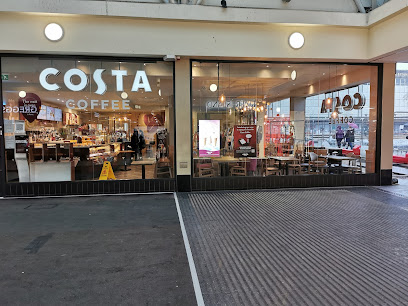
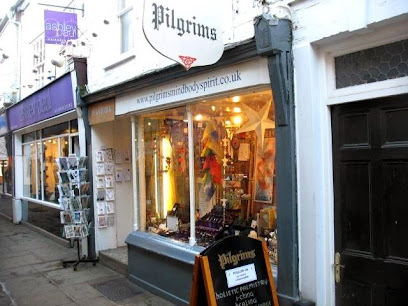
Pilgrims Gloucester
17.7 km
Discover unique gifts and a cosy, atmospheric shopping experience in the heart of historic Gloucester.
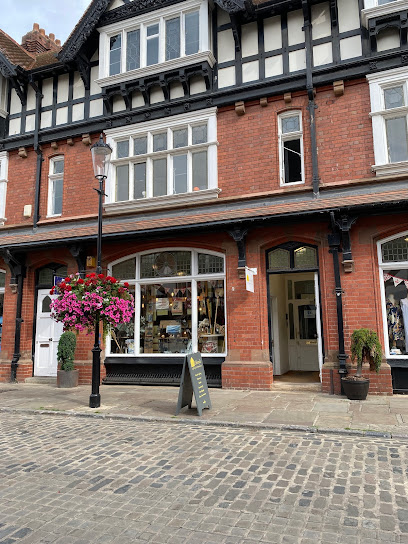
L&S Lifestyle
17.8 km
Discover unique gifts and stylish finds in a cozy boutique setting at L&S Lifestyle, Gloucester’s charming gift shop on College Street.
Essential bars & hidden hideouts

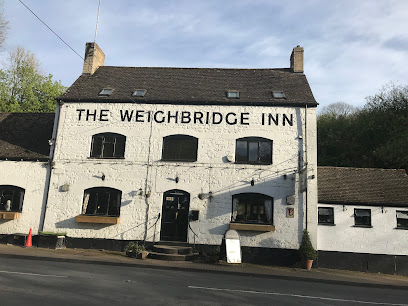
The Weighbridge Inn
7.1 km
Historic 17th-century Cotswolds pub famed for its unique 2in1 pies, local ales, and warm, rustic charm.
Cotswold Mobile Bar Hire
10.0 km
Bringing bespoke, fully stocked mobile bars with rustic charm and quirky inflatable pubs to your Cotswold events.
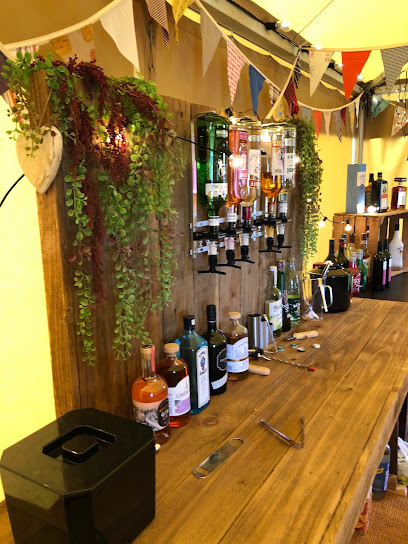
The Bumble Bee
11.8 km
A charming gastropub in Gloucester blending traditional warmth with quality seasonal dining and real ales in a relaxed setting.
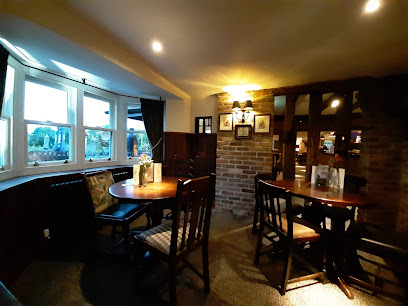
Barn Owl
12.5 km
A friendly, family- and dog-welcoming pub in Quedgeley offering classic British fare, cask ales, and a warm, spacious setting with outdoor gardens.
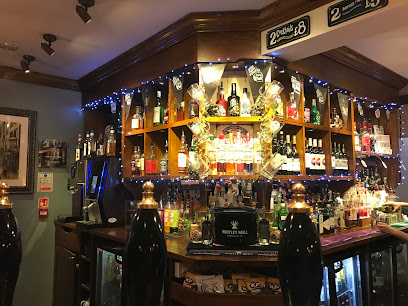
Three Oaks Inn
15.5 km
A welcoming gastropub in Gloucester’s Robinswood, blending traditional charm with modern comfort and community spirit.
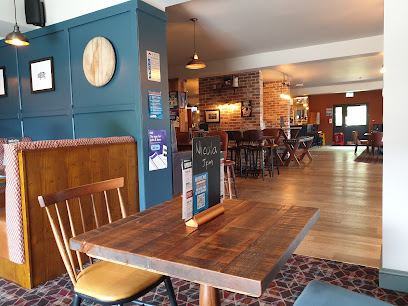
Avenue
15.8 km
A lively, dog-friendly pub in Gloucester serving classic fare and drinks in a welcoming Victorian setting with a vibrant community spirit.
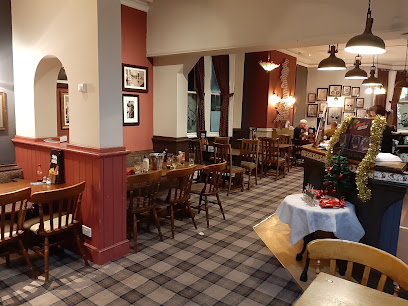
Brewhouse & Kitchen - Gloucester Quays
17.1 km
A vibrant gastropub and microbrewery at Gloucester Quays offering craft beers, hearty meals, and waterfront views in a lively, modern setting.
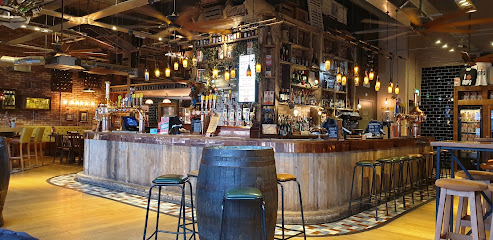
TANK
17.1 km
Discover Gloucester’s premier craft beer bar with a lively atmosphere, local brews, stonebaked pizzas, and a welcoming beer garden in the historic docks.
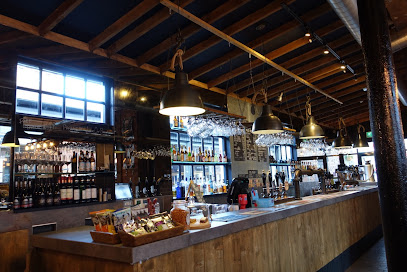
One Eyed Jacks
17.3 km
A vibrant traditional pub in Gloucester blending classic charm with lively entertainment and friendly atmosphere.
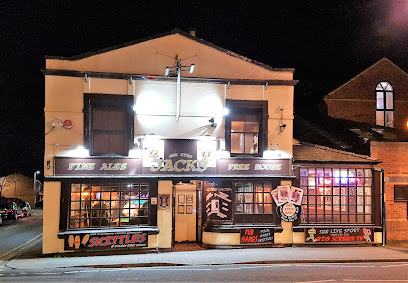
Devoted Deluxe - Mobile Bar Hire
17.3 km
Elegant mobile bar hire in Gloucester delivering bespoke cocktails and personalized service for every special occasion.

Our House Bar
17.4 km
A vibrant cocktail and wine bar in Gloucester Docks offering curated drinks and a welcoming atmosphere for memorable nights out.
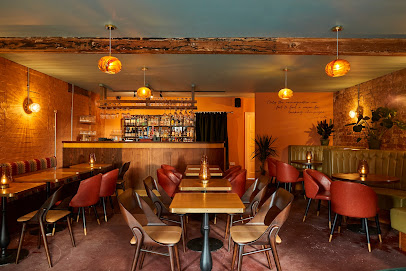
Café René
17.5 km
A lively Gloucester pub and restaurant blending historic charm, award-winning food, and vibrant live music in the city centre.
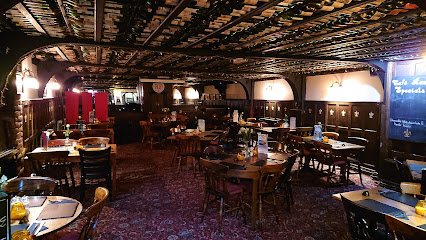
The Drunken Duck
17.7 km
A vibrant Gloucester pub blending unique space, exceptional beers, and a welcoming atmosphere for all to enjoy.
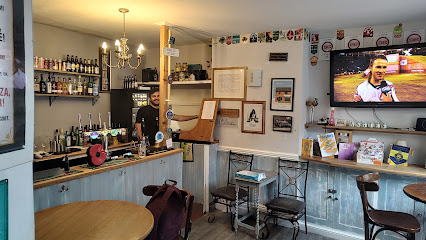
The Sword Inn Gloucester
17.7 km
Historic Gloucester pub blending tradition, community spirit, and lively sports in a welcoming city centre setting.
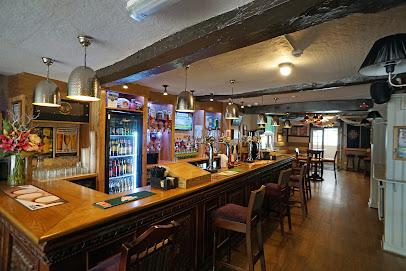
The Fountain Inn
17.7 km
Charming Grade II listed pub in Gloucester’s city centre offering real ales, hearty British fare, and a cozy historic atmosphere with garden and function rooms.
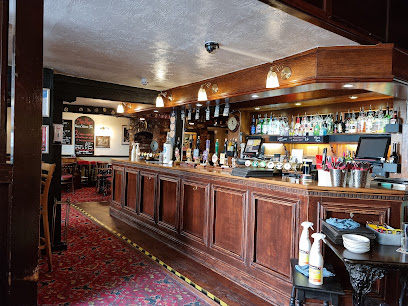
Nightclubs & after hour spots

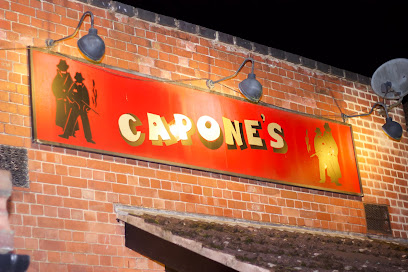
Capones
4.9 km
Historic nightclub in Dursley with legendary ties to Al Capone, offering vibrant weekend nightlife and pulsating music.
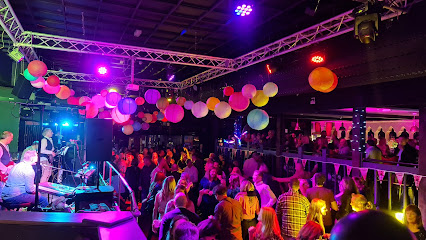
Trio Nightclub
6.8 km
Experience Stroud’s vibrant nightlife at Trio Nightclub, where music, dancing, and energetic vibes light up weekend nights.

ATIK Gloucester
17.4 km
Gloucester’s largest nightclub, ATIK pulses with vibrant music, student nights, and an energetic party atmosphere until the early hours.

Jax Nightclub Gloucester
17.4 km
Energetic nightclub in Gloucester offering diverse music, two dance floors, and a welcoming atmosphere for late-night fun.
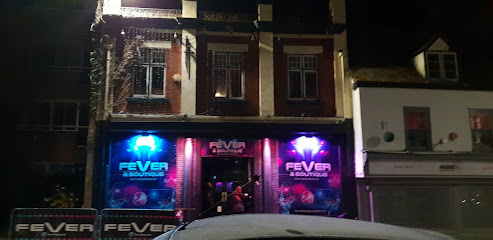
Bar Fever Gloucester
17.5 km
Experience Gloucester’s vibrant nightlife at Bar Fever, a trendy nightclub with dynamic music, stylish interiors, and a welcoming atmosphere.
ReVA Nightclub
22.9 km
Cirencester’s largest nightclub offering electrifying music, stylish cocktails, and a vibrant atmosphere for unforgettable nights.
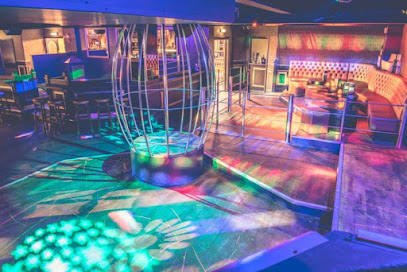
Under the Prom
25.8 km
Experience Cheltenham’s vibrant nightlife with premium drinks, three unique bars, and VIP service at Under The Prom nightclub.

Thirteen Degrees
25.9 km
Cheltenham’s late-night hotspot for dancing, cocktails, and private events in a central urban setting.
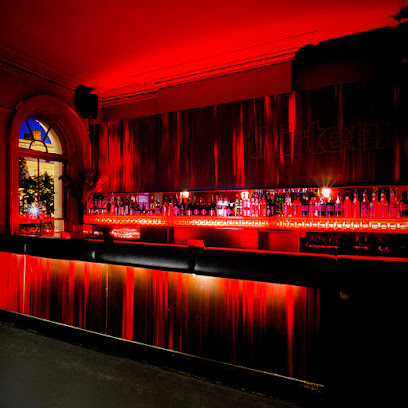
Home and Botanic Nightclub
25.9 km
Historic charm meets vibrant nightlife at Cheltenham’s Home and Botanic, a multi-room club offering cocktails, live piano, DJs, and unforgettable nights.

MooMoo Clubrooms Cheltenham
25.9 km
Experience Cheltenham’s vibrant nightlife with dynamic music, VIP vibes, and late-night energy at MooMoo Clubrooms.

Popworld - Cheltenham
25.9 km
Cheltenham’s lively late-night hotspot where cheesy pop tunes and creative cocktails fuel unforgettable party nights.
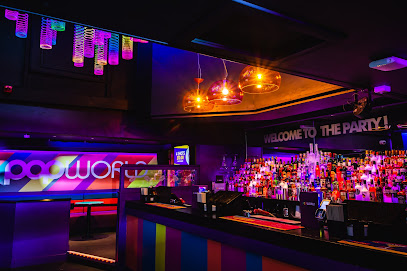
The 21 Club
26.0 km
Experience Cheltenham’s vibrant nightlife at The 21 Club, where music, dancing, and great drinks create unforgettable nights.
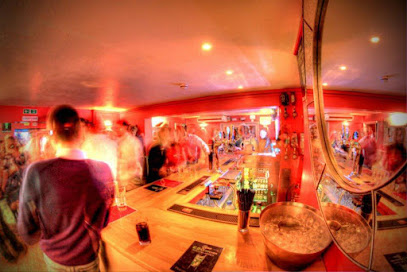
Coco
26.1 km
Cheltenham’s underground hotspot for vibrant nightlife, top DJs, and creative cocktails in a lively basement setting.

2 PIGS
26.2 km
A lively Cheltenham nightclub with dual rooms spinning rock, punk, indie, and classic hits, known for affordable drinks and an alternative vibe.
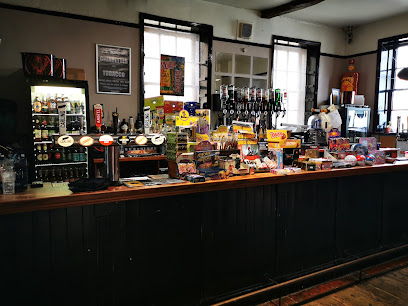
The Lion - Bar & Nightclub
27.1 km
A vibrant bar and nightclub blending historic charm with lively nightlife in the heart of Chepstow.
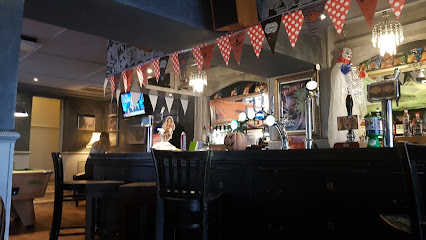
For the vibe & atmosphere seeker
- Scenic
- Tranquil
- Unique
- Adventurous
For the design and aesthetic lover
- Rustic Designs
For the architecture buff
- Historic
- Sacred Sites
- Landmarks
For the view chaser and sunset hunter
- Panoramas
- Iconic Views
For the social media creator & influencer
- Photo Spots
- Architectural Shots
For the eco-conscious traveler
- Protected Area
- Leave-No-Trace Critical
- Locally Managed
For the kind of experience you’re after
- Cultural Heritage
- Myth & Legends
- Nature Escape
- Photowalk
- Day Trip
For how adventurous you want the journey to be
- Easy Access
- Requires Hike
Location Audience
- Family Friendly
- Pet Friendly
- Senior Friendly
- Solo Friendly
- Couple Friendly


