

Torphichen Preceptory: Medieval Seat of the Knights Hospitaller in Scotland
Explore the evocative medieval headquarters of Scotland’s Knights Hospitaller, rich in history, architecture, and legend.
Torphichen Preceptory, located in the village of Torphichen near Bathgate, West Lothian, is the historic medieval headquarters of the Knights Hospitaller in Scotland. Founded in the 12th century by King David I, it features the remains of a cruciform church with a tower and transepts dating largely from the 1400s. Visitors can explore the evocative ruins, including rare architectural details and an ancient cemetery, gaining insight into the Order’s role in Scottish and Crusader history.
A brief summary to Torphichen Preceptory Historic Scotland
- Bowyett, Bathgate, Torphichen, GB
- +441506653733
- Visit website
- Duration: 1 to 2.5 hours
- Mid ranged
-
 Outdoor
- Mobile reception: 4 out of 5
- Saturday 1 pm-5 pm
- Sunday 1 pm-5 pm
Local tips
- Visit between April and September on weekends or bank holidays when the Preceptory is open from 1pm to 5pm.
- Allow time to explore the ancient cemetery surrounding the Preceptory for a fuller historical experience.
- Look for the master mason’s working diagram etched into the south transept wall and the rare painted wall decorations.
- Consider reading about the Knights Hospitaller and Scottish medieval history beforehand to enhance your visit.

For the on-the-go comforts that matter to you
- Information Boards
- Seating Areas
- Restrooms
Getting There
-
Car
Driving from Edinburgh or Glasgow takes approximately 40 to 50 minutes. Parking is available near the site, but spaces may be limited on busy weekends. There is no parking fee.
-
Bus
Local bus services run from Bathgate to Torphichen village, with a journey time of around 20 minutes. From the village center, the Preceptory is a 10-minute walk over rural terrain. Bus frequency is limited on weekends.
-
Train plus Walk
Take a train to Bathgate station from Edinburgh or Glasgow (journey times 20–40 minutes). From Bathgate, a taxi or local bus can be taken to Torphichen village, followed by a 10-minute walk to the Preceptory. Train fares vary but typically range from £5 to £15.
Torphichen Preceptory Historic Scotland location weather suitability
-
 Any Weather
-
 Rain / Wet Weather
-
 Clear Skies
-
 Mild Temperatures
Discover more about Torphichen Preceptory Historic Scotland
Origins and Historical Significance of Torphichen Preceptory
Torphichen Preceptory was established in the 12th century by King David I as the Scottish base for the Knights Hospitaller, a medieval military and religious order dedicated to protecting pilgrims traveling to the Holy Land. The site itself has even earlier roots, with a church founded by St Ninian around 400 AD and legendary visits by King Arthur in the 6th century. The Preceptory became a crucial religious and military center, witnessing key historical events such as William Wallace’s use of the site before the Battle of Falkirk in 1298 and Edward I’s treatment there following an injury.Architectural Remains and Layout
Today, visitors can see the striking remains of the Preceptory’s cruciform church, including its two transepts and central tower, mostly dating from the 1400s. The original choir and nave have largely disappeared, replaced by the adjacent Torphichen Kirk built in the 18th century. Notable features include a master mason’s working diagram etched into the south transept wall and rare painted wall decorations. Though many domestic buildings and cloisters were demolished over time, the surviving structures offer a tangible connection to the medieval Knights Hospitaller.The Preceptory’s Role Through Scotland’s Turbulent History
The Knights Hospitaller supported the English during the Wars of Scottish Independence, with their Preceptor dying at the Battle of Falkirk. After the Scottish victory at Bannockburn in 1314, the Order briefly left Scotland but later returned. The Preceptory’s fortunes waxed and waned over the centuries, with its tower falling into disuse until restoration in the 20th century. The site’s layered history reflects Scotland’s complex medieval politics and religious transformations.Visitor Experience and Surrounding Environment
Visitors today can wander the peaceful grounds, including an ancient cemetery filled with historic headstones, and imagine the lives of knights and pilgrims who once passed through. The site is open seasonally from April to September on weekends and bank holidays, with guided tours occasionally offered by St John Scotland volunteers. Interpretation boards and exhibitions provide context, enriching the experience of exploring this evocative historic site nestled in a tranquil rural village.Conservation and Cultural Legacy
Managed by Historic Environment Scotland, Torphichen Preceptory is a protected monument preserving a rare glimpse into the medieval military orders of Britain. It stands alongside only one other similar establishment in London. The Preceptory continues to hold cultural significance, with modern members of the Order of St John maintaining annual services here, linking past and present traditions.Architectural and Historical Highlights Worth Noting
Among the site’s unique features are the intricately carved stonework, the surviving tower roof restored in 1947, and the visible foundations of the cloisters and domestic ranges. The combination of architectural remnants and the surrounding cemetery creates a compelling atmosphere for history enthusiasts, photographers, and those interested in Scotland’s medieval heritage.Iconic landmarks you can’t miss

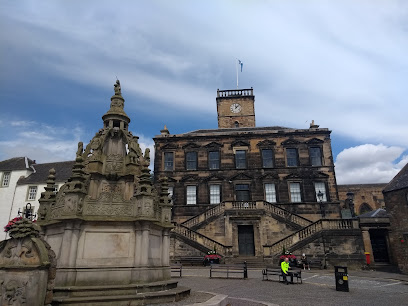
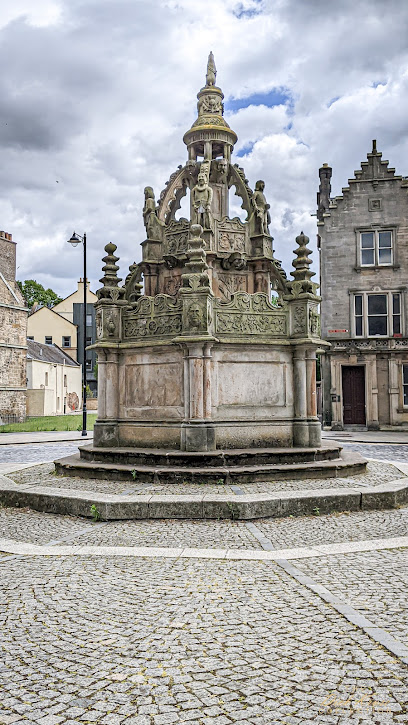
The Cross Well
5.7 km
Discover Linlithgow’s iconic crown-shaped Cross Well, a historic monument and vibrant town centre gathering spot steeped in royal heritage.
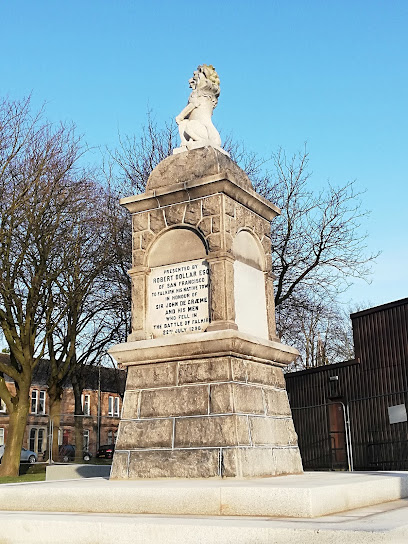
Sir John de Graeme Memorial Fountain
10.9 km
A tranquil memorial fountain in Falkirk honoring Sir John de Graeme, a valiant knight who fell at the Battle of Falkirk in 1298.
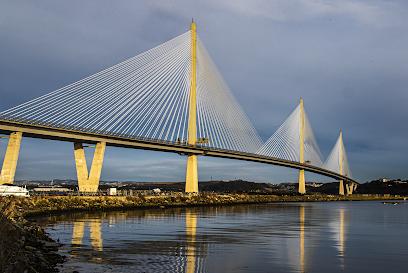
The Queensferry Crossing
16.6 km
Discover the world’s longest three-tower cable-stayed bridge, a modern marvel spanning Scotland’s iconic Firth of Forth.
Forth Rd Bridge
17.0 km
A monumental suspension bridge connecting Edinburgh and Fife, offering stunning views and a rich history spanning over six centuries.
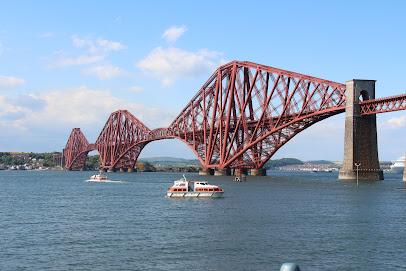
Maid of the Forth
17.7 km
Explore the breathtaking Firth of Forth with Maid of the Forth's scenic boat tours, perfect for families, couples, and nature lovers.
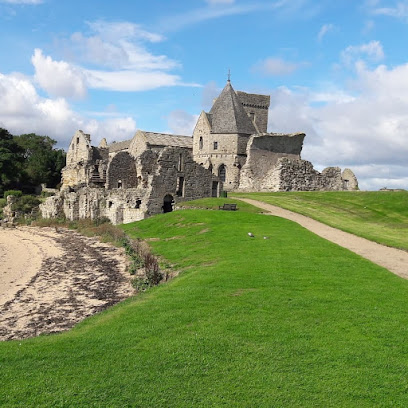
Hawes Pier, Queensferry
17.7 km
Historic ferry pier where centuries of Scottish maritime heritage meet modern tourism beneath the iconic Forth Rail Bridge.
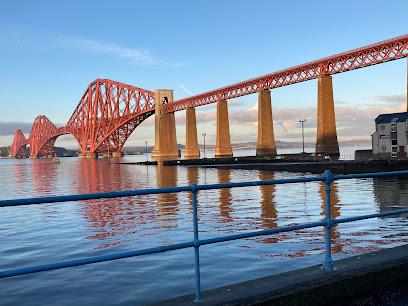
Wilsontown Ironworks
17.7 km
Explore Wilsontown Ironworks, a captivating historical landmark in Lanark that showcases Scotland's rich industrial heritage.
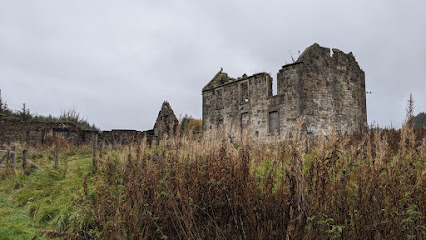
Torwood Castle
17.8 km
Explore the historic Torwood Castle in Larbert, Scotland, where medieval architecture meets stunning natural landscapes.
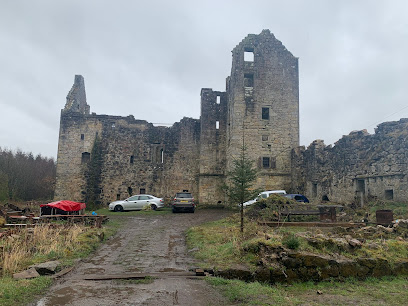
Forth Bridge
18.0 km
A towering red steel cantilever marvel, the Forth Bridge is Scotland’s iconic railway landmark and a UNESCO World Heritage Site.

Palacerigg Country Park
18.4 km
Experience the tranquility of Palacerigg Country Park in Cumbernauld, Glasgow - a natural haven for outdoor enthusiasts and families alike.
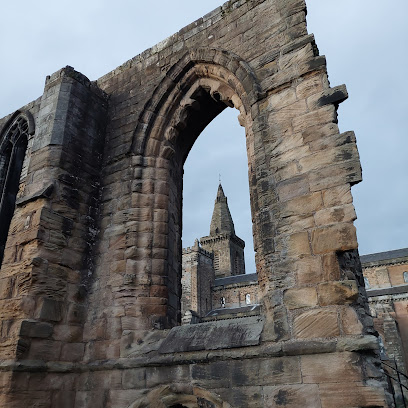
Dunfermline Abbey and Palace
19.1 km
Explore the historical treasures of Dunfermline Abbey and Palace, where Scotland's royal legacy and architectural beauty come to life.
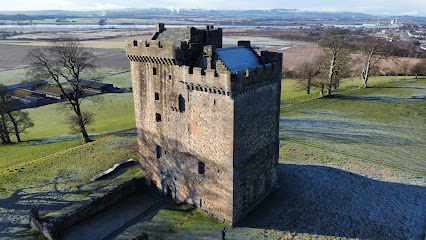
Clackmannan Tower
20.4 km
Explore Clackmannan Tower, Scotland's historic castle offering breathtaking views and a deep dive into medieval heritage.
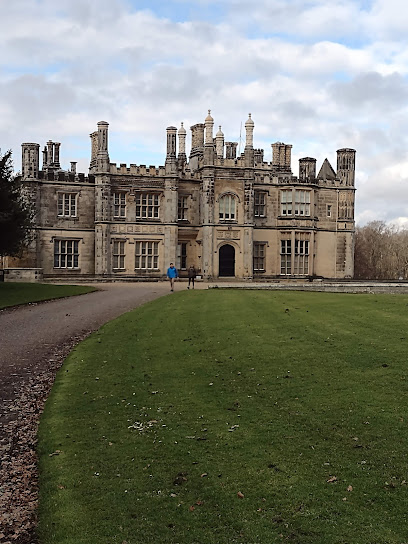
Dalmeny House
20.6 km
Experience the enchanting blend of history and nature at Dalmeny House, a stunning Scottish estate near Edinburgh with breathtaking views.
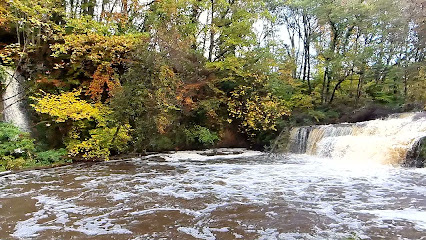
Linn Mill
20.8 km
Explore the serene hiking trails of Linn Mill in Alloa, a perfect escape for nature lovers and outdoor enthusiasts seeking tranquility in the woods.
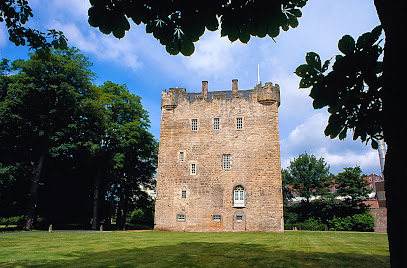
Alloa Tower
21.5 km
Explore Alloa Tower, a stunning medieval landmark in Scotland, surrounded by picturesque parkland and rich history. A must-visit for heritage enthusiasts.
Unmissable attractions to see

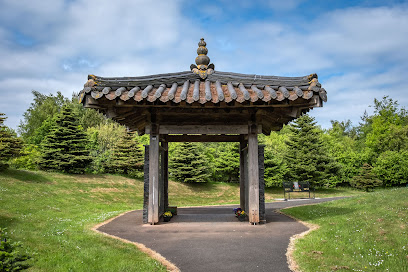
The Scottish Korean War Memorial
1.9 km
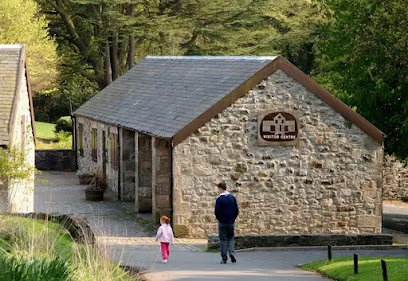
A serene Scottish tribute blending native trees and Korean symbolism to honor the fallen of the Korean War.
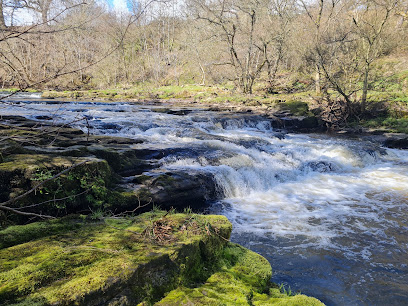
Avon Falls
2.1 km
Discover the tranquil beauty of Avon Falls and its historic aqueduct amidst Falkirk’s scenic woodland and country park.
Muiravonside Country Park
2.9 km
Explore 170 acres of woodland, farm animals, play trails, and art in Falkirk’s scenic Muiravonside Country Park.
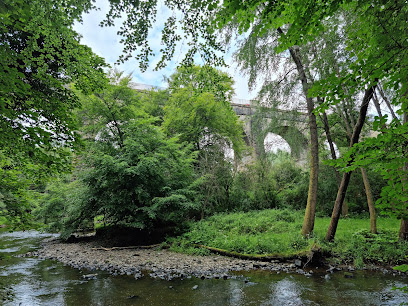
Avon Aqueduct
3.3 km
Scotland’s longest aqueduct spanning the River Avon, blending historic engineering with stunning natural views and tranquil canal walks.
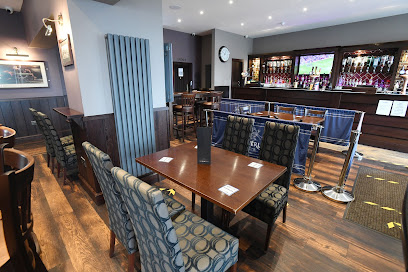
Rooms @ the Railway
3.9 km
Comfortable rooms and a classic pub atmosphere combine at Rooms @ the Railway, Bathgate’s friendly stopover spot.
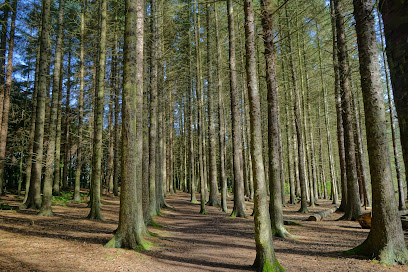
Beecraigs Country Park
4.2 km
Explore 370 hectares of woodland, wildlife, and adventure in West Lothian’s largest country park near historic Linlithgow.
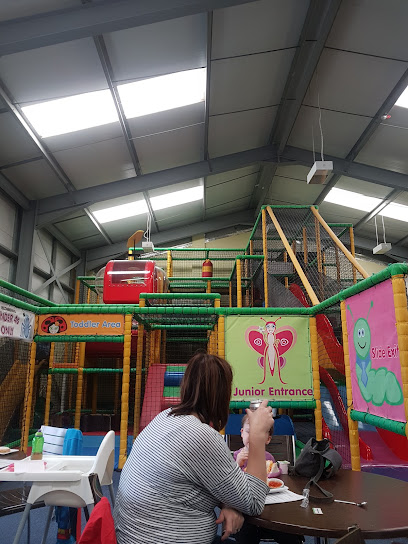
Play Bugs
5.5 km
A vibrant indoor playground in Linlithgow offering multi-level soft play fun for children with a relaxing café for parents.
Linlithgow Museum
5.7 km
Explore Linlithgow’s royal heritage and vibrant local history in this accessible, free-entry museum at the heart of the town.
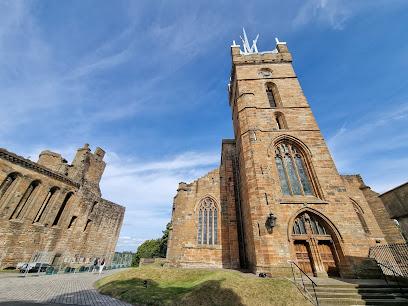
St Michael's Parish Church
5.8 km
Historic medieval church beside Linlithgow Palace, famed for royal ties and its iconic crown steeple symbolizing Scotland’s spiritual heritage.
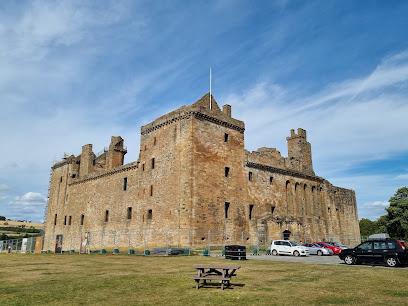
Linlithgow Palace
5.9 km
Explore Linlithgow Palace, the historic birthplace of Mary, Queen of Scots, and immerse yourself in Scotland's regal past amidst stunning architecture and serene landscapes.
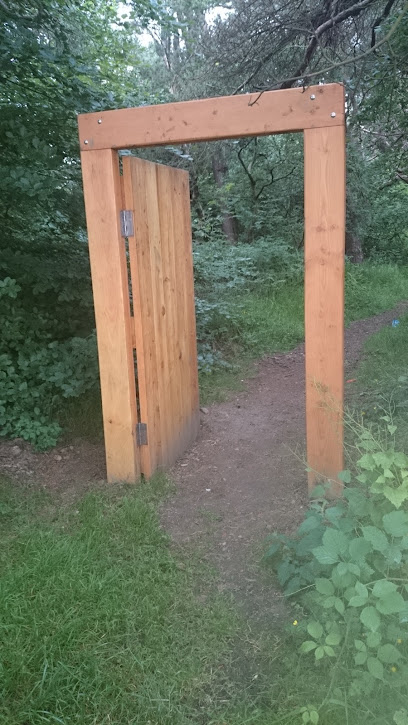
Door to Woodland
7.4 km
Explore the peaceful retreat of Door to Woodland in Livingston, a park where nature's beauty and tranquility come together for an unforgettable experience.
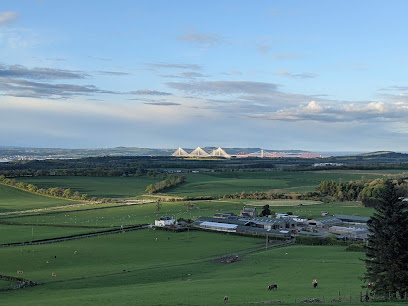
Binny Craig
7.4 km
A striking geological landmark offering panoramic views over West Lothian and Edinburgh’s iconic skyline.
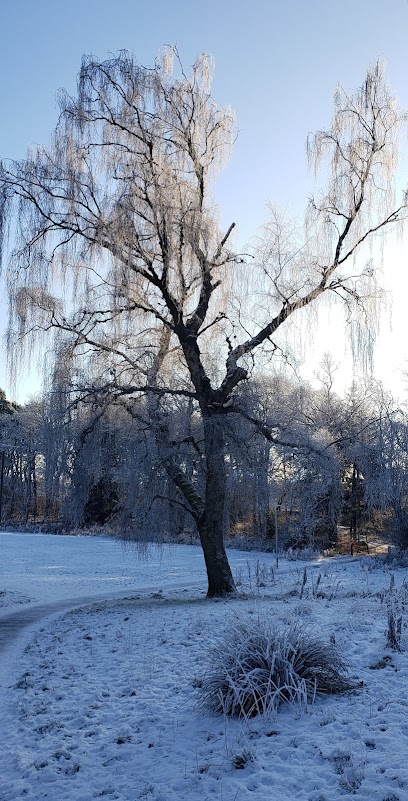
North Wood
7.5 km
Explore North Wood’s peaceful trails and rich wildlife just outside Broxburn, a natural haven blending history and nature near Livingston.
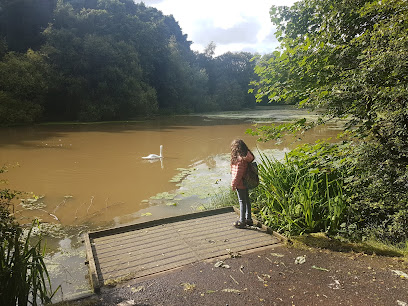
Eliburn Park
7.6 km
A vibrant 16.5-hectare park in Livingston blending woodlands, sports, fishing, and inclusive play for all ages.
Grand Central
7.6 km
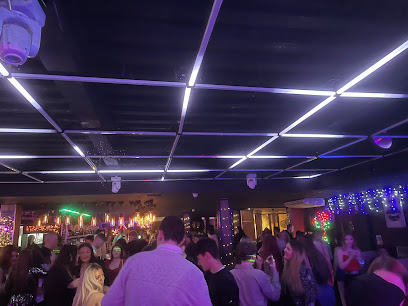
A lively and welcoming events venue in Livingston’s Carmondean Centre, perfect for energetic nights out and community celebrations.
Essential places to dine

Hopetoun Bar & Bistro
3.6 km
Family-run award-winning bistro in Bathgate serving hearty Scottish classics in a lively, welcoming atmosphere with attentive service.
Toby Carvery Bathgate Farm
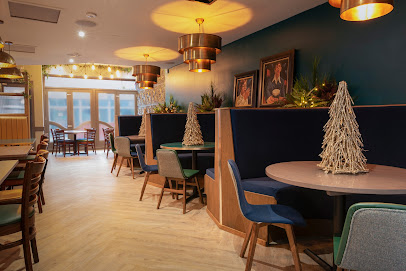
5.3 km
Traditional British carvery in Bathgate serving hearty roasts, breakfasts, and family-friendly meals in a welcoming setting.
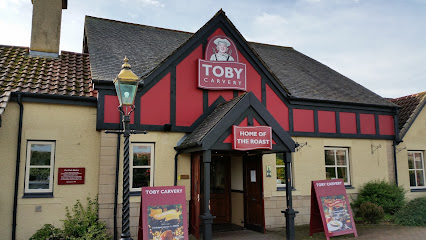
Premier Inn Livingston (Bathgate) hotel
5.3 km
Modern comfort and friendly service at Premier Inn Livingston (Bathgate), your convenient gateway to West Lothian and Scotland’s vibrant cities.

Mason Belles Kitchen
5.8 km
A boutique family-run restaurant in Linlithgow, serving relaxed contemporary Scottish food with a creative twist in a charming hidden setting.
Bar Leo
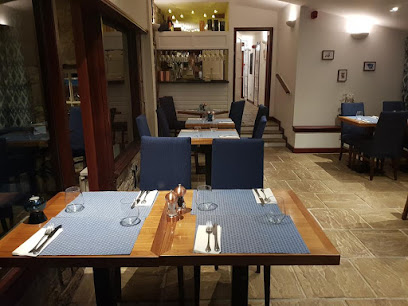
5.8 km
Contemporary Italian dining on Linlithgow's High Street, blending classical recipes with modern flair.
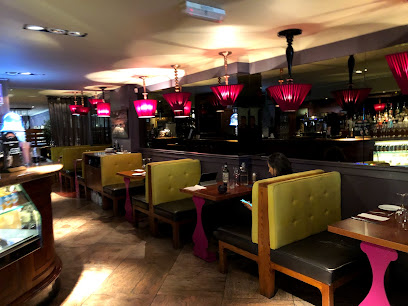
Saltire
7.5 km
A lively Livingston pub with flame-grilled food, live sports, and a relaxed beer garden – perfect for casual meals and drinks with friends.
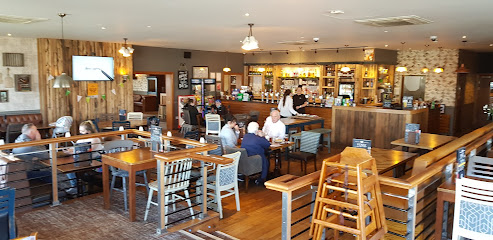
One 0 Eight Bar & Restaurant
7.6 km
Casual British and Scottish dining with friendly service in a warm, inviting setting at The Hilcroft Hotel, Bathgate.
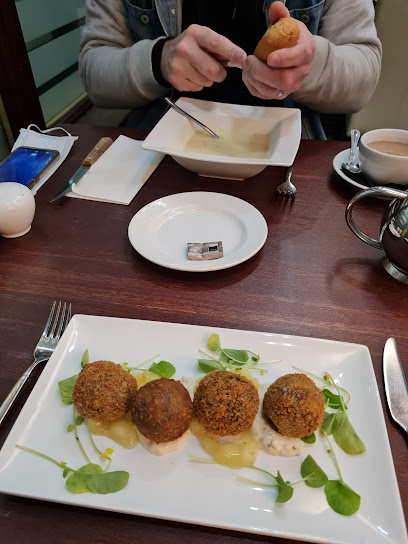
Deer Park Beefeater
8.1 km
Classic British grill dining with hearty steaks and a welcoming atmosphere beside Livingston’s M8 junction.
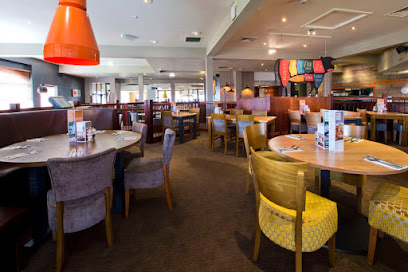
Champany Inn
8.7 km
Charming historic inn near Linlithgow, famed for exceptional steaks, boutique rooms, and warm Scottish hospitality.
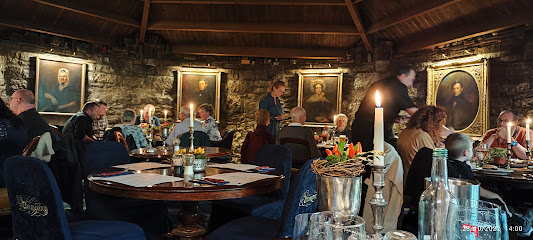
The Livingston Inn
8.9 km
Historic Scottish coaching inn in Livingston Village offering traditional pub fare, cozy rooms, and a welcoming atmosphere steeped in heritage.
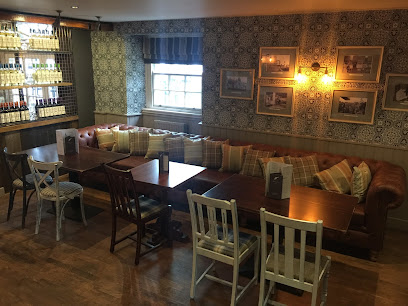
Chenzo's Restaurant
9.0 km
Experience authentic Italian cuisine with warm hospitality in the heart of Uphall at Chenzo's Restaurant.
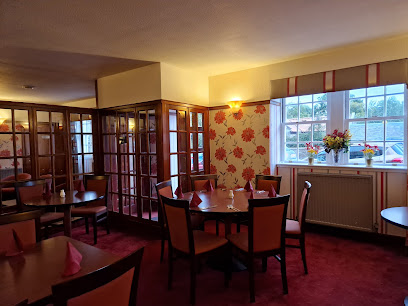
The Oatridge Hotel & Restaurant
9.1 km
Charming 19th-century coach house with cozy rooms, lively bar, and hearty dining near Edinburgh Airport in the heart of Uphall.
Volunteer Arms Lounge Bistro
9.5 km
Honest home cooking, genuine hospitality, and fair prices in a welcoming Uphall bistro.
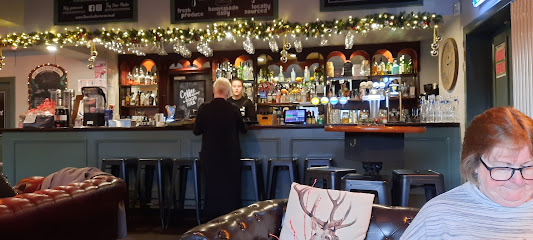
Sabannga Thai Restaurant
9.5 km
Authentic Northern Thai flavours in a peaceful Uphall Station setting, with family recipes and inclusive dining options.
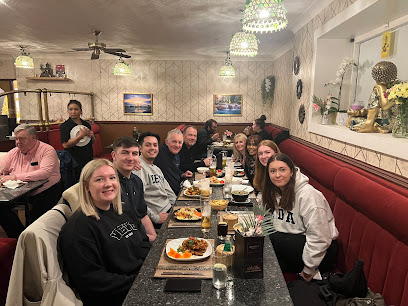
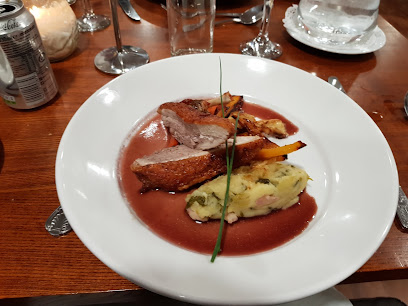
Terrace Restaurant
9.7 km
Award-winning training restaurant where student chefs deliver fine dining at exceptional prices in Livingston.
Markets, malls and hidden boutiques

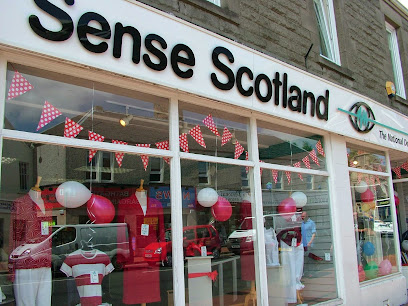
Sense Scotland
3.8 km
Discover unique vintage finds and support a vital Scottish charity at Sense Scotland’s Bathgate shop, a hub of community and sustainability.
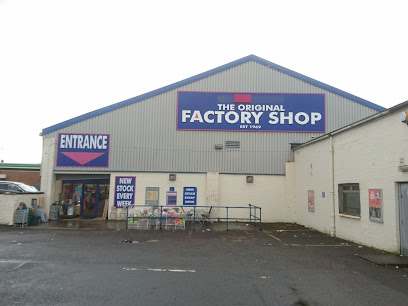
The Original Factory Shop (Bathgate)
4.1 km
Discover unbeatable deals on clothing, beauty, and home essentials at The Original Factory Shop in Bathgate, your go-to discount retailer.
Fair Tradewinds
5.5 km
Discover unique fair trade gifts and sustainable fashion at Fair Tradewinds in Linlithgow’s historic High Street.
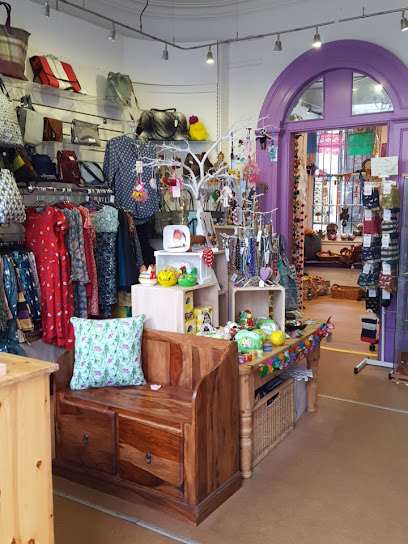
Shoppittstar
6.2 km
Explore Shoppittstar in Livingston for unique gifts and local treasures that capture the essence of your travels.
First Shop
7.7 km
Discover convenience and local charm at First Shop in Livingston, where friendly service meets quality products for all your travel needs.
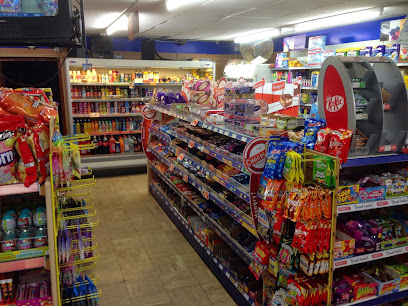
Whiteflower Mercantile Fancy Dress
9.2 km
Discover a world of creative costumes at Whiteflower Mercantile Fancy Dress in Livingston, the perfect stop for unique dress-up experiences.
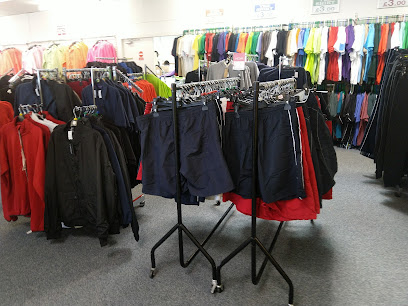
Your Factory Outlet
9.9 km
Discover quality fashion and a bright shopping atmosphere at Your Factory Outlet, Livingston’s accessible clothing destination.
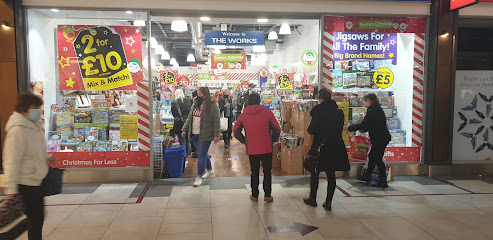
The Works
9.9 km
Affordable creativity and family-friendly shopping meet at The Works in Livingston Designer Outlet.
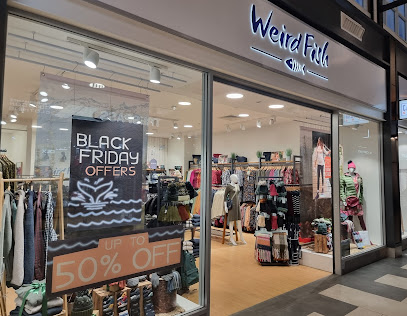
Weird Fish Livingstone Store
10.1 km
Discover durable, stylish casual wear at Weird Fish Livingston, nestled in Scotland’s largest designer outlet with accessible shopping and great prices.
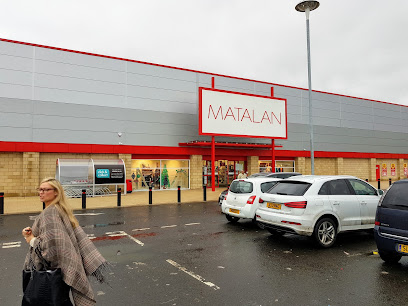
Matalan
10.1 km
Affordable family fashion and homewares in the heart of Livingston's retail district.
B&Q Livingston
10.1 km
Your all-in-one home improvement store in Livingston, offering expert advice, extensive DIY supplies, and seasonal specials.
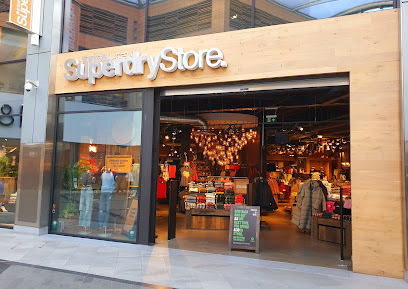
Superdry
10.2 km
Discover premium British casualwear and sustainable style at Superdry Livingston in The Centre, Almondvale South.
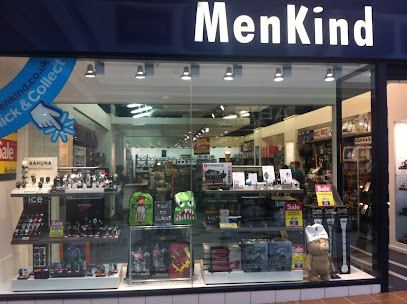
Menkind
10.3 km
Discover unique gadgets, pop culture collectibles, and wellness gifts tailored for men at Menkind Livingston, Scotland’s premier men’s gift shop.
Pretty Little Boutique
10.3 km
Discover unique hats and jewelry with personalized service at Pretty Little Boutique in the heart of Livingston’s vibrant shopping centre.

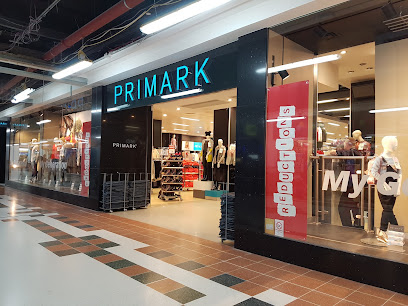
Primark
10.3 km
Discover budget-friendly fashion and homeware across three floors at Primark Livingston, located in the heart of The Centre shopping complex.
Essential bars & hidden hideouts

Torphichen Inn
0.2 km
A welcoming Scottish pub in Torphichen offering hearty food, live music, and a warm village atmosphere.
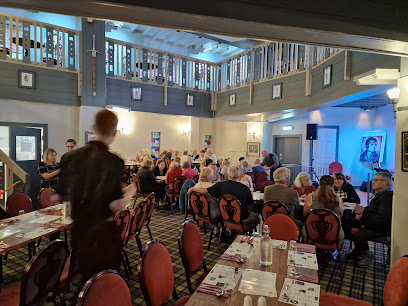
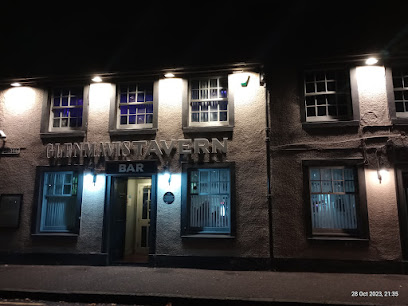
The Glenmavis Tavern
3.4 km
A welcoming Bathgate pub known for friendly service, quality Guinness, lively entertainment, and a vibrant community atmosphere.
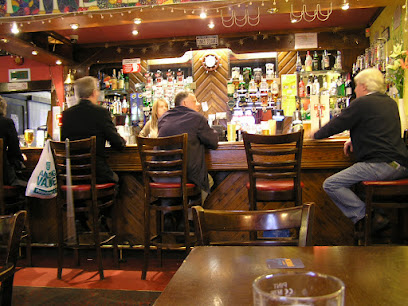
The Livery Lounge
3.6 km
A casual and lively lounge in Bathgate offering affordable drinks, karaoke nights, and a welcoming local atmosphere.
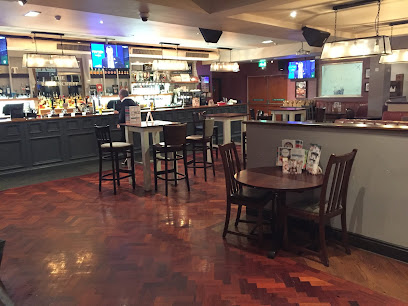
The Ballencrieff
3.6 km
A modern, welcoming pub in Bathgate offering fresh food, live music, sports, and a lively atmosphere for all ages and occasions.
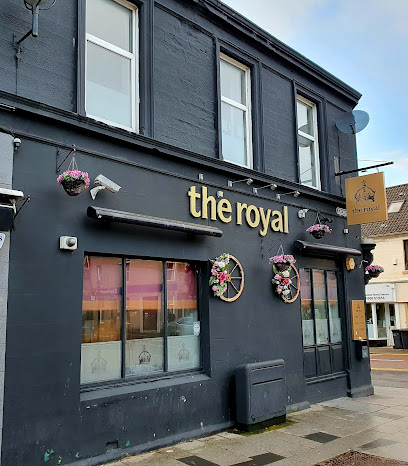
New Royal Bar
3.7 km
A lively and friendly Bathgate pub offering great atmosphere, karaoke fun, and affordable drinks in a welcoming community setting.
Nineteentwelve
3.7 km
A welcoming modern bar and eatery in Bathgate known for great food, attentive service, and a lively yet relaxed atmosphere.
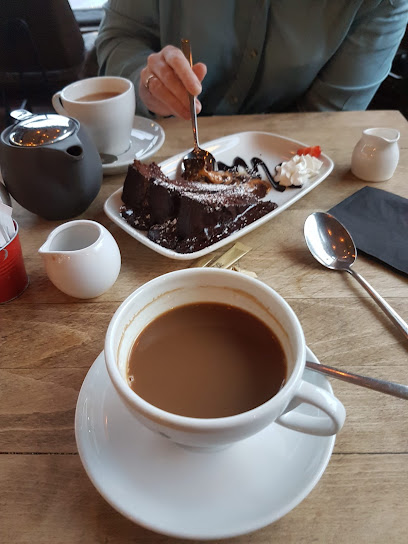
Cafebar 1912
3.7 km
A vibrant café, bar, and restaurant in Bathgate offering casual dining, cocktails, and a welcoming atmosphere from morning till late.
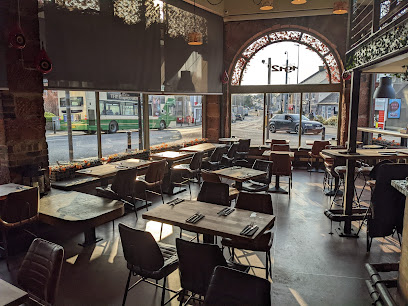
Midnight Breakfast Club
3.8 km
Cozy Bathgate bar and live music venue with affordable drinks, friendly vibes, and a strong local music scene.
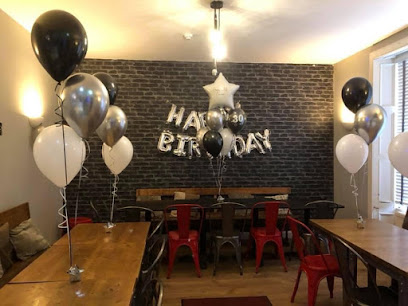
DreadnoughtRock Nightclub & Live Music Venue
3.9 km
Bathgate’s iconic rock venue offering live music, a lively nightclub, and a welcoming atmosphere for night owls and music lovers.
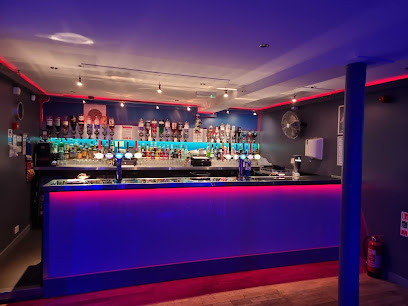
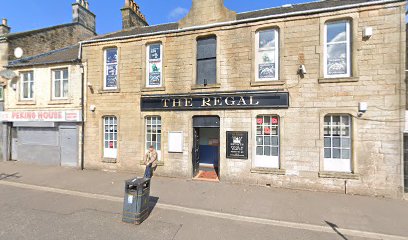
Regal Bar
5.0 km
A welcoming and traditional pub in Armadale offering cozy charm, local drinks, and a friendly atmosphere for regulars and visitors alike.
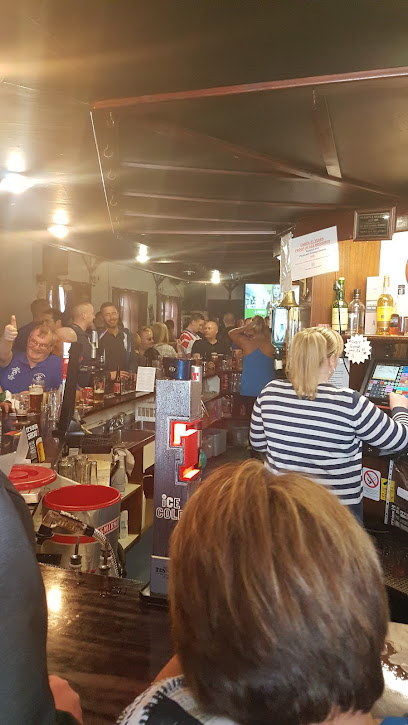
Coppies Bar
5.2 km
A lively and friendly sports bar in Armadale offering great drinks, community spirit, and regular entertainment in a welcoming Scottish pub setting.
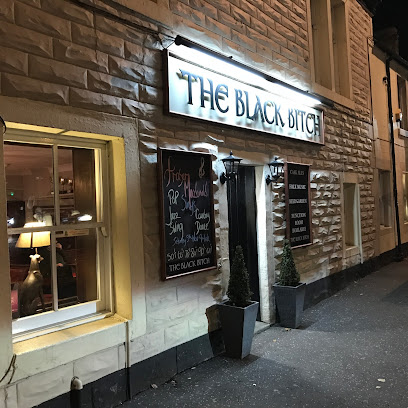
The Willow Tree
5.2 km
A historic Linlithgow pub reborn as The Willow Tree, blending tradition, local legend, and lively hospitality in a welcoming setting.
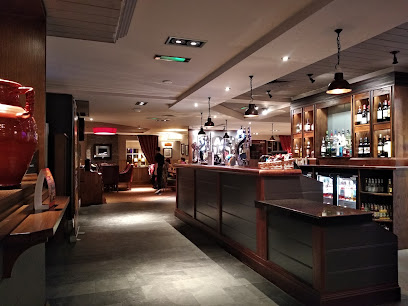
Rowan Tree
6.1 km
A vibrant, family-friendly pub in Armadale offering fresh pub classics, vegan options, and a welcoming atmosphere with a stylish conservatory and beer garden.
Cawburn Sports Bar
10.1 km
Lively sports bar in Pumpherston offering live games, snooker, pool, and a welcoming atmosphere for locals and visitors alike.
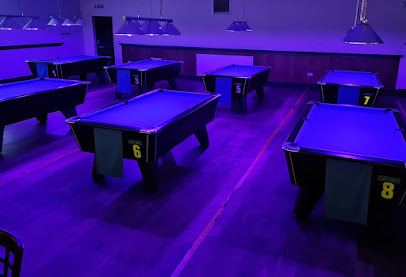
CafeBar 1962
10.2 km
Lively bar and eatery in Livingston with fresh local food, premium drinks, and vibrant live music in a spacious indoor and outdoor setting.
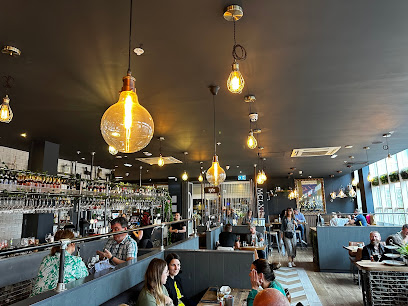
Nightclubs & after hour spots

The Twig Nightclub
3.5 km
Bathgate’s oldest nightclub offering lively, affordable, and historic nightlife experiences every Saturday night.
XOXO
11.0 km
Central Scotland’s largest nightclub offering vibrant nightlife, pool hall fun, and private event spaces in the heart of Falkirk.
City Nightclub
11.0 km
Experience Falkirk’s vibrant nightlife at City Nightclub, the town’s energetic weekend hotspot for music, dancing, and late-night fun.
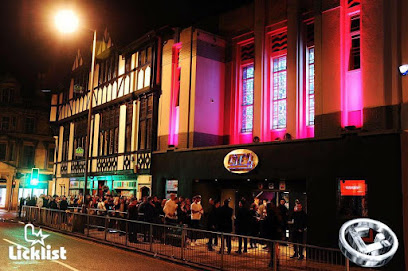
West Lothian Casting Agency
11.4 km
Discover the vibrant adult entertainment scene at West Lothian Casting Agency, where immersive performances and themed events await every visitor.
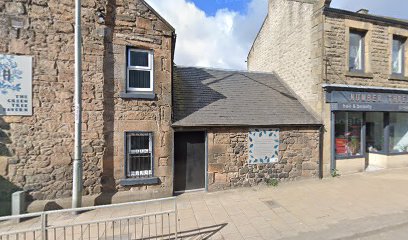
Hustlers Pool Hall
18.5 km
Affordable, lively pool hall and sports bar in Rosyth offering fun games, friendly vibes, and great social atmosphere for all ages.
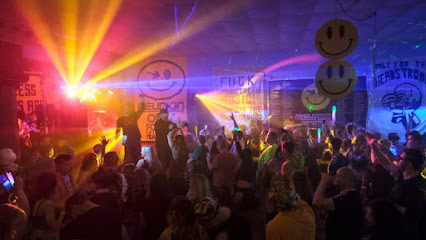
LIFE
19.1 km
Experience vibrant nightlife and late-night fun at LIFE, Dunfermline’s energetic nightclub with a welcoming atmosphere and great music.
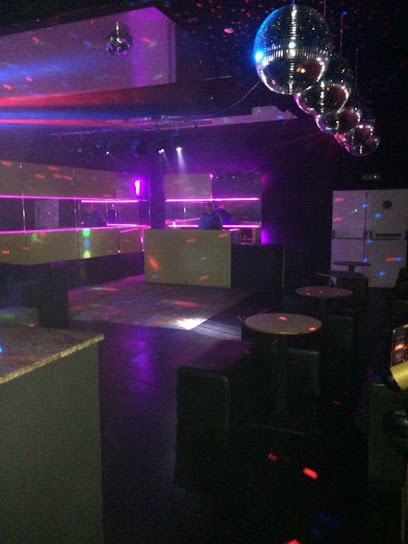
I-Kandy Nightclub
21.5 km
Discover the electrifying nightlife at I-Kandy Nightclub in Airdrie, where vibrant music and a lively atmosphere await!
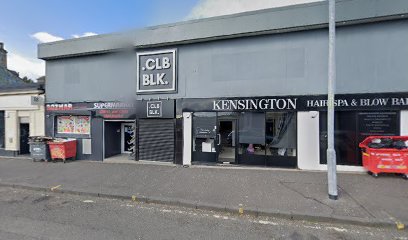
Pulse
21.8 km
Experience Airdrie’s vibrant nightlife at Pulse Nightclub, where music, dancing, and unforgettable moments come alive.
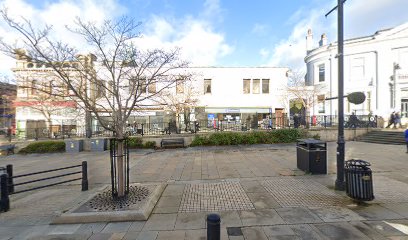
Eden Night Club
24.5 km
Vibrant late-night hotspot in Coatbridge offering house, R&B, and chart music with a lively atmosphere and smart dress code.
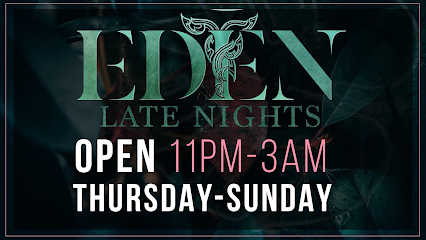
Avenue Nightclub Coatbridge
24.5 km
Coatbridge’s premier late-night nightclub for over-21s, offering vibrant music, modern vibes, and a lively weekend party scene.
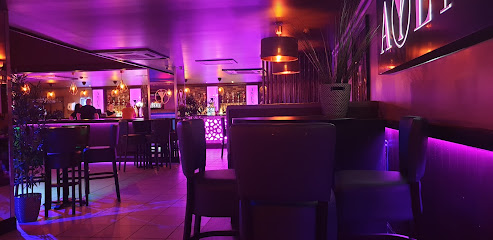
Club 100
26.7 km
Discover Club 100 in Motherwell, a vibrant sports bar offering live games, great drinks, and a friendly atmosphere for all sports enthusiasts.
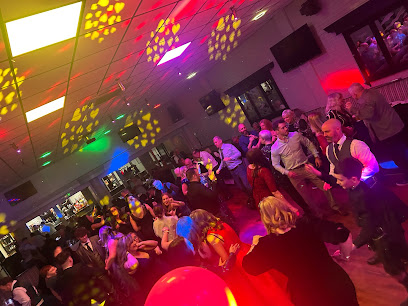
Slanj-A-Va
26.8 km
Discover Slanj-A-Va: Stirling's premier live music venue offering an unforgettable night out filled with diverse musical experiences.
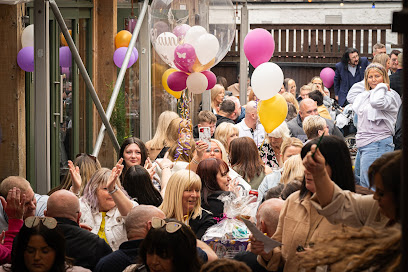
Castle Leisure Group
27.1 km
Discover the lively atmosphere of Castle Leisure Group in Stirling – a perfect blend of dining, nightlife, and entertainment for tourists.
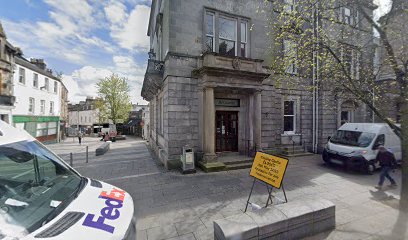
The Hollytree
27.1 km
Experience the warmth and charm of The Hollytree, a delightful pub in Menstrie known for its hearty meals and local brews.
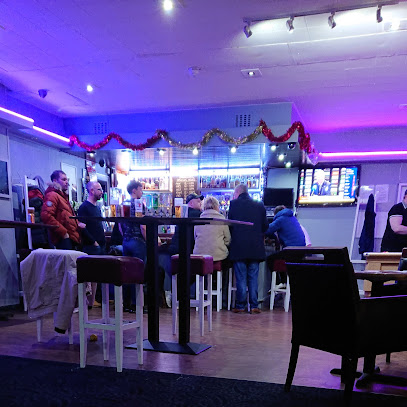
No 2 Baker Street
27.1 km
A cozy Victorian pub in Stirling serving hearty British classics, live music, and a warm welcome in a family-friendly atmosphere.
For the vibe & atmosphere seeker
- Tranquil
- Historic
- Scenic
For the design and aesthetic lover
- Rustic Designs
- Vintage Styles
For the architecture buff
- Historic
- Landmarks
- Sacred Sites
For the view chaser and sunset hunter
- Iconic Views
- Panoramas
For the social media creator & influencer
- Instagrammable
- Photo Spots
- Architectural Shots
For the eco-conscious traveler
- Protected Area
- Public-Transport Accessible
- Locally Managed
For the kind of experience you’re after
- Cultural Heritage
- Photowalk
- Day Trip
- Weekend Getaway
- Myth & Legends
For how adventurous you want the journey to be
- Easy Access
Location Audience
- Family Friendly
- Senior Friendly
- Child Friendly
- Teen Friendly
- Solo Friendly
- Couple Friendly
- Vegetarian Friendly


