
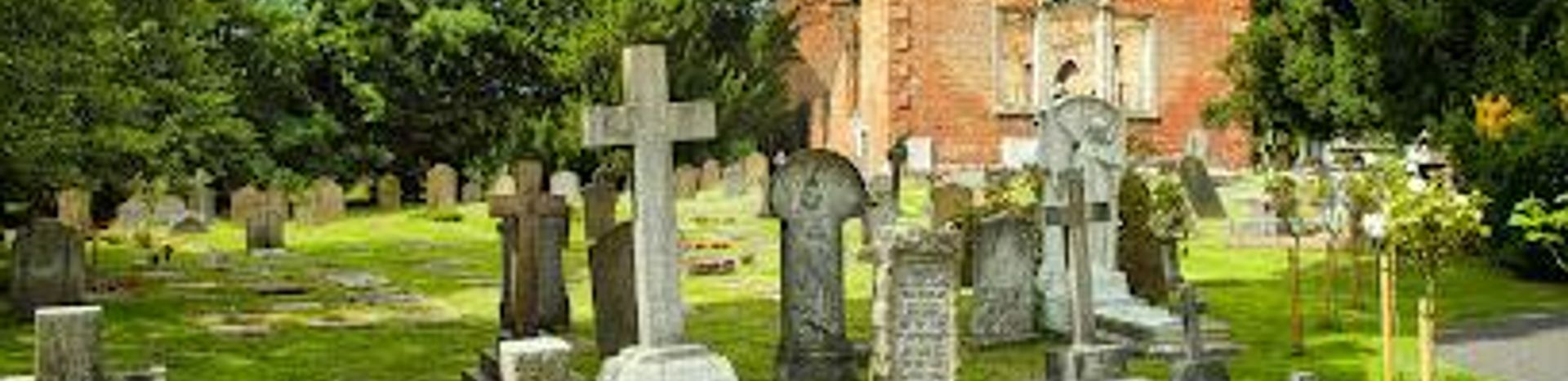
St John the Evangelist, Stanmore: A Historic Anglican Landmark
Discover Stanmore’s historic St John the Evangelist church, where Victorian elegance meets evocative 17th-century brick ruins steeped in rich heritage.
St John the Evangelist in Stanmore is a historic Anglican church located on Uxbridge Road, known for its Victorian architecture and proximity to the picturesque ruins of the 1632 brick church. The current church, consecrated in 1850, replaced the earlier structure but retains many memorials and historic connections, including ties to Sir John Wolstenholme and Archbishop William Laud.
A brief summary to St John the Evangelist, Stanmore
- Uxbridge Rd, Stanmore, HA7 3LD, GB
- +442089543876
- Visit website
- Duration: 0.5 to 2 hours
- Free
-
 Outdoor
- Mobile reception: 4 out of 5
- Monday 9 am-5 pm
- Tuesday 9 am-5 pm
- Wednesday 9 am-5 pm
- Thursday 9 am-5 pm
- Friday 9 am-5 pm
- Saturday 9 am-5 pm
- Sunday 9 am-5 pm
Local tips
- Visit on a weekday morning to enjoy quieter surroundings and better access to the church interior.
- Take time to explore the nearby brick church ruins to appreciate early Stuart architecture and local history.
- Check the church’s website or local notices for special open days when the ruins are accessible inside.
- Look for memorials and historic plaques inside the current church that link to the old church and notable local figures.

For the on-the-go comforts that matter to you
- Restrooms
- Seating Areas
- Information Boards
Getting There
-
Bus
Take London Bus Route 183 or 340, which serve Uxbridge Road near Stanmore. The journey from central Harrow takes approximately 15-25 minutes. Buses run frequently but check schedules for weekend variations. A standard London fare applies, payable by Oyster or contactless card.
-
Tube and Bus Combination
From central London, take the Jubilee Line to Stanmore Station, then catch a local bus or taxi for a 10-minute ride to Uxbridge Road. Tube travel time varies from 30 to 45 minutes. This option combines fast underground travel with a short surface journey.
-
Car
Driving to St John the Evangelist via Uxbridge Road is straightforward, with an estimated journey time of 20-35 minutes from central Harrow depending on traffic. Limited on-site parking is available; nearby street parking may require permits or have time restrictions. Check local signage.
St John the Evangelist, Stanmore location weather suitability
-
 Any Weather
-
 Rain / Wet Weather
-
 Clear Skies
-
 Mild Temperatures
Discover more about St John the Evangelist, Stanmore
Historic Origins and Architectural Evolution
St John the Evangelist Church in Stanmore stands as a testament to centuries of religious heritage in the area. The site’s ecclesiastical history dates back to a Saxon wooden church and the medieval Church of St Mary, which served the local community until 1632. That year marked the construction of the brick church of St John the Evangelist, funded by Sir John Wolstenholme, a prominent customs official and adventurer. This 17th-century church was consecrated by William Laud, then Bishop of London and later Archbishop of Canterbury, whose involvement would later become historically significant due to his political downfall.The Brick Church Ruins and Preservation
The original brick church, built in the early Stuart period, is notable for its thick walls and rare architectural style influenced by Caroline classicism and Inigo Jones. After the growing population of Stanmore necessitated a larger church, the current St John’s was constructed between 1848 and 1850 in Victorian 'early decorated' style using Kentish Rag and Bath Stone. Demolition of the old brick church began but was halted due to strong local opposition, leaving the ruins preserved as a Grade II listed site. These ruins, often described as among the most picturesque in Middlesex, contain several historic tombs including the grand Gothic mausoleum of the Hollond family.Connections to Notable Figures and Local Heritage
The church’s history is intertwined with influential figures such as Sir John Wolstenholme, who financed early North American explorations, and William Laud, whose consecration of the church linked it to significant religious and political events of the 17th century. The ruins also hold memorials and effigies moved from the old church to the new one, preserving the legacy of local families and patrons. Queen Adelaide’s presence at the laying of the foundation stone of the current church adds royal significance to its story.The Present Church and Community Role
The present St John the Evangelist church continues to serve as an active Anglican parish, offering regular services and community engagement. It retains many memorials from the old church and maintains a connection to its rich past while meeting the needs of modern worshippers. The church’s website and local efforts highlight ongoing conservation and heritage projects, reflecting the community’s dedication to preserving this historic landmark.Visiting the Site and Appreciating the Atmosphere
Visitors to St John the Evangelist can experience both the vibrant life of the current church and the evocative atmosphere of the brick church ruins nearby. The ruins, occasionally open to the public, provide a glimpse into early 17th-century ecclesiastical architecture and the layered history of Stanmore’s religious sites. The juxtaposition of the Victorian church with the ancient ruins offers a unique perspective on continuity and change in this suburban London setting.Architectural and Cultural Significance
The church complex exemplifies architectural transitions from medieval to Victorian styles, with the ruins representing rare brick construction from the Stuart period and the current church showcasing Gothic Revival influences. This site is valued not only for its religious function but also as a cultural heritage asset, reflecting local history, notable personalities, and the evolution of church architecture in England.Iconic landmarks you can’t miss

The King's Head Gantry
5.4 km
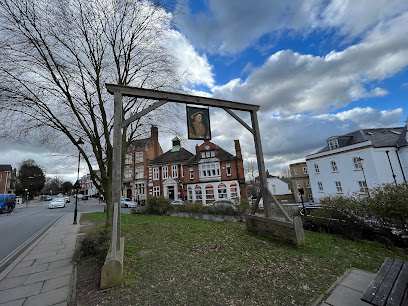
Historic King's Head Gantry in Harrow on the Hill, a royal relic and iconic village landmark steeped in centuries of heritage.
Premier Inn London Elstree / Borehamwood hotel
6.3 km
Comfortable, accessible 3-star hotel near Elstree Studios with great dining and easy London connections.

Battle of Britain Bunker
13.3 km
Explore the Battle of Britain Bunker: a historical museum in Uxbridge revealing the courage and strategies that changed the course of World War II.

5 Abbey Rd.
13.3 km
World’s oldest purpose-built recording studio and iconic Beatles landmark in London’s St John’s Wood.
St. John's Wood
13.3 km
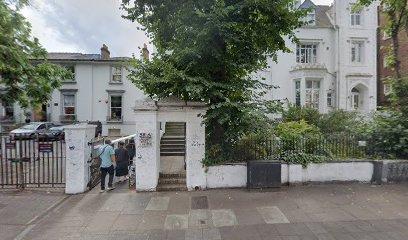
Explore St. John's Wood, a charming London neighborhood known for its historic landmarks, vibrant atmosphere, and rich cultural experiences.
3 Abbey Rd.
13.3 km
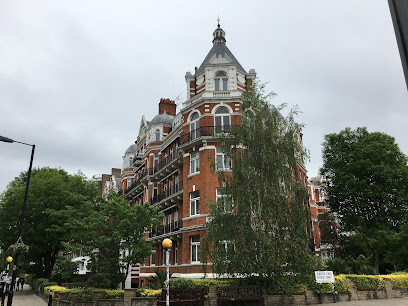
World-famous recording studio in London where The Beatles and many legends crafted music history since 1931.
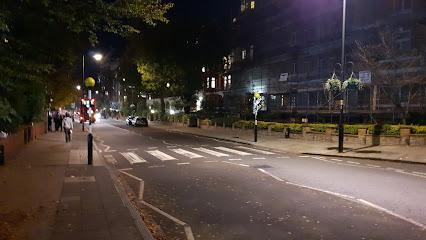
Abbey Road crossing
13.4 km
Explore the iconic Abbey Road crossing, a legendary landmark in London where music history and culture collide, perfect for Beatles fans and tourists alike.
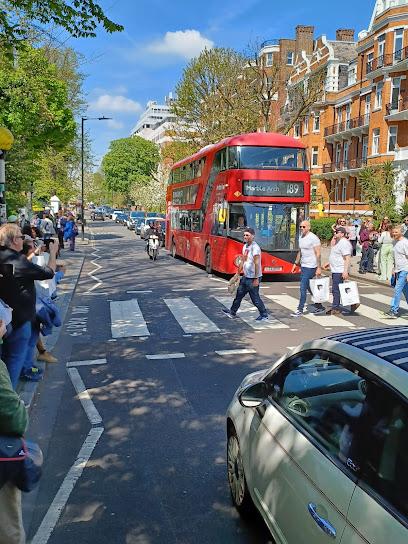
Notting Hill House of Colors
13.4 km
Explore the vibrant colors and artistic spirit of Notting Hill at the House of Colors, a must-visit destination for art lovers and curious travelers.
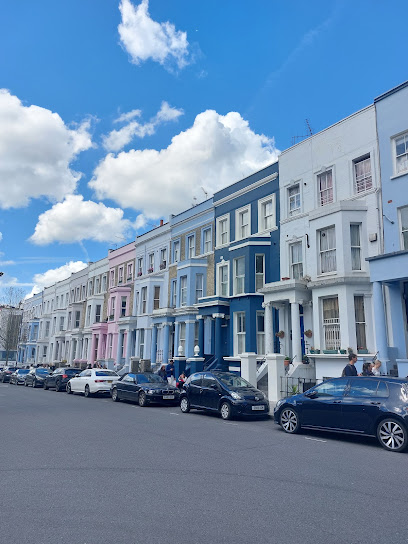
Portobello Road Market
13.4 km
Discover London’s vibrant Portobello Road Market, a historic treasure trove of antiques, vintage fashion, and street food in the heart of Notting Hill.
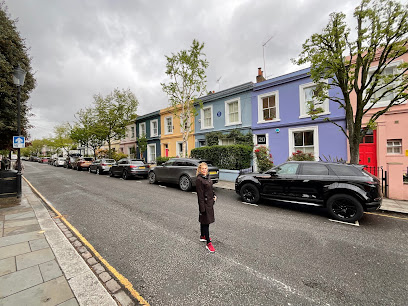
The Blue Door Notting Hill Film
13.4 km
Experience the magic of Notting Hill at The Blue Door, an iconic film location surrounded by vibrant streets and culture.
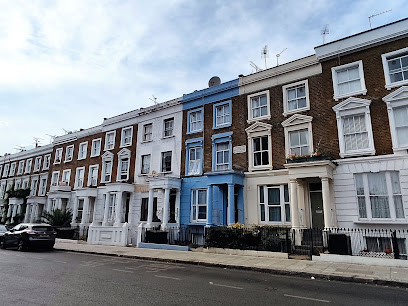
The Castle
13.4 km
Experience the charm of a traditional British pub at The Castle on Portobello Road, offering delicious food and a vibrant atmosphere in the heart of London.
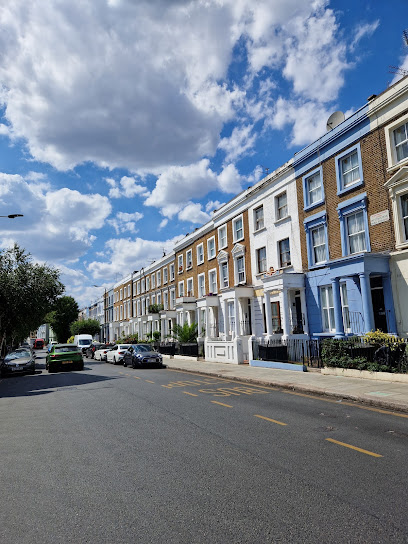
The Tabernacle
13.5 km
Discover The Tabernacle in Notting Hill, a vibrant community center and performing arts venue showcasing London's rich cultural tapestry.
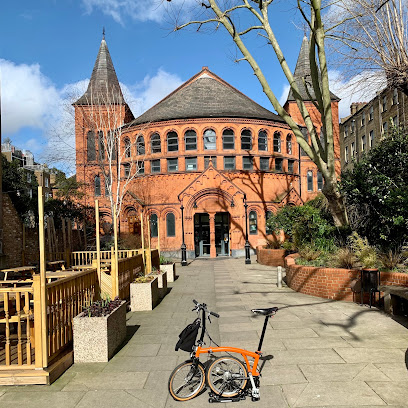
All Saints' Church, Notting Hill
13.5 km
Explore the architectural beauty and serene atmosphere of All Saints' Church, a must-visit Anglican church and cultural hub in Notting Hill, London.
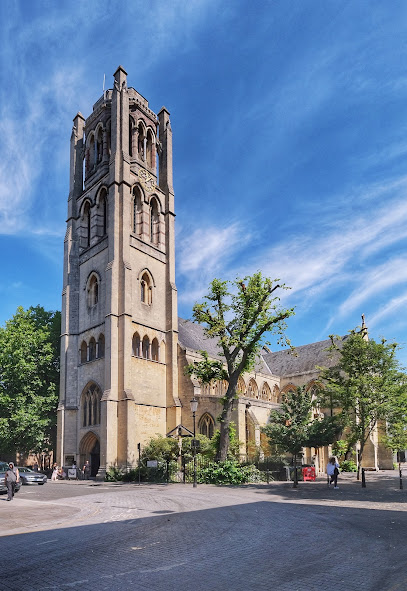
Howard Staunton Blue Plaque
13.7 km
Commemorating Howard Staunton, 19th-century chess master and organizer of the first international chess tournament, at his London blue plaque.
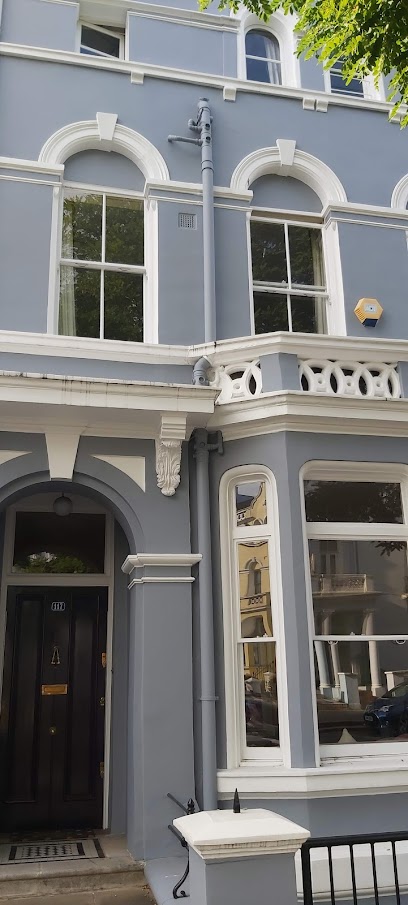
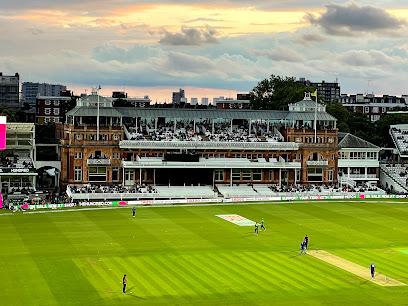
Lord's Cricket Ground
13.8 km
The world's most prestigious cricket venue and the undisputed 'Home of Cricket' since 1814.
Unmissable attractions to see

Bernays Gardens
0.1 km
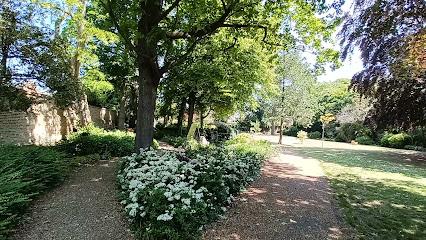
A serene community garden in Stanmore honoring local heritage and offering a peaceful green retreat.
Stanmore Country Park, London
1.0 km
Discover Stanmore Country Park’s serene woodlands, family-friendly facilities, and breathtaking London skyline views in a peaceful natural setting.

Bentley Priory Museum
1.7 km
Explore the historic RAF Fighter Command HQ where Britain’s Battle of Britain was won, through immersive exhibits and stunning heritage grounds.
The Weald Stone
2.1 km
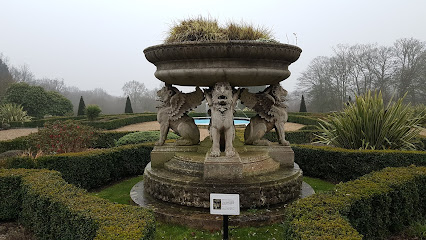
Explore The Weald Stone, a historical landmark in Harrow, England, and connect with centuries of rich heritage in a serene setting.

Headstone Manor and Museum
3.6 km
Explore centuries of Harrow’s history at Headstone Manor and Museum, a stunning 14th-century moated manor with engaging exhibits and family activities.

St Ann's Shopping Centre
4.2 km
Vibrant shopping and dining hub in Harrow with over 40 stores, modern amenities, and a secure 940-space car park with EV charging.

St George's Shopping Centre
4.2 km
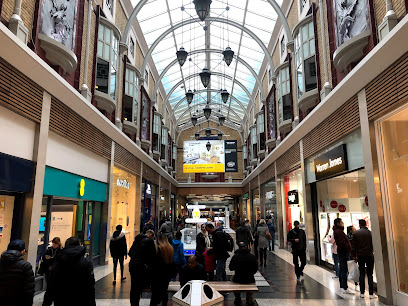
A vibrant three-floor shopping and leisure centre in Harrow offering diverse retail, dining, and entertainment options for all ages.
Scratchwood
4.2 km
Explore 57 hectares of ancient woodland and diverse wildlife in Barnet’s premier nature reserve, a tranquil escape steeped in history and natural beauty.

Fryent Country Park
5.2 km
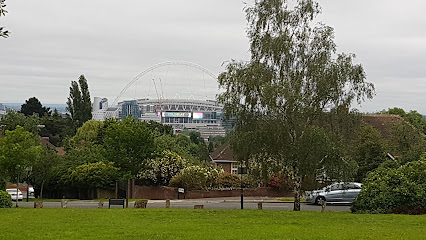
Discover Fryent Country Park, a vast, serene green space in NW London with historic hills, rich wildlife, and panoramic views near Wembley.
Pinner Hill Golf Club
5.5 km
Historic parkland golf with sweeping London views, challenging terrain, and a welcoming club atmosphere in tranquil Pinner Hill.

Pinner Memorial Park
5.5 km
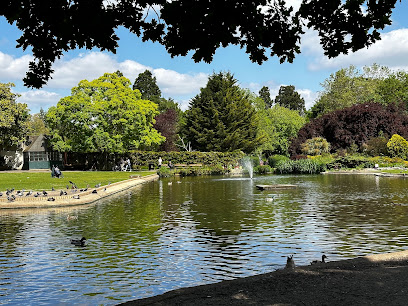
A historic and tranquil green space in Pinner with gardens, wildlife, playgrounds, and cultural gems for all ages to enjoy.
Heath Robinson Museum
5.6 km
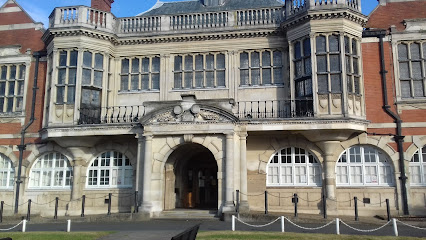
Discover the whimsical world of William Heath Robinson in a charming museum set within Pinner's tranquil Memorial Park.

Royal Air Force Museum London
5.7 km
Explore 100+ years of aviation history and iconic RAF aircraft at this free, family-friendly museum in London’s historic Colindale Aerodrome.

Middlesex University London
6.6 km
A vibrant, inclusive university campus in north London blending modern facilities, diverse community, and global career opportunities.
Eastcote House Gardens
6.9 km
Discover Tudor heritage and tranquil beauty in Eastcote House Gardens, a lovingly restored green oasis with historic buildings and vibrant horticulture.
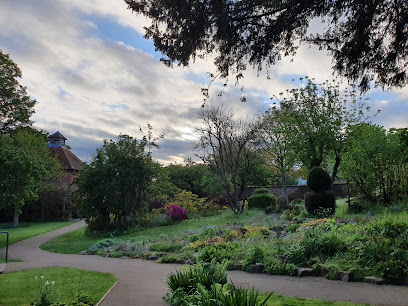
Essential places to dine

The Duck In The Pond
1.5 km
A bright, family-friendly gastropub in Harrow serving classic British dishes, great drinks, and a welcoming atmosphere with spacious indoor and outdoor seating.
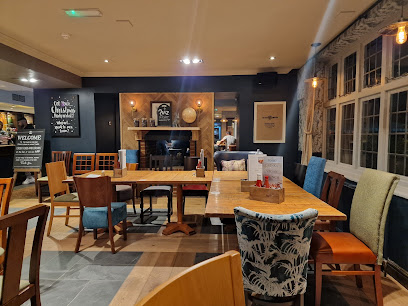
St James Restaurant
4.8 km
Creative Modern British dining with exceptional service in the heart of Bushey’s vibrant High Street.

Miller & Carter Ruislip
8.8 km
Classic British steakhouse in Ruislip serving premium cuts with warm, attentive service in a relaxed setting.

Arens Bar & Grill at The Six Bells
8.9 km
Discover the perfect blend of grilled delights and crafted cocktails at Arens Bar & Grill - your go-to dining destination in Ruislip.

Tamara Lounge
13.2 km
A vibrant fusion of Indian, Chinese, and Lebanese flavors with lively nightlife and shisha lounge in the heart of Uxbridge.

Portobello Garden Arcade Italian Restaurant
13.3 km
Authentic Italian dining in a rustic, cozy setting nestled in the heart of vibrant Notting Hill’s Portobello Road.
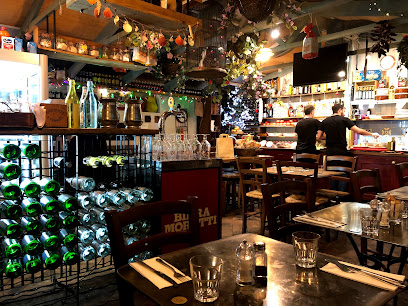
Hatche Bistro Grill & Bar
13.3 km
Family-owned Mediterranean bistro with charcoal-grilled specialties and warm hospitality on Potters Bar High Street.
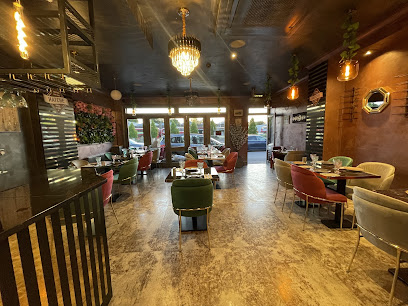
Fez Mangal Ladbroke Grove
13.3 km
Experience authentic Turkish barbecue and vibrant atmosphere at Fez Mangal Ladbroke Grove, a beloved London institution for kebab lovers.
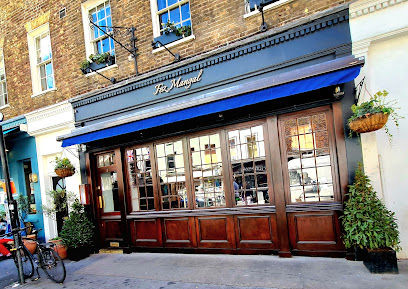
La mia Mamma Notting Hill
13.5 km
Experience authentic Italian regional cuisine prepared by real mammas in a warm, lively Notting Hill trattoria setting.
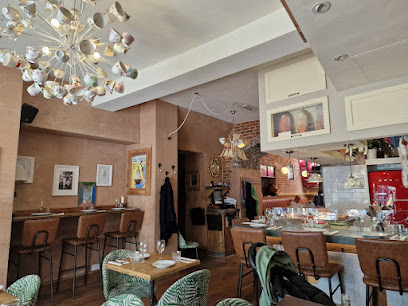
Osteria Napoletana
13.5 km
Cozy Neapolitan eatery in Notting Hill serving authentic southern Italian classics with warm hospitality and a lively atmosphere.
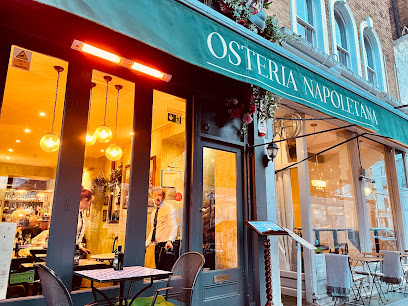
The Sushi Co - Notting Hill
13.6 km
Fresh, flavorful sushi and Asian dishes served late in a casual Portobello Road spot with friendly service and gluten-free options.
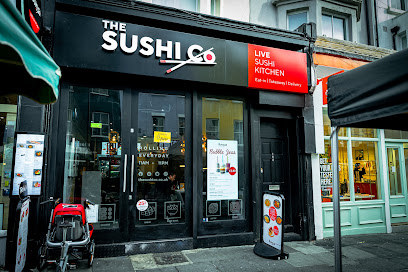
104 Restaurant by Richard Wilkins
13.6 km
A refined modern French gem in Notting Hill offering intimate dining, exquisite tasting menus, and impeccable service in a cozy setting.
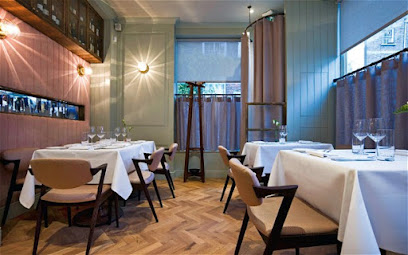
The Ledbury
13.6 km
Experience world-class Modern European fine dining in Notting Hill at The Ledbury, a 3-Michelin-starred culinary gem blending British ingredients with French elegance.
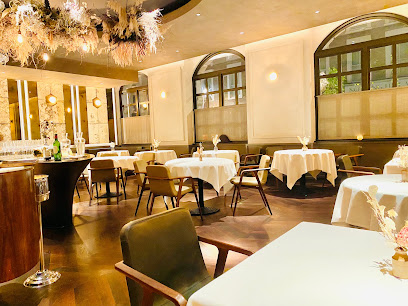
Ci Tua Osteria Romana
13.7 km
Experience authentic Roman cuisine and warm Italian hospitality in the heart of London’s vibrant Portobello Road.
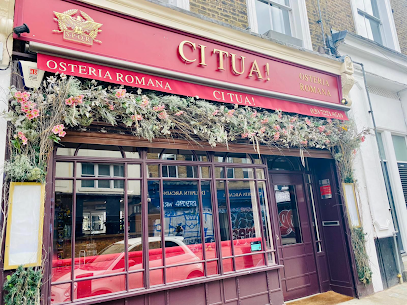
Core by Clare Smyth
13.9 km
Experience three-Michelin-starred modern British cuisine by Clare Smyth in an elegant Notting Hill setting, where sustainability meets culinary artistry.
Markets, malls and hidden boutiques

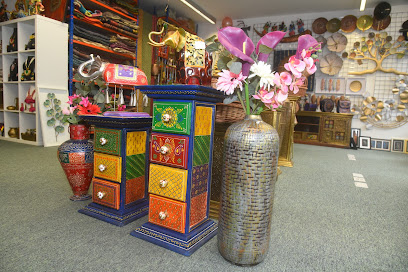
Chamak Craft Art & Decor | Handmade Gifts for Home and Business | Stanmore, Harrow
1.9 km
Discover authentic Indian handmade crafts and unique gifts at Chamak Craft Art & Decor, a vibrant cultural hub in Stanmore.
Fabulous Woman Limited
3.1 km
Explore luxurious beauty and wellness at Fabulous Woman Limited, the ultimate health and beauty destination for tourists seeking rejuvenation.

The Copper Collection
4.5 km
Discover unique handcrafted treasures and local artistry at The Copper Collection, a charming gift shop in Pinner open daily.

Unique Globe Curiosities Gift Shop
7.1 km
Explore the Unique Globe Curiosities Gift Shop – a whimsical haven of memorable gifts and souvenirs in Wembley.

Gift Centre London
11.2 km
Discover a unique blend of gifts, souvenirs, and practical items at Gift Centre London, your one-stop shop for memorable finds.

Stuff
11.7 km
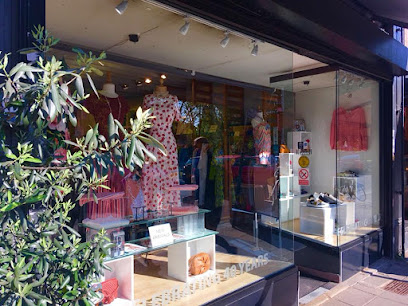
Discover stylish women's fashion in a charming West London boutique with a personal touch and curated collections.
Neelam Post Office & Convenience
11.7 km
Experience the best of convenience shopping in Uxbridge at Neelam Post Office & Convenience, offering fresh produce, postal services, and more.

Unique London
11.7 km
A vibrant clothing boutique on Kilburn High Road, offering unique fashion finds and personal service in a diverse, lively London neighbourhood.

The Discount Store
13.0 km
Discover unbeatable prices and a wide variety of products at The Discount Store in Hayes, a must-visit destination for budget-savvy travelers.

Antique Clothing Shop
13.1 km
Discover timeless threads and retro glamour at this Portobello Road gem, where antique clothing whispers stories from London's stylish past amid market vibrancy.
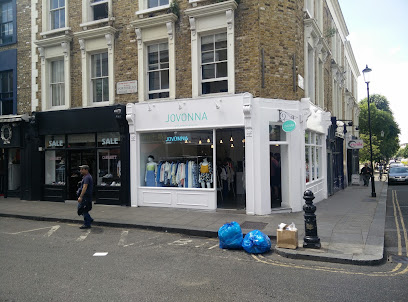
Jovonna Notting Hill Boutique
13.3 km
Discover Jovonna's feminine edge on Portobello Road: classic meets contemporary in Notting Hill's fashion heartbeat.
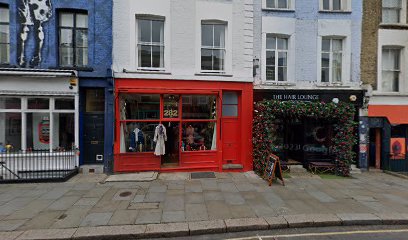
Hangout Clothing
13.4 km
Discover designer flair on Portobello Road at Hangout Clothing, where trendy threads meet Notting Hill's bohemian buzz in a chic boutique haven.

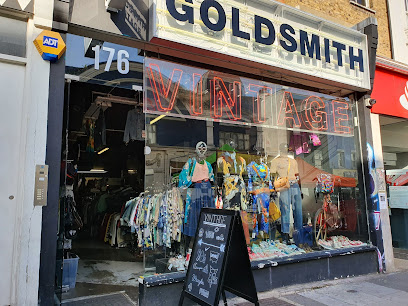
Goldsmith Vintage
13.6 km
Discover chic vintage treasures at Goldsmith Vintage on bustling Portobello Road, where timeless fashion meets Notting Hill's iconic market charm.
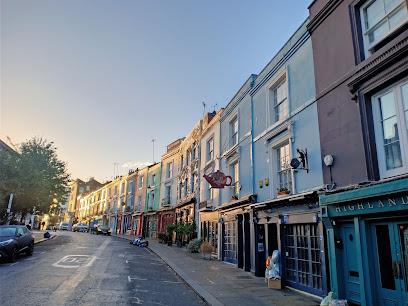
Portobello Rd
13.6 km
London's legendary street market where antiques, vintage fashion, and treasures await discovery in vibrant Notting Hill.
The London Heritage
13.7 km
A boutique heritage hotel in Canary Wharf blending historic elegance with modern luxury and wellness amenities.
Essential bars & hidden hideouts

The Castle, Harrow
5.2 km
Historic 18th-century pub in Harrow serving classic British roasts and ales in a warm, lively atmosphere with heritage charm.
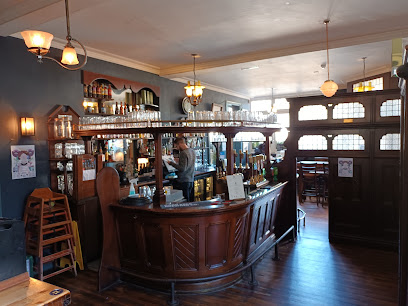
The White Horse
6.9 km
A stylish British pub in Wembley Park offering quality ales, elevated pub fare, and versatile event spaces near Wembley Stadium.
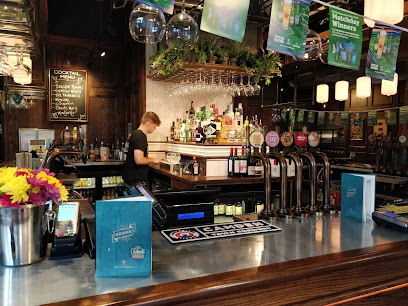
Middlesex Arms
8.7 km
A classic British pub blending traditional charm with modern comforts in the heart of Ruislip.

Bobby Fitzpatrick
11.3 km
Step into a vibrant 1970s-themed cocktail bar in West Hampstead, where expertly crafted rum drinks meet retro charm and playful culinary twists.
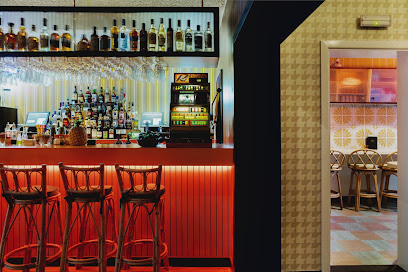
Star & Scorpion
11.6 km
A lively gastropub in West Ealing serving American-inspired dishes, craft cocktails, and featuring private heated cabins with Sky Sports.
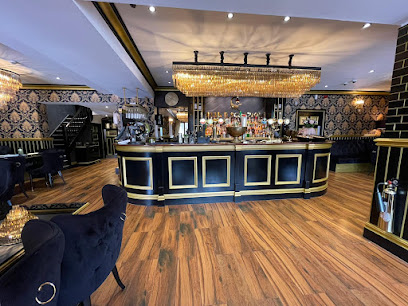
The Old Orchard
12.2 km
A charming gastropub in Harefield offering stunning views, refined British cuisine, and a warm, welcoming atmosphere.
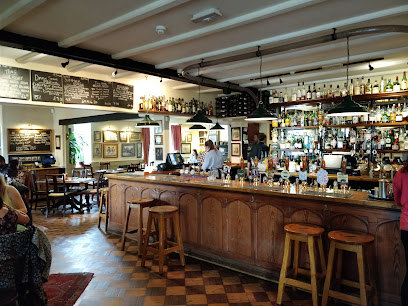
The Quiet Night Inn
13.3 km
Lively Notting Hill pub with roof terrace, local brews, games, live sports, and open mic nights—perfect for casual hangs and private events.
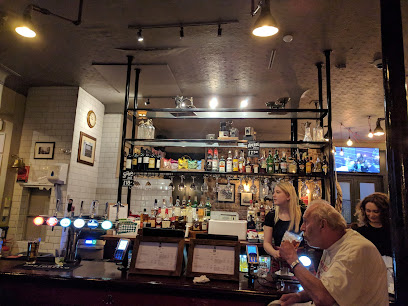
The Pelican
13.3 km
Notting Hill's gastropub gem: robust British plates, craft ales, and sustainable flair in a revived 150-year-old corner boozer.
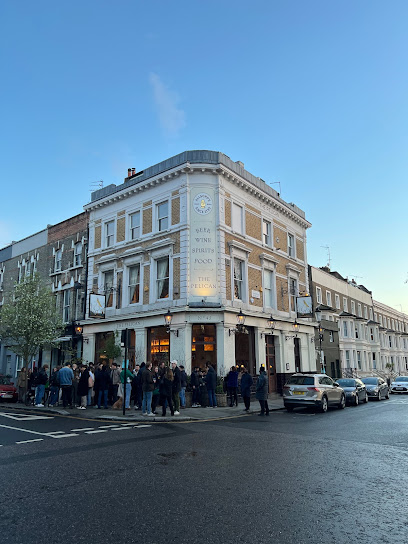
Love
13.3 km
Intimate Portobello Road cocktail bar with polished service, crafted drinks and a warm, late‑night Notting Hill atmosphere.
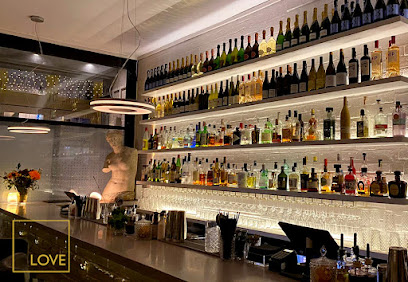
The Elgin
13.3 km
Opulent Notting Hill gastropub with historic charm, seasonal British dishes, gin haven, beer garden buzz, and versatile private event spaces.
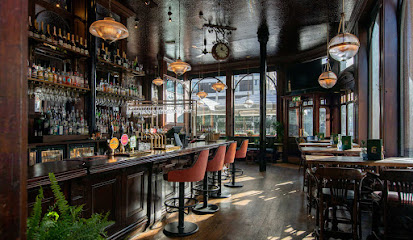
The Little Yellow Door
13.4 km
Notting Hill's quirky flatshare bar where cocktails flow from teacups, games spark laughs, and every night feels like a spontaneous house party in a colorful home.
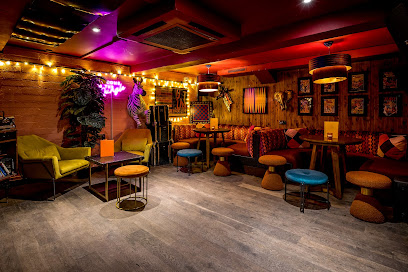
The Week
13.6 km
Cozy Notting Hill bar on Elgin Crescent, blending craft cocktails and warm vibes in West London's chicest corner. Ideal for intimate evenings amid Victorian charm.
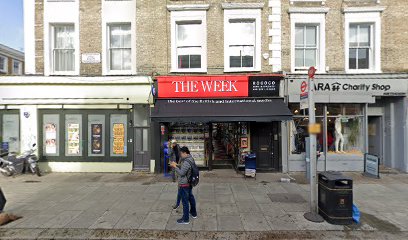
Trailer Happiness
13.6 km
Notting Hill's kitschy tiki basement bar pours rum-heavy daiquiris and tropical twists amid plush, indulgent vibes—prime for rowdy W11 nights.
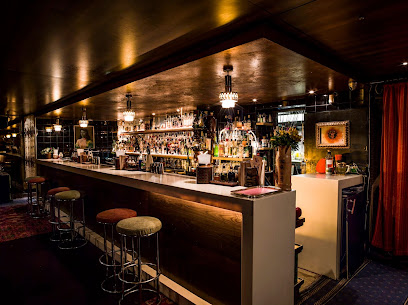
Portobello Star
13.6 km
Gin mastery on Portobello Road: vintage vibes, craft cocktails, and Notting Hill's electric market energy in one cozy retreat.
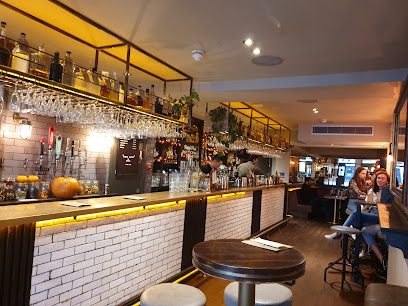
The Intrepid Fox
13.7 km
A legendary London bar famed for its rock and metal spirit, craft beers, and vibrant music culture in Archway.

Nightclubs & after hour spots

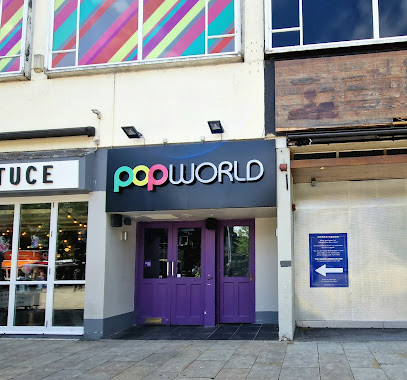
Popworld Watford
7.5 km
A vibrant late-night hotspot in Watford playing all your favorite 90s and 2000s pop classics with fun cocktails and a lively dancefloor.
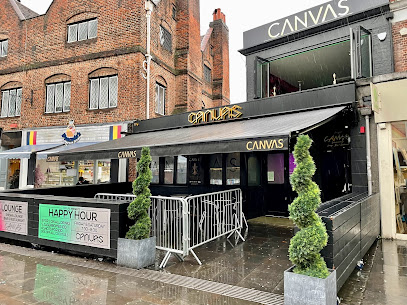
Canvas Bar & Nightclub
7.5 km
Experience vibrant nights of music, dancing, and cocktails at Canvas Bar & Nightclub in the heart of Watford’s High Street.
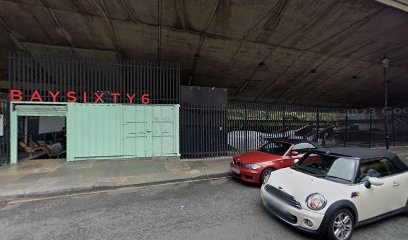
Subteranian
13.1 km
A compact underground club on Acklam Road delivering dense, DJ-led electronic nights with an intimate, bass-heavy atmosphere.
Lost In Disco
13.5 km
An intimate West London disco night celebrating 1970s–80s funk, soul and floor-filling classics with DJs, guest singers and a glittering dancefloor.
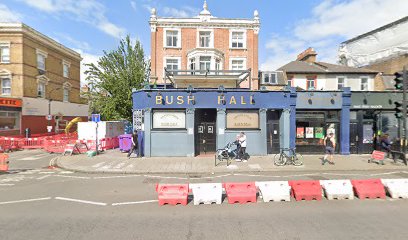
Electric House
13.6 km
Experience the vibrant social scene at Electric House, a chic social club in Notting Hill, London, blending style, comfort, and culinary delights.
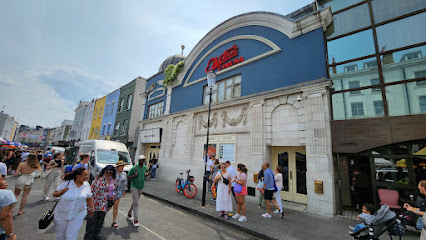
The Duke of Wellington
13.6 km
Historic Young's pub on Portobello Road: Victorian screens, market views, British roasts, and Notting Hill legends in every pint.
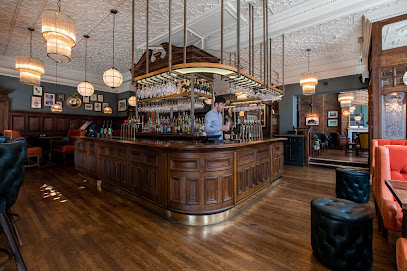
The Globe
13.6 km
Traditional London pub by day, lively late‑night bar and club by night—large, hireable rooms and a warm, characterful interior.
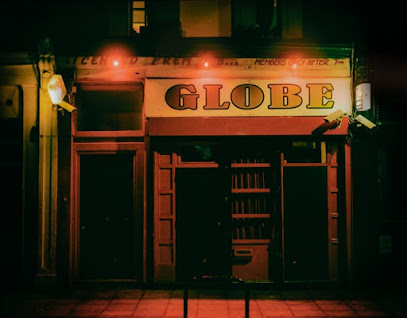
Monster Queen
14.1 km
Dive into Camden's dark heart at Monster Queen: intimate club nights pulsing with goth electronica, historic vibes, and non-stop energy till dawn.

Club Stable
14.1 km
Historic Camden stables turned electrifying nightclub: dance in Victorian horse stalls amid live music, cabaret, and pulsing beats in London's nightlife epicenter.
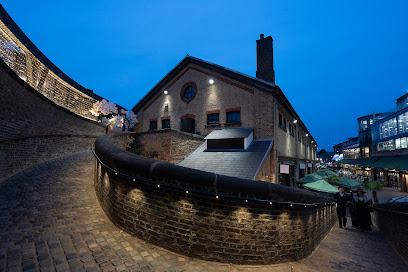
Lockside
14.4 km
Canal views, craft cocktails, and DJ-fueled nights atop Camden Market's vibrant West Yard—a daytime diner turned electric nightlife escape.
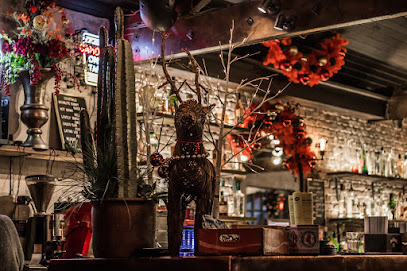
Notting Hill Arts Club
14.5 km
West London's sweaty basement cradle of music legends since '97—coffee by day, live gigs and club nights till 2am in an intimate den of funk, jazz, and raw talent.
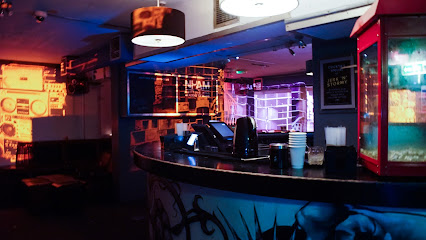
Electric Ballroom
14.6 km
A gritty, multi-level Camden music hall where loud live bands and club nights collide beneath theatrical lighting and raised balconies.
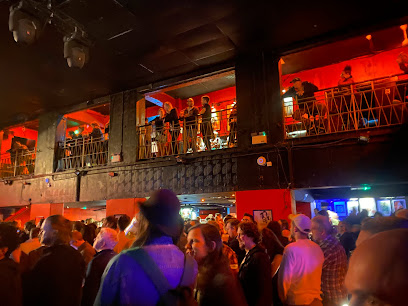
Soul City
14.7 km
A Saturday-night Camden basement party celebrating soul, disco and funk with DJ-led, record-minded sets in The Jazz Cafe’s atmospheric room.
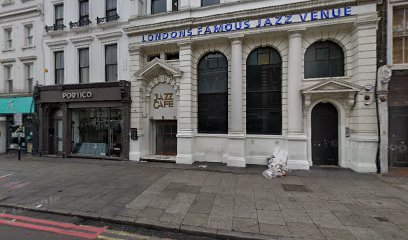
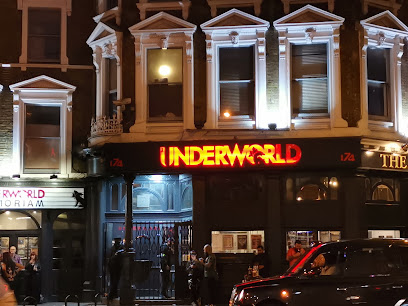
The Underworld
14.7 km
Dive into Camden's throbbing heart of rock and metal at this legendary basement club, where intimate gigs unleash mosh pits and unforgettable riffs.
Club Swizzle
14.8 km
Dive into acrobatic cabaret mayhem at the Roundhouse: Swizzle Boys flip chairs, Reuben Kaye slays with wit, and the bar becomes your front-row thrill ride in Camden's hottest 2018 spectacle.
For the vibe & atmosphere seeker
- Tranquil
- Scenic
- Historic
- Unique
For the design and aesthetic lover
- Vintage Styles
- Rustic Designs
For the architecture buff
- Historic
- Landmarks
- Sacred Sites
For the view chaser and sunset hunter
- Iconic Views
For the social media creator & influencer
- Instagrammable
- Photo Spots
For the eco-conscious traveler
- Protected Area
- Locally Managed
- Public-Transport Accessible
For the kind of experience you’re after
- Cultural Heritage
- Photowalk
- Day Trip
- Weekend Getaway
For how adventurous you want the journey to be
- Easy Access
Location Audience
- Family Friendly
- Senior Friendly
- Child Friendly
- Couple Friendly
- Solo Friendly
- Vegetarian Friendly


