
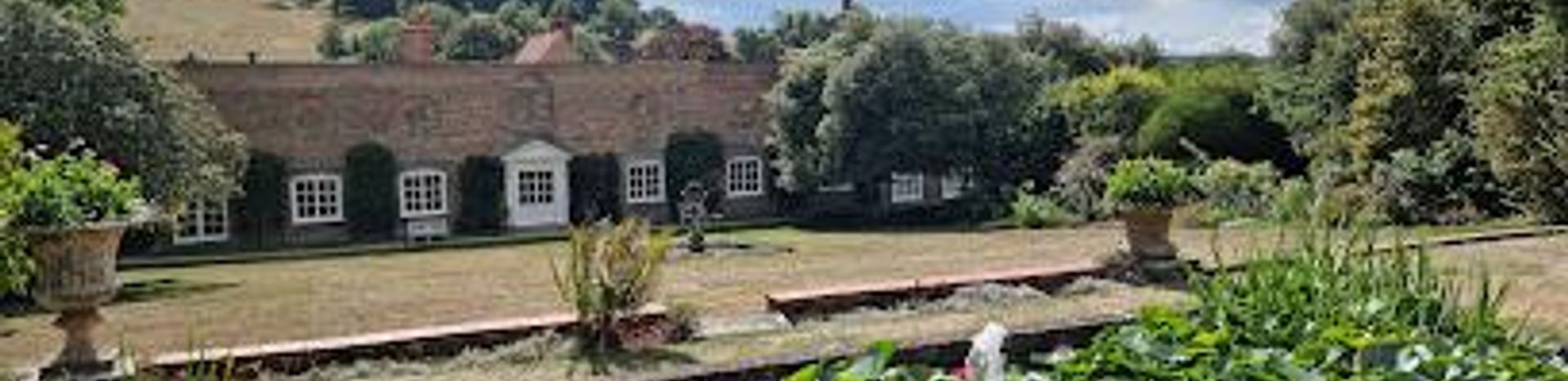
Stonor Park: An Enduring Medieval Estate in the Chiltern Hills
Explore Stonor Park, an 850-year-old family home with medieval roots, ancient stone circle, and tranquil Chiltern Hills gardens.
Stonor Park, near Henley-on-Thames in Oxfordshire, is one of England’s oldest family homes, inhabited by the Stonor family for over 850 years. This historic country house features a unique blend of medieval, Tudor, and Georgian architecture, a 12th-century private chapel, and the remains of a prehistoric stone circle. The estate’s gardens and deer park offer tranquil natural beauty, while its rich history intertwines with the family’s steadfast Catholic faith during turbulent times.
A brief summary to Stonor Park
- Henley-on-Thames, Stonor, RG9 6HF, GB
- +441491638587
- Visit website
- Duration: 2 to 4 hours
- Mid ranged
-
 Outdoor
- Mobile reception: 4 out of 5
Local tips
- Visit the private Chapel of the Blessed Trinity to see the ancient stone foundation and learn about the Stonor family's Catholic heritage.
- Explore the Italianate pleasure gardens and enjoy views of the deer park where fallow deer roam freely.
- Take time to discover the historic interiors, including the 17th-century library and family portraits that chronicle centuries of history.
- Stop by the Stonor Pantry café for refreshments in a cozy setting dating back to the 12th century.
- Learn about Edmund Campion’s secret printing press hidden in the priest hole during the Reformation.

For the on-the-go comforts that matter to you
- Restrooms
- Drink Options
- Food Options
- Seating Areas
- Picnic Areas
- Information Boards
- Visitor Center
Getting There
-
Train and Taxi
Travel by train to Henley-on-Thames station, approximately 4 miles from Stonor Park. From there, take a taxi for about 10 minutes; taxi fares typically range from £12 to £18. Note that no direct public transport serves the estate.
-
Car
Drive via the M40 (junction 6) or M4 (junctions 8/9) to the B480 road towards Henley-on-Thames. Parking is available on-site free of charge. The drive from central Henley-on-Thames takes approximately 15 minutes. SatNav may add extra time if not using junction 6 on the M40.
-
Walking
For active visitors, a scenic but moderately challenging 1.5-hour walk from Henley-on-Thames town center to Stonor Park is possible, involving country lanes and some uneven terrain. Suitable for those with good mobility and weather-appropriate footwear.
Stonor Park location weather suitability
-
 Any Weather
-
 Clear Skies
-
 Mild Temperatures
-
 Rain / Wet Weather
Discover more about Stonor Park
Ancient Roots and Family Legacy
Stonor Park stands as a remarkable testament to continuity, having been the ancestral home of the Stonor family, Barons Camoys, for more than eight centuries. The estate’s name derives from the Old English 'Stanora Lege,' meaning 'stony hill,' referencing the prehistoric stone circle on which the house was built. The family’s documented presence dates back to the late 12th century, with Robert de Stanora as an early inhabitant. Over generations, the Stonors played influential roles as local sheriffs, parliamentarians, and royal servants, weaving their story deeply into English history.Architectural Evolution and Historic Interiors
Behind its warm red brick façade, Stonor Park is a complex of buildings reflecting centuries of architectural styles. The core dates from the late 12th century, with the private Chapel of the Blessed Trinity added in the 13th century, incorporating one of the ancient standing stones into its foundation. Around 1540, the house adopted its distinctive E-shaped Tudor layout. Visitors today can explore the grand Gothic revival hall, the atmospheric 17th-century library, and a long gallery that opens onto Italianate gardens. The interiors house a rich collection of family portraits, tapestries, bronzes, and ceramics gathered from around the world, each room telling stories of the family’s service and heritage.Faith and Perseverance Through Turbulent Times
The Stonor family’s unwavering Catholic faith shaped much of the estate’s history. During the English Reformation and subsequent centuries, they endured persecution and heavy recusancy fines for refusing to conform to the Church of England. The private chapel remained a sanctuary for Catholic worship and refuge for Jesuit priests, including Edmund Campion, who hid in the priest hole while secretly printing his famous pamphlet in 1581. Despite raids and imprisonments, the family’s commitment never wavered, allowing local villagers to attend Mass at the chapel and maintaining a rare continuous Catholic presence in the region.Gardens, Deer Park, and Natural Splendor
Set within the rolling Chiltern Hills, Stonor Park’s grounds include a private deer park where fallow deer roam freely, enhancing the estate’s serene atmosphere. The gardens, with origins recorded from the 14th century, feature a 17th-century Italianate pleasure garden with ponds and fountains, an old kitchen garden, and historic tree plantings. Over centuries, the gardens have evolved with influences from Victorian plant collectors and 20th-century restorations. The estate’s landscape invites visitors to experience a peaceful connection to nature amid ancient trees and sweeping views.Prehistoric Heritage and the Stone Circle
One of Stonor Park’s most fascinating features is the prehistoric stone circle that predates the house by thousands of years. The remains of this ancient henge are still visible on the grounds, with one stone symbolically embedded in the chapel’s corner. The stones, a mix of sarsen and puddingstone, were repositioned during 17th- and 20th-century landscaping efforts but remain a powerful link to the site’s distant past, offering a unique glimpse into prehistoric ritual landscapes.Living History and Contemporary Stewardship
Today, Stonor Park remains a vibrant family home, stewarded by the Hon. William Stonor and Lady Ailsa, who continue the family’s legacy of preservation and public engagement. The estate welcomes visitors to explore its layered history, architectural marvels, and natural beauty. The on-site Stonor Pantry café offers a cozy spot to relax, while the estate’s ongoing care ensures that this extraordinary country house and its grounds endure as a living connection to England’s past and present.Iconic landmarks you can’t miss

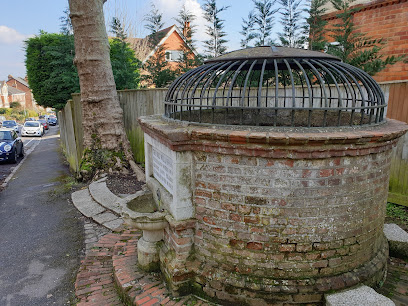
Holy Well of St Anne
14.3 km
A tranquil medieval pilgrimage site in Reading, dedicated to St Anne, echoing centuries of healing waters and local legend.
Edward VII Statue
15.5 km
A distinguished Edwardian bronze statue near Reading station, embodying regal history and artistic heritage from the early 20th century.

Virgin Experience Days
16.0 km
Uncover unique gifts and memorable experiences at Virgin Experience Days in Bourne End, a must-visit for every tourist seeking adventure.
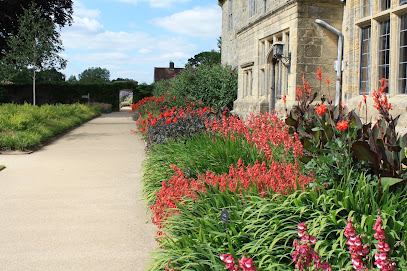
Maidenhead Railway Bridge
18.3 km
A masterpiece of Victorian engineering, Maidenhead Railway Bridge showcases Brunel’s groundbreaking design with its iconic flat brick arches spanning the Thames.
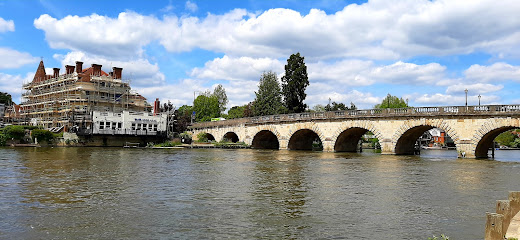
Hilton Reading
18.6 km
Discover the perfect blend of modern luxury and convenience at Hilton Reading, your ideal base to explore the vibrant city and surrounding attractions.

Bill Hill Bronze Age Barrow
24.5 km
Discover the intriguing history of the Bronze Age at Bill Hill Bronze Age Barrow, a serene landmark in Bracknell's picturesque landscape.
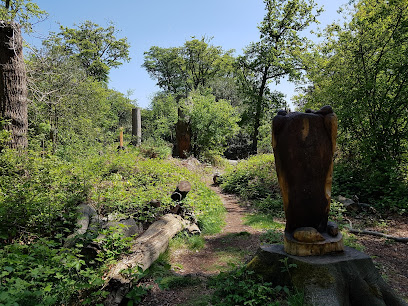
The White House
24.5 km
An 18th-century white mansion anchoring a historic estate near Windsor Castle.

Miniland
24.6 km
Explore Miniland at LEGOLAND® Windsor, where famous landmarks are reimagined in stunning LEGO detail, offering a family-friendly adventure for all ages.
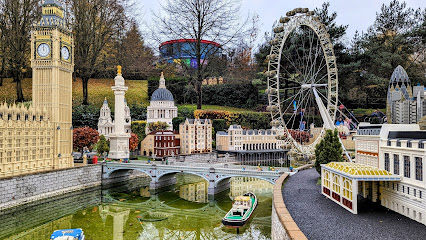
LEGOLAND® Windsor Resort
24.7 km
Explore LEGOLAND® Windsor Resort, the UK's premier family theme park, filled with thrilling rides, creative attractions, and LEGO magic waiting for you.
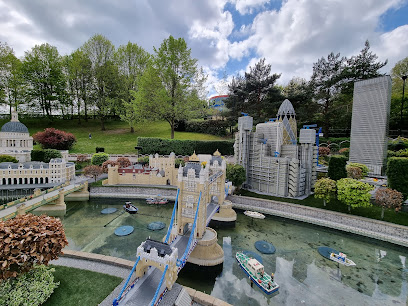
Lily Hill Park
24.8 km
Discover the natural beauty of Lily Hill Park in Bracknell, a perfect destination for picnics, walks, and family fun amidst lush greenery.
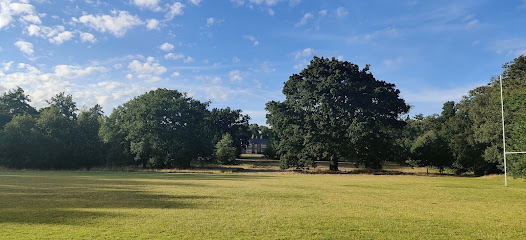
The Brocas
25.2 km
Explore The Brocas, a serene riverside park in Eton, perfect for picnics, walks, and breathtaking views of Windsor Castle.
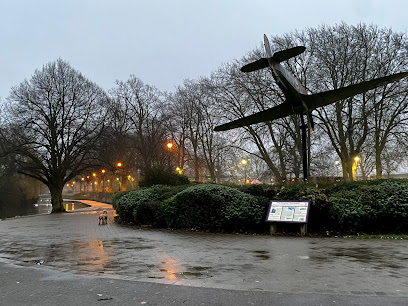
Sydney Camm Memorial
25.3 km
A full-size Hawker Hurricane replica honouring the Windsor-born designer who shaped aviation history.
Burning Bush
25.4 km
A striking Gothic iron lamp embodying Eton College’s royal heritage and scholastic tradition on the historic High Street.
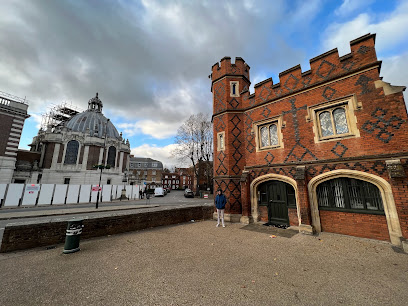
Eton College
25.5 km
Explore the rich history and stunning architecture of Eton College, a legendary educational institution in Windsor, England.

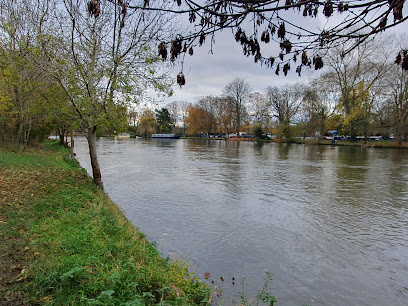
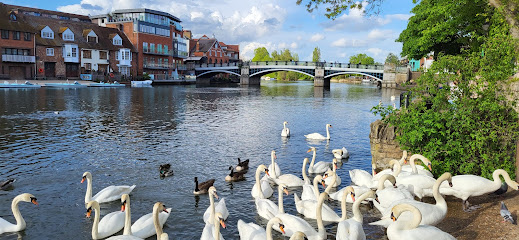
River Thames Windsor
25.5 km
Discover the beauty and history of the River Thames in Windsor, a picturesque destination perfect for leisurely strolls and scenic boat rides.
Unmissable attractions to see

Warburg Nature Reserve Berkshire, Buckinghamshire and Oxfordshire Wildlife Trust
2.1 km
Explore the tranquil Chilterns sanctuary of Warburg Nature Reserve, a vibrant refuge for rare orchids, fungi, and wildlife amid ancient woodlands and chalk grasslands.
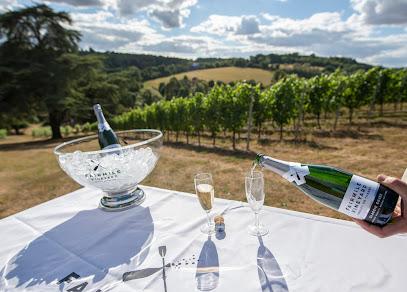
Fairmile Vineyard Henley-on-Thames
5.4 km
Award-winning English sparkling wines crafted in a scenic Chilterns vineyard near Henley-on-Thames, offering year-round tours and tastings.
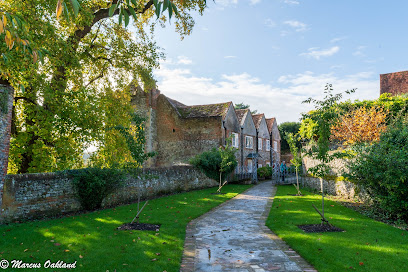
National Trust - Greys Court
5.8 km
Explore centuries of history, enchanting gardens, and scenic Chilterns walks at the charming Tudor manor of Greys Court.
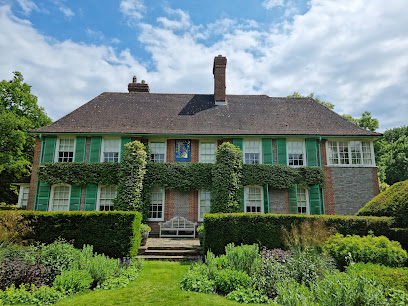
National Trust - Nuffield Place
6.0 km
Explore the historic home and gardens of Lord Nuffield, founder of Morris Motors, where industrial legacy meets tranquil Arts and Crafts beauty.
Henley Royal Regatta
7.0 km
Experience the world’s most prestigious rowing event on the scenic River Thames at Henley-on-Thames, blending sport, tradition, and elegant riverside hospitality.
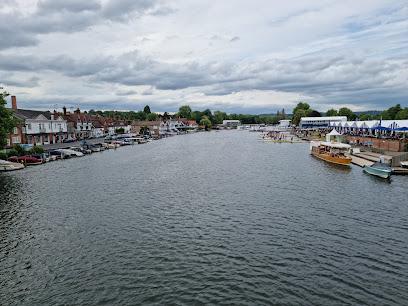
Mill Meadows
7.5 km
Tranquil riverside park in Henley-on-Thames offering scenic walks, picnics, and community green space along the Thames.
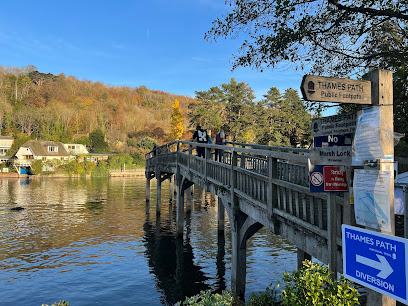
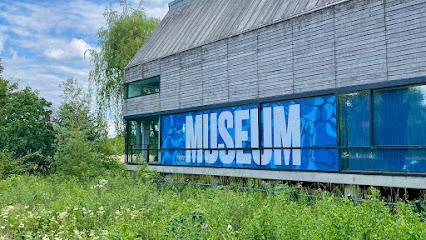
River & Rowing Museum
7.6 km
Discover the heritage of the Thames and rowing in Henley’s striking museum, blending sport, art, and immersive family experiences.
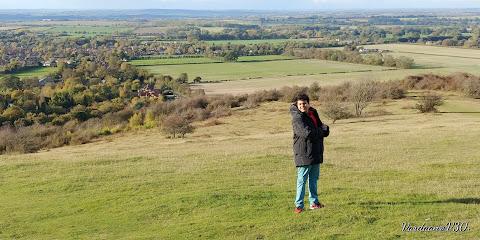
Chilterns National Landscape
8.8 km
Explore 324 square miles of rolling chalk hills, ancient woodlands, and historic villages in England’s tranquil Chilterns National Landscape.
National Trust - West Wycombe Park
10.5 km
Explore West Wycombe Park’s grand Palladian mansion, enchanting rococo gardens, and historic village nestled in the scenic Chiltern Hills.
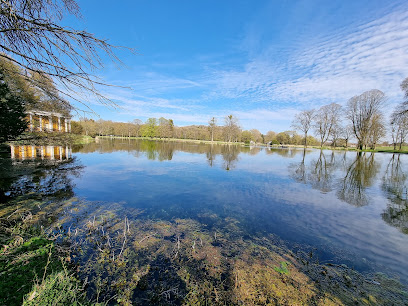
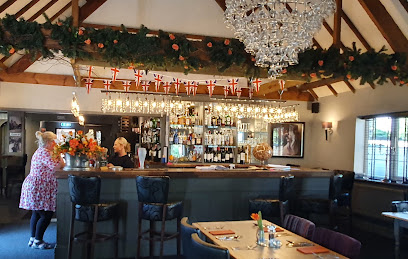
The Boot
10.7 km
A beloved gastropub in Bledlow Ridge offering hearty British classics, a welcoming atmosphere, and family-friendly outdoor spaces.
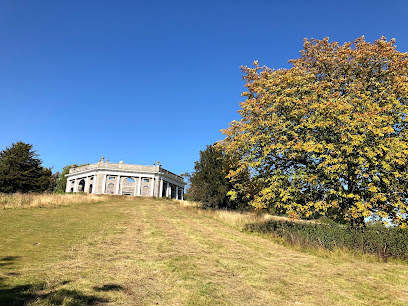
Dashwood Mausoleum
10.8 km
Historic 18th-century mausoleum with panoramic Chiltern Hills views, linked to Sir Francis Dashwood and the legendary Hellfire Club.
The Hellfire Caves
10.8 km
Explore the eerie 18th-century underground tunnels of The Hellfire Caves, steeped in mystery, history, and legendary secret societies.
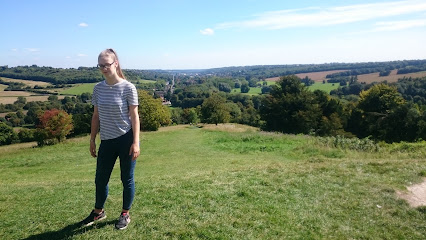
CHILTERNS NATURE - CHINNOR CHALK PITS
11.3 km
Explore the serene and fossil-rich Chinnor Chalk Pits, a geological gem nestled in the heart of the Chiltern Hills.
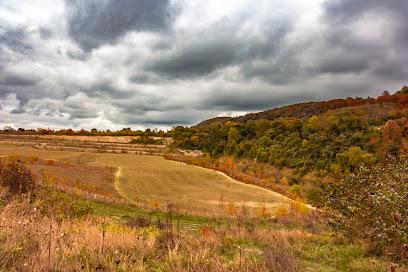
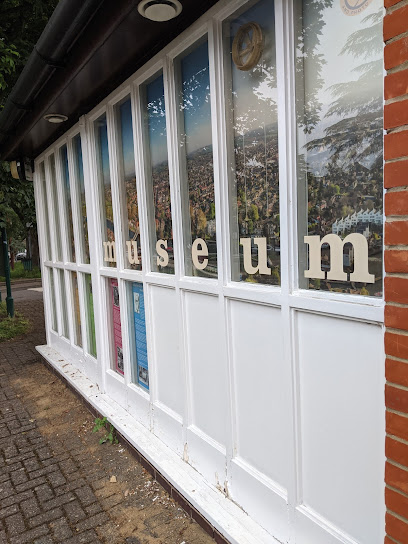
Marlow Museum
11.5 km
Discover Marlow’s rich heritage through engaging exhibits and passionate volunteer storytelling in a charming riverside setting.
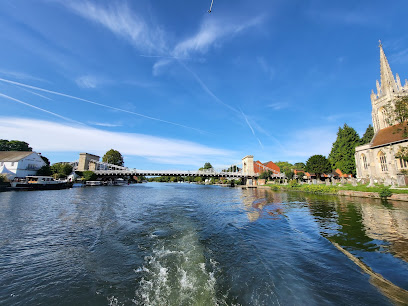
Higginson Park and Court Garden Leisure Complex
11.5 km
A historic riverside park in Marlow blending natural beauty, leisure facilities, and family-friendly activities along the iconic Thames Path.
Essential places to dine

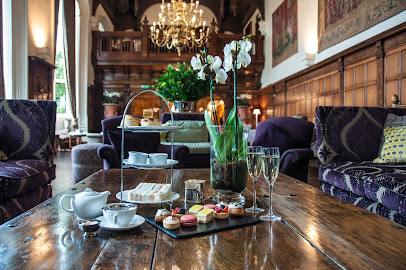
The Restaurant at Danesfield House
9.2 km
Elegant British dining in a historic country house with stunning views of the Thames and Chiltern Hills near Marlow.
Vanilla Pod
11.3 km
Cozy Anglo-French dining in historic Marlow, blending refined flavors with literary heritage and exceptional service.
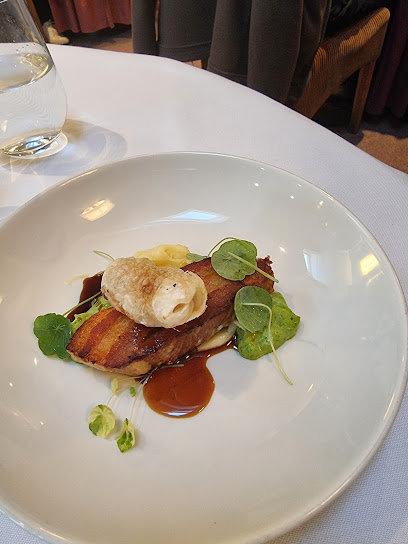
The Ivy Marlow Garden
11.5 km
Elegant British dining with Art Deco charm and a diverse menu on Marlow's historic High Street, perfect for special occasions and leisurely meals.
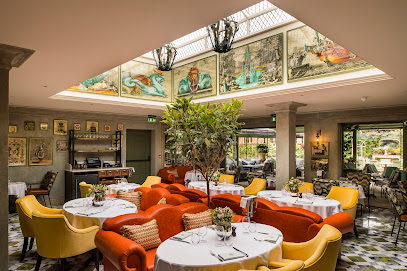
Miller & Carter Caversham
13.3 km
Savor expertly aged Black Angus steaks in a warm, inviting setting at Miller & Carter Caversham, Reading’s premier steakhouse destination.
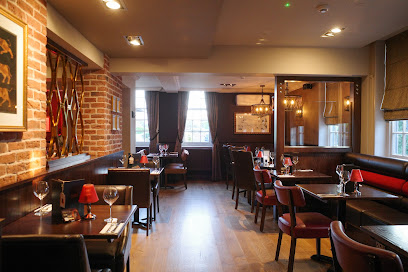
The Botanist Reading
15.8 km
Experience live music and delicious dining at The Botanist Reading - where every visit offers something new!
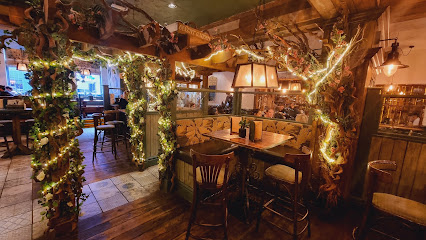
Bill's Reading Restaurant
15.9 km
Elegant Georgian setting meets hearty British fare with all-day dining, private rooms, and a sunny terrace in Reading’s town centre.
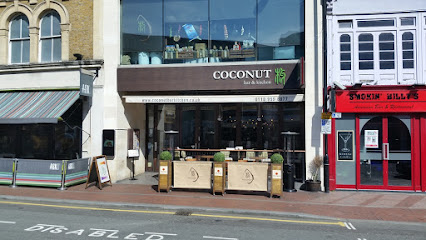
Coconut Bar & Kitchen
15.9 km
A vibrant Pan-Asian hotspot in Reading blending bold flavors, crafted cocktails, and an industrial chic vibe for all-day dining and late-night fun.
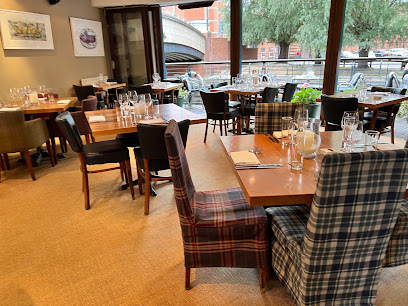
London Street Brasserie
15.9 km
Elegant riverside dining in Reading offering refined British cuisine with local, seasonal ingredients and a warm, inviting atmosphere.
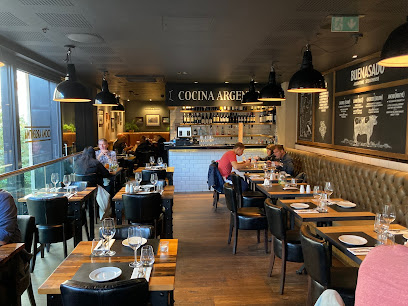
Buenasado Argentine Steakhouse - Reading
15.9 km
Savor authentic Argentinian steaks grilled to perfection in a vibrant riverside setting at Buenasado Argentine Steakhouse, Reading.
Miller & Carter Oracle
16.0 km
Savor expertly aged Black Angus steaks and vibrant bar & grill fare in the heart of Reading’s Oracle Centre.
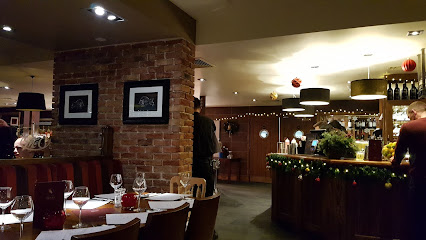
La table d'Alix at The Plough
16.0 km
Authentic French cuisine in a charming Oxfordshire village pub, blending rustic elegance with warm hospitality for memorable dining experiences.
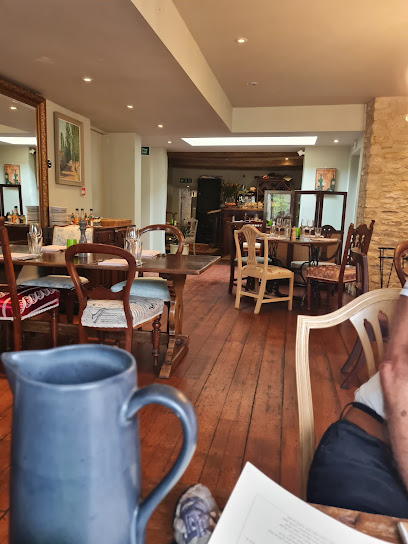
Piwnica Restaurant
16.0 km
Savor authentic Polish cuisine with generous portions and warm hospitality in a charming Reading cellar restaurant.
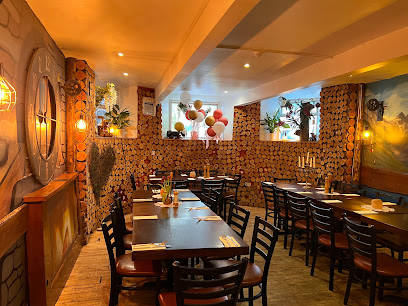
The Herd Restaurant
16.2 km
Experience expertly grilled British steaks and vibrant atmosphere in the heart of Pangbourne at The Herd Restaurant.
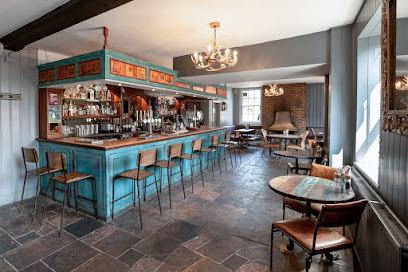
Harvester Mansion House Reading
17.1 km
Family-friendly British grill and bar in a historic setting with fresh salads and hearty meals in Reading’s Prospect Park.
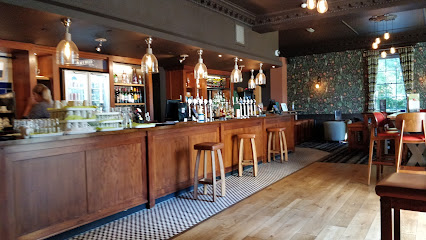
The Shurlock Inn
17.6 km
A charming 17th-century English gastropub blending historic charm with modern British cuisine and a lively bar scene.
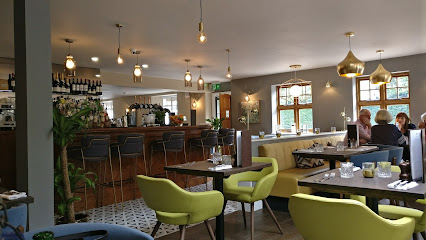
Markets, malls and hidden boutiques

John Lewis & Partners
10.8 km
A trusted British department store blending quality, style, and service in the heart of High Wycombe’s Cressex Centre.

Ruby Moon
13.6 km
Explore the mystical world of crystals and unique gifts at Ruby Moon, High Wycombe’s beloved metaphysical emporium since 1998.
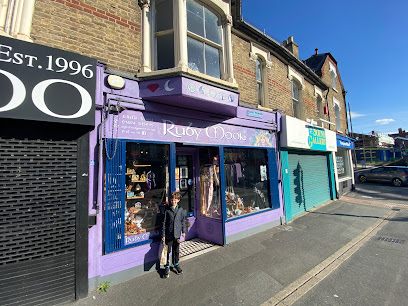
Dolly Rose Vintage Shed
14.4 km
Discover rare vintage fashion treasures and timeless style at Dolly Rose Vintage Shed, Caversham’s beloved boutique for sustainable, curated clothing.
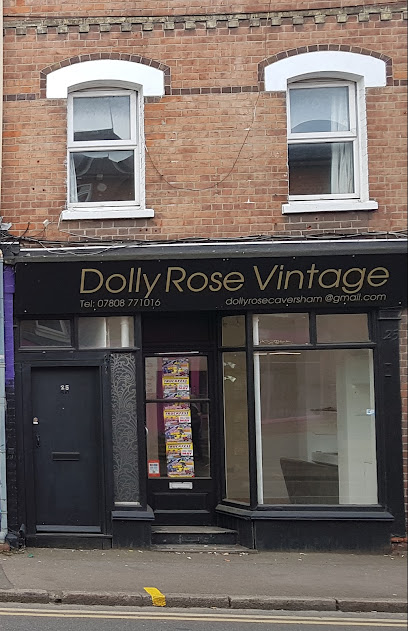
Sugarland uk
15.6 km
Discover a vibrant world of UK and American sweets at Sugarland UK, Reading’s beloved candy shop with pick-and-mix fun and next-day delivery.

Harris Arcade
15.6 km
Discover Reading’s elegant 1930s Art Deco arcade, home to quirky independent shops and a unique vintage shopping experience.
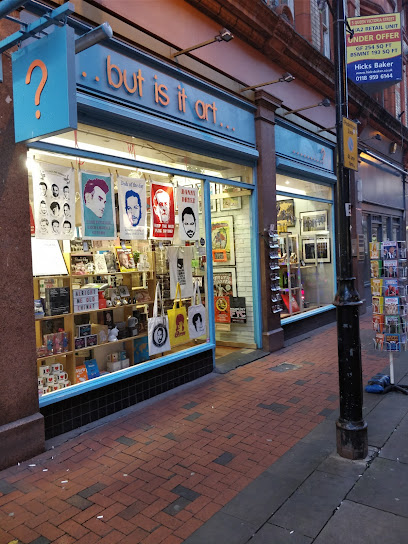
But Is It Art
15.7 km
Discover quirky, art-inspired gifts and British cultural charm at But Is It Art, Reading’s boutique for unique handcrafted treasures.
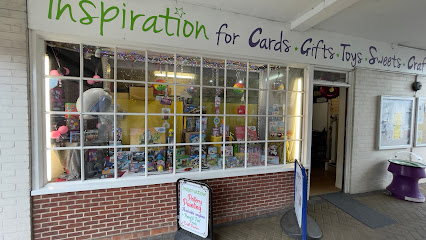
Inspiration
16.0 km
A charming gift shop in Goring Arcade offering traditional sweets, toys, stationery, pottery classes, and bespoke balloons for all occasions.
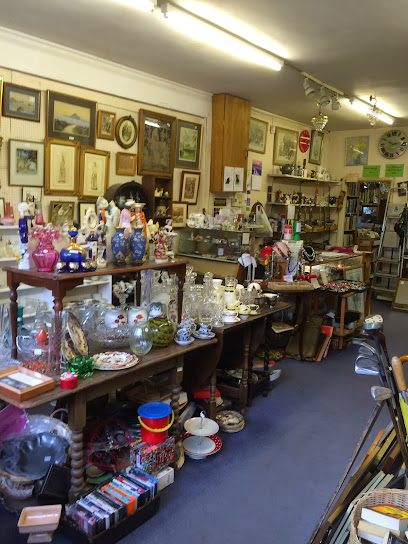
Barbara's Antique and Bric a Brac Shop
16.1 km
Discover unique vintage treasures and quirky gifts at Barbara's Antique and Bric a Brac Shop, a charming gem in the heart of Goring village.
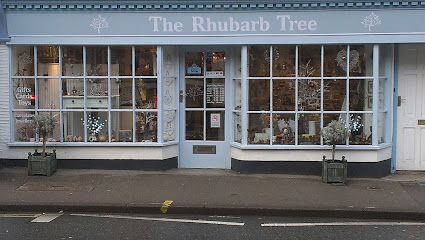
The Rhubarb Tree
16.2 km
Discover whimsical gifts, artisanal chocolates, and creative balloon art at The Rhubarb Tree, a charming boutique in Pangbourne’s historic High Street.
Well Cool Stuff
16.7 km
Explore one-of-a-kind gifts and unique souvenirs at Well Cool Stuff, a charming gift shop in Reading that celebrates local culture.
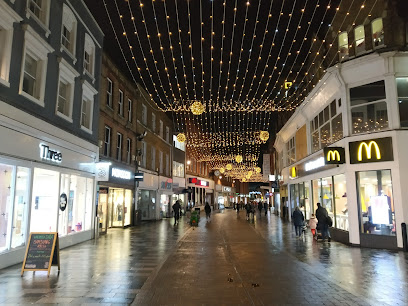
Nicholsons Shopping Centre
17.0 km
A vibrant shopping hub in Maidenhead blending big-name brands with charming boutiques for a diverse retail experience.
B&M Store
19.0 km
Shop smart and save big at B&M Store in Reading, where unbeatable prices meet a wide selection of products for every traveler.

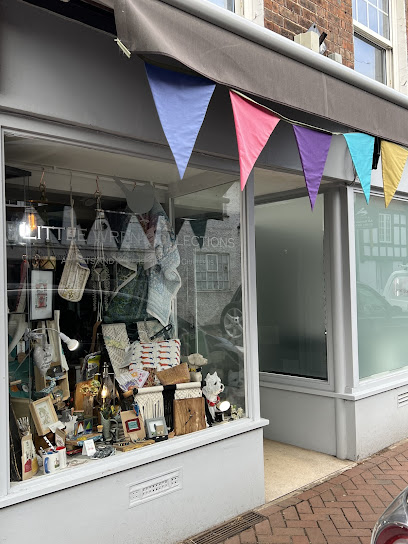
Little Wren Collections
19.9 km
Discover handcrafted jewellery, unique gifts, and art treasures at Little Wren Collections in Great Missenden’s charming High Street.
Englefield Stores & Tea Room
20.3 km
A charming village tea room and store in Englefield offering hearty meals, local produce, and a tranquil rural retreat near Reading.
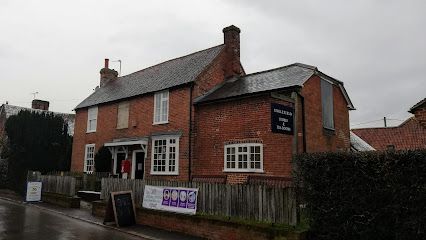
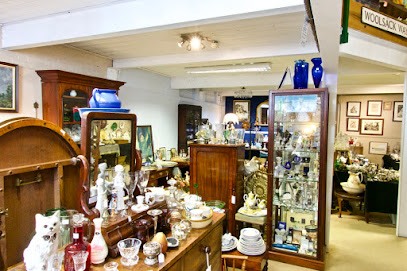
The Old Grain Barn Antiques, Berkshire
21.1 km
Discover vintage treasures and artisan crafts in a charming antique barn nestled in Berkshire’s Moss End Garden Village.
Essential bars & hidden hideouts

The Chilterns Fox
5.1 km
A cozy country pub and hotel in the Chiltern Hills offering hearty food, friendly service, and a peaceful rural retreat near High Wycombe.
The Botanist Marlow
11.3 km
A lush, botanical-themed bar and restaurant in Marlow, alive with seasonal menus, inventive cocktails, and vibrant live music every weekend.
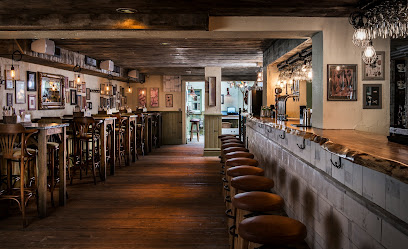
The Oarsman, Marlow
11.4 km
Sophisticated gastropub in Marlow blending seasonal British cuisine, curated wines, and warm hospitality in a stylish setting.
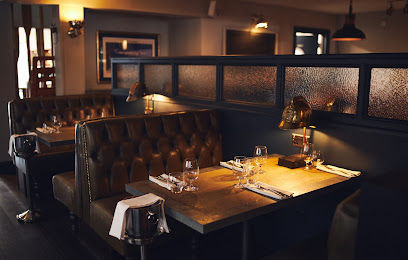
The Old Brewery
11.6 km
A vibrant Marlow pub with great beers, lively sports screens, and welcoming service for all occasions.
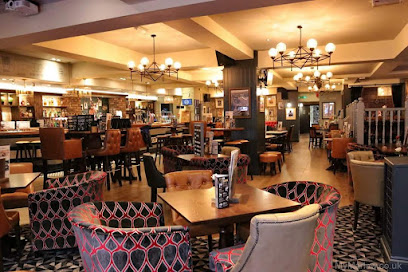
The Snug Bar High Wycombe
13.4 km
A vibrant cocktail bar in High Wycombe offering over 100 fresh cocktails, lively atmosphere, and great happy hour deals in a spacious, stylish setting.
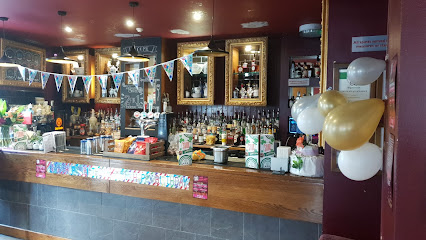
Oakford Social Club
15.5 km
A lively Reading pub with retro charm, great food, diverse drinks, and an inclusive, vibrant atmosphere for every night out.
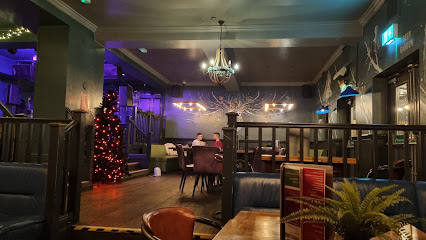
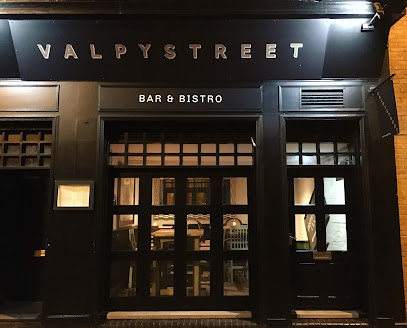
Valpy Street Bar & Bistro
15.5 km
Discover the cozy charm and unique basement ambiance of Valpy Street Bar & Bistro, a stylish spot for flavorful dining and lively evenings in Reading.
Milk Bar Reading
15.6 km
A vibrant cocktail bar in Reading blending classic flavors with creative twists and a lively urban atmosphere.

Wild Lime
15.6 km
A vibrant, modern bar in Reading offering fresh food, creative cocktails, and a welcoming atmosphere all week long.
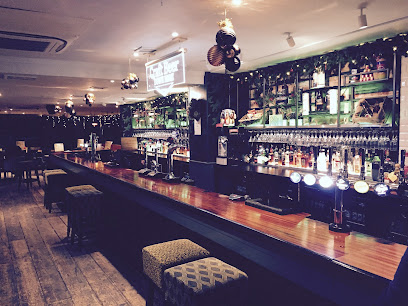
High Spirits Cocktail Company
15.9 km
Expertly crafted cocktails and a vibrant atmosphere in Reading’s city centre, perfect for relaxed evenings and lively weekends.

The Face Bar
15.9 km
Experience Reading’s vibrant live music and club scene at The Face Bar, where two rooms bring diverse sounds and late-night energy together.

Hope & Bear
15.9 km
A classic Reading pub with vintage charm, two beer gardens, and a welcoming atmosphere for food, drinks, and lively events.
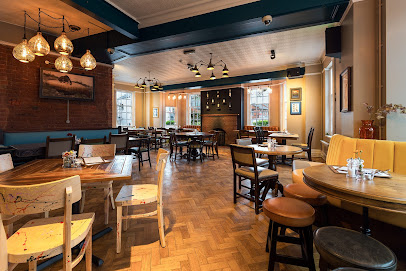
The White Eagle
16.0 km
A lively Polish pub in Reading offering hearty cuisine, a vibrant beer garden, and a welcoming atmosphere for all.

The Purple Turtle
16.0 km
A vibrant bar in Reading famed for its unique layered outdoor spaces and diverse drinks menu, perfect for lively social nights.
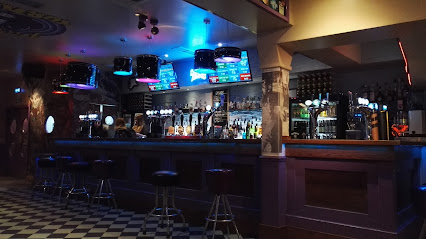
The Cocktail Club - Cocktail Bar in Reading
16.0 km
Vibrant two-floor cocktail bar in Reading’s centre, blending eclectic style with expertly crafted drinks and lively events.
Nightclubs & after hour spots

The Venue, Bucks
13.2 km
Experience High Wycombe’s vibrant nightlife at The Venue, Bucks – a lively nightclub with great music, friendly staff, and a welcoming atmosphere.

Trilogy Nightclub High Wycombe
13.3 km
A lively multi-room nightclub in High Wycombe offering dynamic music, vibrant crowds, and late-night fun on Paul’s Row.

Diligence
15.6 km
Experience the vibrant nightlife and dynamic music scene at Diligence, High Wycombe’s energetic nightclub on London Road.

Q Club
15.6 km
Experience Reading’s energetic nightlife at Q Club, a lively nightclub and bar offering music, drinks, and late-night fun on Friar Street.

Reading Lola Lo
15.7 km
Experience Reading’s premier tiki-themed nightclub with vibrant cocktails, lively music, and a unique Polynesian atmosphere on Friar Street.
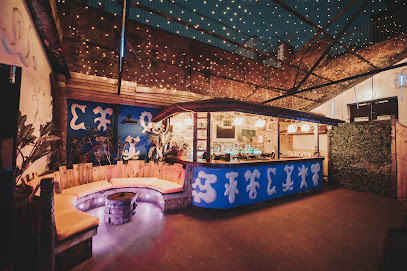
Popworld - Reading
15.7 km
A vibrant pop-themed nightclub in Reading’s city centre, where retro beats meet neon-lit fun for unforgettable nights.

Gun Street Garden
16.0 km
Experience Reading’s vibrant nightlife in an urban jungle-themed club with diverse music, rooftop bar, and VIP lounges.

3sixty
17.2 km
Experience vibrant student nightlife and live events at 3sixty, the University of Reading’s premier nightclub and entertainment venue.
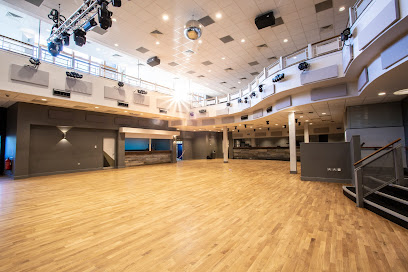
The Binfield Club
20.9 km
Historic social club in Binfield offering vibrant nightlife, live music, sports, and community events in a welcoming atmosphere.
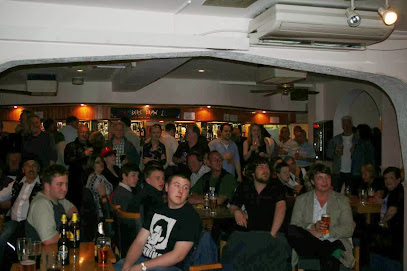
The Music & Words Club
25.6 km
Discover the heartbeat of Windsor at The Music & Words Club, where live performances and creative energy come alive in a cozy atmosphere.

Pink Gentleman's Club.
25.9 km
Sophisticated adult entertainment with exclusive VIP rooms and topless pole shows in the heart of Windsor’s nightlife scene.

The Boom
25.9 km
Historic arches meet vibrant beats at The Boom, Windsor’s energetic nightclub and bar for unforgettable nights.
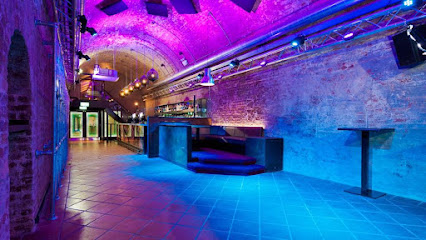
The Scotch
25.9 km
Windsor’s iconic Victorian arch nightclub blending historic charm with eclectic music and circus-themed nightlife.

Labyrinth Nightclub Windsor
26.0 km
Experience Windsor’s vibrant nightlife with live DJs, multiple bars, and an electrifying atmosphere at Labyrinth Nightclub.
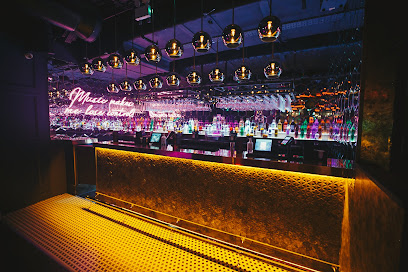
Mirage Aylesbury
26.2 km
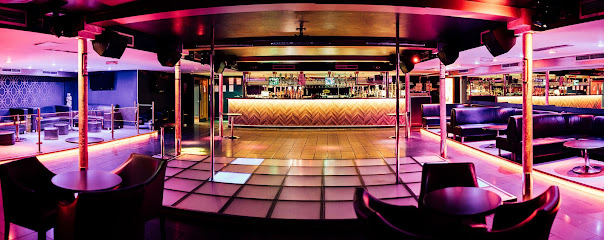
Experience Aylesbury’s vibrant nightlife at Mirage, a lively nightclub offering music, dancing, and late-night fun in the heart of town.
For the vibe & atmosphere seeker
- Tranquil
- Scenic
- Relaxing
- Unique
- Historic
For the design and aesthetic lover
- Vintage Styles
- Rustic Designs
- Art Deco Styles
For the architecture buff
- Historic
- Landmarks
- Sacred Sites
- Parks & Gardens
For the view chaser and sunset hunter
- Iconic Views
- Panoramas
- Sunset Spots
For the social media creator & influencer
- Instagrammable
- Photo Spots
- Architectural Shots
For the eco-conscious traveler
- Public-Transport Accessible
- Low Impact
- Locally Managed
For the kind of experience you’re after
- Cultural Heritage
- Myth & Legends
- Nature Escape
- Day Trip
- Weekend Getaway
For how adventurous you want the journey to be
- Easy Access
Location Audience
- Family Friendly
- Senior Friendly
- Child Friendly
- Couple Friendly
- Solo Friendly
- Vegetarian Friendly
- Vegan Friendly
- Pet Friendly
- Wheelchair Access
- LGBT Friendly


