

The Long Walk, Windsor Travel Guide
Free Guide: A majestic three-mile tree-lined avenue linking Windsor Castle to the iconic Copper Horse statue, steeped in royal history and scenic grandeur.


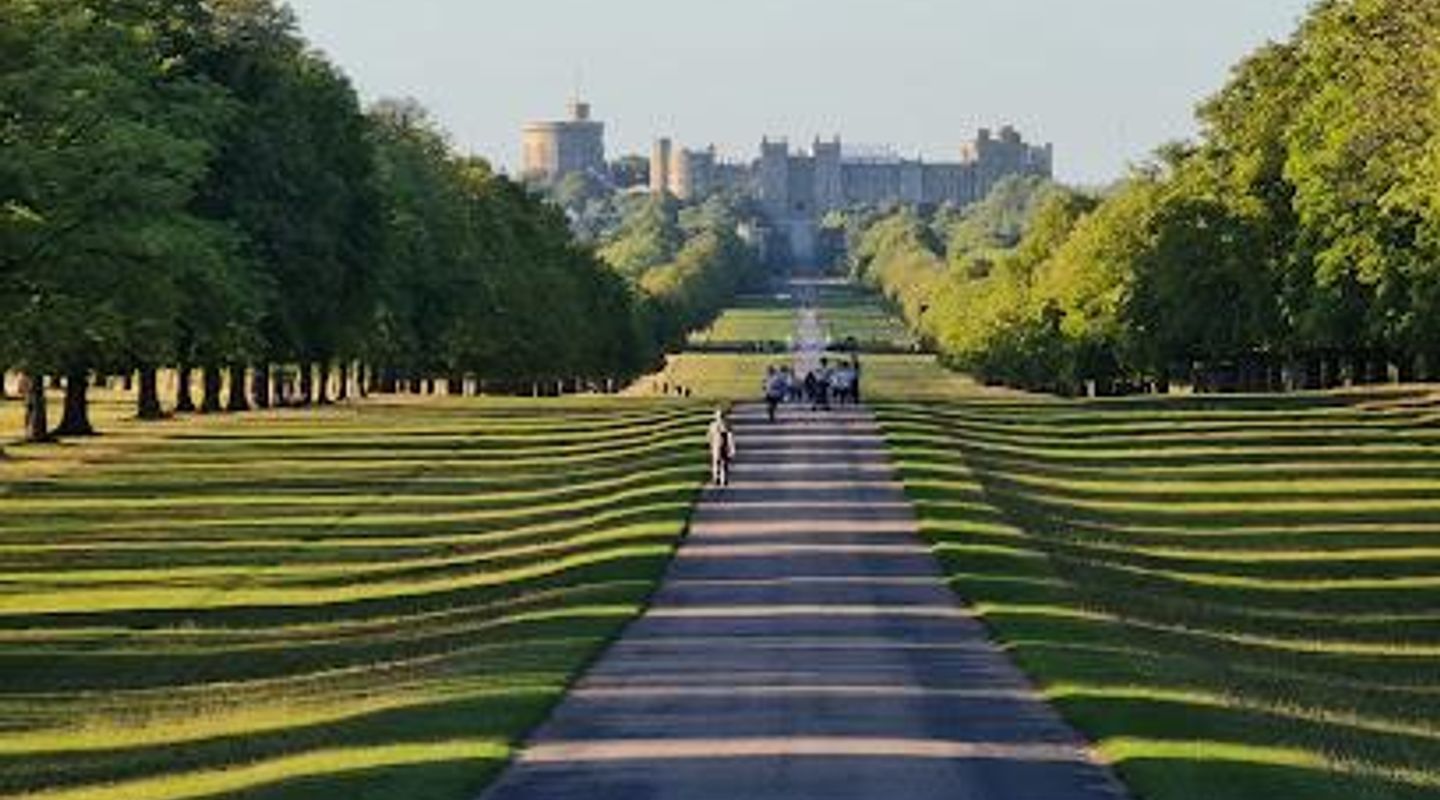
A brief summary of The Long Walk
A majestic three-mile tree-lined avenue linking Windsor Castle to the iconic Copper Horse statue, steeped in royal history and scenic grandeur.
The Long Walk is an iconic nearly three-mile tree-lined avenue stretching from Windsor Castle’s George IV Gateway to the Copper Horse statue atop Snow Hill. Created in the late 17th century under King Charles II’s vision, this grand path through Windsor Great Park blends royal heritage, stunning vistas, and centuries of tradition. It has served as a ceremonial route, a leisure promenade for monarchs, and the backdrop for historic events including royal weddings and funerals.
On-site amenities
 Seating areas
 Information boards
 Restrooms
 Food options
 Drink options
Opening hours
- Every dayOpen 24 hours
Opening hours as listed on the venue’s Google Business Profile. Hours can change for services and special events, so check with the venue before you go.
- Address
- The Long Walk Rd, Windsor SL4 1BP
- Phone
- Website
Getting there
Train and Walk
Car and Walk
Bus and Walk
Discover more about The Long Walk
Origins and Design of a Regal Promenade
The Long Walk was conceived during the reign of King Charles II between 1680 and 1685 as part of a grand vision to enhance Windsor Castle’s surroundings. Inspired by the formal avenues and gardens of continental Europe, particularly the work of landscape architect André Le Nôtre at Versailles, Charles II commissioned a straight, majestic tree-lined avenue to create a ceremonial route and a striking visual axis emphasizing the castle’s grandeur. Originally planted with over 1,800 elm trees spaced symmetrically, the avenue was designed to impress visitors and provide a scenic vista extending nearly three miles south from the castle to Snow Hill.
Royal Connections and Cultural Significance
Over the centuries, The Long Walk has been intimately linked to the British monarchy’s life and ceremonies. Kings George III and Queen Victoria cherished the avenue for leisure walks and carriage rides. The southern terminus is marked by the Copper Horse statue, erected in 1831 to honor King George III’s contributions to Windsor Great Park. This iconic equestrian statue stands atop Snow Hill, offering panoramic views across the park and beyond. The Long Walk has also been the setting for significant royal events, including the 2018 wedding procession of Prince Harry and Meghan Markle and the 2022 funeral procession of Queen Elizabeth II, underscoring its role as a living symbol of monarchy and tradition.
Landscape and Natural Beauty
The Long Walk is more than a historic route; it is a tranquil, scenic corridor through Windsor Great Park. The avenue’s tarmac path is flanked by carefully maintained lawns and a mix of mature London Plane and Horse Chestnut trees, following replanting efforts after elm disease outbreaks in the 20th century. The parkland surrounding the walk is home to grazing deer and offers a peaceful retreat from urban life. The gentle rolling terrain and expansive open skies make it a favored spot for walkers, runners, and horse-drawn carriage rides, especially from March to December.
Visitor Experience and Accessibility
Visitors can start The Long Walk from Windsor Castle’s Cambridge Gate or from the park gates near the Copper Horse statue. The full length is approximately 2.6 miles (4.2 km) one way, with a round trip taking around 2 to 3 hours at a leisurely pace. The path is flat, paved, and step-free, making it accessible for most visitors. While bicycles and cars are prohibited, horse-drawn carriages offer a charming alternative for experiencing the walk. Nearby amenities include seating areas and access to Windsor town for refreshments. The Long Walk is open year-round and provides a peaceful escape with stunning views of the castle and park.
Historical Layers and Enduring Legacy
The Long Walk embodies centuries of British history, from its 17th-century royal landscaping origins to its role in modern royal ceremonies. It reflects evolving landscape design trends and the monarchy’s connection to nature and public life. The avenue’s uninterrupted straightness and majestic scale symbolize continuity and royal authority. As a public space, it balances preservation with accessibility, welcoming visitors to walk in the footsteps of kings and queens while enjoying one of England’s most picturesque parklands.
Iconic Landmarks Along the Route
At the northern end, Windsor Castle’s George IV Gateway and the Round Tower provide a historic backdrop, while at the southern end, the Copper Horse statue dominates Snow Hill. This statue, sculpted by Sir Richard Westmacott, commemorates King George III’s reign and agricultural interests. The views from Snow Hill stretch across the parkland to Heathrow Airport and west London. Throughout the walk, the surrounding Deer Park offers glimpses of wildlife and natural beauty, enriching the experience with a sense of timelessness and connection to England’s royal heritage.
Evendo Review Centre
 Google
Guest reviews
Best time to go
Quietest: Jan, Feb & Dec · before 6am or at 9pm
Busy times are Evendo estimates for a typical year, to help you plan. Actual crowds vary with events, school holidays and the weather.
Explore The Long Walk on the map
A handpicked selection of must-see spots near The Long Walk, mapped for you.
Get your free copy of our complete guide to The Long Walk, delivered straight to you.
Everything on this page, from opening hours and how to get there to Eve’s tips and the best time to go, in one PDF you can read offline, print or share.
Already have an account? Sign in
Your The Long Walk guide is ready.
We'll send it to · Not you? Sign out

Getting your guide ready…
We are putting together a fresh copy of the The Long Walk guide. This can take up to a minute.
This can take a few moments. If your browser asks, choose Allow so the download can start. You'll find the guide in your Downloads folder.
Nothing happened? Download it again
Sorry, the guide is taking longer than usual. Please try again in a minute, or get it by email instead.
Unlock the best of The Long Walk
Skip-the-line tickets, guided tours with entry, and walking tours of the area, booked in a few clicks.
 Tour with entry
Royal Windsor Town Self Guided Walking Tour with an App
from $7.59 Tour with entry
Small-group Windsor walking tour with a local guide
from $15.13 Tour with entry
Windsor Daily Town Walking Tour - 11am & 2pm
from $17.65 Tour with entry
Small Group Walking Tour of Windsor Town (max 8 people)
from $138.70


Other nearby places you may find interesting
The closest places of the same kind, if this one is not quite what you had in mind.
-
-
-
-
-


Swipe for more places
More to explore near The Long Walk

 Best experiences near The Long Walk
 Best hotels near The Long Walk
 Best landmarks near The Long Walk
 Best attractions near The Long Walk
 Best shops near The Long Walk
 Best restaurants near The Long Walk
 Best bars near The Long Walk
Do you manage this location?
Take control to get all the benefits, like improved information, better appearance, and stronger visibility across AI-powered discovery.
Explore more

Explore more of Windsor
Discover the royal allure of Windsor, a historic town along the River Thames, home to Windsor Castle and a blend of charming shops and beautiful parks.
Explore Windsor
Explore more of United Kingdom
Discover the United Kingdom: A blend of rich history, stunning landscapes, and vibrant cities, offering a unique travel experience for every visitor.
Explore United Kingdom
