
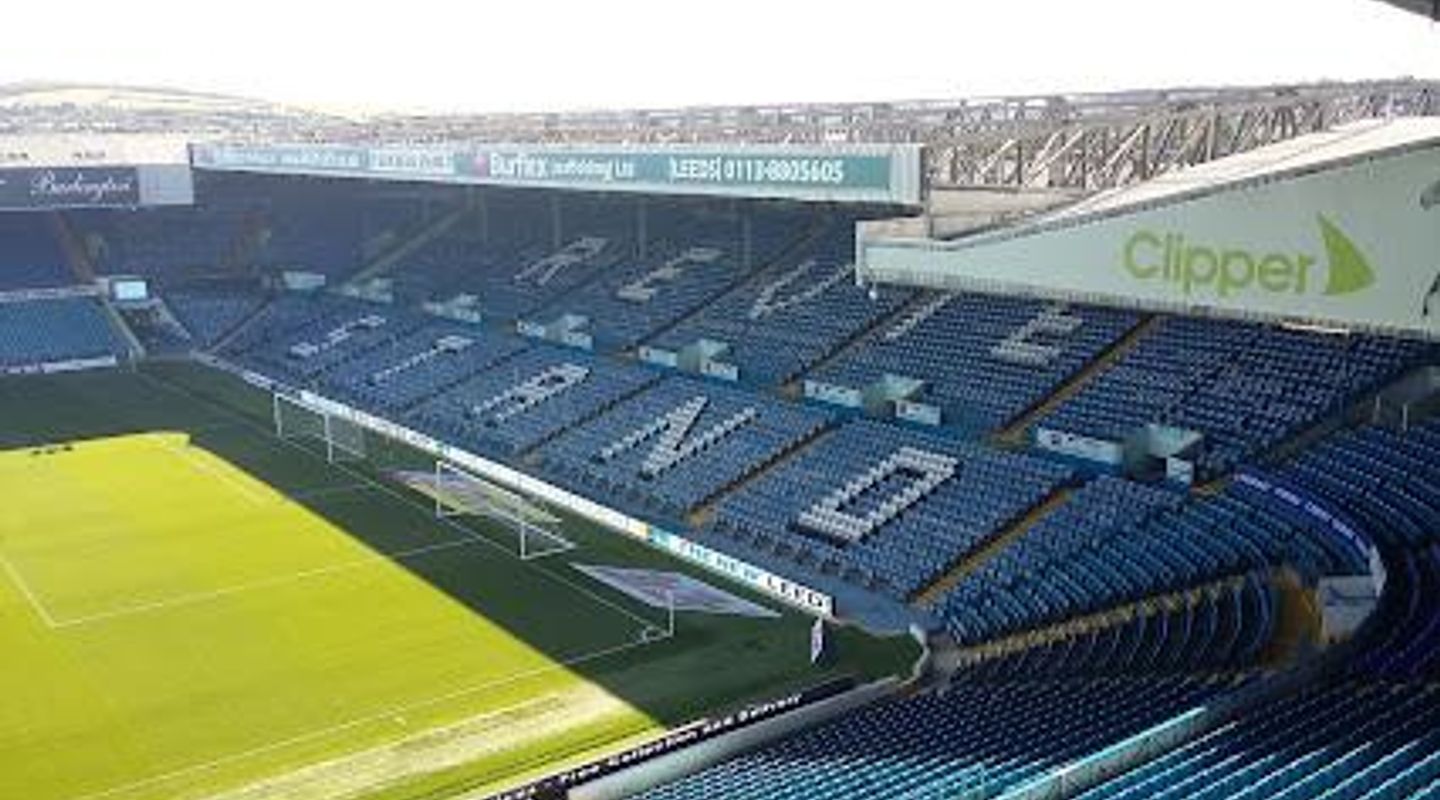
Elland Rd, Yorkshire And The Humber Travel Guide
Elland Road: A historic football fortress and passionate home of Leeds United since 1919, steeped in rich sporting heritage.
Elland Road, located in Leeds, England, is the iconic home stadium of Leeds United Football Club since 1919. Originally built in 1897 for rugby, it has evolved through numerous expansions and renovations, witnessing historic matches, record attendances, and memorable moments in English football. With a current capacity of around 38,000, it remains a revered venue blending rich heritage with passionate football culture.
A brief summary to Elland Rd
- Leeds, GB
- Duration: 1 to 4 hours
- Mid ranged
-
 Outdoor
- Mobile reception: 4 out of 5

Know before you go
Hi, I'm Eve. Here are a few practical things to know before exploring Elland Rd.
- Visit on matchdays to experience the electric atmosphere created by passionate Leeds United supporters.
- Explore the painted utility boxes around the stadium that celebrate the club’s history and add unique local character.
- Take time to appreciate the architecture of the East Stand, once the largest cantilever stand in the world.
- Learn about the stadium’s rich history, including its origins as a rugby ground and its evolution through the 20th century.
- Check for guided tours or museum exhibits to deepen your understanding of Leeds United’s heritage.
Do you manage this location?
Take control to get all the benefits, like improved information, better appearance, and stronger visibility across AI-powered discovery. Learn more about listing your business on Evendo
Activate your presenceOther nearby places you may find interesting
The closest places of the same kind, if this one is not quite what you had in mind.




Explore Elland Rd on the Map
A handpicked selection of must-see spots near Elland Rd, mapped for you.
Getting There
-
Bus
Frequent bus services run from Leeds city center to Elland Road, taking approximately 15-25 minutes. Buses operate regularly on matchdays but can be crowded. A single fare costs around £2.50 GBP.
-
Train and Walk
Travel by train to Leeds Railway Station, then walk about 2.5 km to Elland Road in 30-40 minutes. The walk is mostly flat but may be challenging for those with mobility issues. Train fares vary depending on origin.
-
Taxi or Rideshare
Taxis and rideshare services from Leeds city center to Elland Road take about 10-15 minutes depending on traffic. Costs typically range from £8 to £15 GBP.
-
Car
Driving to Elland Road is possible but parking is limited and often restricted on matchdays. Nearby parking options may require advance booking, with fees ranging from £5 to £15 GBP. Traffic congestion can be heavy around events.
For the on-the-go comforts that matter to you
-
 Restrooms
-
 Food Options
-
 Drink Options
-
 Seating Areas
-
 Information Boards
Discover more about Elland Rd
Origins and Early Years of Elland Road
Elland Road's story begins in 1897 when it was constructed primarily as a rugby ground, known as the Old Peacock Ground, named after the adjacent Old Peacock pub. Initially home to Holbeck Rugby Club, the site transitioned to football in 1904 when Leeds City FC took residence. The club invested in infrastructure, including a 4,000-seat grandstand unveiled in 1904 and further expansions that increased capacity and facilities. The pitch was rotated 90 degrees early on to optimize viewing, and by 1910 the stadium hosted an FA Cup semi-final attracting 36,000 spectators.Transformation Through the 20th Century
Following Leeds City's dissolution in 1919 due to financial irregularities, Leeds United FC was formed and made Elland Road their permanent home. The stadium endured several significant events, including a devastating fire in 1956 that destroyed the West Stand, prompting a rebuild funded partly by the sale of star player John Charles. The 1960s and 70s saw further modernization with new stands and the installation of floodlights, enhancing the matchday experience. Notably, in 1967, Elland Road recorded its highest attendance of 57,892 during an FA Cup tie against Sunderland.Architectural Evolution and Modernization
Elland Road has undergone multiple redevelopment phases, including the replacement of terracing with all-seater stands following the Taylor Report in the 1990s. The East Stand, completed in 1993, was once the largest cantilever stand globally, reflecting the club’s ambition. The stadium today features four main stands: Don Revie (North), Jack Charlton (East), Norman Hunter (South), and John Charles (West), each named after club legends and with varying capacities. Despite plans for a new stadium, Elland Road remains a cherished football fortress, retaining much of its historic charm.Cultural Significance and Fan Experience
Elland Road is more than a stadium; it is a symbol of Leeds’ football identity. The surrounding area features artistic tributes such as painted utility boxes celebrating the club’s history. The stadium has hosted royal visits, memorable matches, and European competitions, embedding itself deeply in the community’s cultural fabric. Its atmosphere on matchdays is renowned for passion and intensity, with fans creating a vibrant backdrop that echoes decades of football heritage.Notable Matches and Events
Throughout its history, Elland Road has been the stage for many significant fixtures, including FA Cup semi-finals, league title deciders, and international matches. The record crowd in 1967 and hosting of Euro 1996 group games highlight its importance on the national stage. The stadium also briefly hosted rugby league and planned cricket matches, underscoring its versatility. It remains a living museum of football history, where past glories and future hopes converge.Future Prospects and Legacy
While Elland Road has seen only minor renovations in recent decades, plans to increase capacity to over 50,000 reflect ongoing ambitions. The stadium balances modernization with preserving its unique character, ensuring it remains a fortress for Leeds United and a pilgrimage site for football fans worldwide. Its legacy as a historic sporting venue endures, symbolizing resilience, community pride, and the enduring spirit of football in Leeds.












Your all‑in‑one travel companion app
Explore expert travel guides, compare and book tours, experiences, hotels, and more—all from the palm of your hand. Download now for seamless trip planning wherever your wanderlust takes you.


Explore More of Yorkshire And The Humber
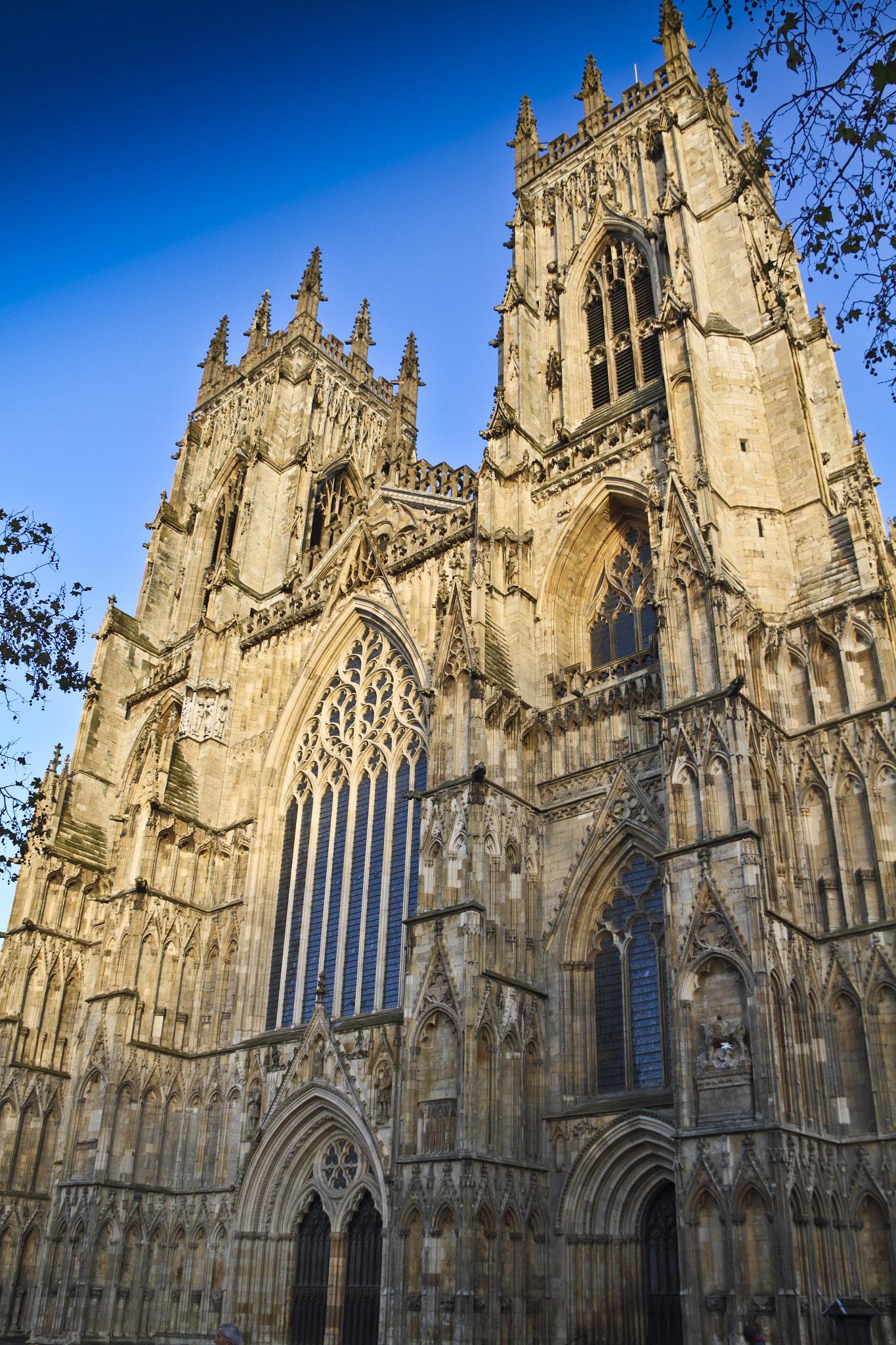
Looking beyond Elland Rd? Discover Yorkshire And The Humber for broader travel guides, local hot-spots, and regional highlights.
Explore Yorkshire And The Humber
Discover the enchanting Ivanhoe Clock and Victorian elegance in Leeds’ historic Thornton’s Arcade, where art, history, and independent shops converge.
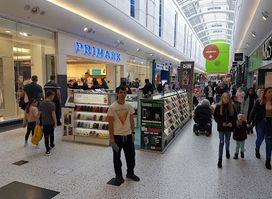
Leeds’ premier indoor shopping centre with 120+ stores, dining, cinema, and family-friendly play areas under one roof.
