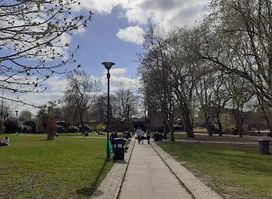
Skeldergate Bridge & Bishopgate St, York Travel Guide
Historic Victorian Gothic Revival bridge over the River Ouse, blending York’s past with scenic riverside charm and modern social spaces.
Skeldergate Bridge is a historic Victorian iron bridge in York, opened in 1881 and designed in Gothic Revival style. It spans the River Ouse, linking the York Castle area with Bishophill, and offers scenic views of the river and riverside architecture. Originally a toll bridge, it has been toll-free since 1914 and features a distinctive tower building that once housed bridge machinery and now serves as a bar. The bridge is a Grade II listed structure, cherished for its architectural charm and riverside setting.
A brief summary to Skeldergate Bridge & Bishopgate St
- York, YO23 1JF, GB
- Duration: 0.5 to 2 hours
- Free
-
 Outdoor
- Mobile reception: 4 out of 5

Know before you go
Hi, I'm Eve. Here are a few practical things to know before exploring Skeldergate Bridge & Bishopgate St.
- Visit the tower building on the bridge, now a bar, to enjoy unique views and a historic atmosphere.
- Explore the adjacent Tower Gardens via the stairs down from the bridge for peaceful riverside walks.
- Check local flood conditions before visiting, as River Ouse flooding can restrict access to riverside paths.
- Enjoy refreshments at nearby cafes like Dyls located at the east end of the bridge.
Do you manage this location?
Take control to get all the benefits, like improved information, better appearance, and stronger visibility across AI-powered discovery. Learn more about listing your business on Evendo
Activate your presenceOther nearby places you may find interesting
The closest places of the same kind, if this one is not quite what you had in mind.


Explore Skeldergate Bridge & Bishopgate St on the Map
A handpicked selection of must-see spots near Skeldergate Bridge & Bishopgate St, mapped for you.
Unlock the Best of Skeldergate Bridge & Bishopgate St
Buy tickets
-
No tickets available
Book tours with entry


Book tours without entry
-
No tours available
Getting There
-
Bus
Take local bus services from York city center to stops near Skeldergate Bridge, with a journey time of approximately 10-15 minutes. Buses run frequently throughout the day, and a single ticket costs around £2-£3. Note that service frequency may reduce on Sundays and public holidays.
-
Taxi
A taxi ride from York railway station to Skeldergate Bridge takes about 10 minutes depending on traffic, costing approximately £6-£10. Taxis are readily available at the station and can be booked in advance or hailed on the street.
-
Walking
From York city center, it is a pleasant 20-25 minute walk to Skeldergate Bridge along mostly flat, paved paths. The route is accessible for wheelchairs and strollers, passing through historic streets and riverside areas.
For the on-the-go comforts that matter to you
-
 Restrooms
-
 Drink Options
-
 Food Options
-
 Seating Areas
-
 Information Boards
Discover more about Skeldergate Bridge & Bishopgate St
Architectural Heritage and Design
Skeldergate Bridge, completed in 1881, stands as a fine example of Victorian engineering and Gothic Revival architecture. Designed by civil engineer George Gordon Page, the iron bridge features characteristic Gothic details, including crenellations and a distinctive tower-like structure that once housed the machinery for its opening mechanism. Though the bridge was last opened in 1975 and its winding machinery removed, the tower remains a notable feature, now repurposed as a bar, blending history with contemporary use.Historical Significance and Evolution
The bridge was constructed to replace a ferry crossing heavily used by York residents, with Parliament passing the York (Skeldergate Bridge) Improvement Act in 1875 to authorize its building. Originally a toll bridge, it was declared toll-free on April 1, 1914, an event celebrated by the local community. The bridge has withstood numerous floods over the years, a testament to its robust construction and enduring presence in York’s urban landscape. It is a Grade II listed structure, recognized for its cultural and architectural importance.Riverside Setting and Scenic Views
Spanning the River Ouse, Skeldergate Bridge offers picturesque views of the waterway and the charming riverside buildings, including the old Bonding Warehouse and historic brick terraced houses. Visitors can descend stairs near the bridge to explore Tower Gardens on the east shore, enjoying tranquil riverside walks and immersing themselves in the area's heritage. The bridge’s location provides a peaceful yet vibrant atmosphere, especially appealing for leisurely strolls and photography.Modern Use and Visitor Experience
Today, the bridge serves as a vital pedestrian and vehicular crossing, free to use and well-integrated into York’s cityscape. The tower building’s transformation into a bar adds a unique social dimension, inviting visitors to experience history alongside modern hospitality. Nearby eateries, such as Dyls at the east end, complement the visit with refreshment options. Flooding of the River Ouse can occasionally restrict access to riverside paths, so visitors are advised to check local conditions.Connection to York’s Broader Heritage
Skeldergate Bridge is part of a network of historic bridges crossing the River Ouse, each contributing to York’s rich architectural tapestry. It links the York Castle area with Bishophill, facilitating movement and offering a tangible link to the city’s industrial and social past. The bridge’s blue paint and name have endured through multiple reconstructions, symbolizing continuity amid change.Exploring the Surroundings
The bridge’s proximity to other landmarks makes it a perfect stop on a walking tour of York’s historic core. The adjacent Tower Gardens provide green space for relaxation, while the riverside paths invite exploration. The bridge’s vantage points are ideal for capturing York’s skyline and waterfront, especially during sunrise and sunset, enhancing its appeal for photographers and history enthusiasts alike.More to explore near Skeldergate Bridge & Bishopgate St
-

Best experiences near Skeldergate Bridge & Bishopgate St
-

Best hotels near Skeldergate Bridge & Bishopgate St
-

Best landmarks near Skeldergate Bridge & Bishopgate St
-

Best shops near Skeldergate Bridge & Bishopgate St
-

Best restaurants near Skeldergate Bridge & Bishopgate St
-

Best bars near Skeldergate Bridge & Bishopgate St







Your all‑in‑one travel companion app
Explore expert travel guides, compare and book tours, experiences, hotels, and more—all from the palm of your hand. Download now for seamless trip planning wherever your wanderlust takes you.


Explore More of York
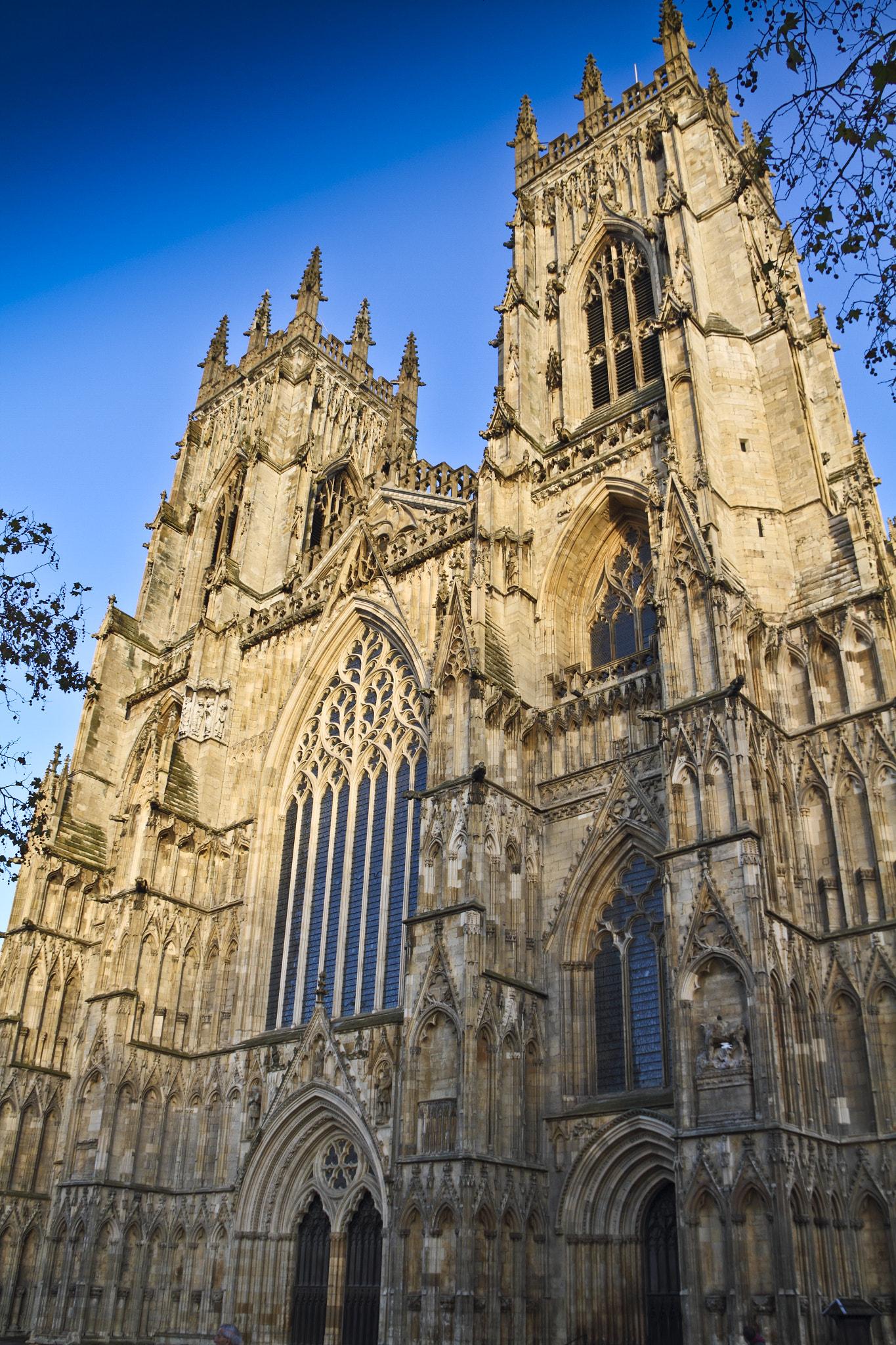
Looking beyond Skeldergate Bridge & Bishopgate St? Discover York for broader travel guides, local hot-spots, and regional highlights.
Explore York