St Crux Parish Hall and Medieval Church Remnants, York
Explore the echoes of medieval York at St Crux, where a grand church’s legacy lives on in a historic parish hall and poignant tales of martyrdom.
St Crux in York was once the city's largest medieval parish church, dating back to the Domesday Book era. Though the grand church was demolished by 1887 due to structural failures, its legacy endures in the 1888 parish hall built from its remains, preserving historic masonry and memorials. This site blends centuries of York’s religious and civic history, marked by tales of martyrdom, architectural evolution, and community memory.
A brief summary to St Crux
- York, York, GB
- Free
-
 Outdoor
- Mobile reception: 4 out of 5

Know before you go
Hi, I'm Eve. Here are a few practical things to know before exploring St Crux.
- Visit the parish hall to see original medieval masonry and funerary monuments salvaged from the old church.
- Learn about Thomas Percy, the headless martyr buried here, whose story is entwined with York’s religious history.
- Explore nearby historic sites in York’s city centre to deepen your understanding of the area’s rich heritage.
- Check opening times before visiting as the parish hall may have limited access or special events.
Do you manage this location?
Take control to get all the benefits, like improved information, better appearance, and stronger visibility across AI-powered discovery. Learn more
Activate your presenceOther nearby places you may find interesting


Getting There
-
Bus
Take York’s local bus services to the city centre; from the main bus station, it’s a 10-15 minute walk to St Crux. Buses run frequently with fares around £2-£3.
-
Train
York railway station is approximately 1.5 km away. From there, a 20-minute walk or short taxi ride costing about £5 will bring you to St Crux.
-
Walking
If you are staying in central York, St Crux is accessible by foot within 10-20 minutes on mostly flat, paved streets suitable for all abilities.
For the on-the-go comforts that matter to you
-
 Information Boards
-
 Seating Areas
-
 Trash Bins
Discover more about St Crux
Medieval Origins and Architectural Grandeur
St Crux’s history stretches back to the Domesday Book of 1085-86, initially serving as a private chapel before evolving into a major parish church. Between 1402 and 1424, the church was extensively rebuilt, becoming the largest medieval parish church in York. Its Italianate tower, crowned with urns and a cupola, was added in 1697, becoming a distinctive city landmark admired for its architectural elegance. Despite its grandeur, the church suffered from unstable foundations, requiring ongoing maintenance.Decline and Demolition in the 19th Century
By the 19th century, St Crux had fallen into disrepair. The tower’s decorative cupola collapsed, exposing the structure to the elements. Safety concerns led to the church’s closure in 1881. Despite efforts by the Society for the Protection of Ancient Buildings and public fundraising campaigns, restoration proved unfeasible. The tower was demolished in 1884 using dynamite, and the entire church was dismantled by 1887 after repeated pauses for preservation attempts.Transformation into a Parish Hall
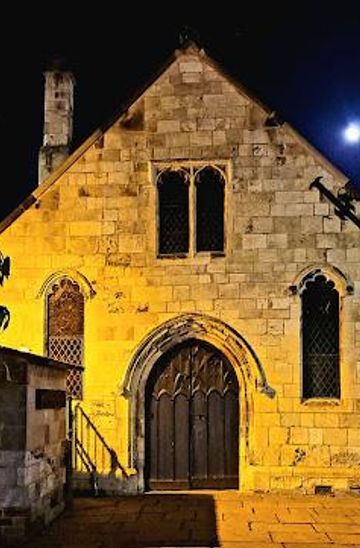
In 1888, a modest parish hall was constructed on the original site using rubble and masonry salvaged from the medieval church. This hall incorporates parts of the fifteenth-century north aisle wall and retains several funerary monuments and memorials, linking the present structure to its historic past. The hall stands as a tangible reminder of the church’s former prominence and its role in York’s community life.Historical Figures and Martyrdom
St Crux holds poignant connections to York’s turbulent religious history. Notably, Thomas Percy, the seventh Earl of Northumberland, was executed for his faith and buried here, his head famously displayed as a warning. Another martyr, Thomas Herbert, was executed nearby and commemorated within the church. These stories enrich the site’s cultural heritage, reflecting York’s complex past of faith, conflict, and remembrance.Legacy and Present-Day Significance
Though the original church no longer stands, St Crux remains a significant historical landmark within York’s cityscape. The parish hall and surviving masonry offer visitors a glimpse into medieval ecclesiastical architecture and the layered narratives of the city’s religious and civic history. The site’s blend of architectural fragments, memorials, and stories invites reflection on York’s enduring heritage.Architectural and Cultural Preservation
The preservation of St Crux’s remnants within the parish hall exemplifies Victorian-era approaches to heritage conservation, balancing demolition with salvage. The site’s Grade II listing recognizes its historical and architectural importance, ensuring ongoing protection. Visitors can appreciate the fusion of medieval craftsmanship and 19th-century adaptation, underscoring the evolving relationship between York’s past and present.Explore the best of what St Crux has to offer













More about Leeds
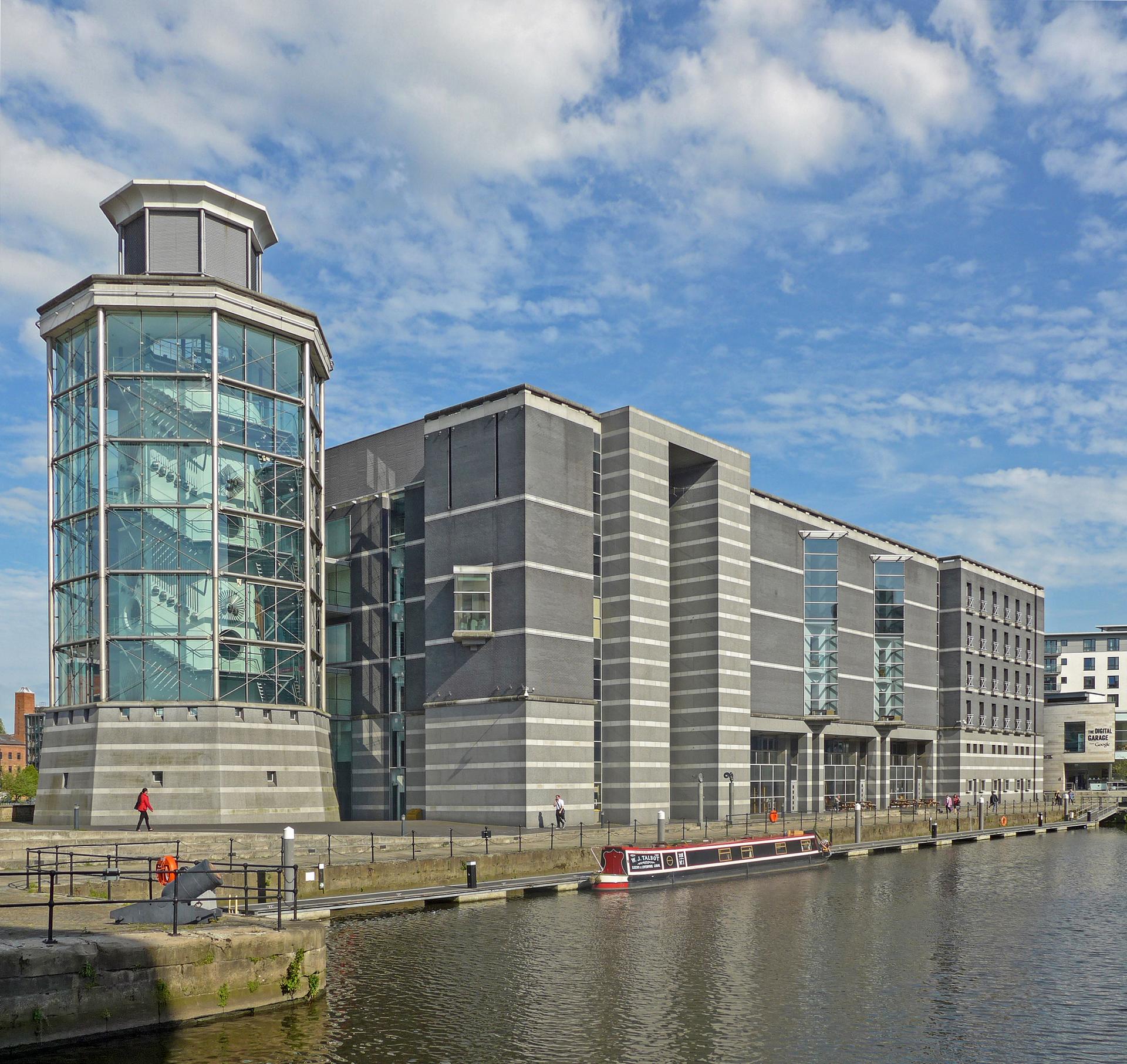
Discover Leeds: A vibrant city blending rich history with modern culture, offering world-class museums, shopping, dining, and nightlife in the heart of Yorkshire.
Tell me more about Leeds