

Ouse Bridge, York Travel Guide
Free Guide: Historic Ouse Bridge in York spans the River Ouse, blending medieval heritage with 19th-century architecture and city life.


A brief summary of Ouse Bridge
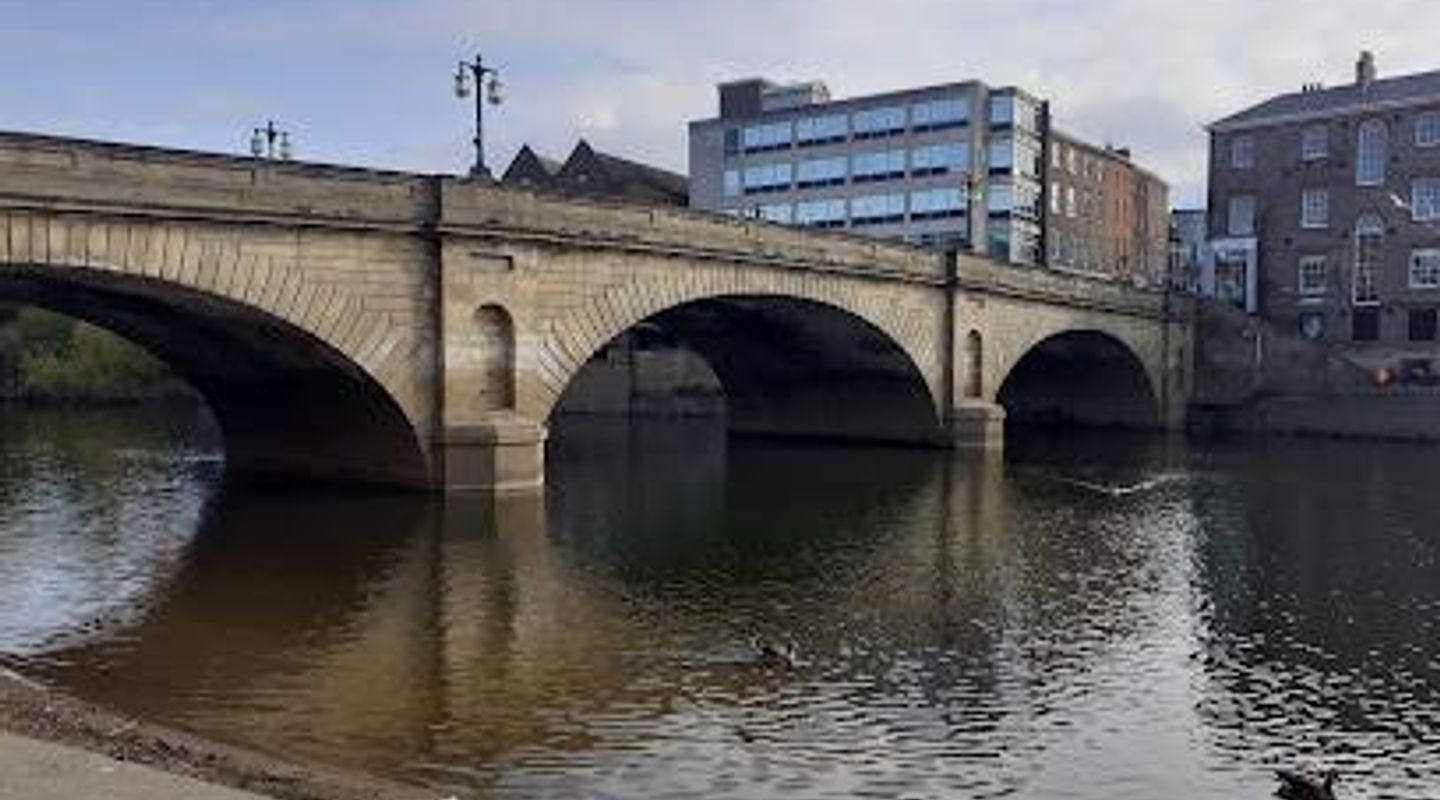
Historic Ouse Bridge in York spans the River Ouse, blending medieval heritage with 19th-century architecture and city life.
Ouse Bridge in York is a historic crossing over the River Ouse with origins dating back to Viking times. The current stone bridge, completed in 1821, replaced a medieval predecessor that once hosted houses, shops, and a chapel. It has witnessed significant events including collapses, fires, and city growth, symbolizing York’s evolving infrastructure and heritage.
On-site amenities
 Restrooms
 Drink options
 Food options
 Seating areas
 Information boards
- Address
- Bridge St, York YO1 9QU
- Website
Getting there
Bus
Train
Taxi
Discover more about Ouse Bridge
Ancient Origins and Early Structures
Ouse Bridge stands on the site of York’s oldest river crossing, with records tracing back to the Viking era and even earlier Roman times. The earliest known bridge was a wooden structure built by Vikings, replacing a Roman predecessor. This timber bridge famously collapsed in 1154 during a crowd gathering to welcome Saint William of York, an event considered miraculous as no lives were lost.
The Medieval Bridge and Its Bustling Community
Following the wooden bridge’s demise, a stone bridge was constructed featuring six arches and architectural flourishes such as the King’s Bow and Queen’s Bow. This medieval Ouse Bridge was unique for its time, lined with houses, shops, and even public toilets, reminiscent of Italy’s famous Ponte Vecchio. By the 15th century, it supported up to 55 buildings, including St William’s Chapel and the city council chamber, making it a vibrant hub of commerce and civic life.
Collapse and Reconstruction in the 16th Century
In the winter of 1564, a combination of severe weather and flooding caused the central span of the medieval bridge to collapse, taking 12 buildings and 12 lives into the river. A new bridge was swiftly built and opened in 1566, featuring five arches and continuing to serve as a vital crossing and city landmark.
Transition to the Modern Bridge
By the early 19th century, the medieval bridge no longer met the demands of a growing York. It was demolished in 1810, and the current Ouse Bridge was completed in 1821 after a design competition won by Peter Atkinson. Initially, tolls were charged to fund construction, but the bridge soon became a key artery for city traffic, including materials for the Minster’s repair after a fire.
Architectural and Cultural Significance
The present bridge is a Grade II listed structure, symbolizing York’s blend of historic legacy and modern infrastructure. It has witnessed notable events such as the 1910 fire at the Boyes department store, which still stands nearby. The bridge’s evolution reflects York’s resilience and adaptation through centuries of change.
Ouse Bridge in the Context of York’s River Crossings
Ouse Bridge remains the primary historic crossing over the River Ouse within York’s medieval walls. It was soon complemented by Victorian bridges like Lendal Bridge, which replaced ferry services and improved access to the city’s railway station. Together, these crossings illustrate York’s development from a medieval trading hub to a modern city.
Evendo Review Centre
 Google
Guest reviews
Best time to go
Quietest: Jan, Feb & Dec · before 6am or from 11pm
Busy times are Evendo estimates for a typical year, to help you plan. Actual crowds vary with events, school holidays and the weather.
Explore Ouse Bridge on the map
A handpicked selection of must-see spots near Ouse Bridge, mapped for you.
Get your free copy of our complete guide to Ouse Bridge, delivered straight to you.
Everything on this page, from opening hours and how to get there to Eve’s tips and the best time to go, in one PDF you can read offline, print or share.
Already have an account? Sign in
Your Ouse Bridge guide is ready.
We'll send it to · Not you? Sign out

Getting your guide ready…
We are putting together a fresh copy of the Ouse Bridge guide. This can take up to a minute.
This can take a few moments. If your browser asks, choose Allow so the download can start. You'll find the guide in your Downloads folder.
Nothing happened? Download it again
Sorry, the guide is taking longer than usual. Please try again in a minute, or get it by email instead.
Other nearby places you may find interesting
The closest places of the same kind, if this one is not quite what you had in mind.
-
-
-
-
-


Swipe for more places
More to explore near Ouse Bridge

 Best experiences near Ouse Bridge
 Best hotels near Ouse Bridge
 Best landmarks near Ouse Bridge
 Best attractions near Ouse Bridge
 Best shops near Ouse Bridge
 Best restaurants near Ouse Bridge
 Best bars near Ouse Bridge
Do you manage this location?
Take control to get all the benefits, like improved information, better appearance, and stronger visibility across AI-powered discovery.
Explore more
Explore more of York
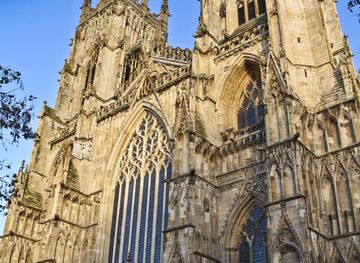
Explore York, a captivating city where medieval history meets modern charm. Discover York Minster, The Shambles, and a vibrant food scene in this must-visit UK destination.
Explore York
Explore more of United Kingdom
Discover the United Kingdom: A blend of rich history, stunning landscapes, and vibrant cities, offering a unique travel experience for every visitor.
Explore United Kingdom
