Walmgate, York Travel Guide
Explore Walmgate, York’s historic street where medieval defenses meet centuries of industrial heritage and urban life.
Walmgate is a historic street in York, England, known for its medieval origins, industrial heritage, and the iconic Walmgate Bar gatehouse. Stretching about 600 meters from Foss Bridge to Walmgate Bar, this street has witnessed over a millennium of urban evolution, from Anglo-Scandinavian settlements to post-medieval industry, and was once a notorious 19th-century slum. Its blend of architectural layers and rich history makes it a notable cultural and historical artery in York.
A brief summary to Walmgate
- York, GB
- Duration: 0.5 to 2 hours
- Free
-
 Outdoor
- Mobile reception: 4 out of 5

Know before you go
Hi, I'm Eve. Here are a few practical things to know before exploring Walmgate.
- Visit Walmgate Bar to see the only surviving barbican on an English town gate and admire the 15th-century oak doors and portcullis.
- Explore the street’s historic pubs and buildings to experience the social history of 19th-century York.
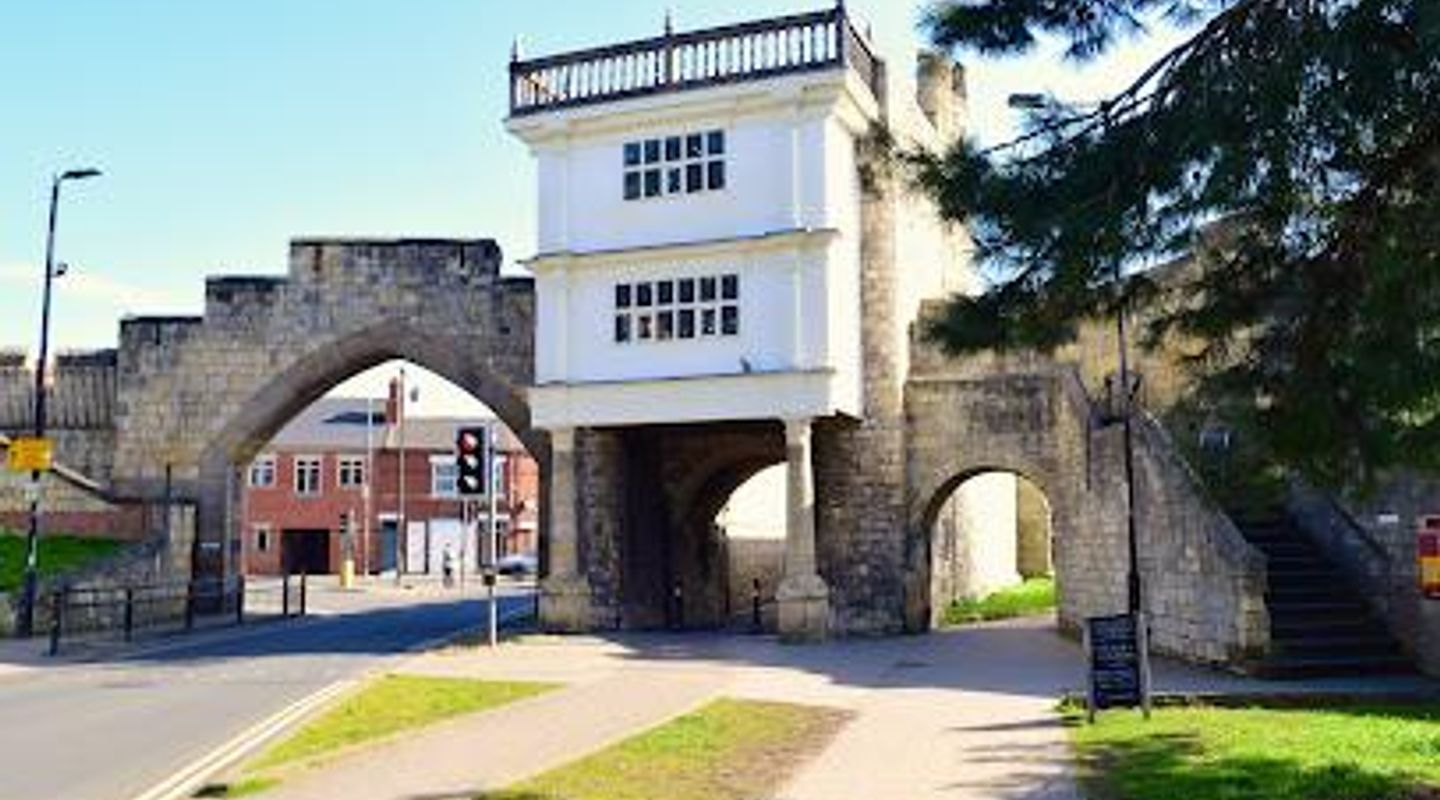
- Look out for architectural details from different eras, including the Elizabethan house over Walmgate Bar.
- Consider visiting local museums or archaeological displays to deepen your understanding of Walmgate’s industrial past.
Do you manage this location?
Take control to get all the benefits, like improved information, better appearance, and stronger visibility across AI-powered discovery. Learn more about listing your business on Evendo
Activate your presenceOther nearby places you may find interesting
The closest places of the same kind, if this one is not quite what you had in mind.



Explore Walmgate on the Map
A handpicked selection of must-see spots near Walmgate, mapped for you.
Unlock the Best of Walmgate
Buy tickets
-
No tickets available
Book tours with entry

Book tours without entry
-
No tours available
Getting There
-
Bus
Take local bus services from York city center to Walmgate; journeys typically last 10-15 minutes. Buses run frequently during the day, with single fares around £2-£3. Note that services reduce in frequency in the evening.
-
Taxi
A taxi from York railway station to Walmgate takes approximately 10 minutes depending on traffic. Expect fares in the range of £6-£10. Taxis provide convenient door-to-door access, suitable for travelers with luggage or mobility needs.
-
Walking
From York city center, walking to Walmgate takes about 15-20 minutes along mostly flat, paved streets. The route is accessible for wheelchairs and strollers, offering an immersive experience of York’s historic core.
For the on-the-go comforts that matter to you
-
 Restrooms
-
 Drink Options
-
 Food Options
-
 Seating Areas
-
 Information Boards
Discover more about Walmgate
Medieval Origins and Defensive Architecture
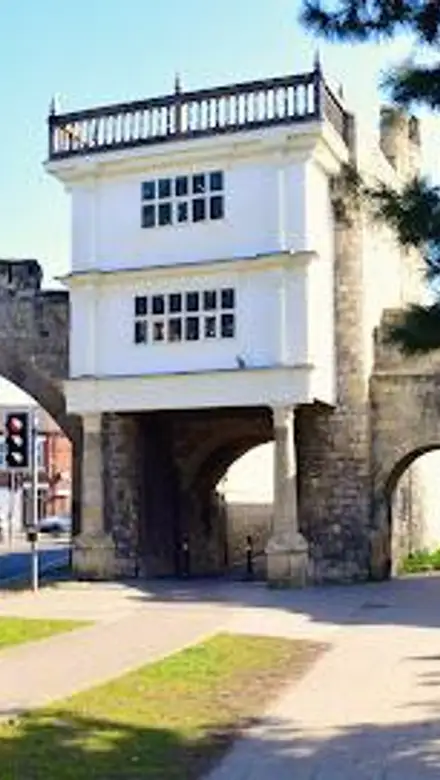
Walmgate’s most prominent feature is Walmgate Bar, one of York’s medieval gateways, dating back to the mid-12th century. The gatehouse was fortified with a barbican added in the 14th century, which remains the only surviving barbican on an English town gate. The structure includes 15th-century oak doors and a functional portcullis, highlighting its role in the city's defense. Historically, Walmgate Bar endured significant events, including being set ablaze during the 1489 tax rebellion and withstanding cannon fire during the 1644 siege of York. An Elizabethan house extends over the gateway, supported by Tuscan stone columns, adding a domestic layer to the martial architecture.A Street Shaped by Industry and Urban Life
Walmgate has long been York’s industrial hub, nestled between the medieval city defenses and the River Foss. Archaeological excavations reveal continuous occupation from the 10th century through to the 20th century, with evidence of Anglo-Scandinavian stake and wattle buildings and later medieval and post-medieval industrial activity. The street functioned as a major thoroughfare linking York to southern routes and was lined with workshops, foundries, breweries, and mills, reflecting its commercial vitality.Social History and Urban Transformation
By the 19th century, Walmgate had become one of York’s most overcrowded and disease-ridden slums, largely inhabited by Irish immigrants who worked on the railway. The poor living conditions were famously documented in the 1901 sociological study "Poverty: a Study of Town Life." Post-World War II slum clearance transformed the area, replacing tightly packed tenements with secondary trading zones and preserving much of its historical fabric.Architectural and Archaeological Significance
Walmgate’s buildings showcase a rich architectural timeline, with many structures dating from the 17th to 19th centuries. The street contains numerous Grade II and Grade II* listed buildings, reflecting its heritage importance. Archaeological investigations have uncovered well-preserved medieval and post-medieval remains, including guildhalls, churches, and industrial sites, offering valuable insights into York’s urban development.Present-Day Character and Cultural Role
Today, Walmgate blends its historic ambiance with a lively atmosphere. The street retains its medieval street pattern and defensive gate, while hosting a mix of shops, pubs, and cultural venues. Its layered history—from Roman route origins through Anglo-Scandinavian settlement, medieval defense, industrial growth, to modern urban renewal—makes Walmgate a compelling destination for those interested in York’s multifaceted past and evolving urban life.Legacy and Visitor Experience
Visitors to Walmgate can appreciate the juxtaposition of its martial heritage at Walmgate Bar with the street’s industrial and social history. The surviving medieval architecture and archaeological remains provide a tangible connection to York’s past, while the street’s ongoing role as a vibrant urban space ensures its continued relevance in the city’s cultural landscape.












Your all‑in‑one travel companion app
Explore expert travel guides, compare and book tours, experiences, hotels, and more—all from the palm of your hand. Download now for seamless trip planning wherever your wanderlust takes you.


Explore More of York
Looking beyond Walmgate? Discover York for broader travel guides, local hot-spots, and regional highlights.
Explore York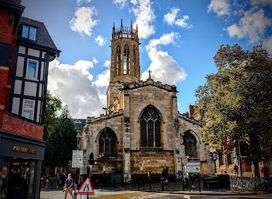
Discover York’s historic All Saints, Pavement—home to a medieval lantern tower beacon and centuries of rich heritage in the city’s heart.

York’s flagship craft brewery with a vibrant beer hall, riverside garden, and immersive brewery tours in the heart of the city.