

The Humber Bridge: Iconic Suspension Marvel Spanning the Humber Estuary
Experience the sublime elegance of the Humber Bridge, the world’s longest pedestrian-accessible single-span suspension bridge spanning England’s Humber Estuary.
The Humber Bridge is a Grade I listed suspension bridge near Kingston upon Hull, England, spanning the Humber Estuary. Opened in 1981, it was the world's longest single-span suspension bridge for 17 years. Its elegant design harmonizes with the natural landscape, connecting Yorkshire and Lincolnshire with a 1,410-meter central span. The bridge is a celebrated engineering landmark, offering pedestrian and cycling access to experience sweeping estuary views.
A brief summary to Humber
- GB
- Duration: 1 to 3 hours
- Mid ranged
-
 Outdoor
- Mobile reception: 4 out of 5
Local tips
- Walk or cycle across the bridge for breathtaking panoramic views of the Humber Estuary and surrounding countryside.
- Visit the Humber Bridge tourist office at the north end to learn about the bridge’s history and engineering.
- Plan your visit during the annual Humber Bridge Half Marathon or Hull Marathon to see the bridge in festive use.
- Use bus 350 from Hull Paragon Interchange to Ferriby Road in Hessle for convenient public transport access.

For the on-the-go comforts that matter to you
- Restrooms
- Drink Options
- Food Options
- Seating Areas
- Information Boards
- Visitor Center
Getting There
-
Bus
Take bus 350 from Hull Paragon Interchange to Ferriby Road in Hessle; the journey takes approximately 25 minutes with buses running every 30 minutes. From the stop, it is a short 300-meter walk to the Humber Bridge tourist office.
-
Car
Driving from Hull city center to the Humber Bridge takes about 15-20 minutes via the A15. Parking is available near the tourist office, but spaces can be limited during events. Toll charges apply for crossing the bridge.
-
Cycling
Cyclists can access the Humber Bridge via dedicated cycle paths on the A15 approach roads. The bridge footway allows cycling across the estuary, providing a scenic and traffic-free route. Suitable for moderately experienced cyclists.
Humber location weather suitability
-
 Any Weather
-
 Clear Skies
-
 Windy Conditions
-
 Mild Temperatures
Discover more about Humber
An Engineering Icon of the 20th Century
The Humber Bridge stands as a monumental feat of engineering and design, officially opened in 1981 after construction began in 1973. At 2.22 kilometers long, its 1,410-meter central span was the longest single-span suspension bridge in the world for 17 years, a record surpassed only in 1998. Designed by Bernard Wex and architect R.E. Slater, the bridge was built to last 120 years, combining robust structural integrity with aesthetic sensitivity to its environment. Its sandy concrete towers and muted deck colors echo the natural tones of the Humber Estuary’s shores, blending functionality with elegance.Connecting Regions and Communities
Strategically spanning the Humber Estuary, the bridge links Barton-upon-Humber on the south bank with Hessle near Hull on the north, connecting Yorkshire with Lincolnshire. This connection opened up a previously overlooked corner of England, facilitating travel and commerce across the estuary. The bridge forms part of the A15 route and is vital for regional transport. Beyond vehicles, it remains the longest single-span suspension bridge worldwide accessible to pedestrians and cyclists, inviting visitors to experience the vastness of the estuary on foot or bike.Heritage and Cultural Significance
Recognized as a Grade I listed structure, the Humber Bridge is among the top 2.5% of listed buildings in the UK, celebrated for its architectural and historic importance. Its listing acknowledges the bridge’s combination of engineering skill and design excellence, making it a sublime landmark visible for miles around, including from the sea and distant points inland. The bridge is also integral to local culture, featuring in events like the Humber Bridge Half Marathon and Hull Marathon, reinforcing its role beyond infrastructure as a community symbol.Visitor Experience and Scenic Views
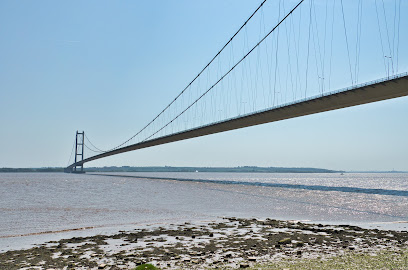
Visitors can appreciate the bridge’s scale and beauty by walking or cycling along its footways, starting from the Humber Bridge tourist office at the north end. The experience offers panoramic views of the broad Humber Estuary and surrounding landscapes, with the bridge’s graceful cables and towers creating striking photographic opportunities. The setting provides a tranquil yet inspiring atmosphere, where the harmony of human engineering and natural environment is palpable.Architectural and Environmental Harmony
The design team paid close attention to the bridge’s impact on the estuary’s open setting, ensuring the structure’s materials and form complemented the landscape. The sandy concrete towers reflect the estuary’s reeds, grass, and pebbles, while the muted deck colors mirror the muddy brown waters below. This thoughtful approach has given the bridge a timeless elegance that respects and enhances the natural beauty of the Humber.Modern Infrastructure and Accessibility
The Humber Bridge features modern toll systems with electronic payment options, allowing smooth traffic flow. It is well-served by regional transport, including bus services connecting Hull and Hessle. The bridge’s accessibility to pedestrians and cyclists makes it a unique destination for both practical travel and leisure visits, combining heritage, engineering, and nature in one iconic location.Iconic landmarks you can’t miss

Humber
0.0 km
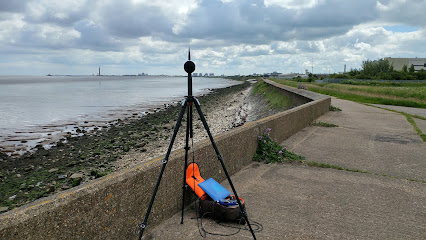
Experience the sublime elegance of the Humber Bridge, the world’s longest pedestrian-accessible single-span suspension bridge spanning England’s Humber Estuary.
Humber Bridge
15.8 km
Walk or cycle the world's longest pedestrian-accessible suspension bridge across the Humber Estuary.
Tupholme Abbey
50.8 km
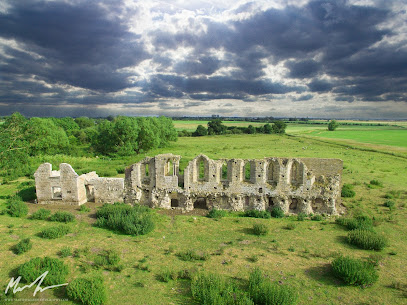
Medieval monastery transformed: where Premonstratensian canons once prayed, Tudor mansions rose and farmland endured.
North Tower of the East Gate of the Wall of Roman Lindum Colonia (Lincoln)
50.9 km
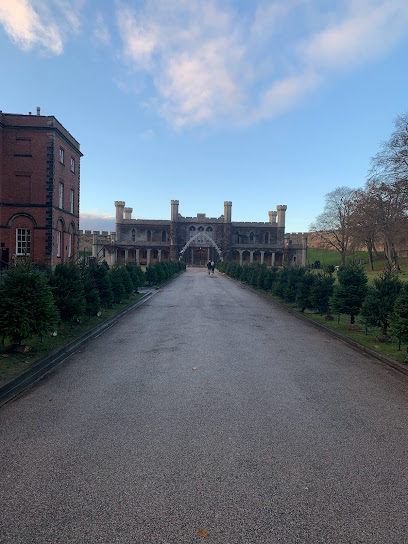
Explore the impressive Roman North Tower of the East Gate, a gateway to Lincoln’s ancient Lindum Colonia and a testament to Roman urban grandeur.
Priory Arch
50.9 km
A majestic Victorian Gothic arch marking the historic entrance to Lincoln’s cathedral quarter and the ancient Bailgate street.
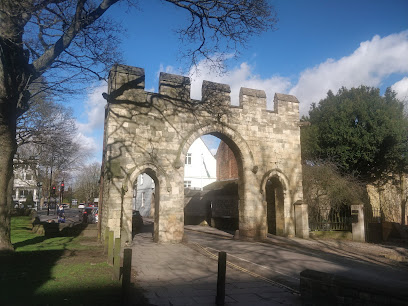
Exchequer Gate
51.1 km
Step through Exchequer Gate, a majestic 14th-century medieval archway guarding Lincoln’s historic heart between Castle and Cathedral.
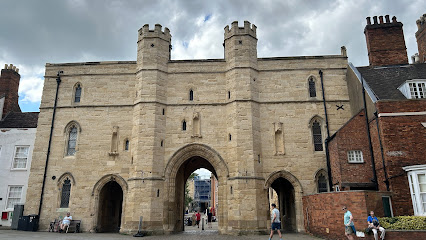
Lincoln War Memorial
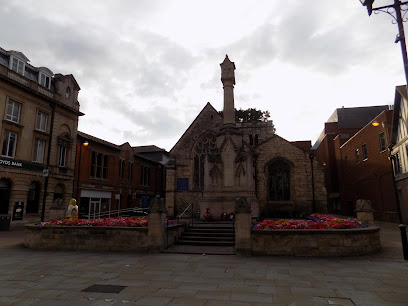
51.8 km
A timeless symbol of unity and freedom, the Lincoln Memorial stands proudly at the heart of Washington, D.C.'s National Mall.
Tattershall Farm Park
60.9 km
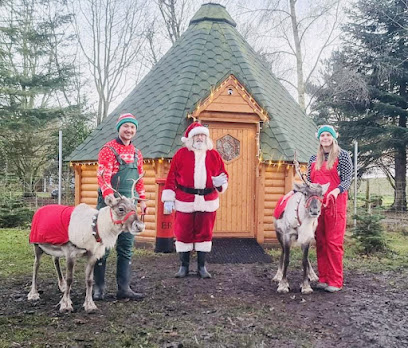
Explore the charm of Tattershall Farm Park, where families create lasting memories through fun activities, delicious food, and a love for nature.
National Trust - Tattershall Castle
61.5 km
Explore the iconic Tattershall Castle in Lincolnshire, a stunning medieval fortress that tells the story of England's rich heritage.
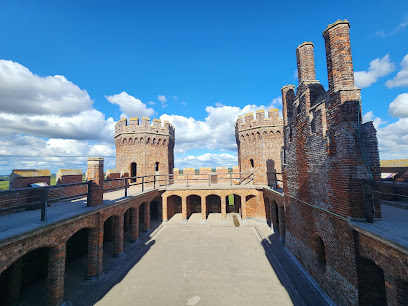
Howsham Mill
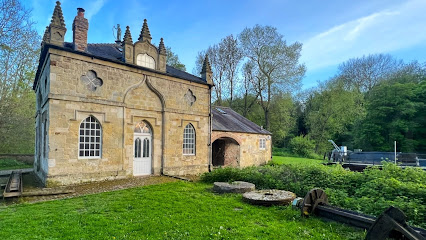
62.2 km
Explore the enchanting Howsham Mill, an 18th-century historical landmark in the heart of York's picturesque countryside, rich in industrial heritage.
Cawood Castle Gatehouse
62.7 km
Step into medieval history at Cawood Castle Gatehouse, a beautifully restored 15th-century archiepiscopal residence with panoramic Yorkshire views.
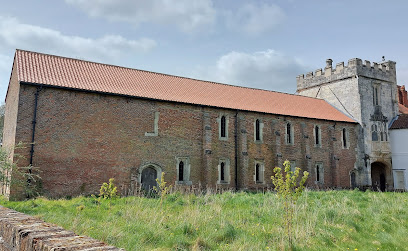
Kirkham Priory
64.0 km
Explore the serene beauty and rich history of Kirkham Priory, a stunning 12th-century monastery set amidst the picturesque Yorkshire landscape.
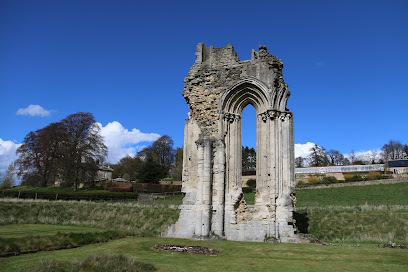
St Lawrence Parish Church, York
64.6 km
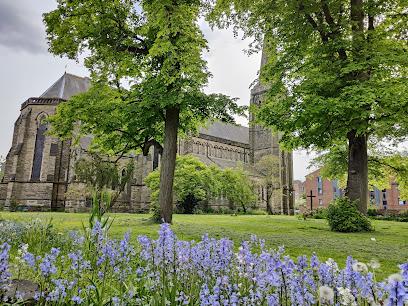
Explore the historical St Lawrence Parish Church in York, showcasing stunning architecture and a vibrant community spirit.
Walmgate Bar
64.8 km
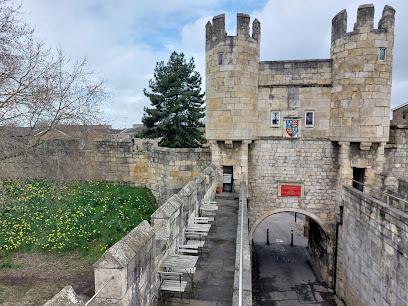
York’s most complete medieval gatehouse, with the only surviving town gate barbican in England and a quirky coffee house inside its ancient walls.
Pikeing Well
64.9 km
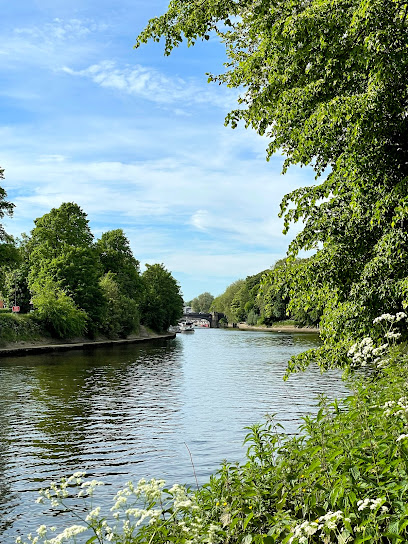
Discover Pikeing Well, an 18th-century riverside grotto in York blending medieval stonework and Viking artistry along the historic New Walk promenade.
Unmissable attractions to see

Princes Quay
12.4 km
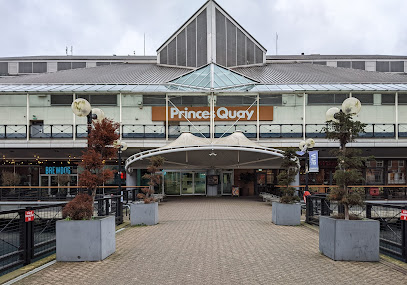
A unique waterfront shopping and leisure destination in Hull blending retail, dining, and entertainment with scenic indoor canals.
Waters' Edge Country Park & Visitor Centre
15.0 km
Explore 110 acres of wildlife-rich parkland with interactive exhibits and stunning Humber Bridge views at Waters' Edge Country Park.
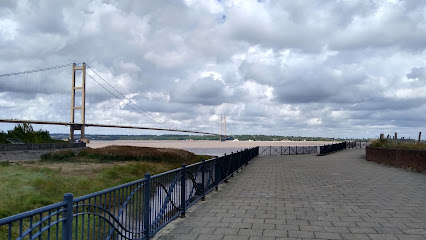
Weelsby Woods Country Park
15.7 km
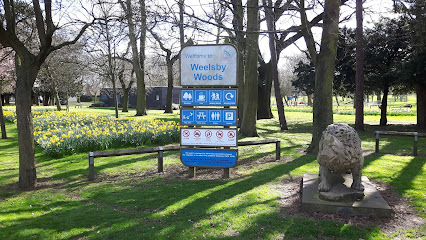
A spacious woodland retreat on Grimsby's edge, offering tranquil walks, open fields, and year-round natural beauty for all ages.
Humber Bridge Country Park
16.8 km
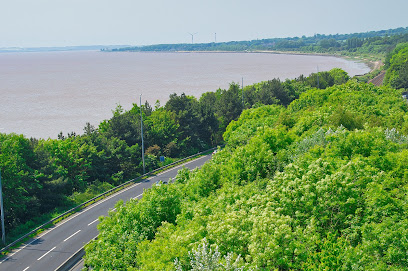
Explore scenic trails, chalk cliffs, and stunning Humber Bridge views at this family-friendly nature reserve in Hessle.
Cleethorpes Pier Gardens
16.8 km
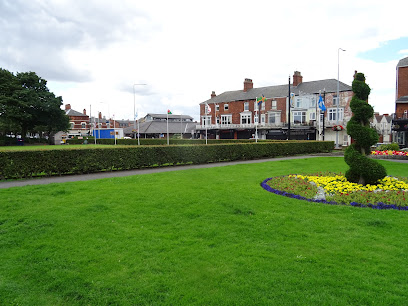
A picturesque seaside garden offering family fun, scenic views, and classic coastal charm on Cleethorpes’ Central Promenade.
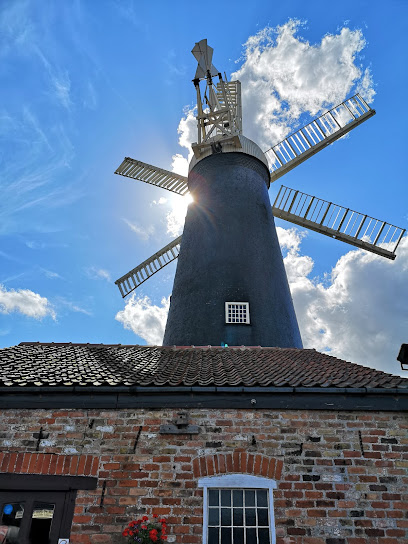
Waltham Windmill
17.9 km
Explore Waltham Windmill, a fully restored Victorian six-sail mill set on scenic Lincolnshire high ground, blending heritage, education, and family-friendly charm.
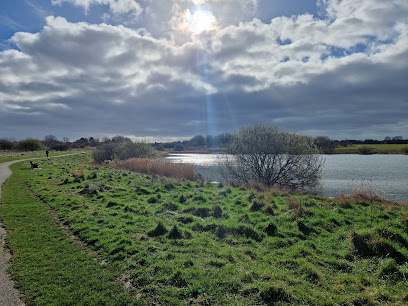
Cleethorpes Country Park
18.1 km
A tranquil 160-acre nature reserve with a scenic lake, accessible trails, and dog-friendly spaces in the heart of Cleethorpes.
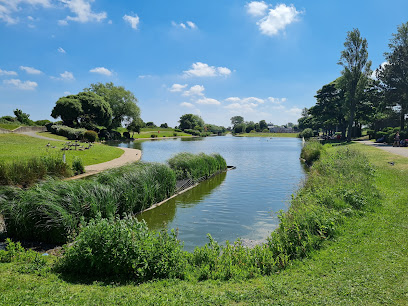
Cleethorpes Boating Lake
18.4 km
A peaceful lakeside retreat in Cleethorpes offering family fun, scenic walks, and nature encounters all year round.
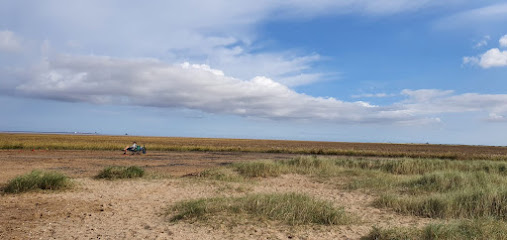
Lincolnshire coast
18.5 km
A classic British seaside bay with sandy beaches, historic charm, and vibrant family attractions on the Humber estuary.
Cleethorpes Coast Light Railway
18.8 km
Historic miniature railway along the Lincolnshire coast with scenic rides, crazy golf, and the world’s smallest pub.
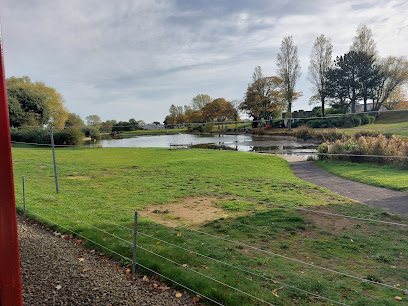
Brigg Heritage Centre
21.0 km
Discover Brigg’s ancient heritage and vibrant community spirit at the historic Angel Building’s Brigg Heritage Centre.
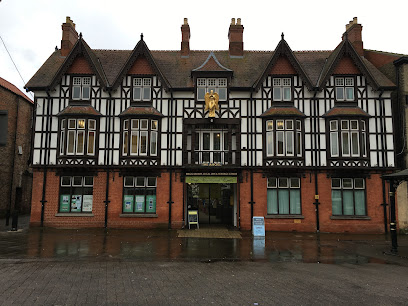
Hall Farm Park
24.5 km
Discover hands-on farm fun and friendly animals in the scenic Lincolnshire Wolds at Hall Farm Park, perfect for family days out.
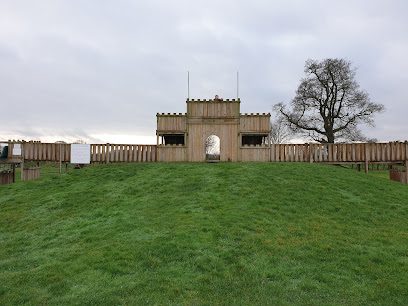
Bully Hill
27.1 km
Historic Bully Hill offers scenic views and springs that shaped Market Rasen’s industrial heritage and rural charm.
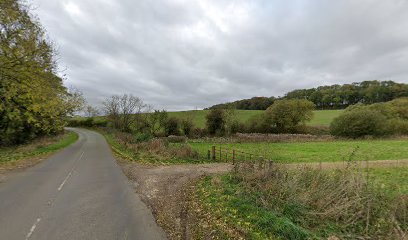
Lincolnshire Wolds National Landscape
30.3 km
Explore 216 square miles of rolling hills, hidden valleys, and rich heritage in Lincolnshire’s tranquil and unspoilt National Landscape.
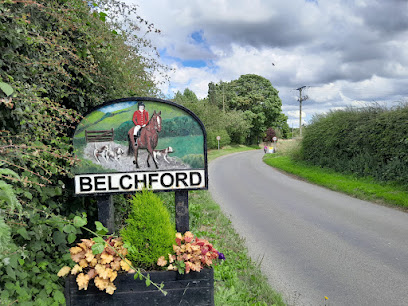
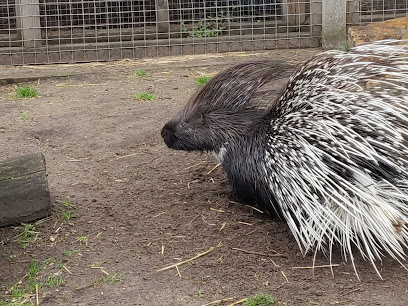
Messingham Zoo
33.7 km
Discover intimate wildlife encounters and family-friendly fun at Messingham Zoo, where animal welfare and education come first.
Essential places to dine

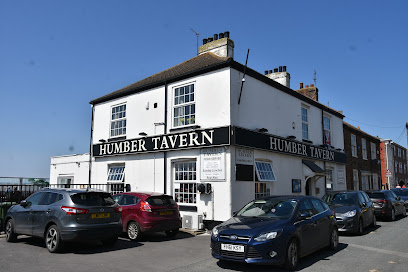
Humber Tavern
7.3 km
Traditional pub charm meets scenic Humber estuary views in Paull, offering hearty home-cooked meals and warm hospitality.
Butler Whites
11.9 km
Modern dining with gluten-free flair and lively atmosphere on Hull’s vibrant Humber Street food scene.
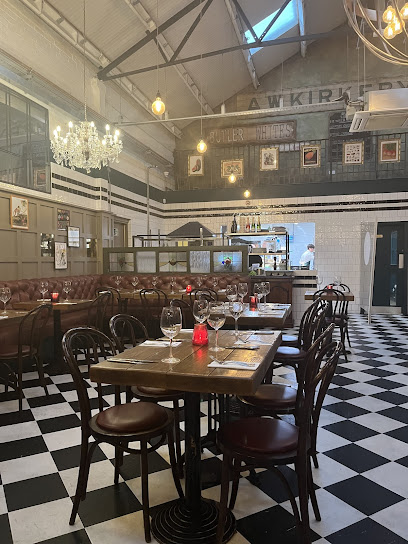
Imaginarium
14.4 km
Experience the vibrant flavors of Modern British cuisine in the heart of Barton-upon-Humber’s historic market square.
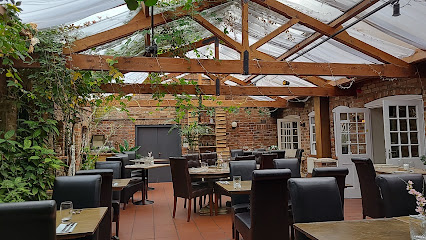
Pipe and Glass
33.6 km
A Michelin-starred Yorkshire pub blending rustic charm, hearty local cuisine, award-winning wines, and boutique luxury accommodation.
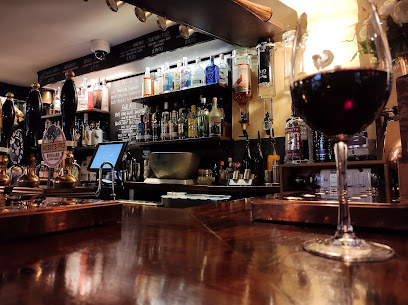
Woolpack Inn
35.0 km
Discover the heart of Louth at Woolpack Inn - where great food meets friendly faces in a cozy English pub atmosphere.
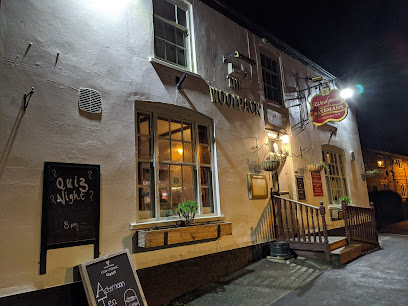
The Splash Pub
39.5 km
Historic 17th-century country pub with cosy charm, scenic gardens by a ford, traditional ales, and welcoming bed and breakfast near Louth.
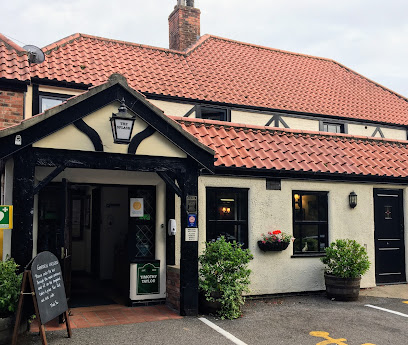
Duke William Hotel
50.9 km
Experience historic Lincoln hospitality with modern comforts, excellent British cuisine, and a welcoming atmosphere in the heart of the Cathedral Quarter.
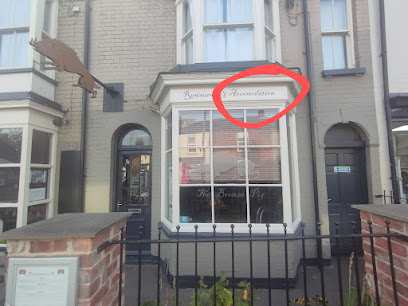
The Bronze Pig
51.0 km
Michelin-guided fine dining in Lincoln's historic quarter, celebrating local ingredients and Mediterranean-inspired creativity.
White Hart Hotel
51.1 km
Historic charm and modern luxury converge in Lincoln’s vibrant Bailgate at The White Hart Hotel, steps from cathedral and castle.

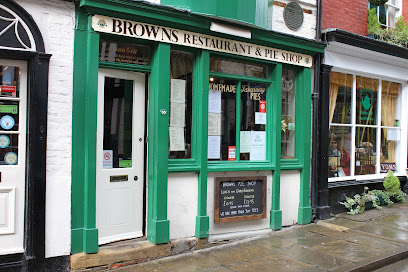
Hobbsons Restaurant and Pie Shop
51.1 km
Savor traditional British gourmet pies in a cozy, historic setting on Lincoln’s iconic Steep Hill.
The Rest Hotel
51.2 km
Boutique 5-star comfort on Lincoln’s historic Steep Hill, blending modern luxury with medieval charm and a renowned coffee shop.
Harbour Lights
51.3 km
Chic grill and bistro at Burton Waters Marina offering stunning waterside views, refined English cuisine, and elegant event spaces near Lincoln.
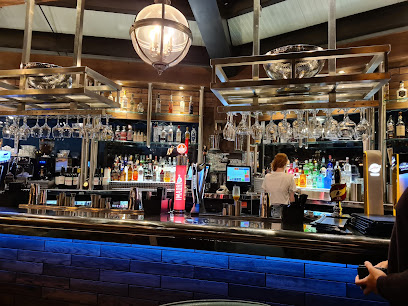
Premier Inn Lincoln City Centre
51.5 km
Modern comfort and friendly service in Lincoln’s historic heart, steps from the Cathedral and Castle.
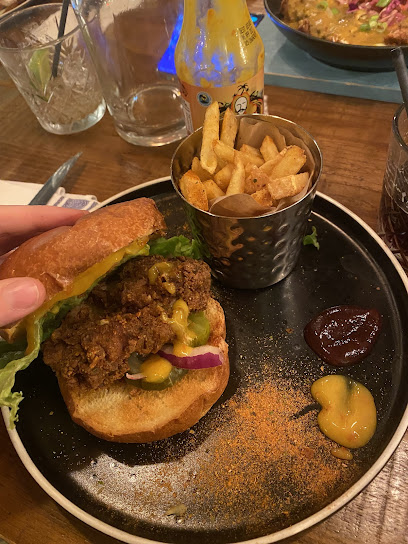
Turtle Bay Lincoln
51.8 km
Experience vibrant Caribbean flavors, tropical cocktails, and reggae vibes at Turtle Bay Lincoln’s lively Central Market venue.
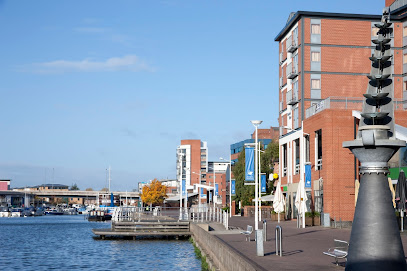
Holiday Inn Lincoln, an IHG Hotel
51.8 km
Modern comfort and scenic waterfront views converge at Holiday Inn Lincoln, your gateway to the vibrant heart of Lincoln.
Markets, malls and hidden boutiques

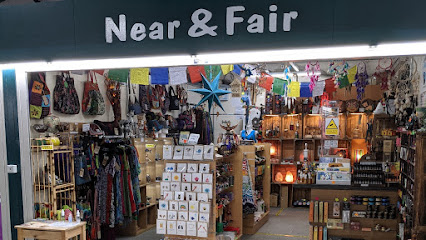
Near & Fair
12.1 km
Discover unique gifts and ethical fashion in the heart of Hull’s vibrant Trinity Market at Near & Fair.
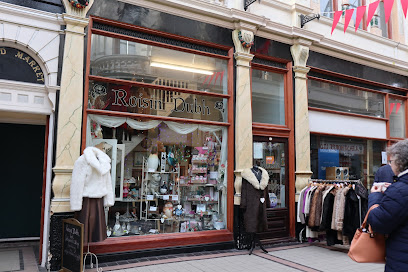
Roisin Dubh Vintage and Retro inspired clothing and gift Boutique
12.1 km
Discover timeless vintage fashion and unique gifts in the heart of Hull’s historic Hepworth's Arcade.
Hornsea Freeport
27.4 km
Discover the UK's first factory outlet village offering up to 50% off famous brands in a charming landscaped setting near Yorkshire’s coast.
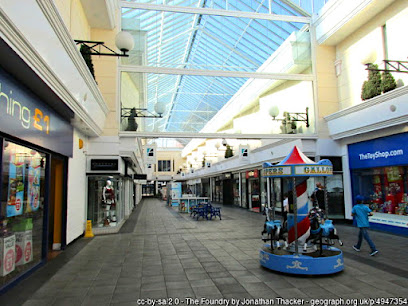
The Foundry
28.5 km
Central Scunthorpe’s welcoming shopping hub with diverse stores, cafes, and community events open seven days a week.
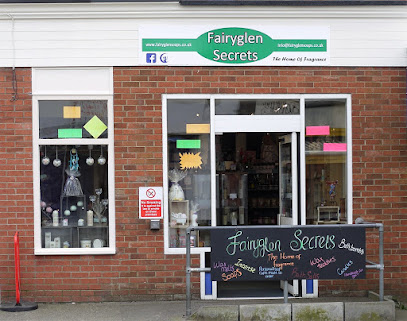
Fairyglen secrets
47.4 km
Discover enchanting pagan and Wiccan gifts in this family-run magical shop nestled in the heart of Mablethorpe’s High Street.
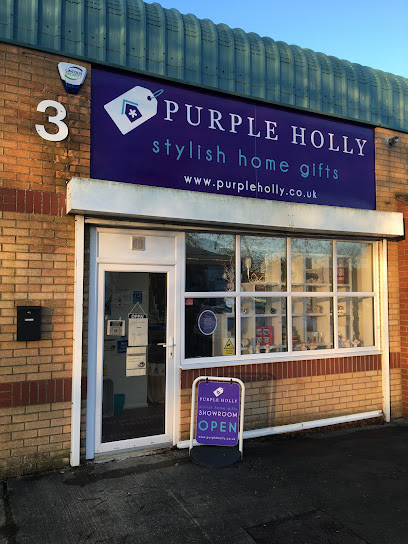
Purple Holly
50.0 km
Discover stylish gifts and charming homewares inspired by Lincolnshire’s countryside at Purple Holly, your boutique destination in Lincoln’s Newporte Business Park.
Grace's Boutique
50.1 km
A charming boutique in Horncastle offering unique fashion, accessories, and gifts with warm, personalized service in a historic market town setting.

Pre-Loved From Lincolnshire
50.7 km
Discover unique handmade gifts and quality preloved treasures crafted and curated by local Lincolnshire artisans.
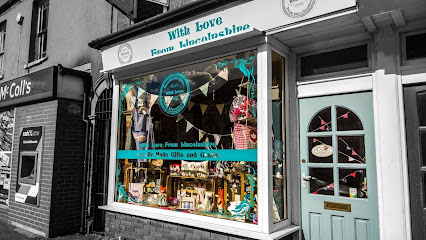
Follie
51.0 km
A charming independent gift shop in Lincoln’s historic Cathedral Quarter, offering unique home accessories, jewellery, cards and vintage-inspired finds.
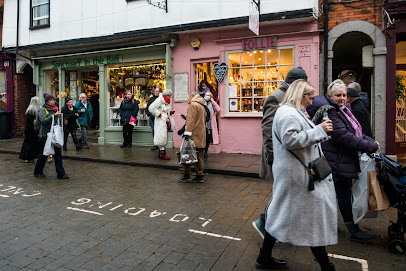
Object & line
51.0 km
Discover unique gifts and charming treats at Object & Line, Lincoln’s boutique of curated creativity and personal service.
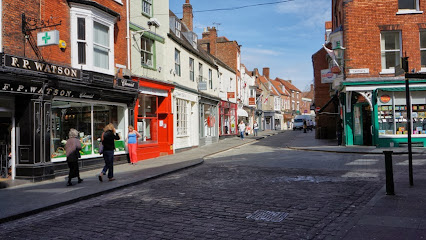
Bo Peep Boutique
51.0 km
Family-run children's clothing and toy boutique in Lincoln offering quality brands and charming gifts in a warm, historic setting.
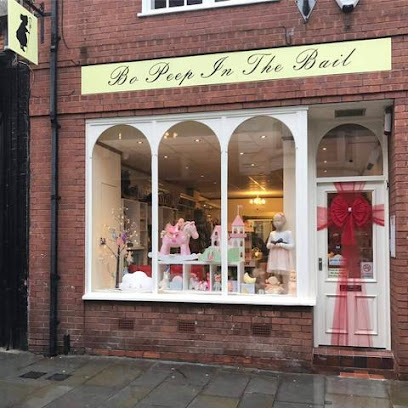
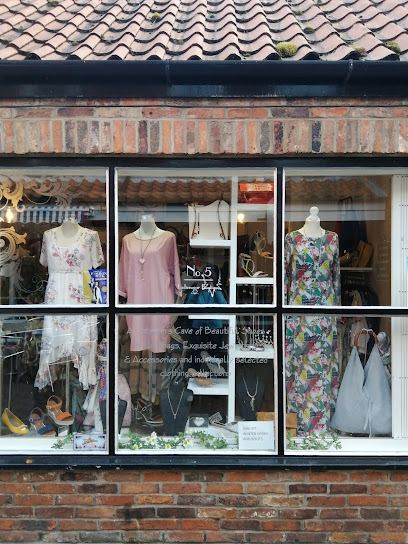
No.5 ladieswear boutique
51.0 km
Discover stylish designer ladieswear, handbags, and accessories at No.5 Ladieswear Boutique, Lincoln’s charming fashion destination.
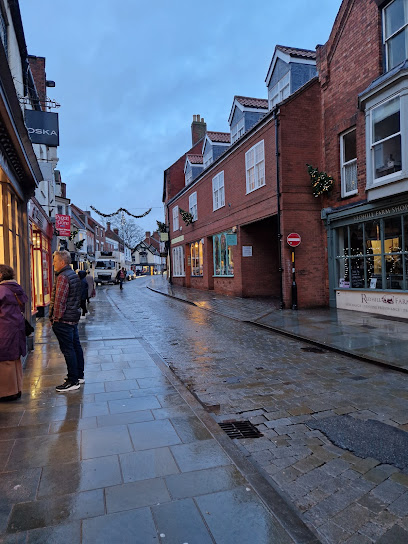
Pretty Little / Noa Noa
51.0 km
Discover unique ladies' fashion in the charming historic Bailgate district of Lincoln, blending style with personalized service.
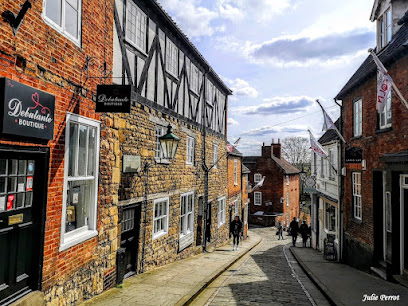
Debutante Boutique
51.2 km
Affordable, stylish ladies' clothing and accessories with French and Italian flair on Lincoln’s historic Steep Hill.
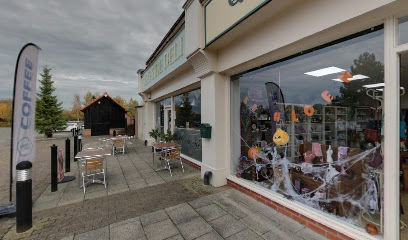
Quayside Gifts
51.3 km
Discover unique souvenirs and local treasures at Quayside Gifts in Burton Waters, Lincoln – a perfect stop for memorable gifts.
Essential bars & hidden hideouts

Rooftop Bar
11.9 km
Enjoy panoramic city and harbor views with crafted cocktails atop Hull’s vibrant Humber Street.
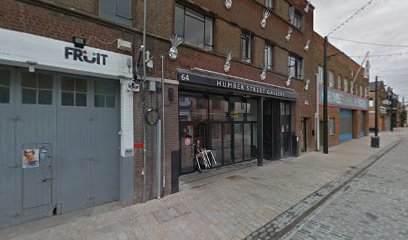
Humber Dock Bar & Grill
12.0 km
Relax by Hull’s marina at the Humber Dock Bar & Grill, where traditional ales, hearty pub food, and waterfront views create a welcoming local hub.
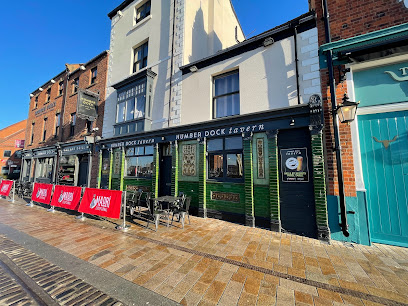
Furley & Co
12.2 km
Quirky dockside pub in Hull offering craft beers, hearty British fare, and a welcoming atmosphere with historic charm.
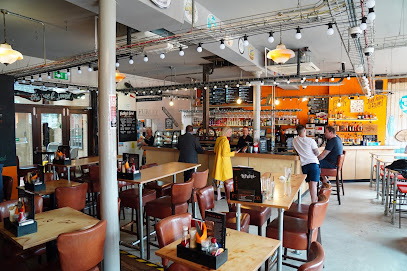
Harry's Bar
15.8 km
A lively Hessle bar blending live music, sports, and casual pub vibes for an affordable and fun night out.
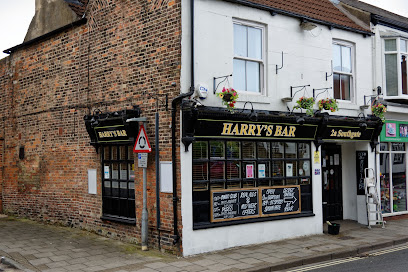
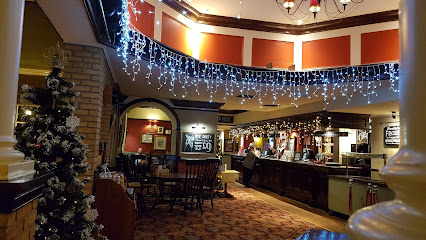
Lincolnshire Poacher
49.1 km
A warm, traditional pub in Lincoln offering classic ales, hearty meals, and a lively, family-friendly atmosphere year-round.
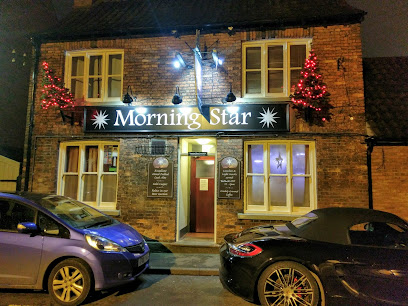
The Morning Star
50.8 km
A cozy traditional pub in Lincoln offering expertly kept ales, warm ambiance, and a prime spot near the cathedral.
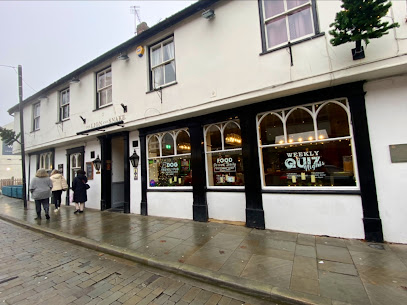
Lion & Snake
50.9 km
Experience historic charm and lively hospitality at Lincoln’s beloved Lion & Snake pub on Bailgate.
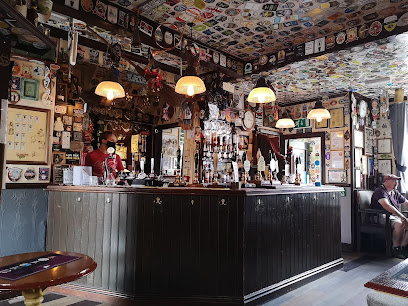
The Strugglers inn
51.0 km
A must-visit Lincoln pub famed for expertly poured cask ales, unique decor, and a warm, dog-friendly atmosphere.
The Adam & Eve Tavern
51.1 km
Lincoln’s oldest tavern since the 1700s, blending historic charm with lively pub culture near the Cathedral.
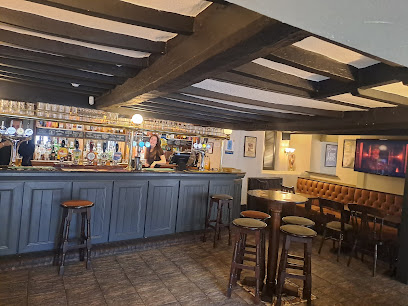
Magna Carta
51.1 km
Historic charm meets lively pub culture in Lincoln’s Magna Carta, a multi-level venue with great food, drinks, and views of the castle and cathedral.
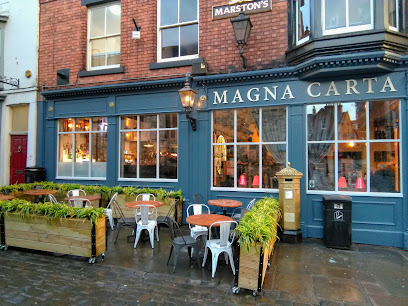
The Dog and Bone
51.3 km
A welcoming Lincoln pub with great ales, folk music gigs, and a charming beer garden in a cozy community setting.
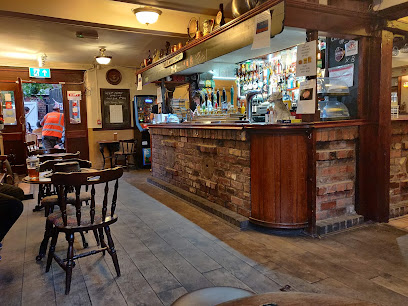
The Strait and Narrow
51.4 km
Lincoln’s quirky cocktail bar with inventive drinks, cozy nooks, and a unique social vibe featuring table phones for calling strangers.
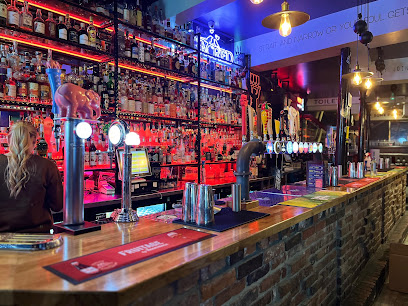
Be at One - Lincoln
51.4 km
Lively Lincoln cocktail bar with 100+ drinks, 2-for-1 happy hours, and a vibrant atmosphere on High Street.
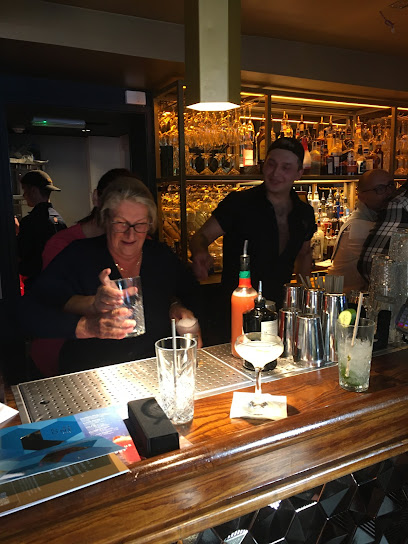
The Birdcage Pub Lincoln
51.4 km
A lively Lincoln pub with quirky charm, diverse ales, creative events, and a welcoming community atmosphere.
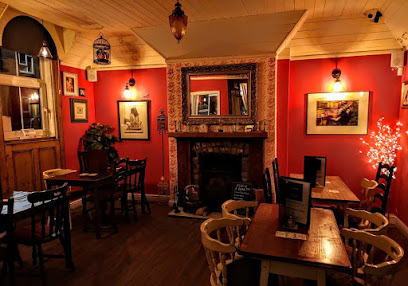
The Cardinal's Hat
51.4 km
Historic charm meets lively atmosphere at The Cardinal's Hat, Lincoln’s beloved pub with rich drinks and cozy vibes.
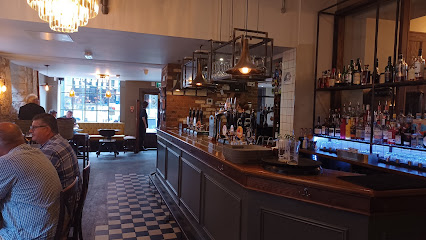
Nightclubs & after hour spots

Spiders
12.8 km
Hull’s legendary alternative nightclub with decades of goth, punk, and rock heritage, vibrant atmosphere, and welcoming community spirit.
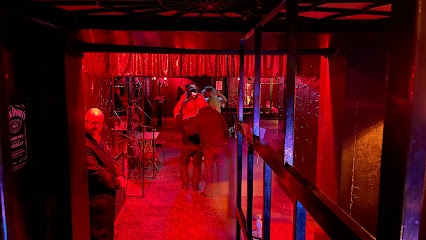
The Welly
13.7 km
Hull’s iconic alternative nightclub with over a century of live music, club nights, and a legendary atmosphere on Beverley Road.
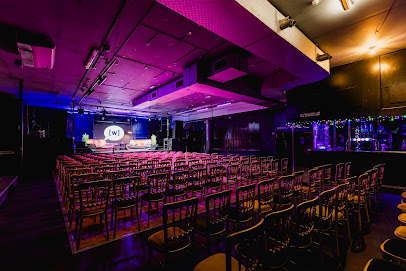
Void Nightclub
51.5 km
Lincoln’s stylish hotspot for electronic dance music, vibrant nights, and unforgettable clubbing experiences.
Popworld - Lincoln
51.5 km
Popworld Lincoln: Where cheesy pop hits and vibrant nightlife create unforgettable party nights on High Street.
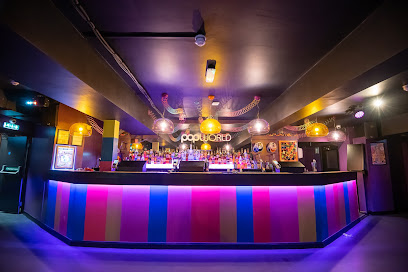
Sugarcubes Nightclub
51.5 km
Energetic and affordable nightlife in Lincoln with a unique cube-themed vibe and friendly atmosphere.
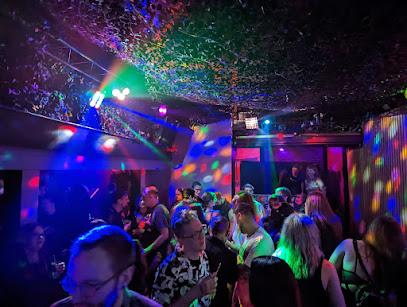
Club Desire
51.6 km
Experience Lincoln’s vibrant nightlife at Club Desire, where luxury meets affordability in a lively, welcoming gentlemen’s club setting.
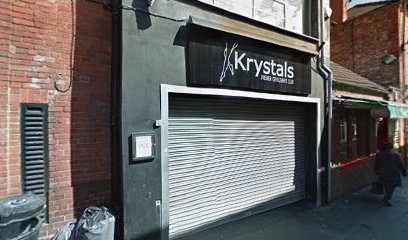
The Scene
51.7 km
Lincoln’s vibrant two-floor nightclub and LGBTQ+ venue, open nightly with diverse events and a welcoming atmosphere.
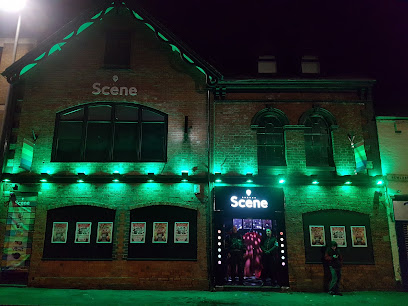
Lincoln Rock N Roll Club
57.0 km
A vibrant rock and roll nightspot in Waddington offering affordable drinks, energetic dancing, and a welcoming community atmosphere.
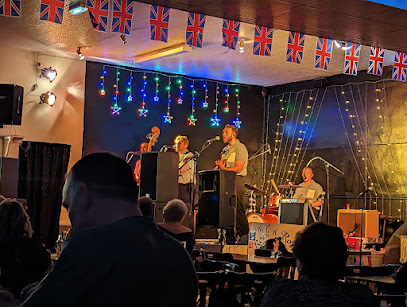
Charlie's Nightclub
61.1 km
Experience Coningsby's vibrant nightlife at Charlie's Nightclub, where lively music and a welcoming atmosphere create unforgettable evenings.
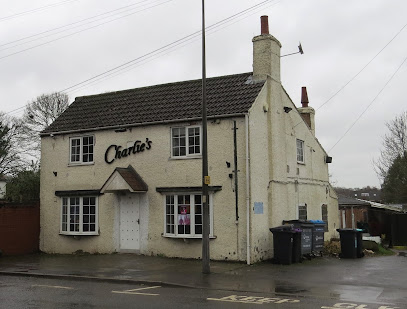
Karaoke Rooms (KTV)
64.6 km
Experience lively private karaoke rooms in the heart of York’s vibrant nightlife at Chuandao Karaoke Bar.
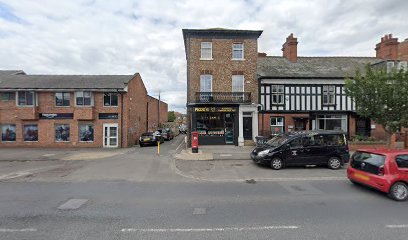
Kuda
65.5 km
York’s vibrant nightclub offering diverse music, live DJs, and a lively late-night atmosphere in the heart of the city.
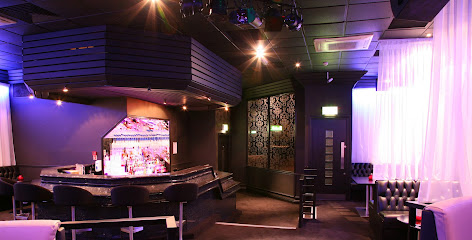
BlueBox
65.8 km
York’s premier late-night nightclub, BlueBox pulses with House, Tech House, and Disco beats until dawn in a vibrant city-center setting.
Popworld York
65.9 km
York’s lively nightclub with five decades of pop hits, a unique revolving dancefloor, and a safe, fun party atmosphere.
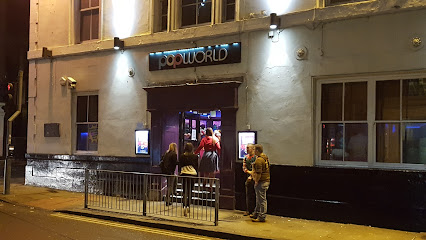
Ziggy's Bar & Nightclub
65.9 km
York’s iconic student nightclub offering energetic dance floors, affordable drinks, and a lively atmosphere since the 1980s.
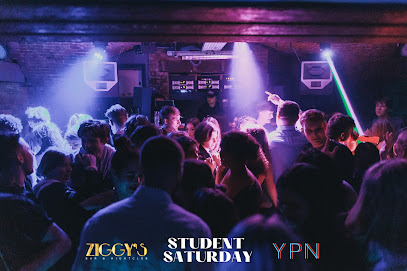
Bar 55 York
65.9 km
York’s exclusive strip club offering sophisticated adult entertainment and premium nightlife in a stylish, historic setting.

For the vibe & atmosphere seeker
- Scenic
- Relaxing
- Tranquil
- Unique
For the design and aesthetic lover
- Minimalist Designs
For the architecture buff
- Historic
- Landmarks
For the view chaser and sunset hunter
- Iconic Views
- Panoramas
For the social media creator & influencer
- Instagrammable
- Photo Spots
- Selfie Spots
- Architectural Shots
For the eco-conscious traveler
- Public-Transport Accessible
For the kind of experience you’re after
- Cultural Heritage
- Photowalk
- Nature Escape
- Day Trip
- Weekend Getaway
For how adventurous you want the journey to be
- Easy Access
Location Audience
- Family Friendly
- Senior Friendly
- Child Friendly
- Teen Friendly
- Wheelchair Access
- Pet Friendly
- Solo Friendly
- Couple Friendly
- Solo Female Friendly


