

Skeldergate Bridge & Bishopgate St, Yorkshire Travel Guide
Historic Victorian iron bridge with Gothic charm offering scenic River Ouse views and a unique riverside café in the heart of York.
Skeldergate Bridge is a historic Gothic Revival iron bridge in York, completed in 1881. It spans the River Ouse, linking the York Castle area to Bishophill and offers scenic views of the river and nearby heritage buildings. Originally a toll bridge, it has been toll-free since 1914 and features a distinctive tower building now repurposed as a café. The bridge is a Grade II listed structure, blending Victorian engineering with architectural charm.
A brief summary to Skeldergate Bridge & Bishopgate St
- York, YO23 1JF, GB
- Duration: 0.5 to 2 hours
- Free
-
 Outdoor
- Mobile reception: 4 out of 5

Know before you go
Hi, I'm Eve. Here are a few practical things to know before exploring Skeldergate Bridge & Bishopgate St.
- Visit the café housed in the old tollhouse for a drink or snack while enjoying riverside views.
- Take the stairs down to Tower Gardens for peaceful riverside walks and photo opportunities.
- Check local flood warnings before exploring riverside paths, as the River Ouse can occasionally flood.
- Bring a camera to capture the bridge’s Gothic details and the picturesque riverside architecture.
Do you manage this location?
Take control to get all the benefits, like improved information, better appearance, and stronger visibility across AI-powered discovery. Learn more about listing your business on Evendo
Activate your presenceOther nearby places you may find interesting
The closest places of the same kind, if this one is not quite what you had in mind.
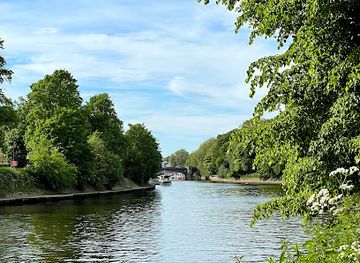
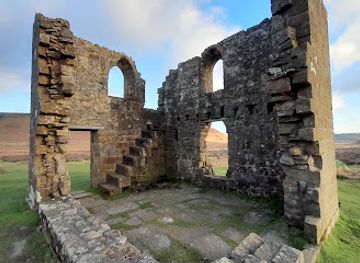
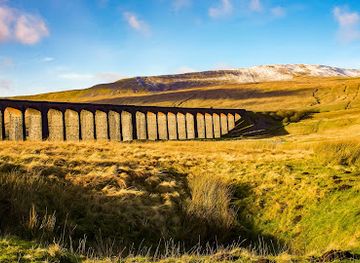

Explore Skeldergate Bridge & Bishopgate St on the Map
A handpicked selection of must-see spots near Skeldergate Bridge & Bishopgate St, mapped for you.
Unlock the Best of Skeldergate Bridge & Bishopgate St
Buy tickets
-
No tickets available
Book tours with entry


Book tours without entry
-
No tours available
Getting There
-
Bus
Take the York Park & Ride bus service to the City Centre stop, then walk approximately 10 minutes along the riverside to Skeldergate Bridge. Buses run every 10-15 minutes with a fare of around £3-£5.
-
Train
Arrive at York Railway Station, then take a 20-minute walk along the river towards the city centre to reach Skeldergate Bridge. The route is mostly flat and accessible, with no additional cost beyond train fare.
-
Taxi
A taxi from York Railway Station to Skeldergate Bridge takes about 5-10 minutes depending on traffic, costing approximately £7-£12. Taxis provide door-to-door convenience, especially with luggage or in poor weather.
For the on-the-go comforts that matter to you
-
 Restrooms
-
 Drink Options
-
 Food Options
-
 Seating Areas
-
 Information Boards
Discover more about Skeldergate Bridge & Bishopgate St
A Testament to Victorian Engineering and Gothic Revival Style
Skeldergate Bridge, completed in 1881, stands as a remarkable example of Victorian ironwork combined with Gothic Revival architectural details. Designed by civil engineer George Gordon Page, who also contributed to Westminster Bridge in London, the bridge was built to replace a ferry crossing that served over 800 daily users. Its iron construction and crenellated parapets give it a distinctive historic character, while the attached tollhouse—now a café—adds to its heritage significance. The bridge was reconstructed and strengthened in the late 1930s, ensuring its durability through the decades.Historical Significance and Evolution
Originally built as a toll bridge, Skeldergate Bridge was declared toll-free on April 1, 1914, an event celebrated by York’s citizens with a regatta. The bridge’s small arch at the east end was once an opening section, operated by machinery housed in the tower-like Motor House, allowing tall masted ships to access the quays. This mechanism was last used in 1975 before being removed, transforming the bridge into a fixed crossing. The tower building itself has been repurposed as a café, blending history with modern use.Scenic Views and Riverside Atmosphere
From the bridge, visitors can enjoy panoramic views of the River Ouse and the charming riverside architecture, including the old Bonding Warehouse and brick terraced houses that line the shore. The stairs descending from the bridge lead to Tower Gardens on the east bank, offering peaceful riverside walks and a chance to immerse in York’s heritage landscape. The riverside paths occasionally face flooding from the Ouse, so visitors should be mindful of local conditions when exploring.Architectural and Cultural Context
Skeldergate Bridge is a Grade II listed structure, recognized for its historic and architectural value. Its Gothic Revival style, characterized by pointed arches and decorative details, reflects the Victorian era’s fascination with medieval aesthetics. The bridge’s role in connecting the York Castle area to Bishophill underscores its importance in the city’s transport and social history, especially for workers commuting from the Fulford side.Modern Usage and Visitor Experience
Today, the bridge serves as a vital pedestrian and vehicle crossing, free of tolls and open year-round. The café in the former tollhouse offers a unique spot to relax while appreciating the historic setting. The bridge’s robust construction has allowed it to withstand numerous floods, making it a resilient landmark. Its location also makes it a favored spot for photographers capturing York’s riverside charm and historic skyline.Connectivity and Surrounding Attractions
Skeldergate Bridge is part of a network of historic bridges over the River Ouse, including Lendal Bridge and the Millennium Bridge. Its proximity to York Castle and Bishophill places it within a rich cultural and historic district, inviting visitors to explore further. The bridge’s riverside setting also provides access to walking routes and green spaces that enhance the visitor experience with natural beauty alongside urban heritage.More to explore near Skeldergate Bridge & Bishopgate St
-

Best experiences near Skeldergate Bridge & Bishopgate St
-

Best hotels near Skeldergate Bridge & Bishopgate St
-

Best attractions near Skeldergate Bridge & Bishopgate St
-

Best shops near Skeldergate Bridge & Bishopgate St
-

Best restaurants near Skeldergate Bridge & Bishopgate St
-

Best bars near Skeldergate Bridge & Bishopgate St







Your all‑in‑one travel companion app
Explore expert travel guides, compare and book tours, experiences, hotels, and more—all from the palm of your hand. Download now for seamless trip planning wherever your wanderlust takes you.


Explore More of Yorkshire
Looking beyond Skeldergate Bridge & Bishopgate St? Discover Yorkshire for broader travel guides, local hot-spots, and regional highlights.
Explore Yorkshire
York’s iconic medieval gateway, Micklegate Bar, where history, royalty, and grim tales converge at the city’s southern entrance.

A Victorian Gothic Revival iron bridge offering scenic River Ouse views and a historic connection between York’s Castle area and Bishophill.
