

Free Colonia del Sacramento Travel Guide & Mobile App
Plan your Colonia del Sacramento trip with Evendo. Get free guides to top attractions, restaurants, hotels, and bars. Web access or download the mobile app.


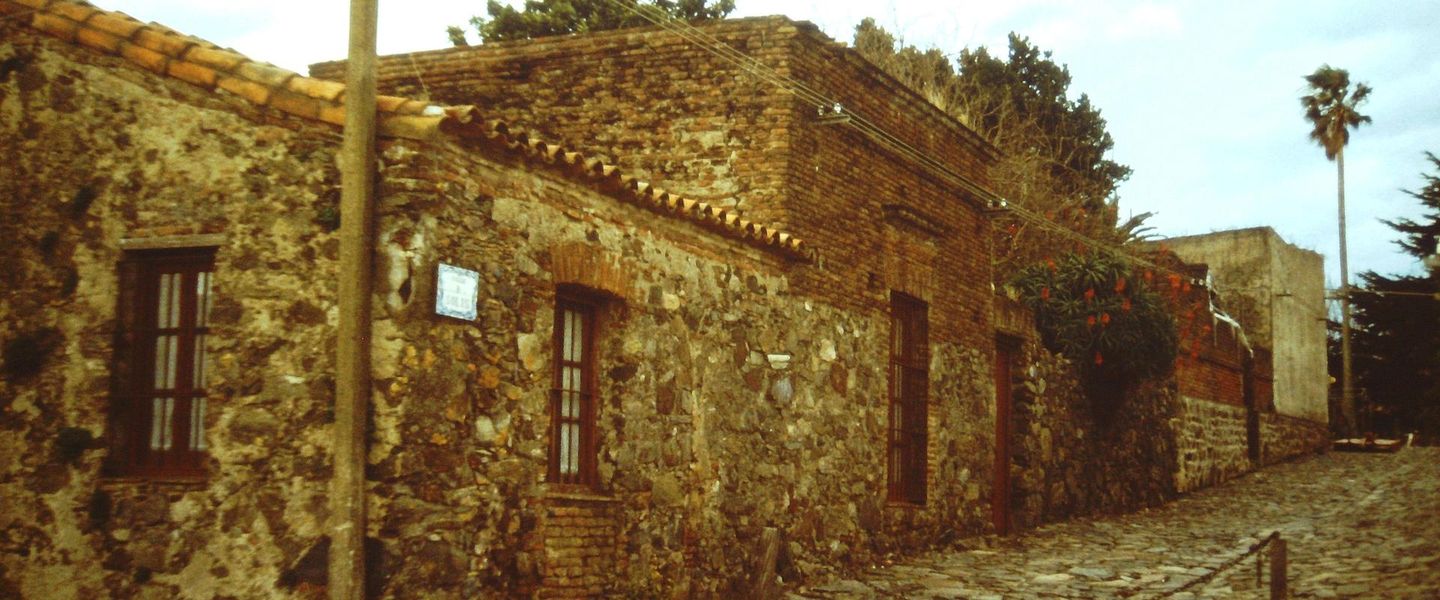


Colonia del Sacramento, Uruguay, pairs UNESCO-listed colonial streets with river sunsets, historic landmarks, museums, cafés and relaxed cultural walks.
Colonial Streets and River Light
Colonia del Sacramento occupies a quiet peninsula on Uruguay’s southwestern coast, where the Río de la Plata stretches towards Buenos Aires and old stone walls meet broad river views. Its Barrio Histórico, founded by the Portuguese in 1680, is the city’s defining landscape: uneven cobbled lanes pass beneath bougainvillaea, beside low colonial buildings and towards the water. The quarter’s historic fabric reflects Portuguese and Spanish periods of rule, while its compact scale makes it especially rewarding to explore on foot.Read more about Colonia del Sacramento
A City of Layers
Slow-Rhythm Uruguay
When is the best time to visit Colonia del Sacramento?
Best: February, November–December · 26–29°C| Month | High (°C) | Rainfall (mm) |
|---|---|---|
| January | 29 | 95 |
| February (best) | 29 | 94 |
| March | 27 | 117 |
| April | 22 | 138 |
| May | 18 | 131 |
| June | 15 | 108 |
| July | 15 | 111 |
| August | 16 | 115 |
| September | 18 | 121 |
| October | 23 | 136 |
| November (best) | 26 | 119 |
| December (best) | 28 | 97 |
Getting to and around Colonia del Sacramento
How to get there
Transportation
Best attractions in Colonia del Sacramento
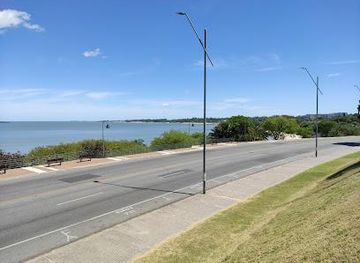
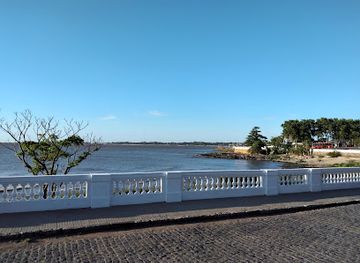
Colonia del Sacramento’s principal sightseeing area is the Barrio Histórico, where cobbled lanes lead through the Portón de Campo, past Plaza Mayor and towards the remains of the old waterfront defences. The city’s small museums occupy atmospheric colonial buildings and introduce visitors to Portuguese, Spanish and regional history without requiring long distances between stops. The lighthouse, built beside the ruins of the Convent of San Francisco, provides one of the peninsula’s most recognisable viewpoints, while Calle de los Suspiros preserves the intimate scale and uneven surfaces associated with old Colonia. Along the Río de la Plata, the Rambla offers broad horizons, benches and changing evening light. Beyond the centre, the Plaza de Toros in Real de San Carlos reveals the city’s early twentieth-century ambitions and contrasts sharply with the colonial quarter. Tree-lined streets, independent cafés and riverfront walks complete a slower style of sightseeing.
-
Bullring
Plaza de toros Real de San Carlos
Discover the enchanting Plaza de Toros Real de San Carlos, a historic bullring in Colonia del Sacramento, showcasing Uruguay's cultural heritage and vibrant events.
13 min drive · 4.2 km from city centre
-
Tourist attraction
Colonia del Sacramento Lighthouse
Experience the historic beauty and breathtaking views at the iconic Colonia del Sacramento Lighthouse, a must-visit landmark in Uruguay.
11 min walk · 0.9 km from city centre
-
Tourist attraction
Colonia Del Sacramento Boulevard
Discover the scenic beauty and rich history of Colonia Del Sacramento Boulevard, a must-visit destination for every traveler in Uruguay.
13 min walk · 1.0 km from city centre
-
Tourist attraction
Ciudad Vieja
Explore Ciudad Vieja in Colonia del Sacramento - a UNESCO World Heritage site filled with colonial charm, rich history, and vibrant local culture.
9 min walk · 0.7 km from city centre


Best landmarks in Colonia del Sacramento
The Portón de Campo, or City Gate, is the clearest surviving threshold between modern Colonia and the fortified colonial settlement, with sections of the old wall and bastions nearby. The lighthouse stands beside the ruins of the Convent of San Francisco and has become the city’s defining vertical landmark, contrasting with the low roofs of the historic quarter. The whitewashed Iglesia Matriz del Santísimo Sacramento, now known as the Basilica of the Blessed Sacrament, occupies Plaza de Armas and reflects the religious importance of the early settlement. Calle de los Suspiros is significant less for a single monument than for its preserved scale, paving and domestic architecture. Across the wider city, the Plaza de Toros in Real de San Carlos represents a later period of ambitious leisure development and provides a striking counterpoint to the Portuguese and Spanish layers of the old peninsula.
-
Tourist attraction
Colonia del Sacramento Lighthouse
Experience the rich history and breathtaking views from the Colonia del Sacramento Lighthouse, a true gem of Uruguay's coastal heritage.
11 min walk · 0.9 km from city centre
-
Tourist attraction
Colonia Sign
Discover the iconic Colonia Sign, a symbol of history and beauty in Colonia del Sacramento, Uruguay, where heritage and scenic views intertwine.
10 min drive · 3.2 km from city centre
-
Tourist attraction
Colonia Del Sacramento Boulevard
Explore the scenic Colonia Del Sacramento Boulevard, where history meets breathtaking river views and vibrant local culture in Uruguay.
13 min walk · 1.0 km from city centre
-
Historical landmark
Ciudad Vieja
Explore Ciudad Vieja, a historical district in Colonia del Sacramento, Uruguay, where colonial charm meets vibrant culture in a UNESCO World Heritage site.
9 min walk · 0.7 km from city centre


Explore Colonia del Sacramento on the map
Plan your Colonia del Sacramento trip on one map. See where the top attractions, landmarks, restaurants, bars and hotels are, find what's near where you're staying, and book hotels and experiences in a few clicks.
Neighbourhoods in Colonia del Sacramento
-

-


Swipe for more neighbourhoods
Best hotels in Colonia del Sacramento
Best restaurants in Colonia del Sacramento
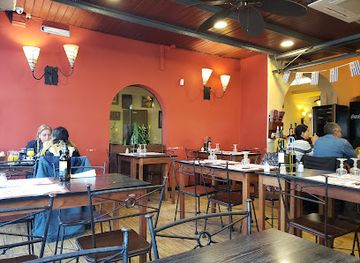
Colonia’s food culture combines familiar Uruguayan traditions with the relaxed dining rhythm of a historic river town. Parrillas serve asado and other cuts of grilled beef, while the national favourite chivito appears in cafés and casual restaurants in substantial sandwich form. Empanadas, fresh salads, pasta and local cheeses broaden the everyday offer, and restaurants around the Barrio Histórico often place these dishes in atmospheric colonial settings. The nearby Río de la Plata and rural hinterland influence menus through fish, regional produce and wines from western Uruguay, while cafés provide coffee, pastries and light meals between museum visits. The centre contains the greatest concentration of visitor-oriented dining, but streets beyond the old quarter offer a more residential feel. In the wider department, winery visits and rural meals provide a useful introduction to local agricultural traditions without confusing the city’s cuisine with that of Buenos Aires across the river.
-
Grill
Parrillada El Portón
Experience authentic Uruguayan barbecue at Parrillada El Portón in Colonia del Sacramento—where every bite tells a story of tradition and flavor.
5 min walk · 0.4 km from city centre
-
Restaurant
Charco bistró
Experience exquisite cuisine and breathtaking views at Charco Bistró in Colonia del Sacramento, where every meal becomes a cherished memory.
11 min walk · 0.9 km from city centre
-
Restaurant
La Bodeguita
Experience authentic Uruguayan cuisine at La Bodeguita in Colonia del Sacramento—where tradition meets modern flair.
11 min walk · 0.9 km from city centre
-
Restaurant
DOS 22 Restaurante
Experience authentic Uruguayan cuisine at DOS 22 Restaurante in Colonia del Sacramento - where every dish tells a story.
7 min walk · 0.5 km from city centre


Best bars in Colonia del Sacramento
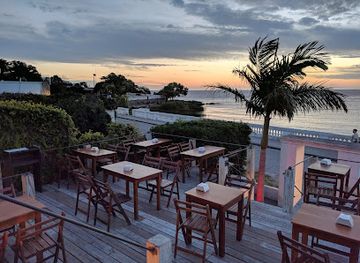
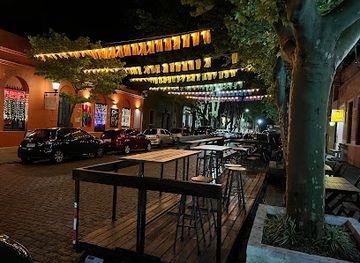
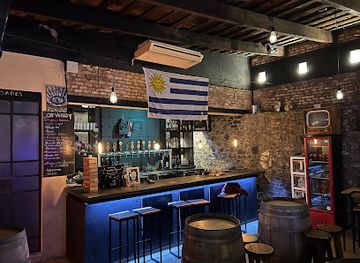
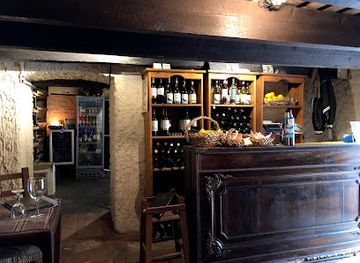
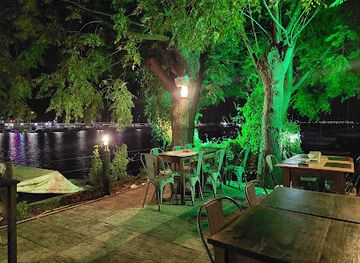
Colonia’s evenings are quieter and more intimate than those of Montevideo or Buenos Aires. After sunset, the Barrio Histórico settles into a gentle circuit of wine bars, relaxed cafés and restaurants housed in restored colonial buildings, with activity concentrated around the main squares and waterfront streets. Visitors may find local Uruguayan wines, including Tannat, alongside beer and simple cocktails, while the Rambla offers an atmospheric alternative to indoor venues. Cultural programming, live music and seasonal events can add variety, but the city is not primarily a late-night clubbing destination and regular entertainment changes over time. The historic quarter is particularly appealing for an evening walk, when architectural lighting and the river horizon alter the character of its cobbles. Those seeking energetic nightlife generally find a smaller, more locally paced scene rather than a dense concentration of nightclubs.
-
Brewpub
Cerveceria Barbot
Discover Cerveceria Barbot in Colonia del Sacramento for an unforgettable experience of craft beer and gourmet burgers in a cozy setting.
6 min walk · 0.5 km from city centre
-
Gastropub
La Chopería Colonia
Explore the flavors of Uruguay at La Chopería Colonia, a vibrant gastropub offering craft beers and delicious local cuisine in a lively atmosphere.
11 min walk · 0.8 km from city centre
-
Tapas Bar
El Buen Suspiro
Discover the vibrant flavors of Uruguay at El Buen Suspiro, a premier tapas bar in the heart of Colonia del Sacramento, offering a delightful culinary experience.
10 min walk · 0.8 km from city centre
-
Grill
Mojito
Experience the vibrant flavors of Uruguayan cuisine at Mojito, a premier grill in Colonia del Sacramento offering a delightful culinary journey.
10 min walk · 0.8 km from city centre
Best nightclubs in Colonia del Sacramento
Colonia’s evenings are quieter and more intimate than those of Montevideo or Buenos Aires. After sunset, the Barrio Histórico settles into a gentle circuit of wine bars, relaxed cafés and restaurants housed in restored colonial buildings, with activity concentrated around the main squares and waterfront streets. Visitors may find local Uruguayan wines, including Tannat, alongside beer and simple cocktails, while the Rambla offers an atmospheric alternative to indoor venues. Cultural programming, live music and seasonal events can add variety, but the city is not primarily a late-night clubbing destination and regular entertainment changes over time. The historic quarter is particularly appealing for an evening walk, when architectural lighting and the river horizon alter the character of its cobbles. Those seeking energetic nightlife generally find a smaller, more locally paced scene rather than a dense concentration of nightclubs.
-
Bar
Criopoolbar
Discover the nightlife at Criopoolbar in Colonia del Sacramento, where local flavors and vibrant ambiance create an unforgettable experience.
12 min drive · 4.0 km from city centre
-
Dance club
Cafe del río
Discover the vibrant nightlife at Cafe del río in Colonia del Sacramento, where music, dancing, and fun come together in an unforgettable experience.
3 min walk · 0.2 km from city centre
-
Bar
El Club Del Jugo
Discover El Club Del Jugo in Colonia del Sacramento: a vibrant bar offering fresh juices and cocktails in a lively atmosphere.
6 min walk · 0.5 km from city centre
-
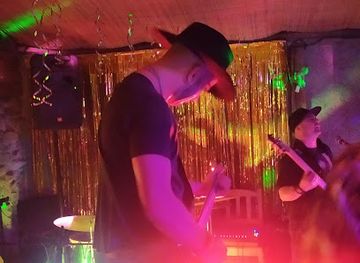
Night club
Salón Los Horneros
Discover the vibrant nightlife at Salón Los Horneros, a premier night club in Colonia del Sacramento, offering lively music and a great atmosphere.
11 min drive · 3.8 km from city centre

Best shops in Colonia del Sacramento
Shopping in Colonia is concentrated around the Barrio Histórico, where small galleries, craft shops, bookshops and independent boutiques occupy restored buildings along and near the principal cobbled streets. Visitors will find locally made ceramics, leather goods, textiles, jewellery, prints and decorative objects, although quality and provenance vary, so it is worth asking about the maker when purchasing craftwork. Shops also stock Uruguayan food products, regional wines, dulce de leche and yerba mate, which offer more useful souvenirs than generic imported merchandise. The central commercial streets outside the old quarter provide everyday shops and services, while the historic area is oriented towards browsing and locally characteristic gifts. Opening patterns can be relaxed and seasonal, particularly outside the busiest visitor periods, so smaller retailers should not be treated like a continuously operating shopping centre.
-
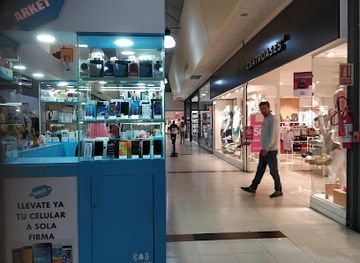
Shopping mall
Colonia Shopping
Explore Colonia Shopping: A vibrant shopping destination in Colonia del Sacramento with diverse stores, dining options, and family-friendly entertainment.
12 min walk · 0.9 km from city centre
-
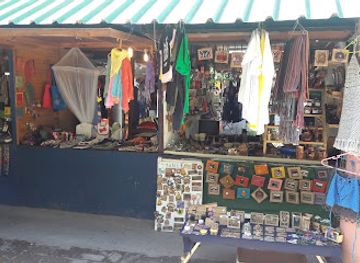
Shopping mall
Feria Artesanal
Explore unique local crafts and immerse yourself in the vibrant culture at Feria Artesanal in Colonia del Sacramento.
4 min walk · 0.3 km from city centre
-
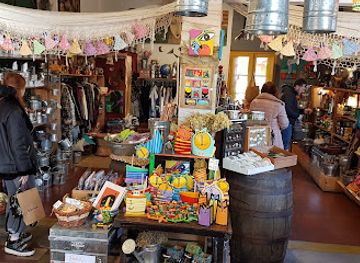
Shopping mall
Almacen La Carlota
Discover unique crafts and local treasures at Almacen La Carlota, a charming shopping mall in Colonia del Sacramento, Uruguay.
10 min walk · 0.8 km from city centre
-
Women's clothing store
Daniel Cassin Colonia del Sacramento
Explore unique women's fashion at Daniel Cassin Colonia del Sacramento, where modern style meets Uruguay's rich cultural heritage.
4 min walk · 0.3 km from city centre

Get your free copy of our complete guide to Colonia del Sacramento, delivered straight to you.
Everything on this page, from attractions and restaurants to essentials and local phrases, in one PDF you can read offline, print or share.
Already have an account? Sign in
Your Colonia del Sacramento guide is ready.
We'll send it to · Not you? Sign out

Getting your guide ready…
We are putting together a fresh copy of the Colonia del Sacramento guide. This can take up to a minute.
This can take a few moments. If your browser asks, choose Allow so the download can start. You'll find the guide in your Downloads folder.
Nothing happened? Download it again
Sorry, the guide is taking longer than usual. Please try again in a minute, or get it by email instead.
Colonia del Sacramento essentials
Currency and Payment
Safety
Emergency Situations
Do's and Don'ts
Local Tips
From Eve
Local phrases worth knowing
You don't need to get them perfect. A few words go a long way, and locals appreciate the effort.
Basics
| English | Local | Say it |
|---|---|---|
| Hello | Hola | [Oh-la] |
| Goodbye | Adiós | [Ah-dee-ohs] |
| Yes | Sí | [See] |
| No | No | [Noh] |
| Please/You're welcome | Por favor | [Por fah-vor] |
| Thank you | Gracias | [Grah-see-as] |
| Excuse me/Sorry | Disculpe | [Dees-kool-peh] |
| How are you? | ¿Cómo estás? | [Koh-moh ehs-tahs] |
| Fine. And you? | Bien. ¿Y tú? | [Byen. Ee too] |
| Do you speak English? | ¿Hablas inglés? | [Ah-blahs een-glays] |
| I don't understand | No entiendo | [Noh ehn-tee-ehn-doh] |
Eating & Drinking
| English | Local | Say it |
|---|---|---|
| I'd like to see the menu, please | Me gustaría ver el menú, por favor | [Meh goo-stah-ree-ah vehr ehl meh-noo, por fah-vor] |
| I don't eat meat | No como carne | [Noh koh-moh kahr-neh] |
| Cheers! | ¡Salud! | [Sah-lood] |
| I would like to pay, please | Me gustaría pagar, por favor | [Meh goo-stah-ree-ah pah-gar, por fah-vor] |
Emergencies
| English | Local | Say it |
|---|---|---|
| Help! | ¡Ayuda! | [Ah-yoo-dah] |
| Go away! | ¡Vete! | [Veh-teh] |
| Call the Police! | ¡Llama a la Policía! | [Yah-mah ah lah Poh-lee-see-ah] |
| Call a doctor! | ¡Llama a un doctor! | [Yah-mah ah oon dohk-tohr] |
| I'm lost | Estoy perdido | [Ehs-toy pehr-dee-doh] |
| I'm ill | Estoy enfermo | [Ehs-toy ehn-fehr-moh] |
Shopping
| English | Local | Say it |
|---|---|---|
| I'd like to buy... | Me gustaría comprar... | [Meh goo-stah-ree-ah kohm-prar] |
| I'm just looking | Solo estoy mirando | [Soh-loh ehs-toy mee-rahn-doh] |
| How much is it? | ¿Cuánto cuesta? | [Kwan-toh kwehs-tah] |
| That's too expensive | Eso es demasiado caro | [Eh-so es deh-mah-see-ah-doh kahr-oh] |
| Can you lower the price? | ¿Puede bajar el precio? | [Pweh-deh bah-har ehl pree-syoh] |
Time & Numbers
| English | Local | Say it |
|---|---|---|
| What time is it? | ¿Qué hora es? | [Keh oh-rah es] |
| It's one o'clock | Es la una en punto | [Ehs lah oo-nah ehn poon-toh] |
| Half past (10) | Media (10) | [Meh-dee-ah (diez)] |
| Morning | Mañana | [Mah-nyah-nah] |
| Afternoon | Tarde | [Tahr-deh] |
| Evening | Noche | [Noh-cheh] |
| Yesterday | Ayer | [Ah-yehr] |
| Today | Hoy | [Oy] |
| Tomorrow | Mañana | [Mah-nyah-nah] |
| 1 | Uno | [Oo-noh] |
| 2 | Dos | [Dohs] |
| 3 | Tres | [Tres] |
| 4 | Cuatro | [Kwah-troh] |
| 5 | Cinco | [Seenkoh] |
| 6 | Seis | [Seys] |
| 7 | Siete | [Syeh-teh] |
| 8 | Ocho | [Oh-choh] |
| 9 | Nueve | [Nweh-veh] |
| 10 | Diez | [Dyehs] |
Transport & Directions
| English | Local | Say it |
|---|---|---|
| Where's a/the...? | ¿Dónde está el/la...? | [Dohn-deh ehs-tah ehl/lah] |
| What's the address? | ¿Cuál es la dirección? | [Kwahl ehs lah dee-rehk-syon] |
| Can you show me (on the map)? | ¿Puedes mostrarme (en el mapa)? | [Pweh-dehs mohs-trar-meh (en ehl mah-pah)] |
| When's the next (bus)? | ¿Cuándo es el próximo (autobús)? | [Kwan-doh ehs ehl proh-ksy-moh (ow-toh-boos)] |
| A ticket (to ....) | Un boleto (a ....) | [Oon boh-leh-toh (ah)] |
History of Colonia del Sacramento
Portuguese Foundation on the River
Colonia del Sacramento was founded by the Portuguese governor Manuel Lobo in 1680 on a peninsula facing Buenos Aires, then a major Spanish stronghold on the opposite bank of the Río de la Plata. The settlement’s position was strategically important because Portugal sought to extend its influence east of the river and challenge Spanish control of the region. Its early defensive layout, waterfront position and surviving street pattern belong to this contested frontier world. The Portuguese foundation established the urban core later known as the Barrio Histórico, although much of the original construction was altered or lost during subsequent conflicts and changes of rule.
A Contested Spanish-Portuguese Frontier
Colonia changed hands repeatedly during the eighteenth century as Spain and Portugal competed for control of the Río de la Plata. Spanish forces captured the settlement in 1681, and Portugal regained it in 1683 before Spain took it again in 1705. The Treaty of Utrecht returned Colonia to Portugal in 1715, but Spanish conquest followed in 1762. These shifts shaped the city’s military character and left a layered architectural inheritance in which Portuguese planning coexists with Spanish alterations. The surviving bastions, walls, gates and irregular lanes are physical evidence of a settlement repeatedly adapted to strategic and commercial pressures.
Spanish Rule and Regional Commerce
Under Spanish control, Colonia became part of the wider political and economic structures of the Viceroyalty of the Río de la Plata. Its harbour and position opposite Buenos Aires supported commerce, smuggling and the movement of people and goods across the estuary, while military installations remained central to urban life. Religious buildings, public spaces and domestic structures developed within the constraints of the fortified peninsula. Although the city never rivalled Buenos Aires in scale, its history was closely tied to the larger regional struggle over navigation, trade and territorial authority. The old quarter’s modest buildings and defensive remnants reflect this role as a frontier port rather than a grand imperial capital.
Independence and the New Nation
The revolutionary upheavals of the early nineteenth century transformed the political setting around Colonia. The city was incorporated into the Portuguese and later Brazilian sphere during the Cisplatine period, before the creation of the independent Oriental Republic of Uruguay in 1828. Independence altered Colonia’s strategic importance, but the settlement remained connected to river commerce and regional travel. As military priorities diminished, parts of the old fortifications disappeared or were absorbed into the growing town. The historic peninsula retained its compact form, while newer streets extended beyond the colonial core and gradually gave Colonia a more varied urban identity.
Modern Expansion and Real de San Carlos
During the late nineteenth and early twentieth centuries, Colonia expanded beyond its colonial centre as transport links, commerce and new civic ambitions reshaped the city. The Real de San Carlos district became associated with a major leisure complex that included a bullring, hotel and other facilities intended to attract visitors from across the river. The Plaza de Toros, opened in 1910, is the surviving emblem of that project, even though bullfighting was later prohibited in Uruguay and the arena ceased operating. Its monumental scale contrasts with the intimate streets of the Barrio Histórico and illustrates Colonia’s transition from fortified outpost to regional destination.
Preservation and World Heritage
In the twentieth century, growing interest in Colonia’s colonial fabric encouraged restoration and preservation of the historic peninsula. International recognition followed in 1995, when the Historic Quarter of the City of Colonia del Sacramento was inscribed on the UNESCO World Heritage List for its testimony to the interaction of Portuguese, Spanish and later influences. Conservation has made the old quarter central to the city’s cultural and tourism identity, while also requiring careful management of its streets, buildings and archaeological remains. Today, Colonia’s past is encountered not as an isolated monument but as a lived urban district connected to the wider modern city.
Colonia del Sacramento in Photos
Browse through our photo collection highlighting the charm and character of the destination.
Cities near Colonia del Sacramento
The closest cities to Colonia del Sacramento, if you have time for more than one stop.
-

-

-

-

-


Swipe for more cities
Explore more

Explore more of Uruguay
Discover Uruguay: Rich culture, stunning beaches, and a warm, welcoming atmosphere await in this hidden gem of South America.
Explore Uruguay