

Florida, Uruguay Travel Guide
Discover Florida, Uruguay: A peaceful town rich in history, natural beauty, and local culture, perfect for a tranquil getaway.
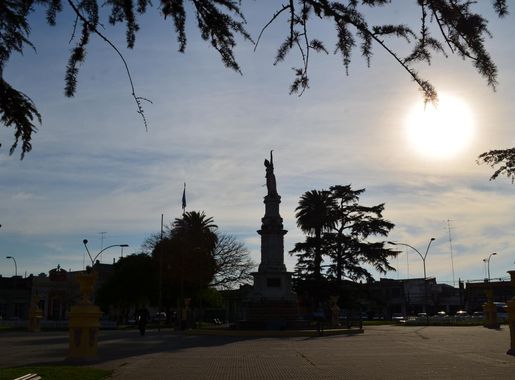
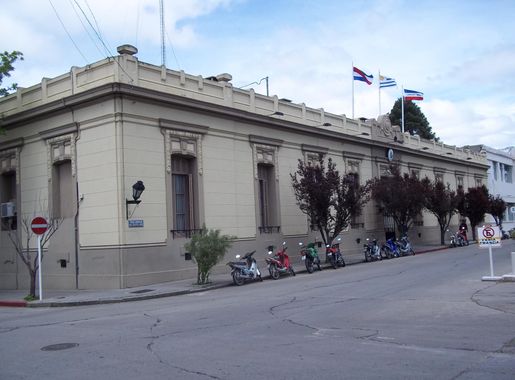
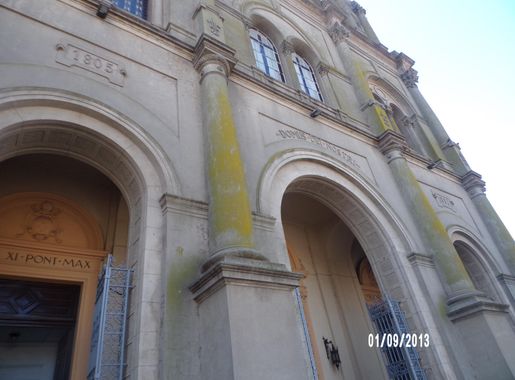
Florida, Uruguay, is a serene rural town known for its rich history and natural beauty. Located in the heart of Uruguay, it offers a peaceful retreat from the hustle and bustle of city life. The town is named after the U.S. state of Florida, but it has a unique charm all its own. Visitors can explore the picturesque town center, where colonial architecture and cobblestone streets create a charming atmosphere. The main square, Plaza Asamblea, is a vibrant spot where locals gather and enjoy the laid-back lifestyle. Nearby, the Cathedral of Florida stands as a testament to the town's historical significance, being one of the oldest churches in Uruguay. Nature lovers will find plenty to enjoy in Florida. The nearby hills and rivers provide excellent opportunities for hiking, bird watching, and fishing. The Santa Lucía River is a popular spot for picnics and leisurely strolls along its banks. For those interested in local culture, the town hosts various festivals throughout the year, celebrating everything from traditional music to local cuisine. Florida is also home to several museums that offer insights into the region's past. The Departmental Museum showcases artifacts and exhibits related to the area's history, while the Museum of Art and History provides a look at the local art scene. Whether you're interested in history, nature, or simply relaxing, Florida, Uruguay, has something to offer every traveler.

Know before you go
Hi, I'm Eve. Here are a few practical things to know before exploring Florida.
- Visit Plaza Asamblea in the morning to enjoy the local atmosphere and grab a coffee at one of the nearby cafes.
- Hike the hills surrounding Florida for breathtaking views and excellent bird-watching opportunities.
- Check out the local festivals for a taste of traditional Uruguayan music and cuisine.
- Spend a relaxing afternoon by the Santa Lucía River, perfect for picnics and leisurely walks.
- Explore the Departmental Museum and the Museum of Art and History for an educational experience.
Destinations in Florida
Resorts, valleys and scenic spots worth a trip of their own.



Explore Florida: Things to Do, Places to Eat, Hotels & More
Handpicked recommendations for top attractions, local dining, accommodations, and more

Top Attractions & Sightseeing in Florida
Top-rated picks
Best Attractions

The Fingers of Punta del Este
Explore the breathtaking Fingers of Punta del Este, a monumental sculpture that embodies the spirit of art and nature along Uruguay's stunning coastline.

El Jagüel Park
Explore the beauty of El Jagüel Park in Punta del Este, a serene escape featuring playgrounds, picnic spots, and scenic walking paths amidst lush landscapes.

Capilla San Cono
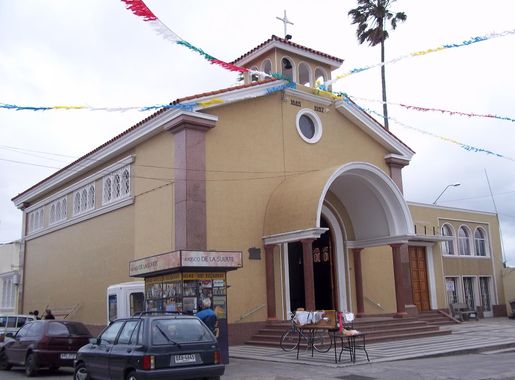
Experience spiritual serenity and cultural beauty at Capilla San Cono in Florida, Uruguay, a must-visit for all travelers seeking peace and reflection.

Piedra Alta
Explore the historical significance and breathtaking beauty of Piedra Alta, a must-visit landmark in Florida, Uruguay for every traveler.

Best landmarks in Florida
Top-rated picks
Best Landmarks

The Fingers of Punta del Este
Explore the iconic Fingers of Punta del Este, an extraordinary sculpture symbolizing the struggle between man and nature on Uruguay's beautiful Brava Beach.

Fortress of Santa Teresa
Discover the captivating history and stunning views at the Fortress of Santa Teresa, a top historical landmark and army museum in Uruguay's beautiful Rocha Department.

Capilla San Cono
Discover the serene beauty of Capilla San Cono in Florida, Uruguay – a captivating chapel that combines spirituality with stunning architecture.

Cathedral of Florida
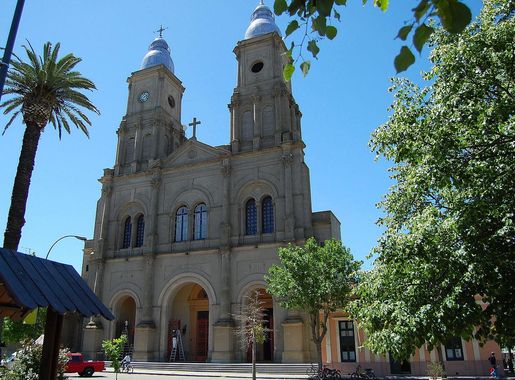
Discover the breathtaking beauty and spiritual significance of the Cathedral of Florida, a must-visit religious destination in Uruguay.

Best restaurants in Florida
Top-rated picks
Best Restaurants

Center Cafe
Discover the flavors of Uruguay at Center Cafe – your go-to destination for delicious meals and inviting ambiance in Florida.

Resto Cafe Florida
Experience the authentic taste of Uruguay at Resto Cafe Florida—where local flavors meet warm hospitality.

Trattoria Il Santo
Experience authentic Italian flavors at Trattoria Il Santo in Florida – where every dish tells a story.

Parador La Quijotada
Discover the delicious fusion of fast food and local flavors at Parador La Quijotada in Cerro Colorado.

Best bars in Florida
Top-rated picks
Best Bars

Resto Cafe Florida
Experience the flavors of Florida at Resto Cafe Florida, where local ingredients meet global cuisine in a cozy setting.

Negro El 8
Discover a delightful fast-food experience at Negro El 8 in Florida, Uruguay, blending local flavors with international favorites for every taste.

Lo de Pedro Bar
Discover the lively nightlife at Lo de Pedro Bar in Florida, Uruguay, featuring a diverse drink menu and a welcoming atmosphere for an unforgettable experience.

Sudaca
Discover Sudaca in Florida: A lively bar offering a unique blend of local cocktails and vibrant nightlife for an unforgettable experience.

Best nightclubs in Florida
Top-rated picks
Best Nightclubs

Lotus Club
Experience the vibrant nightlife of Montevideo at Lotus Club, where music and dance unite for unforgettable nights.

OVO Nightclub
Discover the electrifying atmosphere of OVO Nightclub in Punta del Este, where top DJs and vibrant parties create unforgettable nightlife experiences.

Divas Sex Club
Dive into the heart of Montevideo's nightlife at Divas Sex Club, where thrilling performances and an electrifying atmosphere await adventurous tourists.

Golden Night Club
Dive into the vibrant nightlife of Montevideo at Golden Night Club, where unforgettable dance experiences await every weekend.

Best shops in Florida
Top-rated picks
Best Shops

Artesania Digital - Articulos personalizados
Discover unique personalized gifts at Artesania Digital in Florida, where creativity meets craftsmanship in a vibrant gift shop.

Vip Boutique
Explore the latest fashion trends and unique styles at Vip Boutique in Florida, Uruguay, where local flair meets modern aesthetics.

Floreria La Catedral
Discover the beauty of Floreria La Catedral, a charming florist in Florida, Uruguay, offering stunning floral arrangements and unique gifts.

Tu Fiambreria y mas
Explore Tu Fiambreria y Más for the finest organic and local products in Florida, Uruguay, and savor the taste of authenticity.

Explore Florida on the Map
A handpicked selection of must-see spots in Florida, mapped for you.
Florida Essentials
-
Florida is located in the central part of Uruguay, approximately 98 kilometers north of Montevideo. The most convenient way to get there is by car or bus. Several bus companies operate daily routes from Montevideo's Tres Cruces Terminal to Florida, with a journey time of around 1.5 to 2 hours. Alternatively, you can rent a car in Montevideo and enjoy a scenic drive north via Route 5.
-
Once in Florida, the town is small enough to explore on foot. For longer distances or trips to the countryside, local taxis and buses are available. Taxis can be hailed on the street or booked via phone. The local bus service is efficient and covers the main areas of the town and nearby villages. Renting a car can also be a good option if you plan to explore the region extensively.
-
The official currency in Uruguay is the Uruguayan Peso (UYU). Credit cards are widely accepted in hotels, restaurants, and shops in Florida, but it is always good to have some cash on hand, especially for smaller establishments and markets. ATMs are available throughout the town, and you can withdraw cash using international debit or credit cards.
-
Florida is generally a safe destination for tourists. However, as with any travel destination, it is important to take standard precautions. Avoid walking alone at night in poorly lit areas and be mindful of your belongings in crowded places. While Florida does not have specific high-crime areas targeting tourists, it is always wise to stay vigilant and aware of your surroundings.
-
In case of emergency, dial 911 for immediate assistance. Florida has a local police station and a hospital that can handle medical emergencies. Pharmacies are also available for minor health issues and over-the-counter medications. It is advisable to have travel insurance that covers medical emergencies and other unexpected situations.
-
Fashion: Do dress comfortably and casually, but avoid overly revealing clothing, especially in religious sites. Religion: Do respect local customs and traditions. When visiting churches, dress modestly and avoid loud behavior. Public Transport: Do be courteous and offer your seat to elderly passengers. Don’t eat or drink on public transport. Greetings: Do greet people with a handshake. A friendly 'Hola' is also appreciated. Eating & Drinking: Do try local dishes and accept food offerings graciously. Don’t refuse hospitality, as it is considered impolite.
-
To experience Florida like a local, visit the town’s markets where you can buy fresh produce and local crafts. Engage with the locals, who are friendly and often happy to share stories about the area’s history and culture. Don’t miss visiting the Piedra Alta, a historic landmark where the Declaration of Independence of Uruguay was signed. For a unique experience, explore the local wineries and enjoy a tasting of Uruguayan wines.
When is the best time to visit Florida?
Useful Local Phrases for Florida
You don't need to speak the language perfectly. Even learning a few simple words can make conversations warmer—and locals usually appreciate the effort.
— Eve

Here are the phrases I use most often in Florida. Try a few—you'll be surprised how far they go! 😊
❤️
-
- HelloHola
[Oh-lah] - GoodbyeAdiós
[Ah-dee-os] - YesSí
[See] - NoNo
[No] - Please/You're welcomePor favor/De nada
[Por fah-vor/Deh nah-dah] - Thank youGracias
[Gra-thias] - Excuse me/SorryPerdón
[Per-don] - How are you?¿Cómo estás?
[Koh-moh es-tas] - Fine. And you?Bien. ¿Y tú?
[Bee-en. Ee too] - Do you speak English?¿Hablas inglés?
[Ah-blas een-glez] - I don't understandNo entiendo
[No en-tyen-do]
- HelloHola
-
- I'd like to see the menu, pleaseMe gustaría ver el menú, por favor
[Meh goo-stah-ree-ah ver el meh-noo, por fah-vor] - I don't eat meatNo como carne
[No koh-mo kar-neh] - Cheers!¡Salud!
[Sah-lood] - I would like to pay, pleaseQuisiera pagar, por favor
[Kee-syair-ah pah-gar, por fah-vor]
- I'd like to see the menu, pleaseMe gustaría ver el menú, por favor
-
- Help!¡Ayuda!
[Ah-yoo-dah] - Go away!¡Vete!
[Beh-teh] - Call the Police!¡Llama a la policía!
[Yah-mah ah lah poh-lee-see-ah] - Call a doctor!¡Llama a un doctor!
[Yah-mah ah oon dok-tor] - I'm lostEstoy perdido
[Es-toy per-dee-do] - I'm illEstoy enfermo
[Es-toy en-fer-mo]
- Help!¡Ayuda!
-
- I'd like to buy...Quisiera comprar...
[Kee-syair-ah kom-prar] - I'm just lookingSolo estoy mirando
[So-lo es-toy mee-ran-do] - How much is it?¿Cuánto cuesta?
[Kwan-toh kwes-ta] - That's too expensiveEs demasiado caro
[Es deh-mah-see-ah-doh kah-ro] - Can you lower the price?¿Puedes bajar el precio?
[Pweh-des bah-har el preh-syo]
- I'd like to buy...Quisiera comprar...
-
- What time is it?¿Qué hora es?
[Keh oh-rah es] - It's one o'clockEs la una
[Es lah oo-nah] - Half past (10)Y diez y media
[Ee dyez ee meh-dee-ah] - MorningMañana
[Mah-nyah-nah] - AfternoonTarde
[Tar-deh] - EveningNoche
[Noh-cheh] - YesterdayAyer
[Ah-yer] - TodayHoy
[Oy] - TomorrowMañana
[Mah-nyah-nah] - 1Uno
[Oo-no] - 2Dos
[Dos] - 3Tres
[Tres] - 4Cuatro
[Kwah-tro] - 5Cinco
[Seen-koh] - 6Seis
[Says] - 7Siete
[Syeh-teh] - 8Ocho
[Oh-cho] - 9Nueve
[Nweh-beh] - 10Diez
[Dyez]
- What time is it?¿Qué hora es?
-
- Where's a/the...?¿Dónde hay un/una...?
[Dohn-deh eye oon/oo-nah] - What's the address?¿Cuál es la dirección?
[Kwahl es lah dee-rek-syon] - Can you show me (on the map)?¿Puedes mostrarme (en el mapa)?
[Pweh-des mos-trar-me (en el mah-pah)] - When's the next (bus)?¿Cuándo es el próximo (autobús)?
[Kwan-doh es el prok-see-mo (ow-toh-boos)] - A ticket (to ....)Un boleto (a ....)
[Oon boh-leh-toh (ah ....)]
- Where's a/the...?¿Dónde hay un/una...?
History of Florida
-
Florida, Uruguay, was founded on April 24, 1809, and was initially named 'San Fernando de la Florida' in honor of King Ferdinand VII of Spain. The city's foundation was part of the Spanish colonial efforts to consolidate their control over the region. It quickly grew as a settlement due to its strategic location on the route between Montevideo and the northern territories.
-
The Department of Florida was established on July 10, 1856. The department's establishment was a critical administrative move in the young nation of Uruguay, facilitating governance and local development. The department's capital, the city of Florida, became a focal point for political and economic activities in the region.
-
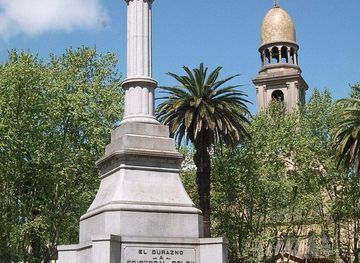
One of the most significant historical events in Florida, Uruguay, is the creation of the Uruguayan national flag. On August 25, 1825, the 'Treinta y Tres Orientales' (Thirty-Three Orientals) declared independence from Brazil at the Piedra Alta, a site in Florida. This momentous occasion is commemorated with a monument in the city, marking Florida's pivotal role in Uruguay's fight for independence.
-
The Cathedral Basilica of Florida, also known as the 'Cathedral of Our Lady of Luján of Florida,' is a significant religious and historical site. Completed in 1887, the cathedral is an architectural marvel showcasing neoclassical design. It has served as a central place of worship and community gathering for over a century, reflecting the deep-rooted Catholic traditions in the region.
-
The Battle of Sarandí, fought on October 12, 1825, near the Arroyo Sarandí in Florida, was a crucial conflict during the Cisplatine War. The battle saw the forces of the United Provinces of the Rio de la Plata, led by General Juan Antonio Lavalleja, securing a decisive victory over the Brazilian Empire. This victory was instrumental in bolstering the morale of the Uruguayan independence movement.
-
El Prado of Florida is a historic park established in the early 20th century. It has been a cultural and recreational hub for the residents of Florida and visitors alike. The park features beautifully landscaped gardens, walking paths, and monuments that celebrate the rich history and heritage of the area. It is a popular venue for local festivals, community events, and family gatherings.
-
The Florida Stone Museum, or Museo de la Piedra, offers a unique glimpse into the geological history of the region. Established in the mid-20th century, the museum showcases a vast collection of stones, minerals, and fossils native to Uruguay. It serves as an educational resource, highlighting the natural history that has shaped the landscape of Florida.
-
Florida is renowned for its rich agricultural heritage. The fertile lands and favorable climate have made it a center for livestock farming and crop cultivation. The annual Expo Florida, an agricultural fair held in the city, attracts farmers, breeders, and enthusiasts from all over the country. This event underscores the department's pivotal role in Uruguay's agricultural sector.
Neighbouring Regions of Florida
The closest regions to Florida, if you have time for more than one.



Your all‑in‑one travel companion app
Explore expert travel guides, compare and book tours, experiences, hotels, and more—all from the palm of your hand. Download now for seamless trip planning wherever your wanderlust takes you.


Explore More of Uruguay

Looking beyond Florida? Discover Uruguay for broader travel guides, local hot-spots, and regional highlights.
Explore UruguayFlorida in Photos
Browse through our photo collection highlighting the charm and character of the destination.





Florida, Uruguay: A Tranquil Escape into Nature and History
Florida, Uruguay, is a serene rural town known for its rich history and natural beauty. Located in the heart of Uruguay, it offers a peaceful retreat from the hustle and bustle of city life. The town is named after the U.S. state of Florida, but it has a unique charm all its own. Visitors can explore the picturesque town center, where colonial architecture and cobblestone streets create a charming atmosphere. The main square, Plaza Asamblea, is a vibrant spot where locals gather and enjoy the laid-back lifestyle. Nearby, the Cathedral of Florida stands as a testament to the town's historical significance, being one of the oldest churches in Uruguay. Nature lovers will find plenty to enjoy in Florida. The nearby hills and rivers provide excellent opportunities for hiking, bird watching, and fishing. The Santa Lucía River is a popular spot for picnics and leisurely strolls along its banks. For those interested in local culture, the town hosts various festivals throughout the year, celebrating everything from traditional music to local cuisine. Florida is also home to several museums that offer insights into the region's past. The Departmental Museum showcases artifacts and exhibits related to the area's history, while the Museum of Art and History provides a look at the local art scene. Whether you're interested in history, nature, or simply relaxing, Florida, Uruguay, has something to offer every traveler.