

Free Metropolitan Area Travel Guide & Mobile App
Explore Metropolitan Area with free travel guides. Discover regional history, expert tips, proposed trips, and audio guides on web or mobile app.


Explore Uruguay's Montevideo Metropolitan Area for Atlantic beaches, historic quarters, candombe, riverside walks, wineries and distinctive urban culture.
Read more about Metropolitan Area
When is the best time to visit Metropolitan Area?
Best: April, October–November · 23–27°C| Month | High (°C) | Rainfall (mm) |
|---|---|---|
| January | 19 | 75 |
| February | 20 | 70 |
| March | 22 | 80 |
| April (best) | 25 | 90 |
| May | 28 | 95 |
| June | 32 | 100 |
| July | 34 | 105 |
| August | 34 | 110 |
| September | 31 | 95 |
| October (best) | 27 | 90 |
| November (best) | 23 | 85 |
| December | 20 | 80 |
Getting to and around Metropolitan Area
How to get there
Transportation
Top city travel guides in Metropolitan Area
The cities of Metropolitan Area, and the easiest places to base yourself.

Swipe for more cities
Destinations in Metropolitan Area
Resorts, valleys and scenic spots worth a trip of their own.
-

-


Swipe for more destinations
Best attractions in Metropolitan Area
The metropolitan area's attractions range from Montevideo's historic and cultural institutions to beaches, parks and productive landscapes beyond the capital. Ciudad Vieja contains the Mercado del Puerto, the Solís Theatre area, museums and remnants of the colonial city, while Centro and Parque Rodó provide civic architecture, galleries, green space and access to the coast. Along the Rambla, Pocitos, Buceo, Malvín and Carrasco offer different combinations of beach, walking and residential architecture. Ciudad de la Costa extends the coastal experience eastwards with broad beaches and a more suburban atmosphere. Inland, Las Piedras and the surrounding Canelones countryside provide access to vineyards, rural businesses and food-producing landscapes. Football grounds, carnival and candombe-related cultural spaces add an important social dimension, while parks and waterfront paths suit walking and cycling. The region is less about a single concentration of monumental sights than about contrasts between port city, beach suburbs, commuter towns and cultivated countryside.
-
Tourist attraction
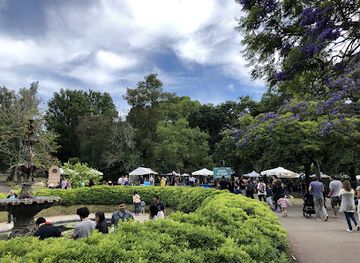
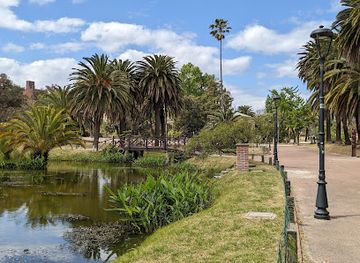
Montevideo Botanical Garden
Explore the lush landscapes and diverse flora of Montevideo Botanical Garden, a serene escape in the heart of Uruguay's capital.
-
Tourist attraction
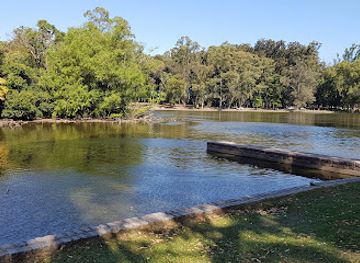
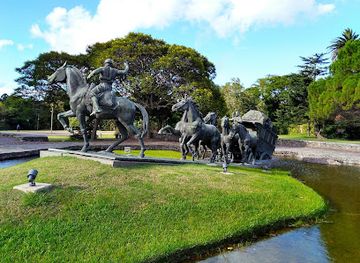
Rivera Park
Discover the serenity and beauty of Rivera Park in Montevideo, a perfect blend of nature, culture, and outdoor recreation.
-
Garden
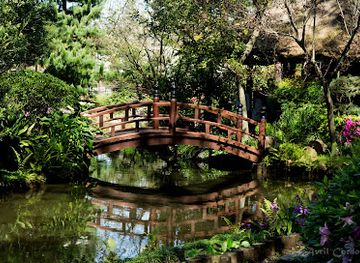
Montevideo Japanese Garden Hei Sei En 平成苑
Explore the tranquil beauty of Montevideo Japanese Garden Hei Sei En, a serene escape showcasing traditional Japanese landscaping and culture.
-
Tourist attraction
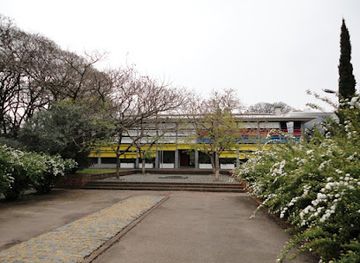
National Museum Of Visual Arts
Explore the National Museum of Visual Arts in Montevideo, where Uruguay's artistic legacy comes to life through its extensive collection and serene atmosphere.
Best landmarks in Metropolitan Area
Montevideo's most distinctive landmarks include the Puerta de la Ciudadela, a surviving reminder of the fortified colonial settlement, and the Palacio Salvo, whose prominent historicist silhouette rises beside Plaza Independencia. The Palacio Legislativo represents the country's republican civic architecture, while the Solís Theatre remains an important symbol of the capital's cultural life. The Mercado del Puerto, with its iron structure and long association with parrilla dining, reflects the city's port identity. Along the coast, the Rambla functions as both infrastructure and civic landscape, with beaches, seawalls and residential architecture defining the metropolitan edge. The Carrasco Hotel and surrounding district evoke an earlier era of seaside leisure, while the Obelisco de los Constituyentes marks a major constitutional episode in national history. Outside Montevideo, the Church of San Isidro in Las Piedras and the wine-growing landscapes of Canelones express the historical and productive character of the wider metropolitan zone.
-
Park
Prado Park
Explore the lush landscapes and cultural gems of Prado Park in Montevideo, an urban oasis perfect for relaxation and adventure.
-
Sculpture
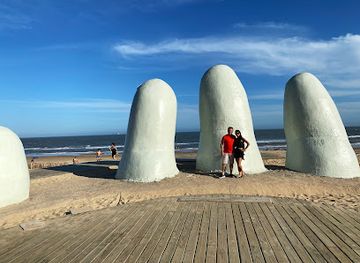
The Fingers of Punta del Este
Explore the iconic Fingers of Punta del Este, a stunning sculpture that symbolizes the beauty and culture of this vibrant Uruguayan coastline.
-
City park
Parque Jose Enrique Rodó
Explore the natural beauty and cultural vibrancy of Parque Jose Enrique Rodó, Montevideo's beloved urban park, perfect for relaxation and recreation.
-
Park
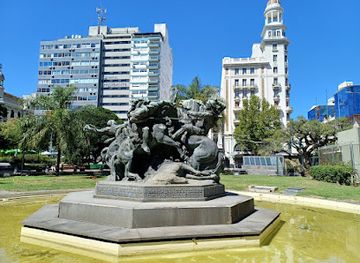
Juan Pedro Fabini Square
Discover the charm of Juan Pedro Fabini Square, a vibrant urban park in Montevideo, where culture, nature, and community come together.
Explore Metropolitan Area on the map
Plan your trip on one map. See where the top cities, national parks and sights are, and book hotels and experiences in a few clicks.
Best hotels in Metropolitan Area
Best restaurants in Metropolitan Area
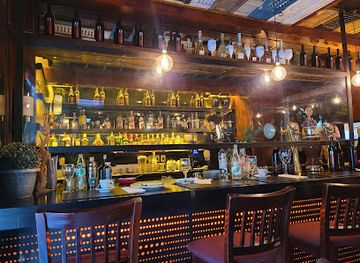
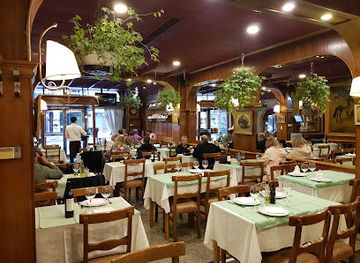
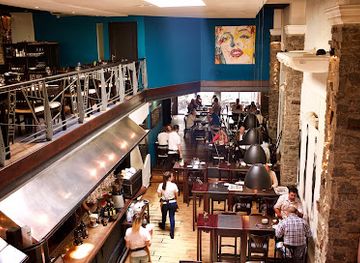
Montevideo and its metropolitan neighbours offer a food culture shaped by Spanish and Italian immigration, cattle production, the port and contemporary South American influences. Parrillas remain central, with beef, offal and sausages cooked over wood or charcoal, while cafés and bakeries serve pastries, sandwiches and Italian-influenced sweets. The city's markets and restaurant districts also include seafood, pasta, pizza, vegetarian cooking and modern interpretations of Uruguayan ingredients. Canelones contributes wines, fruit, vegetables and other farm products, making winery visits and rural restaurants a useful complement to metropolitan dining. Mate is part of everyday social life, although visitors should understand that its sharing ritual is personal and should not be treated as a novelty. Look for Uruguayan wines, especially those made from Tannat, alongside local cheeses, preserves and seasonal produce at specialist shops and markets.
-
Restaurant
Don Andres
Experience authentic Uruguayan flavors at Don Andres – where tradition meets taste in every bite.
-
Grill
El Fogón
Discover authentic Uruguayan grill cuisine at El Fogón in Montevideo, renowned for its flavorful asado and warm ambiance.
-
Uruguayan
La Cocina de Pedro
Experience authentic Uruguayan cuisine at La Cocina de Pedro – where tradition meets flavor in every dish.
-
Restaurant
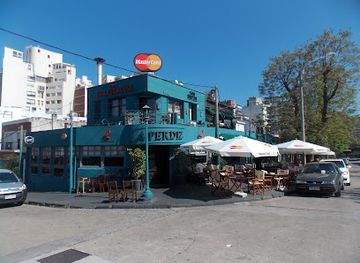
La Perdiz
Experience authentic Uruguayan cuisine at La Perdiz in Montevideo – where every meal is a celebration of flavor and tradition.
Best bars in Metropolitan Area
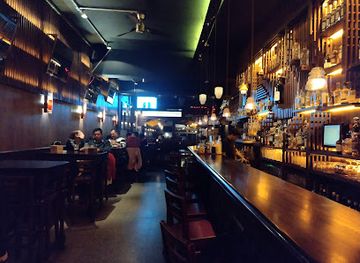
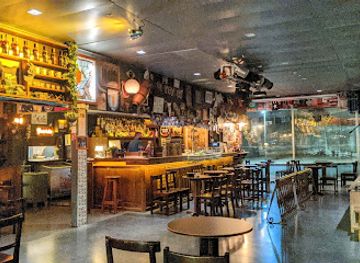
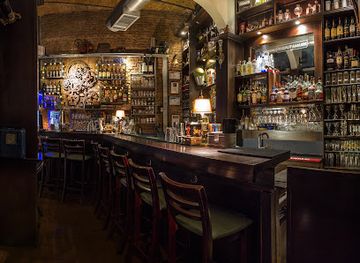
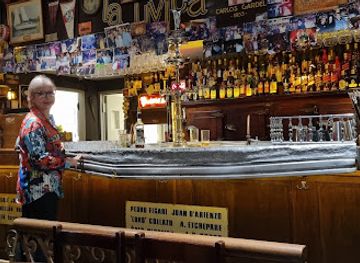
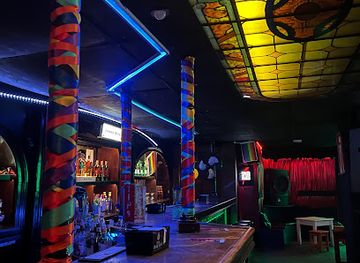
Nightlife is concentrated in Montevideo, where traditional bars, neighbourhood pubs, wine bars, breweries, live-music venues and restaurants provide a gradual evening rhythm rather than one single entertainment district. Ciudad Vieja is associated with historic streets, cultural venues and late dining, while Pocitos, Punta Carretas, Cordón, Parque Rodó and Centro offer different mixes of bars, student-oriented venues, clubs and live performances. Tango, candombe, rock and contemporary music appear in changing programmes, so local listings are useful. The metropolitan beach suburbs tend to have a quieter, more seasonal evening scene, with restaurants and bars busiest during warmer months. Las Piedras, Pando and other surrounding towns generally favour local pubs, cafés and community events over a large nightclub circuit.
-
Bar
Burlesque
Dive into the vibrant nightlife of Montevideo at Burlesque, a bar that combines captivating performances with a lively atmosphere.
-
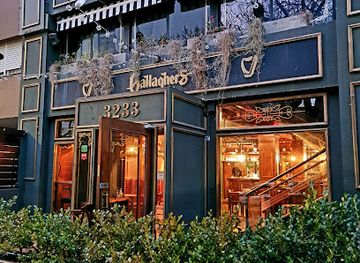
Irish pub
Gallagher's
Discover Gallagher's, Montevideo's vibrant Irish pub, where traditional cuisine meets a lively atmosphere for an unforgettable experience.
-
Bar
Baar Fun Fun
Discover the lively nightlife at Baar Fun Fun, a bar in Montevideo known for its vibrant atmosphere, signature cocktails, and live music events.
-
Bar
The Puta Madre Bar
Experience the vibrant nightlife of Montevideo at The Puta Madre Bar, where local flavor meets lively atmosphere and delicious cuisine.
Best nightclubs in Metropolitan Area
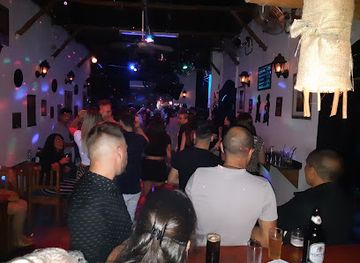
Nightlife is concentrated in Montevideo, where traditional bars, neighbourhood pubs, wine bars, breweries, live-music venues and restaurants provide a gradual evening rhythm rather than one single entertainment district. Ciudad Vieja is associated with historic streets, cultural venues and late dining, while Pocitos, Punta Carretas, Cordón, Parque Rodó and Centro offer different mixes of bars, student-oriented venues, clubs and live performances. Tango, candombe, rock and contemporary music appear in changing programmes, so local listings are useful. The metropolitan beach suburbs tend to have a quieter, more seasonal evening scene, with restaurants and bars busiest during warmer months. Las Piedras, Pando and other surrounding towns generally favour local pubs, cafés and community events over a large nightclub circuit.
-
Bar
Baar Fun Fun
Experience the vibrant nightlife at Baar Fun Fun, Montevideo's premier bar for locals and tourists alike, featuring live music and delicious cocktails.
-
Disco club
Il Tempo
Experience the electrifying nightlife at Il Tempo, Montevideo's premier disco club, known for its vibrant atmosphere and unforgettable music.
-
Disco club
Lotus Club
Dive into the vibrant nightlife at Lotus Club in Montevideo, where electrifying beats and unforgettable moments await every party lover.
-
Night club
La Bodeguita del Sur
Dive into Montevideo's nightlife at La Bodeguita del Sur, where vibrant music and a lively atmosphere create unforgettable memories.

Best shops in Metropolitan Area
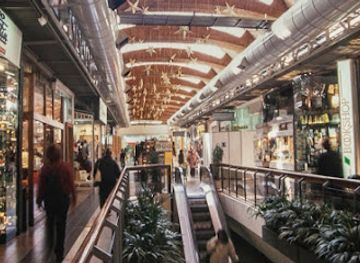
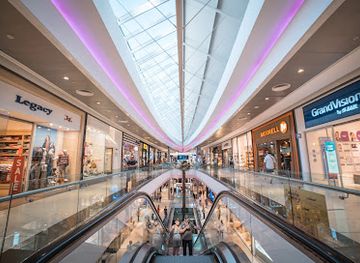
Montevideo provides the metropolitan area's broadest shopping choice, from pedestrian streets and department-store areas in Centro to independent boutiques, galleries and design shops in Pocitos, Punta Carretas, Cordón and Ciudad Vieja. Markets are particularly useful for leather goods, mate equipment, food products, crafts and everyday urban culture, although quality and provenance vary between sellers. Specialist shops offer Uruguayan wines, Tannat, cheeses, preserves, dulce de leche and locally made chocolate or biscuits. Ciudad de la Costa and Las Piedras have practical commercial centres and local high streets rather than the capital's concentration of cultural and design retail. Visitors interested in regional products can combine shopping with a visit to Canelones wineries or food producers, arranging opening times where necessary. Traditional souvenirs are best chosen for useful craftsmanship and clear local origin rather than generic Río de la Plata imagery.
-
Shopping mall
Tres Cruces Shopping
Discover the ultimate shopping experience at Tres Cruces Shopping, Montevideo's top retail destination, offering diverse shops, dining, and entertainment options.
-
Shopping mall
Montevideo Shopping Center
Explore Montevideo Shopping Center: A vibrant shopping and dining destination in the heart of Uruguay's capital, perfect for all visitors.
-
Shopping mall
Nuevocentro Shopping
Explore Nuevocentro Shopping, Montevideo's bustling mall with diverse shopping, dining, and entertainment options, perfect for tourists seeking local culture.
-
Shopping mall
Punta Carretas Shopping
Explore Punta Carretas Shopping, Montevideo's vibrant hub for fashion, dining, and entertainment, offering a unique blend of local and international experiences.

Get your free copy of our complete guide to Metropolitan Area, delivered straight to you.
Everything on this page, from attractions and restaurants to essentials and local phrases, in one PDF you can read offline, print or share.
Already have an account? Sign in
Your Metropolitan Area guide is ready.
We'll send it to · Not you? Sign out

Getting your guide ready…
We are putting together a fresh copy of the Metropolitan Area guide. This can take up to a minute.
This can take a few moments. If your browser asks, choose Allow so the download can start. You'll find the guide in your Downloads folder.
Nothing happened? Download it again
Sorry, the guide is taking longer than usual. Please try again in a minute, or get it by email instead.
Metropolitan Area essentials
Currency and Payment
Safety
Emergency Situations
Do's and Don'ts
Local Tips
From Eve
Local phrases worth knowing
You don't need to get them perfect. A few words go a long way, and locals appreciate the effort.
Basics
| English | Local | Say it |
|---|---|---|
| Hello | Hello | [hɛˈloʊ] |
| Goodbye | Goodbye | [ɡʊdˈbaɪ] |
| Yes | Yes | [jɛs] |
| No | No | [noʊ] |
| Please/You're welcome | Please/You're welcome | [pliz/jʊr ˈwɛlkəm] |
| Thank you | Thank you | [θæŋk ju] |
| Excuse me/Sorry | Excuse me/Sorry | [ɪkˈskjus mi/ˈsɔri] |
| How are you? | How are you? | [haʊ ɑr ju] |
| Fine. And you? | Fine. And you? | [faɪn. ənd ju] |
| Do you speak English? | Do you speak English? | [du ju spiːk ˈɪŋɡlɪʃ] |
| I don't understand | I don't understand | [aɪ doʊnt ˌʌndərˈstænd] |
Eating & Drinking
| English | Local | Say it |
|---|---|---|
| I'd like to see the menu, please | I'd like to see the menu, please | [aɪd laɪk tə si ðə ˈmɛnju, pliz] |
| I don't eat meat | I don't eat meat | [aɪ doʊnt it miːt] |
| Cheers! | Cheers! | [ʧɪrz] |
| I would like to pay, please | I would like to pay, please | [aɪ wʊd laɪk tə peɪ, pliz] |
Emergencies
| English | Local | Say it |
|---|---|---|
| Help! | Help! | [hɛlp] |
| Go away! | Go away! | [ɡoʊ əˈweɪ] |
| Call the Police! | Call the Police! | [kɔl ðə pəˈliːs] |
| Call a doctor! | Call a doctor! | [kɔl ə ˈdɑktər] |
| I'm lost | I'm lost | [aɪm lɔst] |
| I'm ill | I'm ill | [aɪm ɪl] |
Shopping
| English | Local | Say it |
|---|---|---|
| I'd like to buy... | I'd like to buy... | [aɪd laɪk tə baɪ...] |
| I'm just looking | I'm just looking | [aɪm dʒʌst ˈlʊkɪŋ] |
| How much is it? | How much is it? | [haʊ mʌʧ ɪz ɪt] |
| That's too expensive | That's too expensive | [ðæts tu ɪkˈspɛnsɪv] |
| Can you lower the price? | Can you lower the price? | [kæn ju ˈloʊər ðə praɪs] |
Time & Numbers
| English | Local | Say it |
|---|---|---|
| What time is it? | What time is it? | [wʌt taɪm ɪz ɪt] |
| It's one o'clock | It's one o'clock | [ɪts wʌn əˈklɑk] |
| Half past (10) | Half past (10) | [hæf pæst (10)] |
| Morning | Morning | [ˈmɔrnɪŋ] |
| Afternoon | Afternoon | [ˌæftərˈnun] |
| Evening | Evening | [ˈivnɪŋ] |
| Yesterday | Yesterday | [ˈjɛstərdeɪ] |
| Today | Today | [təˈdeɪ] |
| Tomorrow | Tomorrow | [təˈmɔroʊ] |
| 1 | 1 | [wʌn] |
| 2 | 2 | [tu] |
| 3 | 3 | [θri] |
| 4 | 4 | [fɔr] |
| 5 | 5 | [faɪv] |
| 6 | 6 | [sɪks] |
| 7 | 7 | [sɛvən] |
| 8 | 8 | [eɪt] |
| 9 | 9 | [naɪn] |
| 10 | 10 | [tɛn] |
Transport & Directions
| English | Local | Say it |
|---|---|---|
| Where's a/the...? | Where's a/the...? | [wɛrz ə/ðə...?] |
| What's the address? | What's the address? | [wʌts ði æˈdrɛs] |
| Can you show me (on the map)? | Can you show me (on the map)? | [kæn ju ʃoʊ mi (ɑn ðə mæp)?] |
| When's the next (bus)? | When's the next (bus)? | [wɛn əz ðə nɛkst (bʌs)?] |
| A ticket (to ....) | A ticket (to ....) | [ə ˈtɪkɪt (tə ....)] |
History of Metropolitan Area
Indigenous peoples and the Río de la Plata setting
Before European settlement, the lower Río de la Plata region was inhabited by Indigenous peoples including Charrúa, Chaná and Guaraní groups, whose lives were shaped by riverine mobility, fishing, hunting and exchange. Much of the visible urban landscape later erased earlier settlement patterns, but archaeological evidence and museum collections reflect a human history considerably older than the colonial city. The estuary's strategic position, natural harbour and access to the interior would eventually make the Montevideo area important to Spanish and Portuguese imperial competition.
The foundation of Montevideo in the eighteenth century
Montevideo was founded by the Spanish in the 1720s as a counterweight to Portuguese expansion and as a fortified settlement controlling the eastern Río de la Plata. Its harbour supported military, commercial and livestock-related activity, while the surrounding territory developed as a zone of ranching and agricultural production. The surviving remains of the old walls and the street plan of Ciudad Vieja recall the city's origins as a frontier stronghold rather than merely a later capital.
Port, commerce and the colonial transition
During the late colonial period and the turbulent years of independence, Montevideo's port grew in importance as ships moved livestock products, imported goods and regional trade across the estuary. British invasions in 1807, revolutionary upheaval and the Portuguese-Brazilian occupation formed part of the wider struggle that led to Uruguayan independence in 1828. The port's commercial role helped make Montevideo more outward-looking and cosmopolitan than many inland settlements.
The capital of the independent Oriental Republic
After independence, Montevideo became the political and administrative centre of the new Oriental Republic of Uruguay. Its walls were demolished during the nineteenth century, allowing the city to expand into Centro and the southern and western neighbourhoods. Civic buildings, theatres, churches, markets and commercial streets emerged as the capital modernised. The metropolitan relationship with surrounding Canelones settlements also deepened as agricultural production and transport supported the growing urban population.
Immigration, industry and working-class culture
Large-scale immigration, particularly from Spain and Italy, influenced Montevideo's food, architecture, associations and urban customs from the nineteenth century into the twentieth. Port activity, meat processing, manufacturing and rail connections transformed the city's economy, while suburban settlements expanded beyond the historic core. Afro-Uruguayan communities developed and sustained candombe despite discrimination and social marginalisation; the tradition later became one of Uruguay's most recognised cultural expressions, especially in neighbourhoods such as Barrio Sur and Palermo.
Twentieth-century modernisation and metropolitan growth
Montevideo's political institutions, welfare reforms, education and expanding public services helped shape Uruguay's modern national identity during the twentieth century. As the capital's population and road network grew, urban development spread eastwards along the coast and northwards towards Canelones, producing the broader metropolitan area experienced today. Ciudad de la Costa became an important residential and beach zone, while Las Piedras, Pando and other neighbouring centres retained their own civic, commercial and productive identities.
Contemporary cultural and economic life
Today the metropolitan area remains Uruguay's main concentration of government, higher education, port activity, culture, media and services. Montevideo combines historic neighbourhoods with modern residential districts and a strong public waterfront, while surrounding Canelones contributes vineyards, horticulture, beaches and commuter towns. The area continues to express layered influences through football, carnival, candombe, tango, immigrant food traditions and contemporary arts, making it the country's principal gateway and cultural meeting point.
Metropolitan Area in Photos
Browse through our photo collection highlighting the charm and character of the destination.
Neighbouring regions of Metropolitan Area
The closest regions to Metropolitan Area, if you have time for more than one.
-

-

-

-

-


Swipe for more regions
Explore more

Explore more of Uruguay
Discover Uruguay: Rich culture, stunning beaches, and a warm, welcoming atmosphere await in this hidden gem of South America.
Explore Uruguay