

Free Santa Lucia River Basin Travel Guide & Mobile App
Explore Santa Lucia River Basin with free travel guides. Discover regional history, expert tips, proposed trips, and audio guides on web or mobile app.


Explore Uruguay’s Santa Lucía River Basin through river towns, rural pasture, wetlands, water heritage and historic Florida.
Read more about Santa Lucia River Basin
When is the best time to visit Santa Lucia River Basin?
Best: October–December · 23–27°C| Month | High (°C) | Rainfall (mm) |
|---|---|---|
| January | 28 | 90 |
| February | 28 | 85 |
| March | 27 | 100 |
| April | 24 | 100 |
| May | 19 | 90 |
| June | 16 | 85 |
| July | 16 | 80 |
| August | 17 | 80 |
| September | 20 | 80 |
| October (best) | 23 | 90 |
| November (best) | 26 | 90 |
| December (best) | 27 | 90 |
Getting to and around Santa Lucia River Basin
How to get there
Transportation
Top city travel guides in Santa Lucia River Basin
The cities of Santa Lucia River Basin, and the easiest places to base yourself.
-

-

-


Swipe for more cities
Destinations in Santa Lucia River Basin
Resorts, valleys and scenic spots worth a trip of their own.
-

-

-

-

-

-


Swipe for more destinations
Best attractions in Santa Lucia River Basin
The Santa Lucía River Basin offers a dispersed collection of historical, environmental and civic attractions rather than a conventional resort circuit. Florida is the principal inland cultural centre, with museums and commemorative sites interpreting the 1825 independence declaration and the city’s role in Uruguay’s national story. Santa Lucía provides a lower-basin town experience, with historic streets, churches and river associations. At Aguas Corrientes, the waterworks and museum present the engineering history of the drinking-water system serving Montevideo and much of southern Uruguay; access arrangements should be checked in advance. Beyond the towns, the attraction is the watershed itself: pasture, tributary valleys, riparian vegetation, wetlands and open agricultural country suitable for careful landscape observation and birdwatching. Rural drives can include old bridges, railway traces and small settlements, although many routes pass through private land and are not formal attractions. The basin is best explored through a small number of planned stops, combining town heritage with an understanding of how farming, settlement and water management shape the river environment.
-
Tourist attraction
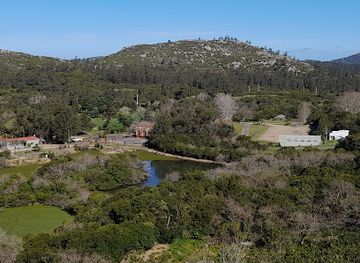
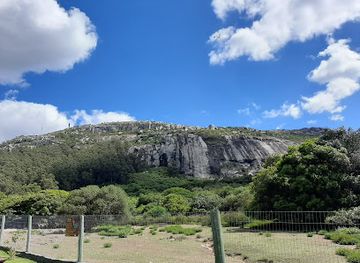
Reserva de Flora y Fauna del Pan de Azúcar
Discover the stunning landscapes and diverse wildlife at the Reserva de Flora y Fauna del Pan de Azúcar in Piriápolis, a must-visit destination for nature lovers.
-
Castle
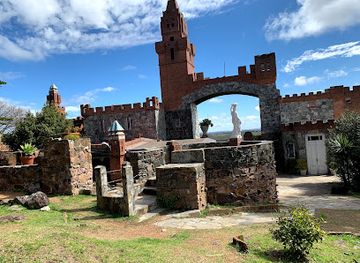
Castillo Pittamiglio Las Flores
Experience the artistic legacy and enchanting architecture of Castillo Pittamiglio, a historical landmark in the heart of Las Flores.
-
Castle
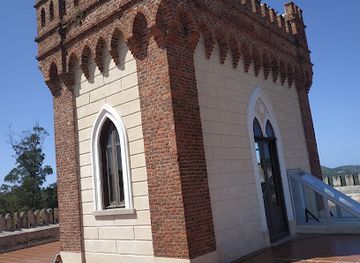
Francisco Piria Castle
Discover the rich history and stunning architecture of Francisco Piria Castle, an iconic landmark in Piriápolis, Uruguay that enchants every visitor.
-
Tourist attraction
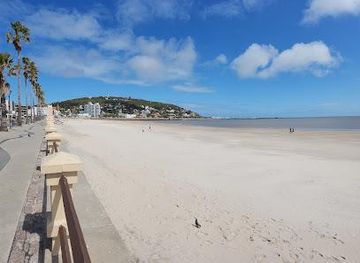
Rambla Piriapolis
Experience the beauty of nature and vibrant culture at Rambla Piriapolis, a coastal promenade that enchants every visitor.


Best landmarks in Santa Lucia River Basin
The basin’s most significant landmarks connect national history with public infrastructure. In Florida, the sites associated with the 1825 Congress of Florida and the city’s independence commemorations are central to Uruguay’s historical identity, while the cathedral and civic core add architectural context to the visit. Santa Lucía’s historic urban fabric, religious buildings and public spaces reflect the development of a nineteenth-century river settlement connected to the lower basin’s agricultural trade. Aguas Corrientes is distinguished by its water-treatment complex and industrial heritage: its pumps, treatment installations and river setting represent the infrastructure that supplies drinking water to the metropolitan region. The Santa Lucía River itself is the basin’s defining geographical landmark, changing from an inland watercourse among pasture and tributary valleys to a managed resource in the lower watershed. Bridges, railway remnants and old town centres provide smaller but revealing markers of transport and settlement history. Many of these places are working or protected sites, so visual access and photography should follow local rules.
-
Wildlife refuge
Reserva de Flora y Fauna del Pan de Azúcar
Explore the lush landscapes and vibrant wildlife of Reserva de Flora y Fauna del Pan de Azúcar, a serene escape in Piriápolis, Uruguay.
-
Castle
Castillo Pittamiglio Las Flores
Explore Castillo Pittamiglio, an architectural marvel in Maldonado, where history, art, and nature intertwine for an unforgettable experience.
-
Tourist attraction
Francisco Piria Castle
Explore Francisco Piria Castle in Piriápolis, a stunning historical site showcasing unique architecture and rich cultural heritage.
-
Tourist attraction
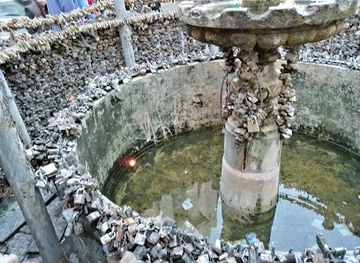
Fountain of the Padlocks
Discover the romantic allure of the Fountain of the Padlocks in Montevideo, where love stories are symbolized through countless padlocks.
Explore Santa Lucia River Basin on the map
Plan your trip on one map. See where the top cities, national parks and sights are, and book hotels and experiences in a few clicks.
Best hotels in Santa Lucia River Basin
Best restaurants in Santa Lucia River Basin
Dining in the basin reflects southern Uruguay’s rural and small-town economy rather than a sharply separate regional cuisine. Traditional restaurants, parrillas and family-run establishments commonly centre on grilled beef and other meats, accompanied by salads, potatoes, bread and simple desserts. In Florida, Santa Lucía and larger nearby towns, cafés and bakeries are useful for breakfast, merienda and everyday snacks, while dairy products and locally produced food are recurring features of the surrounding agricultural landscape. Rural inns and roadside restaurants may offer straightforward home-style cooking, but opening arrangements can be limited outside busy periods. Visitors should expect the social rhythm of lunch, coffee and mate culture more than a concentrated fine-dining scene. Wines from other parts of Uruguay are widely available, while local menus often showcase national favourites rather than dishes exclusive to the Santa Lucía watershed. Farmers’ stalls and small food shops can provide a more direct taste of the basin’s horticultural and dairy connections, where available.
-
Fast Food
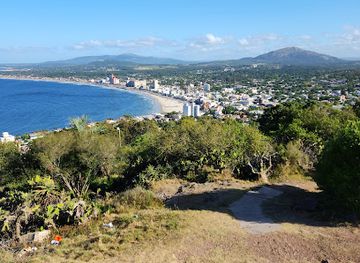
San Antonio Hill
Discover breathtaking views and serene landscapes at San Antonio Hill in Piriápolis - a perfect blend of nature and culinary delights.
-
Restaurant
Alba Express
Experience authentic Uruguayan cuisine at Alba Express in Piriápolis - where every meal is a delightful adventure.
-
Restaurant
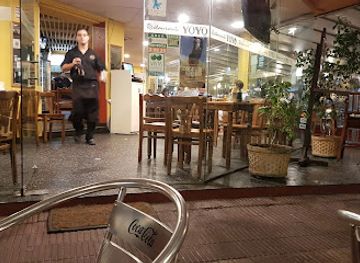
Restaurant Yoyo
Discover culinary excellence at Restaurant Yoyo in Piriápolis - where local flavors meet international cuisine by the sea.
-
Restaurant
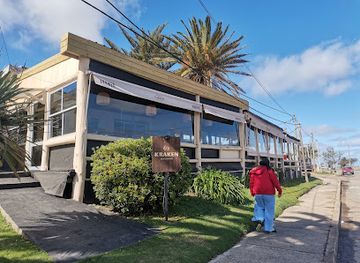
Kraken
Experience unforgettable dining at Kraken in Piriápolis - where fresh seafood meets Uruguayan hospitality.

Best bars in Santa Lucia River Basin
Evening life in the Santa Lucía River Basin is centred on cafés, parrillas, neighbourhood bars and traditional social clubs rather than a large nightclub economy. Florida and Santa Lucía offer the broadest choice of places for an evening meal, a drink or conversation, while smaller communities generally close earlier and may have only a few local venues. In rural areas, the evening is more likely to revolve around an inn, community gathering or a meal arranged around local routines than around dedicated nightlife. Montevideo’s extensive bar and club scene is nearby for visitors based at the metropolitan edge, but it belongs to the capital rather than to the basin’s rural identity. Beer, wine, soft drinks and mate are part of ordinary social life, yet visitors should not assume that drinking is the principal way to experience the region. Check locally for occasional cultural programmes, dances or live music, as these can be seasonal or community-organised rather than regularly advertised.
-
Bar
Baar Fun Fun
Discover the vibrant nightlife of Montevideo at Baar Fun Fun, where live music and delicious cocktails come together for an unforgettable experience.
-
Bar
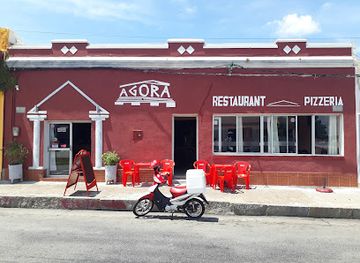
AGORA
Experience the vibrant nightlife of Pan de Azúcar at AGORA, where delicious food and lively atmosphere come together.
-
Bar
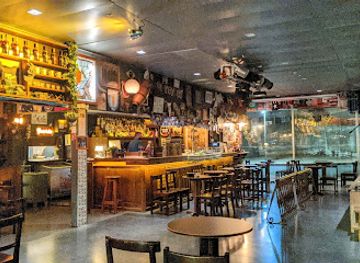
Pool Del Beto
Experience the vibrant atmosphere and refreshing drinks at Pool Del Beto, the ideal bar retreat in beautiful Piriápolis.
-
Bar
Palú Bar
Experience the vibrant nightlife at Palú Bar in Piriápolis, where delicious cocktails meet stunning beach views for an unforgettable evening.
Best nightclubs in Santa Lucia River Basin
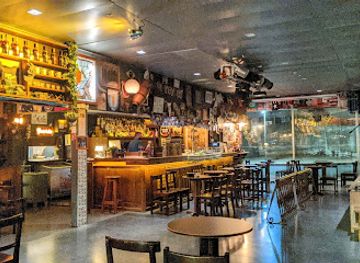
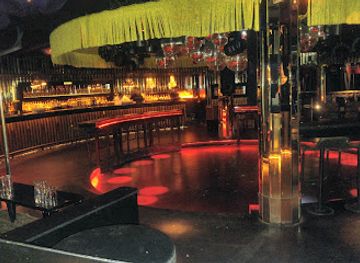
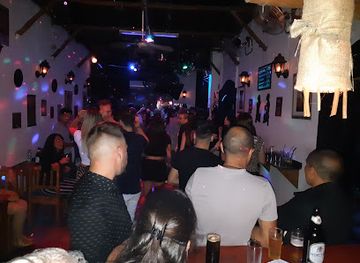
Evening life in the Santa Lucía River Basin is centred on cafés, parrillas, neighbourhood bars and traditional social clubs rather than a large nightclub economy. Florida and Santa Lucía offer the broadest choice of places for an evening meal, a drink or conversation, while smaller communities generally close earlier and may have only a few local venues. In rural areas, the evening is more likely to revolve around an inn, community gathering or a meal arranged around local routines than around dedicated nightlife. Montevideo’s extensive bar and club scene is nearby for visitors based at the metropolitan edge, but it belongs to the capital rather than to the basin’s rural identity. Beer, wine, soft drinks and mate are part of ordinary social life, yet visitors should not assume that drinking is the principal way to experience the region. Check locally for occasional cultural programmes, dances or live music, as these can be seasonal or community-organised rather than regularly advertised.
-
Bar
Baar Fun Fun
Discover the lively heart of Montevideo nightlife at Baar Fun Fun, where cocktails, culture, and music collide for an unforgettable experience.
-
Disco club
Lotus Club
Discover the vibrant nightlife of Montevideo at Lotus Club, the ultimate disco destination for music and dance lovers.
-
Night club
La Bodeguita del Sur
Discover Montevideo's nightlife at La Bodeguita del Sur, where music, drinks, and dancing create an unforgettable evening in the heart of the city.
-
Night club
Phonotheque
Dive into Montevideo's nightlife at Phonotheque, the ultimate destination for electronic music lovers seeking an unforgettable club experience.
Best shops in Santa Lucia River Basin
Shopping in the basin is primarily practical and town-based, with central streets in Florida, Santa Lucía and other larger settlements providing supermarkets, bakeries, clothing shops, bookshops and small speciality retailers. Visitors will find more character in independent food shops, local fairs and occasional producers’ stalls than in large-scale retail complexes. Regional purchases may include dulce de leche, cheeses, baked goods, preserves, mate-related items and Uruguay’s familiar leather and wool products, although not every item is made within the watershed. Small craft shops and cultural institutions may stock locally themed books, prints or handmade goods, while rural roadside sales vary by season and location. The area is not known for concentrated luxury shopping, and opening hours can be shorter outside the main towns. Markets and community fairs are worthwhile when operating, but dates and locations should be confirmed locally. In practical terms, Florida is the strongest inland shopping base, while the lower basin benefits from its proximity to Canelones and Montevideo for a broader range of goods.
-
Shopping mall
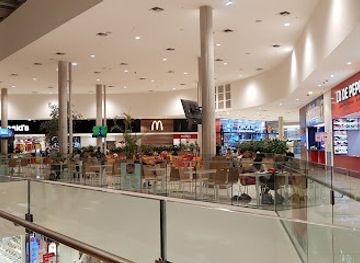
Las Piedras Shopping
Explore Las Piedras Shopping Mall: A premier destination in Uruguay for shopping, dining, and entertainment that reflects local culture.
-
River
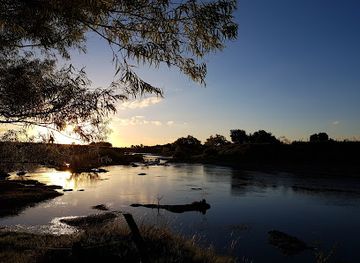
Rio Santa Lucia
Explore the breathtaking beauty and serene vibes of Rio Santa Lucia, a hidden gem in Uruguay perfect for nature lovers and adventure seekers.
-
Store
Maria Amalia
Explore Maria Amalia in Pan de Azúcar for unique artisan crafts and local souvenirs that embody Uruguay's rich heritage.
-
Craft store
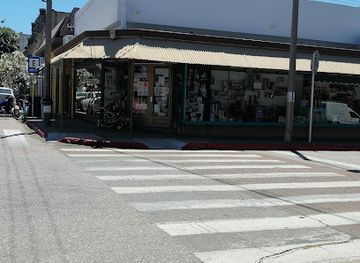
Papeleria Centro
Discover unique crafts and local artistry at Papeleria Centro, the heart of creativity in Pan de Azúcar, Uruguay.
Get your free copy of our complete guide to Santa Lucia River Basin, delivered straight to you.
Everything on this page, from attractions and restaurants to essentials and local phrases, in one PDF you can read offline, print or share.
Already have an account? Sign in
Your Santa Lucia River Basin guide is ready.
We'll send it to · Not you? Sign out

Getting your guide ready…
We are putting together a fresh copy of the Santa Lucia River Basin guide. This can take up to a minute.
This can take a few moments. If your browser asks, choose Allow so the download can start. You'll find the guide in your Downloads folder.
Nothing happened? Download it again
Sorry, the guide is taking longer than usual. Please try again in a minute, or get it by email instead.
Santa Lucia River Basin essentials
Currency and Payment
Safety
Emergency Situations
Do's and Don'ts
Local Tips
From Eve
Local phrases worth knowing
You don't need to get them perfect. A few words go a long way, and locals appreciate the effort.
Basics
| English | Local | Say it |
|---|---|---|
| Hello | Hola | [OH-lah] |
| Goodbye | Adiós | [ah-DYOS] |
| Yes | Sí | [SEE] |
| No | No | [NO] |
| Please/You're welcome | Por favor | [por fah-VOR] |
| Thank you | Gracias | [GRAH-syahs] |
| Excuse me/Sorry | Disculpe | [dis-KOOL-peh] |
| How are you? | ¿Cómo estás? | [KOH-moh es-TAS] |
| Fine. And you? | Bien. ¿Y tú? | [BYEN. ee TOO] |
| Do you speak English? | ¿Hablas inglés? | [AH-blas een-GLES] |
| I don't understand | No entiendo | [NO en-TIEN-do] |
Eating & Drinking
| English | Local | Say it |
|---|---|---|
| I'd like to see the menu, please | Me gustaría ver el menú, por favor | [meh goos-TAH-ree-ah BEHR el meh-NOO, por fah-VOR] |
| I don't eat meat | No como carne | [NO KOH-mo KAR-neh] |
| Cheers! | ¡Salud! | [sah-LOOD] |
| I would like to pay, please | Me gustaría pagar, por favor | [meh goos-TAH-ree-ah pah-GAR, por fah-VOR] |
Emergencies
| English | Local | Say it |
|---|---|---|
| Help! | ¡Ayuda! | [ah-YOO-dah] |
| Go away! | ¡Vete! | [VEH-teh] |
| Call the Police! | ¡Llama a la policía! | [YAH-mah ah lah poh-lee-SIA] |
| Call a doctor! | ¡Llama a un médico! | [YAH-mah ah oon MEH-dee-koh] |
| I'm lost | Estoy perdido | [es-TOY per-DI-doh] |
| I'm ill | Estoy enfermo | [es-TOY en-FER-mo] |
Shopping
| English | Local | Say it |
|---|---|---|
| I'd like to buy... | Me gustaría comprar... | [meh goos-TAH-ree-ah kom-PRAR...] |
| I'm just looking | Solo estoy mirando | [SO-lo es-TOY mee-RAN-do] |
| How much is it? | ¿Cuánto cuesta? | [KWAN-toh KWES-tah] |
| That's too expensive | Es demasiado caro | [es deh-MAH-syah-doh KAH-ro] |
| Can you lower the price? | ¿Puedes bajar el precio? | [PWEH-des bah-HAR el PREH-syo] |
Time & Numbers
| English | Local | Say it |
|---|---|---|
| What time is it? | ¿Qué hora es? | [KEH OH-rah es] |
| It's one o'clock | Es la una | [es lah OO-nah] |
| Half past (10) | Y diez y media | [ee DYEZ ee MEH-diah] |
| Morning | Mañana | [ma-NYAH-nah] |
| Afternoon | Tarde | [TAR-deh] |
| Evening | Noche | [NO-cheh] |
| Yesterday | Ayer | [ah-YER] |
| Today | Hoy | [OY] |
| Tomorrow | Mañana | [ma-NYAH-nah] |
| 1 | Uno | [OO-no] |
| 2 | Dos | [DOS] |
| 3 | Tres | [TRES] |
| 4 | Cuatro | [KWAH-tro] |
| 5 | Cinco | [SEEN-koh] |
| 6 | Seis | [SAYS] |
| 7 | Siete | [SYEH-teh] |
| 8 | Ocho | [OH-cho] |
| 9 | Nueve | [NWEH-veh] |
| 10 | Diez | [DYEZ] |
Transport & Directions
| English | Local | Say it |
|---|---|---|
| Where's a/the...? | ¿Dónde está un/una...? | [DON-deh es-TAH oon/OO-nah...?] |
| What's the address? | ¿Cuál es la dirección? | [KWAL es lah dee-rek-SYON] |
| Can you show me (on the map)? | ¿Puedes mostrarme (en el mapa)? | [PWEH-des mos-TRAR-meh (en el MAH-pah)?] |
| When's the next (bus)? | ¿Cuándo es el próximo (autobús)? | [KWAN-doh es el PROK-si-mo (ow-toh-BOOS)?] |
| A ticket (to ....) | Un boleto (a ....) | [OON boh-LEH-to (ah ....)] |
History of Santa Lucia River Basin
Indigenous Landscapes before European Settlement
Before colonial expansion, the waterways and grasslands of the Santa Lucía system formed part of the territory used by Indigenous peoples, including groups later recorded by European colonists under broad labels such as Charrúa and Guaraní. Rivers provided routes through the interior, while open grassland supported seasonal movement and access to food and materials. Archaeological traces in the wider region include stone tools and other evidence of early occupation, although the basin is not defined by one monumental archaeological site. Recognising this earlier landscape prevents the river valley from being treated solely as a product of colonial agriculture and later urban development.
Colonial Expansion and the Rural Economy
During the Spanish colonial period, the open country around the Santa Lucía and its tributaries became increasingly connected to the settlement and livestock economy centred on Montevideo and the Río de la Plata. Cattle raising expanded across the grasslands, while routes, river crossings and small settlements gradually gave the interior a more permanent structure. Landholding patterns, Catholic institutions and the movement of hides, livestock and agricultural produce influenced the region’s development. Much of the basin’s contemporary appearance, with broad fields, ranches and scattered communities, reflects this long transformation from a mobile frontier into a settled rural economy.
Florida and the Independence Era
Florida holds an important place in Uruguay’s national history. In 1825, the Congress of Florida declared independence from Brazil and affirmed the incorporation of the Eastern Province into the United Provinces of the Río de la Plata. The event was a decisive stage in the political process that led to the creation of Uruguay in 1828. Florida’s position on the Santa Lucía Chico gives the basin a direct connection with this foundational period, and the city’s museums, commemorative buildings and public spaces interpret the political and military conflicts that shaped the country.
Nineteenth-Century Towns, Roads and Railways
As Uruguay consolidated as an independent state, towns along the basin became centres for administration, trade, schooling and religious life. Santa Lucía developed as an important settlement in the lower river country, while Florida and smaller communities served the surrounding agricultural districts. Roads, bridges and later railway links improved the movement of people, cattle and farm produce towards Montevideo and regional markets. Railway expansion also brought new civic buildings and commercial activity, even though many services later declined or changed form. The resulting townscape remains visible in historic streets, stations, churches and central squares.
Aguas Corrientes and the Public Water Supply
The waterworks at Aguas Corrientes represent one of the basin’s most significant modern developments. From the nineteenth century, infrastructure was built to collect and treat Santa Lucía River water for Montevideo and surrounding communities. The system expanded as the capital’s population and public-health needs grew, making the river an essential national resource rather than simply a rural watercourse. Pumping equipment, treatment facilities and related heritage illustrate the development of municipal engineering and the gradual extension of reliable drinking water. The site also explains why environmental protection in the basin has consequences far beyond its immediate settlements.
Agriculture, Dairy and Contemporary Environmental Pressure
The basin remains an important agricultural territory, combining cattle production with farming, dairy activity and horticulture in areas close to the metropolitan market. Its fertile lowlands and proximity to Montevideo have encouraged more intensive land use, while roads and suburban growth have altered parts of the lower watershed. At the same time, eutrophication, sediment, runoff and drought have increased attention on water quality and catchment management. Contemporary efforts to protect the Santa Lucía system connect environmental science, farming practice, public infrastructure and national policy, making the basin a useful place to understand Uruguay’s current relationship with land and water.
Santa Lucia River Basin in Photos
Browse through our photo collection highlighting the charm and character of the destination.
Neighbouring regions of Santa Lucia River Basin
The closest regions to Santa Lucia River Basin, if you have time for more than one.
-

-

-

-

-


Swipe for more regions
Explore more

Explore more of Uruguay
Discover Uruguay: Rich culture, stunning beaches, and a warm, welcoming atmosphere await in this hidden gem of South America.
Explore Uruguay