

Free Colonia Travel Guide & Mobile App
Explore Colonia with free travel guides. Discover regional history, expert tips, proposed trips, and audio guides on web or mobile app.


Explore Colonia in Uruguay for UNESCO-listed streets, riverfront towns, vineyards, dairy traditions and easy countryside escapes from Montevideo or Buenos Aires.
Read more about Colonia
When is the best time to visit Colonia?
Best: March, November–December · 24–27°C| Month | High (°C) | Rainfall (mm) |
|---|---|---|
| January | 30 | 80 |
| February | 30 | 70 |
| March (best) | 27 | 80 |
| April | 23 | 90 |
| May | 19 | 80 |
| June | 16 | 70 |
| July | 16 | 70 |
| August | 17 | 70 |
| September | 19 | 80 |
| October | 22 | 90 |
| November (best) | 24 | 80 |
| December (best) | 27 | 80 |
Getting to and around Colonia
How to get there
Transportation
Top city travel guides in Colonia
The cities of Colonia, and the easiest places to base yourself.

Swipe for more cities
Best attractions in Colonia
Colonia's attractions range from the compact heritage streets of Colonia del Sacramento to working landscapes that reward slower exploration. In the Barrio Histórico, visitors can walk along cobbled lanes, inspect surviving defensive works and enter museums housed in colonial buildings. The waterfront and lighthouse area provide a clear sense of the town's strategic position on the Río de la Plata. Beyond the capital, Carmelo is a useful base for vineyard visits, river excursions and an introduction to the department's agricultural economy. Nueva Helvecia and the surrounding communities offer cultural and culinary experiences rooted in Swiss and other European immigration, particularly dairy traditions and local produce. Beaches and riverfront promenades around several settlements are popular in warm weather, while the countryside suits cycling, birdwatching and scenic drives. Port towns such as Nueva Palmira and Juan Lacaze add industrial and maritime perspectives, preventing the region's visitor offer from being reduced to colonial architecture alone. Many rural attractions are dispersed and may require advance arrangements, private transport or a guided visit.
-
Tourist attraction
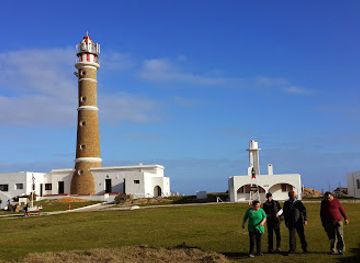
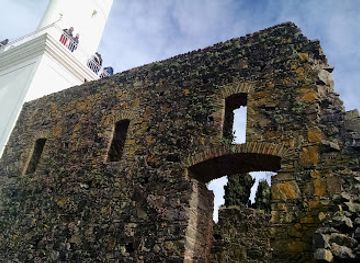
Colonia del Sacramento Lighthouse
Explore the breathtaking views and rich history at the Colonia del Sacramento Lighthouse, a must-see landmark in Uruguay's charming coastal town.
-
Tourist attraction
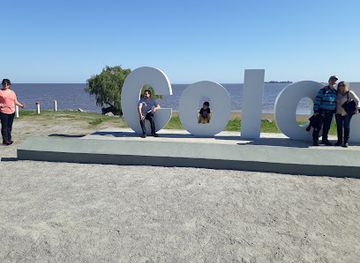
Colonia Sign
Discover the vibrant Colonia Sign in Colonia del Sacramento, a symbol of history and culture where stunning views meet charming surroundings.
-
National park
Cabo Polonio National Park
Explore the natural wonders of Cabo Polonio National Park, where stunning landscapes and wildlife await in a serene, untouched environment.
-
Tourist attraction
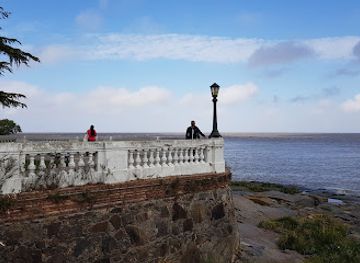
Colonia Del Sacramento Boulevard
Discover the historical charm of Colonia Del Sacramento Boulevard, a scenic waterfront promenade rich in culture and colonial architecture.

Best landmarks in Colonia
The defining landmark is the historic quarter of Colonia del Sacramento, where the Portón de Campo, city walls, drawbridge area, lighthouse and low colonial streets reveal the settlement's Portuguese foundation and later Spanish history. The ruins of the Convento de San Francisco are among the most recognisable remains, while the Iglesia Matriz del Santísimo Sacramento is notable for its long and complicated colonial history. The waterfront edge, with the old defensive line meeting the broad Río de la Plata, gives the town much of its visual identity. Outside Colonia del Sacramento, the character of the department is expressed through landmarks of settlement and production: the churches, civic spaces and community buildings of Nueva Helvecia, the river-oriented townscape of Carmelo, and the working port environments of Nueva Palmira and Juan Lacaze. These places are less monumental than the old quarter but help explain how agriculture, immigration, commerce and river transport shaped modern Colonia.
-
Bullring
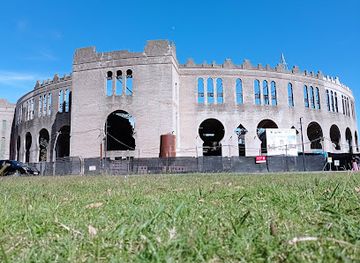
Plaza de toros Real de San Carlos
Discover the historic Plaza de Toros Real de San Carlos in Colonia del Sacramento, a stunning bullring steeped in culture and history.
-
Shopping mall
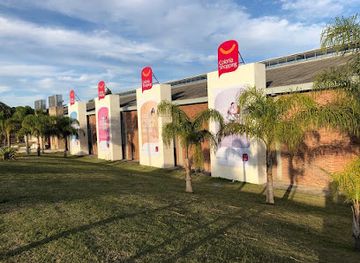
Colonia Shopping
Discover Colonia Shopping: The ultimate destination for shopping and dining in Colonia del Sacramento, blending local culture with modern retail.
-
Tourist attraction
Colonia del Sacramento Lighthouse
Discover the breathtaking views and rich history at the Colonia del Sacramento Lighthouse, a must-see landmark in Uruguay.
-
Historical landmark
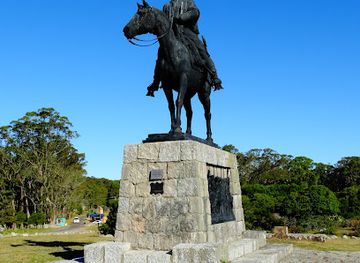
Fortress of Santa Teresa
Discover the historical charm and breathtaking views of the Fortress of Santa Teresa, a must-visit landmark in Uruguay's Rocha Department.
Explore Colonia on the map
Plan your trip on one map. See where the top cities, national parks and sights are, and book hotels and experiences in a few clicks.
Best hotels in Colonia
Best restaurants in Colonia
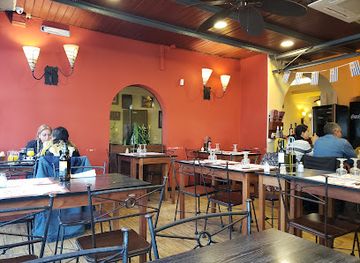
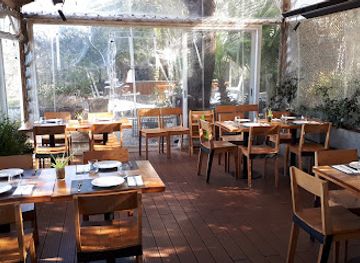
Dining in Colonia combines Uruguay's national grill culture with the department's strong farming and immigrant heritage. Beef, lamb, sausages and wood-fired cooking are common on menus, while river towns add fish and simple waterfront meals without turning the cuisine into a narrowly maritime tradition. Around Nueva Helvecia and nearby settlements, dairy production is reflected in farmhouse cheeses, cream-based preparations, baking and confectionery influenced by Swiss and other European communities. Carmelo and the surrounding countryside are associated with vineyards and small-scale producers, so wine tastings and rural lunches form an important part of the culinary scene. Colonia del Sacramento offers the broadest choice, from cafés and traditional restaurants in and around the old quarter to contemporary kitchens using Uruguayan produce. Outside the main towns, rural inns, bakeries, food shops and producer visits can be more significant than formal restaurants, and opening arrangements may be limited or appointment-based.
-
Grill
Parrillada El Portón
Experience authentic Uruguayan barbecue at Parrillada El Portón in Colonia del Sacramento – a grill restaurant serving delicious asado dishes.
-
Restaurant
Charco bistró
Experience exceptional Uruguayan cuisine at Charco bistró in Colonia del Sacramento – where local flavors meet fine dining.
-
Restaurant
La Bodeguita
Experience authentic Uruguayan cuisine at La Bodeguita in Colonia del Sacramento, where every meal tells a story.
-
Restaurant
Cerveceria Barbot
Discover Cerveceria Barbot: A craft brewery in Colonia del Sacramento offering exquisite beers and a lively atmosphere for tourists.
Best bars in Colonia
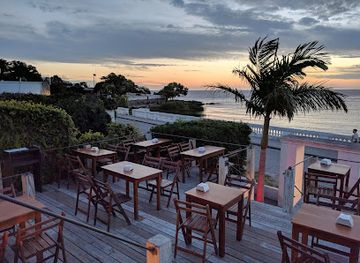
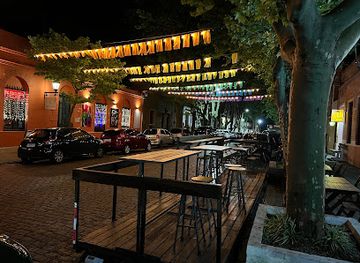
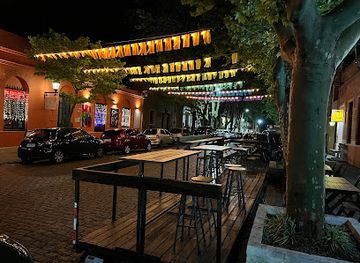
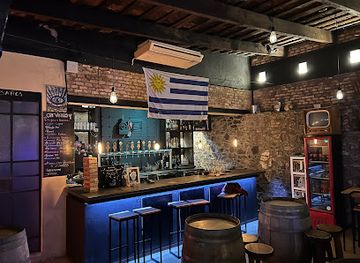
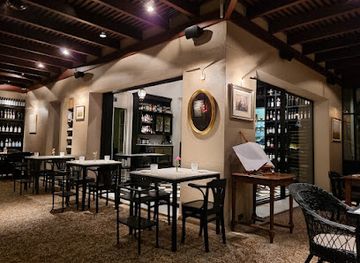
Colonia's evening life is relaxed and concentrated in a few towns rather than organised around a large nightclub scene. In Colonia del Sacramento, bars, cafés and restaurants around the historic quarter and waterfront provide places for an early drink, dinner or a quiet evening walk, with the atmosphere changing according to the season and ferry traffic. Traditional Uruguayan pubs and informal bars are more representative than elaborate club venues, while Carmelo offers a smaller selection of restaurants, wine-focused establishments and local meeting places. In Nueva Helvecia and other rural communities, evenings generally centre on cafés, restaurants, social clubs and community events rather than late-night entertainment. Visitors seeking live music or a broader choice of clubs may need to travel to Montevideo, outside the department, but Colonia's slower pace suits tastings, riverside dining and conversation more than an intensive nightlife itinerary.
-
Restaurant
Charco bistró
Experience the best of Uruguayan cuisine at Charco Bistró, where local flavors meet modern culinary artistry in Colonia del Sacramento.
-
Bar
Cerveceria Barbot
Experience the best of craft beer and vibrant nightlife at Cerveceria Barbot in Colonia del Sacramento, a must-visit brewpub for every tourist.
-
Gastropub
La Chopería Colonia
Discover the vibrant flavors and lively atmosphere at La Chopería Colonia, a premier gastropub in the heart of Colonia del Sacramento.
-
Restaurant
Comarca Las Liebres - Barrio Restaurant Hotel
Experience the rich flavors of Uruguay at Comarca Las Liebres, a premier restaurant in Colonia del Sacramento offering a culinary journey like no other.
Best nightclubs in Colonia
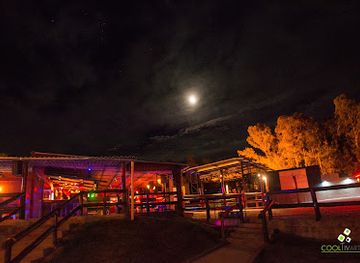
Colonia's evening life is relaxed and concentrated in a few towns rather than organised around a large nightclub scene. In Colonia del Sacramento, bars, cafés and restaurants around the historic quarter and waterfront provide places for an early drink, dinner or a quiet evening walk, with the atmosphere changing according to the season and ferry traffic. Traditional Uruguayan pubs and informal bars are more representative than elaborate club venues, while Carmelo offers a smaller selection of restaurants, wine-focused establishments and local meeting places. In Nueva Helvecia and other rural communities, evenings generally centre on cafés, restaurants, social clubs and community events rather than late-night entertainment. Visitors seeking live music or a broader choice of clubs may need to travel to Montevideo, outside the department, but Colonia's slower pace suits tastings, riverside dining and conversation more than an intensive nightlife itinerary.
-
Bar
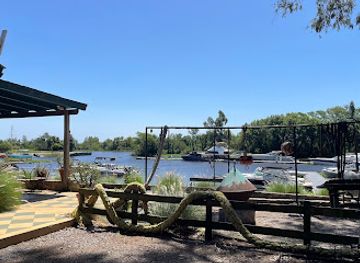
Las Tunas Beach Bar
Experience the vibrant atmosphere of Las Tunas Beach Bar, a perfect blend of delicious cuisine, refreshing cocktails, and stunning ocean views in Colonia del Sacramento.
-
Night club
Café del Bosque
Experience the vibrant nightlife at Café del Bosque, Playa Fomento's premier night club with exquisite drinks and lively entertainment.
-
Bar
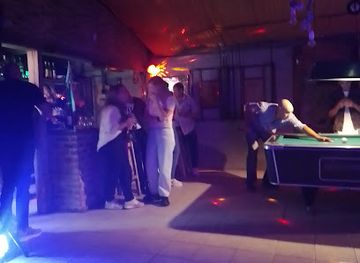
Criopoolbar
Discover the vibrant Criopoolbar in Colonia del Sacramento, where refreshing drinks and a lively atmosphere await you.
-
Country house
Club de Campo El Faro
Discover serenity at Club de Campo El Faro, a tranquil country house in Colonia Esterella, perfect for relaxation and outdoor adventures.

Best shops in Colonia
Shopping in Colonia del Sacramento centres on the old quarter and adjoining streets, where small shops and galleries sell leather goods, ceramics, textiles, jewellery, books, artwork and Uruguay-related gifts. Quality and provenance vary, so visitors should distinguish locally made products from generic souvenirs. Food shopping is one of the department's strengths: look for Uruguayan wines, olive oil, cheeses, dulce de leche, preserves and regional baked goods, particularly when travelling through Carmelo, Nueva Helvecia or other agricultural communities. Markets and producer outlets may follow local or seasonal schedules rather than operating daily, and rural shops can be dispersed. Nueva Helvecia is especially relevant for dairy products and European-influenced food traditions, while Colonia del Sacramento offers the widest selection of crafts and practical retail. Larger general shopping requirements are best handled in the principal towns rather than expected in vineyard or countryside areas.
-
Shopping mall
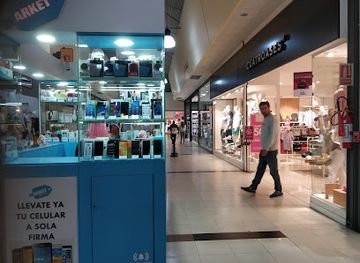
Colonia Shopping
Experience the vibrant shopping scene at Colonia Shopping, offering a unique blend of retail, dining, and entertainment in Colonia del Sacramento.
-
Shopping mall
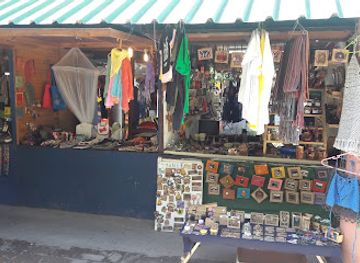
Feria Artesanal
Explore Feria Artesanal in Colonia del Sacramento, a vibrant market of local crafts and delicious foods that embodies the spirit of Uruguayan culture.
-
Cheese shop
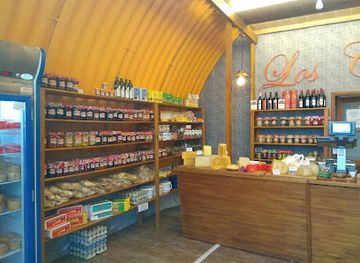
Boutique De Quesos Los Criollitos
Experience the rich flavors of artisanal Uruguayan cheese at Boutique De Quesos Los Criollitos in Colonia Valdense, a culinary gem for cheese lovers.
-
Supermarket
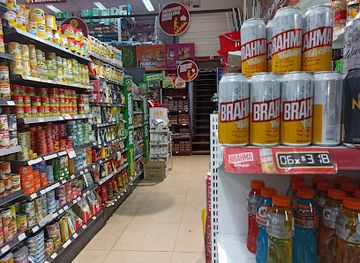
Supermercado Dos Avenidas
Explore local flavors and vibrant shopping at Supermercado Dos Avenidas in Colonia del Sacramento, where every aisle tells a story.
Get your free copy of our complete guide to Colonia, delivered straight to you.
Everything on this page, from attractions and restaurants to essentials and local phrases, in one PDF you can read offline, print or share.
Already have an account? Sign in
Your Colonia guide is ready.
We'll send it to · Not you? Sign out

Getting your guide ready…
We are putting together a fresh copy of the Colonia guide. This can take up to a minute.
This can take a few moments. If your browser asks, choose Allow so the download can start. You'll find the guide in your Downloads folder.
Nothing happened? Download it again
Sorry, the guide is taking longer than usual. Please try again in a minute, or get it by email instead.
Colonia essentials
Currency and Payment
Safety
Emergency Situations
Do's and Don'ts
Local Tips
From Eve
Local phrases worth knowing
You don't need to get them perfect. A few words go a long way, and locals appreciate the effort.
Basics
| English | Local | Say it |
|---|---|---|
| Hello | Hola | [OH-lah] |
| Goodbye | Adiós | [ah-DYOS] |
| Yes | Sí | [SEE] |
| No | No | [NO] |
| Please/You're welcome | Por favor | [por fah-VOR] |
| Thank you | Gracias | [GRAH-syahs] |
| Excuse me/Sorry | Perdón | [pehr-DON] |
| How are you? | ¿Cómo estás? | [KOH-moh ehs-TAHS] |
| Fine. And you? | Bien. ¿Y tú? | [BYEN. ee TOO] |
| Do you speak English? | ¿Hablas inglés? | [AH-blahs een-GLES] |
| I don't understand | No entiendo | [NO en-TYEN-doh] |
Eating & Drinking
| English | Local | Say it |
|---|---|---|
| I'd like to see the menu, please | Me gustaría ver el menú, por favor | [meh goos-tah-REE-ah BEHR el meh-NOO, por fah-VOR] |
| I don't eat meat | No como carne | [NO KOH-moh KARN-eh] |
| Cheers! | ¡Salud! | [sah-LOOD] |
| I would like to pay, please | Me gustaría pagar, por favor | [meh goos-tah-REE-ah pah-GAR, por fah-VOR] |
Emergencies
| English | Local | Say it |
|---|---|---|
| Help! | ¡Ayuda! | [ah-YOO-dah] |
| Go away! | ¡Vete! | [VEH-teh] |
| Call the Police! | ¡Llama a la policía! | [YAH-mah ah lah poh-lee-SEE-ah] |
| Call a doctor! | ¡Llama a un médico! | [YAH-mah ah oon MEH-dee-koh] |
| I'm lost | Estoy perdido | [es-TOY pehr-DEE-doh] |
| I'm ill | Estoy enfermo | [es-TOY en-FER-mo] |
Shopping
| English | Local | Say it |
|---|---|---|
| I'd like to buy... | Me gustaría comprar... | [meh goos-tah-REE-ah kom-PRAR] |
| I'm just looking | Solo estoy mirando | [SO-lo es-TOY mee-RAN-doh] |
| How much is it? | ¿Cuánto cuesta? | [KWAN-toh KWES-tah] |
| That's too expensive | Es demasiado caro | [es deh-mah-SYAH-doh KAH-roh] |
| Can you lower the price? | ¿Puedes bajar el precio? | [PWEH-des bah-HAR el PREH-syo] |
Time & Numbers
| English | Local | Say it |
|---|---|---|
| What time is it? | ¿Qué hora es? | [KEH OH-rah es] |
| It's one o'clock | Es la una | [es lah OO-nah] |
| Half past (10) | Diez y media | [DYEZ ee MEH-dyah] |
| Morning | Mañana | [mah-NYAH-nah] |
| Afternoon | Tarde | [TAR-deh] |
| Evening | Noche | [NOH-cheh] |
| Yesterday | Ayer | [ah-YER] |
| Today | Hoy | [OY] |
| Tomorrow | Mañana | [mah-NYAH-nah] |
| 1 | Uno | [OO-no] |
| 2 | Dos | [DOS] |
| 3 | Tres | [TRES] |
| 4 | Cuatro | [KWAT-roh] |
| 5 | Cinco | [SEEN-koh] |
| 6 | Seis | [SAYS] |
| 7 | Siete | [SYEH-teh] |
| 8 | Ocho | [OH-choh] |
| 9 | Nueve | [NWEH-beh] |
| 10 | Diez | [DYEZ] |
Transport & Directions
| English | Local | Say it |
|---|---|---|
| Where's a/the...? | ¿Dónde hay un...? | [DON-deh AI oon] |
| What's the address? | ¿Cuál es la dirección? | [KWAL es lah dee-rek-SYON] |
| Can you show me (on the map)? | ¿Puedes mostrarme (en el mapa)? | [PWEH-des mos-TRAR-me (en el MAH-pah)] |
| When's the next (bus)? | ¿Cuándo es el próximo (bus)? | [KWAN-doh es el PROK-see-mo (boos)] |
| A ticket (to....) | Un boleto (a....) | [oon bo-LEH-to (ah....)] |
History of Colonia
Indigenous Landscapes Before European Settlement
Long before colonial foundations, the lands around the western Río de la Plata were inhabited and used by Indigenous peoples, including groups conventionally associated with the Charrúa and Chaná cultural worlds. Riverbanks, wetlands and grasslands provided routes for movement, fishing, hunting and gathering. Archaeological evidence from western Uruguay includes earthen remains, ceramic material and other traces of earlier occupation, although the surviving record is uneven. European colonisation later displaced, absorbed and violently disrupted Indigenous communities, and their history remains an essential part of understanding the region rather than a simple prelude to colonial settlement.
The Portuguese Foundation of Colonia del Sacramento, 1680
Portugal founded Colonia do Sacramento in 1680 on the Río de la Plata, directly opposite Buenos Aires, to strengthen its position in a strategically important zone claimed by Spain. The settlement became a focus of military rivalry and contraband trade because of its location near the approaches to the Spanish colonial capital. Its streets, fortifications and riverfront were shaped by this contested role. Repeated changes of control left the town with a layered architectural and political identity, which is central to the significance of its preserved historic quarter today.
Portuguese-Spanish Rivalry and the Treaty Settlement
Colonia del Sacramento changed hands several times during the eighteenth century as Portugal and Spain competed for influence in the Río de la Plata. The Treaty of Madrid in 1750 and later agreements altered the political map, while military action continued to affect the settlement. Spain finally took lasting possession in 1777 through the Treaty of San Ildefonso. Spanish administration brought new institutional and urban influences, but the earlier Portuguese layout remained visible. This succession of rulers explains why the old town cannot be understood through a single colonial tradition.
Independence and the Formation of Uruguay
The region was drawn into the upheavals that transformed the Banda Oriental during the early nineteenth century, including struggles involving Spanish authority, Portuguese and Brazilian power, and the forces associated with José Gervasio Artigas. After the Cisplatine War, the independent state of Uruguay was established in 1828. Colonia's river ports and settlements then developed within a national framework, with trade, farming and transport connecting the department to Montevideo, Buenos Aires and inland Uruguay. Fortifications lost their military importance, while commercial and civic buildings increasingly shaped the towns.
European Immigration and New Agricultural Communities
During the nineteenth century, European immigration transformed the department's rural society. Swiss settlers founded Nueva Helvecia in 1862, establishing a community strongly associated with dairy farming, community organisations and traditions of Swiss origin. Valdense settlers also created an important agricultural and religious presence in the wider Colonia area. Italian, Spanish and other immigrant families contributed to farming, commerce and town life. The resulting landscape of small settlements, dairies, churches, schools and family businesses remains one of Colonia's most distinctive cultural legacies.
Ports, Railways and Agricultural Modernisation
From the late nineteenth century into the twentieth, river ports, rail connections and improving roads strengthened Colonia's role in moving agricultural goods and linking interior producers with regional markets. Nueva Palmira became an important commercial port on the Uruguay River, while Juan Lacaze developed an industrial identity and Carmelo grew as a local service and production centre. Dairy farming, cattle, cereals, viticulture and later agro-industrial activity shaped employment and settlement. Although transport patterns have changed, the department's towns still reflect the economic importance of river access and productive countryside.
Heritage Conservation and the UNESCO Historic Quarter
Colonia del Sacramento's historic quarter underwent significant conservation as Uruguay recognised the value of its colonial urban fabric and cultural tourism potential. In 1995 UNESCO inscribed the Historic Quarter on the World Heritage List, citing its distinctive testimony to Portuguese and Spanish colonial settlement. The designation encouraged sustained attention to streets, walls, buildings and public spaces while increasing the town's international profile. Contemporary Colonia therefore combines an active Uruguayan town with a carefully protected historic area, rather than functioning solely as an open-air monument.
Colonia in Photos
Browse through our photo collection highlighting the charm and character of the destination.
Neighbouring regions of Colonia
The closest regions to Colonia, if you have time for more than one.
-

-

-

-

-


Swipe for more regions
Explore more

Explore more of Uruguay
Discover Uruguay: Rich culture, stunning beaches, and a warm, welcoming atmosphere await in this hidden gem of South America.
Explore Uruguay