

Free Central Region Travel Guide & Mobile App
Explore Central Region with free travel guides. Discover regional history, expert tips, proposed trips, and audio guides on web or mobile app.


Explore Central Region Uruguay for historic Florida, riverside Durazno, Trinidad, rural landscapes, geology and Indigenous archaeological heritage.
Read more about Central Region
When is the best time to visit Central Region?
Best: February, November–December · 24–29°C| Month | High (°C) | Rainfall (mm) |
|---|---|---|
| January | 29 | 100 |
| February (best) | 29 | 90 |
| March | 27 | 110 |
| April | 23 | 110 |
| May | 20 | 100 |
| June | 17 | 90 |
| July | 16 | 90 |
| August | 17 | 90 |
| September | 20 | 100 |
| October | 22 | 110 |
| November (best) | 24 | 110 |
| December (best) | 27 | 100 |
Getting to and around Central Region
How to get there
Transportation
Top city travel guides in Central Region
The cities of Central Region, and the easiest places to base yourself.
-

-

-

-

-


Swipe for more cities
Destinations in Central Region
Resorts, valleys and scenic spots worth a trip of their own.
-

-

-

-

-

-


Swipe for more destinations
Best attractions in Central Region
Central Region Uruguay’s attractions combine national history with open-country experiences. In Florida, visitors can explore the city’s independence associations, civic monuments and religious heritage, while Durazno offers museums, cultural institutions and riverside recreation along the Yí. Trinidad is the main base for excursions into Flores, where Gruta del Palacio presents an unusual geological formation and the Chamangá cultural landscape preserves Indigenous rock art and archaeological evidence. The surrounding countryside is suited to scenic drives, birdwatching, photography, horse-related rural experiences and quiet walks near rivers and wooded streams. Established bathing areas become lively in the warmer months, particularly around Durazno, although conditions vary and local advice matters. The region also rewards slower visits to small museums, churches, railway remnants and town squares, where the history of the interior is presented through local rather than grand national institutions. It is not a region of dense visitor infrastructure: distances between sites can be considerable, opening arrangements may vary, and some rural attractions require advance local planning or a guide.
-
Tourist attraction
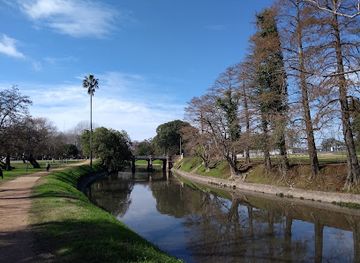
Prado Park
Explore the beauty of Prado Park in Montevideo, where lush gardens, cultural monuments, and serene landscapes await every visitor.
-
Tourist attraction
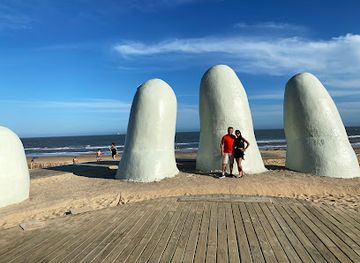
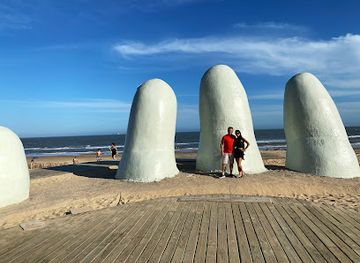
The Fingers of Punta del Este
Discover the iconic Fingers of Punta del Este, a unique sculpture blending art and nature along Uruguay's stunning coastline.
-
Tourist attraction
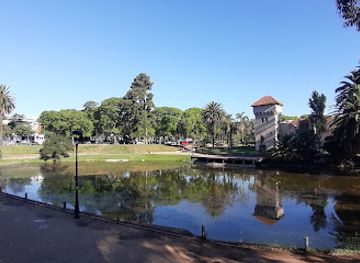
Parque Jose Enrique Rodó
Discover the beauty and tranquility of Parque Jose Enrique Rodó, Montevideo's serene urban park offering lush landscapes and cultural experiences.
-
Market
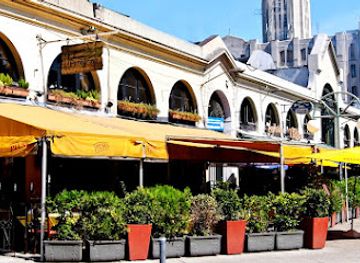
Port Market
Explore Montevideo's Port Market for a taste of authentic Uruguayan cuisine, vibrant culture, and artisanal crafts in a historic setting.
Best landmarks in Central Region
The region’s most significant landmarks connect Uruguay’s national foundation with its interior landscapes. Piedra Alta in Florida is associated with the declarations of 25 August 1825 and is one of the clearest physical reminders of the country’s independence process. The Basilica Cathedral of Florida, dedicated to the Virgin of the Thirty-Three, is an important religious and architectural landmark and a destination for pilgrims. In Durazno, the Yí River and its riverside public spaces provide a geographical landmark around which the city’s recreational life has developed, while museums and civic buildings recall the town’s connection with Fructuoso Rivera. Trinidad provides access to Gruta del Palacio, whose distinctive rock formations are among Flores’s best-known natural features. The Chamangá landscape is significant for a different reason: its rock art and archaeological remains make the surrounding rural terrain a cultural landmark as well as a scenic one. Together, these places show how geology, Indigenous history, independence and pastoral settlement overlap in central Uruguay.
-
Sculpture
The Fingers of Punta del Este
Discover the iconic Fingers of Punta del Este, a stunning sculpture symbolizing the connection between art and nature on Uruguay's beautiful coast.
-
Park
Constitution Plaza
Explore Constitution Plaza in Montevideo, a beautiful park blending history, culture, and relaxation in the heart of the city.
-
Tourist attraction
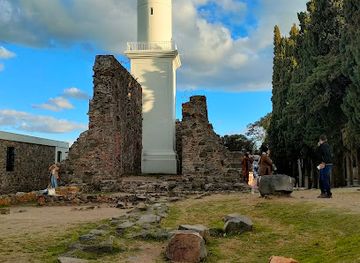
Colonia del Sacramento Lighthouse
Explore the Colonia del Sacramento Lighthouse, a historic symbol of maritime heritage offering breathtaking views and a glimpse into Uruguay's colonial past.
-
Park
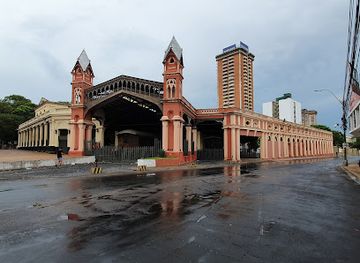
Plaza Uruguaya
Discover the tranquil charm of Plaza Uruguaya, a picturesque park in Asunción perfect for relaxation, cultural events, and enjoying local life.

Explore Central Region on the map
Plan your trip on one map. See where the top cities, national parks and sights are, and book hotels and experiences in a few clicks.
Best hotels in Central Region
Best restaurants in Central Region
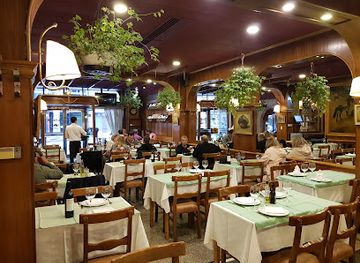
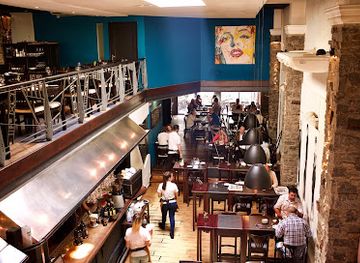
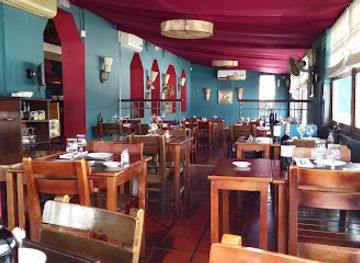
Dining in Central Region Uruguay reflects the country’s pastoral economy and the practical food culture of its interior towns. Beef, grilled meats, milanesas, pasta, empanadas and filling sandwiches are widely available, while cafés and bakeries provide simple breakfasts, pastries and snacks for road journeys. In Durazno, Florida and Trinidad, restaurants and parrillas tend to serve as social meeting places, with menus ranging from traditional Uruguayan cooking to contemporary versions of familiar regional dishes. Rural shops and markets may offer cheeses, preserves, baked goods and other products from nearby producers, although availability varies by season and town. Mate is a daily cultural presence rather than a restaurant speciality, and visitors should ask before sharing or photographing someone’s mate ritual. Tipping is generally appreciated for good table service. In smaller communities, eating earlier or checking kitchen hours is sensible, particularly outside the summer season, when evening choices can be limited.
-
Restaurant
Don Andres
Discover the essence of Uruguayan cuisine at Don Andres, where every dish tells a story amidst a vibrant Montevideo atmosphere.
-
Grill
El Fogón
Discover the authentic flavors of Uruguayan barbecue at El Fogón in Montevideo – where every meal is a celebration of taste.
-
Uruguayan
La Cocina de Pedro
Discover the authentic flavors of Uruguay at La Cocina de Pedro in Montevideo – a culinary experience not to be missed!
-
Restaurant
La Perdiz
Experience authentic Uruguayan cuisine at La Perdiz in Montevideo – where every dish tells a story.
Best bars in Central Region
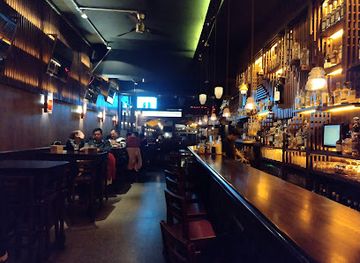
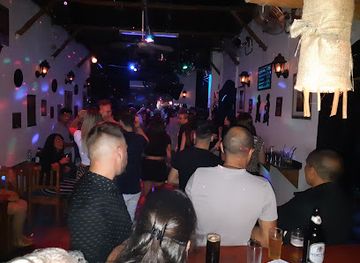
Evening life in Central Region Uruguay is centred on cafés, neighbourhood bars, traditional pubs, parrillas and social clubs rather than a large nightclub circuit. Durazno has the broadest choice of restaurants, bars and cultural programming, while Florida and Trinidad offer a more local, unhurried scene concentrated around central streets and squares. During summer and town festivals, riverfront areas and public events can become livelier, and music or dancing may continue later than on an ordinary weeknight. Beer, wine, soft drinks and mate are all part of everyday social life, but nightlife is not dependent on alcohol. Rural communities generally rely on family gatherings, local celebrations and occasional live music rather than permanent venues. Check locally for current performances and seasonal events, since opening patterns and programmes can change and small-town nightlife may be quiet outside weekends.
-
Bar
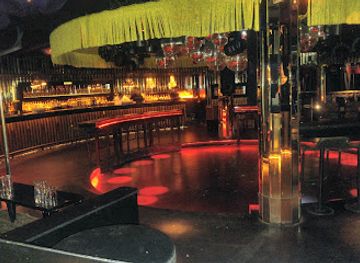
Burlesque
Experience the vibrant nightlife of Montevideo at Burlesque, where drinks meet unforgettable entertainment in a chic setting.
-
Gastropub
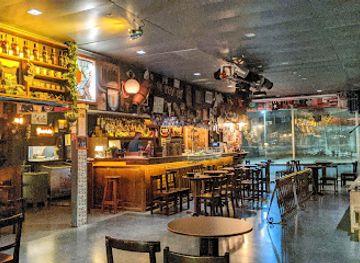
Brickel Irish Pub
Discover the perfect blend of Irish hospitality and Uruguayan flair at Brickel Irish Pub, Montevideo's ultimate gastropub and nightlife destination.
-
Irish pub
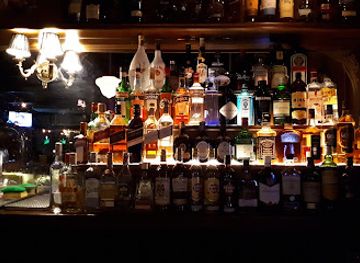
Gallagher's
Experience the vibrant atmosphere and delicious Irish cuisine at Gallagher's, Montevideo's favorite pub for locals and tourists alike.
-
Bar
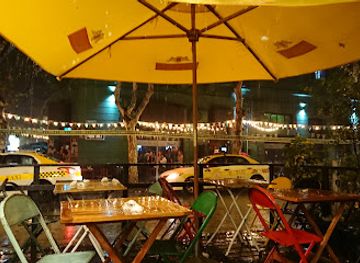
Baar Fun Fun
Experience the vibrant nightlife of Montevideo at Baar Fun Fun, where great drinks and live music create unforgettable moments.
Best nightclubs in Central Region
Evening life in Central Region Uruguay is centred on cafés, neighbourhood bars, traditional pubs, parrillas and social clubs rather than a large nightclub circuit. Durazno has the broadest choice of restaurants, bars and cultural programming, while Florida and Trinidad offer a more local, unhurried scene concentrated around central streets and squares. During summer and town festivals, riverfront areas and public events can become livelier, and music or dancing may continue later than on an ordinary weeknight. Beer, wine, soft drinks and mate are all part of everyday social life, but nightlife is not dependent on alcohol. Rural communities generally rely on family gatherings, local celebrations and occasional live music rather than permanent venues. Check locally for current performances and seasonal events, since opening patterns and programmes can change and small-town nightlife may be quiet outside weekends.
-
Disco club
Il Tempo
Discover the pulsating nightlife at Il Tempo, Montevideo's ultimate disco club. Experience electrifying music, vibrant energy, and unforgettable nights.
-
Disco club
Lotus Club
Discover the electric nightlife at Lotus Club, Montevideo's premier disco destination, blending vibrant music and chic ambiance for an unforgettable experience.
-
Night club
La Bodeguita del Sur
Experience the vibrant nightlife of Montevideo at La Bodeguita del Sur, a must-visit night club famous for music, dance, and a lively atmosphere.
-
Night club
Stereo Club
Discover the vibrant nightlife of Montevideo at Stereo Club, where every night is a celebration of music and dance.


Best shops in Central Region
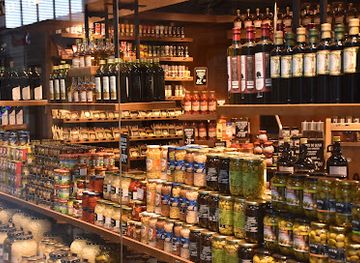
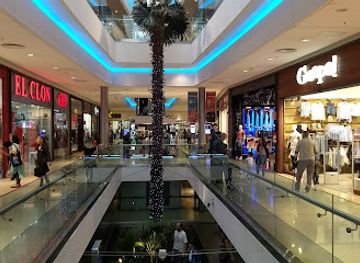
Shopping in Central Region Uruguay is primarily local and practical, with central streets in Florida, Durazno and Trinidad offering supermarkets, bakeries, clothing shops, bookshops, pharmacies and small independent retailers. The best regional purchases are often food products and modest crafts rather than luxury goods: cheeses, preserves, baked items, yerba mate, leather articles and rural-themed souvenirs may be found through local shops or occasional markets. Farmers’ and community markets vary by town and schedule, so ask at accommodation or the local tourist information service before making a special journey. Durazno’s larger population gives it the broadest everyday retail choice, while Florida’s historical identity shapes some souvenirs and Trinidad is a useful place to buy provisions before excursions into Flores. Visitors should distinguish genuinely local products from generic Uruguay-themed merchandise, and should not buy archaeological material or rock fragments from cultural and geological sites.
-
Shopping mall
Tres Cruces Shopping
Experience the best of shopping, dining, and entertainment at Tres Cruces Shopping in Montevideo, a vibrant retail paradise for every traveler.
-
Shopping mall
Montevideo Shopping Center
Explore Montevideo Shopping Center, where shopping, dining, and entertainment come together in a vibrant atmosphere for all visitors.
-
Shopping mall
Nuevocentro Shopping
Explore the vibrant shopping and dining scene at Nuevocentro Shopping in Montevideo, perfect for families and fashion enthusiasts alike.
-
Shopping mall
Punta Carretas Shopping
Experience the vibrant shopping scene at Punta Carretas Shopping, Montevideo's premier destination for fashion, dining, and entertainment.


Get your free copy of our complete guide to Central Region, delivered straight to you.
Everything on this page, from attractions and restaurants to essentials and local phrases, in one PDF you can read offline, print or share.
Already have an account? Sign in
Your Central Region guide is ready.
We'll send it to · Not you? Sign out

Getting your guide ready…
We are putting together a fresh copy of the Central Region guide. This can take up to a minute.
This can take a few moments. If your browser asks, choose Allow so the download can start. You'll find the guide in your Downloads folder.
Nothing happened? Download it again
Sorry, the guide is taking longer than usual. Please try again in a minute, or get it by email instead.
Central Region essentials
Currency and Payment
Safety
Emergency Situations
Do's and Don'ts
Local Tips
From Eve
Local phrases worth knowing
You don't need to get them perfect. A few words go a long way, and locals appreciate the effort.
Basics
| English | Local | Say it |
|---|---|---|
| Hello | Hola | [OH-lah] |
| Goodbye | Adiós | [ah-DYOS] |
| Yes | Sí | [SEE] |
| No | No | [NO] |
| Please/You're welcome | Por favor | [por fah-VOR] |
| Thank you | Gracias | [GRAH-syahs] |
| Excuse me/Sorry | Perdón | [per-DON] |
| How are you? | ¿Cómo estás? | [KOH-moh es-TAS] |
| Fine. And you? | Bien. ¿Y tú? | [BYEN. ee TOO] |
| Do you speak English? | ¿Hablas inglés? | [AH-blas een-GLES] |
| I don't understand | No entiendo | [NO en-TYEN-doh] |
Eating & Drinking
| English | Local | Say it |
|---|---|---|
| I'd like to see the menu, please | Quisiera ver el menú, por favor | [kee-SYEH-rah vehr el meh-NOO, por fah-VOR] |
| I don't eat meat | No como carne | [NO KOH-moh KAR-neh] |
| Cheers! | ¡Salud! | [sah-LOOD] |
| I would like to pay, please | Quisiera pagar, por favor | [kee-SYEH-rah pah-GAR, por fah-VOR] |
Emergencies
| English | Local | Say it |
|---|---|---|
| Help! | ¡Ayuda! | [ah-YOO-dah] |
| Go away! | ¡Vete! | [VEH-teh] |
| Call the Police! | ¡Llama a la policía! | [YAH-mah ah lah poh-lee-SIA] |
| Call a doctor! | ¡Llama a un doctor! | [YAH-mah ah oon dok-TOR] |
| I'm lost | Estoy perdido | [es-TOY per-DI-doh] |
| I'm ill | Estoy enfermo | [es-TOY en-FER-mo] |
Shopping
| English | Local | Say it |
|---|---|---|
| I'd like to buy... | Quisiera comprar... | [kee-SYEH-rah kom-PRAR] |
| I'm just looking | Solo estoy mirando | [SO-lo es-TOY mee-RAN-doh] |
| How much is it? | ¿Cuánto cuesta? | [KWAN-toh KWES-tah] |
| That's too expensive | Es muy caro | [ES mwee KAH-roh] |
| Can you lower the price? | ¿Puedes bajar el precio? | [PWEH-des bah-HAR el PREH-syo] |
Time & Numbers
| English | Local | Say it |
|---|---|---|
| What time is it? | ¿Qué hora es? | [KEH O-rah es] |
| It's one o'clock | Es la una | [ES lah OO-nah] |
| Half past (10) | Y media (10) | [ee MEH-diah (diez)] |
| Morning | Mañana | [mah-NYAH-nah] |
| Afternoon | Tarde | [TAR-deh] |
| Evening | Noche | [NO-cheh] |
| Yesterday | Ayer | [ah-YER] |
| Today | Hoy | [OY] |
| Tomorrow | Mañana | [mah-NYAH-nah] |
| 1 | Uno | [OO-noh] |
| 2 | Dos | [DOSS] |
| 3 | Tres | [TRESS] |
| 4 | Cuatro | [KWAT-roh] |
| 5 | Cinco | [SEEN-koh] |
| 6 | Seis | [SAYS] |
| 7 | Siete | [SYEH-teh] |
| 8 | Ocho | [OH-choh] |
| 9 | Nueve | [NWEH-beh] |
| 10 | Diez | [DYEZ] |
Transport & Directions
| English | Local | Say it |
|---|---|---|
| Where's a/the...? | ¿Dónde está un/los...? | [DOHN-deh es-TAH oon/LOHS] |
| What's the address? | ¿Cuál es la dirección? | [KWAL es lah dee-rek-SYON] |
| Can you show me (on the map)? | ¿Puedes mostrarme (en el mapa)? | [PWEH-des mos-TRAR-meh (en el MAH-pah)] |
| When's the next (bus)? | ¿Cuándo es el próximo (autobús)? | [KWAN-doh es el PROK-see-mo (au-toh-BOOS)] |
| A ticket (to ....) | Un billete (a ...) | [OON bee-YET-teh (ah ...)] |
History of Central Region
Indigenous Landscapes and Rock Art
Long before European colonisation, the central interior was occupied and used by Indigenous peoples, including communities associated with Charrúa and related cultural traditions. Their presence is recorded through archaeological material, stone tools, burial evidence and rock art. The Chamangá area in Flores is particularly important because its panels and wider cultural landscape preserve traces of Indigenous artistic and ceremonial activity. These remains challenge the old idea of Uruguay as an almost empty land before colonisation and provide a deeper context for the region’s open grasslands and river corridors.
Colonial Settlement and the Interior Frontier
During the Spanish colonial period, the central interior formed part of a frontier zone shaped by livestock, military movement and expanding settlement. Towns developed around strategic routes, river crossings, religious institutions and administrative needs rather than dense urban networks. Florida’s origins lie in this colonial and early post-colonial settlement process, while the wider region’s ranching economy grew from the natural abundance of cattle on the grasslands. Roads and later railways gradually tied these communities more closely to Montevideo and the ports.
Florida and the Independence Process, 1825
Florida occupies a defining place in Uruguay’s national history. On 25 August 1825, the representatives of the provisional government meeting there declared the territory’s independence from Brazil and affirmed its incorporation into the United Provinces of the Río de la Plata. The event was part of a wider military and political struggle rather than an isolated local act, but Florida became a powerful symbol of national sovereignty. Piedra Alta and the city’s historic institutions preserve the memory of this foundational episode.
Fructuoso Rivera and Durazno
Durazno is closely associated with Fructuoso Rivera, a military leader and the first constitutional president of Uruguay. The town served as an important political and military centre during the turbulent decades surrounding independence and the creation of the republic. Rivera’s presence reflects the strategic importance of the central interior, where control of roads, rivers and cattle-producing territory had practical as well as political significance. Museums and civic landmarks in Durazno help explain how regional settlements became involved in national power struggles.
The Consolidation of the Pastoral Economy
During the nineteenth century, improved land administration, fencing, cattle management and commercial links transformed the central interior. The estancia became a major economic and social institution, while rural labour, stock routes and agricultural production shaped the region’s settlement pattern. Towns such as Durazno, Florida and Trinidad expanded as service centres for surrounding country. This transformation also brought dispossession and marginalisation of Indigenous communities, a history that should be understood alongside the later image of Uruguay as a predominantly pastoral republic.
Railways, Town Growth and Modern Agriculture
Railway construction in the late nineteenth and early twentieth centuries connected central Uruguay’s towns with national markets and export routes. Stations encouraged commercial growth, made livestock and agricultural products easier to move, and reinforced the importance of Durazno, Florida and Trinidad as regional centres. Although many passenger services later declined or changed, railway alignments and station buildings remain reminders of this period. Today, cattle, crops, forestry and rural services continue to underpin the region, while tourism adds a smaller but growing economic role.
Central Region in Photos
Browse through our photo collection highlighting the charm and character of the destination.
Neighbouring regions of Central Region
The closest regions to Central Region, if you have time for more than one.
-

-

-

-

-


Swipe for more regions
Explore more

Explore more of Uruguay
Discover Uruguay: Rich culture, stunning beaches, and a warm, welcoming atmosphere await in this hidden gem of South America.
Explore Uruguay