

Free Artigas Travel Guide & Mobile App
Explore Artigas with free travel guides. Discover regional history, expert tips, proposed trips, and audio guides on web or mobile app.


Explore Artigas in northern Uruguay for amethyst mines, frontier culture, river landscapes, samba carnival and the agricultural life of Bella Unión.
Read more about Artigas
When is the best time to visit Artigas?
Best: April, September–October · 22–25°C| Month | High (°C) | Rainfall (mm) |
|---|---|---|
| January | 31 | 120 |
| February | 30 | 110 |
| March | 28 | 130 |
| April (best) | 25 | 110 |
| May | 21 | 100 |
| June | 18 | 90 |
| July | 18 | 90 |
| August | 20 | 90 |
| September (best) | 22 | 100 |
| October (best) | 24 | 110 |
| November | 27 | 120 |
| December | 30 | 120 |
Getting to and around Artigas
How to get there
Transportation
Destinations in Artigas
Resorts, valleys and scenic spots worth a trip of their own.

Swipe for more destinations
Best attractions in Artigas
Artigas’s attractions are closely tied to geology, frontier geography and local culture. In and around Artigas city, gemstone workshops, mineral displays and specialist shops explain how amethyst and agate are extracted from geodes and prepared for sale. Some mining experiences are available through local operators or private properties, but access is not universal and should be arranged rather than assumed. The city’s central public spaces and museums provide an introduction to regional history, while Carnival performances bring a strong Brazilian-influenced samba tradition to the streets during the relevant season. Bella Unión offers a contrasting experience focused on the meeting of the Cuareim and Uruguay rivers, agricultural landscapes and cross-border life. Rural roads reveal open grasslands, cultivated fields and changing river scenery, although services are dispersed. Visitors interested in birdlife, photography or landscape should plan independently and obtain local advice about access, weather and road conditions. The department is better suited to thematic exploration than to a concentrated list of ticketed attractions: geology, river crossings, agricultural heritage and everyday frontier culture are its defining subjects.
-
Army museum
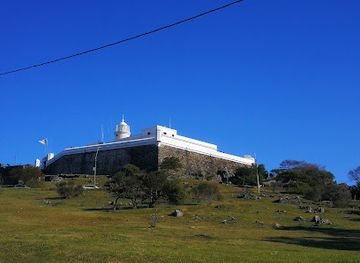
Fortaleza del Cerro
Explore Fortaleza del Cerro, an army museum in Montevideo, rich in history with stunning views and engaging exhibits that tell Uruguay's military story.
-
Park
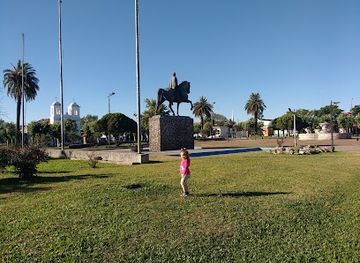
Plaza Artigas
Explore the serene beauty of Plaza Artigas, a vibrant park in Artigas, Uruguay, perfect for relaxation and cultural experiences.
-
Tourist attraction
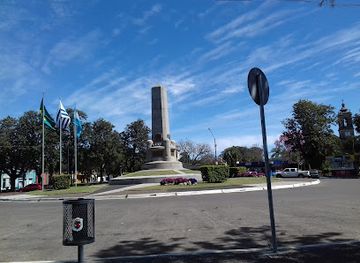
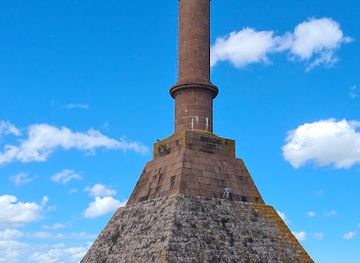
Obelisco de la ciudad
Explore the Obelisco de la Ciudad, a historic monument in Artigas, Uruguay, symbolizing the city's rich culture and heritage amidst stunning views.
-
Museum
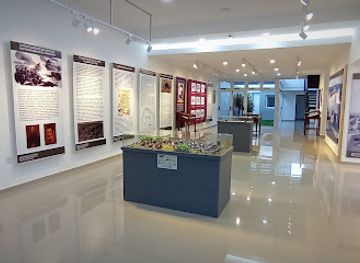
Museo Histórico Departamental de Artigas
Explore the rich heritage of Artigas at the Museo Histórico Departamental, where history and culture come alive through fascinating exhibits.
Best landmarks in Artigas
Artigas city’s central Plaza Artigas and its surrounding civic buildings form the department’s principal urban landmark ensemble, commemorating José Gervasio Artigas and anchoring the capital’s public life. The city’s border setting is itself a defining geographical landmark: the built-up area faces Quaraí in Brazil across the international frontier, illustrating how closely northern Uruguay is connected to its neighbour. In Bella Unión, the meeting of the Cuareim and Uruguay rivers gives the town a powerful natural setting and explains its strategic importance as a frontier settlement. The department’s most distinctive geological landmarks are less monumental but equally significant: amethyst- and agate-bearing formations and the mine workings associated with them underpin Artigas’s identity and economy. Rural landscapes of open pasture, cultivated fields and river margins complete the visual character of the region. Churches, plazas and nineteenth- and twentieth-century civic buildings in the principal towns are best appreciated as parts of a living border community rather than isolated monuments. Access to private mines and industrial sites must be arranged locally, since not all workings are public attractions.
-
Hotel
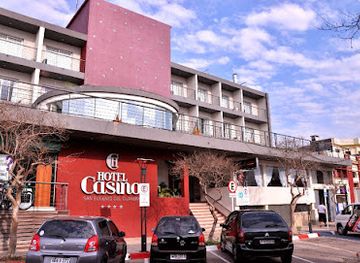
Hotel Casino San Eugenio del Cuareim
Discover the vibrant atmosphere of Hotel Casino San Eugenio del Cuareim, where luxury accommodations meet thrilling entertainment in Artigas, Uruguay.
-
Historical landmark
Artigas Plateau
Explore the Artigas Plateau, a stunning historical landmark in Uruguay, where breathtaking landscapes meet rich cultural heritage.
-
Tourist attraction
Safari Minero
Explore the stunning geological wonders and rich history at Safari Minero in Uruguay's Artigas Department, a must-visit for nature lovers and adventurers.
-
Vineyard
Casa Tannat
Experience the essence of Uruguayan wine culture at Casa Tannat, where exquisite Tannat varietals are crafted amidst stunning vineyard landscapes.


Explore Artigas on the map
Plan your trip on one map. See where the top cities, national parks and sights are, and book hotels and experiences in a few clicks.
Best hotels in Artigas
Best restaurants in Artigas
Dining in Artigas reflects northern Uruguayan habits, Brazilian influence and the practical food culture of a frontier department. Parrillas and traditional restaurants focus on grilled beef and other familiar Uruguayan favourites, while cafés and bakeries provide simple breakfasts, pastries and snacks suited to hot-weather travel. In Bella Unión, river and agricultural surroundings shape local menus, although offerings vary by season and establishment; regional produce, citrus and sugar-cane country are more reliable themes than a single defining dish. Visitors will find the broad national tradition of asado, milanesa, empanadas and mate alongside Brazilian-influenced flavours and informal border commerce. Supermarkets and small food shops are useful for provisions when travelling into rural areas, where dining options become sparse. Farmers and producers are important to the local economy, but visitors should not assume that every product is available in every town or season. Ask locally about current markets, family-run eateries and regional specialities rather than relying on restaurant claims that may change.
-
Restaurant
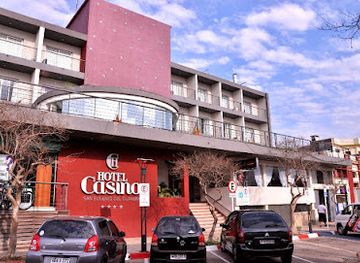
Hotel Casino San Eugenio del Cuareim
Experience the best of Brazilian cuisine and thrilling casino entertainment at Hotel Casino San Eugenio del Cuareim in Artigas.
-
Pizza
Los Turkitos
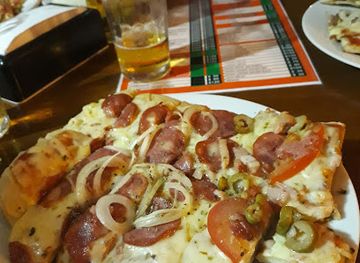
Experience authentic pizza flavors at Los Turkitos in Artigas—where every slice tells a delicious story.
-
Pizza
Pizzería Sapori D' Italia
Experience authentic Italian flavors at Pizzería Sapori D' Italia in Artigas – where every slice tells a story.
-
Restaurant
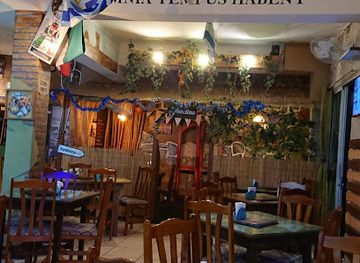
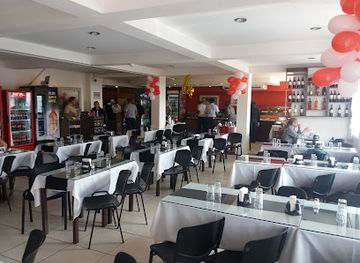
Restaurant Boi Brasino
Experience authentic Uruguayan cuisine at Restaurant Boi Brasino in Artigas - where every meal tells a story.
Best bars in Artigas
Evening life in Artigas is centred on cafés, casual restaurants, neighbourhood bars and social gatherings rather than a large, year-round club scene. Artigas city has the department’s broadest choice of places to meet, while Bella Unión offers a quieter evening rhythm shaped by local restaurants, bars and river-frontier life. During Carnival, public performances, samba-school events and associated gatherings transform the cultural calendar, with music and community participation extending beyond formal shows. Brazilian influence is particularly evident in the rhythm and presentation of the festivities, although Carnival remains part of Uruguay’s wider public culture. Outside major events, nightlife is generally relaxed and locally oriented; visitors should not expect the late-night concentration found in Montevideo or Punta del Este. Breweries, wine and spirits may appear on menus, but alcohol is not necessary to engage with the region’s evening culture. Confirm current opening arrangements locally, especially in smaller settlements and outside holiday periods.
-
Restaurant
Restaurant Boi Brasino
Discover the flavors of Artigas at Restaurant Boi Brasino, where local cuisine meets a welcoming atmosphere.
-
Restaurant
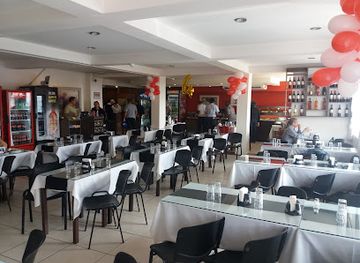
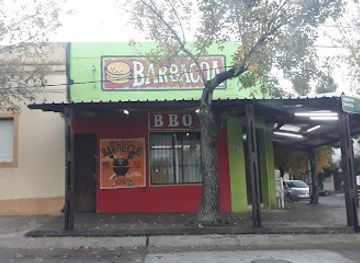
Barbacoa
Experience the taste of Uruguay at Barbacoa, a charming restaurant near Plaza Batlle in Artigas, serving authentic local cuisine in a welcoming atmosphere.
-
Restaurant
La Vaca Picada
Discover the authentic taste of Uruguay at La Vaca Picada, where every meal is a celebration of tradition and flavor.
-
Bar
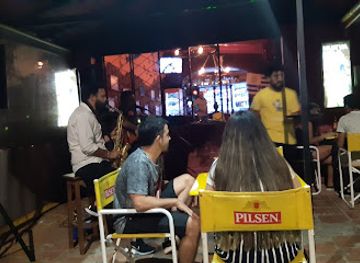
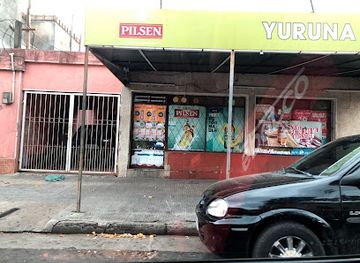
Yuruna
Experience the vibrant nightlife of Artigas at Yuruna, where locals gather to enjoy drinks and live music in a lively atmosphere.
Best nightclubs in Artigas
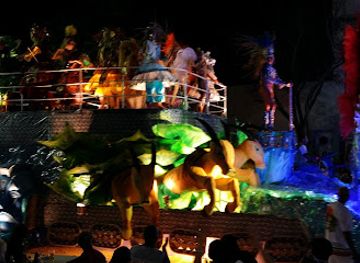
Evening life in Artigas is centred on cafés, casual restaurants, neighbourhood bars and social gatherings rather than a large, year-round club scene. Artigas city has the department’s broadest choice of places to meet, while Bella Unión offers a quieter evening rhythm shaped by local restaurants, bars and river-frontier life. During Carnival, public performances, samba-school events and associated gatherings transform the cultural calendar, with music and community participation extending beyond formal shows. Brazilian influence is particularly evident in the rhythm and presentation of the festivities, although Carnival remains part of Uruguay’s wider public culture. Outside major events, nightlife is generally relaxed and locally oriented; visitors should not expect the late-night concentration found in Montevideo or Punta del Este. Breweries, wine and spirits may appear on menus, but alcohol is not necessary to engage with the region’s evening culture. Confirm current opening arrangements locally, especially in smaller settlements and outside holiday periods.
-
Club
Club Uruguay
Discover the heart of Artigas' nightlife at Club Uruguay, where music, dance, and culture come alive in an unforgettable experience.
-
Bar
La Cantina Restó Bar-Pool
Experience the vibrant nightlife at La Cantina Restó Bar-Pool in Artigas, where delicious drinks and a lively atmosphere await you.
-
Dance club
Salon LOS PRIMOS
Discover the vibrant nightlife of Artigas at Salon LOS PRIMOS, where music and dance unite for an unforgettable experience.
-
Night club
Mundo Magico
Discover the vibrant nightlife of Artigas at Mundo Magico, a captivating club offering electrifying music, dance, and unforgettable experiences.
Best shops in Artigas
Artigas is Uruguay’s main destination for locally sourced amethyst and agate, with specialist shops and workshops offering polished stones, geodes, jewellery, carvings and decorative pieces. Quality and price vary widely, so ask about provenance, treatment and whether an item is a natural specimen or a manufactured product; reputable sellers should be able to explain what they are offering. Central Artigas also has ordinary high-street shops, supermarkets, pharmacies and small businesses serving local residents rather than tourists. Bella Unión’s retail scene is similarly practical, with food shops and everyday commerce reflecting its agricultural and border economy. Local produce, citrus-based goods and regional foods can be worthwhile purchases when available, while craft stalls and seasonal markets vary according to the calendar. Brazilian products may appear near the frontier, but customs rules apply when crossing into another country. Shopping is therefore most rewarding when focused on geological souvenirs, locally made items and provisions for rural travel rather than on large shopping centres or luxury retail.
-
Supermarket
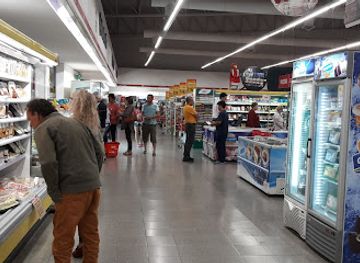
Ta-Ta Hiper Artigas
Discover local flavors and everyday life at Ta-Ta Hiper Artigas, a premier supermarket in the heart of Artigas, Uruguay.
-
Duty free store
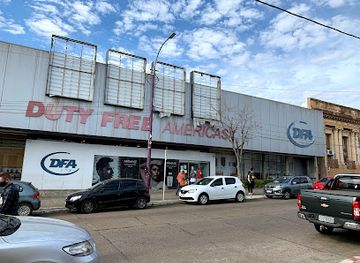
Duty Free Americas - Artigas
Discover unbeatable prices on luxury goods at Duty Free Americas - Artigas, the ultimate shopping destination for savvy travelers.
-
Duty free store
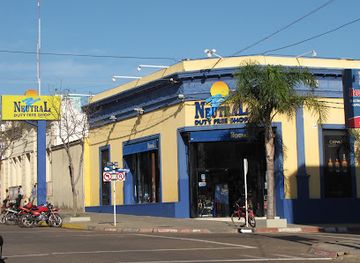
Neutral Free Shop - Artigas
Shop at Neutral Free Shop - Artigas for exclusive deals on luxury brands and a unique duty-free shopping experience.
-
Shoe store
Monaco Calzados Artigas
Discover stylish footwear at Monaco Calzados Artigas, the ultimate shoe store in Artigas, Uruguay, offering quality and fashion for every occasion.

Get your free copy of our complete guide to Artigas, delivered straight to you.
Everything on this page, from attractions and restaurants to essentials and local phrases, in one PDF you can read offline, print or share.
Already have an account? Sign in
Your Artigas guide is ready.
We'll send it to · Not you? Sign out

Getting your guide ready…
We are putting together a fresh copy of the Artigas guide. This can take up to a minute.
This can take a few moments. If your browser asks, choose Allow so the download can start. You'll find the guide in your Downloads folder.
Nothing happened? Download it again
Sorry, the guide is taking longer than usual. Please try again in a minute, or get it by email instead.
Artigas essentials
Currency and Payment
Safety
Emergency Situations
Do's and Don'ts
Local Tips
From Eve
Local phrases worth knowing
You don't need to get them perfect. A few words go a long way, and locals appreciate the effort.
Basics
| English | Local | Say it |
|---|---|---|
| Hello | Hola | [Ola] |
| Goodbye | Adiós | [A-dios] |
| Yes | Sí | [Si] |
| No | No | [No] |
| Please/You're welcome | Por favor | [Por fa-vor] |
| Thank you | Gracias | [Gra-sias] |
| Excuse me/Sorry | Perdón | [Per-don] |
| How are you? | ¿Cómo estás? | [Ko-mo es-tas] |
| Fine. And you? | Bien. ¿Y tú? | [Bien. I tu] |
| Do you speak English? | ¿Hablas inglés? | [A-blas in-gles] |
| I don't understand | No entiendo | [No en-ti-en-do] |
Eating & Drinking
| English | Local | Say it |
|---|---|---|
| I'd like to see the menu, please | Quisiera ver el menú, por favor | [Ki-si-e-ra ver el me-nu, por fa-vor] |
| I don't eat meat | No como carne | [No ko-mo kar-ne] |
| Cheers! | ¡Salud! | [Sa-lud] |
| I would like to pay, please | Quisiera pagar, por favor | [Ki-si-e-ra pa-gar, por fa-vor] |
Emergencies
| English | Local | Say it |
|---|---|---|
| Help! | ¡Ayuda! | [A-yu-da] |
| Go away! | ¡Vete! | [Ve-te] |
| Call the Police! | ¡Llama a la policía! | [Ya-ma a la po-li-cia] |
| Call a doctor! | ¡Llama a un doctor! | [Ya-ma a un doc-tor] |
| I'm lost | Estoy perdido | [Es-toy per-di-do] |
| I'm ill | Estoy enfermo | [Es-toy en-fer-mo] |
Shopping
| English | Local | Say it |
|---|---|---|
| I'd like to buy... | Quisiera comprar... | [Ki-si-e-ra kom-prar] |
| I'm just looking | Solo estoy mirando | [So-lo es-toy mi-ran-do] |
| How much is it? | ¿Cuánto cuesta? | [Kuan-to kues-ta] |
| That's too expensive | Eso es muy caro | [E-so es muy ka-ro] |
| Can you lower the price? | ¿Puedes bajar el precio? | [Pue-des ba-har el pre-cio] |
Time & Numbers
| English | Local | Say it |
|---|---|---|
| What time is it? | ¿Qué hora es? | [Ke o-ra es] |
| It's one o'clock | Es la una | [Es la u-na] |
| Half past (10) | Diez y media | [Diez i me-dia] |
| Morning | Mañana | [Ma-nya-na] |
| Afternoon | Tarde | [Tar-de] |
| Evening | Noche | [No-che] |
| Yesterday | Ayer | [A-yer] |
| Today | Hoy | [Hoy] |
| Tomorrow | Mañana | [Ma-nya-na] |
| 1 | Uno | [U-no] |
| 2 | Dos | [Dos] |
| 3 | Tres | [Tres] |
| 4 | Cuatro | [Kua-tro] |
| 5 | Cinco | [Sin-co] |
| 6 | Seis | [Seis] |
| 7 | Siete | [Sye-te] |
| 8 | Ocho | [O-cho] |
| 9 | Nueve | [Nue-ve] |
| 10 | Diez | [Diez] |
Transport & Directions
| English | Local | Say it |
|---|---|---|
| Where's a/the...? | ¿Dónde está un/una...? | [Don-de es-ta un/una] |
| What's the address? | ¿Cuál es la dirección? | [Kual es la di-rec-cion] |
| Can you show me (on the map)? | ¿Puedes mostrarme (en el mapa)? | [Pue-des mos-trar-me (en el ma-pa)] |
| When's the next (bus)? | ¿Cuándo es el próximo (bus)? | [Kuan-do es el pro-xi-mo (bus)] |
| A ticket (to ....) | Un boleto (a ...) | [Un bo-le-to (a ...)] |
History of Artigas
Indigenous and Riverine Foundations
Before European colonisation, the northern Banda Oriental was inhabited and traversed by Indigenous peoples, including Charrúa and other communities whose lives were connected to rivers, grasslands and seasonal movement. The Cuareim and Uruguay rivers later became important corridors for settlement, exchange and territorial competition. Indigenous history is often less visible in the built environment than later frontier history, but it remains essential to understanding why northern Uruguay developed around waterways, crossings and contested borderlands.
The Frontier Between Spanish and Portuguese Worlds
Artigas developed within a frontier zone disputed and influenced by Spanish and Portuguese colonial powers. Nearby Brazilian settlement, military activity and commercial movement made the area culturally different from Uruguay’s southern centres. Language, building traditions, trade and family connections crossed the border, while rivers and changing political boundaries alternately divided and linked communities. This long frontier history helps explain the bilingual and binational character still evident in Artigas city and Bella Unión.
José Gervasio Artigas and the Department’s Name
The department commemorates José Gervasio Artigas, the leading figure of Uruguay’s independence movement and the political programme associated with federalism and regional autonomy. Artigas’s influence belongs to the national history of the early nineteenth century, but his name is especially prominent in northern Uruguay, where a department, capital city and numerous public spaces bear it. The naming reflects the region’s place within the wider formation of the Uruguayan state rather than a separate local political tradition.
Bella Unión and the River Frontier
Bella Unión grew around its strategic position near the confluence of the Cuareim and Uruguay rivers. Its location connected Uruguay with Brazilian and Argentine territories and encouraged river traffic, agricultural exchange and settlement. The town’s history has consequently been shaped by both opportunity and remoteness: it is part of Uruguay, yet its everyday geography is inseparable from neighbouring countries. This frontier setting remains visible in regional commerce, family networks and the practical importance of border crossings.
Departmental Formation and Urban Development
Artigas Department was established in the nineteenth century as Uruguay consolidated its administrative structure and strengthened control over its northern frontier. Artigas city subsequently became the principal civic and commercial centre, while settlements such as Bella Unión developed distinctive agricultural and river-based roles. Public squares, government buildings, churches and transport links formed the framework of urban life. The department’s towns remained relatively distant from Montevideo, encouraging strong local and cross-border connections.
Railways, Agriculture and the Sugar Industry
The arrival and expansion of rail transport in northern Uruguay improved links with the rest of the country and supported the movement of agricultural products. In Bella Unión, sugar-cane cultivation and processing became particularly important during the twentieth century, creating employment and shaping the local economy. Citrus, rice and livestock also contributed to the department’s productive landscape. Although transport patterns have changed, agriculture continues to influence settlement, seasonal work and the food culture of northern Artigas.
Amethyst and Agate Mining
Artigas is internationally associated with amethyst and agate, formed in volcanic rock and extracted from geodes in the department’s northern geological belt. Mining developed into a significant local activity, combining extraction, cutting, polishing and trade. The stones vary in colour and pattern, and their value depends on quality, size and workmanship. Today the industry is both an economic resource and a cultural symbol, visible in workshops, mineral collections, jewellery and the souvenirs sold throughout Artigas city.
Carnival and Contemporary Frontier Culture
Modern cultural life in Artigas reflects the department’s close relationship with Brazil as well as Uruguay’s national traditions. Carnival, particularly the samba-school tradition associated with Artigas city, has become a major expression of public identity and cross-border cultural exchange. Performances, costumes, percussion and community organisation give the event a distinctive northern character. Alongside Carnival, local commerce, agriculture, river life and the gemstone trade continue to shape the department’s contemporary image.
Artigas in Photos
Browse through our photo collection highlighting the charm and character of the destination.
Neighbouring regions of Artigas
The closest regions to Artigas, if you have time for more than one.
-

-

-
-

-


Swipe for more regions
Explore more

Explore more of Uruguay
Discover Uruguay: Rich culture, stunning beaches, and a warm, welcoming atmosphere await in this hidden gem of South America.
Explore Uruguay