

Free Paysandu Travel Guide & Mobile App
Explore Paysandu with free travel guides. Discover regional history, expert tips, proposed trips, and audio guides on web or mobile app.


Explore Paysandú in western Uruguay for riverfront history, thermal resorts, Artigas heritage, rural landscapes and traditional Uruguayan food.
Read more about Paysandu
When is the best time to visit Paysandu?
Best: March–April, November · 24–28°C| Month | High (°C) | Rainfall (mm) |
|---|---|---|
| January | 29 | 80 |
| February | 29 | 70 |
| March (best) | 28 | 80 |
| April (best) | 24 | 90 |
| May | 20 | 80 |
| June | 17 | 70 |
| July | 17 | 70 |
| August | 18 | 80 |
| September | 22 | 80 |
| October | 23 | 90 |
| November (best) | 26 | 90 |
| December | 28 | 80 |
Getting to and around Paysandu
How to get there
Transportation
Top city travel guides in Paysandu
The cities of Paysandu, and the easiest places to base yourself.

Swipe for more cities
Destinations in Paysandu
Resorts, valleys and scenic spots worth a trip of their own.
-

-


Swipe for more destinations
Best attractions in Paysandu
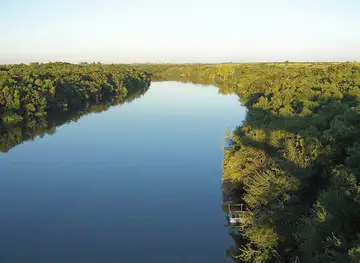
Paysandú’s attractions combine civic history, river recreation and thermal tourism rather than concentrating in one large visitor complex. In the capital, the historic centre, museums and the Basilica of Our Lady of the Rosary and Saint Benedict of Palermo introduce the Defence of Paysandú and the department’s nineteenth-century development. Along the Uruguay River, beaches, wooded banks and waterfront areas provide seasonal opportunities for walking, picnicking and swimming where conditions permit. Inland, the Guaviyú and Almirón thermal resorts offer pools, accommodation and restful surroundings, with Guaviyú generally presenting a more family-oriented resort environment and Almirón a quieter rural setting near Guichón. The Meseta de Artigas combines a major national memorial with open river-country views and historical interpretation. Smaller towns, agricultural landscapes and roads through the interior provide a different perspective on western Uruguay, while anglers, birdwatchers and walkers can find suitable experiences around the river and countryside. Facilities and opening arrangements vary outside the capital, so independent travellers should plan fuel, food and timings before leaving the main roads.
-
Tourist attraction
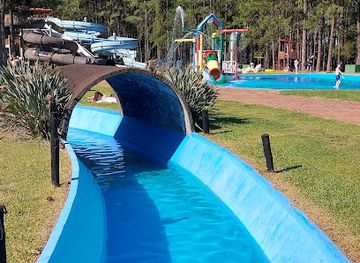
Aquatic Park Termas de Salto Grande
Dive into family fun and relaxation at Aquatic Park Termas de Salto Grande, where thrilling water attractions meet stunning natural beauty in Salto, Uruguay.
-
Park
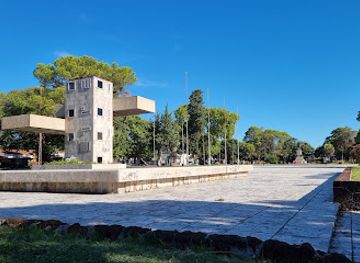
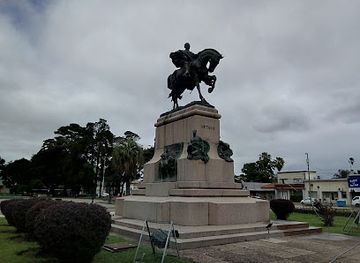
Plaza Artigas
Discover the charm of Plaza Artigas, a lush park in Paysandú, where local culture and natural beauty come together for an unforgettable experience.
-
Museum
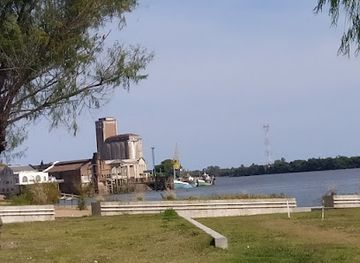
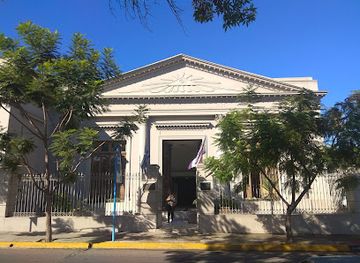
Casa de cultura
Explore the rich cultural heritage of Paysandú at Casa de Cultura, a vibrant museum showcasing local art, history, and community spirit.
-
Museum
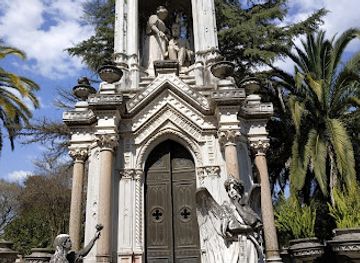
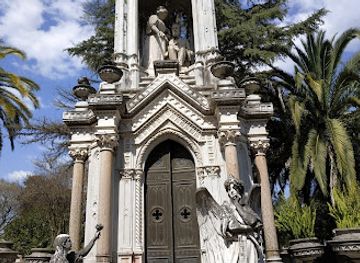
Museo Monumento A Perpetuidad
Explore the rich tapestry of history at Museo Monumento A Perpetuidad in Paysandú, where the past comes alive through engaging exhibits.
Best landmarks in Paysandu
The Basilica of Our Lady of the Rosary and Saint Benedict of Palermo is Paysandú’s most significant historic building, both for its religious importance and for its association with the Defence of Paysandú. The city’s historic streets and civic buildings provide further evidence of its nineteenth-century role as a regional centre. At the Meseta de Artigas, a monumental memorial to José Artigas rises above the Uruguay River landscape, marking the area associated with the revolutionary leader’s headquarters at Purificación. The river itself is a defining geographical landmark, shaping the department’s western edge, border history and recreational life. Paysandú’s thermal region has a different visual character: Guaviyú’s resort pools and wooded setting and Almirón’s saline-water facilities represent the practical transformation of underground geothermal resources into major regional landmarks. Together, these places express three strands of Paysandú’s identity—national history, river geography and thermal tourism—without reducing the department to its capital alone.
-
Park
Plaza Artigas
Explore the lush landscapes and historical significance of Plaza Artigas, a serene park in the heart of Paysandú, Uruguay, perfect for relaxation and cultural experiences.
-
Historical landmark
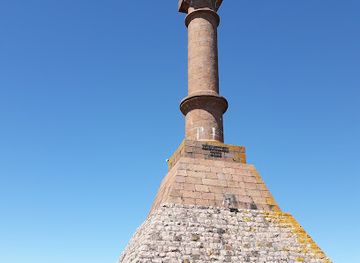
Artigas Plateau
Experience the breathtaking landscapes and rich history of the Artigas Plateau, a must-visit historical landmark in Uruguay's Paysandú Department.
-
Museum
Casa de cultura
Explore the cultural heart of Paysandú at Casa de Cultura, where history, art, and community come together in a vibrant museum experience.
-
Museum
Museo Monumento A Perpetuidad
Explore the artistic heritage of Uruguay at Museo Monumento A Perpetuidad, a must-visit cultural gem in Paysandú.
Explore Paysandu on the map
Plan your trip on one map. See where the top cities, national parks and sights are, and book hotels and experiences in a few clicks.
Best hotels in Paysandu
Best restaurants in Paysandu
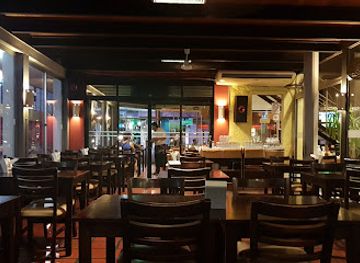
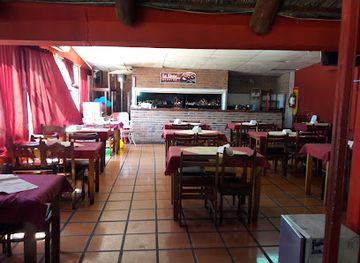
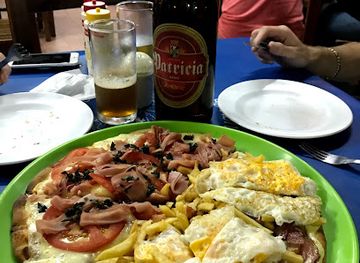
Dining in Paysandú reflects the wider culinary traditions of Uruguay while drawing on the department’s agricultural and river setting. Grilled beef, sausages and other meats are central to traditional parrillas, while cafés and bakeries serve pastries, sandwiches, cakes and the sweet milk-based flavours familiar across the country. Freshwater fish may appear on menus near the Uruguay River, although availability is seasonal and varies by establishment. Restaurants in Paysandú city range from straightforward grills and family dining rooms to contemporary venues, while thermal resorts and smaller towns tend to offer practical meals aimed at visitors and local residents. Markets, supermarkets and food shops are useful for assembling provisions before rural excursions. Mate is part of everyday social life rather than a restaurant speciality, and visitors will also find Uruguay’s widely enjoyed wines and light, crisp beer. Meals are often taken later than in northern Europe, and booking ahead is sensible at weekends or during busy thermal-resort periods.
-
Pizza
Pan Z
Discover Pan Z in Paysandú: A pizza paradise blending local ingredients with authentic Uruguayan flavors.
-
Restaurant
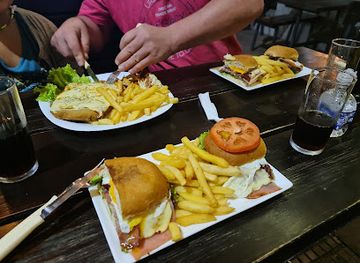
La Kinta avenida
Experience authentic Uruguayan cuisine at La Kinta Avenida in Paysandú - where tradition meets flavor in every dish.
-
Restaurant
Pizzeria SHANGRILÁ II
Discover authentic Italian cuisine at Pizzeria SHANGRILÁ II in Paysandú—where every pizza tells a story.
-
Fast Food
Pío Pío
Savor delicious hamburgers and pizzas at Pío Pío in Paysandú - the ultimate fast food experience awaits!
Best bars in Paysandu
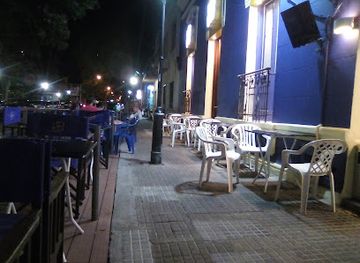
Evening life in Paysandú is centred on traditional bars, parrillas, cafés and social clubs rather than a large, nationally prominent nightclub circuit. In the capital, locals and visitors gather for conversation, football, live music and informal drinks, with the busiest atmosphere generally found around central streets and cultural or sporting events. Thermal resorts offer a quieter pattern of evenings, usually involving resort dining, relaxed drinks and seasonal entertainment rather than late-night clubbing. Guichón and smaller towns have a local pub and community-event culture, but options are more limited and opening arrangements can vary. Uruguay’s national fondness for mate, beer and wine is visible in social settings, although experiencing the department does not depend on drinking. Check local listings for concerts, theatre, carnival-related activities and temporary events, since much of the cultural calendar is seasonal and community-organised.
-
Bar
El Bar
Discover the lively spirit of Paysandú at El Bar, where great drinks and an inviting atmosphere await every visitor.
-
Restaurant
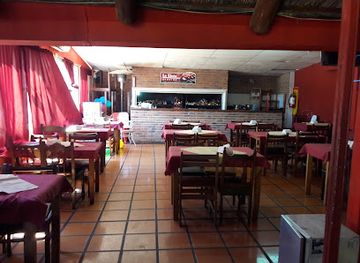
La Kinta avenida
Experience the rich flavors of Paysandú at La Kinta Avenida, a top restaurant known for its exquisite local cuisine and inviting atmosphere.
-
Bar
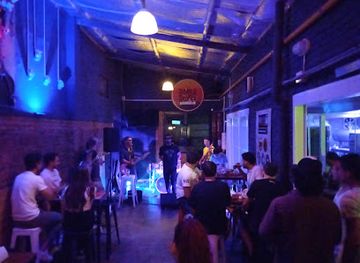
Bimba Brüder
Experience the vibrant nightlife at Bimba Brüder, a top bar in Paysandú offering delicious drinks and a lively atmosphere perfect for tourists.
-
Beer hall
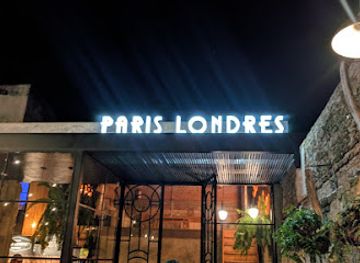
París Londres Beer House
Experience the vibrant atmosphere and diverse beer selection at París Londres Beer House in Paysandú, Uruguay, a haven for beer enthusiasts.
Best nightclubs in Paysandu
Evening life in Paysandú is centred on traditional bars, parrillas, cafés and social clubs rather than a large, nationally prominent nightclub circuit. In the capital, locals and visitors gather for conversation, football, live music and informal drinks, with the busiest atmosphere generally found around central streets and cultural or sporting events. Thermal resorts offer a quieter pattern of evenings, usually involving resort dining, relaxed drinks and seasonal entertainment rather than late-night clubbing. Guichón and smaller towns have a local pub and community-event culture, but options are more limited and opening arrangements can vary. Uruguay’s national fondness for mate, beer and wine is visible in social settings, although experiencing the department does not depend on drinking. Check local listings for concerts, theatre, carnival-related activities and temporary events, since much of the cultural calendar is seasonal and community-organised.
-
Bar
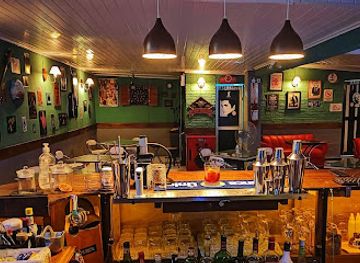
Chucho's Vintage Bar
Discover Paysandú's nightlife at Chucho's Vintage Bar, where vintage charm meets vibrant energy, offering unique drinks and live music.
-
Pub
Tres Treinta Bar
Experience the lively ambiance and local culture at Tres Treinta Bar in Paysandú, a perfect destination for nightlife and social gatherings.
-
Disco club
SUHR Paysandú
Discover the electrifying atmosphere of SUHR Paysandú, a premier disco club in Salto, Uruguay, where unforgettable nights and vibrant music await.
-
Social club
Club Paysandú
Discover the heart of Paysandú at Club Paysandú, a vibrant social hub for locals and tourists alike, offering culture, entertainment, and community.
Best shops in Paysandu
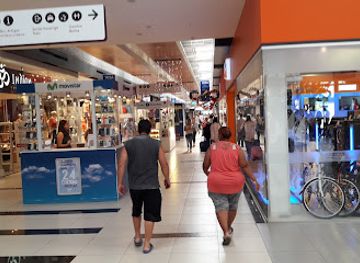
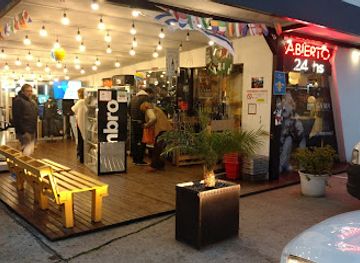
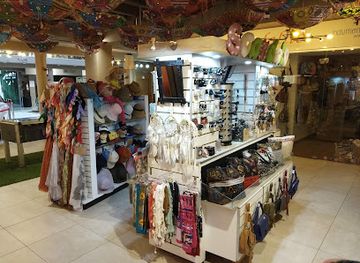
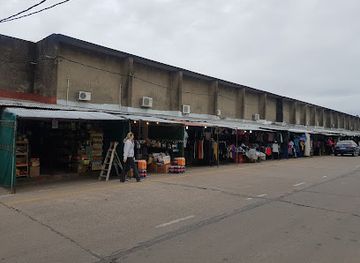
Shopping in Paysandú is primarily practical and local, with the main concentration of shops, supermarkets, cafés and services in the capital. Central streets offer everyday goods, clothing, books and small independent businesses, while market-style shopping is useful for fruit, vegetables, baked goods and provisions for journeys into the department. Visitors can look for Uruguayan leather, woollen goods, mate equipment, regional foods and simple craft products, but selection varies and products are not always made locally. Guichón and other smaller towns provide basic supplies and a more community-oriented high-street experience rather than specialist retail. Thermal resorts sell souvenirs and visitor essentials, although prices and choice may be more limited than in Paysandú city. Travellers crossing near the Argentine border should compare payment conditions and current customs rules before buying goods, as exchange rates and regulations can change.
-
Shopping mall
Paysandú Shopping - Terminal
Explore Paysandú Shopping - Terminal: a vibrant shopping destination in Uruguay featuring diverse shops, delicious eateries, and family-friendly entertainment.
-
Duty free store
Tax Free Shop Paysandu
Discover unbeatable tax-free shopping at Tax Free Shop Paysandu, where luxury meets local craftsmanship, right in the heart of Nuevo Paysandú.
-
Shopping mall
Urban Mac Center shopping
Discover a shopping paradise at Urban Mac Center in Paysandú, where local culture meets modern retail and dining experiences.
-
Clothing store
Bagashopping
Discover the latest fashion trends and unique styles at Bagashopping, the go-to clothing store in Paysandú for tourists and locals alike.
Get your free copy of our complete guide to Paysandu, delivered straight to you.
Everything on this page, from attractions and restaurants to essentials and local phrases, in one PDF you can read offline, print or share.
Already have an account? Sign in
Your Paysandu guide is ready.
We'll send it to · Not you? Sign out

Getting your guide ready…
We are putting together a fresh copy of the Paysandu guide. This can take up to a minute.
This can take a few moments. If your browser asks, choose Allow so the download can start. You'll find the guide in your Downloads folder.
Nothing happened? Download it again
Sorry, the guide is taking longer than usual. Please try again in a minute, or get it by email instead.
Paysandu essentials
Currency and Payment
Safety
Emergency Situations
Do's and Don'ts
Local Tips
From Eve
Local phrases worth knowing
You don't need to get them perfect. A few words go a long way, and locals appreciate the effort.
Basics
| English | Local | Say it |
|---|---|---|
| Hello | Hola | [oh-lah] |
| Goodbye | Adiós | [ah-dee-ohs] |
| Yes | Sí | [see] |
| No | No | [noh] |
| Please/You're welcome | Por favor | [por fah-vor] |
| Thank you | Gracias | [grah-syahs] |
| Excuse me/Sorry | Disculpe | [dees-kool-peh] |
| How are you? | ¿Cómo estás? | [koh-moh ehs-tahs] |
| Fine. And you? | Bien. ¿Y tú? | [byen. ee too] |
| Do you speak English? | ¿Hablas inglés? | [ah-blahs een-glays] |
| I don't understand | No entiendo | [noh en-tyen-doh] |
Eating & Drinking
| English | Local | Say it |
|---|---|---|
| I'd like to see the menu, please | Me gustaría ver el menú, por favor | [meh goo-stah-ree-ah vehr ehl meh-noo, por fah-vor] |
| I don't eat meat | No como carne | [noh koh-moh kar-neh] |
| Cheers! | ¡Salud! | [sah-lood] |
| I would like to pay, please | Quisiera pagar, por favor | [kee-syeh-rah pah-gar, por fah-vor] |
Emergencies
| English | Local | Say it |
|---|---|---|
| Help! | ¡Ayuda! | [ah-yoo-dah] |
| Go away! | ¡Vete! | [veh-teh] |
| Call the Police! | ¡Llama a la policía! | [yah-mah ah lah poh-lee-syah] |
| Call a doctor! | ¡Llama a un doctor! | [yah-mah ah oon dok-tor] |
| I'm lost | Estoy perdido | [es-toy pehr-dee-doh] |
| I'm ill | Estoy enfermo | [es-toy en-fehr-moh] |
Shopping
| English | Local | Say it |
|---|---|---|
| I'd like to buy... | Quisiera comprar... | [kee-syeh-rah kohm-prar] |
| I'm just looking | Solo estoy mirando | [soh-lo es-toy mee-ran-doh] |
| How much is it? | ¿Cuánto cuesta? | [kwahn-toh kwes-tah] |
| That's too expensive | Es demasiado caro | [es deh-mah-see-ah-doh kah-roh] |
| Can you lower the price? | ¿Puedes bajar el precio? | [pweh-des bah-har ehl preh-syo] |
Time & Numbers
| English | Local | Say it |
|---|---|---|
| What time is it? | ¿Qué hora es? | [keh oh-rah es] |
| It's one o'clock | Es la una | [es lah oo-nah] |
| Half past (10) | Y diez y media | [ee dyays ee meh-dee-ah] |
| Morning | Mañana | [mah-nyah-nah] |
| Afternoon | Tarde | [tahr-deh] |
| Evening | Noche | [noh-cheh] |
| Yesterday | Ayer | [ah-yer] |
| Today | Hoy | [oy] |
| Tomorrow | Mañana | [mah-nyah-nah] |
| 1 | Uno | [oo-no] |
| 2 | Dos | [dohs] |
| 3 | Tres | [tres] |
| 4 | Cuatro | [kwah-troh] |
| 5 | Cinco | [seen-koh] |
| 6 | Seis | [says] |
| 7 | Siete | [syay-teh] |
| 8 | Ocho | [oh-cho] |
| 9 | Nueve | [nweh-veh] |
| 10 | Diez | [dyays] |
Transport & Directions
| English | Local | Say it |
|---|---|---|
| Where's a/the...? | ¿Dónde hay un...? | [dohn-deh eye oon] |
| What's the address? | ¿Cuál es la dirección? | [kwahl es lah dee-rek-syon] |
| Can you show me (on the map)? | ¿Puedes mostrarme (en el mapa)? | [pweh-des mos-trar-me en ehl mah-pah] |
| When's the next (bus)? | ¿Cuándo sale el próximo (bus)? | [kwahn-doh sah-leh ehl prohk-see-mo] |
| A ticket (to ....) | Un pasaje (a ...) | [oon pah-sah-heh ah] |
History of Paysandu
Indigenous Landscapes and Early Colonial Contact
The Uruguay River corridor was used by Indigenous peoples long before European settlement, providing routes for movement, fishing and exchange. The western bank later became part of the contested frontier between Spanish and Portuguese interests. European colonisation altered settlement patterns through livestock, landholding and missions, while Indigenous communities faced displacement and violent pressure. Paysandú’s later importance grew from its position beside the river and on routes linking the interior with regional ports.
The Growth of Paysandú in the Nineteenth Century
Paysandú developed as a riverside settlement serving surrounding agricultural territory and river traffic. Its location gave it commercial importance during the formation of the Uruguayan state, when control of inland routes and access to the Uruguay River mattered greatly. Trade, cattle raising and the growth of civic institutions helped the town become one of western Uruguay’s leading urban centres. The surviving street plan and religious buildings reflect this nineteenth-century expansion.
José Artigas and Purificación
During the revolutionary period of the early nineteenth century, José Artigas established Purificación as a political and military headquarters in the western interior. The exact site is commemorated at the Meseta de Artigas, near the Uruguay River in Paysandú Department. Artigas’s federal ideas and his attempts to organise the territories under his influence remain central to Uruguayan national memory. The monument and surrounding landscape connect a major national story with the department’s river country.
The Defence of Paysandú, 1864–1865
The Defence of Paysandú was a major episode in Uruguay’s nineteenth-century civil conflicts and regional power struggles. Government forces and local defenders held the city during a siege before it fell in early 1865. The fighting caused extensive destruction and became a powerful symbol of resistance in national historical memory. The Basilica, museums and commemorative traditions in Paysandú preserve connections with the siege, while the event also illustrates how Uruguayan politics were entangled with wider tensions in the Río de la Plata.
Agriculture, River Trade and Industrial Development
During the late nineteenth and twentieth centuries, Paysandú’s economy expanded through cattle production, farming, river commerce and processing industries. Its position in western Uruguay encouraged links with neighbouring Argentina as well as with inland departments. Meat, leather, agricultural goods and other products supported employment and urban growth. Road improvements and changing transport patterns later reduced the river’s role as the principal commercial route, but agriculture and food-related activity remain important to the department’s economy.
Thermal Tourism and the Modern Department
The development of thermal tourism added a new dimension to Paysandú’s economy during the twentieth century. Resorts such as Guaviyú and Almirón turned naturally heated groundwater into year-round recreational and wellness attractions, encouraging accommodation, restaurants and local services. At the same time, Paysandú city strengthened its role as a regional cultural and administrative centre. Today the department combines historic civic identity with agricultural production, river recreation and domestic tourism centred on its thermal waters.
Paysandu in Photos
Browse through our photo collection highlighting the charm and character of the destination.
Neighbouring regions of Paysandu
The closest regions to Paysandu, if you have time for more than one.
-
-

-

-

-


Swipe for more regions
Explore more

Explore more of Uruguay
Discover Uruguay: Rich culture, stunning beaches, and a warm, welcoming atmosphere await in this hidden gem of South America.
Explore Uruguay