
Termas de Daymán, Uruguay Travel Guide
Discover the healing hot springs and serene landscapes of Termas de Daymán, Uruguay's premier destination for relaxation and wellness.
Termas de Daymán, located just a few kilometers from the city of Salto in Uruguay, is a haven for those seeking relaxation and rejuvenation. Known for its hot springs, the area offers a unique blend of natural beauty and therapeutic benefits that attract visitors from all over the world. The thermal waters, rich in minerals, are said to have healing properties, making it an ideal destination for those looking to unwind and improve their well-being. The thermal complex features a variety of pools with different temperatures, allowing visitors to choose the one that suits them best. Besides the hot springs, the area is surrounded by lush greenery and well-maintained gardens, providing a serene environment perfect for a leisurely stroll or a quiet moment of reflection. The facilities also include spa services, offering massages and other treatments that complement the healing powers of the thermal waters. In addition to the wellness benefits, Termas de Daymán offers plenty of activities for families and adventure seekers. There are recreational areas, playgrounds for children, and even water slides for those looking for some fun. The nearby town of Salto provides additional attractions, including historical sites, museums, and a vibrant local culture. Whether you're looking to relax, explore, or enjoy some quality family time, Termas de Daymán has something for everyone.

Know before you go
Hi, I'm Eve. Here are a few practical things to know before exploring Termas de Daymán.
- Visit during weekdays to avoid the weekend crowds and enjoy a more peaceful experience.
- Bring your own towel and bathing suit to save on rental costs and ensure you have the right size.
- Stay hydrated and take breaks between dips in the hot springs to avoid overheating.
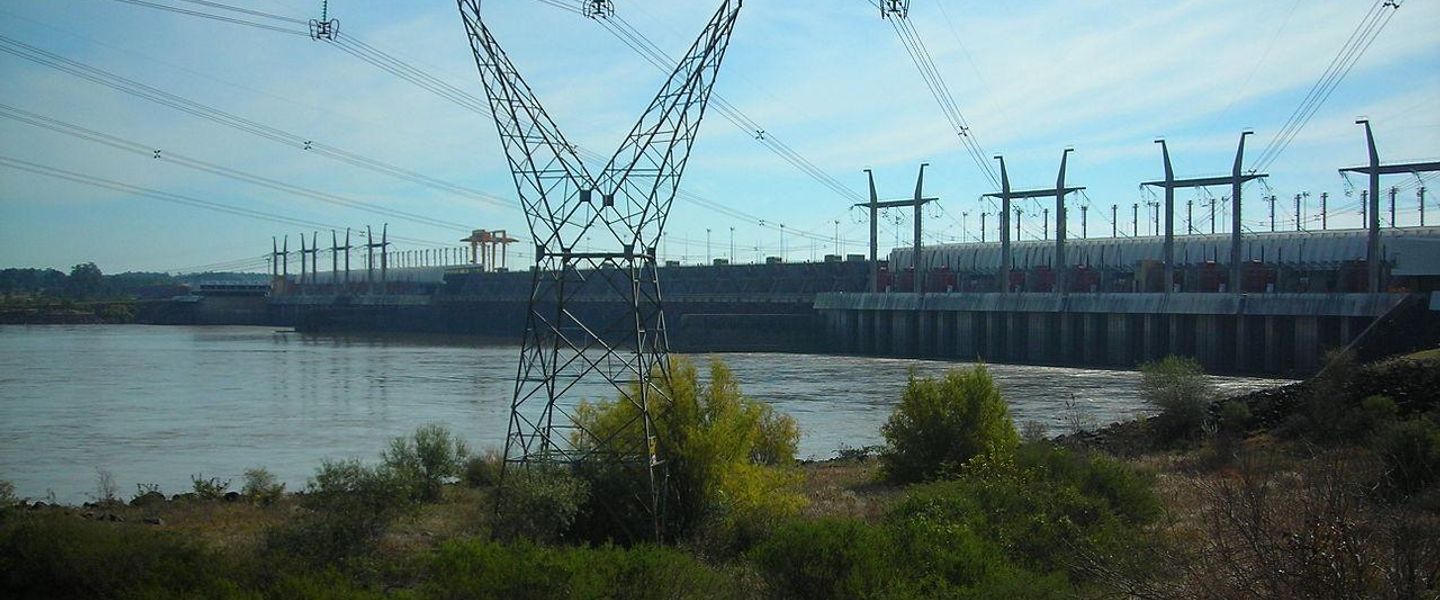
- Explore the nearby city of Salto for additional attractions like the Salto Grande Dam and local museums.
- Consider booking a spa treatment in advance to guarantee availability, especially during peak seasons.
Explore Termas de Daymán: Things to Do, Places to Eat, Hotels & More
Handpicked recommendations for top attractions, local dining, accommodations, and more

Best attractions in Termas de Daymán
Top-rated picks
Best Attractions

the Dayman Municipal Thermal Complex
Discover the healing waters of the Dayman Municipal Thermal Complex in Salto, Uruguay, and unwind in nature's embrace.

Acuamanía Water Park
Experience the thrill of water adventures and relaxation at Acuamanía Water Park, the ultimate family destination in Termas del Daymán, Uruguay.

Thermal Park Agua Clara
Experience the healing warmth of Thermal Park Agua Clara in Termas del Daymán, a perfect blend of relaxation and natural beauty for every traveler.

Municipal resort Termas del Daymán
Discover the healing thermal waters and family-friendly fun at Termas del Daymán, a top aquatic center in Uruguay's scenic Salto Department.

Best landmarks in Termas de Daymán
Top-rated picks
Best Landmarks

the Dayman Municipal Thermal Complex
Experience the rejuvenating power of nature at Dayman Municipal Thermal Complex in Salto, Uruguay, where relaxation meets wellness.

Acuamanía Water Park
Experience the ultimate aquatic adventure at Acuamanía Water Park, where thrilling slides and relaxing pools await in beautiful Termas del Daymán.

Posada siglo XIX
Discover the charm of Posada Siglo XIX in Termas del Daymán, a serene inn offering relaxation, culture, and access to healing thermal springs.

Thermal Park Agua Clara
Experience the ultimate relaxation at Thermal Park Agua Clara, where natural thermal baths rejuvenate your body and spirit in a stunning aquatic paradise.

Best restaurants in Termas de Daymán
Top-rated picks
Best Restaurants

the Dayman Municipal Thermal Complex
Experience ultimate relaxation at Dayman Municipal Thermal Complex with its healing thermal baths surrounded by nature's beauty.

El Rancho Spetto
Savor the best of Uruguayan cuisine at El Rancho Spetto – where flavor meets tradition in a delightful buffet experience.

Posada siglo XIX
Experience relaxation and warmth at Posada Siglo XIX in Termas del Daymán—your serene escape near natural hot springs.
El Galpón
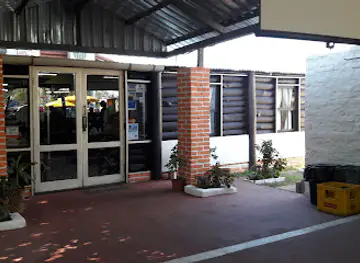
Discover authentic Uruguayan cuisine at El Galpón in Termas del Daymán – where tradition meets flavor in a welcoming atmosphere.

Best bars in Termas de Daymán
Top-rated picks
Best Bars

El Galpón
Experience the rich flavors of Uruguay at El Galpón, a must-visit restaurant in Termas del Daymán, perfect for food lovers and travelers alike.

Don Nicote
Experience the rich flavors of Uruguayan cuisine at Don Nicote, a culinary gem in Termas del Daymán.

Fogón De Mandinga
Discover the authentic Uruguayan grilling experience at Fogón De Mandinga in Termas del Daymán, where tradition meets flavor.

Restaurant This Time
Experience the flavors of Uruguay at Restaurant This Time in Termas del Daymán, where local ingredients meet culinary creativity.


Best shops in Termas de Daymán
Top-rated picks
Best Shops

Autoservicio y Panadería Don Diego Termas del Daymán
Experience local flavors and convenience at Autoservicio y Panadería Don Diego, your go-to supermarket and bakery in Termas del Daymán.

Dayman Thermal Spa
Experience the healing powers of nature at Dayman Thermal Spa, a serene retreat in Salto, Uruguay, offering therapeutic thermal baths and wellness treatments.

Beijaflor Casa de comidas
Discover the vibrant flavors of vegetarian cuisine at Beijaflor Casa de comidas, a must-visit café in Termas del Dayman.

Menta Helado y Café
Discover the sweet side of Termas del Daymán at Menta Helado y Café, where every scoop is a taste of joy and relaxation.

Explore Termas de Daymán on the Map
A handpicked selection of must-see spots in Termas de Daymán, mapped for you.
Termas de Daymán Essentials
-
Termas de Daymán is located in the Salto Department of Uruguay, approximately 10 kilometers south of the city of Salto. The nearest international airport is Carrasco International Airport in Montevideo, about 500 kilometers away. From Montevideo, you can take a domestic flight to Nueva Hesperides Airport in Salto. Alternatively, you can travel by bus or rent a car for a scenic drive that takes around 6 hours. Buses are frequent and comfortable, with several companies operating routes to Salto.
-
Once in Termas de Daymán, getting around is relatively easy. The area is compact, and many attractions are within walking distance. Local taxis are available and can be hailed on the street or booked through your accommodation. For those looking to explore the surrounding areas, car rentals are also an option. Buses and minibuses connect Termas de Daymán to Salto and other nearby towns.
-
The official currency in Uruguay is the Uruguayan Peso (UYU). Credit cards are widely accepted in most hotels, restaurants, and shops in Termas de Daymán. However, it's advisable to carry some cash for smaller establishments or in case of technical issues with card payments. ATMs are available in the area, and you can withdraw cash using international debit or credit cards.
-
Termas de Daymán is generally a safe destination for tourists. However, standard safety precautions should be taken. Avoid walking alone at night in poorly lit areas and keep an eye on your belongings in crowded places. Petty theft can occur, so be vigilant. There are no specific high-crime areas targeting tourists in Termas de Daymán, but always stay aware of your surroundings.
-
In case of emergency, dial 911 for immediate assistance. The local police station and medical facilities are available in Salto, a short drive away. It is recommended to have travel insurance that covers medical emergencies. For minor health issues, there are pharmacies in Termas de Daymán where you can purchase over-the-counter medications.
-
Fashion: Do dress casually and comfortably, especially since the area is known for its hot springs. Swimwear is appropriate at the thermal baths, but cover up when moving around in public spaces. Religion: Do respect local customs, although Termas de Daymán is not particularly religious. Public Transport: Do be respectful on public transport. Offer your seat to elderly passengers and avoid loud conversations. Greetings: Do greet people with a friendly 'Hola.' A handshake is common when being introduced. Eating & Drinking: Do try local dishes and accept food offerings graciously. Don't rush meals; dining is a social activity to be enjoyed leisurely.
-
To experience Termas de Daymán like a local, take the time to visit the local markets where you can buy fresh produce and artisanal goods. Engage with the locals, who are often friendly and willing to share stories about the area's history and culture. Don't miss the opportunity to relax in the thermal baths, which are the main attraction. For a unique experience, visit during one of the local festivals to see traditional music, dance, and cuisine.
When is the best time to visit Termas de Daymán?
Useful Local Phrases for Termas de Daymán
You don't need to speak the language perfectly. Even learning a few simple words can make conversations warmer—and locals usually appreciate the effort.
— Eve

Here are the phrases I use most often in Termas de Daymán. Try a few—you'll be surprised how far they go! 😊
❤️
-
- HelloHola
[oh-lah] - GoodbyeAdiós
[ah-dee-ohs] - YesSí
[see] - NoNo
[noh] - Please/You're welcomePor favor/De nada
[por fah-bor/deh nah-dah] - Thank youGracias
[grah-see-ahs] - Excuse me/SorryPerdón
[pehr-dohn] - How are you?¿Cómo estás?
[koh-moh ehs-tahs] - Fine. And you?Bien. ¿Y tú?
[byehn. ee too] - Do you speak English?¿Hablas inglés?
[ah-blahs een-glehs] - I don't understandNo entiendo
[noh ehn-tee-ehn-doh]
- HelloHola
-
- I'd like to see the menu, pleaseMe gustaría ver el menú, por favor
[meh goo-stah-ree-ah behr ehl meh-noo, por fah-bor] - I don't eat meatNo como carne
[noh koh-moh kahr-neh] - Cheers!¡Salud!
[sah-lood] - I would like to pay, pleaseMe gustaría pagar, por favor
[meh goo-stah-ree-ah pah-gahr, por fah-bor]
- I'd like to see the menu, pleaseMe gustaría ver el menú, por favor
-
- Help!¡Ayuda!
[ah-yoo-dah] - Go away!¡Vete!
[veh-teh] - Call the Police!¡Llama a la policía!
[yah-mah ah lah poh-lee-see-ah] - Call a doctor!¡Llama a un médico!
[yah-mah ah oon meh-dee-koh] - I'm lostEstoy perdido
[ehs-toy pehr-dee-doh] - I'm illEstoy enfermo
[ehs-toy ehn-fehr-moh]
- Help!¡Ayuda!
-
- I'd like to buy...Me gustaría comprar...
[meh goo-stah-ree-ah kohm-prahr] - I'm just lookingSolo estoy mirando
[soh-loh ehs-toy meer-ahn-doh] - How much is it?¿Cuánto cuesta?
[kwan-toh kwehs-tah] - That's too expensiveEsto es demasiado caro
[ehs-toh ehs deh-mah-syah-doh kahr-oh] - Can you lower the price?¿Puede bajar el precio?
[pweh-deh bah-hahr ehl pree-syoh]
- I'd like to buy...Me gustaría comprar...
-
- What time is it?¿Qué hora es?
[keh oh-rah ehs] - It's one o'clockEs la una
[ehs lah oo-nah] - Half past (10)Y media
[ee meh-dee-ah] - MorningMañana
[mah-nyah-nah] - AfternoonTarde
[tahr-deh] - EveningNoche
[noh-cheh] - YesterdayAyer
[ah-yehr] - TodayHoy
[oy] - TomorrowMañana
[mah-nyah-nah] - 1Uno
[oo-noh] - 2Dos
[dohs] - 3Tres
[trehs] - 4Cuatro
[kwah-troh] - 5Cinco
[seen-koh] - 6Seis
[sehs] - 7Siete
[syeh-teh] - 8Ocho
[oh-choh] - 9Nueve
[nweh-veh] - 10Diez
[dyehs]
- What time is it?¿Qué hora es?
-
- Where's a/the...?¿Dónde está...?
[dohn-deh ehs-tah] - What's the address?¿Cuál es la dirección?
[kwal ehs lah dee-rehk-syon] - Can you show me (on the map)?¿Puede mostrarme (en el mapa)?
[pweh-deh mohs-trar-meh (ehn ehl mah-pah)] - When's the next (bus)?¿Cuándo es el próximo (autobús)?
[kwan-doh ehs ehl proh-ksy-moh (ow-toh-boos)] - A ticket (to ....)Un boleto (para ....)
[oon boh-leh-toh (pah-rah)]
- Where's a/the...?¿Dónde está...?
History of Termas de Daymán
-
Before European colonization, the area now known as Termas de Daymán was inhabited by indigenous tribes, primarily the Charrúa people. These tribes were known for their deep connection to the land and their use of natural resources, including the hot springs that would later become a focal point of the region.
-
In the 16th century, Spanish explorers arrived in the region, marking the beginning of European influence. The Spanish were captivated by the natural beauty and resources of the area, but it wasn’t until centuries later that the hot springs would be formally recognized and utilized.
-
In the early 20th century, the thermal properties of the Daymán waters were officially discovered. This discovery led to the development of the thermal baths, which began to attract visitors seeking the therapeutic benefits of the mineral-rich waters.
-
By the mid-20th century, Termas de Daymán had transformed into a well-established thermal complex. Infrastructure improvements, including pools, hotels, and recreational facilities, were made to accommodate the growing number of tourists.
-
Termas de Daymán holds a special place in Uruguayan culture. The thermal baths are not only a popular tourist destination but also a site for local traditions and gatherings. The natural setting and warm waters provide a unique environment for relaxation and socialization.
-
Today, Termas de Daymán is one of Uruguay's most visited thermal resorts. It continues to draw visitors from around the world, boasting modern amenities while preserving the natural charm and historical significance of the area. The site is a testament to the enduring appeal of Uruguay's natural wonders.
Neighbouring destination travel guides
Browse our curated selection of top destinations, scenic points, and must-visit spots in the area.



Your all‑in‑one travel companion app
Explore expert travel guides, compare and book tours, experiences, hotels, and more—all from the palm of your hand. Download now for seamless trip planning wherever your wanderlust takes you.


Explore More of Paysandu

Looking beyond Termas de Daymán? Discover Paysandu for broader travel guides, local hot-spots, and regional highlights.
Explore PaysanduExplore More of Uruguay

Looking beyond Termas de Daymán? Discover Uruguay for broader travel guides, local hot-spots, and regional highlights.
Explore UruguayTermas de Daymán in Photos
Browse through our photo collection highlighting the charm and character of the destination.


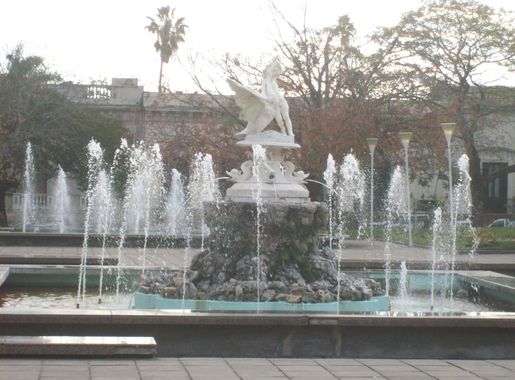
Relaxation and Rejuvenation at Termas de Daymán
Termas de Daymán, located just a few kilometers from the city of Salto in Uruguay, is a haven for those seeking relaxation and rejuvenation. Known for its hot springs, the area offers a unique blend of natural beauty and therapeutic benefits that attract visitors from all over the world. The thermal waters, rich in minerals, are said to have healing properties, making it an ideal destination for those looking to unwind and improve their well-being. The thermal complex features a variety of pools with different temperatures, allowing visitors to choose the one that suits them best. Besides the hot springs, the area is surrounded by lush greenery and well-maintained gardens, providing a serene environment perfect for a leisurely stroll or a quiet moment of reflection. The facilities also include spa services, offering massages and other treatments that complement the healing powers of the thermal waters. In addition to the wellness benefits, Termas de Daymán offers plenty of activities for families and adventure seekers. There are recreational areas, playgrounds for children, and even water slides for those looking for some fun. The nearby town of Salto provides additional attractions, including historical sites, museums, and a vibrant local culture. Whether you're looking to relax, explore, or enjoy some quality family time, Termas de Daymán has something for everyone.